

REVIEW · KIBERA TOURS
Nairobi: Chocolate City Kibera Slum Walking Tour
Kibera is the kind of place that changes how you see a city. This 2-hour Chocolate City walk takes you into Nairobi’s largest informal settlement with resident guidance, clear safety habits, and visits that explain everyday life. I especially love meeting guides like Collins who answer questions and point out what matters in day-to-day Kibera life.
One of my favorite parts is the stop at the Agape Children Centre, where your time feels respectful and purposeful, not like a photo safari. The main consideration is language: even if you pick Japanese, you may still get English, so plan for that possibility.
In This Review
- Key things I’d remember from this Kibera tour
- Starting at Ayany Equity Bank, you get oriented fast
- Kibera walking, photo stops, and how a short bus segment can help
- The Chocolate City angle, and why it’s more than a nickname
- Agape Children Centre: education support you can see with your eyes
- Toi Market: commerce, culture, and practical guide help
- Beadwork project and beadwork factory visit: where value becomes real
- The home visit component: respectful behavior matters most
- Duration, comfort, and the practical stuff you can control
- Price and value: what $15 buys you in real terms
- Who should book this Kibera Chocolate City walk
- Should you book this tour?
- FAQ
- How long is the Nairobi Kibera Chocolate City walking tour?
- Where do I meet the tour, and where do I get dropped off?
- What’s included in the ticket price?
- What languages are available for the live guide?
- What should I wear or bring?
- Is this tour suitable for wheelchair users or people with mobility impairments?
- Are young children allowed?
Key things I’d remember from this Kibera tour

- Resident-led context: guides from the community explain what you are seeing in plain language.
- Safety first, not afterthought: you get a safety briefing and direction for how to move through the area.
- Agape Children Centre visit: a focused stop tied to children’s education and support.
- Beadwork hands-on option: you participate in a community-based beadwork project.
- Toi Market and craft stops: you see both the shopping street side and the beadwork factory side.
- Home visit included: it adds a personal angle, so bring extra patience and respect.
Starting at Ayany Equity Bank, you get oriented fast
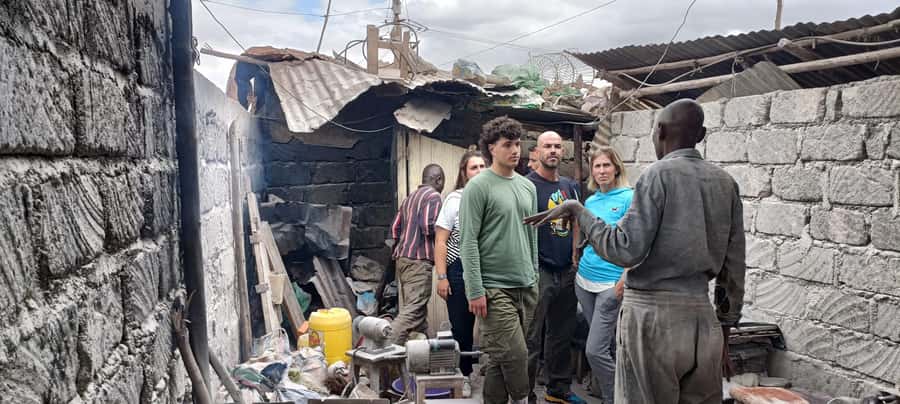
Most tours start at Ayany Equity Bank Kibera, a practical, real-life meeting point where the area feels like itself, not staged for visitors. I like that this isn’t a “we’ll meet somewhere pretty and pretend” setup. It helps you start with the right mindset: Kibera is lived in, not performed.
From the first moments, the guide role is clear. You’re not handed a map and wished luck. Instead, you follow resident tour leaders who know where to go, how to move, and how to keep your group comfortable. Several guides described as Collins and Allan focused on asking if you had questions and guiding you through both what you see and how to behave.
More City Tours in Nairobi
- Nairobi Historical Walking City Tour
★ 5.0 · 258 reviews - Nairobi City Walking Tour with Traditional Kenyan Lunch
★ 5.0 · 106 reviews - Nairobi Cultural and Historical City Tour with a Local
★ 5.0 · 67 reviews
Kibera walking, photo stops, and how a short bus segment can help
Once the tour gets going, you spend time in the Kibera area with a mix of activities. The plan includes a guided tour, photo stop(s), and even a bus tour plus a self-guided tour segment. That blend matters. A walking-only route can be long and tiring in Nairobi heat and crowded paths, and it can also make you rush past details. A short vehicle segment, when used, helps you cover ground while still getting out to see the community up close.
Here’s how I’d handle the walking part: go slow and let the guide set the pace. The guides are there to help you connect the dots between what looks unfamiliar and what is actually normal here. If you’re the type who likes asking lots of questions, bring that energy. One guide approach that really came through in accounts was checking in and inviting questions rather than lecturing nonstop.
Also, don’t expect this to feel like a standard sightseeing circuit. You might see narrow streets, everyday routines, and small-scale businesses. The value is the explanations. Your job is simple: listen, look, and keep your conduct respectful.
The Chocolate City angle, and why it’s more than a nickname

The tour highlights the nickname Chocolate City, linked to the area and its identity. In practice, the “why” is about contrast. You may see creativity, commerce, and community organization alongside the challenges of an informal settlement.
I like that the tour does not treat the name as just a catchy label. The guides talk through how the community works, and they point to where support systems show up in day-to-day life. This is one of those experiences where your takeaway is less about a single landmark and more about understanding how people build resilience and community support under pressure.
If you go in expecting a perfect, Instagram-ready storyline, you’ll probably feel frustrated. If you go in expecting real people explaining real life, you’ll get a lot more out of it.
Agape Children Centre: education support you can see with your eyes

A major stop is the Agape Hope Children Centre. This is where the tour shifts from “see the area” to “understand the support.” The centre visit is included, and it is also where your interaction should feel the most intentional.
What I like here is the tone. Guides are meant to support a safe, welcoming environment and to keep interactions respectful. That matters because children’s organizations are not props. Your presence should help the work, not distract from it.
You can also treat this stop like a conversation, not a performance. If you want clarity about the centre’s role, ask questions of your guide. If you’re hoping for more direct connection, don’t assume it happens automatically. Time constraints and sensitivity apply, so a calm, respectful request through your guide is the best approach.
More Walking Tours in Nairobi
- Nairobi: Historic and Modern Highlights Walking Tour
★ 4.8 · 703 reviews - Nairobi Downtown Walking Tour
★ 4.7 · 208 reviews - Nairobi Walking Tour: Downtown & City Tour
★ 4.8 · 32 reviews - Day tour to Hells Gate, Lake Naivasha and Crescent Island Walk
★ 5.0 · 26 reviews
Toi Market: commerce, culture, and practical guide help

Another included stop is Toi Market. This is the place where senses get involved: sights, sounds, and the everyday rhythm of people buying, selling, and moving through their routines.
One theme that came through clearly from guide experiences is that the tour is not meant to pressure you into purchases. I’d still advise you to stay alert and follow the guide’s instructions. When you are walking through a market, it is easy for your curiosity to become crowding or for sales pressure to feel stronger than it should.
If you want to buy beadwork or small items later, this market stop gives you a sense of what’s normal to ask about. Keep it simple: ask the price, ask what the item is, and thank the seller. That’s enough.
Beadwork project and beadwork factory visit: where value becomes real
The tour includes a participating community-based beadwork project, plus a visit to a beadwork factory. This section is one of the most practical ways to understand how small industries function in the settlement economy.
I like hands-on projects because they slow you down. You see how materials turn into work and how time becomes craftsmanship. You also learn what questions to ask. For example, you might want to know how long a piece takes, what skills go into it, or why certain designs are popular. Even if you do not make a masterpiece, participating helps you connect the activity to the people behind it.
Then the factory stop adds a second angle. The project side helps you understand craft at a personal level, while the factory visit shows you how production and training may work at a larger scale. Together, it makes the “support local” idea more than a slogan.
If you do decide to buy, do it thoughtfully. Bring a little extra cash if you plan to purchase. And if you’re not buying, that’s okay. Treat the visit as learning and conversation first.
The home visit component: respectful behavior matters most

A home visit is listed as included, and that’s not a small add-on. This part can be meaningful because it changes your perspective from “tour route” to “people’s lives.”
Because details are limited, I’ll keep expectations grounded. You should assume the home visit is time-bound and guided, with clear rules about respect and boundaries. Follow instructions closely, keep your voice low, and avoid asking personal questions that would feel intrusive. If you want to ask something, route your questions through your guide.
Also, remember the tour already includes restrictions like not allowing bare feet and not allowing high heels. That’s partly about safety and partly about keeping a respectful presence inside homes and community spaces.
Duration, comfort, and the practical stuff you can control
This experience runs about 2 hours, and it includes multiple stops plus walking time. In Nairobi heat, comfort is not optional. Wear comfortable, closed-toe shoes. This is not the place for flip-flops or delicate shoes.
Also note what is not allowed: high-heeled shoes, weapons or sharp objects, explosive substances, nudity, and bare feet. That list tells you the tour operator is serious about maintaining safety and boundaries.
One more small tip: if you tend to get motion sickness, keep in mind that the plan includes a bus tour segment. If you are sensitive to that, consider whether this is the right choice for you.
Price and value: what $15 buys you in real terms
At $15 per person, this tour is priced like a budget-friendly entry point, not a “premium storytelling package.” The value comes from three things that matter in real life:
- You pay for a professional, English-speaking guide and resident interpretation, not just logistics.
- Your fee supports specific visits, including the children’s centre and a community-based beadwork project.
- You also get bottled water and a structured route with a safety briefing.
To me, the math works best if you want context and connection more than souvenirs. If your goal is to tick a box called Africa slum tour, you might feel let down. If your goal is to understand how community support and daily life operate in Kibera, you’ll feel like $15 is a reasonable cost for a high-impact, guided experience.
Who should book this Kibera Chocolate City walk
This tour is best for people who:
- Want resident-led context and structured guidance.
- Prefer a short, focused 2-hour experience.
- Are comfortable walking and following safety instructions.
It may not be a fit for people with mobility concerns, since wheelchair users and those with mobility impairments are not suitable. It is also not suitable for pregnant women, people with epilepsy, and babies under 1 year. The tour also lists specific age restrictions for young children (under 2, under 3, under 4), so if you are traveling with kids, check the age rules carefully before you go.
If you’re going after photography, ask your guide where the best photo stop opportunities are, and keep your camera habits considerate of the environment.
Should you book this tour?
I think it’s worth booking if you want a real introduction to Kibera with resident guidance, not a detached sightseeing loop. The strongest signal for me is the emphasis on safety and respectful interaction, plus the visits that connect you to community support and craft through the beadwork project and factory stop.
I’d hesitate only if language expectations are a dealbreaker for you. You can choose Japanese, French, German, Italian, or Spanish in the listing languages, but some experiences describe ending up with English anyway. If you speak English or you’re okay with it, the tour is much more likely to feel smooth.
If you want, tell me what languages you speak and whether you plan to buy beadwork, and I can suggest how to best plan your mindset and questions for each stop.
FAQ
How long is the Nairobi Kibera Chocolate City walking tour?
The tour duration is listed as 2 hours.
Where do I meet the tour, and where do I get dropped off?
The meeting point may vary depending on the option booked. The listed options include Agape Hope for Kibera and Prestige Plaza Shopping Mall. Drop-off locations are also listed as Prestige Plaza Shopping Mall and Agape Hope for Kibera.
What’s included in the ticket price?
The included items are a professional guide and English-speaking guide services, bottled water, a Kibera slums walking tour, a visit to an Agape Children Centre, participation in a community-based beadwork project, a visit to a beadwork factory, and a home visit.
What languages are available for the live guide?
The live tour guide is listed as available in English, French, German, Japanese, Italian, and Spanish.
What should I wear or bring?
Bring comfortable shoes and closed-toe shoes.
Is this tour suitable for wheelchair users or people with mobility impairments?
No. Wheelchair users and people with mobility impairments are listed as not suitable.
Are young children allowed?
The information lists restrictions for children under 2 years, under 3 years, under 4 years, and babies under 1 year.
More Kibera Tours in Nairobi
- Nairobi: Explore Kibera Slum with Local Guides
★ 4.9 · 365 reviews - Kevins Kibera Slum Tours
★ 5.0 · 213 reviews - Nairobi: Kibera Slum storytelling tour with a Local
★ 5.0 · 185 reviews - Kibera Slum Tour with Lucas
★ 5.0 · 119 reviews
Newest write-ups from Nairobi
- Visit kibera Slum the chocolate city★ 4.8 · 3 reviews
- 3 days maasai mara migration safari★ 4.5 · 7 reviews
- 4 Days Tour Landcruiser in Masai Mara and Lake Nakuru★ 5.0 · 10 reviews
- 4 Days Safari to Lake Nakuru N/P and Maasai Mara N/R★ 5.0 · 18 reviews
- Day Tour to Nairobi national park, Elephants, and Giraffe Center★ 3.5 · 8 reviews
- Wildebeest Migration in Masai Mara and Sightseeing 4 Days Tour★ 4.5 · 6 reviews
- Maasai Mara Day Trip★ 5.0 · 15 reviews
- Kibera Slum Tour with a Local★ 5.0 · 15 reviews
Kibera Tours, compared.





Kibera Slum Tour with Local Social Entrepreneurs
Read our review →


Browse the lists this tour appears in