

REVIEW · KIBERA TOURS
Nairobi: Kibera Slum Tour with Local Social Entrepreneurs
Kibera is not a museum, it is home. This tour works because you go with a Kibera-born guide named Luke who explains daily life in plain, human terms, and you also see real community projects tied to the places you visit. Two things I really like: the visit includes school and children’s home support through 30% of the tour revenue, and the route mixes practical stops like markets and workshops with emotional stops like the children’s home.
There is one thing to consider before you book: this is a highly interactive, story-heavy experience. It can be emotional, especially during the children’s home and school visits, so bring your best respect-and-humility mode.
In This Review
- Key things you’ll remember
- Entering Kibera With Luke: A 3-Hour Loop That Actually Makes Sense
- Where You Meet: Greenhouse Mall, Security, Then the Real Walk Begins
- Toi Market: Second-Hand Clothes and a Local Economy You Can See
- Children’s Home Visit: What Support Looks Like Up Close
- Uweza Art Gallery: When Art Becomes Work and Identity
- Kibera View Point: Aerial Scale Near the Old Kenya-Uganda Railway Line
- A Local House Visit: Understanding Life in a 4m by 4m Space
- Fairview Academy: Resilience in a School With Limited Resources
- Victorious Bone Craft Workshop: Recycling That Creates Jobs
- End Point at Olympic Estate: Wrap Up, Then Grab Your Taxi
- Price and Value: Why $40 Can Be More Than a Tour Ticket
- Safety and Comfort: What People Notice Most
- Who This Tour Is For (and Who Should Skip It)
- Practical Ways to Get the Most From the 3 Hours
- Should You Book This Kibera Slum Tour?
- FAQ
- How long is the Kibera Slum Tour?
- Where do I meet the guide?
- What stops are included on the tour?
- What is included in the tour price?
- What is not included?
- How does the tour support the community?
- Which languages are used during the tour?
- Is the tour suitable for young children or infants?
- Will I feel safe during the visit?
- Can I reserve and pay later?
Key things you’ll remember

- Luke’s local perspective makes the explanations feel grounded, not scripted.
- 30% of revenue supports a children’s home and school needs like stationeries and school items.
- A tight 3-hour route that still hits market, school, art, a home, and a recycling workshop.
- Uweza Art Gallery shows creativity as both culture and livelihood.
- Victorious Bone Craft Workshop turns waste materials into ornaments and jobs.
- Aerial views from Kibera Town Centre near the old Kenya-Uganda Railway line give you scale fast.
Entering Kibera With Luke: A 3-Hour Loop That Actually Makes Sense
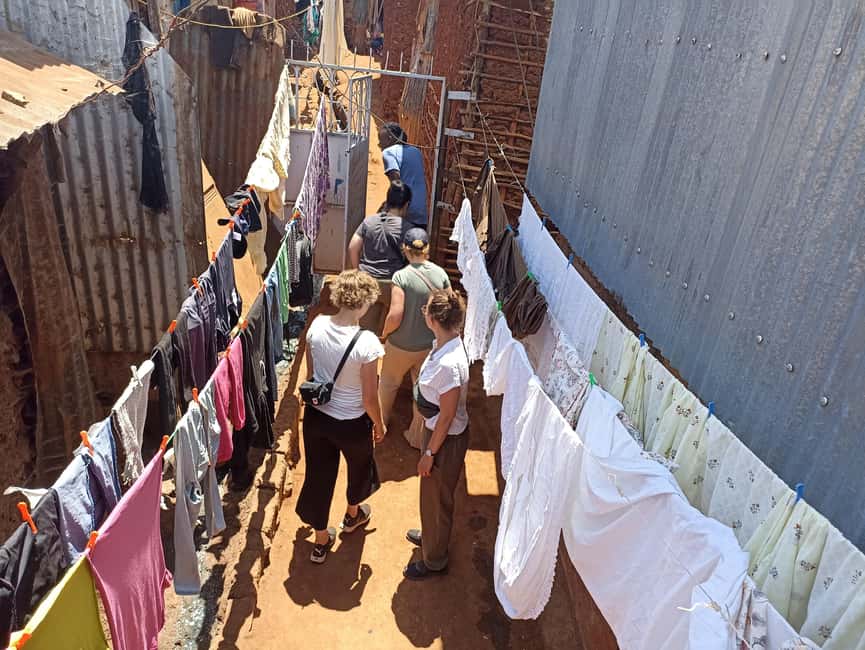
You do not need to be a “slum tour expert” to enjoy this one. What makes it work is the structure. In a maximum of 3 hours, you see Kibera in sections, moving through everyday life, community support, and local work.
This tour is led in English and Swahili, and the guide experience matters. The guide is locally born in Kibera and holds a degree, so you get more than directions and surface facts. You get context: where Kibera comes from, why people live this way, and what residents have built to survive and improve their situation.
Also, this tour is set up to feel flexible. You can coordinate a time that fits your day with your guide on WhatsApp. That matters in Nairobi, where plans can change fast.
More Kibera Tours in Nairobi:
- Nairobi: Explore Kibera Slum with Local Guides
★ 4.9 · 365 reviews - Kevins Kibera Slum Tours
★ 5.0 · 213 reviews - Nairobi: Kibera Slum storytelling tour with a Local
★ 5.0 · 185 reviews
Where You Meet: Greenhouse Mall, Security, Then the Real Walk Begins
The tour starts at the Greenhouse Mall near the entrance, off Ngong Road at Adams Arcade. You meet your guide near the security checkpoint, and then you enter the mall area together before heading out.
That first step helps you get oriented. It also makes the start feel more orderly than “just show up somewhere in the area.” Many people appreciate that the guide is easy to reach on WhatsApp so you are not scrambling.
From there, the day becomes a short tour with several stops that keep building on each other. The order matters too, because you’ll connect what you see in the market with what you see in homes, schools, and local production.
Toi Market: Second-Hand Clothes and a Local Economy You Can See

The second stop is Toi Market, described as Nairobi’s second-largest open-air market for second-hand clothes. You’ll see how clothing moves from overseas origins into local life, with items coming from places like Europe, the UK, USA, China, and more.
Why this stop matters: it is not just shopping. It shows an economy built on reuse, repair, and demand. You get a clearer sense of how residents stretch money, and how everyday trade supports the community’s rhythm.
This is also where you see how Kibera connects into Nairobi beyond its borders. The market is a reminder that this community is not isolated. It is part of the city’s flow, just with very different resources.
Children’s Home Visit: What Support Looks Like Up Close
Next comes a children’s home inside the neighborhood. This part can hit you in the chest, because the care is real and the reasons are real. The home supports vulnerable kids, including total orphans and children rescued from the streets.
What you can expect here is guided interaction. You’ll meet children who are supported with basics like food, shelter, and education. The guide frames the stories with context, and the goal is connection, not spectacle. People consistently describe the interactions as moving, and also respectful when approached with the right mindset.
One practical note: the tour is designed to be interactive, so you should be ready to ask questions and listen. If you come expecting a quick photo stop, this part will feel off. If you come ready to learn how support works on the ground, it becomes one of the most memorable segments.
A few more Nairobi days worth pricing up
- Nairobi National Park Half-Day Tour; Free Wi-Fi connection
★ 5.0 · 878 reviews - Nairobi: National Park & Optional Elephants & Giraffe Center
★ 4.8 · 874 reviews - NAI NAMI: Nairobi Storytelling Tour with Street Children
★ 5.0 · 792 reviews - Nairobi National Park Half-Day Game Drive
★ 4.5 · 738 reviews
Uweza Art Gallery: When Art Becomes Work and Identity
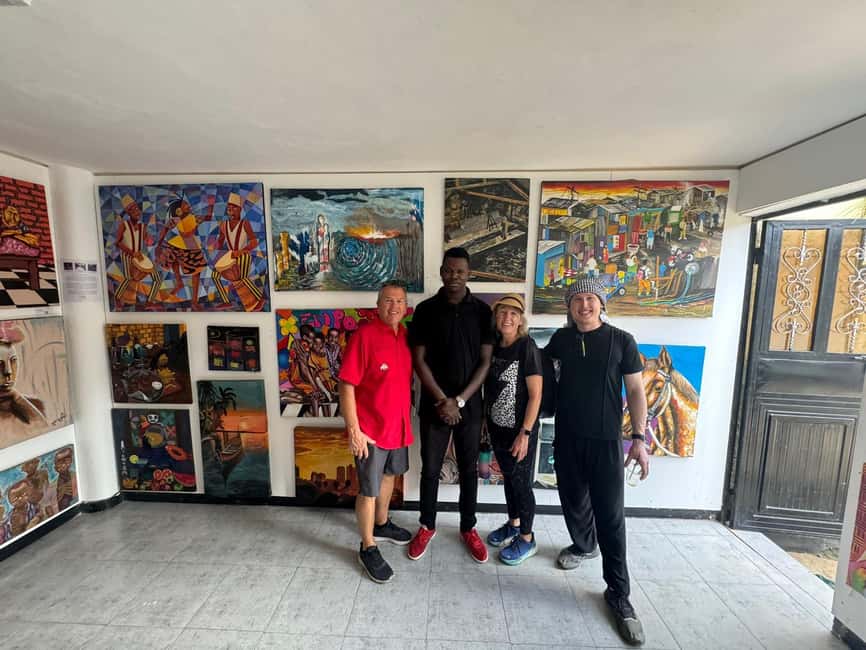
After the children’s home, you visit Uweza Art Gallery. This is not just an exhibition space. It supports kids and artists from Kibera with a platform to explore art talent, and many of the pieces are described as genuinely impressive.
Here is what I like about this stop: it shifts the story from only survival to creation. You get to see how residents express identity, and how art can function as community value and a source of livelihood.
You will probably notice how the guide links the artwork to broader life in Kibera, including how creativity shows up in day-to-day challenges. It helps you understand the community as more than need. It is need plus ingenuity.
Kibera View Point: Aerial Scale Near the Old Kenya-Uganda Railway Line
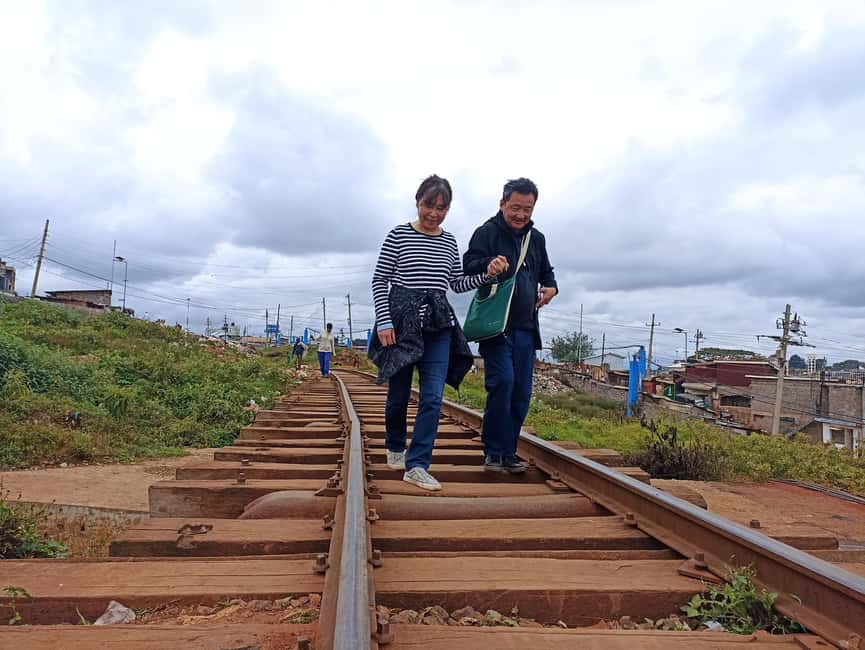
Then you head to a Kibera View Point for an aerial view near Kibera Town Centre, close to the old Kenya-Uganda Railway line. From up high, you get a phenomenal view of a section of Kibera.
Why this stop is useful: it gives you scale quickly. Street-level you see individual moments and buildings. The view point helps you connect those moments to the broader picture, including how dense the area is and why infrastructure challenges show up the way they do.
It is also a good reset point. Your brain has taken in emotional information by this stage, and the view gives you a calmer “take it in” moment.
A Local House Visit: Understanding Life in a 4m by 4m Space

One of the most eye-opening parts is the local house/home visit. You’ll see an arrangement described as a compact 4m × 4m house, and you’ll have a chance to interact with the family to understand their way of life.
This is where the tour becomes more than sightseeing. Housing is the kind of topic that can sound abstract until you see the space and hear how it is managed. The guide explains details, and you get to ask the kinds of questions you actually have as a visitor.
A tip for your mindset here: focus on understanding, not judging. Even if the living space looks extremely small, it is still a home with routines, relationships, and coping strategies you will not get from outside observation.
Fairview Academy: Resilience in a School With Limited Resources

Next is Fairview Academy, a local school inside the slum area. The purpose is to witness resilience. You’ll discover how children keep learning despite hardships and limited resources.
This stop gives you a direct line between what you saw at the children’s home and what you see in everyday education. It also makes the “why” behind the tour support clearer. When you see a school in action, the need for school items stops being a headline and becomes something concrete.
If you care about education as a development issue, this is one of the most relevant visits on the route. It shows both the challenge and the commitment, often at the same time.
Victorious Bone Craft Workshop: Recycling That Creates Jobs
The tour also includes Victorious Bone Craft Workshop, a local workshop focused on recycling materials into ornaments. The materials mentioned include cow bones, cow horn, used brass padlocks, and camel bone.
What makes this stop practical is the job angle. The workshop is presented as a place that creates employment while also reducing environmental pollution by reusing materials that might otherwise contribute to waste.
Even if you are not buying anything, the visit helps you see another layer of Kibera’s economy: production. This is not only trade and services. It is craft-making, skills, and a market for handmade items.
End Point at Olympic Estate: Wrap Up, Then Grab Your Taxi
The last stop is Olympic Estate, where the tour ends. From there, you order a taxi to continue your day, using Uber or Bolt.
This structure is helpful. You get a clear finish point after the 3-hour loop, so you are not trying to figure out your next move while you are tired or mentally full from the experience.
Price and Value: Why $40 Can Be More Than a Tour Ticket
The price is $40 per person, and the value comes from what you get for that money, not from a sales pitch.
First, you receive a guided visit that includes multiple sites you likely would not find and navigate safely on your own, including a market, children’s home, an art centre, a view point, a home visit, a school, and a recycling workshop.
Second, there is a direct support component. The tour states that 30% of the revenue goes back to support a children’s home/school, including stationeries and other school items. If you care about where your money goes, that kind of tied support is easier to understand than vague donations.
Third, the guide relationship matters. People strongly emphasize responsiveness on WhatsApp and how Luke and his network help create a sense of safety and clarity. When a guide can explain what you are seeing and keep you oriented, the experience becomes less stressful and more meaningful.
Safety and Comfort: What People Notice Most
Safety is a big question for most first-timers, and this tour is set up with that in mind. The guide is locally born, knows the area, and the experience is guided throughout, with time spent at structured stops rather than wandering randomly.
From the feedback people share, a consistent theme is that participants feel safe with Luke and the guides who accompany him, because they grew up in the slum area and understand how to move respectfully through the neighborhood.
Still, I would frame it like this: safety here comes from local guidance and clear boundaries, not from pretending risk does not exist anywhere in a big city. You are responsible for your own comfort level, and you should stay attentive to your guide’s instructions.
Who This Tour Is For (and Who Should Skip It)
This tour is not suitable for:
- Children under 7
- Babies under 1
- People over 95
That is a strong clue about the nature of the experience. It is interactive, and it involves visiting schools and homes, plus walking through areas where your energy and patience matter.
Who it suits best:
- You want more than a photo stop and you like stories tied to real places
- You care about education support and local social entrepreneurship
- You enjoy seeing local creativity, especially art and recycling craft
If you are the kind of traveler who wants everything very scripted and detached, this may not match your style. If you can handle close human moments with respect, you will likely find it deeply memorable.
Practical Ways to Get the Most From the 3 Hours
Because the tour is very interactive and full of in-depth stories, your experience will depend on your attitude as much as the itinerary.
Here are a few practical ways to make it smoother:
- Come with questions. The guide is there to explain and answer, not just lead you from point A to B.
- Treat the children’s home and school visits with care. Your attention matters more than your camera.
- Expect the pace to be “short and full.” Maximum 3 hours means you will be moving and talking steadily.
- If you want to support beyond the built-in 30% revenue share, ask the guide first rather than assuming you should hand out items on your own.
One more helpful detail: bottled water is included, so you are not scrambling for basics during the walk.
Should You Book This Kibera Slum Tour?
If you want a Nairobi experience that is human, structured, and tied to community support, I think this is a strong choice. The route is efficient, the stops are varied in a way that teaches you more than poverty stats, and the guide connection makes it easier to ask questions and feel oriented.
I would only hesitate if you know you struggle with emotional settings like children’s home and school visits, or if you want a laid-back tour with minimal interaction. For the right mindset, this is one of the few tours in Nairobi that can leave you understanding Kibera as a living community, not a headline.
FAQ
How long is the Kibera Slum Tour?
The tour is scheduled for a maximum of 3 hours.
Where do I meet the guide?
Meet at the entrance of Greenhouse Mall, off Ngong Road at Adams Arcade. You meet near the security checkpoint and then enter the mall area. You should call your guide on WhatsApp.
What stops are included on the tour?
The tour includes visits to Toi Market, a children’s home, Uweza Art Gallery, a Kibera View Point for an aerial view, a local house/home, Fairview Academy, and Victorious Bone Craft Workshop, ending at Olympic Estate.
What is included in the tour price?
Included are the guide fee, bottled water, and the stops for Toi Market, children’s home, local house, Uweza Foundation Art Centre, Victorious Bone Craft workshop, Fairview Academy, and the Kibera View Point.
What is not included?
The tour does not include products you might wish to purchase.
How does the tour support the community?
The tour states that 30% of the revenue goes back to support a children’s home and school, including stationeries and other school items.
Which languages are used during the tour?
The tour is offered in English and Swahili.
Is the tour suitable for young children or infants?
It is not suitable for children under 7, babies under 1, and people over 95.
Will I feel safe during the visit?
The experience is guided, and the tour includes structured stops with a local Kibera-born guide. Many participants report feeling safe during the tour.
Can I reserve and pay later?
Yes. The tour offers reserve & pay later, so you can book your spot without paying today.
Newest write-ups from Nairobi
- Visit kibera Slum the chocolate city★ 4.8 · 3 reviews
- 3 days maasai mara migration safari★ 4.5 · 7 reviews
- 4 Days Tour Landcruiser in Masai Mara and Lake Nakuru★ 5.0 · 10 reviews
- 4 Days Safari to Lake Nakuru N/P and Maasai Mara N/R★ 5.0 · 18 reviews
- Day Tour to Nairobi national park, Elephants, and Giraffe Center★ 3.5 · 8 reviews
- Wildebeest Migration in Masai Mara and Sightseeing 4 Days Tour★ 4.5 · 6 reviews
- Maasai Mara Day Trip★ 5.0 · 15 reviews
- Kibera Slum Tour with a Local★ 5.0 · 15 reviews
Kibera Tours, compared.








Browse the lists this tour appears in