

REVIEW · KIBERA TOURS
Nairobi: Kibera Slum storytelling tour with a Local
Kibera is Nairobi’s other story. This 3-hour Kibera slum storytelling tour takes you through East Africa’s largest informal settlement with local guides, and it’s framed around the City of Hope. You’ll see everyday life up close, from Toi Market to community centers and a school visit.
I really like the fact that you walk with people like Elijah or Lucas, who grew up in Kibera and tell the story from the inside, in plain language. I also like that the tour is built around real stops, including the Hope and Shine Kibera Centre, the Toi Market, and a visit to a Kibera school, plus time to walk the maze of unmarked streets with your guide.
One consideration: this is walking in tight alleys with uneven ground, so it’s not a good fit if you have back or heart issues, and good shoes matter.
In This Review
- Key highlights you should care about
- Kibera’s City of Hope, and why this tour feels different
- Greenhouse Mall meeting point, and how the 3-hour walk actually works
- Toi Market: where Nairobi’s daily economy shows up
- Hope and Shine Kibera Centre: education and support you can see
- The Kibera school visit: value that feels real
- Walking the maze-like streets: what to expect on the ground
- A visit inside a local home: respectful access, real perspective
- Safety and comfort: feeling secure in tight spaces
- Price and value: why $20 can be a fair deal here
- Who should book this Kibera storytelling tour
- Should you book this tour or skip it?
- FAQ
- Where do we meet for the Kibera slum storytelling tour?
- How long is the tour?
- What does the tour include?
- Is there a live guide and what languages are available?
- Is the tour private?
- What should I know about rules and suitability?
Key highlights you should care about
- Local guides, local context: you get stories tied to real places, not stock commentary.
- Toi Market time: see how the neighborhood shops and gathers, and pick up small souvenirs like beads and jewelry.
- Hope and Shine Kibera Centre: a community center that supports education and needs on the ground.
- Kibera school visit: your tour fee links directly to education you can see.
- A look inside a local home: you get perspective on daily life, with respect and your guide leading the pace.
Kibera’s City of Hope, and why this tour feels different

Kibera gets a lot of attention, but most visitors only see a small slice of Nairobi. This tour tries to correct that. The focus is not just on hardship. It’s on how people organize their lives anyway, how neighbors help, and how community projects keep moving forward.
I like that the tone is guided and human. You’re not marched through checklists. You’re walked through neighborhoods, with time for questions, and you learn why locals call it the City of Hope. Guides such as Elijah, Lucas, Peter, and Effie come with personal stories and a steady, calm presence that helps you stay grounded while you absorb a place that can feel intense at first.
And yes, you will likely take photos. But the tour also nudges you toward something smarter: looking closely, watching how people live, and understanding what you’re seeing instead of just snapping a picture and moving on.
More Kibera Tours in Nairobi:
- Nairobi: Explore Kibera Slum with Local Guides
★ 4.9 · 365 reviews - Kevins Kibera Slum Tours
★ 5.0 · 213 reviews - Kibera Slum Tour with Lucas
★ 5.0 · 119 reviews
Greenhouse Mall meeting point, and how the 3-hour walk actually works

You meet at the entrance of Greenhouse Mall in Kilimani. If you arrive early, there’s a bench near the fountain on the ground floor where you can wait. From there, the day shifts from mall life to street life fast.
This is a private tour, designed for your group only, and the guide is English-speaking. If you want extra help, there’s also an audio guide in French, Spanish, German, and Chinese. That’s handy if you have people in your group who like to read along while walking.
The tour timing matters. Three hours is enough to cover several meaningful stops without turning it into a marathon. It also means your guide can keep the pace steady, stop to explain key places, and still make time for the market and the school visit without rushing the home portion.
Toi Market: where Nairobi’s daily economy shows up
Toi Market is the largest market in Kibera, and it’s one of the best “wake up and look around” stops on the route. Markets are where you see what people buy, what people sell, and how the neighborhood moves during the day. You’re not just looking at stalls. You’re watching a system work.
Expect your guide to point out practical details, like how local vendors set up and what items matter most for everyday life. If you’re hoping to buy something, this is where you’ll often find small, colorful crafts, including beads and jewelry. Many visitors find it easy to spend a little cash here, especially because the purchases feel connected to the community rather than like generic souvenirs.
A small tip that comes up often in guides’ conversations: carry a bit of cash for market purchases. You can also use this as a low-pressure way to engage, smile, and keep things respectful.
Hope and Shine Kibera Centre: education and support you can see
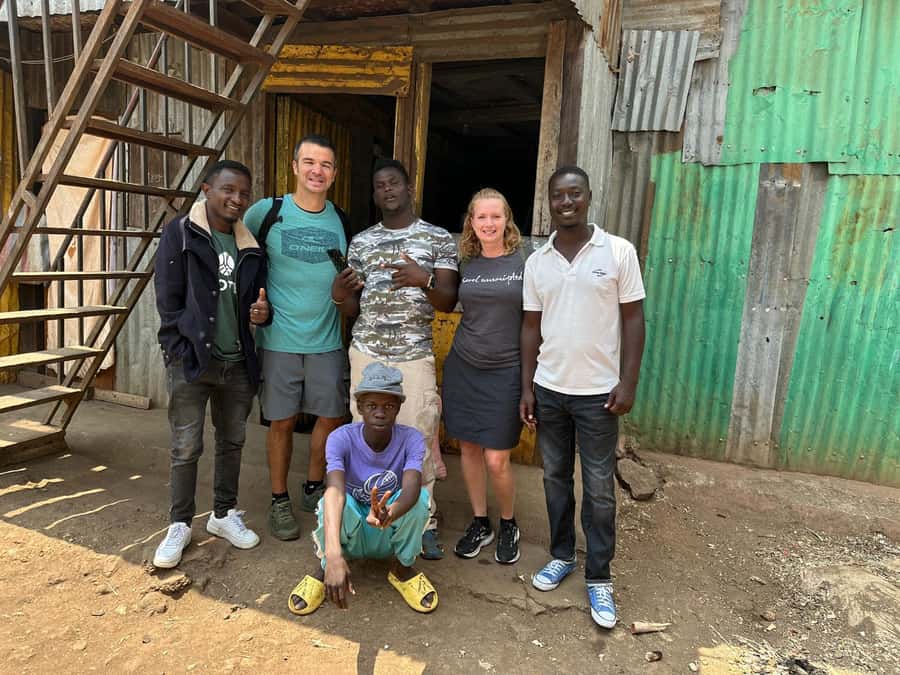
Next comes Hope and Shine Kibera Centre. The center is described as a community center that provides education and support to residents of Kibera. In practice, what you’re checking out is how a community-based effort tries to fill gaps that big systems often miss.
This stop tends to hit differently than a market. Markets are about trade. Community centers are about services. You’ll likely learn why people keep rebuilding support structures and how education and mentorship create a pathway forward.
Photo-wise, think of this as a place to ask your guide what’s comfortable to photograph and what isn’t. Your guide will set the rhythm, and it’s worth listening. Good street portraits come from permission and timing, not from standing still and hoping.
A few more Nairobi days worth pricing up
- Nairobi National Park Half-Day Tour; Free Wi-Fi connection
★ 5.0 · 878 reviews - Nairobi: National Park & Optional Elephants & Giraffe Center
★ 4.8 · 874 reviews - NAI NAMI: Nairobi Storytelling Tour with Street Children
★ 5.0 · 792 reviews - Nairobi National Park Half-Day Game Drive
★ 4.5 · 738 reviews
The Kibera school visit: value that feels real

A visit to a Kibera school is included, and it’s one of the tour elements with the clearest “this matters” feeling. You’ll see children in a learning setting, and the tour’s message becomes tangible: hope is built with classrooms, not slogans.
Some guides explain that a portion of the ticket money goes toward the local school. One common detail you might hear is that it can be around 20%. I find that helpful when deciding whether the price feels fair, because you’re not paying for a photo-op. You’re paying for a structured visit that supports the education you witness.
If you want to bring something for kids, guides sometimes recommend small, simple treats like biscuits or candy. A number of visitors note that children respond well to small sweets. Just follow your guide’s cues on what to bring and how to hand things out.
Walking the maze-like streets: what to expect on the ground
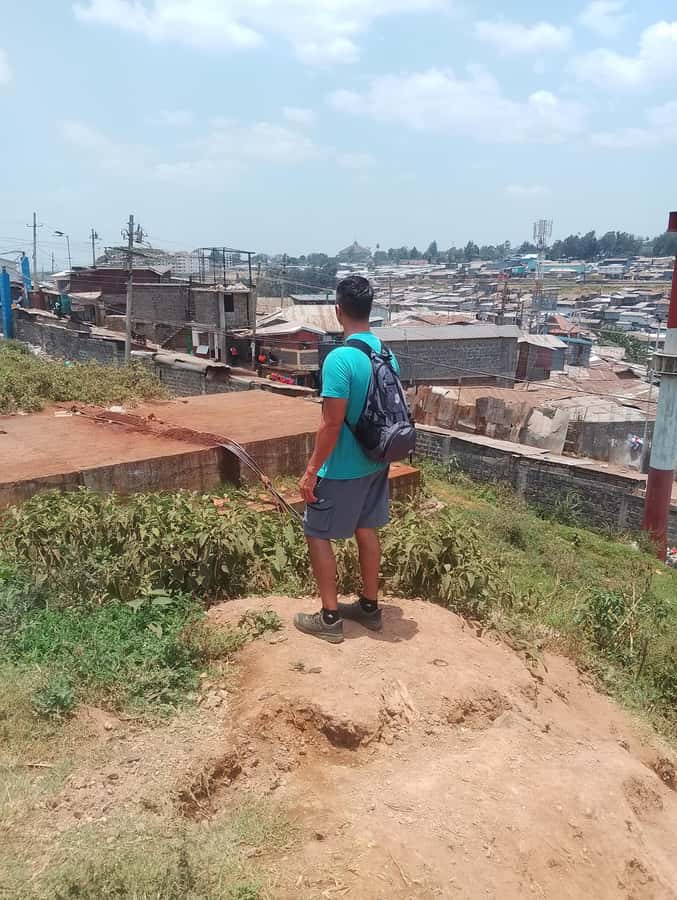
Kibera is a network of unmarked streets and narrow alleys. Even with a guide, you’re walking through a place that’s not designed for tourists. That’s also why the guide is the point. People like Elijah, Lucas, Peter, and Effie know how to move at the neighborhood pace and when to slow down.
Be prepared for uneven ground and tight spaces. Comfortable shoes are not a suggestion here. Dress for practicality, not for looking sharp. Reviews from past visitors repeatedly mention dressing accordingly and wearing shoes you can handle.
For photos, bring your camera mindset, not your “tourist museum” mindset. Instead of seeking perfect angles, look for small moments: how people carry water, how neighbors interact, how a home looks from the outside before you step in. Your guide will tell you what’s appropriate and what isn’t, and it’s smart to trust that.
A visit inside a local home: respectful access, real perspective

The tour includes an experience inside a local home. This is the part that many people remember longest, because it shifts your thinking from labels like slum to actual rooms with daily life.
Your guide will manage expectations. You’ll see features of the home, meet people connected to the community stop, and learn stories tied to that space. Often, you’ll also get a family perspective, not just facts from a guidebook.
Photo etiquette is key. Ask first if you want to take pictures. Keep your interactions brief and kind. If you’re offered a conversation, lean in with curiosity and patience. If you’re not offered conversation, don’t force it. The goal is respect, not entertainment.
This home visit also helps you understand the tour’s central theme. Resilience isn’t an abstract word here. It’s how people organize daily routines with what they have.
Safety and comfort: feeling secure in tight spaces
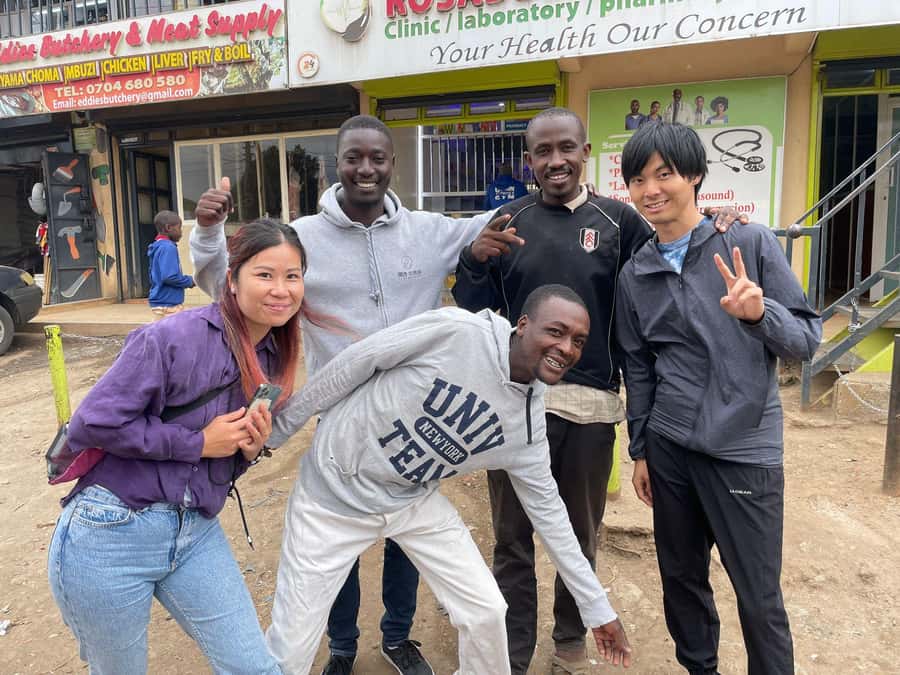
The tour emphasizes safety throughout the walk, and many visitors report feeling safe and welcome with their guides, even when parts of the route are dark depending on the time of day. Your guide should keep your group together and guide your movement through the streets.
Still, use common sense. This is an active neighborhood. Don’t wander off. Keep your phone and camera controlled in crowds. Avoid smoking, since smoking is explicitly not allowed.
Also note the weather factor. The experience requires good weather. If it gets canceled for poor weather, you should be offered a different date or a refund.
Price and value: why $20 can be a fair deal here

At $20 per group (up to 1), this tour is priced like a budget activity, but it’s not a bare-bones walk. You’re paying for a guided route through key community points: Toi Market, Hope and Shine Kibera Centre, a Kibera school, and a home visit. You’re also paying for the guide time needed to do it in a safe, respectful way.
The value question is usually: does the money go anywhere useful? Many visitors mention that a portion of the ticket supports the school, and the stops are directly tied to education and community programs you can actually see.
Could it be hard emotionally? Yes. It’s normal to feel unsettled at first. But the tour’s structure pushes you toward understanding. You leave with context, names, stories, and a sense of how community efforts keep working.
Who should book this Kibera storytelling tour
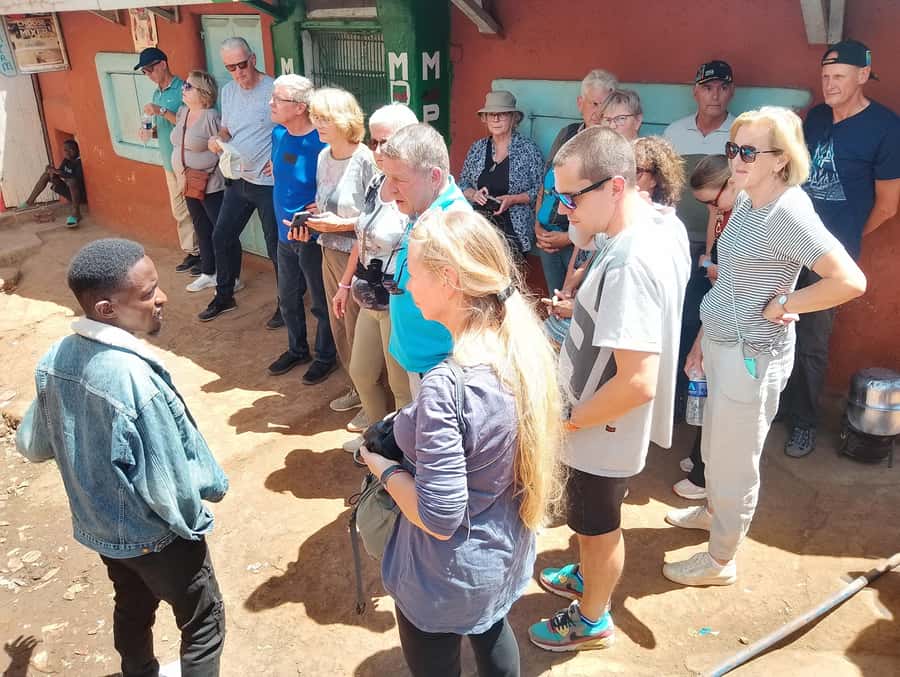
This tour is a great fit if you want:
- A local-led perspective on Nairobi beyond the postcard version
- A structured way to see the market, a community center, a school, and a home
- A respectful walking experience where you can ask questions and learn why Kibera is called the City of Hope
It may not be ideal if you:
- Have back or heart problems, due to the walking and uneven, narrow areas
- Want a sit-down, minimal-walking experience
- Are sensitive to scenes that show poverty and crowded living conditions without softened framing
Should you book this tour or skip it?
If you’re in Nairobi for a short visit and you want one experience that changes how you see the city, I think this is a strong choice. The best reason to book is simple: you see places that matter, with guides who can explain them in context, and your time supports a school you visit.
Skip it only if you know you can’t handle uneven walking or tight streets. Otherwise, go in with the right mindset: dress comfortably, bring small cash for market crafts if you want, and treat the home and school stops as human encounters, not photo chances.
FAQ
Where do we meet for the Kibera slum storytelling tour?
You meet at the entrance of Greenhouse Mall in Kilimani. If you arrive earlier, there is a bench near the fountain on the ground floor where you can wait.
How long is the tour?
The tour lasts about 3 hours.
What does the tour include?
It includes all fees and taxes, safety throughout the tour, and visits to key places including Hope and Shine Kibera Centre, Toi Market, a Kibera school, and a local home.
Is there a live guide and what languages are available?
Yes, you’ll have a live tour guide in English. An audio guide is also included in French, Spanish, German, and Chinese.
Is the tour private?
Yes. It is a private group, meaning only your group participates.
What should I know about rules and suitability?
Smoking is not allowed. The experience requires good weather. It is not suitable for people with back problems or people with heart problems.
Newest write-ups from Nairobi
- Visit kibera Slum the chocolate city★ 4.8 · 3 reviews
- 3 days maasai mara migration safari★ 4.5 · 7 reviews
- 4 Days Tour Landcruiser in Masai Mara and Lake Nakuru★ 5.0 · 10 reviews
- 4 Days Safari to Lake Nakuru N/P and Maasai Mara N/R★ 5.0 · 18 reviews
- Day Tour to Nairobi national park, Elephants, and Giraffe Center★ 3.5 · 8 reviews
- Wildebeest Migration in Masai Mara and Sightseeing 4 Days Tour★ 4.5 · 6 reviews
- Maasai Mara Day Trip★ 5.0 · 15 reviews
- Kibera Slum Tour with a Local★ 5.0 · 15 reviews
Kibera Tours, compared.




Kibera Slum Tour with Local Social Entrepreneurs
Read our review →



Browse the lists this tour appears in