

REVIEW · KIBERA TOURS
Ismael’s Kibera Slum Tour
Kibera is intense, but it makes sense fast. This private half-day tour in Nairobi pairs time in Kibera with an insider guide, Ismael, so you get more than photos and moving sidewalks. I like the hotel pickup and drop-off that keeps logistics simple, and I also like how the experience is built around real community work, including the African bone workshop and home visits.
One thing to think about first is emotional weight and weather. This visit includes time at a children’s home and rescue center, and the tour requires good weather, so you may need to reschedule if conditions are poor.
In This Review
- Key highlights to look for
- Why a Kibera Tour With Ismael Beats a DIY Walk
- How the 3 to 4 Hour Timing Works in Real Life
- Stop 1: African Bone Workshop and the Work Behind the Craft
- Home Visits That Show Kibera Housing as a Living Reality
- Children’s Home and Rescue Center, Linked to 2007 to 2008 Violence
- Stop 2 in Nairobi: Maasai Market and Mamba Village Options
- Pickup, Private Group Feel, and Mobile Tickets
- What I’d Pack and How I’d Act to Get the Most Respectfully
- Price and Value: Paying $65 for Access, Context, and Continuity
- Who This Tour Is Best For (and Who Might Skip It)
- Should You Book Ismael’s Kibera Slum Tour?
- FAQ
- How long is Ismael’s Kibera Slum Tour?
- What does the tour cost?
- Is hotel pickup and drop-off included?
- Is this tour private?
- Do I get a mobile ticket?
- How far in advance do people usually book?
- What time is the tour available?
- Does the tour depend on weather?
- Is the meeting point easy to reach?
Key highlights to look for

- Private guiding with Ismael, owner and accredited guide, focused on understanding real slum life
- African bone workshop, where artisans use domestic animal bones for items like bottle openers and jewelry
- Home visits that show how Kibera housing looks in day-to-day life
- Children’s home and rescue center, connected to kids affected by the 2007 to 2008 post-election violence
- Nairobi pairing after Kibera, with options such as Maasai cultural village market and Mamba Village
- Free pickup and drop-off within Nairobi, plus a mobile ticket for easy check-in
Why a Kibera Tour With Ismael Beats a DIY Walk
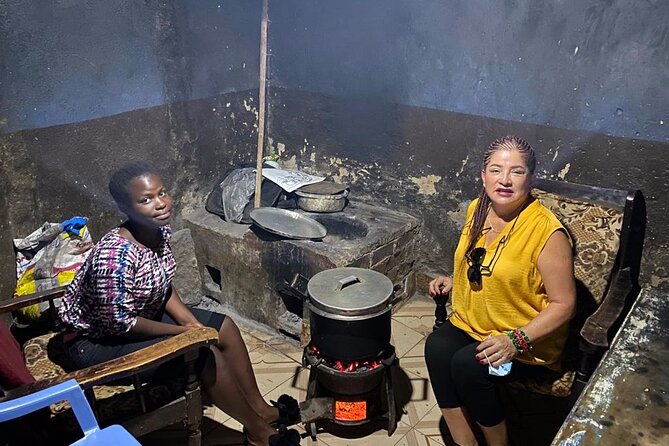
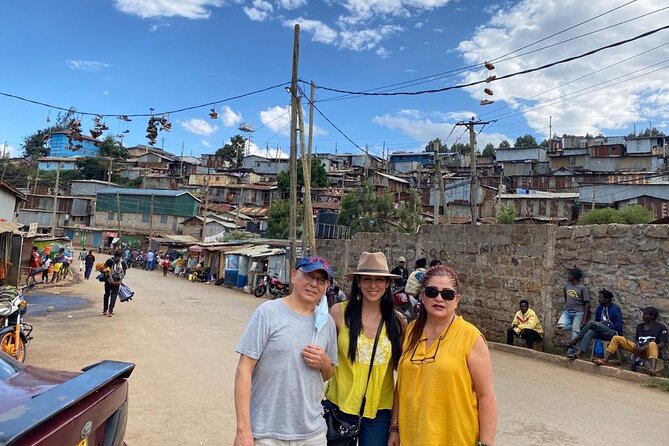
Kibera is one of the world’s largest informal settlements, and it’s easy to see why doing it alone can be a bad idea. Streets can be confusing, boundaries are social, and what you’re seeing has real meaning to the people living there. With Ismael, you’re not just moving through the area, you’re being oriented by someone born and raised in the community.
What I like most is that this doesn’t feel like an outsiders-only photo mission. The tour is framed as learning about challenges, hearing context, and meeting community members as people, not as a “view.” You’ll also get a guided look at artisanal projects and social enterprises, which helps you understand how daily survival and small-scale business overlap.
Another strength is that Ismael doesn’t just lead, he also runs the company. That matters because the tour’s tone tends to stay consistent: respectful, focused, and grounded in what the community is actually doing.
More Kibera Tours in Nairobi:
- Nairobi: Explore Kibera Slum with Local Guides
★ 4.9 · 365 reviews - Kevins Kibera Slum Tours
★ 5.0 · 213 reviews - Nairobi: Kibera Slum storytelling tour with a Local
★ 5.0 · 185 reviews
How the 3 to 4 Hour Timing Works in Real Life
This is a half-day experience, usually about 3 to 4 hours. That length is a sweet spot for first-time visitors. You get meaningful contact and context without turning your day into a marathon.
Expect a structure that starts in Kibera and then shifts toward a Nairobi-area stop. The second part is lighter and more flexible, designed to give you a place to process what you saw and still enjoy the rest of your Nairobi time. Since hotel pickup and drop-off are included, you avoid wasting energy hunting for transport in a busy city.
Because the tour needs good weather, plan a little breathing room around your schedule. If rain or poor conditions interfere, you’ll be offered a different date or a full refund, so you’re not stuck.
Stop 1: African Bone Workshop and the Work Behind the Craft
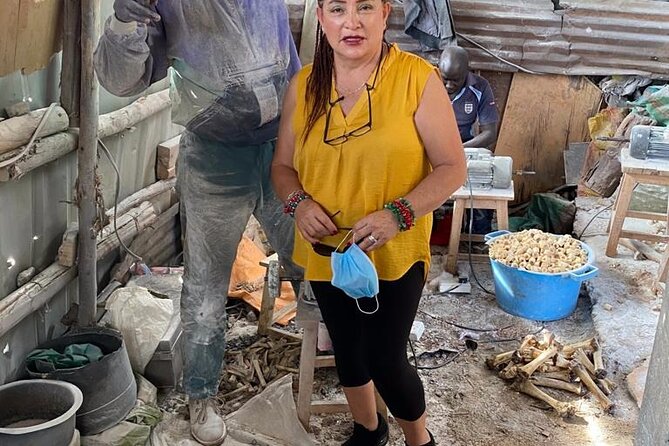
The first major stop is the African bone workshop, tied to artisanal work made by people living in the settlement. The basic idea is simple and fascinating: domestic animal bones are processed and turned into finished products like bottle openers, wrist bands, finger rings, wooden crafts, brass crafts, and necklaces.
Why this stop matters: it shows you how creativity and practical skills can become an income stream. Many slum tours stop at “here is hardship,” but this one also points at what people build to get by. You’re not just seeing an environment, you’re seeing output, tools, and the link between resourcefulness and everyday business.
Also, the workshop offers a concrete way to talk with artisans. Instead of asking broad questions you might not be ready for, you can focus on materials, making, and what the crafts are used for. That tends to lead to calmer, more human conversations.
A small consideration: crafts can tempt you to buy something as a souvenir. If you do, treat it like shopping at a small artisan workshop, not like a bargaining contest. Ask what something is made of and how it’s used, and let the seller lead the story.
Home Visits That Show Kibera Housing as a Living Reality

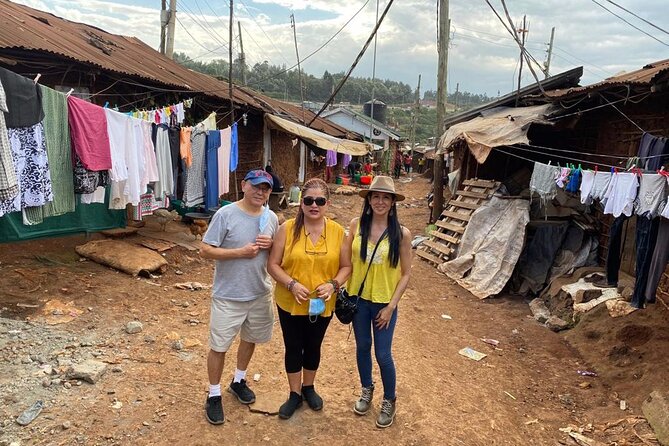
After the workshop, you’ll do home visits to see how the slum houses look in real life. This is one of the most meaningful parts of the tour, because housing is where the big things, like safety, space, and community support, become visible.
These visits are also where you’ll likely feel the gap between stereotypes and reality. Kibera is not just a map of shortages. It’s a set of homes with relationships, routines, and problem-solving built into daily life. Seeing that up close is the fastest way to understand why a local guide is not optional.
From my point of view, the best way to handle home visits is to keep your attitude simple: be observant, stay respectful, and follow Ismael’s cues. If you’re invited to talk, ask questions that show interest in how people manage day-to-day life, not just how things look to you.
Potential drawback: this part can feel intrusive if you come with the wrong mindset. If you want a tour that stays purely scenic, this likely won’t be your match. If you want understanding, it’s worth it.
A few more Nairobi days worth pricing up
- Nairobi National Park Half-Day Tour; Free Wi-Fi connection
★ 5.0 · 878 reviews - Nairobi: National Park & Optional Elephants & Giraffe Center
★ 4.8 · 874 reviews - NAI NAMI: Nairobi Storytelling Tour with Street Children
★ 5.0 · 792 reviews - Nairobi National Park Half-Day Game Drive
★ 4.5 · 738 reviews
Children’s Home and Rescue Center, Linked to 2007 to 2008 Violence

The tour also includes a visit to a children’s home and rescue center. The center supports rescued street children and orphaned kids, particularly those who lost their parents due to the 2007 to 2008 post-election violence in Kenya.
This stop adds a layer many visitors don’t expect. You’re not just seeing current economic conditions, you’re seeing the human cost of political violence, and the support structures that help kids keep moving forward. It can be emotional, and it can also be motivating, because it turns “a headline” into living people and real needs.
How to approach it: assume your presence matters. Keep your questions thoughtful and focus on understanding the role of the center. If you plan to bring donations, double-check expectations ahead of time, because needs and rules can vary. In your mind, treat this like a place you’re visiting for learning and respect, not like a photo set.
The upside is significant. You leave with a more complete picture of the community, including how care systems function when families are disrupted.
Stop 2 in Nairobi: Maasai Market and Mamba Village Options
After Kibera, the tour shifts into a Nairobi region component, usually around one hour. The data points toward pairing with sights such as a Maasai cultural village market in Nairobi and Mamba Village (a known wildlife-related stop in the area).
Why this pairing makes sense: Kibera is heavy, and Nairobi sights help you regain a balanced day. If you want your Nairobi trip to include both social context and classic visitor experiences, this format helps you get both without adding extra transport hassles.
Practical tip: keep your energy steady for the second leg. After the home visits, you may need a slower pace. If you’re sensitive to images or stories, you might find the Nairobi segment more comfortable, since it tends to be less emotionally intense.
One note: the second stop can vary depending on what’s workable on the day. If a specific site matters most to you, ask in advance so you can align expectations.
Pickup, Private Group Feel, and Mobile Tickets
Logistics can make or break a city tour, and I appreciate how straightforward this one is.
You get free hotel pickup and drop-off within Nairobi, and Ismael is described as doing the pick up and drop off while guiding the tour himself. That single point of contact reduces the usual uncertainty of meeting a driver, finding a guide, and wondering if your timing will work.
The tour is also private, meaning only your group participates. That’s a big deal for a sensitive experience like this. You can ask questions at a comfortable pace, and Ismael can adapt the visit to your interests. If your group includes teenagers, older adults, or people who need slower pacing, private guiding helps.
Finally, you receive a mobile ticket, which makes last-mile check-in easier once you’re in Nairobi. Even if you’re traveling with limited time, you’re not juggling printed documents.
What I’d Pack and How I’d Act to Get the Most Respectfully
This tour is about meeting people and learning context, not about staying comfortable every minute. Here’s how I’d prepare so the experience feels good for you and for your hosts.
Bring:
- A light layer (Nairobi can shift during the day)
- A small day bag with water
- Cash in small bills if you plan to buy crafts at the bone workshop or shop at markets
- A charged phone, in case you need your mobile ticket and photos are allowed
Wear:
- Comfortable shoes, because informal paths can be uneven
- Clothing that shows respect. Think simple and modest, especially during home and children’s center visits
Act:
- Ask before taking photos, and listen to Ismael’s guidance
- Keep questions personal but not invasive, focus on learning
- If something feels heavy, it’s okay to say so quietly. A good guide can adapt
If you’re the kind of traveler who wants empathy plus answers, this tour fits well.
Price and Value: Paying $65 for Access, Context, and Continuity
The price is $65.00 per person, for about 3 to 4 hours. On the surface, that sounds like a standard tour rate. But value here comes from what you’re buying, not just time.
You’re paying for:
- Accredited guiding from inside Kibera, with a community-focused approach
- Access to specific places such as the African bone workshop and children’s rescue center
- Home visits, which require trust and local relationships
- Free pickup and drop-off, so you save time and reduce stress in Nairobi traffic
- A private format, which keeps the conversation humane and paced to your group
The reviews are extremely positive, with a perfect 5 out of 5 rating and 100% recommended. One standout theme is that visitors felt moved by the personal side of the visit, including time connected to Ismael and his wife at home. That kind of relationship building is hard to replicate in a generic tour.
Is it worth it? If you want a one-of-a-kind Nairobi experience that is grounded in real community life, yes, the cost feels aligned. If you only want a quick photo stop, you might feel like you paid for access to conversations and context, not just sights.
Who This Tour Is Best For (and Who Might Skip It)
This is best for you if:
- You want an insider-led Nairobi Kibera experience with context and community work
- You prefer a private tour where you can go at a respectful pace
- You’re interested in crafts, social enterprises, and how people build solutions
- You’re prepared for emotional moments around children and past violence
You might skip it if:
- You want a purely light and casual sightseeing day
- You strongly dislike learning about hardship and want tourism that stays comfortable
- You cannot handle weather variability, since the tour requires good weather
For most people who travel with empathy and curiosity, this tour offers a meaningful way to understand Nairobi beyond the usual tourist map.
Should You Book Ismael’s Kibera Slum Tour?
Book it if you’re okay with the visit being real, and not just scenic. The combination of Ismael’s local guidance, the African bone workshop, and home visits gives you a grounded look at community life. Then the children’s rescue center adds crucial context about how the community supports kids affected by the 2007 to 2008 post-election violence.
Before you go, plan your day with a bit of flexibility for weather, and be ready to treat the places you visit with care. If you do that, you’ll likely feel like you came away with understanding, not just impressions.
FAQ
How long is Ismael’s Kibera Slum Tour?
It typically runs about 3 to 4 hours.
What does the tour cost?
The price is $65.00 per person.
Is hotel pickup and drop-off included?
Yes. Free hotel pickup and drop-off within Nairobi are offered.
Is this tour private?
Yes. It’s a private tour, so only your group participates.
Do I get a mobile ticket?
Yes. The tour includes a mobile ticket.
How far in advance do people usually book?
On average, it’s booked about 54 days in advance.
What time is the tour available?
The service window runs from 04/24/2024 to 06/18/2026, and the tour is listed as available Monday through Sunday from 12:00 AM to 11:59 PM.
Does the tour depend on weather?
Yes, it requires good weather. If it’s canceled due to poor weather, you’ll be offered another date or a full refund.
Is the meeting point easy to reach?
The meeting area is described as near public transportation, and most travelers can participate.
Newest write-ups from Nairobi
- Visit kibera Slum the chocolate city★ 4.8 · 3 reviews
- 3 days maasai mara migration safari★ 4.5 · 7 reviews
- 4 Days Tour Landcruiser in Masai Mara and Lake Nakuru★ 5.0 · 10 reviews
- 4 Days Safari to Lake Nakuru N/P and Maasai Mara N/R★ 5.0 · 18 reviews
- Day Tour to Nairobi national park, Elephants, and Giraffe Center★ 3.5 · 8 reviews
- Wildebeest Migration in Masai Mara and Sightseeing 4 Days Tour★ 4.5 · 6 reviews
- Maasai Mara Day Trip★ 5.0 · 15 reviews
- Kibera Slum Tour with a Local★ 5.0 · 15 reviews
Kibera Tours, compared.





Kibera Slum Tour with Local Social Entrepreneurs
Read our review →


Browse the lists this tour appears in