

REVIEW · KIBERA TOURS
Kibera Slum Tour with Lucas
Kibera rewrites your idea of Nairobi. A private half-day walk through East Africa’s largest informal settlement with Lucas turns stereotypes into something real, with unmarked alleys and local stories that explain the nickname City of Hope.
I love the human stop-offs that make the visit practical, not just dramatic. Toi Market shows everyday work, and Hope and Shine Kibera Centre helps you connect the dots between daily life and education.
One drawback to plan for: it is a walking tour on uneven ground, so good shoes and a steady pace matter, especially if the weather is damp.
In This Review
- Key things to know before you go
- Entering Kibera With Lucas, Not a Script
- Route Reality: Time, Pace, and Where the Tour Starts
- Stop 1: Kibera, a City Within a City
- Toi Market: Work, Shopping, and Real Daily Rhythm
- Hope and Shine Kibera Centre: Education as a Future Plan
- Pictures: Yes, but Use People-Friendly Timing
- Step Inside a Slum Home: Respect Beats Curiosity
- Interacting With Children: Candies, Calm, and Consent
- Safety and Comfort: What to Expect on Uneven Ground
- Price and Value: How $35 Fits the Experience
- Getting There Without Stress
- Who Should Book This Tour, and Who Might Skip It
- Should you book Kibera Slum Tour With Lucas?
- FAQ
- How long is the Kibera slum tour?
- How much does the tour cost?
- Is the tour private?
- Where do I meet the guide?
- What ticket do I receive?
- Is the tour dependent on weather?
- What is the cancellation policy?
Key things to know before you go
- Private, half-day format gives you focused time, not a rushed bus stop tour
- Toi Market and a community centre offer a clearer picture of day-to-day routines and goals
- Home and marketplace moments create genuine interaction, not just sightseeing from a distance
- Guides like Lucas and Elijah are described as welcoming, compassionate, and locally respected
- Expect a lot of walking and bring the right footwear to stay comfortable
- Kids are common on the route, so having small gifts like candy can feel thoughtful
Entering Kibera With Lucas, Not a Script

Kibera is Nairobi’s informal settlement, and it’s big. The scale can feel overwhelming at first, especially when streets are narrow and not always easy to read. That is where a good guide changes everything. With Lucas, you are not just moving from point to point. You are getting context as you go, plus the small details that help you understand how people navigate the area day after day.
What I like most is how the tour is framed around resilience and ingenuity, not pity. You are still looking at hardship, but you also see problem-solving in real time. That is a different energy from the usual “dark tourism” angle, and it’s why the experience tends to stick with people.
This is also a private tour/activity, meaning only your group participates. That matters in a place like this. Fewer people jostling for space makes it easier for your guide to pace conversations and keep things respectful.
More Kibera Tours in Nairobi:
- Nairobi: Explore Kibera Slum with Local Guides
★ 4.9 · 365 reviews - Kevins Kibera Slum Tours
★ 5.0 · 213 reviews - Nairobi: Kibera Slum storytelling tour with a Local
★ 5.0 · 185 reviews
Route Reality: Time, Pace, and Where the Tour Starts
The tour runs about 3 to 4 hours. The core flow is a half-day walk with key stops, plus time for photos and short interactions. It ends at Equity Bank Kibera, so plan for that as your anchor point at the close of the tour.
Start at Greenhouse Mall, Kilimani, Ngong, Kenya. This is one of those details that affects your day plan more than you might expect. If you’re juggling a tight Nairobi schedule, getting to the meeting point early is worth it.
Most travelers can participate, but the tour is still walking heavy. Reviews and common sense align here: you need shoes you can trust on rough, uneven ground. If you show up in flimsy sneakers or sandals, you will spend more energy watching your footing than paying attention to the stories.
The weather also matters. The experience requires good weather, and if conditions are poor, you should expect a reschedule or a full refund. So build in a little flexibility if you can.
Stop 1: Kibera, a City Within a City

The first segment is you getting your bearings inside Kibera. You start by exploring the settlement streets and alleys, the kind you often do not see from the edges of Nairobi. The streets are unmarked in places, so the tour feels like guided orientation as much as a sightseeing walk.
This is where the guide’s narration becomes your compass. Lucas shares stories that explain why Kibera is sometimes called the City of Hope, and that framing helps you notice more than just the visible challenges. You start picking up the “how” behind daily life: how people move, where they work, and how community networks keep things running.
It’s also where the emotional tone can hit you. If you came looking for an easy photo walk, you’ll probably find yourself slowing down. The best way to handle it is simple, be present, and let the guide lead the pacing.
Toi Market: Work, Shopping, and Real Daily Rhythm
Next up is Toi Market. This stop matters because it changes the conversation from survival to economy. Instead of only seeing homes and streets, you also see commerce: the everyday exchange of goods and services that keeps the settlement functional.
Even if you keep your shopping to a small amount, this is one of the most practical places to understand what people need and how they earn. If your budget allows, buying something small can be a way to support local businesses directly, without turning the market into a donation moment.
Some tours in this program also include opportunities for souvenir shopping at local workshops. The key thing is to treat it like a normal market, browse calmly, ask questions, and don’t pressure anyone. If you want a quick rule, stick to small purchases and respectful conversation, not big cash gestures.
A few more Nairobi days worth pricing up
- Nairobi National Park Half-Day Tour; Free Wi-Fi connection
★ 5.0 · 878 reviews - Nairobi: National Park & Optional Elephants & Giraffe Center
★ 4.8 · 874 reviews - NAI NAMI: Nairobi Storytelling Tour with Street Children
★ 5.0 · 792 reviews - Nairobi National Park Half-Day Game Drive
★ 4.5 · 738 reviews
Hope and Shine Kibera Centre: Education as a Future Plan
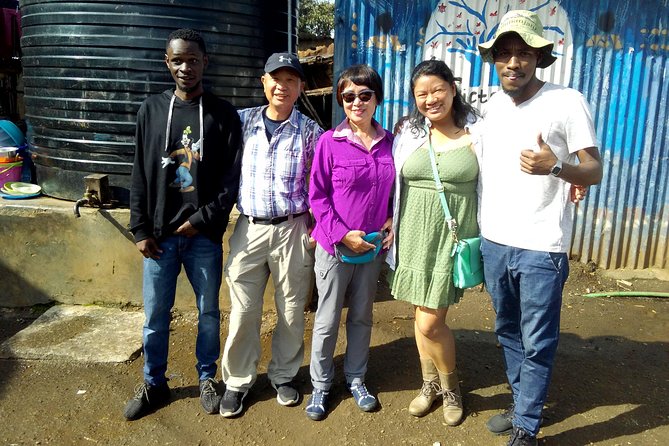
From the market flow you move to Hope and Shine Kibera Centre. This is where the tour’s hopeful framing becomes more concrete. You’re not just hearing stories about the present. You’re seeing where community effort is headed, especially around education.
The centre visit is often described as one of the most meaningful parts because it adds structure to the idea of hope. You understand that resilience is not only about getting through today. It also includes investing in skills, schooling, and long-term opportunity.
There can also be chances to interact with people connected to the centre, and you might see how the program is organized in daily life. Depending on what is happening that day, you may also be invited to sign a guest book and have the option to make a donation that gets documented. If you want to support, bring a bit of cash with you so you can decide without scrambling.
Pictures: Yes, but Use People-Friendly Timing

The itinerary includes taking pictures, but photography in a community like Kibera should be handled carefully. The practical approach is to wait for the right moments, keep your movements slow, and follow your guide’s cues.
I like to think of photos as a trade. You get a memory, and the people you photograph get some awareness of why you’re there. If someone looks uncomfortable, you don’t push. If a moment is busy or crowded, you let the guide reposition and you save your camera for a calmer angle.
Also, be ready for low light or tight spaces. Many parts of Kibera are close and shaded by the built environment. A phone camera will work, but you may need to accept that not every frame will look like your travel brochure.
Step Inside a Slum Home: Respect Beats Curiosity

One highlight is experiencing life inside a slum home. This is often the emotional high point because you stop imagining and start understanding how routines work in a compact space.
Here’s where respect really matters. You’ll get more out of the visit if you’re calm and curious without prying. Ask what’s appropriate, keep your body language relaxed, and remember that people are hosting you, not putting on a show.
In many tours like this, interactions can include meeting people in a private home and spending time in the surrounding area. The tour is private, so your guide can set boundaries and help translate the “why” behind what you’re seeing. That guidance is a big part of why people say they felt safe and looked after.
Interacting With Children: Candies, Calm, and Consent

You will meet children during the tour, and that is one of the reasons people recommend coming prepared. A specific tip that comes up often is to buy candies or lollipops in advance, with some guests suggesting 3 to 4 bags so you’re not scrambling once the children gather.
That said, small gifts should never replace respect. Keep it simple: offer only if the moment feels friendly, and do not make it into a photo-and-giveaway pattern. If you notice a child’s guardian is busy or someone looks unsure, let your guide handle the situation.
If you prefer not to bring sweets, you can still participate in the interaction through conversation and attention. The best gift is patience.
Safety and Comfort: What to Expect on Uneven Ground
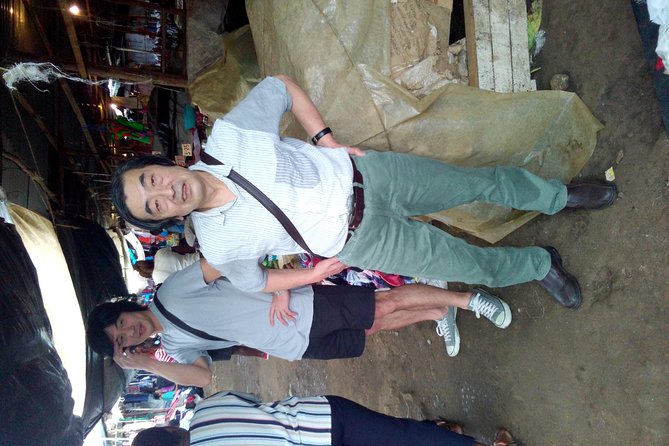
A recurring theme in feedback is that guests felt safe, especially because the tour is guided and paced. That is not an invitation to treat safety as optional. You still need to move carefully. The ground can be uneven, muddy, or slippery depending on weather.
Plan for comfort:
- Wear shoes with grip, not fashion-only footwear
- Carry a small amount of water if you’re the type to get lightheaded
- Bring a layer if Nairobi weather turns cool or rainy
- Keep your phone and camera secure when walking
The tours are described as slow paced and manageable for many people, but slow does not mean easy. You will still cover real walking distance on real terrain.
Price and Value: How $35 Fits the Experience
The price is $35.00 per person for a private half-day. That is not a budget bus excursion cost, but it also isn’t a luxury day. The value comes from the guide time, private pacing, and access to spaces like Toi Market, Hope and Shine Kibera Centre, and a home visit.
At this price point, you should expect:
- A guided narrative that helps you understand what you see
- Real stops, not only views from outside
- Time for photos and short interactions
- A structure that keeps the walk respectful and organized
This is also a mobile ticket experience, which helps reduce admin stress. And with a high rating overall and a strong recommendation rate, it signals that the format works for many first-time visitors to Nairobi looking for something more meaningful than just parks and viewpoints.
Getting There Without Stress
The official start point is Greenhouse Mall (Kilimani), and the tour ends at Equity Bank Kibera. Because the tour ends in Kibera, think through your next move before you begin. Don’t schedule something that requires you to immediately travel across Nairobi without a buffer.
The tour is near public transportation, which can help if you plan to use taxis or local transport after your stop. If you’re staying outside central Nairobi, give yourself margin for traffic. A few extra minutes can make the day feel calm instead of rushed.
Booking is typically made around 15 days in advance on average, so if you want a specific day, don’t wait until the last minute.
Who Should Book This Tour, and Who Might Skip It
I’d recommend this for you if you:
- Want a Nairobi experience that goes beyond city centre highlights
- Like guided context and respectful conversation
- Prefer walking tours with a clear itinerary and a known guide
- Are interested in how education and local markets shape community life
You might rethink it if you:
- Struggle with uneven walking or have mobility issues
- Want a mostly passive, seated tour
- Get overwhelmed easily by poverty-themed visuals and conversations
If you fall into the middle group, bring supportive shoes, go slowly, and use your guide’s pacing. That alone improves the experience a lot.
Should you book Kibera Slum Tour With Lucas?
If you want the kind of experience that changes how you see Nairobi, book it. The tour’s biggest strength is that it balances hardship with human creativity, and it gives you access to specific places like Toi Market and Hope and Shine Kibera Centre instead of keeping things abstract.
I’d book it especially if you care about walking with a guide you feel comfortable with. Stories shared by Lucas and other locally respected guides like Elijah are a big part of why people say they felt safe and understood what they were looking at.
Just go in with the right mindset. Wear proper shoes, expect walking, and treat every person you meet like someone with a life, not an exhibit.
FAQ
How long is the Kibera slum tour?
It runs about 3 to 4 hours.
How much does the tour cost?
The price is $35.00 per person.
Is the tour private?
Yes. It is a private tour/activity, so only your group participates.
Where do I meet the guide?
The tour starts at Greenhouse Mall, Kilimani, Ngong, Kenya, and it ends at Equity Bank Kibera, Nairobi.
What ticket do I receive?
You get a mobile ticket.
Is the tour dependent on weather?
Yes. The experience requires good weather. If it is canceled due to poor weather, you will be offered a different date or a full refund.
What is the cancellation policy?
You can cancel for a full refund up to 24 hours in advance. If you cancel less than 24 hours before the start time, the amount you paid is not refunded.
Newest write-ups from Nairobi
- Visit kibera Slum the chocolate city★ 4.8 · 3 reviews
- 3 days maasai mara migration safari★ 4.5 · 7 reviews
- 4 Days Tour Landcruiser in Masai Mara and Lake Nakuru★ 5.0 · 10 reviews
- 4 Days Safari to Lake Nakuru N/P and Maasai Mara N/R★ 5.0 · 18 reviews
- Wildebeest Migration in Masai Mara and Sightseeing 4 Days Tour★ 4.5 · 6 reviews
- Maasai Mara Day Trip★ 5.0 · 15 reviews
- Day Tour to Nairobi national park, Elephants, and Giraffe Center★ 3.5 · 8 reviews
- Kibera Slum Tour with a Local★ 5.0 · 15 reviews
Kibera Tours, compared.




Kibera Slum Tour with Local Social Entrepreneurs
Read our review →



Browse the lists this tour appears in