
REVIEW · KIBERA TOURS
Memorable Daily KIBERA Slums/Toi Market Tour with Locals (2 hours)
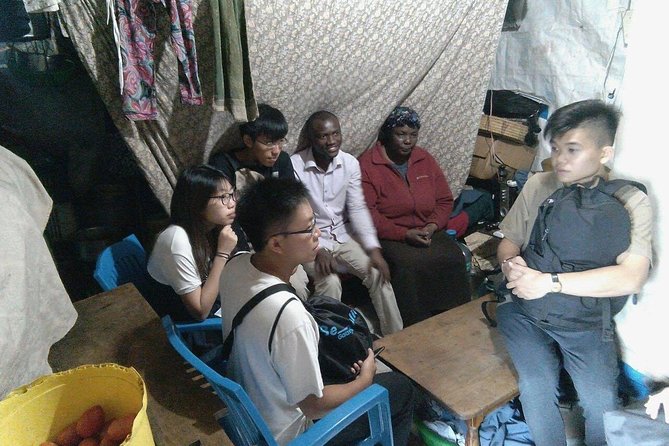
Kibera is not a postcard. This Kibera slums tour in Nairobi is interesting because you walk with a local youth guide who shows you day-to-day life, not a staged version. I like that you also get real context through an end-stop at Olympic Primary School, plus talk about NGO work tied to housing, education, and health. One drawback to plan for: this is people’s home, so you will need to keep your camera use respectful and expect muddy, tight walking paths.
The price is $25 per person, and you are not paying just for footsteps. The tour includes round-trip transfers from the designated meeting point, so you spend more time with your guide and less time figuring out logistics in Nairobi.
This is built to be personal. Guides such as Bramwel and Frederick are described as taking extra care of comfort and safety, and the group size caps at 50, which helps keep the walk from feeling like a parade.
In This Review
- Key highlights to know before you go
- Kibera slums tour in Nairobi, guided by local youth
- Your route begins and ends at Olympic Primary School
- Inside Kibera, what you actually see and talk about
- NGO projects, housing, education, and health in plain terms
- Why DALA exists, from youth jobs to MAKLWETA charity
- Logistics that matter in Nairobi, and how to handle them
- Who this tour is for, and who should think twice
- Value check: what $25 buys you, and what you should expect
- Should you book this Kibera slums tour with DALA?
- FAQ
- How long is the Kibera slums and market tour?
- What is the price per person?
- Where do I meet for the tour?
- Is round-trip transfer included?
- What stops are included during the tour?
- Does the tour require advance payment?
- What is the cancellation policy window for a full refund?
Key highlights to know before you go

- Local youth guides who know Kibera personally and guide you with care
- Olympic Primary School stop, tied to education and community history
- NGO project context around housing, schooling, and health
- Informal economy perspective and how daily life works when money is tight
- Round-trip transfers from the Olympic Primary School meeting point
- Pay-as-you-go trust concept, with local employment support through the company
Kibera slums tour in Nairobi, guided by local youth
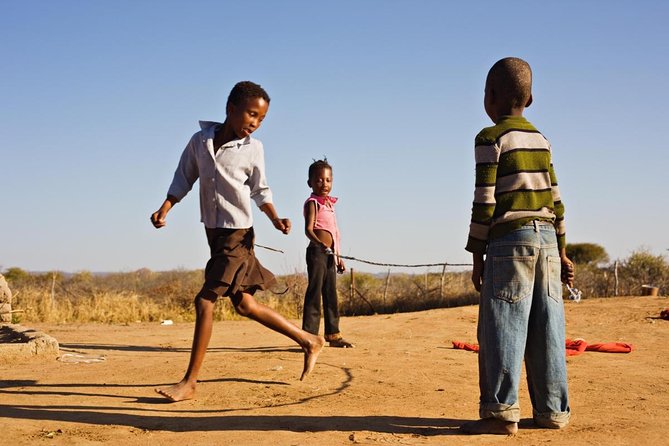
A Kibera tour works best when you treat it like a conversation, not a sight-seeing circuit. Your guide is the difference. With this one, you are led by a local youth guide, which means the walk is grounded in what daily life actually feels like, including the informal economy and the way people make do with very limited space.
I love that the tour sets an expectation that Kibera is not a performance. That showed up in the way guides are described, with an emphasis on you being comfortable and safe as you move through crowded lanes. One of the strongest themes from the experiences shared is that your guide becomes more like an amigo than a distant escort by the time you are halfway through.
Here is what to consider before you go: you should be ready to see hardship close up. This is not a place designed for visitors, and it is not a backdrop for photos. If you expect “pretty” or “quick facts,” you might feel uncomfortable. If you expect to learn and behave respectfully, it lands differently fast.
More Kibera Tours in Nairobi:
- Nairobi: Explore Kibera Slum with Local Guides
★ 4.9 · 365 reviews - Kevins Kibera Slum Tours
★ 5.0 · 213 reviews - Nairobi: Kibera Slum storytelling tour with a Local
★ 5.0 · 185 reviews
Your route begins and ends at Olympic Primary School
Your starting point and ending point are the same: Olympic Primary School (MQQH+3FJ, Nairobi). That matters because it keeps the logistics simple and it anchors the tour in education, one of the issues the community has been pushing for long before any NGO program arrived.
The tour includes a visit to Olympic Primary School, described as Kenya’s largest public primary school. You also hear why this stop matters: the school has a history of lifting families out of poverty, and it is tied to how people in Kibera think about the future for their children.
I like this structure for one big reason. Many Nairobi tours rush from “crisis” to “next stop.” Here, the end includes a look at how education can change trajectories, not just how problems look on the ground.
One practical note: since this stop is outdoors and the day can include walking in uneven ground, wear shoes you are comfortable getting dirty. People specifically note clothing that can handle wet or muddy conditions.
Inside Kibera, what you actually see and talk about
Kibera is often described in headlines as an informal settlement, but the tour tries to make that concept human. The area is estimated at around 2.5 square kilometers with roughly one million inhabitants, drawn from across East Africa. That density is hard to grasp from a map, and that is why walking with a guide is so effective here.
You start the tour in Kibera and you move through parts of the settlement as your guide explains what buildings and spaces mean to residents. You do not just pass by structures. You get a sense of how families organize their lives in extremely tight conditions, and how community ties hold things together.
You should also be prepared for the kind of details that do not fit neatly into a brochure. In experiences shared, guides like Bramwel and Frederick are described as having personal connections to people and knowing the community well enough to show you places you would not find on your own. In one case, that included being invited into the home of a friend, with stories about family life and what it can cost day to day.
This is also where you learn about the informal economy. You get a better picture of how people earn money, trade services, and support each other when resources are scarce. It is not framed as a “survival story.” It is framed as real work, real decisions, and real resilience.
A balanced heads-up: this is a sensitive setting, so your guide may set boundaries around photos and certain areas. Follow their lead. If they ask you to put your camera away, treat it as respect, not restriction.
NGO projects, housing, education, and health in plain terms

One of the most valuable parts of this tour is that it connects what you see with what local efforts are trying to change. The tour includes a look at NGO projects linked to improving housing, education, and health within the settlement.
I like that the conversation is not only about what needs fixing. You also get a view of what programs try to do in practice, and how those efforts play out in a place where the need is constant and the logistics are tough.
What this means for you: if you are the type who wants to understand the “why” behind a headline, this section gives you something concrete. It helps you see that development work is not one magic solution. It is ongoing attempts, local partnerships, and community feedback, often with mixed results.
If you go in expecting clean answers, you might leave with more questions. That is not a failure. It is a sign you understood what you saw. Kibera is complex, and so are the interventions that try to help.
More Market Tours in Nairobi:
- Traditional Kenyan Cooking Class & Local Market Tour
★ 5.0 · 129 reviews - Half-Day Nairobi National Park and Maasai Market with Pick up
★ 5.0 · 16 reviews - Authentic Kenyan Cooking Class & Market Tour in Nairobi
★ 5.0 · 12 reviews - Nairobi: Hop on Hop off and Maasai market Collections Visit
★ 3.5 · 10 reviews
Why DALA exists, from youth jobs to MAKLWETA charity
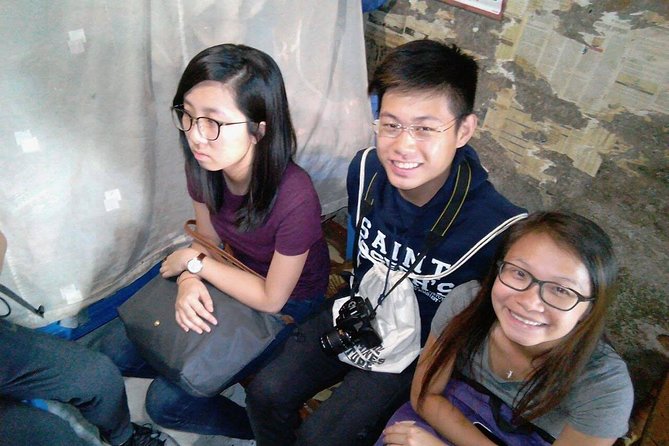
There is a distinct “Why DALA?” segment built into the experience, and it is worth paying attention to because it ties your ticket to more than your walking route.
Here is what you learn: Kenya has over 50% youth unemployment, so your booking helps employ local youths. DALA is described as a 100% indigenous firm, with an emphasis on an authentic local touch, and it frames the tour as friendship as much as safari-style sightseeing.
The other big point is where proceeds go. Part of your booking supports MAKLWETA, the charity founded to support rural girl child education. That link between Nairobi slum visibility and rural education support is interesting because it shows the organization is not only focused on one place.
Then there is the pay structure. You do not have to send money in advance. The company describes a pay-as-you-go policy and trust between you and the operator. Whether you are buying in advance or booking close to your day, this approach is designed to reduce “paperwork stress.”
Also, the tour end still loops back to Olympic Primary School, so the education theme is present twice. It is not random.
Logistics that matter in Nairobi, and how to handle them

This tour runs about 2 to 3 hours, with the Kibera portion often described around two hours. You get a mobile ticket, and confirmation comes at booking time.
The maximum group size is 50. That is not tiny, but it is manageable enough that a youth guide can still keep track of you, and you can still ask questions without feeling like you are in a crowd crush.
Round-trip transfers are provided from the designated meeting point. That helps a lot, because in Nairobi the most exhausting part of many tours is travel time plus waiting plus finding the right pickup spot. By starting and ending at Olympic Primary School, you reduce the number of moving pieces.
Dress and comfort are not small details here. You will walk, and you might get mud or water on the ground. Plan for sturdy shoes and clothing that you do not mind getting scuffed.
One more small but important consideration: communication. There has been at least one case of miscommunication during a period of Nairobi lockdown and the operator refunded the booking in full. You can protect yourself by confirming your meeting details close to departure, especially if your plans change.
Who this tour is for, and who should think twice
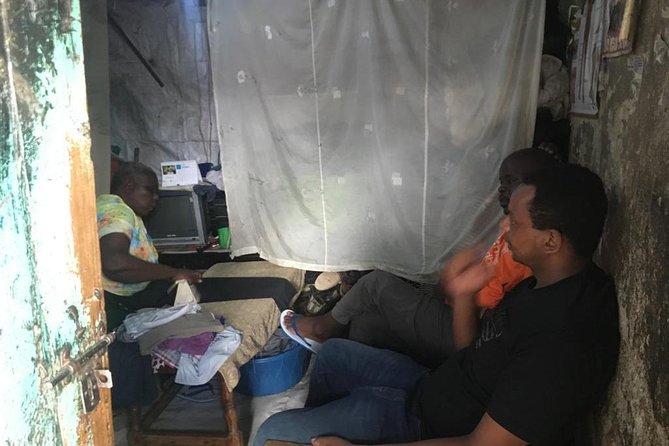
This Kibera tour is a good fit if you want:
- A local guide who can explain what you are seeing in human terms
- Practical context around NGO work and education
- A respectful way to understand the informal economy and community resilience
- A structured end stop at Olympic Primary School
It is not the best match if you want a “photo tour” or a relaxed scenic walk. Kibera is a community, and it is not designed for visitors’ entertainment. If you know you get stressed by close-up poverty scenes, heavy density, or walking on uneven ground, you might feel overwhelmed.
It also suits you better if you can handle a conversation style of visiting. The stronger experiences come from guides who answer questions and move at a pace that keeps you comfortable and safe.
If you are traveling with mobility limits or very young kids, you might find the walking tough, since the data describes a walking tour experience but does not spell out step-free routes. If that is your situation, consider asking how movement works on the day you book.
Value check: what $25 buys you, and what you should expect
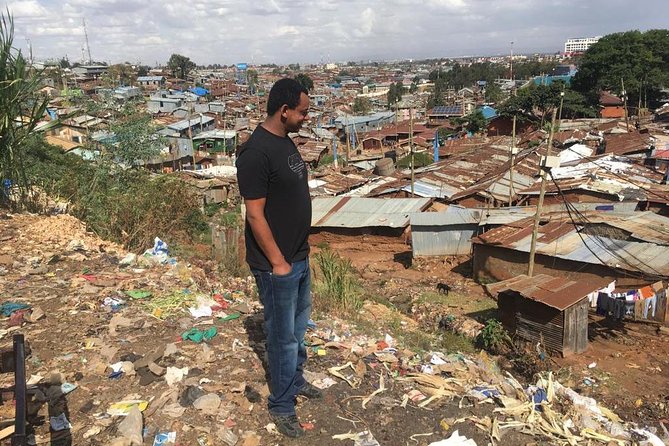
At $25 per person, you are buying more than a route through a settlement. You are funding youth employment support, you are supporting local education through the MAKLWETA charity connection, and you are paying for a guided experience that tries to create safety and respect in a sensitive setting.
You should also expect something “learning-heavy.” A good portion of the value is in what your guide explains, including the informal economy and the way NGO projects intersect with everyday life.
So ask yourself this before booking: do you want to feel like you are helping you understand a place, or do you want a quick hit of photos and facts? If it is the first, this tour’s price feels fair because the structure and local guide focus matter.
Should you book this Kibera slums tour with DALA?
Book it if you want a Nairobi experience with real context, guided by local youth, with a strong education anchor at Olympic Primary School. This is especially worth it if you care about how communities organize life under pressure and how projects in housing, health, and education try to move the needle.
Skip it if you are uncomfortable with walking in a real residential area or you need a standard tourist format. This is not meant to be painless or glossy. The best outcome comes when you go in calm, respectful, and ready to listen.
If you decide to go, do one thing to improve your odds: wear proper shoes for wet or muddy paths and treat your camera as a tool you use carefully, not a default.
FAQ
How long is the Kibera slums and market tour?
It runs for about 2 to 3 hours.
What is the price per person?
The price is $25.00 per person.
Where do I meet for the tour?
You meet at Olympic Primary School (MQQH+3FJ, Nairobi, Kenya).
Is round-trip transfer included?
Yes, round-trip transfers are provided from the designated meeting point.
What stops are included during the tour?
You visit Kibera, learn about related projects, and the tour ends with a visit to Olympic Primary School.
Does the tour require advance payment?
The operator states there is a pay-as-you-go policy and you do not have to send money in advance.
What is the cancellation policy window for a full refund?
You can cancel up to 24 hours in advance for a full refund. Within 24 hours of the experience start time, refunds are not provided.
More Shopping Tours in Nairobi
- Nairobi souvenir Shopping and Historical Half day Tour
★ 5.0 · 61 reviews - Nairobi Cultural Shopping Experience
★ 5.0 · 21 reviews - Nairobi Guided Cultural Shopping Experience Day Tour
★ 4.0 · 12 reviews - Nairobi cultural souvenir shopping tour with a local
★ 5.0 · 12 reviews
Newest write-ups from Nairobi
- Visit kibera Slum the chocolate city★ 4.8 · 3 reviews
- 3 days maasai mara migration safari★ 4.5 · 7 reviews
- 4 Days Tour Landcruiser in Masai Mara and Lake Nakuru★ 5.0 · 10 reviews
- 4 Days Safari to Lake Nakuru N/P and Maasai Mara N/R★ 5.0 · 18 reviews
- Day Tour to Nairobi national park, Elephants, and Giraffe Center★ 3.5 · 8 reviews
- Wildebeest Migration in Masai Mara and Sightseeing 4 Days Tour★ 4.5 · 6 reviews
- Maasai Mara Day Trip★ 5.0 · 15 reviews
- Kibera Slum Tour with a Local★ 5.0 · 15 reviews
Kibera Tours, compared.




Kibera Slum Tour with Local Social Entrepreneurs
Read our review →


Browse the lists this tour appears in