
REVIEW · SHOPPING TOURS
Nairobi Cultural Shopping Experience
A smart shopping plan beats aimless wandering every time. This Nairobi cultural route saves you time, lines up great stops, and adds language support so you can focus on choosing gifts. I like the mix of handmade crafts and purpose-driven shopping, and I also like that it is paced around three solid stops instead of a rushed checklist. One thing to consider: if you are only looking for quick, low-effort bargains, you may find the hands-on craft time and museum-style factory visit takes a bit more attention than you expected.
Here is the good part. You get hotel pickup and drop-off, plus a driver/guide who helps you communicate when you need it. The tour runs about 4 to 5 hours, costs $25.65 per person, and is often booked around 17 days ahead, so it is worth reserving if you are set on doing Nairobi shopping without hassle.
In This Review
- Key highlights worth planning around
- Why a guided Nairobi shopping route beats wandering alone
- Price and logistics: what $25.65 actually buys you
- Pickup and timing: how the half-day moves
- Stop 1: Utamaduni Craft Centre in Langata
- Kazuri Beads Factory: learning clay craft and the women’s employment story
- Galleria Mall and the Maasai market: souvenirs, variety, and bargaining practice
- What to buy: matching souvenirs to the craft you saw
- Included value: what the tour covers and what you should plan to pay
- Who this Nairobi cultural shopping experience suits best
- Should you book this Nairobi Cultural Shopping Experience?
- FAQ
- How long is the Nairobi Cultural Shopping Experience?
- What time does the tour start?
- Does the tour include hotel pickup and drop-off?
- Are admission tickets included for the stops?
- What is included in the tour price?
- Do I need to pay for souvenirs?
- Is this a private tour?
- Can I cancel for a full refund?
Key highlights worth planning around
- Pickup and drop-off included, so you do not waste your day figuring out rides between markets
- Translation help with your driver/guide, which makes asking questions and comparing items much easier
- Utamaduni Craft Centre in Langata gives you a calm start in a leafy suburb setting
- Kazuri Beads Factory includes hands-on learning tied to the women’s employment story behind the craft
- Galleria Maasai market is built for browsing and practicing bargaining, with plenty of variety for souvenirs
- Private tour for your group, so the day feels more personal than a big bus shopping stop
Why a guided Nairobi shopping route beats wandering alone
Nairobi shopping can be overwhelming fast. You will see great things, but you can also end up bouncing between places with no clear plan, no context for what you are buying, and a lot of time spent trying to communicate your preferences. This tour fixes that by acting like a map with a translator built in.
What I like most is that it is not just a shopping spree. Each stop connects to how the items are made, who makes them, and why the products matter. When you understand the craft, your shopping becomes calmer. You spend less time guessing whether something is special, and more time deciding what fits your taste and budget.
There is also a practical side. You are doing this in a group, but you still get a driver/guide in the mix, and that helps with logistics like asking about materials, sizing, and prices. Even if you do not know Swahili, you are not stuck.
More Shopping Tours in Nairobi:
- Traditional Kenyan Cooking Class & Local Market Tour
★ 5.0 · 129 reviews - Nairobi souvenir Shopping and Historical Half day Tour
★ 5.0 · 61 reviews - Memorable Daily KIBERA Slums/Toi Market Tour with Locals (2 hours)
★ 5.0 · 29 reviews
Price and logistics: what $25.65 actually buys you
The price is $25.65 per person for a tour that runs about 4 to 5 hours. That might sound small, but it matters because key parts are covered. You get the driver/guide plus hotel pickup and drop-off, which usually are the pieces that cost extra when you try to DIY.
Also, several stops are listed with free admission, which helps keep the overall day affordable. You are still shopping and buying souvenirs at your own pace, but the tour itself takes care of transport and the structured stops.
A detail I think you will appreciate: it is offered as a private tour/activity, so only your group participates. That usually means less waiting around for strangers and less confusion about where everyone is supposed to be.
Timing-wise, it starts at 9:00 am, and it is commonly booked about 17 days in advance. If you are visiting during peak travel weeks, locking it in early gives you more date options.
Pickup and timing: how the half-day moves
You are starting at 9:00 am, and the total time on the ground is about 4 to 5 hours. That is a good length for shopping because it leaves room to browse seriously, without turning the day into a full-on ordeal.
Pickup and drop-off are included, so you do not need to carry the mental load of getting between stops. The tour also helps you avoid that common problem where you end up with heavy bags and no easy way to manage them. Having the driver/guide in the loop can make it easier to keep purchases under control.
Bring your expectations to match the format. This is not a quick photo stop. It is a guided craft and market loop, which means you will spend time inside places like a craft center and a working beads factory, not just walking streets and window-shopping.
One more practical note: drinks and beverages are not included. I would plan to hydrate before you go, or expect to buy something during breaks near the stops.
Stop 1: Utamaduni Craft Centre in Langata
Your first stop is the Utamaduni Craft Centre, located in the Langata area. It is described as easy to drop into, and that matters, because your first hour sets the tone for the entire shopping day. If you start smoothly, you are more likely to enjoy browsing instead of rushing.
This stop is focused on crafts and artisan goods, so it is a good place to get your bearings. Look for items in the categories you care about most, like traditional African fabric, ornaments, sculptures, and artwork. By doing this early, you can spot themes you like, then compare later at the other stops.
One limitation to consider: since this is an artisan market style stop, it can be more about variety and browsing than about quick, standardized items. If you need one specific souvenir type with zero comparison, you might spend too much time deciding.
That said, the hour here is a fair amount of time to learn what is available before you move on to the more hands-on Kazuri experience.
A few more Nairobi days worth pricing up
- Nairobi National Park Half-Day Tour; Free Wi-Fi connection
★ 5.0 · 878 reviews - Nairobi: National Park & Optional Elephants & Giraffe Center
★ 4.8 · 874 reviews - NAI NAMI: Nairobi Storytelling Tour with Street Children
★ 5.0 · 792 reviews - Nairobi National Park Half-Day Game Drive
★ 4.5 · 738 reviews
Kazuri Beads Factory: learning clay craft and the women’s employment story
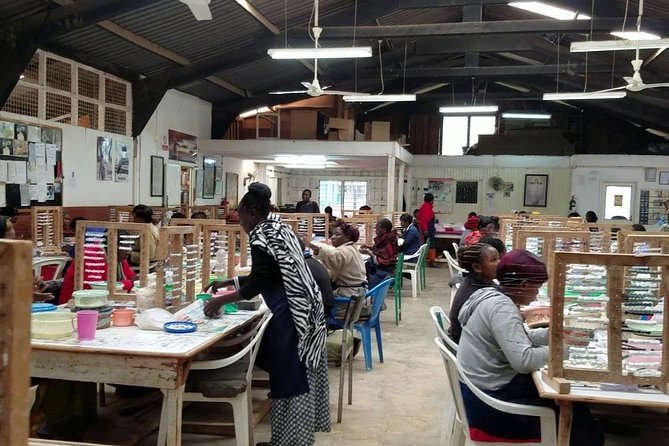
Stop two is the Kazuri Beads Factory, where you learn about making jewellery and pottery from clay. Even if you are not planning to become a clay artist, the setup is a big part of why this stop is memorable. You get the context for the craftsmanship, and you see how the products connect to real people and real work.
Kazuri started in 1975 as a small workshop experimenting with hand-crafted ceramic beads. The name Kazuri means small and beautiful in Swahili, and that is a useful detail because it hints at the design approach. This is not about huge, mass-produced shapes. It is about small, refined pieces built through careful making.
The factory also has a clear social purpose. It began with a small group that grew from the founder starting with two single motherhood women, then discovering other disadvantaged women nearby who needed regular employment. That story changes how you shop. When you buy beads or ceramics here, you are not just buying an object. You are supporting a system of work that provides income.
A helpful point from the experience itself: you are not only watching. The day includes learning time connected to jewelry and pottery from clay. Expect the tone to shift from browsing to doing, even if you only spend a portion of the time actively learning.
Some days also feature cultural performances connected to the maker community, including singing and dancing by the women and orphans involved in the broader program. That can add energy to the visit, but it is best to treat it as a bonus, not the entire reason to come.
Galleria Mall and the Maasai market: souvenirs, variety, and bargaining practice
After Kazuri, you head to Galleria Mall for the Galleria Maasai market. This is your browsing and souvenir final-round, and it is also where bargaining usually comes alive.
This market is highlighted as a place to shop for souvenirs and to practice bargaining skills. If bargaining is new to you, think of this stop as a low-risk practice session. You are already on a guided tour, so you have a driver/guide to help with translation if you need it.
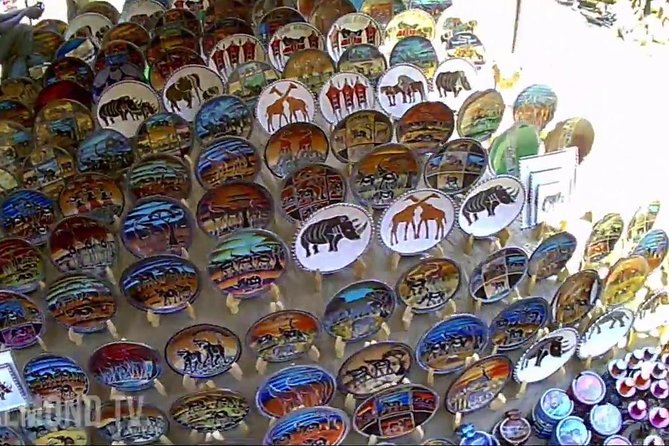
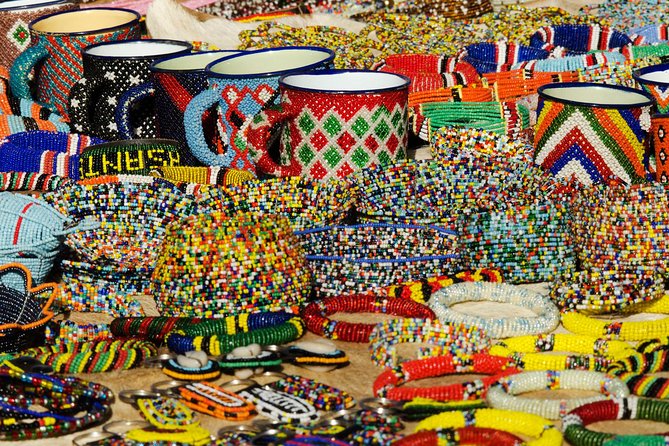
What you can expect here is variety. From fabric and ornaments to artwork and sculpted pieces, the Maasai market vibe tends to give you many options in one concentrated place. It is also a nice contrast to the craft factory stop, because here the focus is on shopping choices rather than craft storytelling.
A realistic drawback: because it is a market, prices can vary and you will likely need to spend time comparing items. If you are in a hurry or you do not want to talk to sellers, you might feel friction here.
My advice is simple. Decide what you want before you enter. Then compare two or three similar items before you commit. That way your bargaining is about preference, not confusion.
What to buy: matching souvenirs to the craft you saw
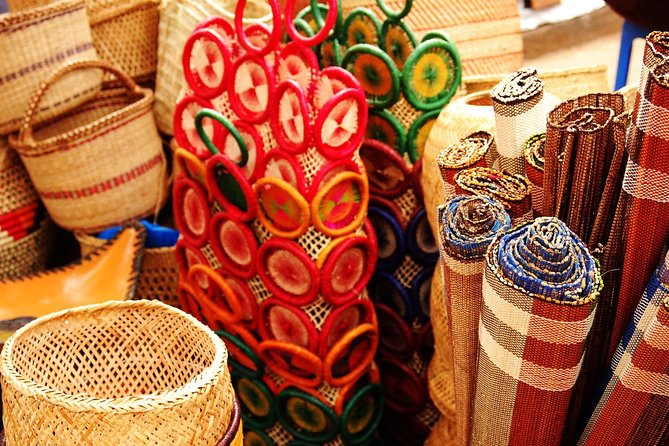
One of the best ways to get value on a cultural shopping day is to match what you buy to what you learned. Here, the tour’s structure makes that easy.
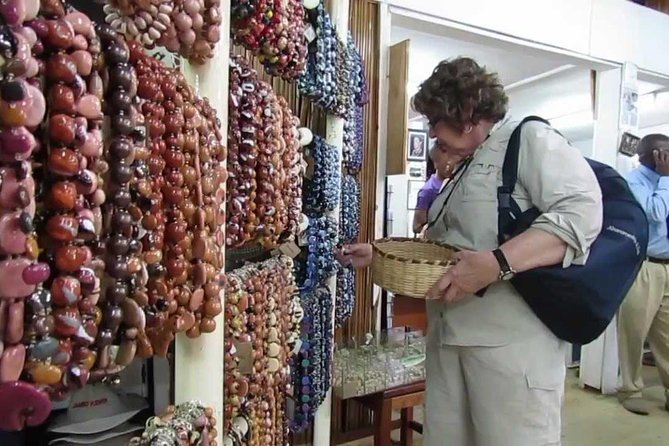
If you love wearable art, Kazuri is the obvious place to look for ceramic beads used in jewelry. Since you learn about making jewelry and pottery from clay, you will have a better feel for what goes into the pieces. That usually leads to more confident purchases, and fewer regrets later.
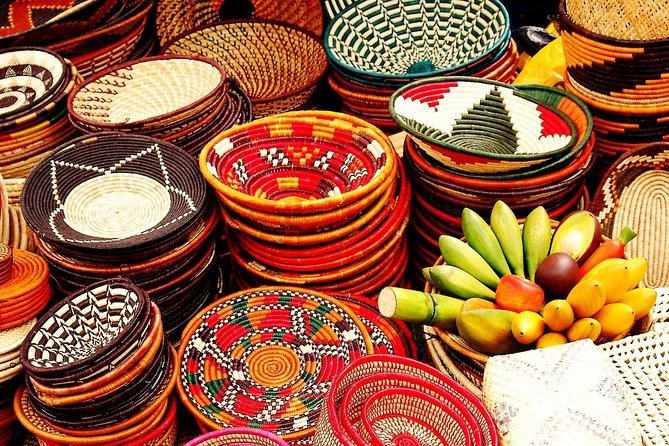
If you like décor, ornaments, and artwork, the Utamaduni Craft Centre is a strong starting point. You can browse and get a sense of style themes before you shop for something more specific at the market stop.
At the Maasai market, you can round out your list with items that feel bold and gift-ready. It is also where you might pick up fabric-related souvenirs if that is part of your plan.
You will be able to purchase souvenirs at each stop, but the tour cost is for the guidance and transport, not for the items themselves. So the practical approach is to set a souvenir budget before you start, then let the items you genuinely like guide the spending.
Included value: what the tour covers and what you should plan to pay
Included in your $25.65 price:
- Driver/guide
- Hotel pick up and drop off
The tour also lists free admission for the stops you visit, so you are not paying separate entrance fees just to get into the craft spaces.
Not included:
- Drinks and beverages
- Souvenir purchases
That last point is important. You are going to shop. The value of the tour is that it gets you to a shortlist of quality places and helps you communicate, not that it gives you free items. If you want a stress-free day, go in with a clear idea of how much you are willing to spend on souvenirs.
Because drinks are not included, I would plan to buy water or something light during the day. Markets and craft sites can be warm, and a midday pause keeps your energy up for bargaining at the end.
Also, you will likely get a mobile ticket, which is a nice convenience if you do not want to juggle printed paperwork on a phone.
Who this Nairobi cultural shopping experience suits best
This tour is especially well-suited for you if:
- You want a guided plan instead of figuring out shopping stops on your own
- You care about buying souvenirs with a bit of context, not just whatever is cheapest
- You want help with language barriers, especially when asking questions or comparing items
- You prefer a half-day activity that ends with a clear list of places visited and time to shop
It also makes sense if you are traveling with friends or family who do not want to split up to shop. Since it is private for your group, the day stays cohesive.
If you are the type of shopper who wants to sprint through markets quickly and only look at bargain prices, you may find the craft-center and factory time slows things down. But if you enjoy seeing how items are made, you will probably find the pacing satisfying.
Should you book this Nairobi Cultural Shopping Experience?
Yes, you should book it if your goal is good Nairobi souvenirs without the headache of research, navigation, and communication. The biggest win here is the combination of structured stops, pickup and drop-off, and a guide who can help you understand what you are seeing and buying.
Book it early if you can, because it is commonly reserved about 17 days in advance. And when you plan your day, remember this is a shop-with-meaning format, not a five-minute market hit.
If you only want the absolute fastest shopping loop, you might feel the craft stops take more time than you want. But if you like crafts, want better buying decisions, and appreciate meeting the makers behind the products, this is a strong choice.
FAQ
How long is the Nairobi Cultural Shopping Experience?
It runs about 4 to 5 hours.
What time does the tour start?
The start time is 9:00 am.
Does the tour include hotel pickup and drop-off?
Yes, hotel pick up and drop off are included.
Are admission tickets included for the stops?
Admission is free at the listed stops, including Utamaduni Craft Centre and the Kazuri Beads Factory, as well as the Galleria Mall market stop.
What is included in the tour price?
The tour includes a driver/guide and hotel pickup and drop-off.
Do I need to pay for souvenirs?
Souvenirs are not included. You can purchase items at the stops if you choose.
Is this a private tour?
Yes. It is private, and only your group participates.
Can I cancel for a full refund?
Yes. Cancellation is free up to 24 hours in advance of the experience start time.
Newest write-ups from Nairobi
- Visit kibera Slum the chocolate city★ 4.8 · 3 reviews
- 3 days maasai mara migration safari★ 4.5 · 7 reviews
- 4 Days Tour Landcruiser in Masai Mara and Lake Nakuru★ 5.0 · 10 reviews
- 4 Days Safari to Lake Nakuru N/P and Maasai Mara N/R★ 5.0 · 18 reviews
- Day Tour to Nairobi national park, Elephants, and Giraffe Center★ 3.5 · 8 reviews
- Wildebeest Migration in Masai Mara and Sightseeing 4 Days Tour★ 4.5 · 6 reviews
- Maasai Mara Day Trip★ 5.0 · 15 reviews
- Kibera Slum Tour with a Local★ 5.0 · 15 reviews
Shopping Tours, compared.
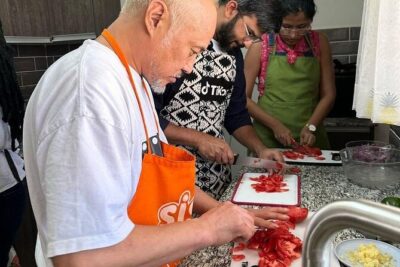
Traditional Kenyan Cooking Class & Local Market Tour
Read our review →
Nairobi souvenir Shopping and Historical Half day Tour
Read our review →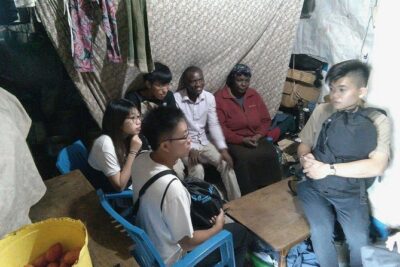
Memorable Daily KIBERA Slums/Toi Market Tour with Locals (2 hours)
Read our review →
Mombasa City Tour,Fortjesus,Oldtown,Tusks and Spice Market.
Read our review →
Half-Day Nairobi National Park and Maasai Market with Pick up
Read our review →
Authentic Kenyan Cooking Class & Market Tour in Nairobi
Read our review →
Nairobi cultural souvenir shopping tour with a local
Read our review →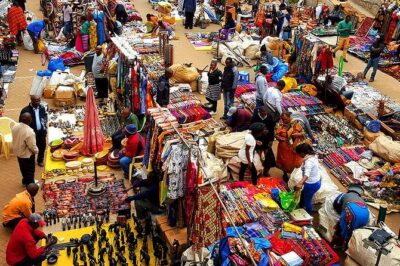
Nairobi Guided Cultural Shopping Experience Day Tour
Read our review →Browse the lists this tour appears in