
REVIEW · SHOPPING TOURS
Nairobi Guided Cultural Shopping Experience Day Tour
Nairobi shopping is more art than math. This day tour helps you steer past fake souvenirs and guesswork, with a guide who points you toward real quality crafts at sensible prices, plus door-to-door transfers that keep the day calm. If you’ve ever felt overwhelmed by bargaining and crowded stalls, this format gives you a plan.
I like the small-group size, and I like that stops include both showrooms and making-process places, not just a quick loop through shops. One guide name that shows up is Stephen, and the feedback around him is consistent: patient, friendly, and not rushing solo visitors. The only real drawback to consider is that shopping environments can feel personal, and in a worst-case scenario some guides may ask intrusive questions, so bring your comfort level and boundaries.
In This Review
- Key things to know before you go
- Nairobi shopping is part culture, part strategy
- Price, time, and what you actually get for $90
- Small group touring: why it matters for bargaining
- African Heritage House Museum: textiles and craft traditions
- Utamaduni Craft Centre: one-roof browsing for masks, rugs, and jewelry
- Kazuri Beads Factory in Karen: ceramic craft with real hands-on energy
- City Market on Muindi Mbingu Street: bargaining, stalls, and local food
- Maasai Market when it’s open: beadwork and carvings with a direct-to-seller angle
- What to buy, and how to avoid the fake-souvenir trap
- The guide experience: what good help feels like
- Where this tour fits best
- Should you book this Nairobi cultural shopping day tour?
- FAQ
- What is the duration of the Nairobi guided cultural shopping day tour?
- How much does the tour cost?
- What time does the tour start?
- Is lunch included in the price?
- Do I get hotel pickup and drop-off?
- How many people are in the group?
- Can children join the tour?
Key things to know before you go
- Door-to-door pickup and drop-off: saves time and reduces the stress of figuring out Nairobi traffic
- Small group feel: maximum 7 travelers means more time to ask questions and compare items
- Craft centers plus a bead factory: you see items made, not just displayed
- Real Nairobi shopping conditions: the City Market is built for bargaining, not fixed browsing
- Market-day flexibility: the Maasai Market stop only happens if it’s open, so the day may shift
Nairobi shopping is part culture, part strategy

Nairobi has everything you want to buy, but the hardest part is sorting what is worth your money. Some stalls push mass-produced stuff, some sellers move fast, and prices can swing wildly depending on how you look, what you ask, and whether you have a local guide.
This tour is designed to take that uncertainty down. You get a guide who can explain materials and help you compare similar items across stops. The goal is not to freeze you into one shop, it’s to give you a shopping rhythm so you can buy with confidence.
You’ll also get a day structure that feels practical: start in the morning, visit a run of craft-focused stops, and end back at your hotel. At about 8 hours and a 9:00 am start, it’s long enough to make real purchases, but not so long that you’re shopping on fumes.
More Shopping Tours in Nairobi:
- Traditional Kenyan Cooking Class & Local Market Tour
★ 5.0 · 129 reviews - Nairobi souvenir Shopping and Historical Half day Tour
★ 5.0 · 61 reviews - Memorable Daily KIBERA Slums/Toi Market Tour with Locals (2 hours)
★ 5.0 · 29 reviews
Price, time, and what you actually get for $90
At $90 per person, you’re paying for more than entry to a couple places. You’re paying for a professional guide, hotel pickup and drop-off, and a full itinerary of targeted stops focused on arts, crafts, jewelry, clothing, and homewares.
Two practical notes matter here. First, lunch is not included, so build in time and budget for a meal on your own or rely on your guide’s help finding food. Second, the tour includes several stops where admission is listed as free, which helps keep your day from turning into surprise costs.
One more value point: the day is built around door-to-door transfers. In Nairobi, that can be the difference between a relaxed shopping experience and a day where you lose time just getting to and from the right streets.
Small group touring: why it matters for bargaining
This is a shopping tour, so the guide’s job is part translation, part quality control, part price sanity check. With a maximum of 7 travelers, you get more back-and-forth than on bigger group trips.
That small group size also helps you shop smarter at places like the City Market, where bargaining is part of the culture. Your guide can help you keep the conversation friendly and move toward a fair price without turning it into an awkward fight.
If you’re going solo, that small group format tends to help. One positive comment specifically called out that a guide named Stephen made a solo visitor feel comfortable and not rushed. That’s the difference you want on a shopping day, because speed kills your ability to compare.
African Heritage House Museum: textiles and craft traditions
The day starts at African Heritage House, set at the Carnivore grounds. The focus here is the African Heritage Gallery, including an African Trader Gallery that highlights textiles, sculpture, and other handicrafts.
This stop works as your warm-up. You’re not hit with ten different types of items at once. Instead, you get a feel for what good looks like, including how textiles and sculptural pieces are presented and labeled. It’s easier to spot quality later once you’ve seen how a well-curated space organizes products.
One potential drawback: it’s a gallery first. If you’re hoping for instant bargaining at the first stop, your experience may feel more educational than transactional. Still, that can be a plus, because you arrive to the markets with a stronger sense of what you’re shopping for.
A few more Nairobi days worth pricing up
- Nairobi National Park Half-Day Tour; Free Wi-Fi connection
★ 5.0 · 878 reviews - Nairobi: National Park & Optional Elephants & Giraffe Center
★ 4.8 · 874 reviews - NAI NAMI: Nairobi Storytelling Tour with Street Children
★ 5.0 · 792 reviews - Nairobi National Park Half-Day Game Drive
★ 4.5 · 738 reviews
Utamaduni Craft Centre: one-roof browsing for masks, rugs, and jewelry
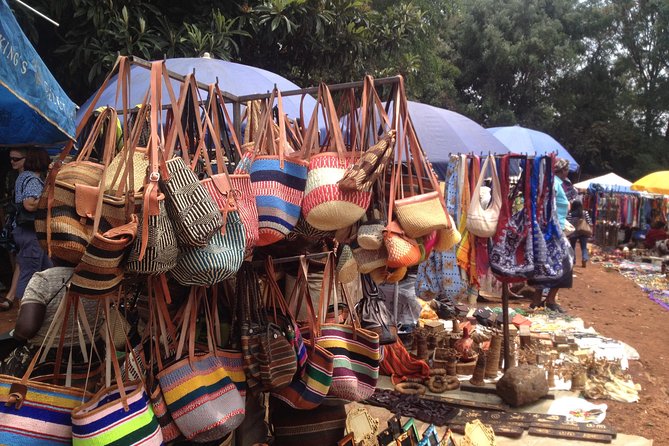
Next you head to Utamaduni Craft Centre, a large indoor shopping spot where you can find many categories under one roof. Think masks, rugs, furniture, jewelry, dolls, safari clothes, plus textiles like kikoy and sarong, along with beads and more.
I like this kind of stop for two reasons. First, it’s efficient. You can compare pieces without running around town. Second, indoor shopping makes it easier to examine details like carving depth, fabric texture, and how jewelry is assembled.
The trade-off is that a big indoor center can blend experiences, meaning you might spend more time browsing and less time learning. That’s where your guide’s value comes in. Ask questions about materials and how pieces are made, then decide what’s worth taking home.
Kazuri Beads Factory in Karen: ceramic craft with real hands-on energy
One of the best parts of this day is the visit to Kazuri Beads Factory in Karen, on Mbagathi Ridge. Kazuri means small and beautiful in Swahili, and the factory is known for handmade ceramic beads, jewelry, and pottery.
This stop changes the whole shopping feel. It’s not only about what you can buy, it’s about understanding the work behind the beads. When you see how items are produced, you can shop with a clearer sense of effort and materials.
It’s also conveniently close to the Karen Blixen Museum, so depending on the day’s flow you’ll be in a part of Nairobi that feels more established and easy to navigate than some market streets. The visit itself lasts about an hour, so it fits smoothly into the full schedule without letting you get exhausted.
City Market on Muindi Mbingu Street: bargaining, stalls, and local food
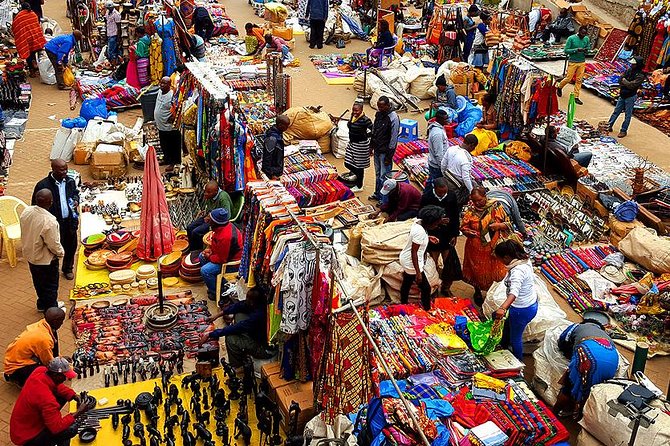
Then it’s time for the real Nairobi shopping environment at Nairobi City Market on Muindi Mbingu Street. This place is a sprawling complex originally built like an aircraft hangar, and you’ll find stalls for curios and souvenirs across a wide area.
Bargaining here is not a side activity. It’s the main event. That can be fun if you have a guide who helps you keep your footing. If you don’t, it can feel like you’re constantly negotiating without learning what’s actually fair.
I’d treat this stop like a chance to buy variety, not like a single-item decision. Look at multiple stalls for similar pieces, compare quality, and only commit when you see consistent craftsmanship. If your guide is doing their job, they’ll steer you away from obvious low-quality items and toward sellers who can explain what you’re buying.
Also, City Market is known for food vendors. Even though lunch isn’t included in the tour price, you’ll likely find it easy to grab a quick bite here if the timing works out.
Maasai Market when it’s open: beadwork and carvings with a direct-to-seller angle
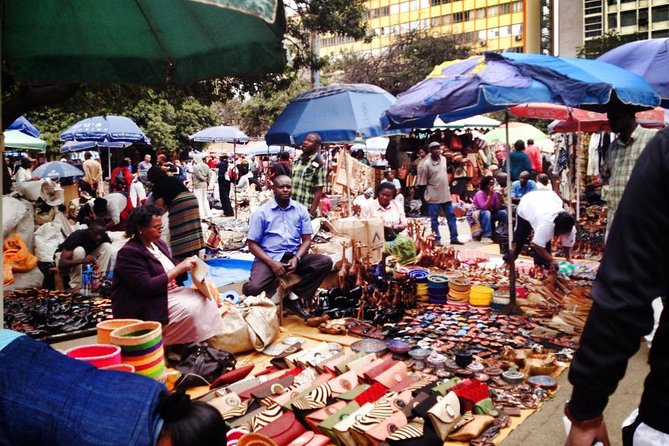
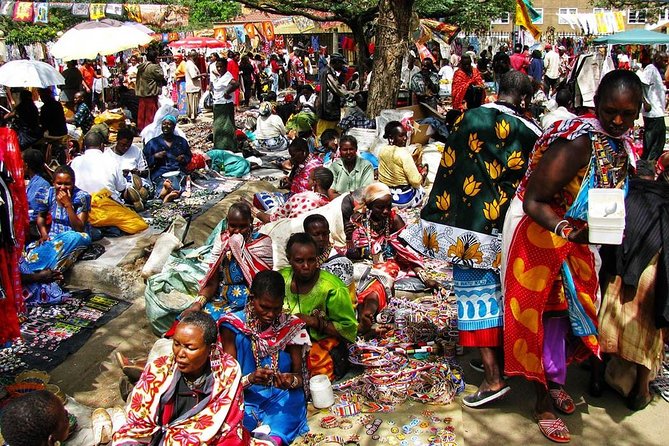
If the timing lines up with market days, the tour can include the Maasai Market. It’s described as a market started by Maasai women who wanted to sell directly to visitors, and over time it expanded into a broader arts and crafts space.
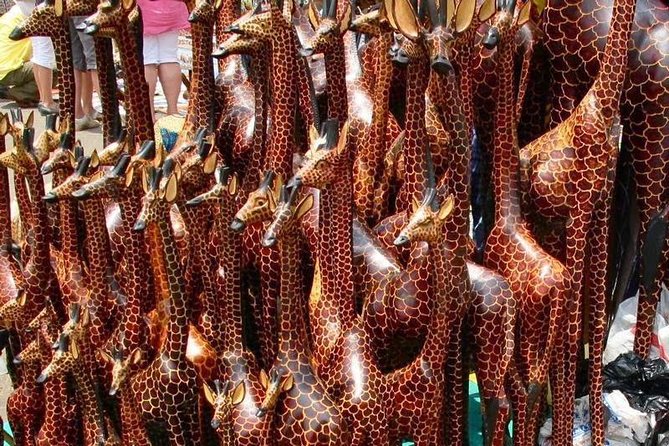
This is where you should slow down. Items like wooden carvings and beadwork can vary a lot in style and quality, and a direct-to-seller setup means you can often ask more questions about what you’re seeing. If you care about cultural authenticity, this kind of market can feel more grounded than shops that look like they’re all selling the same imported designs.
One thing to consider: if the Maasai Market is not open, your day may shift to match what’s available. That’s not necessarily a bad thing, but it does mean you should keep flexibility in your head and focus on quality at each stop rather than expecting one exact lineup of products.
What to buy, and how to avoid the fake-souvenir trap
Nairobi shopping can be a minefield, mostly because not all souvenirs are equal. This tour tries to reduce that risk by guiding you through craft centers and production-focused stops, not only random street stalls.
Here’s how I’d shop across the day based on what these stops are best at:
- Beads and jewelry: prioritize places where the items connect to real making, like Kazuri, and check how pieces are finished and strung or assembled.
- Masks, textiles, and carvings: look for clean details. If carvings look shallow or paint looks like it’s just sitting on top, it’s usually not a long-lasting purchase.
- Homewares: at craft centers, compare similar items side by side. You want sturdy construction, not fragile-looking pieces that crack easily in transit.
- Rugs and larger textiles: examine fabric and edges closely. If you can, ask about the material and look for signs of even stitching.
For bargaining, here’s a calm rule. Bargain in small steps, not in one aggressive swing. Start friendly, ask questions, and let your guide help you anchor the conversation. The goal is to land a fair price, not to win a contest.
Also, if you’re the kind of shopper who hates pressure, this tour’s structure helps. You’re not walking into markets alone, and you’ll have moments where the experience shifts from negotiating to learning what you’re actually looking at.
The guide experience: what good help feels like
A shopping tour lives or dies based on the guide. The best feedback around this experience highlights patience and professionalism, including a guide named Stephen who was described as pleasant, friendly, and not rushing people.
That matters because shopping is sensory. You get pulled toward pretty things fast. A patient guide helps you slow down just enough to check quality, compare items, and decide with intention.
One caution comes from an unhappy review. It described intrusive questions about jobs and salary. That doesn’t mean every tour will feel like that, but it is a useful reminder to think about what you’re comfortable discussing with a new person. If you want low-key conversation, keep it simple and redirect early.
Where this tour fits best
This is a strong match if you want a shopping day that feels structured and culturally informed, not random and stressful. It’s especially good for people who:
- want arts, crafts, jewelry, clothing, and homewares without getting lost
- like a small group and a guide who can help you compare quality
- want a mix of markets and craft-focused stops, including a real beads factory visit
It’s not ideal if you only want street shopping with lots of free wandering. The schedule is built around specific stops, and while you’ll have time to shop at each place, the day is still guided.
If you’re a collector or you care about materials, you’ll likely get more out of the factory and craft center stops than you would on a pure market crawl. If you just want quick souvenirs, you might find it feels like work, even when it’s fun.
Should you book this Nairobi cultural shopping day tour?
I think it’s worth booking if you want a shopping experience that reduces risk and improves decision-making. The combination of professional guidance, small group size, and craft stops like Kazuri gives you a better shot at buying pieces you’ll still love months later.
Book it if you like comparing quality, learning what you’re buying, and feeling supported while bargaining. Skip it or be cautious if you hate personal conversation or you know you prefer fully independent shopping with zero guidance.
If you do book, come with a rough plan for what you want, like beads and jewelry, carved wood, textiles, or homewares. That turns the day from random browsing into a satisfying shopping route across Nairobi’s most craft-focused stops.
FAQ
What is the duration of the Nairobi guided cultural shopping day tour?
The tour runs for about 8 hours.
How much does the tour cost?
The price is $90.00 per person.
What time does the tour start?
The start time is 9:00 am.
Is lunch included in the price?
No. Lunch is not included.
Do I get hotel pickup and drop-off?
Yes. Hotel pickup and drop-off are included, and it’s described as door-to-door transfers.
How many people are in the group?
The tour lists a maximum of 7 travelers.
Can children join the tour?
Children must be accompanied by an adult. It also notes that most travelers can participate.
Newest write-ups from Nairobi
- Visit kibera Slum the chocolate city★ 4.8 · 3 reviews
- 3 days maasai mara migration safari★ 4.5 · 7 reviews
- 4 Days Safari to Lake Nakuru N/P and Maasai Mara N/R★ 5.0 · 18 reviews
- 4 Days Tour Landcruiser in Masai Mara and Lake Nakuru★ 5.0 · 10 reviews
- Day Tour to Nairobi national park, Elephants, and Giraffe Center★ 3.5 · 8 reviews
- Wildebeest Migration in Masai Mara and Sightseeing 4 Days Tour★ 4.5 · 6 reviews
- Maasai Mara Day Trip★ 5.0 · 15 reviews
- Kibera Slum Tour with a Local★ 5.0 · 15 reviews
Shopping Tours, compared.
Traditional Kenyan Cooking Class & Local Market Tour
Read our review →
Nairobi souvenir Shopping and Historical Half day Tour
Read our review →
Memorable Daily KIBERA Slums/Toi Market Tour with Locals (2 hours)
Read our review →

Mombasa City Tour,Fortjesus,Oldtown,Tusks and Spice Market.
Read our review →
Half-Day Nairobi National Park and Maasai Market with Pick up
Read our review →
Authentic Kenyan Cooking Class & Market Tour in Nairobi
Read our review →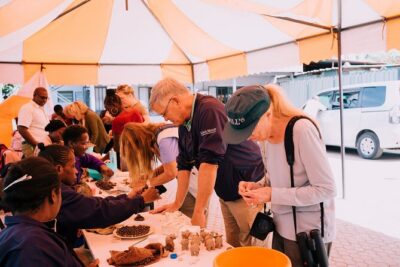
Nairobi cultural souvenir shopping tour with a local
Read our review →Browse the lists this tour appears in