
REVIEW · KIBERA TOURS
Visit Kibera The Largest Slum With a Local
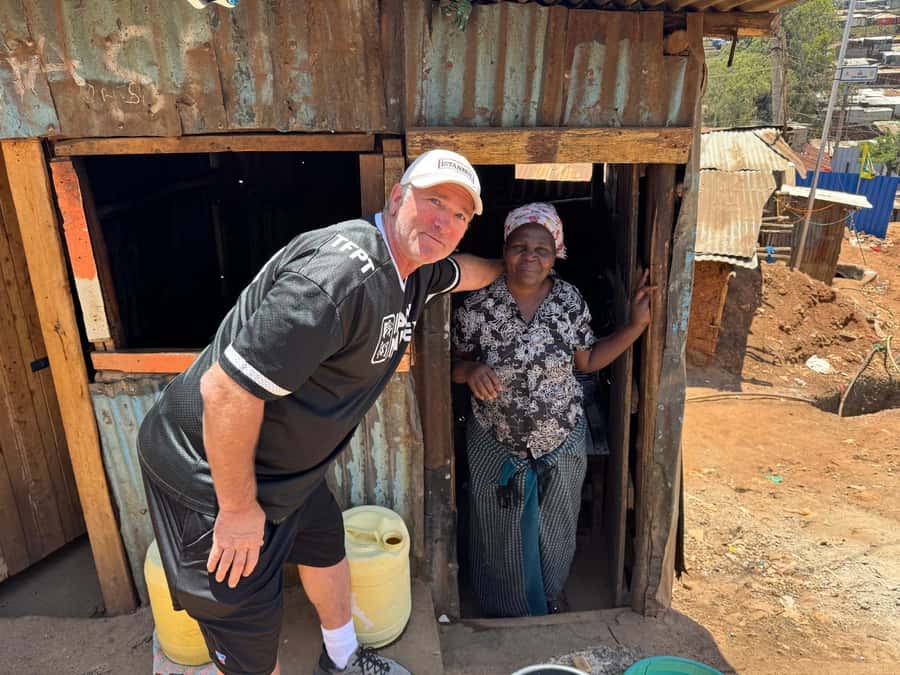
Kibera shows Nairobi at street level. This Kibera slum tour with Jack is interesting because you stay with local guides the whole time, and your $10 fee helps fund school supplies and fees for orphans and vulnerable children.
I also like the way the visit is built around real places, not a staged show: a clean, safe start in Jack’s office, then hands-on stops that connect you to how people earn a living. The only drawback to flag is that this is close-up, everyday life, so come with patience and a respectful mindset, especially around photos and questions.
In This Review
- Key things you will like about Visit Kibera The Largest Slum With a Local
- Kibera in 3 Hours: what you actually see and why it matters
- Meet Jack at Prestige Plaza and get the briefing before you walk
- Crafts center stop: recycled materials, handmade jewelry, and local enterprise
- Open-air market stop: second-hand finds and bargaining with your guides
- Home visit: seeing inside living standards with respect and structure
- Cafeteria break: street food, soft drinks, and tea with mechanics
- Safety and pace: staying with your guides the whole time
- Impact and value: why $10 feels different here
- Flexibility: customize based on what you care about
- Who should book this Kibera tour, and who should skip it
- Should you book Visit Kibera The Largest Slum With a Local?
- FAQ
- Where is the meeting point?
- How long is the experience?
- How much does it cost?
- What is included in the tour price?
- What is not included?
- What language is the tour guide?
- Is the tour wheelchair accessible, and is it suitable for very elderly visitors?
- How does the booking fee help, and what is the cancellation policy?
Key things you will like about Visit Kibera The Largest Slum With a Local
- Full-time guidance from Jack and his team of four, with you together from start to finish
- Five structured stops that go beyond photos into crafts, markets, a home visit, and a food break
- Shopping you can do with local bargaining, guided so you pay a fair, local price
- Street-level tastes, including local foods, soft drinks, and tea with mechanics
- A clear impact model, with 50% of the booking fee returning to the community
Kibera in 3 Hours: what you actually see and why it matters

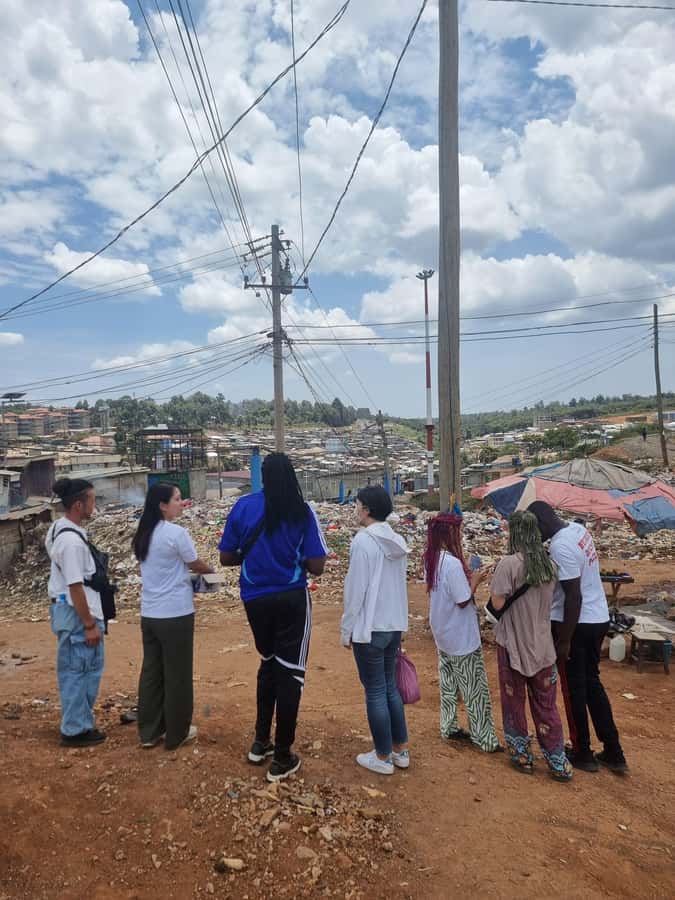
A lot of Nairobi is built for quick views from a distance. This tour flips the angle. You walk into Kibera, described as the largest slum in Africa and one of the largest in the world, and you get a guided look at how people live, trade, and support one another.
What makes the experience feel worthwhile is the focus on practical understanding. You do more than pass by. You visit places where income happens, like recycled-crafts production and an open-air second-hand market. Even the food break is part of the learning, because street food and tea are tied to daily routine.
The time frame is tight by design. In about 3 hours, you hit the main moments without turning it into a long, exhausting day. That also helps you stay mentally open, instead of checking out after an hour.
More Kibera Tours in Nairobi:
- Nairobi: Explore Kibera Slum with Local Guides
★ 4.9 · 365 reviews - Kevins Kibera Slum Tours
★ 5.0 · 213 reviews - Nairobi: Kibera Slum storytelling tour with a Local
★ 5.0 · 185 reviews
Meet Jack at Prestige Plaza and get the briefing before you walk
You start at Prestige Plaza Shopping Mall on Ngong Road. The meet point is in front of JAVA HOUSE, so it’s easy to find and easy for your guide to spot you.
Jack welcomes you to the office first. It matters that the briefing happens in a safe, super clean space, because it sets the tone. You get introductions, and you understand what the tour will cover and why the money matters. Jack is a social entrepreneur and social worker and also a volunteer, and the tour is linked to OAC Kenya (Tours and Crafts) and KCOOP, both focused on education support for children in the community.
You might also appreciate the human factor: Jack lost both parents when he was only 9. That story is part of the reason he’s so direct about education support, and why the fee is not treated like a tip jar.
If you are worried about being dropped into a maze, this start helps. You’re not wandering first and guessing later. You’re briefed first, then guided.
Crafts center stop: recycled materials, handmade jewelry, and local enterprise
One of the most tangible stops is the crafts center. This is where you see locals recycling materials into jewelry and other handmade items.
This is more than a souvenir moment. You are watching a small, local production system at work. You can usually tell right away whether something is just sold, or actually made. Here, the process is part of the story, because the crafts come from repurposed materials that people can collect, sort, and turn into saleable products.
If you like buying with purpose, this is where you can do it. You will likely see items you want to take home, and you have the chance to shop in a way that supports the work you just witnessed. The price you pay will be shaped by local negotiation, too, which brings you to the next stop.
One small caution: if your goal is only photos, you might feel tempted to rush. If your goal is to learn, slow down. Ask simple questions. How is it made? Who buys it? What materials are easiest to find? That’s the kind of conversation that turns a craft display into understanding.
Open-air market stop: second-hand finds and bargaining with your guides
Next comes an open-air market where locals buy second-hand items. It’s a lively place, and it’s also practical. Second-hand trading plays a big role in household budgets when cash is tight, and you can see how people scan, compare, and decide fast.
This stop is also where your guide can do real work for you. You’ll have help bargaining to pay a local price. That matters because price expectations can easily drift when visitors are unfamiliar with local rates or local negotiation style.
A helpful move here is to keep your mindset flexible. You do not have to buy. But if you do buy, you can treat it like a conversation, not a contest. Ask what something is used for. Request an explanation of materials or quality. Your guide can help you ask the right questions.
You might also notice how the market is social, not just commercial. People talk while they trade. That social rhythm is part of how the neighborhood functions. You’re not just observing objects, you’re observing daily decision-making.
A few more Nairobi days worth pricing up
- Nairobi National Park Half-Day Tour; Free Wi-Fi connection
★ 5.0 · 878 reviews - Nairobi: National Park & Optional Elephants & Giraffe Center
★ 4.8 · 874 reviews - NAI NAMI: Nairobi Storytelling Tour with Street Children
★ 5.0 · 792 reviews - Nairobi National Park Half-Day Game Drive
★ 4.5 · 738 reviews
Home visit: seeing inside living standards with respect and structure

A major highlight is the home visit stop. One guide welcomes you into a house so you can see the inside living standards of the people. This is one of those moments that can change how you picture a place.
The tour includes a photo stop and sightseeing while walking, so you will likely have some chance to take photos. Still, you should keep your camera use calm and respectful. In tight spaces, photos can feel intrusive if you move too fast or ignore personal boundaries.
What makes this stop feel better than a typical quick look is that it’s not just a glance. You enter with an explanation and you’re accompanied by guides who know the environment. That means you can ask about daily routines in a way that does not feel awkward or exploitative.
If you are traveling with friends and everyone wants to shoot pictures nonstop, it can clash with the respectful tone the home visit needs. Agree in advance that you will alternate, pause to listen, and keep it human. It’s also a moment where you might connect to the tour’s deeper purpose: understanding lives shaped by income limits and education needs.
Your best approach is simple, ask questions you can learn from, then move on when the moment ends. That keeps the relationship dignified.
Cafeteria break: street food, soft drinks, and tea with mechanics
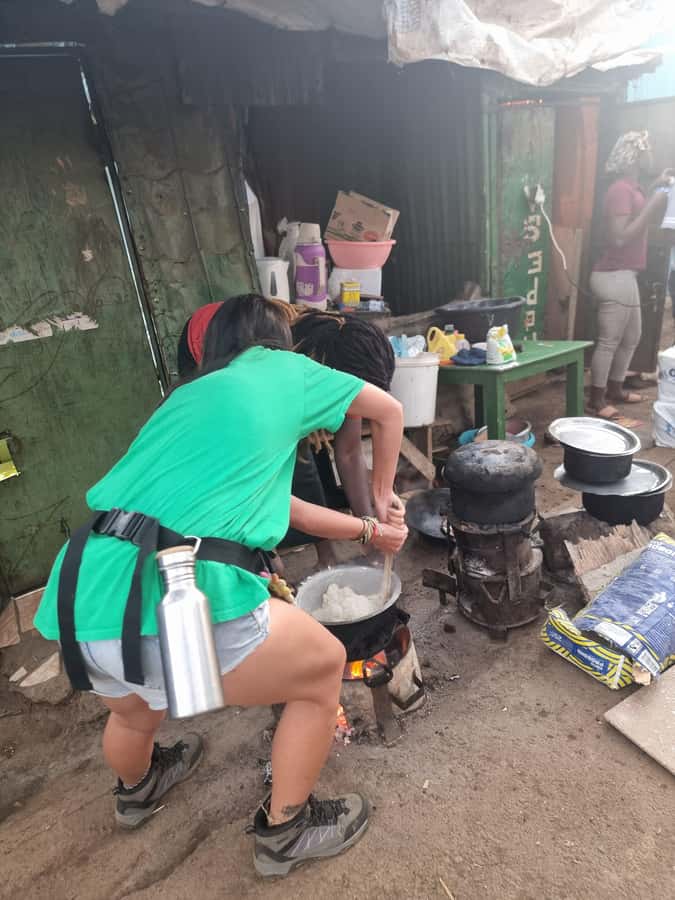
By the time you reach the cafeteria stop, you have walked, looked, and asked questions. This is your short rest break, with soft drinks and local foods.
The tour also includes a fun detail: you can have tea with mechanics. That detail helps the day feel more “lived in.” Mechanics often see people coming and going. They also understand small repair realities, which is a different lens on everyday problem-solving than you might get in only markets and homes.
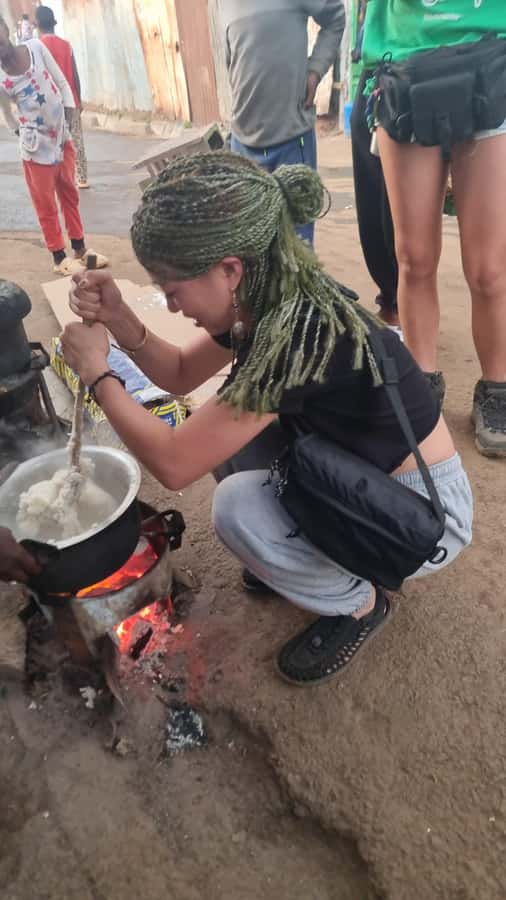
Food and tea are not an afterthought here. They work like a social reset. You get a chance to sit, breathe, and talk in a less formal way. If you are the type who remembers a place by flavors, this stop gives you that hook.
What you eat is described as local foods, and you should expect street-style and simple options. If you have dietary needs, the information you were given does not specify options. So it’s smart to mention any restrictions to your guide before you reach the cafeteria moment, so everyone can plan kindly.
Come with a mindset of trying small bites and asking what the food is. It’s part of learning how people spend and save, not just what they cook.
Safety and pace: staying with your guides the whole time

One of the best practical parts of the day is how it’s organized around safety. You are with your guides full time, from the office welcome to the return to the meeting point at Prestige Plaza.
The office start helps you settle in, and the guides’ local experience helps you move through the neighborhood without feeling lost. The tour is designed like a guided walk with clear direction, so you are not left to navigate on your own.
Pace is also worth noting. It’s a walking-based experience with sightseeing and market time. That means you will want shoes that can handle uneven ground and stairs if you encounter them. If you have limited mobility, the info says the experience is wheelchair accessible, but you should also consider whether your comfort matches a walk-and-visit format.
If you are coming from the shopping mall area, the day changes temperature fast, and it changes sensory volume just as fast. The guides help you interpret what you’re seeing and how to behave in each setting.
If you are the type who worries about standing out too much, this is another reason to value the guide-led structure. They help you fit into the flow instead of acting like an outsider wandering through.
Impact and value: why $10 feels different here

Let’s talk money in a straight way. The price is $10 per person for a 3-hour experience. That is inexpensive compared to many Nairobi tours, especially ones focused on city sights.
The value comes from what you learn and what the money supports. The booking fee helps pay school supplies and fees for orphans and vulnerable children in the slum. The tour states that 50% of the booking fee goes back to the community.
This matters because it changes how you view the visit. You are not paying only for access. You are paying for education support and for helping fund community needs. You can also see where the money connects, because the guide team is tied to local organizations like OAC Kenya and KCOOP.
Another sign of authenticity is how the experience is structured around income activities. Crafts and second-hand trading show you how people earn and manage resources. The tour does not pretend the neighborhood is only poverty. It shows enterprise, recycling, and commerce that keep households moving.
If you want to do good with your spending, this is one of those days where your ticket fee can have a clear purpose. If you want only a scenic photo stroll, you might find the day heavier than expected.
Flexibility: customize based on what you care about

You can expect a bit of flexibility. The tour is described as customizable to match your interest, and there’s room to adjust how you spend time at different stops.
This is especially useful if you have a theme. For example:
- If you care most about crafts and recycling, you can focus on the handmade production and the market shopping.
- If you care most about daily life, you can spend extra time asking about the home visit experience.
- If you care most about local food, you can prioritize the cafeteria stop and tea moment.
You should also remember you’re walking into a real community. Customization should stay respectful and guided by what is appropriate in each setting. The team is local, and that local control helps keep things smooth.
If your language needs are simple, the tour runs in English, which is explicitly listed. That makes it easier to ask questions without feeling lost in translation.
Who should book this Kibera tour, and who should skip it
This tour is a great fit for you if you want:
- A guided, structured introduction to Kibera, not just a drive-by view
- A day that includes crafts, markets, a home visit, and a food break
- An experience tied to education support for children through local organizations
It can be a tough fit if you want a low-contact, purely comfortable experience. This is about real life. The day includes a home visit and close interaction with the community, so you need patience and a respectful attitude.
The info also notes it is not suitable for people over 95 years. If you’re in that age range, you should look for another option.
Should you book Visit Kibera The Largest Slum With a Local?
If your main goal is to understand Nairobi through Kibera’s everyday life, this is a strong choice. The day is built around local guides you stay with full time, and it includes meaningful stops: crafts, second-hand trading, a home visit, and a food and tea break.
Book it if you like guided structure, and if you’re comfortable being respectful in real spaces. The best way to make it worth it is to treat it like learning with your feet, not like collecting content.
Skip it if you only want a quick, surface-level look or if your expectations lean toward comfort over connection. Also, since the tour involves walking, wear shoes you can trust.
If you want to visit Kibera in a way that connects to education support, and you value a calm, guided approach, you’ll probably feel glad you booked.
FAQ
Where is the meeting point?
You meet at Prestige Plaza Shopping Mall on Ngong Road, in front of the coffee shop JAVA HOUSE.
How long is the experience?
The tour duration is 3 hours.
How much does it cost?
The price is $10 per person.
What is included in the tour price?
The experience includes an expert guide.
What is not included?
Transportation is not included.
What language is the tour guide?
The live tour guide is English.
Is the tour wheelchair accessible, and is it suitable for very elderly visitors?
The experience is wheelchair accessible, and it is not suitable for people over 95 years.
How does the booking fee help, and what is the cancellation policy?
The booking fee supports school supplies and fees for orphans and vulnerable children, and 50% of the booking fee goes back to the community. You can cancel up to 24 hours in advance for a full refund, and there is also a reserve now and pay later option.
Newest write-ups from Nairobi
- Visit kibera Slum the chocolate city★ 4.8 · 3 reviews
- 3 days maasai mara migration safari★ 4.5 · 7 reviews
- 4 Days Tour Landcruiser in Masai Mara and Lake Nakuru★ 5.0 · 10 reviews
- 4 Days Safari to Lake Nakuru N/P and Maasai Mara N/R★ 5.0 · 18 reviews
- Day Tour to Nairobi national park, Elephants, and Giraffe Center★ 3.5 · 8 reviews
- Wildebeest Migration in Masai Mara and Sightseeing 4 Days Tour★ 4.5 · 6 reviews
- Maasai Mara Day Trip★ 5.0 · 15 reviews
- Kibera Slum Tour with a Local★ 5.0 · 15 reviews
Kibera Tours, compared.





Kibera Slum Tour with Local Social Entrepreneurs
Read our review →


Browse the lists this tour appears in