

REVIEW · KIBERA TOURS
Tembea Kibera
Kibera teaches Nairobi fast. This half-day private tour through Kibera, Africa’s largest urban informal settlement, turns a faraway headline into something you can understand through everyday routines and real people. You also get street art context and a cultural exchange that is more hands-on than you might expect.
I especially like two parts: the chance to learn from a local guide who understands the neighborhood from the inside, and the food element that goes beyond tasting. You’ll get a lesson that helps you make sense of Kenyan flavors and how street food fits into daily life.
The main thing to consider is the emotional weight. Kibera is not a theme park, and some scenes can feel intense. If you prefer polished tourist settings, you may find the contrast a lot to take in, even with a thoughtful guide.
In This Review
- Key Points That Make Tembea Kibera Worth Your Time
- Where Kibera Fits Into a Nairobi Visit
- Getting There Comfortably: Pickup on Ngong Road and the Matatu Ride
- Walking Kibera: Daily Life, Local Work, and What to Notice
- Street Food and a Traditional Kenyan Cooking Lesson
- Community Visits and the Value of Real Conversations
- Duration, Pace, and What a Half-Day Means on the Ground
- Price and Value: Is $40.90 for Kibera a Good Deal?
- Who Should Book This Tour, and Who Might Not
- Should You Book Tembea Kibera?
- FAQ
- What is Tembea Kibera?
- How long is the tour?
- How much does it cost?
- Is hotel pickup included?
- Is it a private tour?
- Is a mobile ticket provided?
- What time does the tour operate?
- Do I need good weather?
- What is the cancellation policy?
Key Points That Make Tembea Kibera Worth Your Time

- Private group flexibility: It’s just your group, so you can move at the pace your comfort level allows.
- Pickup along Ngong Road: Door-to-door pickup and drop-off make logistics easier in Nairobi.
- Local transport context: You can ride by matatu and learn the basics, not just the destination.
- Street art you can place in context: You’re not only looking at murals, you’re learning why they matter.
- Hands-on food lesson: You get a traditional Kenyan food preparation lesson plus street food time.
- A community-first mindset: The guides’ focus stays on respect, listening, and understanding daily life.
Where Kibera Fits Into a Nairobi Visit
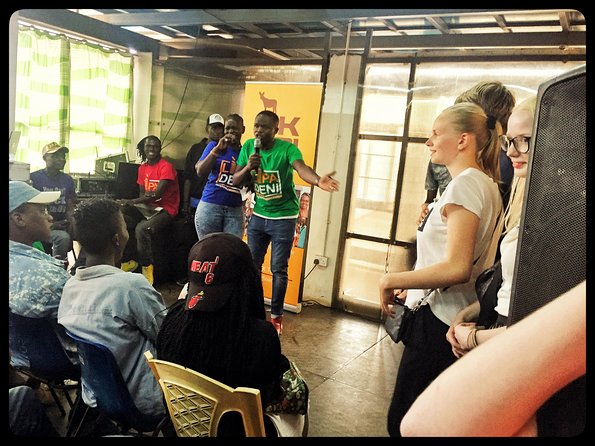
Nairobi is famous for safaris and skyline glamour, but it also has neighborhoods that show how people build community under pressure. Kibera is one of those places, and the value of this tour is that it treats Kibera as a living community, not a sad photo backdrop.
This is a half-day private tour that runs about 3 to 4 hours, which is a practical window if you want depth without turning your day into a long grind. You get a structured route, plus a local guide who can translate what you’re seeing and hearing into something you can actually understand. That matters, because without context, informal settlements can look like chaos from the outside.
The other reason this works for many visitors is the balance. You’ll see housing and street life, yes, but you’ll also spend time on street art projects and food culture. Those are not side dishes. They show how people express identity, communicate, and survive through creativity and routine. And when the tour includes time to interact with community members, it becomes a real cross-cultural exchange instead of a checklist.
One more practical note: this tour requires good weather, so plan to be flexible with timing. In Nairobi, a cloudy day can still work, but if conditions are poor, the operator may offer a different date or a refund. That’s not a small detail. Weather can affect walking comfort and how smoothly the route goes.
More Kibera Tours in Nairobi:
- Nairobi: Explore Kibera Slum with Local Guides
★ 4.9 · 365 reviews - Kevins Kibera Slum Tours
★ 5.0 · 213 reviews - Nairobi: Kibera Slum storytelling tour with a Local
★ 5.0 · 185 reviews
Getting There Comfortably: Pickup on Ngong Road and the Matatu Ride
I like tours that respect your time, and this one starts that way. You can arrange pickup and drop-off from any hotel or commercial address along Ngong Road, which saves you from hunting for transport right at the start of your day.
Once you’re headed toward Kibera, you may travel by matatu. One account from a past guest highlights how the guide explained the matatu system and added color about matatu culture, not just the directions. That kind of guidance is useful, because matatus can feel confusing if you’re new to Nairobi’s transport style.
Matatu time also becomes part of the story. It helps you connect Kibera to the wider city, because you’re not arriving in isolation. You’re seeing how people move, how they navigate, and how the city works around them. That is one of the quiet benefits of a half-day format like this. You don’t lose the morning to long transfers, and you still get meaningful context before you step into the neighborhood.
A smart thing to do before you go: set expectations for close quarters and frequent stopping. Even though the tour is organized, you’re walking through real streets with real foot traffic. Wear comfortable shoes, keep your phone secure, and be ready to adjust your pace if your guide slows to explain something.
Also, because this is a private experience, your guide can adapt the route based on what’s happening in the neighborhood. That can make the tour feel more human and less rigid than a large-group bus tour.
Walking Kibera: Daily Life, Local Work, and What to Notice
The centerpiece is the time on foot in Kibera, where you can see the largest slum in Africa and meet people from different cultures and backgrounds. The best tours don’t just point, they teach you how to look.
On this walk, you’re there to learn how people live and work in a place that many outsiders only understand through stereotypes. Your guide’s job is to connect street-level details to everyday realities. In practice, that often means you’ll learn what certain spaces are used for, how routines shape the day, and how community members support one another.
One of the most praised themes in guest feedback is the way the tour shows innovation for sustenance and survival, not just hardship. That’s important. If you come in expecting only poverty, you’ll miss the point. A community is still a community. People make choices. They find ways to stretch resources. They organize. They build networks. You get a better understanding when the tour focuses on daily problem-solving, plus the creativity you can see in how streets are decorated and used.
You’ll also spend time with street art and local projects. Street art is more than decoration here. It can represent local voices, youth expression, and messages that might not be heard in official settings. When your guide explains what you’re seeing, you start to understand why those walls carry meaning.
Now, a reality check. You should expect some sights that may feel unfamiliar, even uncomfortable. That’s not a warning to avoid the tour. It’s a reminder to come with a respectful mindset. Look calmly. Ask questions. Let your guide set the tone. This is the kind of visit where kindness and listening can matter as much as your camera.
Street Food and a Traditional Kenyan Cooking Lesson

Food is one of the smartest ways to understand a place because it ties culture to daily life. This tour builds that idea in two ways: you’ll try Kenyan street food, and you’ll also get a lesson on preparing traditional Kenyan food.
In many cities, street food is a quick thrill. Here, it becomes education. Your guide’s explanation helps you understand what ingredients mean, how cooking connects to routine, and why certain foods fit the realities of the neighborhood. A cooking lesson also changes the energy. You stop being a passive observer and become a participant, even if it’s only in a small, guided way.
I like that the tour doesn’t treat food as the entire experience. Instead, it uses food as a bridge into culture. You’re likely to ask questions about flavors, preparation steps, and how people decide what to cook. Those questions make the interaction more natural, and it often helps you connect beyond the usual tourist small talk.
Practical tip: come with an appetite and a flexible sense of what counts as comfort food. Street food in Kibera may be served in ways that look different from what you’re used to. That’s normal. The point is taste, technique, and context, not perfect table manners.
If you have food allergies or dietary restrictions, you should plan carefully. The tour data confirms there will be street food and a traditional cooking lesson, but it doesn’t list specific menu options. Ask your operator when you book so you can make the right call for your health.
A few more Nairobi days worth pricing up
- Nairobi National Park Half-Day Tour; Free Wi-Fi connection
★ 5.0 · 878 reviews - Nairobi: National Park & Optional Elephants & Giraffe Center
★ 4.8 · 874 reviews - NAI NAMI: Nairobi Storytelling Tour with Street Children
★ 5.0 · 792 reviews - Nairobi National Park Half-Day Game Drive
★ 4.5 · 738 reviews
Community Visits and the Value of Real Conversations

A big part of this experience is the chance to interact with local communities. That interaction is where the tour tends to earn its highest praise, because it can be the difference between watching and understanding.
You’ll likely visit spaces where community members explain their day-to-day life and share what their world looks like from the inside. Some guest feedback mentions being welcomed into a typical home setting and speaking with a family about how they live, what challenges look like, and how they manage daily routines. That kind of conversation can be eye-opening, not because it’s dramatic, but because it’s specific.
It’s also common to see local organizations or projects connected to improving conditions. One account describes visiting multiple organizations tied to ongoing community projects. When this is done thoughtfully, you’re not just learning about problems. You’re learning about responses, and how people turn ideas into support systems.
Here’s how to get the most out of community time. Keep your questions open and respectful. Avoid pity. Focus on curiosity. If you’re invited into a home or shared space, follow your guide’s cues, watch how others behave, and keep your body language calm.
Also, remember this is a private tour, so your guide can manage the flow better than a high-traffic group. That reduces the awkwardness that can happen when too many people crowd into sensitive moments.
If you’re hoping for an experience that feels meaningful, this is the part to protect. Give it your full attention. Put your phone away unless your guide indicates it’s fine.
Duration, Pace, and What a Half-Day Means on the Ground

This is listed as a 3 to 4 hour tour. That length is ideal for first-timers who want to see Kibera without turning the day into a marathon. You’ll get enough time to walk, listen, interact, and eat, but the schedule is short enough that you won’t feel stuck for hours.
Pace matters here. Walking in a real neighborhood means you may pause often. Your guide may stop for explanations about street art, cooking, or everyday life. In a place like this, the “time cost” isn’t only your footsteps. It’s also your attention and your conversation.
One more factor: since pickup and drop-off are included along Ngong Road, your day stays organized. You don’t need to solve transport twice while you’re already dealing with new surroundings. That kind of planning makes it easier to show up mentally ready.
You should also note the operating window: the tour runs from 7:00 AM to 6:00 PM, Monday through Sunday. That gives you options for when to go. In general, mornings can feel calmer for walking and photos, but the best choice depends on your own stamina and how weather behaves that day.
Because the tour needs good weather, don’t plan it as your only Kibera-focused activity if you have strict itinerary deadlines. Keep it flexible.
Price and Value: Is $40.90 for Kibera a Good Deal?

At $40.90 per person, the obvious question is whether the price matches the experience. For me, the value comes down to three things included in that fee: the private format, the local guidance, and the built-in experiences.
You’re not only paying for a guide to lead a walk. You’re paying for context, translation, and curated interaction. This is a private tour, meaning you and your travel companions are the only group participating. That usually increases how much you can ask and how well the route can fit your comfort level.
The fee also includes an admission ticket, plus the time built around street food and a traditional cooking lesson. When a tour includes meals or food time, it changes your budget math. You can compare the cost to what you’d otherwise spend on transport into Kibera, plus guided time, plus food. Even without knowing exact costs for the rest of your day, $40.90 doesn’t feel out of reach if the guide time and included food time are important to you.
The matatu component can also be a hidden value. Learning the system directly from a local guide beats guessing your way around, especially if you’re trying to avoid mistakes in transport.
Still, be honest about your priorities. If you only want a quick look, you might feel like you paid for more interaction than you needed. But if you want respectful access, explanation, and hands-on food culture, the structure makes sense for the price.
Who Should Book This Tour, and Who Might Not

This tour is a strong fit if you want a local’s perspective and you’re okay with the emotional reality of seeing how people live in an informal settlement. It also suits travelers who enjoy conversations, appreciate street art as a form of expression, and like learning through food.
It’s also a good pick if you prefer guided structure. The half-day format keeps things focused, and private group setup helps you feel less rushed.
On the other hand, if you dislike walking for multiple hours, get overwhelmed easily in crowded spaces, or want a purely educational visit with zero sensory discomfort, you may find the experience challenging. The good news is your guide can often help set the pace, but the neighborhood itself cannot be turned into a gentle version of a museum.
One more point: the tour notes say most travelers can participate. That suggests it’s not restricted to niche travelers, but it’s still worth considering your health and mobility. You’ll be walking through streets, so choose footwear and clothing that can handle uneven ground and lots of stop-and-go movement.
Should You Book Tembea Kibera?
If you want to see Kibera in a way that respects people and adds real context, I think this is a smart booking. The private setup, pickup along Ngong Road, and local-guided route reduce the friction that can make visits like this hard to manage. The best part is that the tour connects daily life to street art and food, so you come away with a fuller picture than a quick glance.
Book it if you’re curious, respectful, and ready to listen. Pass or choose another option if you’re looking for a polished tourist experience or you know you’ll struggle with intense realities.
If you do book, go with a flexible attitude, good shoes, and a mindset focused on understanding rather than judging. You’ll get more out of it, and you’ll make the experience easier for everyone involved.
FAQ
What is Tembea Kibera?
It is a half-day private tour in Nairobi that takes you into Kibera to learn about everyday life in Africa’s largest urban informal settlement, with time for interactions, street art, and Kenyan street food and a traditional cooking lesson.
How long is the tour?
The tour lasts about 3 to 4 hours.
How much does it cost?
The price is $40.90 per person.
Is hotel pickup included?
Yes. Pickup and drop-off are offered from any hotel or commercial address along Ngong Road.
Is it a private tour?
Yes. It is a private tour, so only your group participates.
Is a mobile ticket provided?
Yes. The tour includes a mobile ticket.
What time does the tour operate?
It runs Monday through Sunday from 7:00 AM to 6:00 PM.
Do I need good weather?
Yes. The experience requires good weather. If it is canceled due to poor weather, you’ll be offered a different date or a full refund.
What is the cancellation policy?
Free cancellation is available. You can cancel up to 24 hours in advance for a full refund, based on local time. If you cancel less than 24 hours before the start time, the amount paid is not refunded.
Newest write-ups from Nairobi
- Visit kibera Slum the chocolate city★ 4.8 · 3 reviews
- 3 days maasai mara migration safari★ 4.5 · 7 reviews
- 4 Days Tour Landcruiser in Masai Mara and Lake Nakuru★ 5.0 · 10 reviews
- 4 Days Safari to Lake Nakuru N/P and Maasai Mara N/R★ 5.0 · 18 reviews
- Day Tour to Nairobi national park, Elephants, and Giraffe Center★ 3.5 · 8 reviews
- Wildebeest Migration in Masai Mara and Sightseeing 4 Days Tour★ 4.5 · 6 reviews
- Maasai Mara Day Trip★ 5.0 · 15 reviews
- Kibera Slum Tour with a Local★ 5.0 · 15 reviews
Kibera Tours, compared.





Kibera Slum Tour with Local Social Entrepreneurs
Read our review →


Browse the lists this tour appears in