

REVIEW · KIBERA TOURS
Nairobi: Kibera Slum Half-Day Guided Tour With Pick-up
Kibera is not a quick photo stop. This half-day guided tour takes you into everyday life in Nairobi’s biggest informal settlement, then connects what you see on the ground to real community projects. I like that the tour focuses on walking with a guide and supporting local efforts directly through the proceeds. You’ll also get a clear structure, from an early safety briefing to visits to small businesses and youth-focused initiatives. One thing to keep in mind: it’s a tight, active walk in close quarters, so you should go in ready for crowded paths and constant street activity.
If you’re the type who wants context, not just sites, this tour is a strong fit. A guide like David, noted for doing a great job, can turn unfamiliar streets into understandable stories, including why residents have built schools, women’s groups, and youth programs. The main drawback is simple: you won’t leave with a comfortable, tourist-style view of Nairobi, because Kibera is about daily survival and neighbor-to-neighbor problem solving, not scenery.
In This Review
- Key things you’ll notice on this Kibera half-day tour
- Why Kibera feels different from a typical Nairobi tour
- Where you meet, how pickup works, and why it’s easier than you think
- The Kibera walk: safety briefing, street life, and the photo stop you should treat carefully
- Street food, local snacks, and tasting stops that tell a real story
- Artisan workshops and small businesses: what you’re actually supporting
- Community projects, schools, youth programs, and women’s empowerment groups
- “Meet locals and hear inspiring stories” is only good if the guide is good
- Portable Wi-Fi, bottled water, and other practical comfort points
- Price, value, and who this half-day tour is best for
- Should you book this Kibera half-day guided tour with pickup?
- FAQ
- How long is the Kibera slum guided tour?
- What is the price per person?
- Where do we meet in Nairobi?
- Is pickup available?
- What languages is the live guide available in?
- What does the tour include?
- Are meals included?
- Is this tour private?
- Is there free cancellation?
Key things you’ll notice on this Kibera half-day tour

- Guided walking route through Kibera with a planned photo stop, local snacks, and market time
- Community projects first, with visits meant to show how residents support schools and youth programs
- Meeting locals and hearing personal stories tied to resilience and community leadership
- Artisan workshops and small businesses, including arts and crafts market visits
- Street food and food tasting as part of experiencing daily life, not as a side quest
- Portable Wi-Fi plus bottled water, so you can stay connected and keep moving
Why Kibera feels different from a typical Nairobi tour

Kibera changes how you read Nairobi. One reason is the tour’s tone: it’s not framed like entertainment. It’s framed like a guided introduction to daily life, community organization, and local creativity under tough conditions. That matters for you because it helps you avoid the common trap of treating a place like a backdrop.
The second reason is the mix of stops. You get the street-level view, then you shift to community projects where people are actively solving problems. On a half-day schedule, that pacing is smart. You come away understanding that informal settlements are not only about hardship, they are also about building schools, running women’s groups, and supporting youth.
And yes, there is a human element you can feel in the way the guide connects each place to what residents are working on. In the one review highlight you shared, the guide David was praised for being great, which usually means clear explanations and thoughtful pacing. That’s exactly what you want here.
The only “watch-out” is emotional. You should be prepared for stories that are inspiring, but also real. This is why respectful engagement is part of the experience, not a slogan.
More Kibera Tours in Nairobi:
- Nairobi: Explore Kibera Slum with Local Guides
★ 4.9 · 365 reviews - Kevins Kibera Slum Tours
★ 5.0 · 213 reviews - Nairobi: Kibera Slum storytelling tour with a Local
★ 5.0 · 185 reviews
Where you meet, how pickup works, and why it’s easier than you think
The meeting point is Prestige Plaza Shopping Mall on Ngong Road, inside the mall at Java House. You’ll meet just outside Java House. This is one of those details that makes your day smoother, because you’re starting at a known landmark instead of guessing a curb somewhere.
Pickup is optional. If you’re staying near the airport area, there’s a $25 fee for pickup from the airport or around the airport. For most people, that can be worth it because it reduces your stress at the start of an active half-day.
The tour is private group. That can be a big deal for you. In close communities, a private group usually means the guide can keep the pace sensible and tailor where you pause. You also get the advantage of a live guide in English, French, and Swahili, so you can pick the language that helps you ask questions naturally.
Timewise, you should plan for 3 to 4 hours. That range gives the guide room to manage walking speed, photo pauses, and transitions between street stops and community projects.
The Kibera walk: safety briefing, street life, and the photo stop you should treat carefully
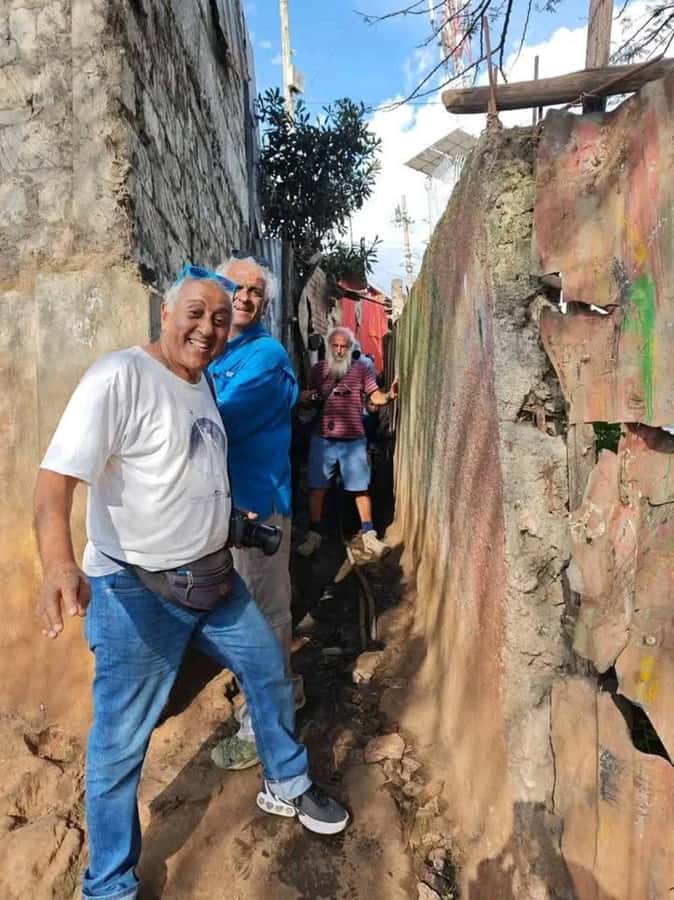
You’ll begin with the Kibera portion that includes a photo stop, a guided walk, sightseeing, and a safety briefing. That structure is important because it sets boundaries for how you move and how you interact. When a tour includes a safety briefing as a named part of the experience, it signals that the route is handled intentionally, not casually.
Here’s what you should expect during the street walk:
- You’ll pass by everyday scenes, not staged ones
- You’ll see small-scale commerce, including food markets and local snacks
- You’ll likely make time for short pauses, including photo stops
A practical note: photo stops can be sensitive in real communities. A good guide will guide you on what is appropriate and when to ask, and that’s part of the value here. You’ll get more from the experience if you treat photography as a permission-based activity, not a reflex.
The walk itself is the core of the tour. If you’re hoping for a mostly indoor, seat-and-go experience, this won’t be that. You should come ready to walk, stand, and move through busy paths. Comfortable shoes help, because the point is to see daily life firsthand at close range.
Street food, local snacks, and tasting stops that tell a real story

One of the standout inclusions is street food, plus local snacks and food tasting. This matters because it shifts the experience away from “watching” and toward “understanding how people eat and gather.”
The itinerary also includes a food market visit. In practice, that means you’re not just being led to a single vendor and pointed at a menu. You’re more likely to see how food is bought and shared, and how the day’s rhythm works. You also get guided context for what you’re looking at, which helps you interpret details that you might otherwise miss.
There’s also an arts and crafts market visit tied to the walk. That is a useful pairing. Food shows day-to-day needs. Crafts and small products show day-to-day enterprise. Together, they help you see resilience as something built, traded, sold, and taught.
One consideration: meals and drinks are not included. The tour includes water in the kit, but if you’re hungry enough to want extra beyond what’s offered in tasting, you’ll need personal spending money. I’d budget for that rather than assuming everything will feel like a full meal.
A few more Nairobi days worth pricing up
- Nairobi National Park Half-Day Tour; Free Wi-Fi connection
★ 5.0 · 878 reviews - Nairobi: National Park & Optional Elephants & Giraffe Center
★ 4.8 · 874 reviews - NAI NAMI: Nairobi Storytelling Tour with Street Children
★ 5.0 · 792 reviews - Nairobi National Park Half-Day Game Drive
★ 4.5 · 738 reviews
Artisan workshops and small businesses: what you’re actually supporting
The highlights promise artisan workshops and small businesses, and that’s exactly the kind of stop that makes this tour more than “look and leave.” When a tour brings you into workshops, it can turn your questions into something practical: How do people make goods with limited resources? Who buys them, and how do they price them? What skills are passed on?
Even without a long lecture, these stops usually do two things for you:
- They show you the creativity that exists alongside hardship
- They give you a reason to talk to people, not just watch them
If you like travel that’s grounded in everyday work, you’ll likely enjoy these parts the most. If you prefer a tour where you never interact, you might find the conversations too frequent. The tour is set up for meaningful engagement, so you should be comfortable speaking with your guide and, when appropriate, residents.
Because proceeds support local projects, your money has a clearer chain of impact. The tour explicitly states that part of what you pay aids local initiatives. That’s a key value point. Instead of money disappearing into a generic operator fee, it’s tied to community projects the guide visits.
Community projects, schools, youth programs, and women’s empowerment groups

This is where the tour earns its deeper meaning. You don’t only walk through Kibera. You also visit community projects that are empowering residents and youth. The tour information specifically points to schools, youth programs, and women’s empowerment groups as part of what you may see.
This matters for you because it answers a big question: what do residents do next, beyond coping? The answer is community-led work. That work is often invisible to visitors who only experience a neighborhood from the outside.
Some tours may even include visits to local homes, described as an intimate glimpse into daily life. That’s not guaranteed in the information you provided, but you can take the hint: the tour is designed for more than public streets only. If you do get a chance to see homes, the best way to handle it is with humility. Ask what you’re allowed to do. Respect any boundaries the guide sets.
The guide’s job is also to keep engagement respectful and meaningful. That’s not a soft phrase. In settings like this, it means you won’t be treated like a spectator. You’ll be encouraged to listen, ask appropriate questions, and understand that people have full lives happening, not a performance for visitors.
“Meet locals and hear inspiring stories” is only good if the guide is good
The highlight list says you’ll meet locals and hear inspiring stories of resilience. That’s a common travel promise, but what makes it credible here is the presence of a strong, praised guide. In the details you shared, David was specifically noted as a great guide.
So here’s what you should look for in how the tour feels:
- Explanations that connect places to people
- Time to ask questions, not just a lecture
- A pacing that doesn’t rush you past the meaning
- A focus on community projects and local initiatives, not sensational snapshots
That kind of guiding changes what you remember later. You won’t just recall streets and food stalls. You’ll recall why youth programs matter, why community organization takes shape, and how daily resilience is sustained.
And again, it’s respectful engagement that keeps it human. If your guide does a good job, you feel invited into context rather than pulled toward pity or shock.
Portable Wi-Fi, bottled water, and other practical comfort points

This tour includes bottled water and portable Wi-Fi. Those sound like small things until you’re mid-walk and want to quickly check directions, message your group, or map out where you’ll go next. It also reduces your risk of getting stuck in low-connectivity moments.
Language support is a real practical plus. The guide availability includes English, French, and Swahili. If you’re not fluent in English, or if you feel more confident asking questions in French or Swahili, that flexibility makes the tour feel less like a one-way experience.
One more practical note: it’s a private group, but the walking time is still 3 hours in the Kibera portion listed for that segment. Plan to be mentally ready for walking and standing. Keep your phone charged, bring sunscreen if it’s sunny, and wear shoes you don’t mind getting beat up a bit. You’ll get more out of the tour when you’re not distracted by discomfort.
Price, value, and who this half-day tour is best for
The price is $24 per person for 3 to 4 hours. That’s not a luxury price, and it’s also not “cheap enough to ignore.” For you, the question is what you get for the money.
You get:
- Hotel pickup and drop-off
- A guided tour with a live guide
- Bottled water
- Portable Wi-Fi
- A route that includes walking, local snacks, food tasting, street food, market time, and community project visits
That combination is where the value comes from. You’re paying for more than access. You’re paying for context, safety framing through a briefing, and an itinerary designed around community-facing stops rather than a generic sightseeing loop.
Who this fits best:
- You want a human, place-based understanding of Nairobi
- You enjoy tours with real conversation and guided interpretation
- You’re open to supporting community projects with your spending
- You can handle a walk and close-quarters street movement
Who might find it less ideal:
- You want a strictly comfortable, low-interaction experience
- You dislike food tasting or prefer a tour where meals are fully included
- You’re very sensitive to emotionally heavy stories, even when they are inspiring
Should you book this Kibera half-day guided tour with pickup?
I’d book it if you want more meaning than a quick ride-by. The tour’s structure does the work for you: it mixes street life with artisan and market stops, then moves into community projects where schools, youth programs, and women’s empowerment groups show what residents build for the future. Add pickup from a clear meeting point, plus bottled water and portable Wi-Fi, and it becomes a practical way to see Kibera in a short window.
I’d think twice if you’re looking for a smooth, low-discomfort city tour. This is active, it’s close, and the goal is understanding, not just aesthetics. Also, since meals and drinks are not included, plan your budget if you expect extra beyond the snacks and tastings.
If you do book, I suggest going in curious and respectful. Let your guide set the tone. Ask questions that show you want to understand, not just collect photos. That’s the fastest path to a tour that actually sticks with you.
FAQ
How long is the Kibera slum guided tour?
The duration is listed as 3 to 4 hours.
What is the price per person?
The price is $24 per person.
Where do we meet in Nairobi?
You meet at Prestige Plaza Shopping Mall on Ngong Road, just outside Java House (inside the mall).
Is pickup available?
Pickup is optional, with hotel pickup and drop-off included in the tour. There is also an airport pickup option for a $25 fee.
What languages is the live guide available in?
The tour guide is available in English, French, and Swahili.
What does the tour include?
Included items are hotel pickup and drop-off, a guided tour, bottled water, and portable Wi-Fi.
Are meals included?
Meals and drinks are not included. The tour includes street food, local snacks, and food tasting as part of the experience, but you should still expect personal spending may be needed.
Is this tour private?
Yes, the tour is listed as a private group.
Is there free cancellation?
Free cancellation is listed, with cancellation up to 24 hours in advance for a full refund.
Newest write-ups from Nairobi
- Visit kibera Slum the chocolate city★ 4.8 · 3 reviews
- 3 days maasai mara migration safari★ 4.5 · 7 reviews
- 4 Days Tour Landcruiser in Masai Mara and Lake Nakuru★ 5.0 · 10 reviews
- 4 Days Safari to Lake Nakuru N/P and Maasai Mara N/R★ 5.0 · 18 reviews
- Day Tour to Nairobi national park, Elephants, and Giraffe Center★ 3.5 · 8 reviews
- Wildebeest Migration in Masai Mara and Sightseeing 4 Days Tour★ 4.5 · 6 reviews
- Maasai Mara Day Trip★ 5.0 · 15 reviews
- Kibera Slum Tour with a Local★ 5.0 · 15 reviews
Kibera Tours, compared.





Kibera Slum Tour with Local Social Entrepreneurs
Read our review →


Browse the lists this tour appears in