
REVIEW · KIBERA TOURS
Mathare Community Slum Tour
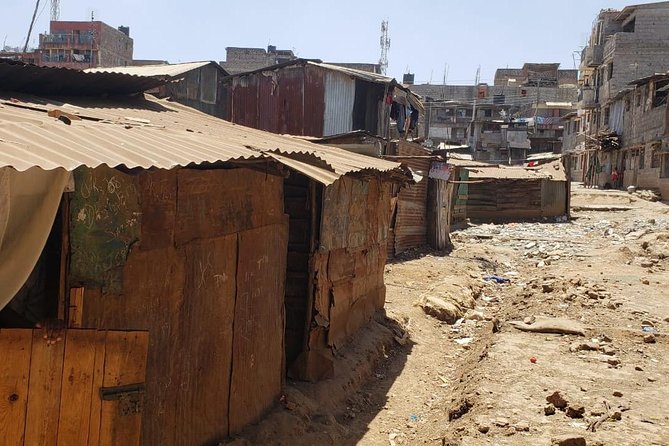
Mathare is real, not a brochure. I like that this is a community-led slum tour where you get straight talk from residents, and the stories include the real impact of HIV and public health crises.
I also like the flow of stops, including a visit inside the homes of local mothers, plus time to pause at craft shops. You can shop for handmade beadwork, which turns the visit into something more than watching from the outside. Inside homes and handmade beadwork are the big emotional and practical highlights.
One caution, communication. One unhappy booking experience complained about no response on WhatsApp when trying to confirm ahead of time, so I’d contact the operator early and keep your booking details ready.
In This Review
- Key things to know before you go
- Mathare in Nairobi, context you’ll want before you start walking
- The private 2 to 3-hour format, why it works
- Visiting homes of local mothers, what to expect and how to show respect
- The neighborhood stories, how HIV and public health get explained
- Craft shops and handmade beadwork, shopping with meaning
- Bottled water included, and why that detail isn’t small
- Getting there, the meeting point, and timing habits that help
- Price and value: what $25.65 gets you
- Who should book this Mathare community tour
- Making the most of your visit, practical mindset tips
- Should you book the Mathare Community Slum Tour with Jijenge Community Slum Tours?
- FAQ
- What is the price of the Mathare Community Slum Tour?
- How long is the Mathare Community Slum Tour?
- Is this tour private?
- Where does the tour start and end?
- What time does the tour operate?
- What is included in the tour?
- What happens if the weather is poor or the minimum number of travelers is not met?
Key things to know before you go

- Community-led access to Kenya’s oldest informal settlement
- A visit inside the homes of local mothers
- Honest discussion of HIV and other public health crises
- Craft shop stop where you can buy handmade beadwork
- Bottled water is included for the tour
- Private tour format, only your group participates
Mathare in Nairobi, context you’ll want before you start walking

Mathare is Nairobi’s best-known informal settlement, and this tour is built around one idea: understanding what daily life is like when people are navigating housing insecurity, limited services, and health challenges. You don’t just hear general facts. You get stories that connect the neighborhood’s social fabric to real public health issues, including HIV.
I appreciate that the tour does not treat Mathare like a theme park. It’s presented as a community experience with community members leading the way. That matters, because it shifts the tone from viewing to listening. You come away with more than images in your head. You understand how people explain their own lives.
This is also an emotionally serious setting. HIV and other health crises are not background noise here. They shape choices, family routines, and how communities support one another. If you prefer light, feel-good sightseeing only, this might not match your mood. If you want to understand Kenya beyond postcards, it’s the right kind of serious.
More Kibera Tours in Nairobi:
- Nairobi: Explore Kibera Slum with Local Guides
★ 4.9 · 365 reviews - Kevins Kibera Slum Tours
★ 5.0 · 213 reviews - Nairobi: Kibera Slum storytelling tour with a Local
★ 5.0 · 185 reviews
The private 2 to 3-hour format, why it works
The tour runs about 2 to 3 hours, and it’s private, meaning only your group participates. That private feel can be a big deal in a place like Mathare, where you’ll want flexibility. It’s also typically easier to ask follow-up questions and have conversations that stay respectful and grounded.
You also get set times to plan around. The activity runs Monday through Sunday, 7:00 AM to 5:00 PM. That gives you options depending on your Nairobi schedule, whether you’re doing morning sights or trying to avoid the busiest afternoon hours on the roads.
One practical detail: the experience requires good weather. Since it’s a community tour, you should be ready for the provider to shift plans if conditions are poor. If the day is rainy or uncomfortable, don’t be surprised if you get offered a different date or a refund.
Visiting homes of local mothers, what to expect and how to show respect
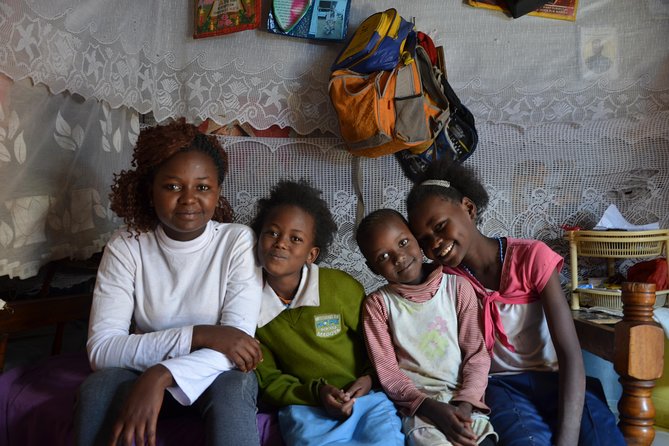
A major part of this tour is a visit inside the homes of local mothers. That is the moment that changes the trip from “tour” to “meeting.” It also asks something of you: patience, humility, and an understanding that you’re entering a private space with real lives happening inside it.
You should expect that the conversation will center on what’s working, what’s hard, and how family and community support show up in day-to-day decisions. The tour description also points to public health realities, so those conversations may come up naturally through people’s experiences. If you get uncomfortable with serious topics, this is the place where that discomfort will be most noticeable.
For respectful behavior, follow the lead of your community guide. Don’t rush the moment. Don’t treat homes like photo sets. If you want to ask questions, keep them human and practical, like what people wish outsiders understood, or what community support looks like on an ordinary day.
This kind of visit can be powerful because it’s not theoretical. You see how community life is organized around family, neighbors, and survival systems that are often invisible from the outside.
The neighborhood stories, how HIV and public health get explained

The tour is specifically designed to help you understand the impact of HIV and other public health crises. That means the discussion goes beyond general awareness. You’re likely to hear how health crises affect everyday routines, not just medical outcomes.
I like this because it challenges the common tourist habit of collecting information without changing your perspective. Health challenges like HIV don’t stay in clinics. They affect caregiving, community support networks, stigma, and how people plan their futures.
You’ll also probably learn that the community’s response is not only about services, it’s about people. Community leadership, neighborhood solidarity, and local knowledge matter, especially when official resources are limited. The tour format, being community-led, is the key here. It keeps the conversation tied to lived reality.
Keep in mind that this is a topic that can bring up tough emotions. You may hear stories that feel unfair or heartbreaking. If you’re traveling with someone who hates heavy conversations, be prepared to set expectations before you arrive.
A few more Nairobi days worth pricing up
- Nairobi National Park Half-Day Tour; Free Wi-Fi connection
★ 5.0 · 878 reviews - Nairobi: National Park & Optional Elephants & Giraffe Center
★ 4.8 · 874 reviews - NAI NAMI: Nairobi Storytelling Tour with Street Children
★ 5.0 · 792 reviews - Nairobi National Park Half-Day Game Drive
★ 4.5 · 738 reviews
Craft shops and handmade beadwork, shopping with meaning
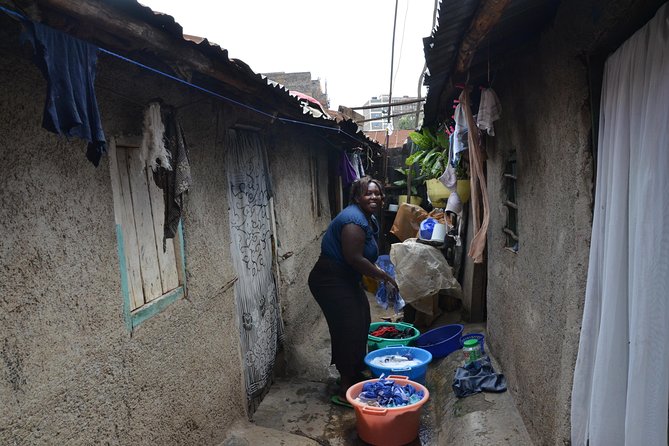
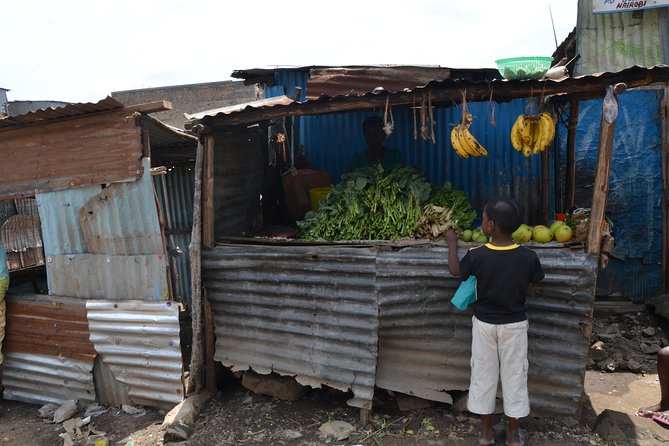
After the community walk and the home visit, you’ll have a stop to visit local craft shops and shop for handmade beadwork. This part of the tour can be genuinely fun, especially if you like artisan work and you enjoy meeting the people behind it.
Why I think this matters: buying directly from community craft shops turns your time into support. You’re not just consuming the experience, you’re taking something home and helping the local economy connected to the tour’s community partners.
Handmade beadwork is also more than decoration. It often reflects skill passed through hands and local demand. When you shop here, you’re interacting with real makers and real sellers, not mass-produced souvenirs.
Practical tip: decide what you want before you start shopping. Do you want a small piece you can carry easily, or a larger item like a necklace? This keeps you from overbrowsing when you’re tired or emotionally affected by earlier parts of the tour.
If you’re on a strict budget, set a spending limit in advance. The tour price covers the experience, but craft purchases are separate. Buying just one meaningful item can be a good compromise if you want something tangible without overspending.
Bottled water included, and why that detail isn’t small
You’ll get bottled water as part of the tour. It sounds minor, but it’s a practical win in Nairobi, especially when you’re moving through areas where you might not have convenient options to stop and buy water whenever you want.
This also changes the pacing. When water is provided, you don’t have to think about it early in the experience. You can stay focused on listening, walking, and taking in what your guide is showing you.
Even though the tour includes water, I still recommend you keep basic hydration habits in mind. If the day feels hot or you’re walking longer than expected, drink as you go. The goal is to finish the tour with clear energy, not with a headache and no patience.
Getting there, the meeting point, and timing habits that help

The tour starts at Ushindi East Avenue (Ushindi E Ave, Nairobi, Kenya) and ends back at the meeting point. Since it’s near public transportation, you should be able to plan a route without needing a private car, which can keep costs down.
Timing matters because this is a private, timed experience and it also depends on weather. If you want the best experience, show up a little early so you’re not rushing or flustered when you meet your guide. That calm start makes it easier to focus on the human part of the tour.
If you’re coming from another Nairobi neighborhood, give yourself a buffer for traffic. Nairobi traffic can change your arrival window fast, and you want to arrive ready to listen.
Price and value: what $25.65 gets you
The listed price is $25.65 per person, and the tour lasts about 2 to 3 hours. When you evaluate value, don’t just look at the cost. Look at what’s included: a private community-led tour, time spent with community members, the home visit component, a craft shop stop for handmade beadwork, and bottled water.
In other words, this isn’t a quick photo stop. You’re paying for access, time, and local facilitation. That access comes with responsibility and careful scheduling, which is usually what drives price in community-based experiences.
So is $25.65 a bargain? If you want a respectful, guided understanding of Mathare and you’re also interested in crafts, it’s a fair price for the format you’re getting. If you only want casual sightseeing or you dislike emotional topics, then the best value is not about cost. It’s about fit. A cheap tour that mismatches your interests can still feel like a bad deal.
Also factor in that any craft purchases are likely separate from the tour price. You can keep shopping light or skip it entirely if you prefer.
Who should book this Mathare community tour
This is a strong match if you:
- Want a community-led perspective, not a detached documentary-style experience
- Are interested in how public health crises connect to everyday life, including HIV
- Like artisan shopping and want to buy handmade beadwork from local shops
- Prefer a private format where your group can move and ask questions at a human pace
It may not be the best fit if you:
- Want light, upbeat tourism only
- Get overwhelmed by serious topics like HIV and public health challenges
- Are extremely sensitive to entering private homes, even with guidance and consent
And here’s my practical note. Because one complaint mentioned trouble reaching the provider on WhatsApp ahead of time, I’d treat this as a tour you confirm early. Don’t leave confirmation to the last minute.
Making the most of your visit, practical mindset tips
I’ve found that community tours go best when you bring a listening mindset. Instead of hunting for the hardest story or the most dramatic moment, focus on understanding patterns. Ask how health challenges show up in routines. Ask how community members support one another. Ask what people want outsiders to understand.
For the craft shops, treat them like part of the experience, not an interruption. If you buy beadwork, take a second to appreciate the work and ask simple questions about the item you’re holding. You’ll get more meaning out of it than just the final price tag.
Also, remember this is a private tour only for your group. That means your tone sets the vibe. If your group shows respect and curiosity, the whole experience tends to feel better and more human.
Should you book the Mathare Community Slum Tour with Jijenge Community Slum Tours?
Here’s my bottom line: if you want a guided, community-led look at Mathare that includes conversation, a visit inside homes of local mothers, and a craft shopping stop, this tour is worth serious consideration. The price, the private format, bottled water, and the focus on public health impacts make it feel like more than a standard checklist stop.
The only real hesitation I see from the limited feedback provided is communication reliability. Since one booking complaint included a claim of no response on WhatsApp when trying to confirm, I’d book with a little caution. Contact the provider early, save your booking details, and don’t wait until the last day to confirm expectations.
If that doesn’t bother you, and you’re ready for a meaningful, sometimes heavy experience, book it.
FAQ
What is the price of the Mathare Community Slum Tour?
The price is $25.65 per person.
How long is the Mathare Community Slum Tour?
The tour is approximately 2 to 3 hours.
Is this tour private?
Yes. It is a private tour/activity, and only your group will participate.
Where does the tour start and end?
The tour starts at Ushindi East Avenue (Ushindi E Ave, Nairobi, Kenya) and ends back at the meeting point.
What time does the tour operate?
It runs Monday through Sunday from 7:00 AM to 5:00 PM.
What is included in the tour?
Bottled water is provided. The tour also includes a craft shop stop where you can shop for handmade beadwork.
What happens if the weather is poor or the minimum number of travelers is not met?
The experience requires good weather. If it’s canceled due to poor weather, you’ll be offered a different date or a full refund. If it’s canceled because the minimum isn’t met, you’ll be offered a different experience or a full refund.
Newest write-ups from Nairobi
- Visit kibera Slum the chocolate city★ 4.8 · 3 reviews
- 3 days maasai mara migration safari★ 4.5 · 7 reviews
- 4 Days Tour Landcruiser in Masai Mara and Lake Nakuru★ 5.0 · 10 reviews
- 4 Days Safari to Lake Nakuru N/P and Maasai Mara N/R★ 5.0 · 18 reviews
- Day Tour to Nairobi national park, Elephants, and Giraffe Center★ 3.5 · 8 reviews
- Wildebeest Migration in Masai Mara and Sightseeing 4 Days Tour★ 4.5 · 6 reviews
- Maasai Mara Day Trip★ 5.0 · 15 reviews
- Kibera Slum Tour with a Local★ 5.0 · 15 reviews
Kibera Tours, compared.





Kibera Slum Tour with Local Social Entrepreneurs
Read our review →


Browse the lists this tour appears in