

REVIEW · KIBERA TOURS
Kibera slum tour with Lucas
Kibera is Nairobi’s side you usually miss. This tour with Lucas puts you in the middle of daily life, from trader-filled Toi market lanes to hands-on stops like Victorious Craft shop, where recycled materials turn into jewelry. Two things I especially loved were the clear, human stories from guides like Lucas, Effie, Elijah, and Peter, and the way your fee directly helps kids through the Hope and Shine Kibera Centre. One drawback to plan for is the walking over uneven, sometimes muddy ground, and the tour is not suitable for wheelchair users or people over 95.
The pacing feels intentional: you get orientation at Greenhouse mall, you move through different parts of the community, and you end with a school visit tied to the support work. You also get a moment of perspective from a raised point along the old colonial railway line, which makes the scale easier to understand. If you want a Nairobi experience that is real, structured, and respectful, this is one of the better bets at its price point.
In This Review
- Key highlights that make this Kibera tour worth your time
- Starting at Greenhouse Mall, you get your bearings fast
- Toi Market: Nairobi’s open-air world, one section at a time
- Victorious Craft Shop and recycled jewelry that turns waste into work
- Power women shop: HIV/AIDS education you can actually point to
- A home visit where you meet the family behind the tour
- Overhead views from the old colonial railway line
- Hope and Shine Kibera Centre: your fee becomes school time
- Price, walking realities, and how to keep it comfortable
- Should you book this Kibera tour with Lucas?
- FAQ
- Where do we meet for the Kibera slum tour?
- How long is the tour?
- What does the tour cost?
- Is the tour guided in English?
- What is included in the tour?
- What stops are part of the experience?
- How does the tour fee support local education?
- What should I bring?
- Is the tour suitable for wheelchair users or very elderly visitors?
- Can I cancel and get a refund, and is pay later available?
Key highlights that make this Kibera tour worth your time

- Start at Greenhouse mall with a real briefing so you know what to expect before you step in.
- Toi market exploration across different sections, plus time to chat and take photos.
- Victorious Craft shop recycling domestic animal bones into jewelry with brass.
- Support is built in through 30% for Hope and Shine Kibera Centre, which hosts 40+ kids.
- Home visit to meet a guide’s family on duty, not just a quick look from outside.
- Scenic viewpoint from the old colonial railway line, for a wider view of Kibera.
Starting at Greenhouse Mall, you get your bearings fast

Your day begins at the entrance of Greenhouse mall on Ngong road. This matters more than it sounds, because the tour starts with a plan and expectations, and that helps you feel less like you are wandering and more like you are learning.
You will meet your local guide, and the tour runs in English. Lucas is the named guide for this experience, but the broader group of guides you might encounter is also born and raised in Kibera, which keeps the stories grounded in lived experience. Right away, you’re being invited to ask questions, not just watch.
Practical tip: wear comfortable shoes. The tour includes walking and photo stops, and Kibera is not “walk on smooth sidewalks” territory.
More Kibera Tours in Nairobi:
- Nairobi: Explore Kibera Slum with Local Guides
★ 4.9 · 365 reviews - Kevins Kibera Slum Tours
★ 5.0 · 213 reviews - Nairobi: Kibera Slum storytelling tour with a Local
★ 5.0 · 185 reviews
Toi Market: Nairobi’s open-air world, one section at a time
One of the most praised parts is the market time. Toi market is the second largest open air market in Nairobi after Gikomba, and this tour takes you through different parts rather than one quick loop.
What you get here is variety. You can see how goods move, how people organize stalls and pathways, and how traders explain what they do. You also get chances to interact in the moment, which makes the market feel like a place with rhythm, not a set you’re visiting.
Photography also plays well at this stop. The market is visual by nature, and the tour includes plenty of opportunities to take pictures, as long as you stay respectful and follow your guide’s lead.
A fair consideration: markets often come with shopping opportunities. If you feel uncomfortable buying, you can simply browse, ask a price if you want clarity, and keep moving.
Victorious Craft Shop and recycled jewelry that turns waste into work
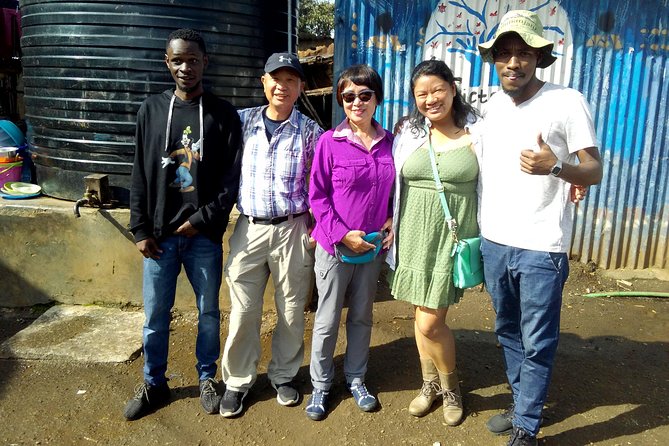
Next comes creativity with purpose at the craft stops. One standout is Victorious Craft shop, where domestic animal bones are recycled into jewelry, with a mixture that includes brass. It’s not just a souvenir stop. It’s a window into how people create income using materials and skills around them.
This is the kind of place where the details matter. You’ll see the materials, you’ll hear how the work is made, and you’ll understand the practical side of craftsmanship, not the glossy marketing version.
In a couple of guided experiences, you may also encounter other craft-related stops linked with local women and community education. The point is the same: you’re watching work that supports families, not passively taking photos and leaving.
Power women shop: HIV/AIDS education you can actually point to

The tour also includes the Power women shop, focused on educating young girls about HIV/AIDS. That’s an important shift from “look at the hardship” tourism to “see what people are building” tourism.
When you’re walking through Kibera, you hear about challenges everywhere. This stop gives you something tangible to pair with those challenges: education happening in a local setting, led by women with a direct stake in the future of girls in the community.
If you care about development in real terms, this is one of the places where your brain can make the leap from facts to impact. You’re seeing a program attached to a real everyday setting, not just reading about it later.
A few more Nairobi days worth pricing up
- Nairobi National Park Half-Day Tour; Free Wi-Fi connection
★ 5.0 · 878 reviews - Nairobi: National Park & Optional Elephants & Giraffe Center
★ 4.8 · 874 reviews - NAI NAMI: Nairobi Storytelling Tour with Street Children
★ 5.0 · 792 reviews - Nairobi National Park Half-Day Game Drive
★ 4.5 · 738 reviews
A home visit where you meet the family behind the tour
One of the most human parts of the experience is the home visit. Instead of only seeing Kibera from street level, you visit a local house, and you meet the family of the guides on duty.
That meeting changes the tone of the whole tour. You stop thinking of Kibera as a photograph and start thinking of it as a set of households with routines, responsibilities, and care. Even if you only stay for a short moment, you can feel the difference between a quick glance and being greeted in someone’s space.
A tip for comfort: go slowly, and let your guide set the pace for what is okay to photograph. The tour is designed for safety and respect, and the guide’s cues will help you avoid awkward moments.
Overhead views from the old colonial railway line

At some point, you get perspective from a raised point along the old colonial railway line. This is one of the tour highlights because it helps you understand scale in a way that ground-level walking cannot.
From that vantage, the settlement becomes more than a set of alleys. You start to connect what you’ve seen so far, plus you get a clearer sense of how far things stretch.
In some runs of the tour, guides also share an overview of Kibera’s size, including the idea of hundreds of acres and over a million inhabitants. You might also hear about basic services like water and electricity, plus day-to-day realities around washing and toilet systems.
I like this part because it turns your experience into context. After you’ve walked and met people, the overview makes your questions sharper instead of just sad.
Hope and Shine Kibera Centre: your fee becomes school time
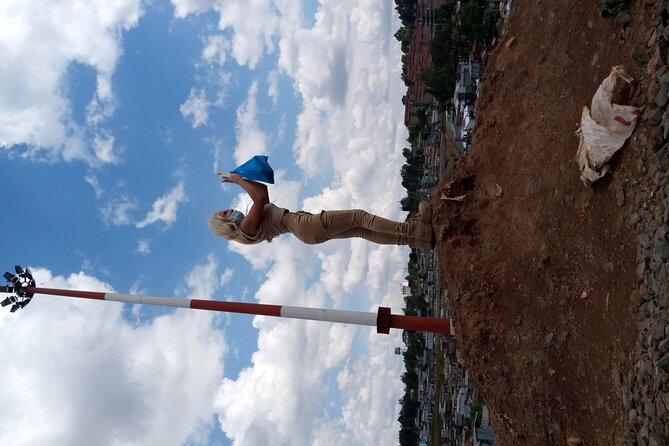
This tour is not only about seeing. It’s also about supporting. 30% of your tour fee supports Hope and Shine Kibera Centre, a school that hosts over 40 kids.
The school stop is often described as a highlight because it’s where learning becomes visible. You’re not guessing how the money is used. You’re arriving at the place where it matters, and you get to see the children connected to the support.
One reason I think this is strong value at the $35 price is that it aligns incentives. You pay for a guide-led learning experience, and part of that payment flows into education right there in the community. If you’ve ever felt uneasy about donating without context, this solves that problem by tying funds to a specific school and visible impact.
Before you head back, you also end at Equity bank Kibera as the departure point, with the tour designed to bring you back to Greenhouse mall to wrap up.
Price, walking realities, and how to keep it comfortable
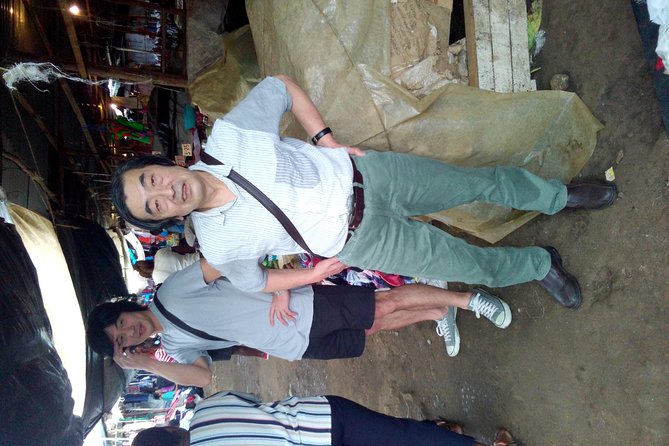
At $35 per person for about 3 hours, the value comes from the mix: a local guide born and raised in Kibera, guided stops across multiple community spaces, safety throughout the tour, and ongoing support via the school. The craft and market stops are included as part of the learning route, not as a separate add-on you only realize later.
What to watch out for is physical comfort. You will be walking, and the surface can be uneven or muddy. In one experience, the guide helped an older visitor who used walking sticks, which is a good reminder to tell your guide early about any mobility limits you have within the tour’s suitability rules.
Also, plan your mindset around shopping at craft locations. Some jewelry shops can create a subtle sense of pressure to buy. If you want to be comfortable, set a simple personal rule before you arrive: browse only, or buy only if the price is clear and you truly want the item.
Finally, know who it fits best. This is a good choice for people who want an insider view and are okay with a real, grounded experience. It is not suitable for wheelchair users, and it is not recommended for people over 95.
Should you book this Kibera tour with Lucas?

I’d book it if you want a structured way to understand Kibera through the eyes of locals, with stops that connect daily life, work, and education. The combination of Toi market, craft workshops like Victorious Craft shop, a Power women shop education focus, a home visit, and a school supported by your fee gives you more than one angle on the community.
I’d think twice if you cannot handle uneven walking surfaces, or if you strongly dislike any shopping-related stops in markets and craft shops. In that case, you can still enjoy it, but I would go in with clear boundaries and be ready to keep the focus on conversations and learning.
If you want one Nairobi activity that actually changes how you see the city, this is a strong option. And because part of the cost supports Hope and Shine Kibera Centre, you’re leaving with a story you can tie to real impact, not just memories.
FAQ
Where do we meet for the Kibera slum tour?
You meet at the entrance of Greenhouse mall.
How long is the tour?
The tour duration is 3 hours.
What does the tour cost?
The price is $35 per person.
Is the tour guided in English?
Yes, the tour includes a live guide in English.
What is included in the tour?
It includes an entry ticket, a local guide born and raised in Kibera, safety throughout the tour, and plenty of places for photography. It also includes support for a Kibera school through 30% of the tour fee.
What stops are part of the experience?
The tour includes Toi market, a craft shop (including Victorious Craft shop), a local school supported by the tour, a local house home visit, and stops connected to community education. The tour ends at Equity bank Kibera before returning to Greenhouse mall.
How does the tour fee support local education?
30% of the tour fee supports Hope and Shine Kibera Centre, which hosts over 40 kids.
What should I bring?
Bring comfortable shoes and a camera.
Is the tour suitable for wheelchair users or very elderly visitors?
No. It is not suitable for wheelchair users, and it is not recommended for people over 95 years.
Can I cancel and get a refund, and is pay later available?
You can cancel up to 24 hours in advance for a full refund. You can also reserve now and pay later.
Newest write-ups from Nairobi
- Visit kibera Slum the chocolate city★ 4.8 · 3 reviews
- 3 days maasai mara migration safari★ 4.5 · 7 reviews
- 4 Days Tour Landcruiser in Masai Mara and Lake Nakuru★ 5.0 · 10 reviews
- 4 Days Safari to Lake Nakuru N/P and Maasai Mara N/R★ 5.0 · 18 reviews
- Day Tour to Nairobi national park, Elephants, and Giraffe Center★ 3.5 · 8 reviews
- Wildebeest Migration in Masai Mara and Sightseeing 4 Days Tour★ 4.5 · 6 reviews
- Maasai Mara Day Trip★ 5.0 · 15 reviews
- Kibera Slum Tour with a Local★ 5.0 · 15 reviews
Kibera Tours, compared.





Kibera Slum Tour with Local Social Entrepreneurs
Read our review →


Browse the lists this tour appears in