

REVIEW · KIBERA TOURS
Full Day Kibera Slum Tour
A Nairobi day that changes how you see home. This private Kibera tour pairs market time with hands-on visits at the Hope and Shine Kibera Center, plus a real look at Toi market life. I love how the day is built around meeting people and joining community activities, and I like that it is not just photo stops. One consideration is that the experience can depend on your guide’s communication, so come ready with questions during the briefing.
You get pickup from your hotel, meet at Greenhouse mall as the starting point, and then head into the neighborhood with your own group. The tour is listed at about 4 to 6 hours, but the Kibera portion is scheduled as a longer block, so plan for a full half day and bring patience. Since lunch is not included, you’ll want to eat before you go or be ready to grab something after.
If you’re visiting Nairobi for the first time and feel pulled toward the real daily rhythm of a city, this is a direct option. It is also a good match if you like practical, on-the-ground learning over lectures. If you are sensitive to poverty, crowding, or everyday grit, you should think carefully before booking.
In This Review
- Key things that make this Kibera tour work
- What you are really signing up for in Kibera
- Getting from Nairobi to Greenhouse mall and into the neighborhood
- Toi market: seeing the sections, not just the stalls
- Hope and Shine Kibera Center: volunteering with real context
- Bead shops and the craft economy you can actually see
- Meeting a women group and a youth group: conversations with purpose
- The matatu ride: feel Nairobi’s rhythm firsthand
- A realistic sense of time, comfort, and what to bring
- Price and value: is $65 fair for what you get?
- Who should book this Kibera Slum Tour, and who should skip it
- Should you book this Kibera tour?
- FAQ
- How long is the full day Kibera Slum Tour?
- What is the tour price per person?
- Is hotel pickup included?
- What does the tour include and exclude?
- Is this a private tour?
- What is the cancellation policy?
Key things that make this Kibera tour work
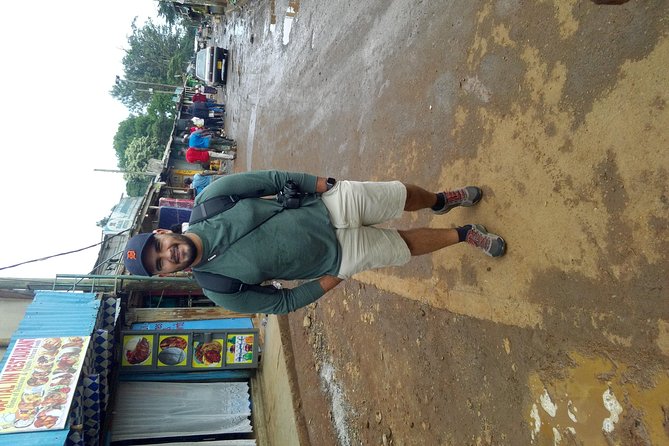
- Hope and Shine Kibera Center time focused on children, teachers, and co-curriculum activities
- Toi market orientation so you can understand how traders and sections of the market function
- Hands-on community visits with chances to talk with a women group and meet a youth group
- A bead shop stop that supports local makers while giving you context for what you’re seeing
- A matatu ride experience so you feel how Nairobi moves, not just how it looks
What you are really signing up for in Kibera
This tour is not a traditional sightseeing loop. It is a guided day meant to help you understand what life is like in a dense urban community, and how locals are addressing challenges through organized programs.
The big value is the balance. You spend time in market spaces, you meet groups, and you also get program time at the Hope and Shine Kibera Center. That mix matters because Kibera is not one single story. It is trading, teaching, organizing, making crafts, and navigating daily life.
You should also know what the day is asking of you. You are there to listen, ask respectful questions, and participate in the activities you’re invited into. That means your attitude matters as much as your schedule. Go in expecting that some moments can feel emotional, and some conversations can be practical and pointed.
More Kibera Tours in Nairobi:
- Nairobi: Explore Kibera Slum with Local Guides
★ 4.9 · 365 reviews - Kevins Kibera Slum Tours
★ 5.0 · 213 reviews - Nairobi: Kibera Slum storytelling tour with a Local
★ 5.0 · 185 reviews
Getting from Nairobi to Greenhouse mall and into the neighborhood
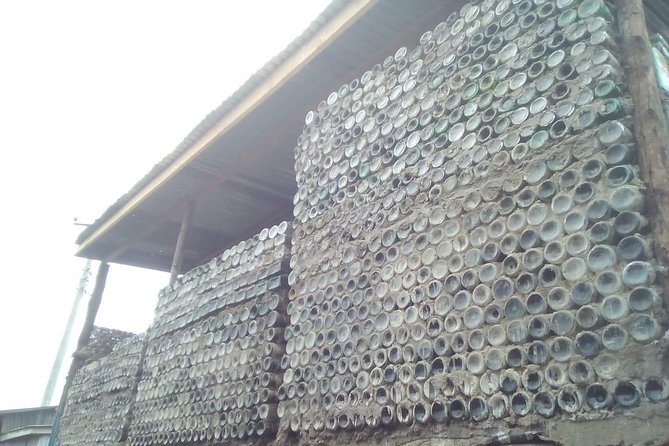
Logistics are part of the comfort here. Pickup from your hotel keeps the day simpler, especially if you are staying in central Nairobi. You then meet up at Greenhouse mall for the briefing and start.
From there, you are moving with a private group. That helps because you can keep your pace. It also reduces the awkwardness of rushing through tight spaces while strangers hold up the line.
One practical note: the tour is listed as near public transportation, and that usually means the area is not cut off from the city. Still, once you’re inside the community, expect crowds and close quarters. If you want to take photos, ask before you shoot, and keep your camera ready but your respect even more ready.
Toi market: seeing the sections, not just the stalls
Toi market is where the day starts to feel real fast. You’ll see an extensive side of the market and learn how traders organize things. The point is not only to look at goods, it is to understand the market’s structure, including different sections.
If you’ve visited markets in other countries, you’ll recognize the energy. What is different here is the context you get from your guide. When someone explains where different kinds of trading happen, you start noticing patterns. People move a certain way. Goods get placed for quick access. Conversations happen in clusters.
There’s also a simple way to get more out of this part. Pick one or two items that catch your eye, then ask what they’re used for and who buys them. The answers often lead into bigger stories about income, supply, and daily life.
Keep in mind, you will have the chance to shop later at a bead shop. If you are hoping for budget-friendly souvenirs, treat market browsing as the warm-up. Don’t assume every purchase is a bargain, but do think of it as supporting local work you are seeing in person.
Hope and Shine Kibera Center: volunteering with real context

The highlight is the Hope and Shine Kibera Center segment. You’ll join community development work, spend time at the center, and get a look at life for children and their teacher. The day also includes co-curriculum activity, so you are not just watching from the edge.
In at least one account from this tour, the center time included classroom moments where children sang and learned, plus a shared meal with the group. Even when your day does not include that exact rhythm, you should still expect a lively, participatory atmosphere. This is why the center visit tends to be the emotional core of the tour.
What makes this stop especially valuable is how it connects to the rest of the day. You see trading and craft-making in the market, then you shift to learning and teaching at the center. If you only saw one side, you’d get a skewed picture. This tour stitches the picture together.
One drawback to consider: a program visit depends on coordination and communication. If your guide is not fully prepared to answer questions, the flow can feel confusing. A guest who had a great overall experience still flagged miscommunication as a frustration point. So I suggest you ask early, during the briefing, what kinds of activities you can expect at the center and how interaction will work.
Also, bring your best listener mindset. Children and teachers are not props. Your interest should be gentle and specific, like noticing how a co-curriculum activity is organized or asking about what learning looks like today.
A few more Nairobi days worth pricing up
- Nairobi National Park Half-Day Tour; Free Wi-Fi connection
★ 5.0 · 878 reviews - Nairobi: National Park & Optional Elephants & Giraffe Center
★ 4.8 · 874 reviews - NAI NAMI: Nairobi Storytelling Tour with Street Children
★ 5.0 · 792 reviews - Nairobi National Park Half-Day Game Drive
★ 4.5 · 738 reviews
Bead shops and the craft economy you can actually see

After the center time, the tour includes a bead shop stop. This is one of those moments where you can slow down and look. Beadwork is not only a souvenir factory, it is a skill and a way people build income and identity.
Because you are inside the community and not in a staged craft market, the shop stop feels more grounded. You are seeing a local maker’s work in a real setting, and you have a chance to buy directly.
A good way to use this stop is to ask simple questions that show you’re paying attention: who makes the pieces, what the colors represent, or what goes into producing them. You don’t need to turn it into an interview. Just a few thoughtful questions can make your purchase feel connected instead of random.
If you are price sensitive, remember you are paying not only for the item but also for the experience of learning what you’re looking at. That’s part of why this tour can feel more meaningful than a standard shopping stop.
Meeting a women group and a youth group: conversations with purpose

This is where the tour moves from observation to relationship. You’ll meet a women group and also meet a youth group during the day.
The women group time matters because it connects directly to daily activity and local problem-solving. The tour highlights that you get to talk with the group to hear what they do on a day-to-day basis. That is more useful than a generic talk because it grounds your understanding in actual tasks and routines.
The youth group meeting also helps you widen the story. Instead of seeing only children at the center and only adults in markets, you get a snapshot of what young people are doing and how they fit into the community.
Here’s how to get the most out of these conversations. Keep your questions practical and respectful. Ask what they work on, how they support one another, and what they hope for. Avoid forcing heavy topics, but do not be afraid of real answers. If you listen closely, you’ll often hear both challenges and strategies.
And yes, this is the part where a guide’s communication skills matter. If your guide can translate well and guide the conversation respectfully, the whole day feels smoother.
Some guests have praised guides by name, including Lucas, for being pleasant and intelligent, and for showing a thoughtful approach to sharing the day.
The matatu ride: feel Nairobi’s rhythm firsthand
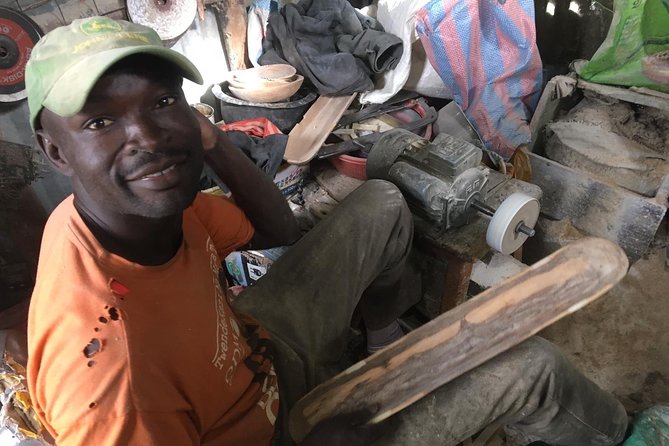
You also get to experience life inside a matatu. That’s not just a novelty. It’s a quick way to understand Nairobi’s everyday movement, and it helps you see how cities run when you’re not in a car with the windows closed.
Expect it to be a sensory experience. Matatus can be crowded and lively. The value of including this moment is that it breaks the bubble of tourism. Even if you’ve read about Nairobi transportation before, you get a different understanding once you’re in it.
Your guide will set the tone, and you’ll be going as a private group. Still, keep your expectations flexible. If you’re prone to feeling overwhelmed by tight spaces, plan for it mentally before you step in.
A realistic sense of time, comfort, and what to bring

The tour is listed as about 4 to 6 hours, and the schedule indicates the Kibera segment is around 7 hours on the plan. Either way, it’s a half-day to full-half-day commitment, not a quick drop-in.
Since lunch is not included, plan your food accordingly. Eat beforehand if you can, or budget for a meal after the tour. This matters for mood. If you get hungry, you’ll miss details.
Private transportation is included, which helps you stay comfortable between stops. You’re also told the tour is near public transportation, but in practice, the day is built around your pickup and transfer.
What I would bring:
- Comfortable shoes for walking in crowded areas
- A small bottle of water
- A light layer in case the weather shifts
- Cash for any purchases like beadwork (since shopping is part of the day)
Also think about what you do and do not want to photograph. This is a community environment. When in doubt, ask.
Price and value: is $65 fair for what you get?
At $65 per person, this tour sits in the mid-range for Nairobi guided experiences. The key is what you get layered into that price.
You get all fees and taxes, private transportation, and admission ticket elements. That means you’re not paying extra for entry while also paying a separate transport cost. You’re also getting a private group experience, which can make a big difference in how much time you get to ask questions and go at your own pace.
The center visit also adds value in a way that’s hard to measure in dollars. Community development programming is not a generic museum ticket. The day includes interaction with children’s program time, co-curriculum activity, and group conversations. If you care about seeing how community projects function, this is where the money turns into meaning.
The main cost gap is lunch. But that’s not a deal-breaker. It just means you should not assume the tour is a full-day catering plan. Think of it as a structured half-day that covers transport, entry, and guided access, then you handle your own meal.
If you want a Nairobi day that is more than photos and viewpoints, this price can make sense. If you are only looking for a surface overview with minimal interaction, you might feel it is more than you need.
Who should book this Kibera Slum Tour, and who should skip it
I’d recommend this tour if you:
- Want a responsible, community-focused day in Nairobi
- Like conversations with real groups, not only a guide talking at you
- Prefer private pacing so you can ask questions without being rushed
- Are interested in how education programs like Hope and Shine connect to community life
I would think twice if you:
- Feel strongly uncomfortable with poverty and close quarters
- Expect a classic sightseeing format with low emotional impact
- Need a perfectly scripted tour with zero uncertainty, because community access involves people, schedules, and communication that can vary
Also, this is a private tour/activity, only your group participates. If you’re traveling with friends or family and you can agree on how you want to spend the day, this setup often works well. It is also rated highly, with a 4.9 rating from 20 reviews and 95% recommended, which suggests most people feel the day delivers.
Should you book this Kibera tour?
Yes, if your goal is to understand Nairobi beyond the usual tourist track. This tour is built around meaningful stops, especially the Hope and Shine Kibera Center and the chance to meet groups through the day. The Toi market walkthrough and the matatu ride add context so you’re not only seeing one slice of life.
Book it if you are willing to be a respectful guest who listens first. Bring questions, but keep them gentle. And if communication matters to you, ask those questions early in the briefing so your guide can keep the day on track.
If you want me to tailor advice further, tell me your travel month and whether you’re comfortable with crowded spaces, and I’ll suggest the best time of day and how to plan meals around the 4 to 6 hour schedule.
FAQ
How long is the full day Kibera Slum Tour?
The tour is listed as about 4 to 6 hours (approx.), and the Kibera schedule notes a longer block of time as part of the day plan.
What is the tour price per person?
The price is $65.00 per person.
Is hotel pickup included?
Yes, pickup from your hotel of residence is offered.
What does the tour include and exclude?
Included: all fees and taxes, private transportation, and an admission ticket element. Not included: lunch.
Is this a private tour?
Yes. It is a private tour/activity, and only your group will participate.
What is the cancellation policy?
You can cancel for free up to 24 hours in advance for a full refund. Changes made less than 24 hours before the start time are not accepted, and cancellations within 24 hours are not refunded.
Newest write-ups from Nairobi
- Visit kibera Slum the chocolate city★ 4.8 · 3 reviews
- 3 days maasai mara migration safari★ 4.5 · 7 reviews
- 4 Days Tour Landcruiser in Masai Mara and Lake Nakuru★ 5.0 · 10 reviews
- 4 Days Safari to Lake Nakuru N/P and Maasai Mara N/R★ 5.0 · 18 reviews
- Day Tour to Nairobi national park, Elephants, and Giraffe Center★ 3.5 · 8 reviews
- Wildebeest Migration in Masai Mara and Sightseeing 4 Days Tour★ 4.5 · 6 reviews
- Maasai Mara Day Trip★ 5.0 · 15 reviews
- Kibera Slum Tour with a Local★ 5.0 · 15 reviews
Kibera Tours, compared.





Kibera Slum Tour with Local Social Entrepreneurs
Read our review →


Browse the lists this tour appears in