

REVIEW · KIBERA TOURS
Afternoon Kibera Slum Tour
Afternoons in Kibera tell a different story. This is an afternoon Kibera slum tour built for the hours when daily life runs at full speed, guided through the largest urban slum in Nairobi. You are not just seeing poverty from the sidewalk, you are walking through a neighborhood where people keep building, trading, teaching, and creating in real time, with a stated focus on peace, love, and unity.
What I like most is the structure and the human scale. Two things stand out for me: you get a guided walk that connects daily commerce to community projects, and the experience is led by guides such as Lucas (with Elijah also mentioned for professional, personal guiding).
One consideration is physical. This is a walking tour, so come ready for sustained walking and crowd-level energy in the market areas, even though the group stays guided and organized.
In This Review
- Key Highlights You Should Not Miss
- Why This Afternoon Kibera Tour Feels Different Than a Quick Stop
- Meeting Greenhouse Mall and Getting Oriented Fast
- Walking the Largest Urban Slum: What to Expect on the Ground
- Stop 1: Toi Market and Kibera’s Economic Pulse
- Community Stops That Make the Tour More Than Sightseeing
- Kibera Pride Orphanage: A Concrete Look at Child Support
- Victorious Bone Craft: Turning Materials Into Income
- Power Women Group and Shop: Hearing Stories With a Purpose
- The Guides Matter, and Lucas and Elijah Are a Big Part of the Value
- Price and Logistics: Is $60 Good Value for This Kind of Tour?
- Timing, Weather, and How to Plan Your Day in Nairobi
- How to Be a Respectful Visitor (Without Overthinking It)
- What Kind of Traveler Will Enjoy This Most?
- Should You Book This Afternoon Kibera Tour?
- FAQ
- How long is the afternoon Kibera tour?
- Where does the tour meet?
- How much does the tour cost?
- What is included in the price?
- Is this a walking tour?
- Is this tour private?
- What stops are included during the tour?
- What if the weather is poor?
- What is the cancellation policy?
Key Highlights You Should Not Miss

- Greenhouse Mall meeting point: start at Greenhouse Mall along Ngong Road, with an accredited guide taking over from there
- Toi Market stop: see the rhythm of one of Nairobi’s major open-air markets that supports Kibera’s economy
- Kibera Pride Orphanage visit: learn about a housing program for more than 25 vulnerable children
- Women-led and community craft work: meet groups such as Power Women Group and Victorious Bone Craft
- A story-first walkthrough: listen to short, direct accounts tied to real places you pass
Why This Afternoon Kibera Tour Feels Different Than a Quick Stop

Kibera is often discussed in headlines, but this kind of tour tries to slow you down and show the neighborhood as a working place, not a stage set. The timing matters. An afternoon tour lands during peak operational hours, when markets are active and community life is loud enough that you can actually understand the flow.
You also get a clear sense of why people talk about Kibera as a place of community resilience. The tour description frames it as a neighborhood where social and artistic enterprises have room to grow, even outside the more rigid boundaries of formal settlements. Whether you agree with every word used to describe the area, the walking route and the stop choices make the message practical: you are moving through spaces where livelihoods and support networks happen every day.
More Kibera Tours in Nairobi:
- Nairobi: Explore Kibera Slum with Local Guides
★ 4.9 · 365 reviews - Kevins Kibera Slum Tours
★ 5.0 · 213 reviews - Nairobi: Kibera Slum storytelling tour with a Local
★ 5.0 · 185 reviews
Meeting Greenhouse Mall and Getting Oriented Fast
Your afternoon begins at Greenhouse Mall along Ngong Road. That matters more than it sounds. A fixed meeting point helps you avoid the most stressful part of going somewhere unfamiliar: guessing where to stand and who to look for.
From there, the accredited guide takes control. Your job is simple: follow along, stay close, and ask questions when something catches your attention. The tour is described as a private tour/activity, so it is your group only. That can make a big difference in a place like Kibera, where you will likely feel more comfortable when the conversation and pace stay between you and your guide.
If you are taking public transport, this tour being near public transportation is a real plus. Nairobi traffic can be unpredictable, so being able to plan a simpler route helps you show up on time and in a calmer mood.
Walking the Largest Urban Slum: What to Expect on the Ground

This tour is fundamentally a walking tour around Kibera. You should expect lots of foot traffic and close-up views. That is not a complaint, it is the entire point. You cannot really understand a neighborhood’s routines from a car window.
In practice, that means you should wear shoes you can move in for several hours. You will also want to keep your phone and camera habits tidy. If you get permission, take photos that help you remember details later. If you do not, you can still learn a lot by watching and listening, and by letting your guide manage interactions.
The best part of the format is that it is not only sights. The plan includes named community stops and groups, so your walking path becomes a story route. You are not just passing buildings, you are walking through linked activities: market trade, craft work, child support, and women-led programs.
Stop 1: Toi Market and Kibera’s Economic Pulse

One of the key stops is Toi Market, described as the second largest open-air market in Nairobi and a backbone of Kibera’s economy. This is where the tour’s timing really shows. An afternoon walk gives you a snapshot closer to daily reality than a quieter time of day.
What you will likely notice first is motion. Open-air markets work because people move goods, talk prices, and serve customers efficiently. Even without understanding every word, you can read the rhythm: who is buying, who is selling, and how commerce feeds the rest of the neighborhood.
This is also a good place to ask your guide how the market connects to the broader areas you will visit next. The tour’s stop choices suggest that the market is not a separate attraction. It is part of the economic ecosystem that supports the community groups you hear about later.
A small practical note: markets can be busy, and you will be walking through areas with many people. Keep your group together and let your guide lead you through narrow moments.
A few more Nairobi days worth pricing up
- Nairobi National Park Half-Day Tour; Free Wi-Fi connection
★ 5.0 · 878 reviews - Nairobi: National Park & Optional Elephants & Giraffe Center
★ 4.8 · 874 reviews - NAI NAMI: Nairobi Storytelling Tour with Street Children
★ 5.0 · 792 reviews - Nairobi National Park Half-Day Game Drive
★ 4.5 · 738 reviews
Community Stops That Make the Tour More Than Sightseeing
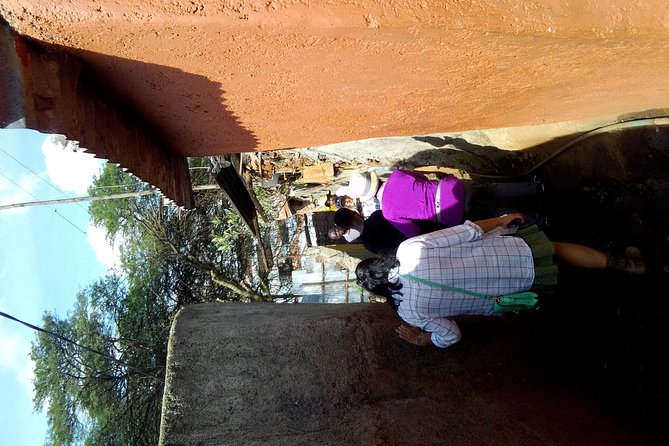
After the market stop, the tour shifts toward specific organizations and groups. These are the moments that tend to create the most lasting impression because they put names to what you are seeing.
Kibera Pride Orphanage: A Concrete Look at Child Support
A named stop is Kibera Pride Orphanage, described as housing well over 25 vulnerable children from the slum. If you care about education, child welfare, or the way communities build support systems from within, this is one of the most important stops.
The benefit for you is clarity. Instead of vague statements about hardship, you are shown how support is organized and housed. You are also given context to understand why visitors often talk about respect and sensitivity here. This kind of stop is not a photo op you rush through. It is a place where stories and real life matter.
Victorious Bone Craft: Turning Materials Into Income
Another stop is Victorious Bone Craft group, which specializes in recycling domestic animal bones to make jewelry. This is the kind of detail that makes a tour feel honest.
Why it matters: it shows work that is practical and creative at the same time. You can look at the craft as design, but your guide’s explanation ties it back to livelihood, resource use, and local entrepreneurship. If you like design, social enterprise, or craft markets, you will probably find this stop especially interesting.
Also, craft work connects neatly to your understanding of Kibera’s day-to-day life. You see how materials flow, how skills are applied, and how an income activity can exist in a place where outsiders might expect only survival.
Power Women Group and Shop: Hearing Stories With a Purpose
The tour also includes Power Women Group and Shop, described as a group of women who are victims of HIV/AIDS. Your time here is framed around stories and how people navigate life with support networks and community work.
For many visitors, this is where the emotional weight of a neighborhood visit becomes real. The best approach is to listen first, ask questions respectfully, and avoid treating people like a backdrop for your own learning.
A practical takeaway: if you are the type who likes to journal, bring a small notebook. You will likely want to capture key themes right after the conversation, not hours later.
The Guides Matter, and Lucas and Elijah Are a Big Part of the Value

In the feedback connected to this tour, the guides Lucas and Elijah come up with strong praise. The consistent theme is that they are professional while still feeling personal and attentive.
That combination matters. In a guided neighborhood walk, professionalism means you keep moving safely, questions get answered, and the tour does not become chaotic. Personal touches mean you get context for what you are seeing, not just a generic script.
One review also highlights how a guide can help you relax at the start. The visitor described feeling uneasy at the start, then gaining comfort as they were guided through the area. That is a useful reminder: if you feel nervous stepping into a place unfamiliar to you, a good guide helps you find your footing fast.
If you want to maximize your experience, come with at least a few questions. Ask how the market and the groups relate, what a typical day looks like, or how the crafts work supports the community.
Price and Logistics: Is $60 Good Value for This Kind of Tour?

At $60 per person for an afternoon tour that runs about 4 to 6 hours, the value depends on what you want out of the experience.
Here is what you are paying for, based on the tour details:
- A guided walking tour with an accredited guide
- Named community stops tied to market life and social programs
- All fees and taxes included
- Admission ticket included (so you are not hunting down extra small charges on the day)
- Pickup offered, plus a stated meeting point at Greenhouse Mall along Ngong Road
- A private format, meaning only your group participates
For $60, this is not trying to be a cheap bus ride. It is closer to a structured access experience. You are paying for time with a guide who can explain what you are seeing, plus access to organized community stops.
What is not included is also part of the planning: alcoholic beverages are not included, so if you want drinks, plan for that separately.
Timing, Weather, and How to Plan Your Day in Nairobi

This tour runs in the afternoon and takes about 4 hours, with a stated range of 4 to 6 hours. That is long enough to feel like a real experience, not a quick glance.
Good weather is required. If it is canceled due to poor weather, you are offered a different date or a full refund. So when you schedule the rest of your day, build in some flexibility. Nairobi can throw surprises at plans, and slum tours depend on safe, walkable conditions.
If you are combining this with other Nairobi activities, give yourself buffer time around pickup or meeting. You do not want to rush after the tour and miss the final context you get from your guide.
How to Be a Respectful Visitor (Without Overthinking It)
You do not need to pretend you understand everything. You do need to show respect and follow your guide’s lead.
A few practical ways to do that:
- Dress for walking and for warmth or sun in the afternoon
- Keep your focus on the people and spaces your guide introduces
- Use your questions wisely. Ask about the groups and their work, not personal details
- If something feels intense, slow down. Listen. Let the moment land
One subtle point from the guide-led experience described in feedback: trust often grows during the walkthrough. If you start with a mindset of curiosity instead of judgment, you will get more from the explanations.
What Kind of Traveler Will Enjoy This Most?
This is a strong match for you if:
- You want a structured walking tour with specific community stops
- You care about education, women-led support work, or community crafts
- You prefer local context over generic landmarks
- You like having time for Q and A instead of speed-walking photos
It may be less comfortable if:
- You dislike walking or crowded market environments
- You want a purely sightseeing-focused afternoon (this is story-focused and people-focused)
- You need a very predictable, low-emotion experience. This kind of tour includes serious realities.
Should You Book This Afternoon Kibera Tour?
Book it if you want more than a headline version of Kibera. The route is built around Toi Market and named community groups like Kibera Pride Orphanage, Victorious Bone Craft, and Power Women Group and Shop. That combination makes the tour feel grounded and purposeful.
Skip it if you are looking for an easy, low-walking afternoon or if you want a simple checklist of attractions. This is instead about understanding daily life through guided steps, with community stories as the core.
If you do book, come ready to walk, keep your tone respectful, and give your guide a chance to shape your understanding. Done well, this turns an afternoon in Nairobi into a human-scale lesson you will remember.
FAQ
How long is the afternoon Kibera tour?
It runs about 4 to 6 hours.
Where does the tour meet?
Your guide meets you at Greenhouse Mall along Ngong Road.
How much does the tour cost?
The price is $60.00 per person.
What is included in the price?
The tour includes all fees and taxes, and an admission ticket. Pickup is offered, and the tour uses a mobile ticket.
Is this a walking tour?
Yes. It is a walking tour, so plan for a fair amount of walking.
Is this tour private?
Yes. It is private, and only your group participates.
What stops are included during the tour?
You will visit Kibera, including a walk through Toi Market, plus stops such as Kibera Pride Orphanage, Victorious Bone Craft, and Power Women Group and Shop.
What if the weather is poor?
This experience requires good weather. If it is canceled due to poor weather, you will be offered a different date or a full refund.
What is the cancellation policy?
You can cancel up to 24 hours in advance for a full refund. If you cancel less than 24 hours before the start time, the amount you paid is not refunded.
Newest write-ups from Nairobi
- Visit kibera Slum the chocolate city★ 4.8 · 3 reviews
- 3 days maasai mara migration safari★ 4.5 · 7 reviews
- 4 Days Tour Landcruiser in Masai Mara and Lake Nakuru★ 5.0 · 10 reviews
- 4 Days Safari to Lake Nakuru N/P and Maasai Mara N/R★ 5.0 · 18 reviews
- Day Tour to Nairobi national park, Elephants, and Giraffe Center★ 3.5 · 8 reviews
- Wildebeest Migration in Masai Mara and Sightseeing 4 Days Tour★ 4.5 · 6 reviews
- Maasai Mara Day Trip★ 5.0 · 15 reviews
- Kibera Slum Tour with a Local★ 5.0 · 15 reviews
Kibera Tours, compared.





Kibera Slum Tour with Local Social Entrepreneurs
Read our review →


Browse the lists this tour appears in