

REVIEW · WALKING TOURS
Kisumu City Centre Walking Tour
Kisumu changes fast when you walk it. This 3-hour Kisumu City Centre Walking Tour mixes street food with real local storytelling, and you get a clear sense of why the city matters, from railway-era origins to Lake Victoria trade. I love how personal it feels with Jack and his team, and I love that part of the booking supports schooling for orphans and vulnerable children, not just sightseeing. A possible drawback is that it is still a city walk, plus there may be a short motorbike hop, so it is not ideal if you have mobility limits or you prefer to stay fully off two wheels.
The tour is guided in English, and you can expect a friendly, flexible vibe. Jack is punctual, his English comes through clearly, and the group keeps moving at a pace that lets you ask questions. If you’re the type who likes learning the “why” behind place names, markets, and neighborhoods, this is a good fit.
In This Review
- Key highlights at a glance
- Meeting Jack at United Mall Kisumu, right by KFC
- Kisumu’s rail-and-lake identity, explained while you walk
- Why this history matters for your day
- Walking through markets and parks like a local, not a checklist
- Practical note for the walk
- From city center to Dunga: the Lake Victoria shift
- What to watch for
- Street food tasting, plus the boardwalk finish
- Why this matters for value
- The social impact piece: your fee supports education
- How to think about your $29 value
- Who this Kisumu walking tour suits best
- Is it worth booking? My honest take
- FAQ
- Where do I meet for the tour?
- How long is the Kisumu city centre walking tour?
- What language is the guide?
- What does the tour include?
- What does my booking fee support?
- Is there flexibility to book without paying right away?
- Can I get a refund if I cancel?
- Is the tour completely on foot?
- What kind of food stop can I expect?
Key highlights at a glance
- Meet Jack at United Mall Kisumu, in front of KFC for an easy start
- Walk with a local guide who connects everyday streets to Kisumu’s big history
- Taste street food while you learn what you’re actually eating
- Head toward Dunga by motorbike for a different view of the Lake Victoria shoreline
- Finish with food on the boardwalk with tilapia and ugali as a memorable option
- Support education directly through OAC Kenya (Tours and Crafts) and KCOOP
Meeting Jack at United Mall Kisumu, right by KFC

If you want a smooth start, the meeting point helps. You’ll meet at United Mall Kisumu, right at the entrance where there’s a KFC, and you’ll link up with Jack there. It’s a practical choice because you’re meeting in a familiar, easy-to-find landmark area rather than something obscure.
I also like that the tour is centered around a real city starting point, not a hotel pickup that eats time. From here, the walk turns into an orientation: you get your bearings fast, and the route feels like you’re learning the city the way locals do, one street at a time.
One more plus: the guide team includes Jack and, at times, his friend Marwa, which seems to add warmth and local flavor to the explanations. You’ll likely find the pace and route adaptable to your preferences as well, which matters in any place where heat, crowds, or road conditions can change your day.
More Walking Tours in Kenya:
- Nairobi: Historic and Modern Highlights Walking Tour
★ 4.8 · 703 reviews - Walking Tour Through Old Town Mombasa and Fort Jesus
★ 5.0 · 393 reviews - Nairobi Historical Walking City Tour
★ 5.0 · 258 reviews
Kisumu’s rail-and-lake identity, explained while you walk

Kisumu is the kind of city where history isn’t stuck in a museum. It’s in the geography, the trade, and the way the city grew around movement of people and goods.
You’ll hear how Kisumu was established in 1901 as an alternative terminus for the Uganda Railway, instead of Port Victoria. Back then, the city was originally called Port Florence, then reverted to Kisumu in 1903. That’s the kind of detail that makes a walk feel smarter, because you stop seeing streets as random and start seeing them as corridors of connection.
Then comes Lake Victoria and the port role. Kisumu served as a major port during the commonwealth of East Africa era, acting as a key connection point for a caravan trail stretching from Pemba, Mombasa, and Malindi toward Uganda and Central Africa. That means the city wasn’t just a local stop. It was part of a much larger network.
And there’s a standout aviation moment you’ll learn about too. Kisumu was the landing point for the first flight in East and Central Africa. British amphibian planes used it to transport passengers and mail between Southampton and Cape Town. Even if you don’t care about early aviation, it’s a powerful example of how far-reaching Kisumu’s links have been for a long time.
Why this history matters for your day
This isn’t trivia for its own sake. It helps you read what you see. When you walk through busy areas and trade spaces, it makes sense why the city carries a nickname tied to exchange: Mboka. The name Mboka comes from the Luo word sumo, meaning a place of barter trade. When you understand that, markets stop being just places to pass through. They become part of the city’s identity.
You also get a sense of how Kisumu became a cultural meeting point over time, including indigenous African inhabitants, European colonialists connected to the railway era, and Asians who arrived with the railway line. That’s why you can see mixed influences in the daily rhythms of the city.
Walking through markets and parks like a local, not a checklist
Part of what makes this tour feel good is the simple mix of city spaces. You’ll walk through central Kisumu areas that include markets and parks, not just one commercial strip. Markets give you that real-life view of what locals buy, sell, and talk about. Parks give you breathing space, a different pace, and a chance to regroup with the guide.
This is where the tour becomes more than sightseeing. A guide can point out what matters in a market, like what a stall specializes in or how people handle bargaining and daily trade. And if you’re curious, you can ask follow-up questions about names, products, or local routines.
If you’re someone who worries that city walking tours can turn into generic photo stops, this one has a better chance of staying specific. The focus stays on Kisumu, not on ticking boxes. And since you’ll be moving in English with Jack and sometimes Marwa, you should feel comfortable asking what you want to know.
More City Tours in Kenya:
- Mombasa City Tour
★ 5.0 · 170 reviews - Mombasa: Tusks, Fort Jesus, Old Town, Beach and City Tour
★ 4.7 · 137 reviews - Nairobi City Walking Tour with Traditional Kenyan Lunch
★ 5.0 · 106 reviews - Nairobi Cultural and Historical City Tour with a Local
★ 5.0 · 67 reviews
Practical note for the walk
Wear comfortable shoes. You’ll be on your feet for a 3-hour experience, and even if the route includes breaks, markets and parks still mean uneven ground and lots of standing time. Bring water if you need it and pace yourself, especially if the day is hot.
From city center to Dunga: the Lake Victoria shift

One of the most memorable parts of this tour is the change of scenery. After spending time in the central city areas, you take a short motorbike ride toward Dunga, which puts you closer to the Lake Victoria shoreline.
Dunga matters because it shows another side of Kisumu: a more shoreline-driven way of life. In this part of the experience, you walk through a fishing village setting and meet friendly locals. It feels like a reset from the city center rhythm.
This section also connects the dots from the earlier history. Kisumu’s identity as a port and a connection hub makes more sense once you’re watching daily life that depends on the lake. Even without a classroom explanation, you feel the logic: transportation, trade, fishing, and daily routines all reinforce each other.
What to watch for
If you have a preference against motorbike rides, consider this a key decision point. The ride is a small part of the overall 3 hours, but it is still part of the experience. If that might bother you, you can ask Jack how the route is handled for your comfort before you commit.
Street food tasting, plus the boardwalk finish

The highlights are not only about what you see, but what you eat. You’ll taste street food along the way, guided by Jack, which is a big difference from walking past food stalls hoping you guessed right. A good guide helps you understand what you’re eating and why locals like it.
Food also gives you a natural chance to slow down. Markets can be noisy and fast-moving, so eating becomes a way to land in the moment. It also helps your day feel like an actual Kisumu experience rather than a quick tour loop.
Then there’s a lakeside ending that people remember: a boardwalk food stop where tilapia and ugali show up as a favorite. The experience is described as finishing on the Walk Board, basically the boardwalk area, with a warm plate and an easy place to watch the lake-side activity.
Why this matters for value
Food stops are often where tours become either very good or very disappointing. Here, the structure seems designed so that you’re not just grabbing something random. You’re tasting, learning, and then ending with a proper local meal style. That combination helps you carry the day home beyond photos.
The social impact piece: your fee supports education
This is not just a feel-good marketing line. Part of your booking fee goes back to help children in Kisumu with education. Jack works through OAC Kenya (Tours and Crafts) and a nonprofit community-based organization called KCOOP.
The goal is paying school fees and buying school supplies for orphans and vulnerable children in the local community. Jack also offers voluntary services by linking volunteers with charity schools and orphanages, so the support can connect to bigger help beyond the tour day.
I also appreciate the personal reason behind it. Jack lost both parents when he was only 9, and that early experience is part of what drives his focus on helping children who need support. When you hear a reason like that, you can feel the seriousness behind the social element.
How to think about your $29 value
At $29 per person for about 3 hours, this tour is priced like a budget-friendly city activity. The best argument for the value is that your money isn’t only paying for a guide and a few stops. You’re also directly funding education support tied to schooling needs, which changes how you should evaluate the price.
You still want to get real value from the walking portion: good guidance, street food time, and a meaningful route that doesn’t feel rushed. Based on the way the experience is described, those pieces come together in a way that feels worth the cost, especially if you care about social impact.
Who this Kisumu walking tour suits best
This tour fits you best if at least a couple of these are true:
- You like a guided walk with context, not just random sights.
- You want to try street food with help from a local guide.
- You’re curious about Kisumu’s connection to the railway, Lake Victoria port life, and the early flight landing.
- You care about supporting education for orphans and vulnerable children.
- You don’t mind a short motorbike hop as part of a route change.
It might be less ideal if you want an all-day lounging style, or if you prefer fully accessible travel without any two-wheel segment. It is also best if you’re okay with walking through real public spaces where daily life happens, not staged tourist zones.
Is it worth booking? My honest take
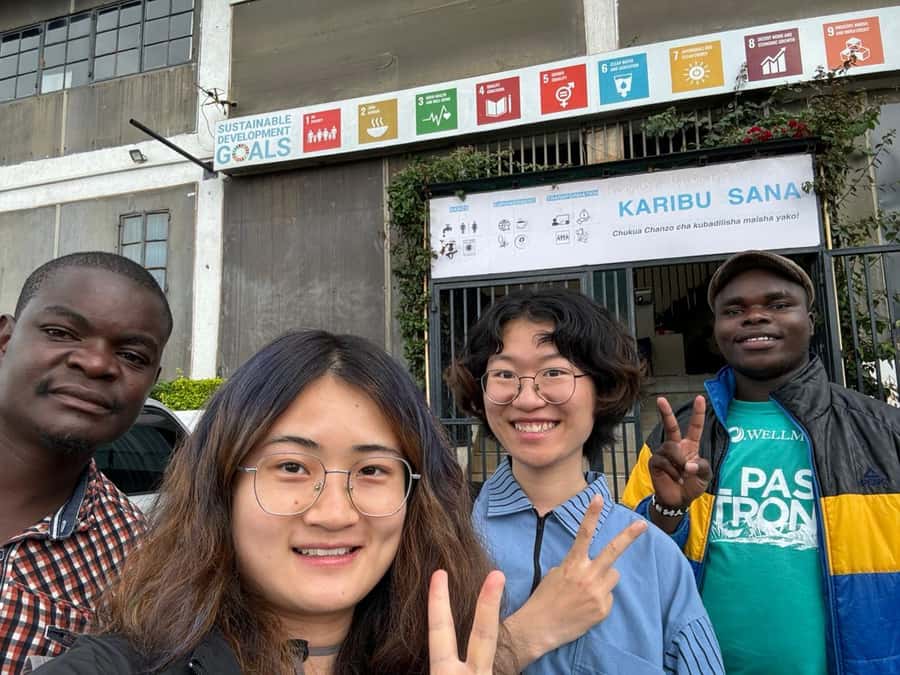
I’d book this Kisumu City Centre Walking Tour if you want a short, organized way to understand the city, eat like a local, and connect your money to education support. The combination of Jack’s guidance, the street food tasting, and the shift to Dunga and the boardwalk stop gives you a full Kisumu snapshot in just 3 hours.
If you are purely chasing landmark photos and you do not care about local food or social impact, you might decide to spend your time elsewhere. But if you enjoy learning while you walk, and you like the idea that part of your fee goes toward schooling, this is a strong pick.
FAQ
Where do I meet for the tour?
You meet at United Mall Kisumu, in front of the KFC restaurant at the mall entrance.
How long is the Kisumu city centre walking tour?
The tour lasts 3 hours.
What language is the guide?
The live tour guide speaks English.
What does the tour include?
It includes a guided walk through Kisumu with a local guide, street food tasting, and part of the booking fees going toward education support for orphans and vulnerable children.
What does my booking fee support?
Your booking fee helps pay school fees and buy school supplies for orphans and vulnerable children in Kisumu through OAC Kenya (Tours and Crafts) and KCOOP.
Is there flexibility to book without paying right away?
Yes. You can reserve now and pay later.
Can I get a refund if I cancel?
Free cancellation is available up to 24 hours in advance for a full refund.
Is the tour completely on foot?
Not entirely. Part of the experience can involve a short motorbike ride toward Dunga.
What kind of food stop can I expect?
You’ll taste street food during the tour, and the experience may include a boardwalk food stop where tilapia and ugali are part of the meal.
Newest write-ups from Kenya
- Watamu: Sunset Mangrove Canoe Tour with Coconut Drink★ 3.6 · 8 reviews
- Watamu: Learn Kenyan Cusine with Jonathan★ 4.1 · 8 reviews
- WATAMU: MALINDI: SARDEGNA ISLAND & MALINDI MARINE PARK★ 4.5 · 9 reviews
- Lake Nakuru Day Trip Safari – & Optional Lake Naivasha Boat★ 5.0 · 5 reviews
- Tsavo East National Park: 2-Day Tour from Mombasa★ 3.9 · 5 reviews
- Visit kibera Slum the chocolate city★ 4.8 · 3 reviews
- Lake Nakuru NP Half-Day Safari★ 4.0 · 4 reviews
- Tsavo East and Tsavo West Sanctuary Safari★ 5.0 · 3 reviews
Walking Tours, compared.
Walking Tour Through Old Town Mombasa and Fort Jesus
Read our review →
Nairobi Walking tour:Explore History Culture and Traditions
Read our review →
Nairobi City Walking Tour with Traditional Kenyan Lunch
Read our review →
Browse the lists this tour appears in