
REVIEW · NAIROBI
Watamu: Learn Kenyan Cusine with Jonathan
Want dinner lessons in a real Watamu village? This is a private cooking class in Kenya’s coast style where you learn how to make Ugali from scratch with Jonathan, then cook and eat what you make. I love the hands-on pacing, and I also like that you can choose the setting, either Jonathan’s village or your own house or resort. One thing to consider: at just 2 hours, it’s perfect for a taste of Kenyan cooking, not a super long feast or multi-day course.
If you want something more local than a standard tour, this hits the mark. You get English, Italian, or Swahili support from the host/greeter, plus a private transfer, so you are not figuring out logistics on your own.
In This Review
- Key things that make this class worth your time
- A Watamu village kitchen beats a standard cooking demo
- Picking your kitchen, village version or at-your-resort version
- Option 1: Head to Jonathan’s village
- Option 2: Stay closer, class at your house or resort
- Ugali from scratch, where texture lessons matter
- Chapati practice, rolling and cooking with confidence
- Samosas and a likely vegetable side, what the menu can include
- The transfer and materials add real value at $23
- Private and small-group, so you actually get answers
- Timing and pacing in a tight 2-hour window
- Accessibility and comfort, what to plan for
- Who should book this Watamu cooking class with Jonathan
- Tips to get the most from your 2-hour session
- Final verdict: should you book?
- FAQ
- What dishes will I learn during the class?
- Can I choose where the class takes place?
- How long is the cooking class in Watamu?
- Is this a private group or a shared experience?
- What is included in the price?
- What languages are available with the host or greeter?
- Is the activity wheelchair accessible?
- What is the cancellation policy?
- Can I reserve and pay later?
Key things that make this class worth your time
- Ugali from scratch, with you doing the work, not just watching
- Private group up to 10, so questions are easy and the pace stays friendly
- Choice of location, village visit or class right at your house or resort
- Pickup and private transfer, so you spend time cooking, not commuting
- Cook, then eat together, which makes the whole experience feel practical, not just performative
- English, Italian, and Swahili help keeps language from becoming a barrier
A Watamu village kitchen beats a standard cooking demo
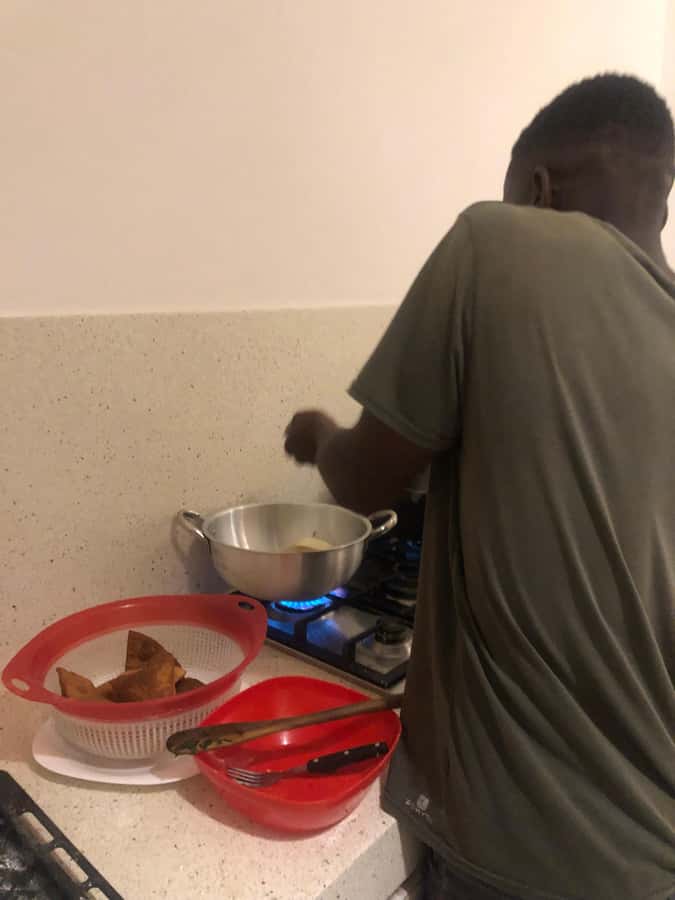
A cooking class can be either show-and-tell or real practice. This one leans toward real practice. Jonathan teaches Kenyan dishes you can actually reproduce, starting with Ugali, then moving on to chapati and samosas, depending on how the session flows.
And the setting matters. You are not stuck in a studio kitchen far from life. Even when the class happens near your accommodation, it is still presented as Kenyan home-style cooking, not a tourist performance.
Other Kenya trips people compare against this one:
- Nairobi National Park Half-Day Tour; Free Wi-Fi connection
★ 5.0 · 878 reviews - Nairobi: National Park & Optional Elephants & Giraffe Center
★ 4.8 · 874 reviews - NAI NAMI: Nairobi Storytelling Tour with Street Children
★ 5.0 · 792 reviews
Picking your kitchen, village version or at-your-resort version
You have two clear options for where the class happens.
Option 1: Head to Jonathan’s village
If you choose the village, Jonathan will come pick you up and bring you in. That is the bigger cultural experience. You see daily life around cooking, and it feels more like you are being welcomed into a household than attending a scripted activity.
Option 2: Stay closer, class at your house or resort
If you prefer convenience, you can have the class at your own place. You just need to tell Jonathan your choice in advance (WhatsApp is suggested). This works well if you are short on time, traveling with kids, or you simply do not want to move around.
Either way, the private transfer is included, and the group stays small.
Same trip, a different part of the country:
- Nairobi National Park Half-Day Game Drive
★ 4.5 · 738 reviews - Nairobi: Historic and Modern Highlights Walking Tour
★ 4.8 · 703 reviews - Safari Tour; Nairobi National Park
★ 4.5 · 594 reviews - 3 Days Masai Mara Group Joining
★ 5.0 · 486 reviews
Ugali from scratch, where texture lessons matter
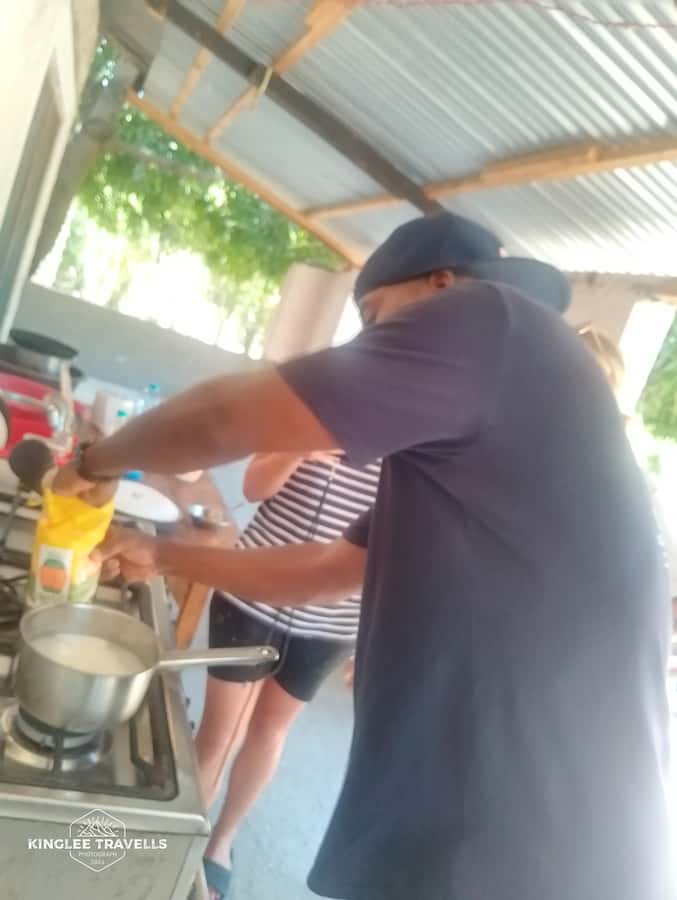
Ugali is one of the first dishes you will learn. It is made from scratch, and the teaching is hands-on, not theoretical.
Here is what makes ugali a smart “first win” in a cooking class: it teaches you technique through feel. You can learn what the batter or dough should look like, how it changes as it cooks, and how to judge when it is done. That texture-focused learning is exactly what you want if you want to take something home you can repeat.
Jonathan’s teaching approach is also a big part of the value. Multiple past participants highlighted his friendliness and his ability to explain clearly. Even when language is not perfect, cooking is visual, and the steps are tactile. That matters more than people expect.
Practical tip: wear clothes you can move in and that you do not mind getting a little flour or food dust on. Cooking in a real kitchen means a little mess, even when everything is well managed.
Chapati practice, rolling and cooking with confidence
After ugali, you will tackle chapati. This is where you learn another core skill: dough handling and cooking timing.
Chapati is ideal for a short 2-hour class because it builds momentum. You learn the dough basics, then you cook. You can immediately see what works and what needs adjustment, so you leave with a stronger sense of how the dough should behave.
If you like food that has that comforting, everyday feel, chapati is a great choice. It also pairs naturally with many Kenyan dishes. Even if your cooking background is mostly store-bought, chapati teaches you how the process works end to end.
From the experience feedback you can tell this part of the class is not rushed. People specifically called out how tasty the chapati was and how much fun the session felt. That usually means the host keeps the mood relaxed while still getting you cooking.
Samosas and a likely vegetable side, what the menu can include
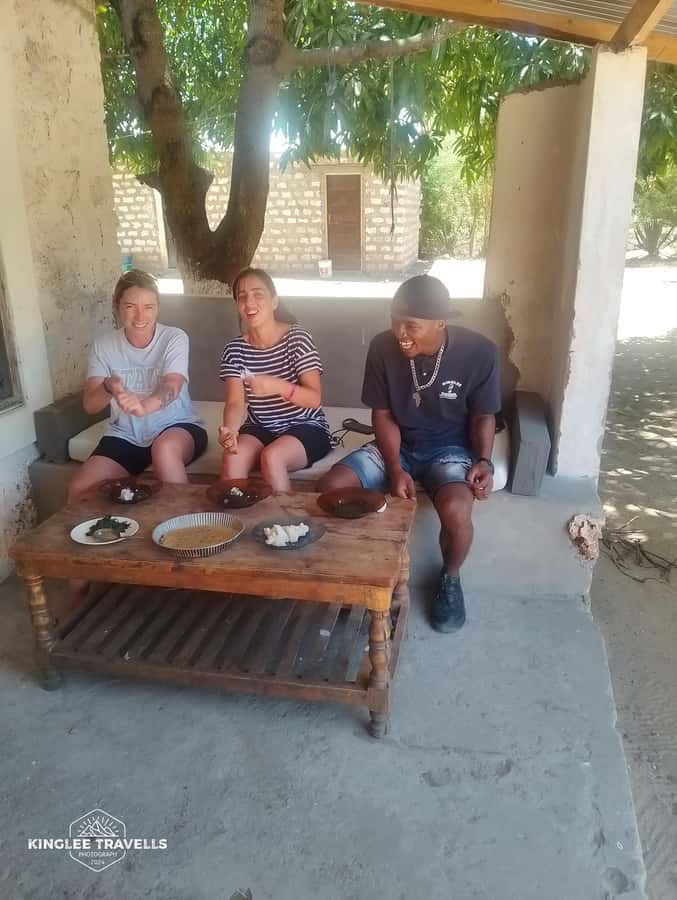
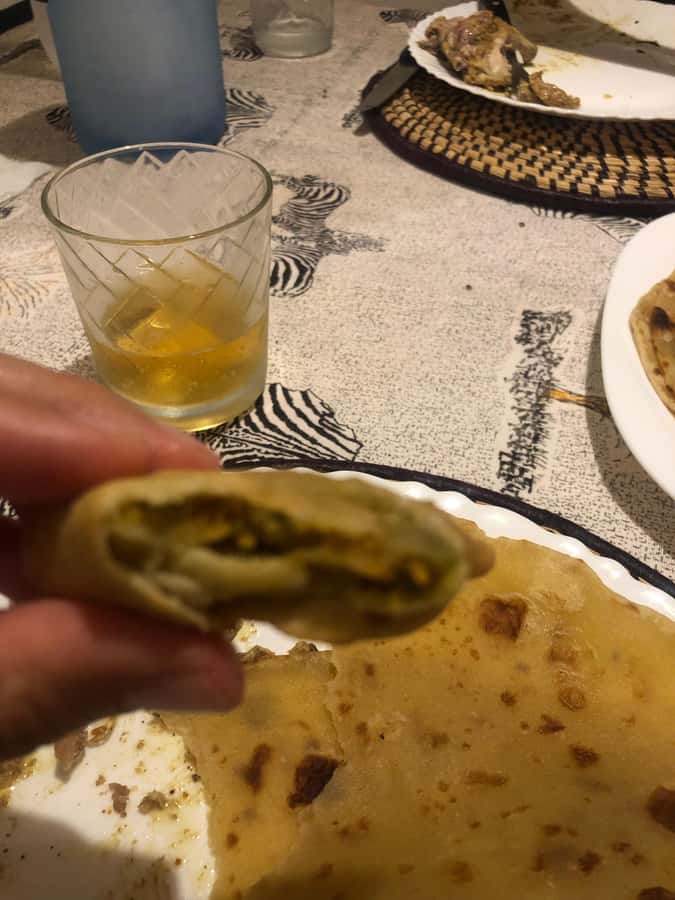
In addition to ugali and chapati, you will also learn samosas. The promise here is not just “you might eat samosa later.” You learn it as part of the class.
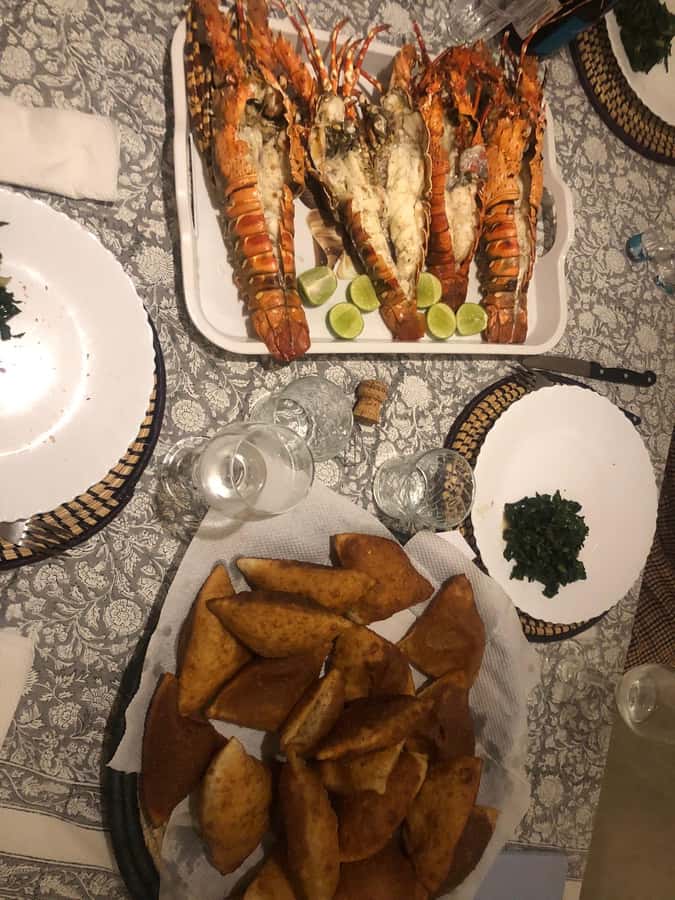
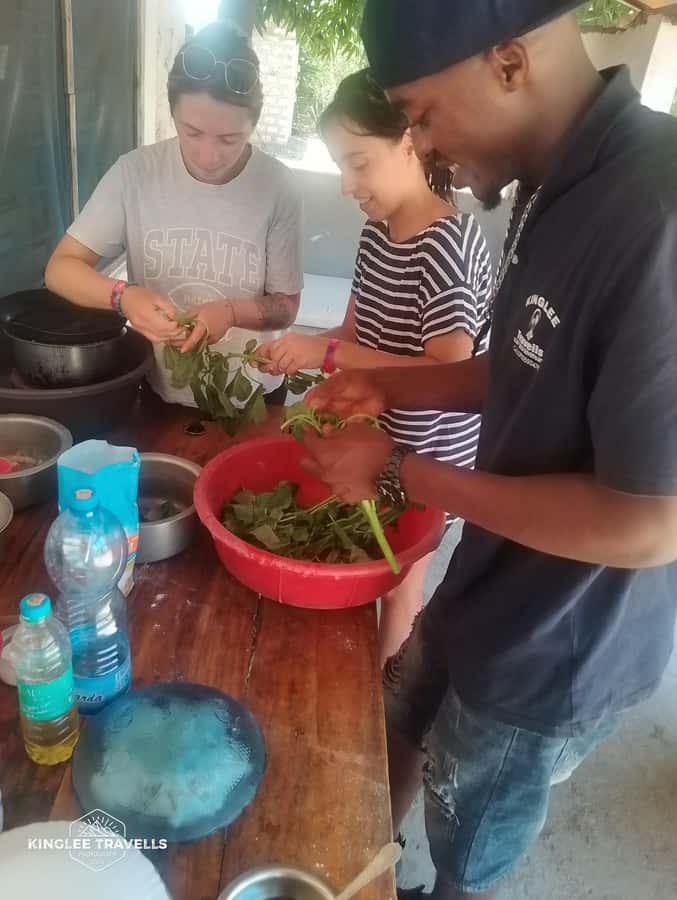
Some sessions also include a vegetable element, and spinach came up in feedback from guests. That is one reason this class can feel like a fuller meal rather than just learning techniques one after another.
What you should expect: the dishes are prepared together and eaten together. That matters because you can taste what you cooked while it is still fresh, and you can ask quick questions about flavor, texture, and pairing as you go.
The transfer and materials add real value at $23
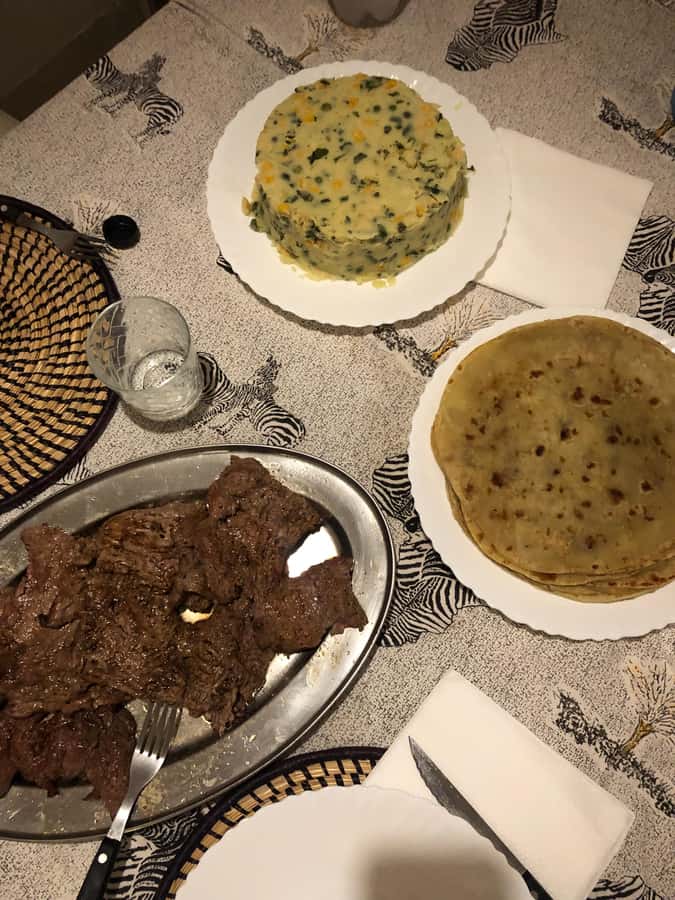
At $23 per person for 2 hours, this class can be surprisingly good value, because the price covers more than instruction.
What is included:
- Private cooking class
- Private transfer (pickup included)
- Cooking materials
In plain terms, you are paying for three things that are often extra in other experiences: an instructor, materials, and getting to the kitchen. When you add those together, the math starts to make sense fast, especially if you are already traveling with a rental car that would be one more expense or hassle.
Also, you do not just “sample” a dish. You learn how to make dishes people cook at home. That means the value is not only the meal you eat that day. The bigger win is bringing the technique home.
Private and small-group, so you actually get answers
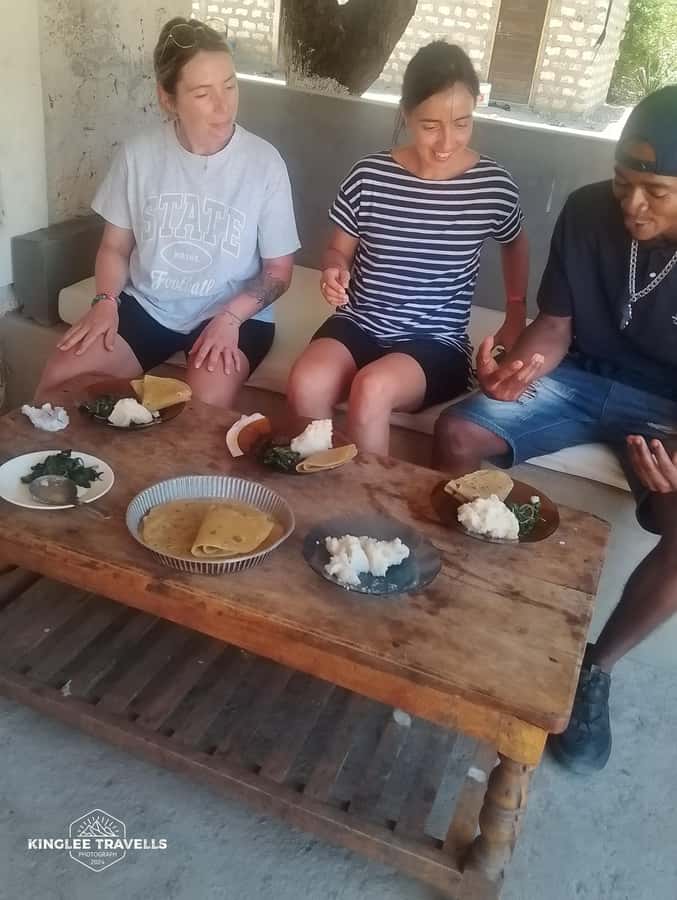
This is a private group, and the class is open to up to 10 people. That size matters.
With a group like this, you get time to ask questions. You can step in when you need guidance rather than waiting for the instructor to finish a demonstration with a larger crowd.
Language support helps too. The host or greeter can speak English, Italian, and Swahili. And in feedback, language barriers did not stop people from having a good time. Cooking work is physical and visual, so even if you speak limited Swahili, you still get a lot out of the process.
Timing and pacing in a tight 2-hour window
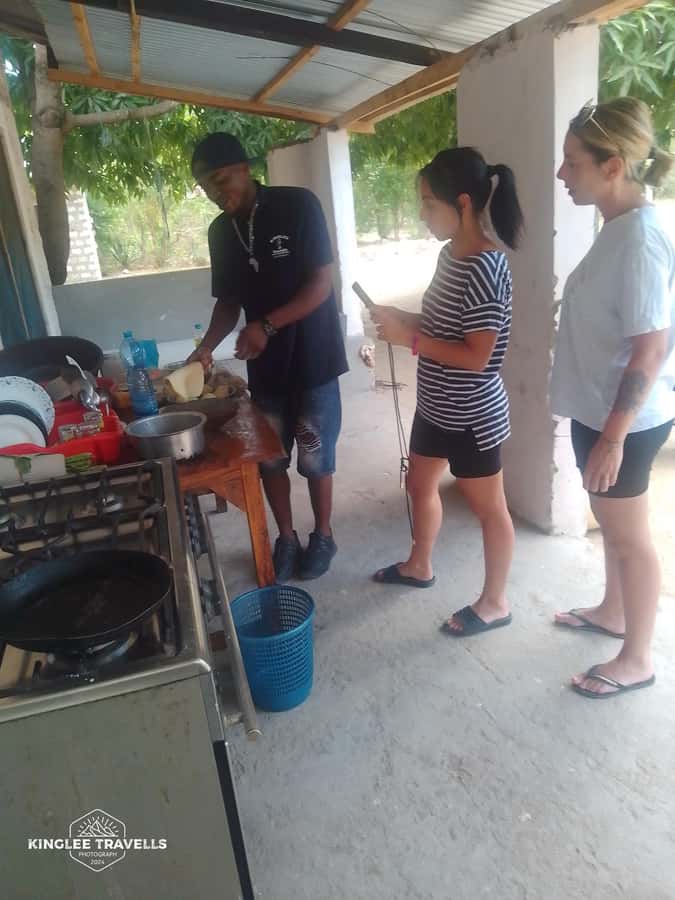
The class lasts 2 hours. That is not a problem, as long as you go in with the right expectations.
Think of it as a focused workshop:
- You learn key dishes
- You cook them actively
- You sit down and eat what you made
- You leave with skills you can remember later
If you want an all-day immersion with multiple course changes and long lecture segments, this is not that. But for most visitors, 2 hours is the sweet spot. You get meaningful instruction without exhausting your day.
If you care about timing, check availability for the starting times, since the activity runs on schedules.
Accessibility and comfort, what to plan for
The experience is marked as wheelchair accessible. That is a practical plus for anyone who needs it.
For comfort and cooking readiness, plan for a kitchen environment:
- Expect some heat and kitchen activity
- Wear something you can move in
- Bring water, especially if you are heat-sensitive
No matter which location you choose, the goal is for you to cook. That means the experience is active, not passive.
Who should book this Watamu cooking class with Jonathan
This is a strong fit if you want:
- A hands-on Kenyan cooking experience in Watamu
- A small, friendly class where you can ask questions
- A cultural moment that feels like a home visit, whether at a village kitchen or closer to your accommodation
It is also a good choice for couples and small groups, because a private class keeps it personal. If you are traveling with friends who want something different from beach-only time, this gives you a story you can tell back home.
You might skip it if:
- You hate any chance of getting a little messy
- You only want restaurant-style tasting and do not care about learning technique
- You want a long, multi-hour course with lots of theory and no cooking
Tips to get the most from your 2-hour session
A few small things can make your class smoother.
- Decide your location choice early, village or at your resort. It affects the mood of the experience.
- Wear practical clothes. Cooking can be forgiving, but it is still a working kitchen.
- Come hungry but not rushed. You will cook, then you will eat what you made.
- Ask for technique points, not just ingredients. Texture and timing are the real takeaways, especially with ugali and chapati.
- If you speak limited Swahili, you can still communicate with the host or greeter. Cooking is visual, and the class is designed to be understandable.
Final verdict: should you book?
Yes, I think you should book this Watamu cooking class with Jonathan if you want an authentic, hands-on way to learn Kenyan cooking in a small private setting. The big reasons are simple: you learn key dishes (Ugali, chapati, and samosas), the class includes pickup, and you get to eat together, so it feels complete.
Choose the village if you want the stronger cultural story. Choose your resort or house if you want convenience without losing the cooking focus. If your schedule allows, 2 hours is a smart use of time in Watamu.
FAQ
What dishes will I learn during the class?
You will learn how to cook Ugali and Chapati, and you will also learn Samosas.
Can I choose where the class takes place?
Yes. You can either be picked up and taken to Jonathan’s village, or you can request the class at your house or resort.
How long is the cooking class in Watamu?
The class lasts 2 hours.
Is this a private group or a shared experience?
It is a private group, open to up to 10 people.
What is included in the price?
The experience includes the private cooking class, private transfer/pickup, and cooking materials.
What languages are available with the host or greeter?
English, Italian, and Swahili.
Is the activity wheelchair accessible?
Yes, it is wheelchair accessible.
What is the cancellation policy?
Free cancellation is available up to 24 hours in advance for a full refund.
Can I reserve and pay later?
Yes. The option is listed as reserve now and pay later, so you can book without paying immediately.
Newest write-ups from Kenya
- Watamu: Sunset Mangrove Canoe Tour with Coconut Drink★ 3.6 · 8 reviews
- WATAMU: MALINDI: SARDEGNA ISLAND & MALINDI MARINE PARK★ 4.5 · 9 reviews
- Lake Nakuru Day Trip Safari – & Optional Lake Naivasha Boat★ 5.0 · 5 reviews
- Tsavo East National Park: 2-Day Tour from Mombasa★ 3.9 · 5 reviews
- Visit kibera Slum the chocolate city★ 4.8 · 3 reviews
- Lake Nakuru NP Half-Day Safari★ 4.0 · 4 reviews
- Tsavo East and Tsavo West Sanctuary Safari★ 5.0 · 3 reviews
- Kilimanjaro Wanderlust Day Hike★ 5.0 · 8 reviews