
REVIEW · SHOPPING TOURS
Nairobi: Explore Maasai Market for Unique Souvenirs
A good market tour saves you from guessing. This one gets you into Nairobi’s Maasai Market for real shopping help, not wandering in confusion, with bargaining guidance and time to meet the artisans behind what you buy.
I also like how the guide steers you toward quality and gives practical translation and price negotiation help, so you can shop confidently. One drawback to plan for: it is a crowded open-air market, so you need to watch your belongings and keep expectations realistic about sellers who may approach you.
If you want a souvenir run that feels personal and usable, this is a smart way to do it.
In This Review
- Key Highlights You Will Care About
- Why Maasai Market Shopping Works So Much Better With a Guide
- Hilton Arcade Meeting Point, Then You’re In Shopping Mode Fast
- What You’ll Actually See at the Maasai Market (And What to Look For)
- Bargaining Tips You Can Use Immediately (Without Getting Turned Off)
- Ethical and Direct Trade: What It Changes for Your Money
- After You Shop: Short Walking Tour and City Center Sightseeing
- Price and Value: Is $10 Worth It?
- Logistics That Matter: Cash, Weather, and Keeping Your Stuff Safe
- Tips to Get Better Deals and Better Souvenirs
- Who This Tour Suits Best
- Should You Book This Maasai Market Shopping Tour?
- FAQ
- Where is the meeting point?
- How long is the tour?
- Is there an English-speaking guide?
- What kinds of items will I be able to shop for?
- Does the tour include help with bargaining?
- Should I bring cash?
- Is the itinerary flexible?
- Is there sightseeing after shopping?
- What rules are not allowed during the tour?
- How is the tour handled if the weather changes?
Key Highlights You Will Care About
- Bargaining tips with language support so you can negotiate without awkwardness
- Meet the makers, not just the middle people selling them
- Ethical, direct buying from artisans and social impact entrepreneurs
- Quality checking guidance so you do not get stuck with low-value items
- Cash-friendly shopping since not all vendors take credit cards
- Help with carrying bulky purchases after you buy
Why Maasai Market Shopping Works So Much Better With a Guide
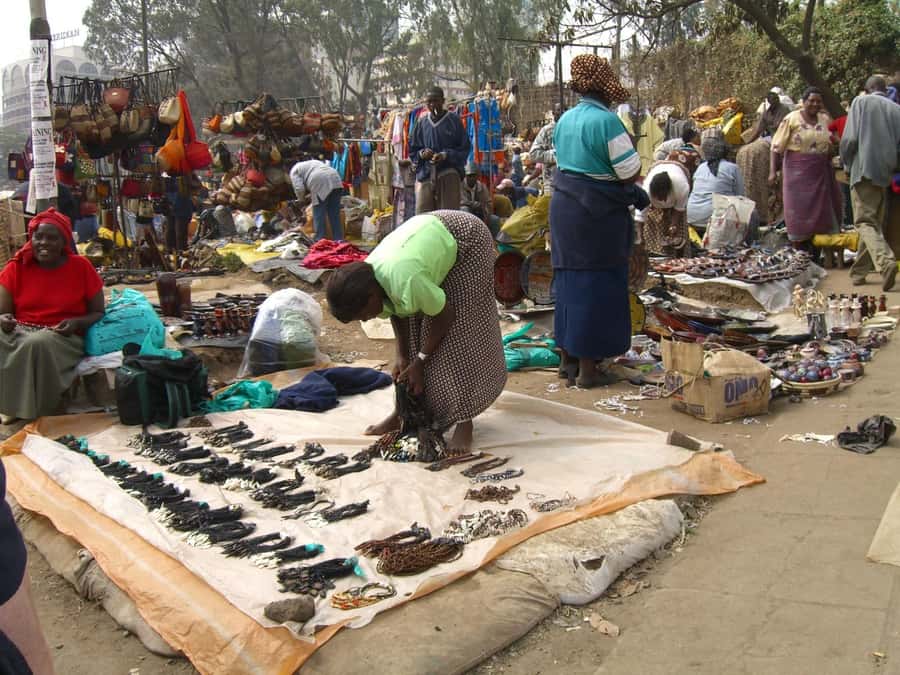
The Maasai Market in Nairobi is the kind of place where you can easily spend an hour and still feel like you bought nothing you love. The layout can be confusing, vendors are busy, and prices swing depending on who you are and how you talk. That is exactly where a local guide earns their fee.
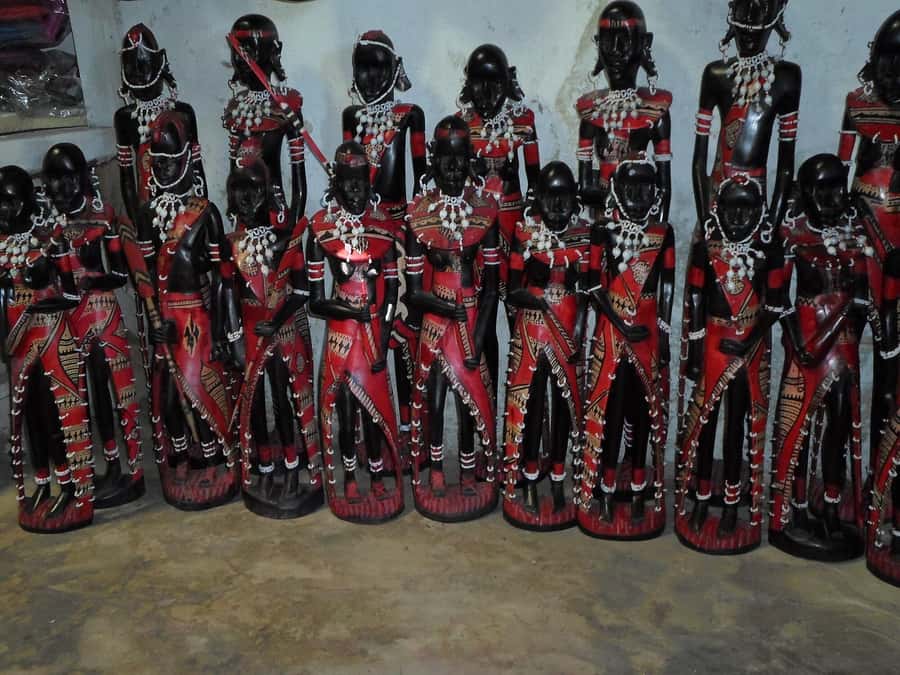
With this tour, you are not just dropped at an open-air bazaar. You start with city center gift and craft shops, then move into the Maasai Market, where you can browse handmade jewellery, textile items, carvings, paintings, and beadwork. The biggest difference is the guided approach: you learn what you are looking at, what it is made from or how it is made, and what it might mean culturally. That turns souvenirs from random shopping into items you can actually explain.
I also like that the tour is built for interaction. You get a chance to chat with artisans and entrepreneurs, which makes the buying experience feel grounded, not transactional.
More Market Tours in Nairobi:
- Traditional Kenyan Cooking Class & Local Market Tour
★ 5.0 · 129 reviews - Memorable Daily KIBERA Slums/Toi Market Tour with Locals (2 hours)
★ 5.0 · 29 reviews - Half-Day Nairobi National Park and Maasai Market with Pick up
★ 5.0 · 16 reviews
Hilton Arcade Meeting Point, Then You’re In Shopping Mode Fast
You meet at Hilton Arcade on Mama Ngina Street. That matters more than you might think. Nairobi has plenty of activity around the center, and the meeting point gives you a simple starting anchor, rather than trying to find your way while sellers are calling out to you.
From there, you walk to gift and craft shops first. This warm-up time is useful if you are new to the city. You can see what is common in the market, get a sense of price ranges, and figure out what kinds of items you actually want to carry home. It also helps you build bargaining context before you hit the Maasai Market proper.
Then you head to the open-air Maasai Market. Expect plenty of movement and lots of conversation. One note from past experiences: the market can shift day to day (it may not look identical every day, with weekend patterns). Your guide helps you find the right market spots at the right time so you do not waste time hunting.
What You’ll Actually See at the Maasai Market (And What to Look For)
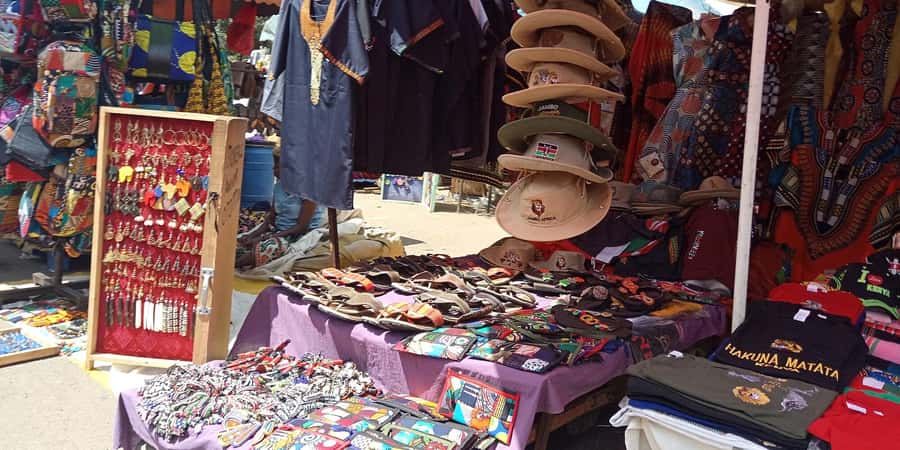
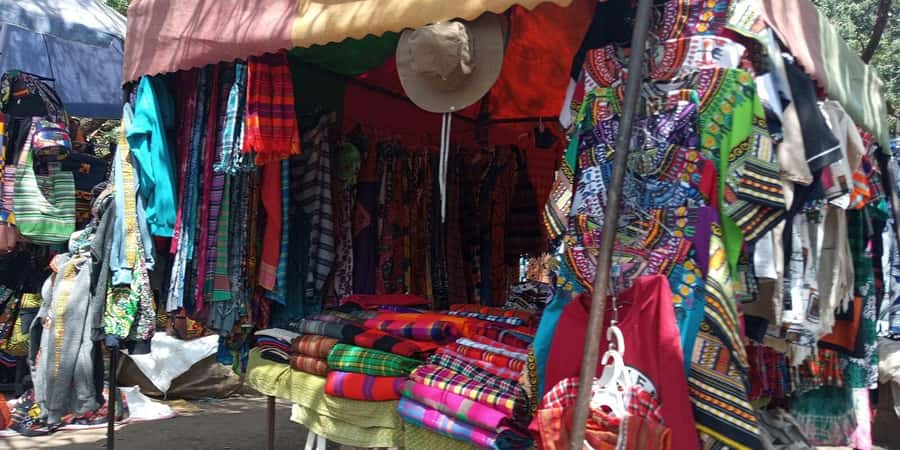
Think of the Maasai Market as an assortment of small worlds under one roofless roof. You will spot vendors selling handmade beadwork, jewellery, textiles, wood carvings, and paintings. The best part of doing this with a guide is learning the “why” behind the items.
Here are a few practical things you can pay attention to while you shop:
- Materials and finish: handmade items tend to show character, but you should still look for clean work and consistent details.
- Craft type clarity: ask what the item is, what it is made from, and how it is created.
- Scale and weight: carvings and textiles can be heavier than they look in photos, so you want an honest sense of size before you buy.
- Usability: if you want a practical gift, prioritize items you can actually use, not only display.
The guide’s translation and interpretation help matters here. When you understand how an item is made and what it might represent, you get to shop with confidence instead of relying on guesswork.
Bargaining Tips You Can Use Immediately (Without Getting Turned Off)
Bargaining is part of the market culture, but it can still feel uncomfortable if you have never done it. This tour tackles that head-on with local bargaining tips and translation help. The goal is not to “win” every deal. The goal is to negotiate in a way that feels respectful and gets you a fair price for good work.
You will likely get feedback on pricing while you shop. In other words, you can avoid the common mistake of agreeing too quickly or paying “tourist math” because you do not know the local range. The guide also knows the vendors and how the conversations typically flow, which reduces the pressure.
One thing to remember: sellers can be persistent. That does not automatically mean it is a bad experience. With a guide, you can sort out who is flexible, who is firm, and which items are priced fairly. If you walk in ready to be patient and friendly, the whole process feels more like a chat than a confrontation.
More Shopping Tours in Nairobi:
- Nairobi souvenir Shopping and Historical Half day Tour
★ 5.0 · 61 reviews - Nairobi Cultural Shopping Experience
★ 5.0 · 21 reviews - Nairobi Guided Cultural Shopping Experience Day Tour
★ 4.0 · 12 reviews - Nairobi cultural souvenir shopping tour with a local
★ 5.0 · 12 reviews
Ethical and Direct Trade: What It Changes for Your Money
“Ethical shopping” can sound vague. In this tour, it is mostly about who you are buying from and how the interaction happens. The tour focuses on supporting genuine craftsmanship through direct connections with artisans and social impact entrepreneurs.
That matters because it shifts the value chain:
- Your purchase is more likely to go toward the people making the goods.
- You can ask questions about the craft and the process.
- You get a clearer sense of whether the item is high quality or just marketed as such.
You also have more chances to meet makers face to face rather than only browsing a storefront with no conversation. That is the part that tends to stick with people, because you leave with stories you can tell later.
And if you are the kind of person who likes a practical deal, you might even get shown other craft selling centers. One past experience included a visit to a wholesale-type shop where small local retailers also purchase stock, which can be useful if you want better value for certain items. Just remember that you will not know what is available on your exact day, so your guide’s recommendations will drive what you see.
After You Shop: Short Walking Tour and City Center Sightseeing
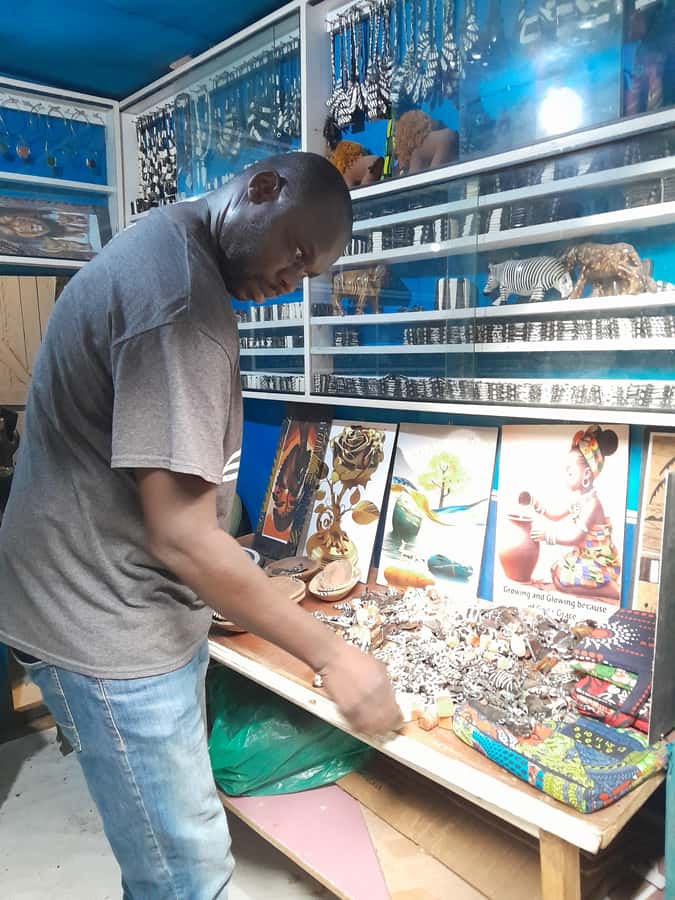
Shopping can take over your schedule, so it helps that this tour includes optional city center time. After the main market segment, you can do a short walk and sightseeing in the central Nairobi area.
This is not about packing in a long checklist of sights. It is about giving your day shape. Even if you end up focusing on purchases, the short sightseeing time helps you orient yourself in the city center, so you feel more grounded later when you go out on your own.
The itinerary can also be flexible and personalized. If you want more shopping, the guide can steer you toward additional craft production and selling centers after the market. If you want less shopping and more walking and learning, you can adjust. That flexibility is part of the value.
Price and Value: Is $10 Worth It?
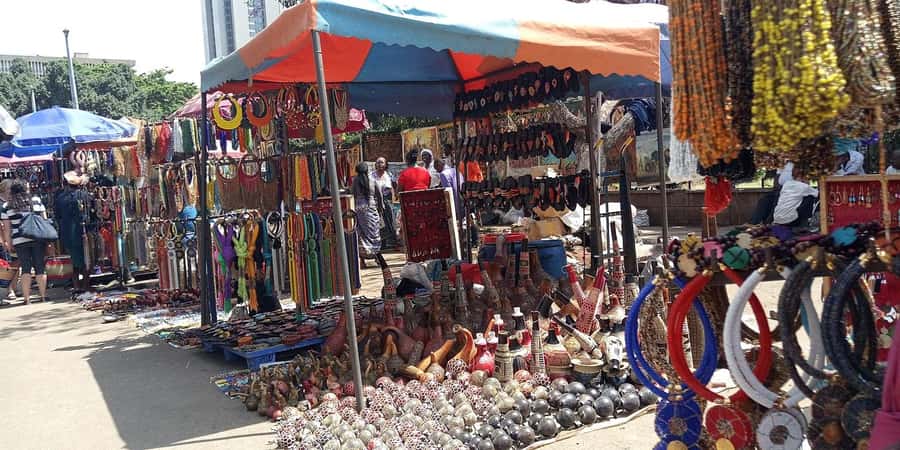
At $10 per person for about 2 hours, this is a small-ticket tour with big practical benefits. You are paying mainly for three things:
- Direction and access: you see the right places without guessing.
- Language and negotiation help: you get support on price and communication.
- Quality guidance and translation: you can shop smarter and carry less regret.
If you tried to do this alone, you might still find interesting souvenirs. But you would likely spend more time, bargain less effectively, and risk buying something you later realize you overpaid for or did not truly like. The guide helps you narrow choices faster, which is a huge deal in a market where every minute feels busy.
Also, this price level makes it easier to book without feeling like you need a perfect shopping day. If you only buy one or two items, you can still feel like the tour did its job by improving your shopping decisions.
Logistics That Matter: Cash, Weather, and Keeping Your Stuff Safe
This tour is simple, but you still need a few basics lined up.
Bring cash, because not all vendors accept credit cards. Also wear comfortable shoes since you are walking in market conditions.
Weather matters too. Nairobi can shift quickly, so bring a hat and sunscreen if it is sunny, and a light jacket if the day turns cooler. The market is open-air, so you will feel the changes.
Finally, treat this like any crowded shopping area: keep your belongings secure. Markets can attract pickpockets when people get distracted, and you do not want your day ruined by carelessness.
Tips to Get Better Deals and Better Souvenirs
Here is how to make the most of your time with the guide:
- Tell the guide what you want before you shop: gifts, personal items, and specific categories help the guide steer you.
- Ask how items are made: you will learn fast, and it usually leads to more meaningful purchases.
- Use the guide during pricing conversations: do not try to bargain blind. Let the language support do its work.
- Decide what you will carry home: size and weight matter, especially with textiles and carvings.
- Be polite but firm: friendly negotiation is normal, but you still set your limits.
One practical inclusion is help with carrying heavy or bulky shopping. That can be surprisingly valuable if you end up with larger items.
Who This Tour Suits Best
This is a great fit if you want:
- Authentic interaction with artisans and entrepreneurs
- A guided bargaining experience rather than wandering and guessing
- Meaningful souvenirs you can explain, not just random purchases
- A shopping outing with a little city orientation built in
It is especially helpful if you are traveling in a small group and want to feel more comfortable navigating a busy market. Past experiences included positive feedback about how attentive and reliable the guide can be, including for two women who felt secure during the outing.
Should You Book This Maasai Market Shopping Tour?
Yes, if your top goal is to come home with gifts you actually like, and you want help shopping with confidence. The cost is low for a guided experience, and the value comes from bargaining support, translation, and quality checking.
Book it if you:
- want a local guide who knows the vendors and can help you avoid time-wasting detours
- like conversation and learning while you shop
- appreciate direct buying and craftsmanship over generic souvenir racks
Skip it if you:
- already know exactly what you want and feel comfortable shopping and bargaining alone
- hate markets and crowds so much that any pushy selling would stress you out
FAQ
Where is the meeting point?
You meet at Hilton Arcade along Mama Ngina Street.
How long is the tour?
The tour runs for about 2 hours.
Is there an English-speaking guide?
Yes, the live tour guide speaks English.
What kinds of items will I be able to shop for?
You can browse handmade jewellery, textile items, carvings, paintings, and beadwork in the Maasai Market and nearby gift shops.
Does the tour include help with bargaining?
Yes. You get local bargaining tips and price negotiation assistance, along with translation support.
Should I bring cash?
Yes. The tour recommends bringing cash because not all vendors may accept credit cards.
Is the itinerary flexible?
Yes. The experience is customizable based on your interests, and you may visit additional craft production and selling centers if you want more shopping.
Is there sightseeing after shopping?
There is a short walking tour and city center sightseeing if you like.
What rules are not allowed during the tour?
Smoking, littering, food in the vehicle, and alcoholic drinks in the vehicle are not allowed.
How is the tour handled if the weather changes?
You should be prepared for weather changes, and bringing a hat and sunscreen for sunny days and a light jacket for cooler weather is recommended.
If you want, tell me what kinds of souvenirs you are after (beadwork, textiles, carvings, paintings, or jewellery) and your budget range, and I’ll suggest a smart shopping plan for your 2 hours.
Newest write-ups from Nairobi
- Visit kibera Slum the chocolate city★ 4.8 · 3 reviews
- 3 days maasai mara migration safari★ 4.5 · 7 reviews
- 4 Days Tour Landcruiser in Masai Mara and Lake Nakuru★ 5.0 · 10 reviews
- 4 Days Safari to Lake Nakuru N/P and Maasai Mara N/R★ 5.0 · 18 reviews
- Wildebeest Migration in Masai Mara and Sightseeing 4 Days Tour★ 4.5 · 6 reviews
- Maasai Mara Day Trip★ 5.0 · 15 reviews
- Day Tour to Nairobi national park, Elephants, and Giraffe Center★ 3.5 · 8 reviews
- Kibera Slum Tour with a Local★ 5.0 · 15 reviews
Shopping Tours, compared.
Traditional Kenyan Cooking Class & Local Market Tour
Read our review →
Nairobi souvenir Shopping and Historical Half day Tour
Read our review →
Memorable Daily KIBERA Slums/Toi Market Tour with Locals (2 hours)
Read our review →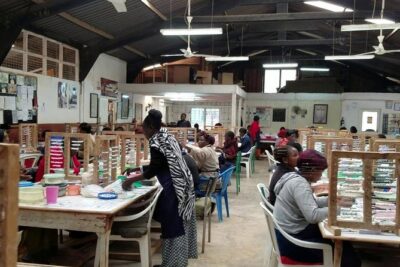

Mombasa City Tour,Fortjesus,Oldtown,Tusks and Spice Market.
Read our review →
Half-Day Nairobi National Park and Maasai Market with Pick up
Read our review →
Authentic Kenyan Cooking Class & Market Tour in Nairobi
Read our review →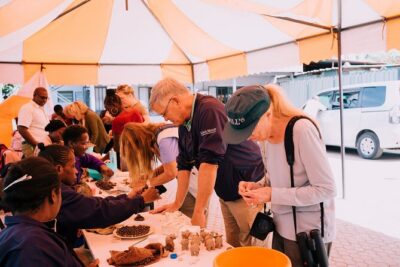
Nairobi cultural souvenir shopping tour with a local
Read our review →Browse the lists this tour appears in