
REVIEW · SHOPPING TOURS
Market Tour and Traditional Kenyan Cooking Class in Nairobi
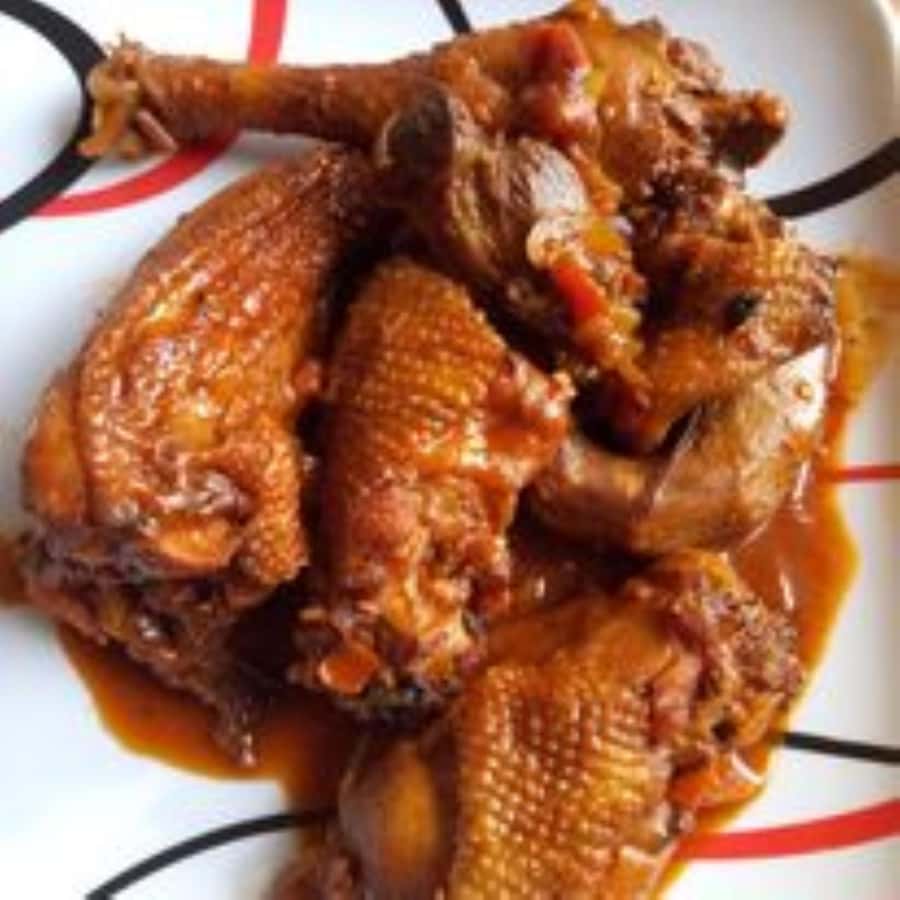
A meal you make yourself tastes different. This Nairobi experience pairs a real local market run with a home-style cooking lesson, focused on Kenyan staples like ugali and chapati. It also includes the small, human details that make cultural activities feel personal, not scripted.
I like how the day starts with shopping for fresh supplies, then shifts to learning cooking steps rather than watching from a distance. I also like that it is a private session with one English or Swahili guide, so questions actually get answered.
One possible drawback is that the host will do most of the cooking because the kitchen space is limited. You will still help, but if your dream is to do every single step yourself, manage expectations.
In This Review
- Key things to know before you go
- From K Mall Komarock to the market: your 4-hour flow
- Market shopping in Nairobi: fresh supplies and how to spot good ingredients
- Cooking from scratch: ugali, chapati, and curries you can repeat
- Inside the home kitchen: what you’ll do and what the host will handle
- What you’ll eat and why it matters beyond the menu
- Price and value: is $55 a smart use of time?
- Your guide: Evaline Mbugua, friendly teaching, and cultural context
- Who should book this Nairobi cooking class
- What logistics to plan for before you meet
- Should you book this market tour and cooking class?
- FAQ
- Where is the meeting point?
- How long is the market tour and cooking class?
- How much does it cost?
- Is the session private or shared?
- What languages does the live guide speak?
- What is included in the price?
- What is not included, and can I use Uber to get there?
- Is there free cancellation?
- Can I reserve now and pay later?
Key things to know before you go
- Market-first approach: you source ingredients locally before cooking starts.
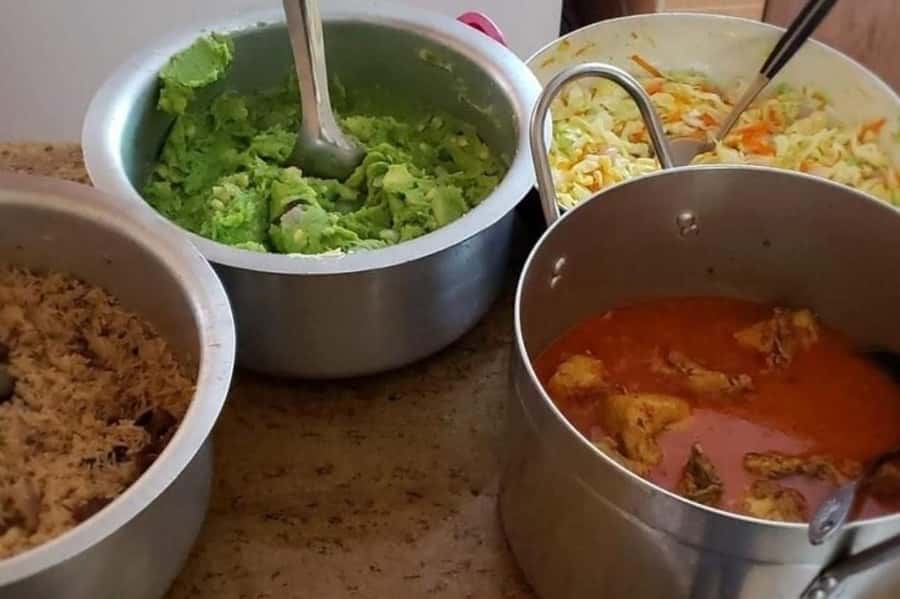
- Ugali and chapati focus: classic Kenyan comfort food and an Indian-influenced bread style.
- Kenyan and Indian flavors: curries and dishes that reflect Nairobi’s food mix.
- Private, one-to-one feel: guidance is more personal than large group classes.
- Home-kitchen reality: cooking happens in a small space, so the host leads key parts.
From K Mall Komarock to the market: your 4-hour flow
You start at the K Mall Komarock parking lot, a clear landmark that helps if you are juggling Nairobi traffic. From there, the day moves in a simple rhythm: market first, then home cooking, then eating what you helped make.
The total time is 4 hours. That is long enough to shop, learn, cook, and actually sit down for the meal, but it stays tight enough that you are not spending your whole day in transit. You can treat it like a half-day cultural project: active, focused, and food-centered.
Because this is a private group session, you are not squeezed into a bigger crowd. That matters. Smaller groups usually mean more questions, more chances to taste and adjust, and less standing around waiting for your turn.
More Market Tours in Nairobi:
- Traditional Kenyan Cooking Class & Local Market Tour
★ 5.0 · 129 reviews - Memorable Daily KIBERA Slums/Toi Market Tour with Locals (2 hours)
★ 5.0 · 29 reviews - Half-Day Nairobi National Park and Maasai Market with Pick up
★ 5.0 · 16 reviews
Market shopping in Nairobi: fresh supplies and how to spot good ingredients
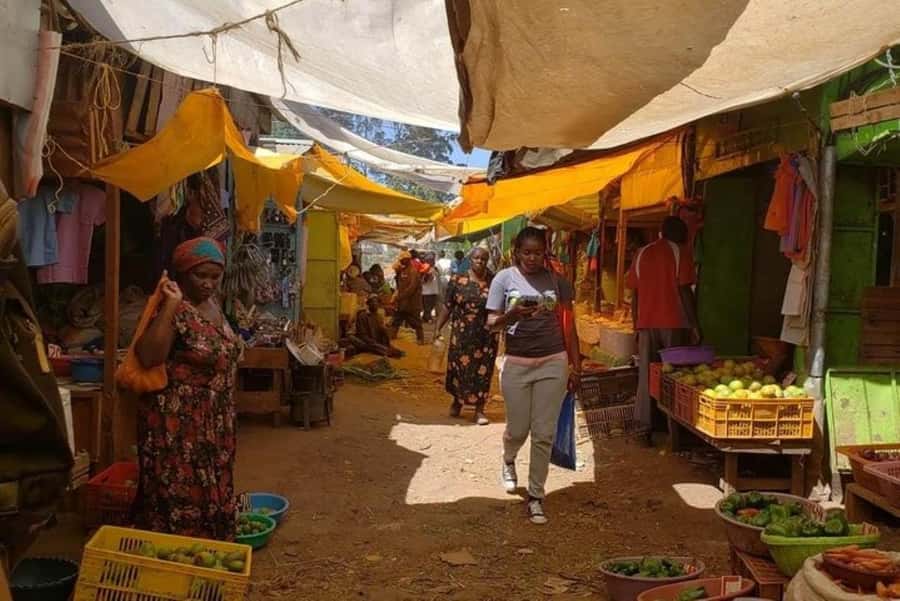
The market stop is the real launchpad for this experience. You go to buy fresh, organic supplies for the meal, so the cooking lesson begins with ingredient choices, not just recipes.
In practice, this part teaches you how Kenyan home cooks think about a dish. You are not just picking produce at random. You are selecting what will go into the food you will eat later, which makes the cooking steps easier to understand. If someone explains why certain ingredients work together, you feel it immediately once you cook.
This is also where the cultural value shows up. The market is everyday life. You see how people shop, how stalls are organized, and how food is handled in a way that feels normal to locals. One of the strongest themes from past participants is that the market tour feels authentic, not staged.
Practical tip: come with a mindset of walking and looking, not sprinting for photos. If you are curious, ask about ingredients you spot. Since your guide speaks English and Swahili, you can usually get straight answers.
Cooking from scratch: ugali, chapati, and curries you can repeat
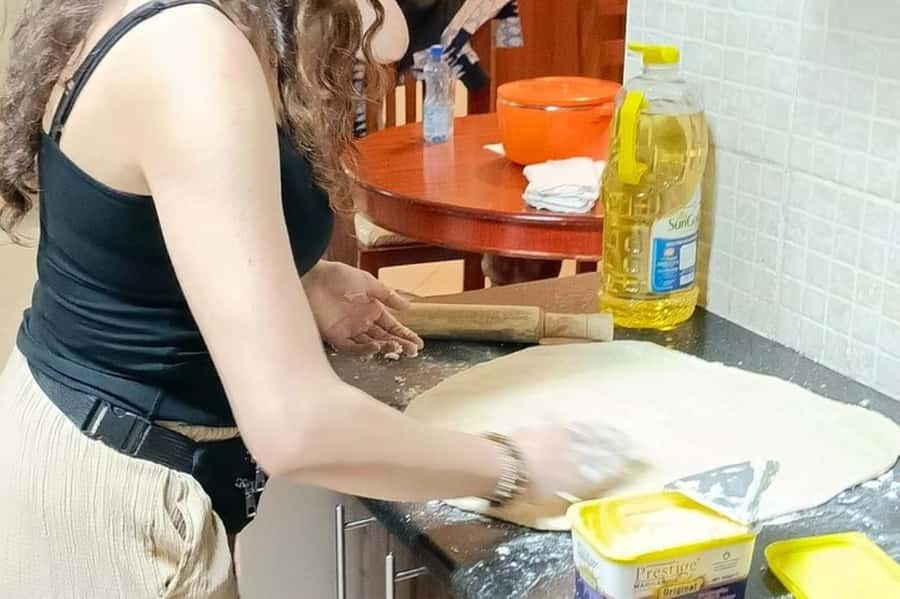
After the market run, you head to the host’s home and start cooking. The structure is straightforward: you learn and help, while the host manages the steps that need speed, skill, or just a bit more space than a small kitchen allows.
The menu centers on familiar Kenyan favorites, plus the Kenyan and Indian flavor overlap you see across Nairobi. Expect lessons built around:
- Ugali (cornmeal staple)
- Chapati (the bread with Indian influence)
- Curries and classic cooked dishes like pilau (rice prepared with spices)
This is not just a demonstration. The format is meant to teach you what to do, not only what it looks like when it is done. When you measure or stir alongside the cook, you start to understand how texture and timing guide the outcome. Ugali, for example, is all about the right consistency, and chapati depends on dough handling and how heat hits the surface.
One of the most praised parts of the experience is the way the guide teaches these dishes in an approachable way. Past participants highlighted learning a lot about Kenyan culture alongside the cooking. That pairing is useful. If you know what people eat at home and why, you cook with more context and more confidence.
Food you make, in the same order you learned it, also helps you remember. You are not trying to memorize a recipe while hungry. You are cooking, eating, and processing the lesson in one go.
Inside the home kitchen: what you’ll do and what the host will handle
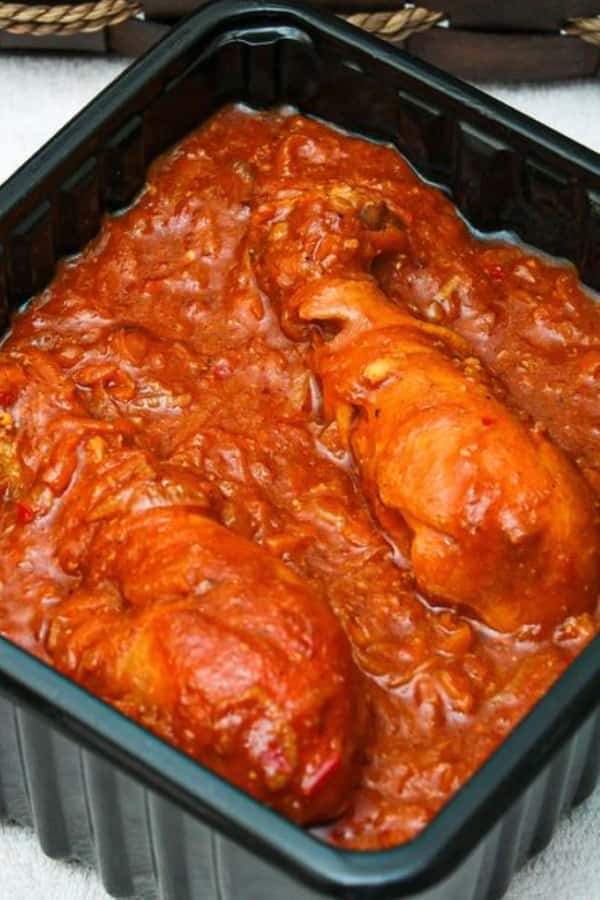
The cooking happens in a smaller home kitchen. That is not a problem, but it does shape how your participation will look.
Due to space constraints, the host will do most of the cooking. You will still get your hands involved, but think of it as guided participation rather than full control of the stove the entire time. This is a good setup if you want to learn practical technique without worrying that the whole meal depends on your timing.
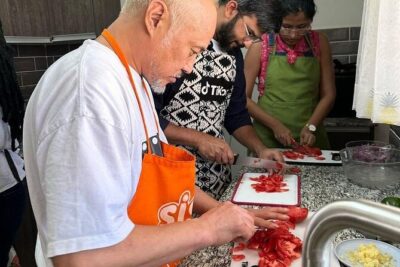
What makes this work well is how the host structures help. You can expect step-by-step guidance and chances to assist, from ingredient preparation to mixing and helping with components of the meal. In reviews, people specifically noted that participants were able to help and were impressed by how much the host accomplished in a small space.
There is also a social, human side to it. One review described preparing together on the sofa and having time to talk about yourselves. That kind of conversation turns the class into a real evening-style hangout, even though the whole thing lasts only 4 hours.
If you prefer a strictly formal class where everything is silent and technical, you might find the home vibe a bit casual. If you enjoy normal conversation and cultural exchange, you will probably love it.
More Shopping Tours in Nairobi:
- Nairobi souvenir Shopping and Historical Half day Tour
★ 5.0 · 61 reviews - Nairobi Cultural Shopping Experience
★ 5.0 · 21 reviews - Nairobi Guided Cultural Shopping Experience Day Tour
★ 4.0 · 12 reviews - Nairobi cultural souvenir shopping tour with a local
★ 5.0 · 12 reviews
What you’ll eat and why it matters beyond the menu
This tour is not only about learning names of dishes. It is about understanding the Kenyan home meal style: filling staples, warm sauces, and shared cooking where you taste as you go.
With ugali, you get a base that anchors the meal. Chapati adds comfort and a bread element that pairs well with sauces. Curries and pilau bring the spiced, aromatic layer that makes the whole plate feel complete.
The Kenyan and Indian influence matters because it explains why flavors can feel familiar if you have eaten spiced foods elsewhere. It also gives you a better mental map for recreating the dishes later. Instead of a single-country flavor, you learn a Nairobi blend of influences you can recognize in everyday meals.
This matters for real travel value. A cooking class is only as good as the meal you can recreate. Here, the dishes are practical, common at home, and built from techniques you can apply in your own kitchen.
Price and value: is $55 a smart use of time?
The price is $55 per person for a 4-hour private session. That might sound modest or steep depending on what you compare it to, so here is the practical value check.
Included in the price:
- Food
- Soda
- Fruits
- Water
- Transport to and from the market
Not included:
- Uber fees
When you see it like that, the deal starts to make more sense. You are not only paying for cooking instruction. You are paying for guided local market shopping, ingredient sourcing, transportation between locations, and the full meal components.
Also, because it is private, the value shifts in your favor if you are traveling in a small group. You are paying for access to a home kitchen experience with direct guidance, not splitting attention with a crowd. If you like that kind of personal interaction, $55 can be very reasonable.
Budget reality: if you need Uber to reach the meeting point at K Mall Komarock, plan for that extra ride. Transport to and from the market is covered, but the first and final local trips might still be on you.
Your guide: Evaline Mbugua, friendly teaching, and cultural context
The experience provider is Evaline Mbugua. In participant notes, she is also referred to as Mary Evelyn, which suggests the same host may use both names depending on how she is introduced.
What stands out is her teaching style. Multiple reviews describe her as pleasant and kind, and specifically mention that she taught a lot about Kenyan culture, not only cooking steps. That matters because cultural context is what turns a recipe lesson into something you carry home.
Language support is built in. The live guide works in English and Swahili, so you should feel comfortable asking questions or clarifying steps as you cook.
For me, the best part is how teaching feels personal in a home setting. When you are asking why a dish works one way, or what ingredient differences change the result, a guide who can explain clearly makes the whole class more valuable.
Who should book this Nairobi cooking class
This is a great fit if you want:
- A hands-on Kenyan food lesson, focused on real home dishes
- A market visit that feels like everyday Nairobi food shopping
- A private session with a warm, teaching-centered host
- A meal with Kenyan and Indian-influenced flavor, not just one-note spices
It is also ideal for food travelers who like learning by doing, even if the kitchen is small. You will still help, taste, and get guidance, with the host taking the lead for the trickier parts.
If you are very picky about dietary restrictions, the tour data does not spell out substitutions. You should message ahead and ask what is possible for your needs. The experience is also only 4 hours, so it is better for people who want a focused half-day rather than a long multi-stop food tour.
What logistics to plan for before you meet
You meet at the K Mall Komarock parking lot. That is the main coordination point you need to anchor your day. Since Uber fees are not included, figure out how you will get there on time based on where you are staying.
Also think about the format once you arrive. You are going from market walking to a home kitchen. Wear comfortable shoes. You might also want to have your phone ready, but keep one eye on cooking. This is more useful as an experience than as a filming project.
The guide speaks English and Swahili, which helps you prepare questions in advance if you have them. If you know you want to learn something specific about ugali consistency or chapati texture, note it, then ask during the cooking.
Should you book this market tour and cooking class?
If your idea of a great Nairobi day includes market ingredients, home cooking, and learning staples like ugali and chapati, this is an easy “yes.” The private format, the guided shopping, and the focus on what you actually eat make it feel like practical cultural travel, not a rushed show.
I would book it especially if you like personal teaching and you want to talk with the host while you cook. If you need full hands-on control every minute, keep in mind the host does most of the cooking because of kitchen space.
FAQ
Where is the meeting point?
You meet at the K Mall Komarock parking lot to proceed to the market.
How long is the market tour and cooking class?
The total duration is 4 hours.
How much does it cost?
The price is $55 per person.
Is the session private or shared?
It is a private group session.
What languages does the live guide speak?
The live tour guide speaks English and Swahili.
What is included in the price?
Food, soda, fruits, water, and transport to and from the market are included.
What is not included, and can I use Uber to get there?
Uber fees are not included.
Is there free cancellation?
Yes, you can cancel up to 24 hours in advance for a full refund.
Can I reserve now and pay later?
Yes, you can reserve now and pay later, with no payment today.
Newest write-ups from Nairobi
- Visit kibera Slum the chocolate city★ 4.8 · 3 reviews
- 3 days maasai mara migration safari★ 4.5 · 7 reviews
- 4 Days Tour Landcruiser in Masai Mara and Lake Nakuru★ 5.0 · 10 reviews
- 4 Days Safari to Lake Nakuru N/P and Maasai Mara N/R★ 5.0 · 18 reviews
- Day Tour to Nairobi national park, Elephants, and Giraffe Center★ 3.5 · 8 reviews
- Wildebeest Migration in Masai Mara and Sightseeing 4 Days Tour★ 4.5 · 6 reviews
- Maasai Mara Day Trip★ 5.0 · 15 reviews
- Kibera Slum Tour with a Local★ 5.0 · 15 reviews
Shopping Tours, compared.
Traditional Kenyan Cooking Class & Local Market Tour
Read our review →
Nairobi souvenir Shopping and Historical Half day Tour
Read our review →
Memorable Daily KIBERA Slums/Toi Market Tour with Locals (2 hours)
Read our review →

Mombasa City Tour,Fortjesus,Oldtown,Tusks and Spice Market.
Read our review →
Half-Day Nairobi National Park and Maasai Market with Pick up
Read our review →
Authentic Kenyan Cooking Class & Market Tour in Nairobi
Read our review →
Nairobi cultural souvenir shopping tour with a local
Read our review →Browse the lists this tour appears in