
REVIEW · SHOPPING TOURS
Explore local Market matatu ride & Make Kenyan Cuisines with a home cook
A Nairobi matatu plus cooking lessons is a smart combo. This half-day experience pairs a local market ingredient hunt with a private home-cooking class led by Josephine rukaria, so you see how people actually eat. I like the fact that it is hands-on, plus you get the one-to-one attention that big classes rarely manage. The main thing to consider is that you will be using public transport during parts of the experience, so wear shoes you can manage on busy roads.
You start around Mall Westlands, ride a matatu to shop with local vendors, then head to Josephine’s home to learn how to make a five-course meal with Kenyan and Indian influences. You’ll cook with step-by-step guidance, taste as you go, and finish with lunch in a peaceful, family-style setting where the focus is on Kenyan hospitality.
In This Review
- Key things that make this experience worth your time
- Market First, Then the Pot: Why the matatu matters here
- Starting at Mall Westlands, then heading to the local market
- Riding a matatu, tasting Nairobi in motion
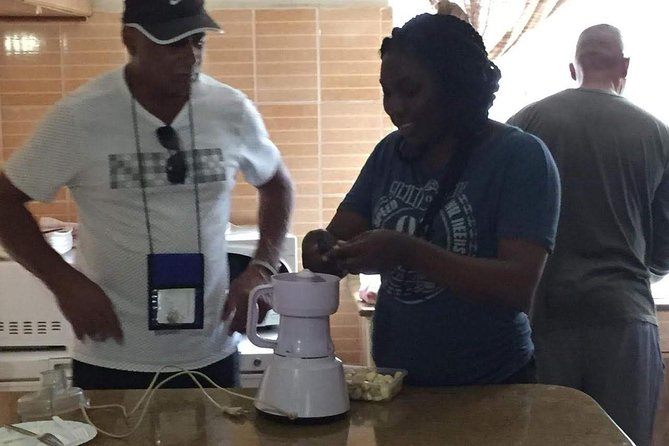
- Cooking at Josephine rukaria’s home: private, hands-on, and step-by-step
- The five-course Kenyan and Indian menu, and what to look for
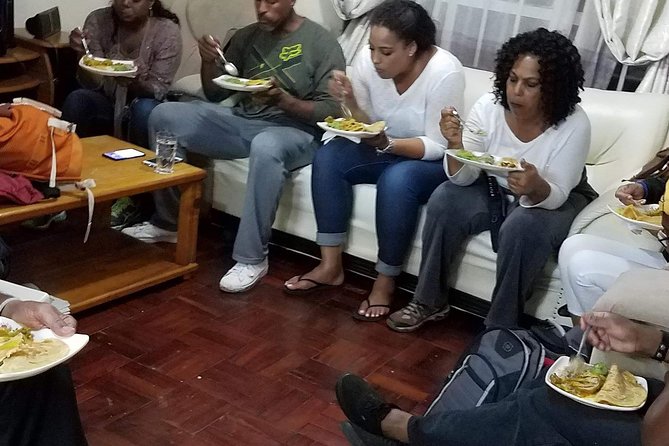
- Lunch, coffee or tea, and a peaceful meal with context
- Price and logistics: what you are really paying for
- Who this experience suits best (and who should be cautious)
- Tips to get the most out of your market and cooking day
- Should you book this Nairobi market and home cooking class?
- FAQ
- Where does the experience start and end?
- How long is the cooking experience?
- Is this a private tour or a group activity?
- What happens first, the market or the cooking?
- Do I need to bring ingredients or cooking equipment?
- Is hotel pickup included?
Key things that make this experience worth your time
- Matatu ride as part of the lesson so you are not just watching cooking, you are seeing local daily life
- Private teaching for your group gives you time to ask questions while you cook
- Fresh market sourcing means your meal starts with ingredients that look and smell like they were chosen for real eating
- Five-course Kenyan and Indian menu with dishes like curries and ugali (cornmeal)
- No need to bring ingredients since the class provides what you need, including equipment
Market First, Then the Pot: Why the matatu matters here
This is not a sit-down food talk. It is a food day with movement. The matatu ride connects the meal to the city in a way that makes your cooking lesson feel grounded. You get to experience how local transport works, and you also get a chance to interact with vendors in the market while you choose produce and other ingredients.
For you, that translates into two big benefits. First, you learn what matters at the ingredient stage, not just the cooking stage. Second, it makes your five-course meal feel like something you built, not something served to you. That makes it easier to remember techniques, spice mixes, and timing.
One more practical note I really like: the experience uses transportation to and from the market, so you are not planning routes or figuring out how to get to a kitchen on your own. You still ride local transit during the program, but the main logistics are handled.
More Market Tours in Nairobi:
- Traditional Kenyan Cooking Class & Local Market Tour
★ 5.0 · 129 reviews - Memorable Daily KIBERA Slums/Toi Market Tour with Locals (2 hours)
★ 5.0 · 29 reviews - Half-Day Nairobi National Park and Maasai Market with Pick up
★ 5.0 · 16 reviews
Starting at Mall Westlands, then heading to the local market
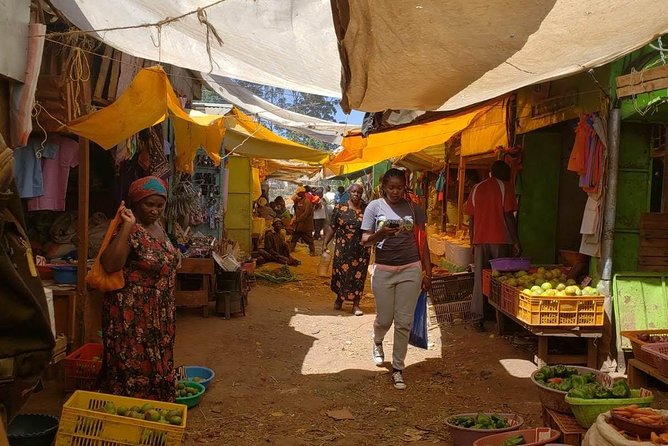
The day begins at Mall Westlands. From there, you go by matatu to a local market where you will shop for fresh ingredients. This part is short enough to keep energy up, but long enough to do real selection and talk with vendors.
What you will likely do in the market is simple but important: pick out produce that will hold up in cooking, choose items that match your menu, and learn how recipes start with what is available and what looks best that day. The experience is set up so you do not just pass through stalls. You buy ingredients, then carry that shopping momentum into the cooking step.
A few things to keep in mind so you enjoy this section:
- Expect close quarters in markets, with people moving fast.
- Go with comfortable, covered shoes since you are walking on uneven surfaces.
- Bring patience for vendor bargaining style, fast talk, and frequent questions.
If you get nervous about interacting with vendors, you are not alone. A private guide can help you ask the right questions and understand why certain items get chosen. That matters because the market choices influence the texture, flavor, and even how long things take to cook.
Riding a matatu, tasting Nairobi in motion
The matatu segment is one of the most praised parts, and for good reason. It is not just transport. It is a front-row view of Nairobi’s everyday rhythm. You will be able to get on and off, watch how people move, and take in the energy of the route while still staying within a guided plan.
There is also an interaction angle. You may have chances to speak with people along the way and to see how the experience fits into daily routines. That is the difference between checking a box and actually understanding what a place feels like.
This is also where a consideration comes in. Matatus can be busy, and roads can be bumpy. If you are prone to motion sickness or you prefer very quiet experiences, you might find this part a bit intense. The flip side is that it makes the cooking lesson more real, because it is tied to how locals move and shop.
Cooking at Josephine rukaria’s home: private, hands-on, and step-by-step
After the market, you head to Josephine rukaria’s home for the cooking lesson. This is a true home setup, not a classroom kitchen. You cook in a space that feels lived-in, and the overall vibe is calm and welcoming.
The structure is the key. You get step-by-step guidance, and the pacing is built around what you are doing in the moment. You should expect to get your hands dirty. That is not a throwaway line. It means you will chop, mix, handle ingredients, and learn techniques through doing, not watching.
Josephine’s teaching style stands out in the details. People describe her as patient and funny, with a smart, relaxed way of explaining both cooking and Kenyan culture. That combination is practical. You can follow what you are doing, and you also understand why certain choices are made, like how spices are used and how different dishes fit into a meal.
And because it is private, your questions do not get squeezed into a group schedule. If you want to know why ugali turns out right or what makes a curry taste balanced, you can ask. That one-to-one attention is often the difference between leaving with great photos and leaving with techniques you can actually reproduce later.
More Shopping Tours in Nairobi:
- Nairobi souvenir Shopping and Historical Half day Tour
★ 5.0 · 61 reviews - Nairobi Cultural Shopping Experience
★ 5.0 · 21 reviews - Nairobi Guided Cultural Shopping Experience Day Tour
★ 4.0 · 12 reviews - Nairobi cultural souvenir shopping tour with a local
★ 5.0 · 12 reviews
The five-course Kenyan and Indian menu, and what to look for
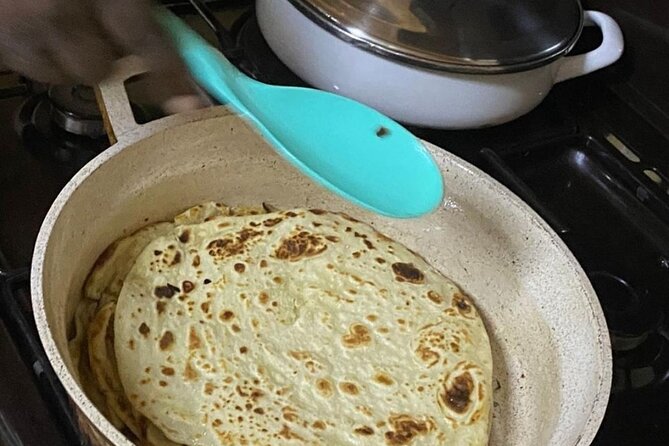
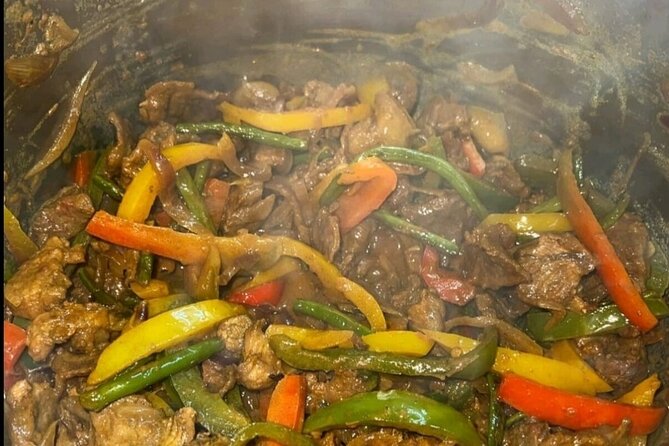
You are set up to cook a five-course meal with Kenyan and Indian influences. The menu includes dishes such as curries and ugali (cornmeal). Even if you have never cooked ugali before, this format is a good way to build confidence, because you learn core skills that show up across different dishes.
Here is what to pay attention to during the lesson, because it is where your learning will stick:
- Spice handling and timing: You will learn secrets and techniques using spices firsthand. Watch when spices go in, and how fragrant they become as they cook.
- Ugali texture: Ugali is a consistency game. You will see how the dough changes as you mix and heat. The goal is to get the right firmness without making it too dry or too loose.
- Curry foundations: Indian influence shows up in how curries are built, especially around aromatics and spice layering. You will learn the logic of flavor, not just the ingredients.
Also, the meal is not only for eating. It is for practicing. By the end, you should feel like you can explain what you made, and you will have a sense of how to adjust flavors next time. That is the real value of a hands-on lesson.
Lunch, coffee or tea, and a peaceful meal with context
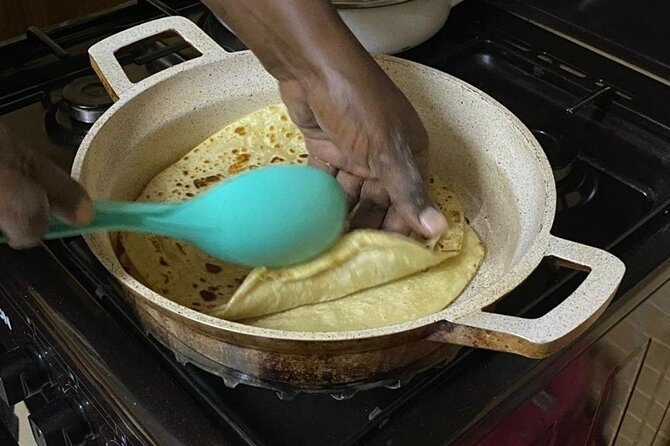
Once you finish cooking, you eat what you made. The experience includes lunch, plus coffee and/or tea, and bottled water. Fruits are also included as part of the day’s food plan.
What makes this meal special is not fancy plating. It is the setting. You enjoy the food privately in a peaceful, tranquil environment with family, friends, and travelers from around the world. That mix changes the feel of dinner. You get conversation, but you are not stuck in a loud restaurant scene.
And because you cooked the dishes yourself, the dining part becomes a kind of feedback loop. If something tastes a bit off, you can connect that to what you did during the lesson. That helps you learn without the pressure of a formal class.
Price and logistics: what you are really paying for
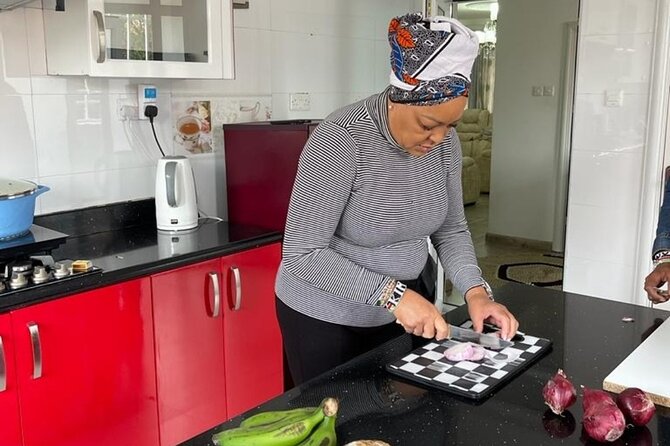
The price is $60 per person for about four hours. For Nairobi, that is a reasonable package when you look at what’s included: market ingredient sourcing (with the guided shopping experience), transportation to and from the market, cooking equipment, water, fruits, and a five-course meal with lunch plus coffee and/or tea.
Here is the value logic I use when judging this kind of tour:
- You are paying for an actual guide in two roles: market help and cooking instruction.
- You are paying for someone to manage the transitions, from shopping to cooking.
- You are paying for ingredients and equipment so you do not lose time or money on extra shopping.
What you are not paying for is hotel pickup and drop-off. So you should plan to handle your own getting to the start point near the P.O. Box 66283 area, and to the end point on David Osieli Road. The good news is the tour is near public transportation, so you are not locked into taxis.
Mobile ticketing is also included, so you should have fewer paper hassles on the day.
Who this experience suits best (and who should be cautious)
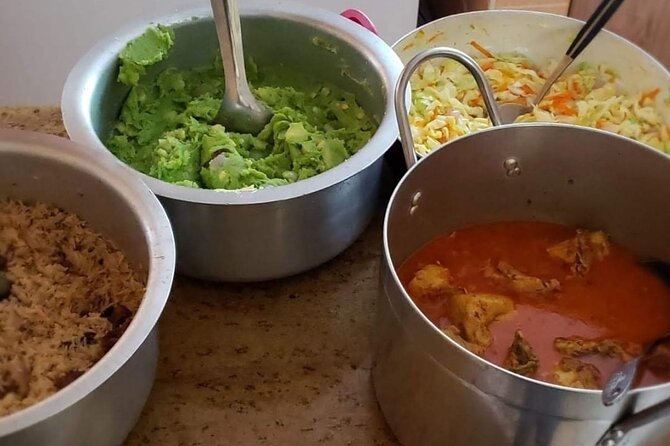
This experience is a strong match if you want:
- A practical cooking lesson you can repeat at home
- A look at Nairobi through local shopping and local transport
- A private, calmer class instead of a big-group scramble
It also seems especially good for families. Josephine has been described as great with kids, and the home setting helps keep the mood relaxed.
You might want to think twice if:
- You dislike public transit rides or prefer private, vehicle-only tours
- You have dietary needs that are complex, because the only stated support is that you should let the organizer know about food intolerance
If you do have food intolerance, message ahead. That is the right move, since the menu is built around specific ingredients. You deserve clarity early, not at the table.
Tips to get the most out of your market and cooking day
Even with a well-run guide, you can make your experience smoother with a few simple choices:
- Wear long pants and comfortable shoes. You will move through a market and cook at home.
- Bring a light layer. Kitchens and indoor spaces can vary in temperature.
- Come hungry in a good way. You are going to shop, cook, and eat. Not all the meals of the day are included, but lunch is.
- Ask questions as you cook. This class is best when you treat it like a conversation, not a performance.
- Focus on the spice method. Ingredients matter, but technique is the difference between copying a recipe and cooking like you understand it.
If you are the type who loves food culture as much as food itself, you will also enjoy learning why the dishes are shaped the way they are. That cultural context is part of the teaching style described by past participants, and it helps everything click.
Should you book this Nairobi market and home cooking class?
If your idea of a great food tour includes real hands-on cooking, fresh market shopping, and local transport, then yes, this one is worth booking. The private format with Josephine rukaria is a big deal, and the five-course Kenya and Indian menu gives you enough variety to feel like you gained real skills.
Book it if you want value that shows up in your stomach and your learning. You will come away with techniques you can repeat, plus a better sense of everyday Nairobi life through a matatu ride and market sourcing.
Skip it if you want zero movement, zero interaction, and only a restaurant meal. This experience is about cooking and shopping, not just eating.
FAQ
Where does the experience start and end?
It starts at P.O. Box 66283, Nairobi, Kenya, and it ends at David Osieli Road, Nairobi, Kenya. The route includes travel between the market area and Josephine’s home.
How long is the cooking experience?
The experience is about 4 hours.
Is this a private tour or a group activity?
It is a private tour or activity. Only your group will participate.
What happens first, the market or the cooking?
You start at Mall Westlands, ride a matatu to the local market to buy fresh produce, then you head to Josephine’s home to cook.
Do I need to bring ingredients or cooking equipment?
No. Ingredients are provided, and cooking equipment is included.
Is hotel pickup included?
Hotel pick up and drop off are not included, so you will need to make your own way to the meeting point and back.
Newest write-ups from Nairobi
- Visit kibera Slum the chocolate city★ 4.8 · 3 reviews
- 3 days maasai mara migration safari★ 4.5 · 7 reviews
- 4 Days Safari to Lake Nakuru N/P and Maasai Mara N/R★ 5.0 · 18 reviews
- 4 Days Tour Landcruiser in Masai Mara and Lake Nakuru★ 5.0 · 10 reviews
- Day Tour to Nairobi national park, Elephants, and Giraffe Center★ 3.5 · 8 reviews
- Wildebeest Migration in Masai Mara and Sightseeing 4 Days Tour★ 4.5 · 6 reviews
- Maasai Mara Day Trip★ 5.0 · 15 reviews
- Kibera Slum Tour with a Local★ 5.0 · 15 reviews
Shopping Tours, compared.
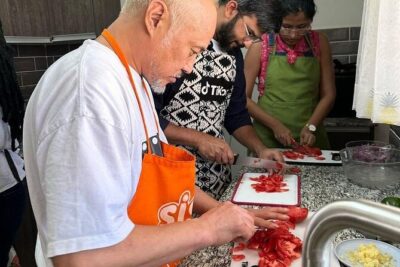
Traditional Kenyan Cooking Class & Local Market Tour
Read our review →
Nairobi souvenir Shopping and Historical Half day Tour
Read our review →
Memorable Daily KIBERA Slums/Toi Market Tour with Locals (2 hours)
Read our review →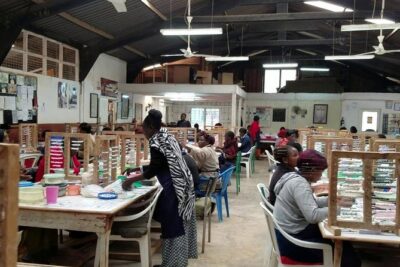

Mombasa City Tour,Fortjesus,Oldtown,Tusks and Spice Market.
Read our review →
Half-Day Nairobi National Park and Maasai Market with Pick up
Read our review →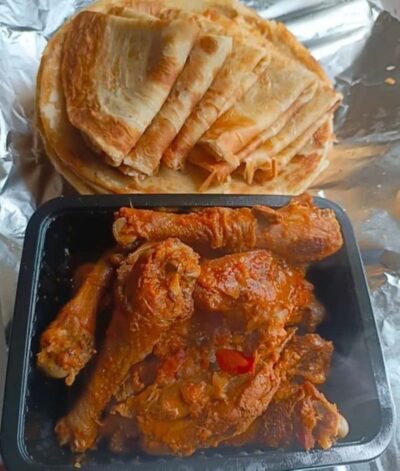
Authentic Kenyan Cooking Class & Market Tour in Nairobi
Read our review →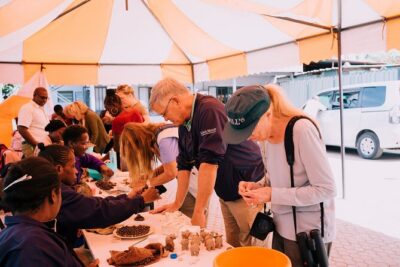
Nairobi cultural souvenir shopping tour with a local
Read our review →Browse the lists this tour appears in