
REVIEW · COOKING CLASSES
Private Kenyan Cooking Class in Nairobi with a Local
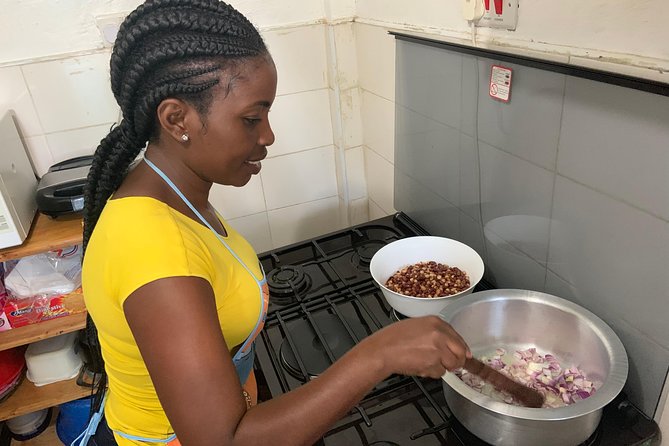
Your hands get messy, but the stories do too. This private Kenyan cooking lesson in Nairobi feels like stepping into a real household, with Grace guiding you through classics like mukimo and ugali. I love the home-kitchen access and the way you can learn a menu you can actually recreate. One thing to consider first: Grace’s kitchen is very small, so you’ll watch a lot, with hands-on help when space allows.
This is a 3-hour experience that starts at 11:00 am and ends back at the meeting point. You’ll spend about an hour cooking during a demonstration, then sit down together to enjoy what you made. It’s private, so it’s just your group.
If you like food that’s hearty, simple, and built for everyday life, this is a great fit. Come hungry, bring questions, and be ready for a cozy setup rather than a big cooking studio.
In This Review
- Key highlights you should notice
- A Nairobi home kitchen lesson in mukimo, ugali, and more
- What the 3-hour workshop feels like (and how space changes the format)
- The menu you’ll learn: mukimo, ugali, pilau, and local vegetables
- Grace’s role as host: welcoming, story-led, and hands-on when you can
- Getting value from a private class in Nairobi
- How to make what you learn when you’re back home
- Practical tips for a smooth experience in Grace’s Nairobi kitchen
- Who should book this class with Grace, and who might want another option
- Should you book this Nairobi cooking class?
- FAQ
- What time does the cooking class start, and how long is it?
- Is this a private experience?
- Will I be cooking the whole time, or mostly watching?
- What dishes will we learn to make?
- Where does it take place, and do we return to the start point?
- Is the location easy to reach and can service animals attend?
- How does confirmation and cancellation work?
Key highlights you should notice
- Grace’s home setting in Nairobi, not a restaurant kitchen, gives it that real household feel
- Mukimo and ugali basics you can repeat at home with pantry-friendly variations
- A small-kitchen setup, so it’s mostly demonstration with chances to help
- Spiced rice and local vegetables round out a classic Kenyan meal
- Grandmother stories tied to how mukimo has been made in the family for generations
A Nairobi home kitchen lesson in mukimo, ugali, and more
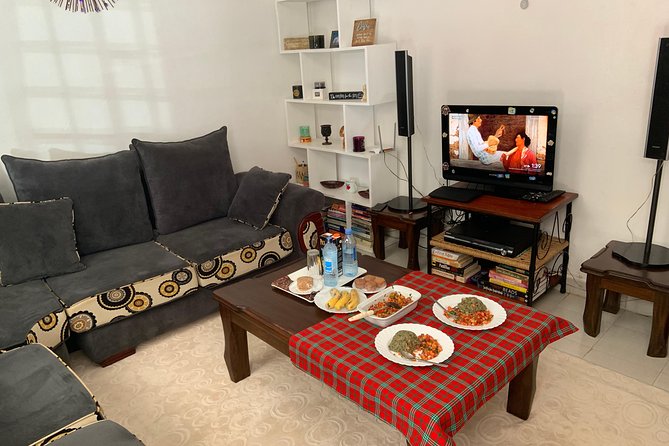
Kenyan cooking is more than recipes. It’s comfort food, family routine, and practical technique. In Nairobi, this private workshop gives you a close look at how a traditional meal comes together inside a real home, led by Grace.
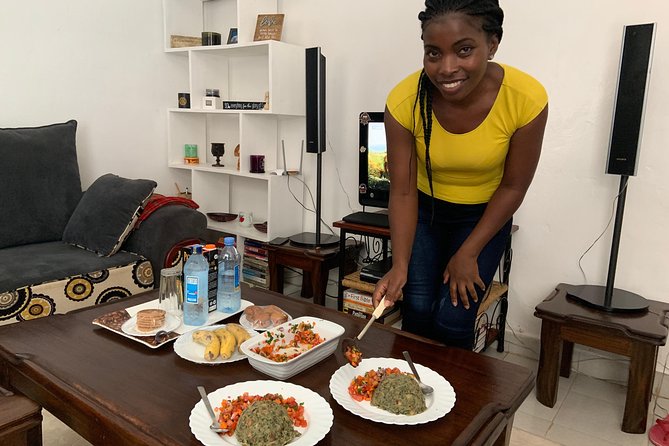
The big win here is learning the core dishes that many Kenyan meals orbit. You focus on mukimo, ugali, pilau (spiced rice), and local vegetables, so you leave with a small, clear menu plan. Another strong point is the human side: Grace shares stories, including how her grandmother (over 100 years old) made mukimo for the family.
The tradeoff is the kitchen itself. Because the space is small, Grace does most of the cooking and you help whenever possible. If you’re expecting lots of standing at a stove with full control, you might be disappointed. If you want a thoughtful food lesson with close explanations, this works really well.
A few more Nairobi days worth pricing up
- Nairobi National Park Half-Day Tour; Free Wi-Fi connection
★ 5.0 · 878 reviews - Nairobi: National Park & Optional Elephants & Giraffe Center
★ 4.8 · 874 reviews - NAI NAMI: Nairobi Storytelling Tour with Street Children
★ 5.0 · 792 reviews
What the 3-hour workshop feels like (and how space changes the format)
This experience is scheduled for about 3 hours, starting at 11:00 am and ending back at the meeting point. The learning happens during roughly one hour of cooking demonstration, then you eat together.
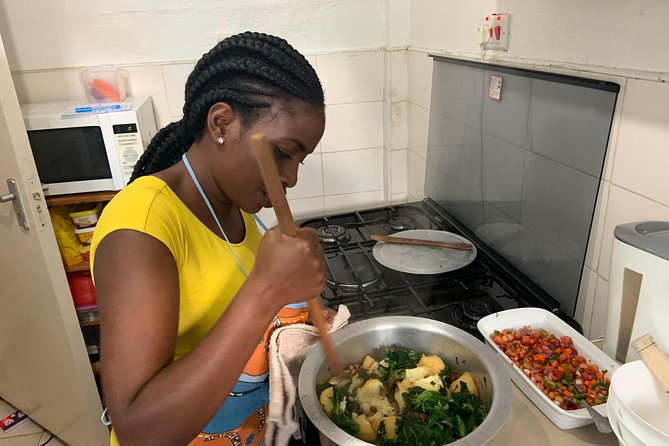
In many cooking classes, you split time between prep stations and active cooking. Here, the flow is different because Grace’s kitchen is very small. You’ll watch closely as she cooks, and you’ll be invited to help whenever there’s room. It can feel more like a guided cooking lesson than a high-energy workshop.
That format can actually be a plus. When someone cooks in a small space, you tend to notice details you might miss in a large studio, like timing, texture changes, and how family-style meals stay flexible. If you’re the type who learns best by watching what works, you’ll probably enjoy the pace.
Practical tip: wear something you can comfortably move in. You might be standing close to a work surface or moving around the kitchen to see what’s happening. And do not underestimate how warm a home kitchen can feel during cooking.
The menu you’ll learn: mukimo, ugali, pilau, and local vegetables
The class centers on a traditional Kenyan meal, built around a few key dishes. You’ll learn how to prepare:
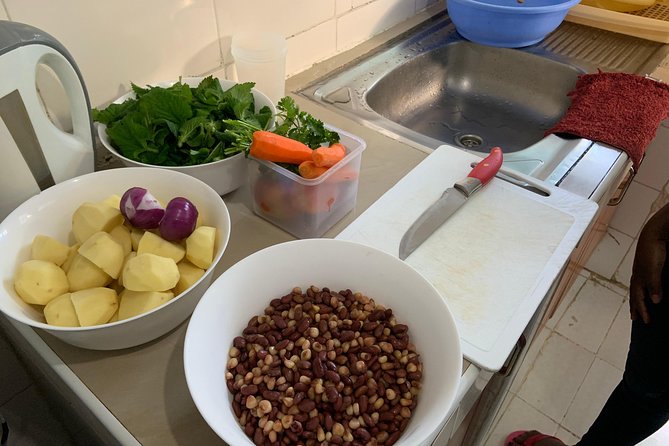
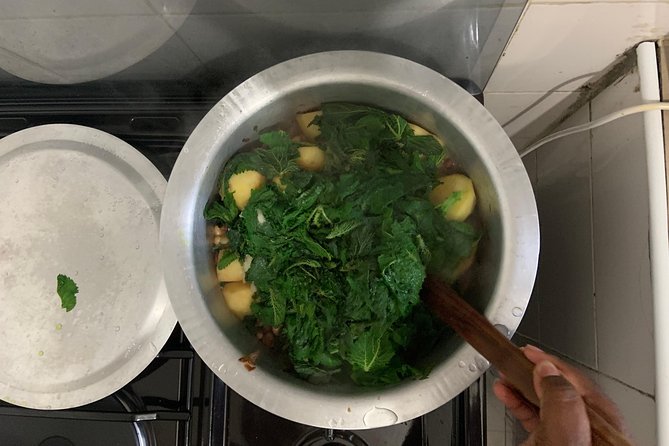
- Mukimo, mashed potatoes mixed with greens
- Ugali, mashed corn flour mixed with water
- Pilau, spiced rice
- Local vegetables
Even if you’ve never cooked Kenyan food before, the set of dishes is logical. Mukimo and ugali are both about texture. You learn how to bring ingredients together into a thick, satisfying base, and that helps you understand the role they play on the plate.
Mukimo is mashed potatoes with greens. The important skill is getting the greens incorporated so they’re not separate bits, but part of the mash. Ugali is corn flour mixed with water, and the key is getting the mixture to the right thickness and consistency. This is one of those dishes where small changes in texture affect the whole experience.
Pilau is spiced rice, and the idea is to build flavor into the rice. Instead of plain rice, it becomes the aromatic, comforting part of the meal. Local vegetables round it out, making the plate feel balanced.
One detail I took seriously from the host’s approach is that flavor does not have to be complicated. In the way Grace handles vegetables, the seasoning feels straightforward, like salt and onions doing honest work. That kind of approach is valuable because it means you can recreate the results without needing a closet full of specialty ingredients.
Grace’s role as host: welcoming, story-led, and hands-on when you can
This is a private tour with a real person behind the food, and Grace comes across as the heart of the experience. She’s welcoming and personable, and she’s willing to answer questions as you cook and watch. That matters more than people realize. Food classes can turn awkward if you feel like you have to guess what you’re doing. Here, you get explanations while the cooking is happening.
Grace also shares stories, including a focus on family cooking. The highlight is the connection to her grandmother, who is over 100 years old, and her mukimo-making traditions. That generational angle turns a simple dish into something with context, not just instructions.
Because Grace’s kitchen is small, her teaching style naturally adapts. She might be the one working most of the time, but you’re not shut out. You get chances to help when space allows, and you can ask questions about how the dishes work.
If you learn well through conversation, you’ll likely enjoy this. If you only want a strict step-by-step where your hands do everything, you may want to set your expectations early and accept the demo-style format.
Same trip, a different part of the country:
- Nairobi National Park Half-Day Game Drive
★ 4.5 · 738 reviews - Nairobi: Historic and Modern Highlights Walking Tour
★ 4.8 · 703 reviews - Safari Tour; Nairobi National Park
★ 4.5 · 594 reviews - 3 Days Masai Mara Group Joining
★ 5.0 · 486 reviews
Getting value from a private class in Nairobi
At $76 per person, this isn’t the cheapest way to eat in Nairobi. But it is also not trying to be a big-group production. You’re paying for a private, home-based experience with a local host, plus the meal you share at the end.
So what makes the value feel fair?
First, you’re not just learning one dish. You get a mini Kenyan menu built around staple foods. Second, the meal is included as part of the experience, which means your payment converts into both learning and eating. Third, private access to a household cook is harder to replicate on your own. You could study recipes online, but you cannot get Grace’s household stories and practical way of making food work in a small kitchen.
And the timing matters too. You spend around three hours, starting at 11:00 am. That’s a good length for a day without turning your trip into a full schedule puzzle. It’s also booked fairly in advance on average, so planning ahead is smart if you want a specific date.
If you’re the kind of traveler who likes hands-on cultural experiences, this can be a standout use of time. If you’re mostly looking for sightseeing, you’ll get more satisfaction by pairing it with other Nairobi stops outside this class.
How to make what you learn when you’re back home

One of the best outcomes of classes like this is leaving with a repeatable meal plan. Here, that menu is built to be recreated:
- Mukimo, mashed potatoes and greens
- Ugali, corn flour and water to a thick consistency
- Pilau, spiced rice
- Local vegetables, cooked to match the rest of the meal
Even if you do not have every exact ingredient at home, the dishes have strong structure. You understand what the food is supposed to feel like on the plate. That makes substitutions less risky. You can swap greens you can find, and you can adjust vegetable choices, while still keeping the overall experience similar.
Here’s a practical way to use your takeaway: cook ugali or mukimo first when you practice at home. Those are your texture anchors. Once you get comfortable with the thickness and consistency, you’ll find it easier to match the rice and vegetables to the meal.
Also, use Grace’s approach to flavor. The class highlights that strong results often come from simple, well-handled seasoning. You do not need to turn it into a complicated spice project. Aim for balance, then adjust to taste.
Practical tips for a smooth experience in Grace’s Nairobi kitchen
A few small things can make the difference between a good meal lesson and a stressful one.
1) Expect a demonstration-heavy format. Since the kitchen is small, Grace does most cooking, and you help when possible. Plan to watch closely and ask questions rather than worrying that you are not constantly holding a spoon.
2) Come prepared to ask about technique. The most useful part of a guided cooking class is understanding why something changes, especially with texture foods like ugali and mash-style dishes like mukimo.
3) Dress comfortably. Home kitchens are warm and close. Wear clothes that let you stand and move without fuss.
4) Be ready to eat together. This isn’t just a quick tasting. You sit down after cooking to share your meal, which makes the whole thing feel like a real family-style experience.
5) Use local transport if needed. It’s near public transportation, so you are not forced into a complicated logistics day just to get there and back.
Who should book this class with Grace, and who might want another option

This experience is a good match if you:
- want a private cultural food lesson rather than a busy group event
- like comfort foods and learning textures, not just sauces
- enjoy hearing stories tied to cooking and family tradition
- want a menu you can recreate back home, including mukimo and ugali
It may not be the best match if you:
- want a fully hands-on cooking workshop where you do most of the cooking
- prefer large, restaurant-style kitchens with lots of space to move
- are only looking for a tour with major sightseeing stops, since this is focused on cooking and eating in one home setting
Should you book this Nairobi cooking class?
If you’re choosing between a typical food stop and a real home meal lesson, I’d lean toward booking this, especially if you care about learning how staples like mukimo and ugali actually come together. The combination of Grace’s welcoming teaching style, the family stories around mukimo, and the fact that you finish by eating what you made adds up to more than just a meal.
Book it if you want a calm, guided experience where you learn a whole Kenyan menu. Skip it if you need lots of space and constant hands-on cooking.
Either way, this is one of those Nairobi activities that gives you a skill you can use again, not just a photo and a memory.
FAQ
What time does the cooking class start, and how long is it?
It starts at 11:00 am and lasts about 3 hours.
Is this a private experience?
Yes. Only your group participates.
Will I be cooking the whole time, or mostly watching?
Grace will do most of the cooking because the kitchen is very small. You will help whenever possible, so it works more like a cooking demonstration than a fully hands-on workshop.
What dishes will we learn to make?
You will learn mukimo (mashed potatoes and greens), ugali (mashed corn flour mixed with water), pilau (spiced rice), and local vegetables.
Where does it take place, and do we return to the start point?
It takes place in Nairobi with a local household, and the activity ends back at the meeting point.
Is the location easy to reach and can service animals attend?
It is near public transportation, and service animals are allowed.
How does confirmation and cancellation work?
You receive confirmation within 48 hours of booking, subject to availability. Cancellation is free if you cancel at least 24 hours in advance for a full refund.
Newest write-ups from Nairobi
- Visit kibera Slum the chocolate city★ 4.8 · 3 reviews
- 3 days maasai mara migration safari★ 4.5 · 7 reviews
- 4 Days Tour Landcruiser in Masai Mara and Lake Nakuru★ 5.0 · 10 reviews
- 4 Days Safari to Lake Nakuru N/P and Maasai Mara N/R★ 5.0 · 18 reviews
- Day Tour to Nairobi national park, Elephants, and Giraffe Center★ 3.5 · 8 reviews
- Wildebeest Migration in Masai Mara and Sightseeing 4 Days Tour★ 4.5 · 6 reviews
- Maasai Mara Day Trip★ 5.0 · 15 reviews
- Kibera Slum Tour with a Local★ 5.0 · 15 reviews
Cooking Classes, compared.
Traditional Kenyan Cooking Class & Local Market Tour
Read our review →
Authentic Kenyan Cooking Class & Market Tour in Nairobi
Read our review →
Private Traditional Kenyan Cooking Class with Lunch in Nairobi
Read our review →
Market Tour and Traditional Kenyan Cooking Class in Nairobi
Read our review →
Local Market Tour and Traditional Meal Cooking Class
Read our review →
Browse the lists this tour appears in