
REVIEW · COOKING CLASSES
Malindi : Kenyan Cooking Class with Campfire Meal
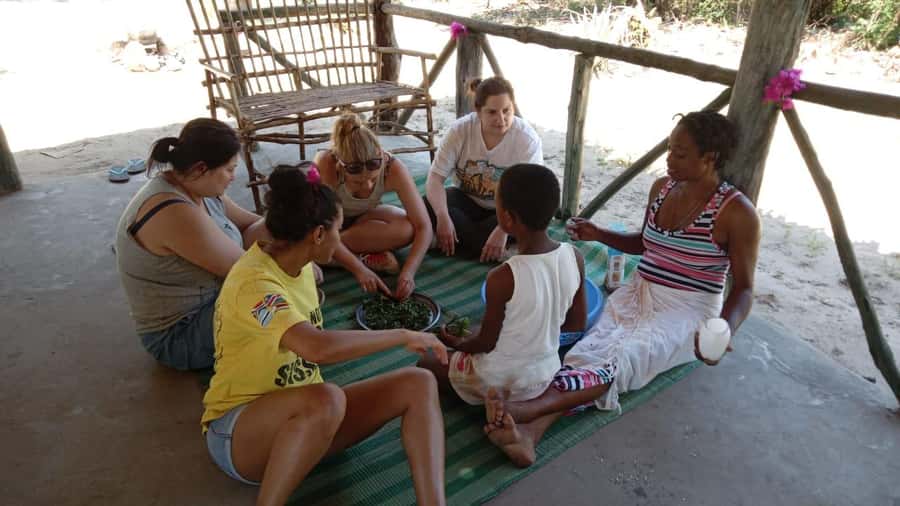
Campfire cooking in coastal Kenya is pure comfort. At Mida Creek Nature Camp, I love how the class is hands-on and focused, with Harrison and his family guiding you step by step as you cook authentic coastal dishes over a real fire.
Two things I especially like: you learn with simple, practical technique, not just recipes on a page, and then you sit down together to eat what you made. One consideration, though: this experience is not suitable for people with food allergies, so you need to contact the provider before you go if you have any sensitivities.
In This Review
- Key highlights worth choosing this for
- Arriving at Mida Creek Nature Camp and getting cooking-ready
- What you cook: coastal favorites, plus the option to request
- A practical note on what you can expect in 2 hours
- Campfire technique: where the class becomes real
- Ingredients and the small shop at the camp
- Eating your meal: share it now or take it with you
- Group size and the hands-on factor
- Price and value: what $25 buys you in real cooking time
- Who should book this cooking class?
- A few ways to extend the Mida Creek experience
- Should you book it?
- FAQ
- How long is the cooking class?
- Where does the class take place?
- Can I choose lunch or dinner?
- How big is the group?
- Is the instructor English-speaking?
- What kinds of dishes will I learn to cook?
- Can I take the food home?
- Are there restrictions for pets and food allergies?
Key highlights worth choosing this for
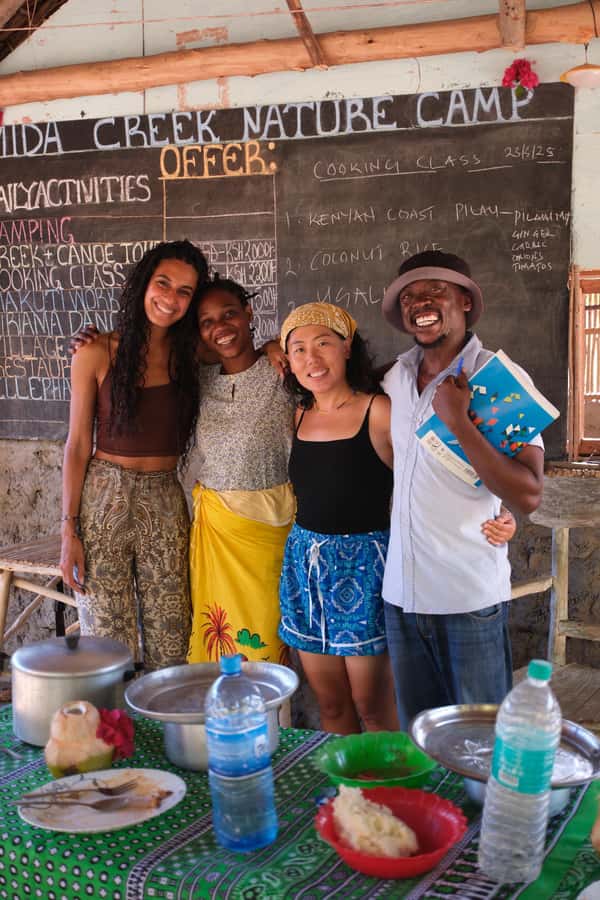
- Campfire cooking at Mida Creek Nature Camp, with nature close by and traditional tools in the workflow
- Clear, patient instruction from Harrison, with explanations delivered in English
- Coastal Kenya dishes you can actually name and remake, like ugali, githeri, pilau, sukuma wiki, and mandazi
- You control how you eat, with a choice to eat with the group or take your creations away
- Small-group feel, limited to 10 participants, so you get more hands-on time
- Flexible menu options, since the class includes favorites but can accommodate requests
Arriving at Mida Creek Nature Camp and getting cooking-ready
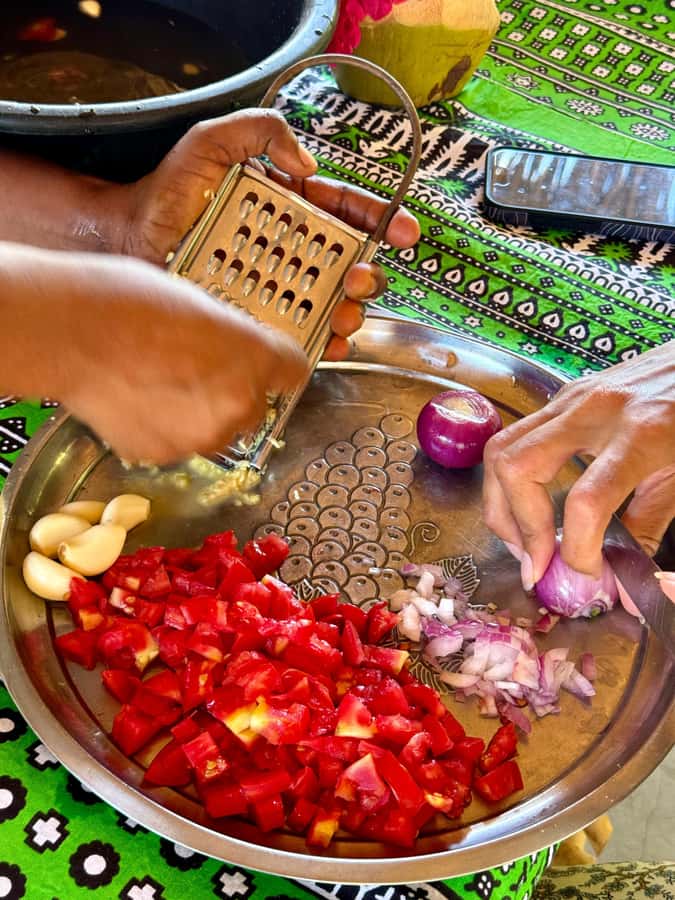
Your experience starts at Mida Creek Nature Camp, with a meet time set a couple of hours before lunch or dinner. You do not show up and watch someone else cook. You show up, get oriented, and start cooking alongside the group.
The setting matters here. This camp sits just off the main road, but once you are inside, it feels like you are in a different world: sandy paths, leafy shade, and the rhythm of a family-run nature space. That natural setting is not just decoration. It changes the whole pace of the class. Instead of rushing through a kitchen demo, you work at a slower, more practical tempo, with the campfire and outdoor tools shaping how everything happens.
You are also likely to notice how much the teaching is built around real communication. Harrison is described as smiling, welcoming, and very precise in his explanations, with real passion for sharing his culture. That matters because Kenyan cooking has steps where timing and technique can make the difference, like how you build flavor in a stew or how you handle the right consistency for a staple.
What to bring: comfortable clothes. You will be moving around and working close to a campfire, so dress for heat and a little mess.
A few more Malindi days worth pricing up
- Safari Kenya with Patrick
★ 4.0 · 45 reviews - Kisite Marine Park Private Boat Snorkeling with breakfast & Lunch
★ 5.0 · 32 reviews - Safari blue
★ 4.5 · 27 reviews
What you cook: coastal favorites, plus the option to request
The class rotates through Kenyan tradition, and you can usually expect a mix of staples and flavors from the coast. The recipes listed include:
- Ugali
- Githeri
- Kenyan Pilau
- Wali Wa Nazi
- Sukuma Wiki
- Mchicha
- Kenyan Stew
- Nyama Choma
- Matoke
- Mandazi
- Grilled Maize
Even if the exact set on your day follows the class flow rather than every dish on the list, the core idea stays the same: you will cook things that people actually eat, using techniques that make sense in a home setting.
Here is why that is so valuable. Instead of learning only one dish, you get to see how Kenyan meals fit together: a staple that anchors the meal (like ugali), vegetables and greens that bring depth (sukuma wiki, mchicha), rice-based dishes (pilau and sometimes coconut-friendly variations), and then the snack or side elements that make the table feel like it belongs to the coast (like mandazi and grilled maize).
Also, the class is open to requests. If there is a dish you really want to learn, this is the moment to communicate it ahead of time.
A practical note on what you can expect in 2 hours
The cooking window is short. More than one participant described getting through about seven dishes in under two hours. That tells you the class is designed to move at a working pace: you may do some prep together and then focus on the cooking steps that matter most.
So plan to stay with the group timeline. If you wander off or keep checking your phone, you will feel it when it is time to taste and eat.
Campfire technique: where the class becomes real
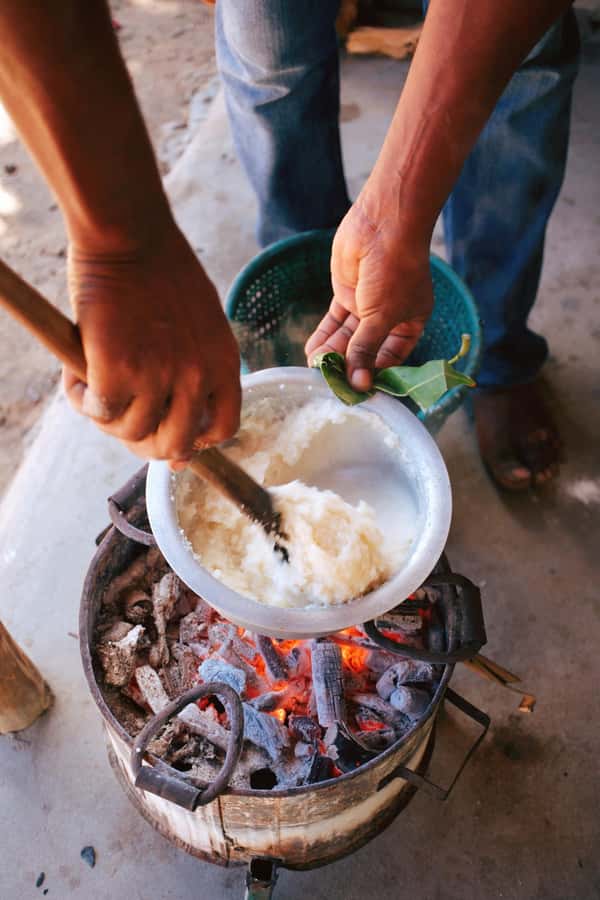
Cooking over a campfire is the point. You learn using traditional techniques and tools, and that changes the experience in three ways.
First, heat behaves differently outdoors. You cannot treat the fire like a stove with perfect settings. You learn how to manage distance, watch color, and adjust based on what you see, not what you wish the flame would do.
Second, teamwork becomes part of the lesson. While one person stirs or monitors a pot, others may handle chopping, mixing, or guiding the next step. You will pick up small lessons that do not sound important until you try them, like how long something needs to simmer to develop flavor.
Third, the smells are immediate. You do not get that delayed, kitchen-safe experience where everything happens behind glass. The aroma pulls you into the process, and by the time you sit down to eat, you understand why each dish tastes the way it does.
One nice detail is that the camp uses a shop setup to fill gaps. You are encouraged to use homegrown ingredients when possible, and if something is missing, there is a small shop at the camp to supply what you need. That keeps the cooking authentic but also realistic.
Same trip, a different part of the country:
- ROBINSON ISLAND/MARAFA HELL’s KITCHEN
★ 5.0 · 15 reviews - Tour Malindi & Robinson Island & Marafa Hell’s Kitchen
★ 5.0 · 11 reviews - WATAMU: MALINDI: SARDEGNA ISLAND & MALINDI MARINE PARK
★ 4.5 · 9 reviews - From Mombasa: Watamu Marine Park & Sudi Island Excursion
★ 4.8 · 8 reviews
Ingredients and the small shop at the camp
This is not a class built on mystery powders. The ingredients are included, and the teaching emphasizes local sourcing. The plan encourages homegrown items, which means you are cooking with flavors that match what the region actually produces.
When a specific item is needed and not available in the homegrown supply, the camp has a small shop where they get what is missing. That is a smart, practical middle ground. You still get a true local feel, but you also get consistency in the dishes you are supposed to learn.
If you are picky about ingredients, talk to the provider ahead of time. The class includes communication about allergies and intolerances, and you can agree on special dishes if needed.
Eating your meal: share it now or take it with you
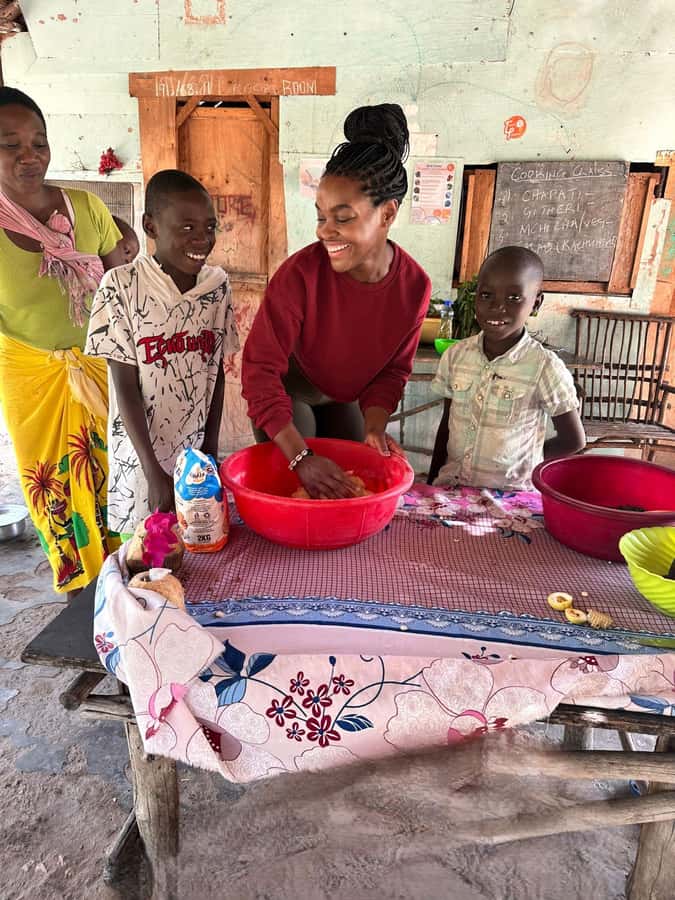
When the food is ready, you get to eat it in one of two ways. You can eat with the group, or you can bring your creations home, depending on the preference for your session.
Eating with the group is usually the best way to understand what you made. You taste, you compare notes with other cooks, and you get that end-of-class satisfaction of finishing a meal together. This is also where you get to notice which dishes are meant to be paired, like a staple with a specific stew or vegetables.
If you pick the take-home option, you will likely treat it like a meal you packaged yourself, which is a fun way to turn a cooking class into a real travel memory. Just be realistic about how long it will stay good in transport, since the class itself does not promise anything about packaging details. If you choose take-home, ask the instructor how they suggest handling it.
Group size and the hands-on factor
This class is small, limited to 10 participants. That is a big deal for a 2-hour experience.
In a larger class, you might spend most of the time standing back, watching, and only touching something briefly. Here, the small group structure keeps you involved. You get enough time to actually do steps, not just hold a utensil for a photo.
It also makes the instruction more personal. Harrison and his family can spot where people need a hand, like when a dish needs more simmer time or when a texture shift is coming up.
If you like learning by doing, this setup fits well.
Price and value: what $25 buys you in real cooking time
At $25 per person for a 2-hour, included-ingredients cooking class plus a meal, the value is solid, especially if you compare it to typical food tours that are mostly tasting and little teaching.
The reason it feels good is simple: you do the work. You learn techniques, you cook multiple dishes, and you leave with food you either eat on-site or take away. For many people, that is the difference between a meal you sampled and a meal you can cook again later.
Also, the class is explicitly built around traditional techniques and coastal Kenyan favorites. That matters because you are not paying for a generic cooking show. You are paying for a focused experience with real cultural dishes, guided in English by an instructor who enjoys explaining.
If you are traveling on a tighter budget, $25 is the kind of activity you can fit without feeling like you blew your plan. It is short enough to handle even on a travel day, but meaningful enough to count as a cultural activity rather than a quick snack stop.
Who should book this cooking class?
This is a great fit if you want food learning that feels practical and local.
You will likely enjoy it if you:
- Like cooking, even casually, and want to learn how dishes come together
- Want authentic Kenyan coastal flavors like pilau, sukuma wiki, mandazi, and ugali
- Prefer small-group interaction over big tour groups
- Want a meal that is part of the activity, not an afterthought
It is not suitable for people with food allergies. If you have any allergies or intolerances, contact the activity provider before the start so you can communicate needs and agree on possible adjustments.
A few ways to extend the Mida Creek experience
The cooking class is centered on the camp and the meal, but the camp itself is part of the draw. One participant described additional options connected to the family and community: small tours around the village, mangroves and workshops, and even a canoe ride to Green Island under mango groves, with options like treehouses or tents for staying under the stars.
That does not mean you get those extras automatically. But it does mean you can treat the cooking class as a first step, then ask what else is running while you are there.
If your schedule allows, spending more time at Mida Creek can help the meal feel like part of a bigger day, not a single quick stop.
Should you book it?
If you want a short, hands-on food experience that teaches you real coastal Kenyan cooking, I think this is an easy yes. The combination of campfire cooking, a small group, and instruction from Harrison and his family is exactly the type of activity that feels worth the money.
Book it if you:
- Are comfortable cooking outdoors for about two hours
- Want to learn multiple dishes, not just taste them
- Can follow the food guidance and have no food allergy concerns
Skip it if you have food allergies and cannot safely participate, and make sure you communicate intolerances before you go.
If you book, do one simple thing that improves the experience a lot: arrive ready to eat what you make. Plan to stay for the full session, and if the camp offers the option to eat together, I would choose that at least once. It turns the class into a meal you remember, not just a recipe list you collected.
FAQ
How long is the cooking class?
The experience lasts 2 hours.
Where does the class take place?
It takes place at Mida Creek Nature Camp. You can use Google Maps for directions.
Can I choose lunch or dinner?
Yes. The experience can be held for lunch or dinner, and you choose.
How big is the group?
The class is a small group, limited to 10 participants.
Is the instructor English-speaking?
Yes, the instructor speaks English.
What kinds of dishes will I learn to cook?
The class includes Kenyan dishes such as ugali, githeri, Kenyan pilau, wali wa nazi, sukuma wiki, mchicha, Kenyan stew, nyama choma, matoke, mandazi, and grilled maize.
Can I take the food home?
Yes. When the food is ready, you can either eat with the group or bring your creations home, depending on your preference.
Are there restrictions for pets and food allergies?
Pets are not allowed. The experience is not suitable for people with food allergies, and you should contact the provider before the start to communicate allergies or intolerances.
Newest write-ups from Malindi
- WATAMU: MALINDI: SARDEGNA ISLAND & MALINDI MARINE PARK★ 4.5 · 9 reviews
- Gede Ruins & Malindi Tour★ 5.0 · 5 reviews
- Airport transfer★ 5.0 · 6 reviews
- Magical Storytelling Swahili Dinner in the Bushbaby Treehouse★ 5.0 · 3 reviews
- Tour Malindi & Robinson Island & Marafa Hell’s Kitchen★ 5.0 · 11 reviews
- MIA – Airport Transfer from Mombasa to Watamu or Malindi★ 4.5 · 3 reviews
- Tsavo East Amboseli and Tsavo West Safari 4 Days starting Malindi★ 5.0 · 3 reviews
- 3 Days Tsavo East & Tsavo West Safari★ 5.0 · 4 reviews
Cooking Classes, compared.
Traditional Kenyan Cooking Class & Local Market Tour
Read our review →
Authentic Kenyan Cooking Class & Market Tour in Nairobi
Read our review →
Private Traditional Kenyan Cooking Class with Lunch in Nairobi
Read our review →
Market Tour and Traditional Kenyan Cooking Class in Nairobi
Read our review →
Local Market Tour and Traditional Meal Cooking Class
Read our review →
Private Kenyan Cooking Class in Nairobi with a Local
Read our review →Browse the lists this tour appears in