

REVIEW · MALINDI TOURS
Gede Ruins & Malindi Tour
Coral ruins inside the jungle are something else. This Malindi outing pairs the Gede Ruins with a guided walk through Malindi’s market area, and both parts feed your brain in very different ways. I also like that you go with a real guide, so you know what you are looking at instead of just wandering. The main drawback to plan for is simple, the whole trip runs about six hours, so you will want comfy shoes and a water plan.
I especially liked how the ruins connect to the wider Arab and Bantu story of the coast. There are 13th- to 17th-century coral palaces, mosques, and town houses, and your guide helps you spot how daily life and trade shaped the layout. One name that came up in a great past experience was Juma, and that makes sense, because the tour works best when the talking matches what you are seeing on the ground.
Logistically, it is built for an easy half-day: start at 8:00 am, a private vehicle brings you there, and you split your time between ruins and Malindi town. The ticket piece is straightforward too, the Gede ruins admission is included, and Malindi’s admission is free. If you are hoping for a slow, leisurely day with lots of breaks, this schedule is more efficient than that.
In This Review
- Key Points to Know Before You Go
- Coral Palaces and Market Streets, in One Half-Day
- Gede Ruins: Coral Palaces, Mosques, and Trade-Era Clues
- Taking Your Time at the On-Site Museum
- Malindi Stop: From 1498 Trade Landings to Today’s Streets
- The Guided Walk Through Neighborhoods and Market Areas
- Price and Value When Your Group Splits Up to Four
- Pickup, Timing, and How to Prep for a Smooth 6 Hours
- Weather Rules and Why They Matter for Gede Ruins
- Should You Book This Gede Ruins and Malindi Tour?
- FAQ
- What is the duration of the Gede Ruins & Malindi tour?
- Where do we meet for the tour?
- What time does the tour start?
- Is the tour private?
- Are tickets included?
- What is included in the price?
- What happens if the weather is poor?
Key Points to Know Before You Go

- Gede Ruins time is focused on seeing key coral structures without rushing
- A guided Malindi walk helps you connect old trading roots to what is happening now
- Tickets are handled smartly, with Gede admission included and Malindi admission free
- Private transportation keeps you comfortable between the two stops
- Good weather matters, because the experience depends on it for the best visit
Coral Palaces and Market Streets, in One Half-Day
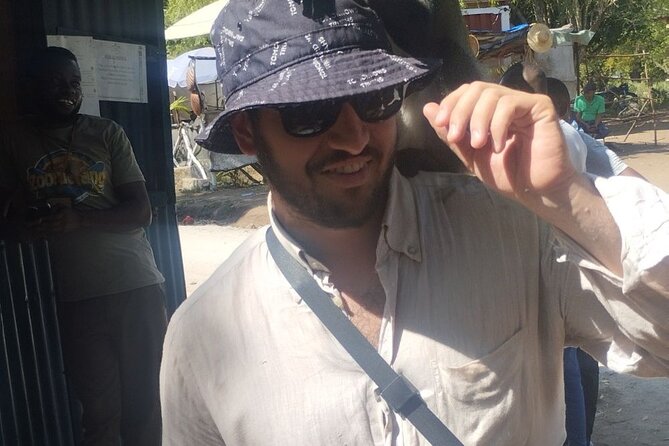
This is one of those tours where the pace feels right because the day has two distinct moods. You start in quiet green shade at Gede, then shift into the energy of Malindi town, where the coast’s trade history shows up in everyday life. If you like history but also want your day to feel human and lived-in, this mix works.
I like that the tour does not treat the ruins like a museum display. The Gede site includes coral architecture like palaces, mosques, and town houses from the 13th to 17th centuries, and that means you are looking at spaces people once built for work, worship, and social life. Then Malindi becomes the bridge, because the town has long been a meeting point for local communities and outside visitors, including the era around Vasco da Gama’s fleet arriving in 1498.
The format also keeps it doable. About two hours at Gede and about three hours in Malindi gives you enough time to see the essentials and still feel like you got value, not just checkmarks. Your exact driving time can vary, but the tour is described as roughly six hours total, so it is a realistic plan for a single day.
A few more Malindi days worth pricing up
- Safari Kenya with Patrick
★ 4.0 · 45 reviews - Kisite Marine Park Private Boat Snorkeling with breakfast & Lunch
★ 5.0 · 32 reviews - Safari blue
★ 4.5 · 27 reviews
Gede Ruins: Coral Palaces, Mosques, and Trade-Era Clues
Gede Ruins is the kind of place where the setting does half the work for you. You are in a jungle-like area with shade, so the ruins feel like they are sitting inside nature rather than on a bare hillside. That matters because it changes how you look at architecture. You are not just seeing walls, you are imagining how people moved through those spaces in a coastal trading world.
The site contains a large cluster of coral-built structures, including palaces, mosques, and town houses, spanning the 13th to 17th centuries. Coral stone was a common coastal building material, and the ruins show how communities invested in permanent, decorative places rather than temporary housing. Your guide can help you understand why these structures mattered to Swahili communities, and how outside contact shaped what people built and how towns organized themselves.
Here is what you can expect your visit to focus on:
- Seeing the main ruins groupings and understanding how the site evolved over time
- Learning how Arab and Bantu residents interacted in daily life
- Getting context for why Gede became such an important Swahili ruin area on the coast
Two things I like about the Gede portion are the time allocation and the attention to interpretation. Two hours is long enough to slow down, notice details, and still make room for the second half of the day. And interpretation is key here, because coral ruins can look repetitive if you are not sure what you are comparing.
A practical consideration: even though you are in shade, you will still be walking on uneven ground. Wear shoes that grip. Also, plan for the fact that you may want to pause often for photos, since the ruins sit in that green, enclosed feel.
Taking Your Time at the On-Site Museum
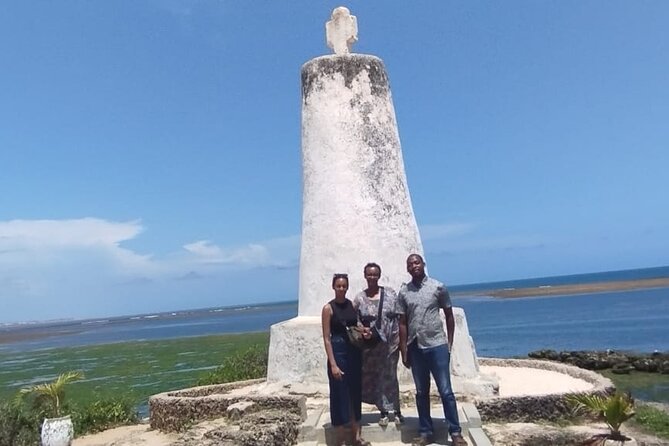
Right next to the ruins experience, there is an on-site museum that adds context. This is one of those stop-and-read pieces that makes the time at Gede feel more grounded, because you start connecting the physical structures to artifacts and the story of daily life and trade.
You are not just looking at buildings, you are looking at evidence. The museum helps you see how excavation uncovered structures that were once inhabited by a mix of Arab and Bantu residents. That is the kind of detail that makes the ruins click, because the architecture stops being random stone and starts being a human footprint.
If you are the type of person who reads captions carefully, you will likely enjoy the museum. If you usually skip indoor parts, give it at least a quick scan, because it can turn your outdoor photos into something more meaningful. It also helps you understand the broader Swahili coastal story before you shift into Malindi town.
Malindi Stop: From 1498 Trade Landings to Today’s Streets
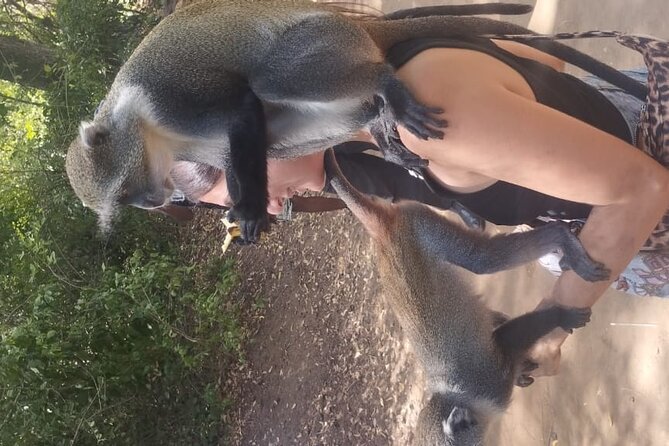
After Gede, the vibe shifts. Malindi is the busy town side of this coastal story, and the day gives you about three hours there. The idea is simple: ruins show you what people built long ago, and Malindi shows you how coastal trading cultures shaped a town that kept evolving.
Malindi attracts attention because it has been a meeting point for different cultures for centuries. The tour frames it around the era when Vasco da Gama’s fleet landed there in 1498, and how the area drew visitors and fortune hunters. Even if you do not go deep into specific dates while you are walking, knowing that context makes street-level sights feel more connected.
I like Malindi as a second stop because you can compare the scale of the past with real life around you. Where Gede is quieter and more about ruins and interpretation, Malindi is more about movement, voices, and local color. It gives your brain a reset before your day ends.
One more helpful thing: Malindi’s admission is free on this tour, so you can spend your energy on the walking and exploring instead of wondering what costs extra. That keeps the value feeling clean.
Same trip, a different part of the country:
- ROBINSON ISLAND/MARAFA HELL’s KITCHEN
★ 5.0 · 15 reviews - Tour Malindi & Robinson Island & Marafa Hell’s Kitchen
★ 5.0 · 11 reviews - WATAMU: MALINDI: SARDEGNA ISLAND & MALINDI MARINE PARK
★ 4.5 · 9 reviews - From Mombasa: Watamu Marine Park & Sudi Island Excursion
★ 4.8 · 8 reviews
The Guided Walk Through Neighborhoods and Market Areas
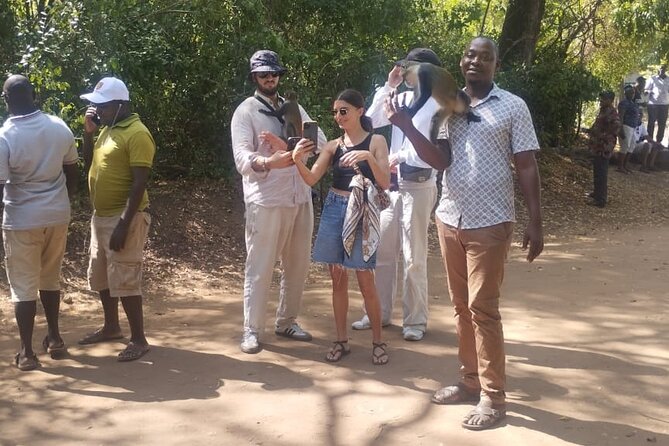
One of the best parts of the Malindi portion is the walk through city areas, including time around the market. In one past five-star experience, the walk stood out as both varied and practical, moving through historical places and then into market life, so you get both context and texture.
This is where a good guide makes a real difference. On a guided walk, you learn what matters and what to ignore. You also get help with the flow of streets, so you are not spending your time playing map games. And if the name Juma is attached to a guide for your date, that is a very promising sign, because past guests specifically praised the day’s variety from Gede to Malindi.
What to expect from this walking portion:
- A guided route that connects historical points with everyday town scenes
- Market area time, where you can see local commerce and how people actually spend their time
- Enough pacing to keep the day from turning into one long shuffle
The trade-off is obvious: you will be on foot for part of the day. Bring something basic like sunscreen, and consider a light layer if you get breezes near the coast later in the morning.
If shopping is on your mind, treat it like a casual activity, not a task. You will likely find lots of small things to look at, and it is easy to overspend when a market gets exciting. Decide on your budget before you enter.
Price and Value When Your Group Splits Up to Four
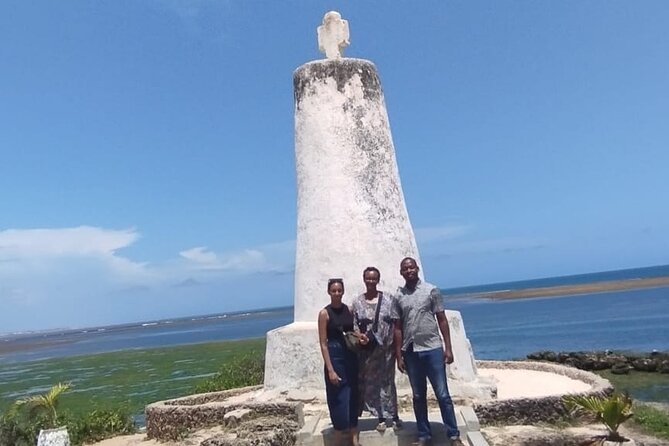
The price is listed as $159 per group, up to four people, and the tour is described as private. That matters because you are not paying per person for transportation like you might on more rigid group tours. With a group of four, you can often make the per-person cost feel reasonable for a full half-day with private rides and included admission at Gede.
Here is how I think about value for this kind of tour:
- You get private transportation plus pickup, which reduces hassle and saves time
- Gede ruins admission is included, so you do not add extra tickets later
- Malindi admission is free, which keeps the “what costs extra” question small
- A guide improves what you see, especially at a ruin site where details matter
If you are traveling solo, the group price can be less attractive, because you cannot split it. But if you can pair with friends or another couple, it becomes easier to justify. This also makes the tour feel flexible for families, since you are not stuck with a large group schedule.
Also, notice the booking lead time: on average it is booked about 27 days in advance. That tells me it is popular enough that you should not wait until the last minute if your dates are fixed.
Pickup, Timing, and How to Prep for a Smooth 6 Hours

This tour starts at 8:00 am. Your ticket redemption point is Turtle Bay Villas Watamu, Turtle Road, Temple Point Road, Watamu, Kenya. Pickup is offered, and the tour includes private transportation, so you should not need to solve your own ride situation between Watamu and the Malindi area.
The schedule is described as approximately six hours, with two hours at Gede and three hours in Malindi. In practice, that means you are working with a tight but comfortable arc. You get enough time to see, but not so much time that you feel stuck.
Here is your best prep checklist based on what the day requires:
- Comfortable walking shoes for uneven ground at Gede
- Sun protection for the Malindi walking and market areas
- A small water bottle, since you are out for most of the morning
- Patience for weather changes, because the tour requires good weather
Also, you might appreciate that confirmation is received at booking time, and service animals are allowed. If you have mobility needs, you will want to be honest with yourself about the walking you will do at the ruins and in town.
Weather Rules and Why They Matter for Gede Ruins
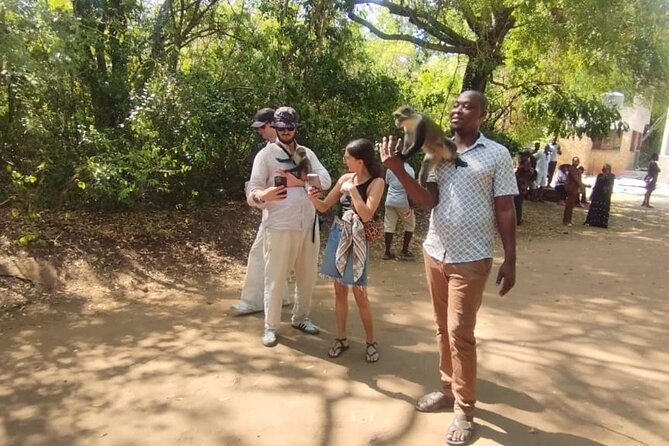
This experience requires good weather. If conditions are poor, it can be canceled, and you will be offered a different date or a full refund. That is not just fine print. Ruins visits can get slippery, and outdoor walking becomes less enjoyable when rain changes footing.
What you can do: check the forecast a day ahead, and if you see heavy rain in the plan window, keep expectations flexible. For camera people, consider bringing a small rain cover for your bag. For everyone else, just plan on the idea that a rain-free window is part of the value of the tour.
Should You Book This Gede Ruins and Malindi Tour?
I would book this if you want history that connects to real streets. Gede Ruins gives you architecture from the 13th to 17th centuries, and the museum adds context so you understand what excavation revealed. Then Malindi brings the story down to earth with time in town and a market walk.
I would think twice if you dislike walking for long stretches or want a slow, low-effort day. This tour is built for efficient sightseeing, and the six-hour window means you will stay active. It is also weather dependent, so if you only have one tight morning and the forecast looks rough, you might want a backup plan.
If you can, pair with up to three friends and split the group price. That turns it into a strong value deal for a private half-day with included admission at Gede and free admission in Malindi.
FAQ
What is the duration of the Gede Ruins & Malindi tour?
The tour lasts about 6 hours.
Where do we meet for the tour?
The ticket redemption point is Turtle Bay Villas Watamu, Turtle Road, Temple Point Road, Watamu, Kenya.
What time does the tour start?
The start time is 8:00 am.
Is the tour private?
Yes. It is a private tour, and only your group participates.
Are tickets included?
Admission ticket for Gede Ruins is included, and admission in Malindi is free.
What is included in the price?
Private transportation is included.
What happens if the weather is poor?
The experience requires good weather. If it is canceled due to poor weather, you are offered a different date or a full refund.
Newest write-ups from Malindi
- WATAMU: MALINDI: SARDEGNA ISLAND & MALINDI MARINE PARK★ 4.5 · 9 reviews
- Airport transfer★ 5.0 · 6 reviews
- Magical Storytelling Swahili Dinner in the Bushbaby Treehouse★ 5.0 · 3 reviews
- Tour Malindi & Robinson Island & Marafa Hell’s Kitchen★ 5.0 · 11 reviews
- Tsavo East Amboseli and Tsavo West Safari 4 Days starting Malindi★ 5.0 · 3 reviews
- MIA – Airport Transfer from Mombasa to Watamu or Malindi★ 4.5 · 3 reviews
- 3 Days Tsavo East & Tsavo West Safari★ 5.0 · 4 reviews
- Private 3 Day Tsavo East Safari from Mombasa★ 5.0 · 3 reviews
Malindi Tours, compared.

Kisite Marine Park Private Boat Snorkeling with breakfast & Lunch
Read our review →

Tour Malindi & Robinson Island & Marafa Hell’s Kitchen
Read our review →

Browse the lists this tour appears in