
REVIEW · HISTORICAL TOURS
Go Granny Go – An Amazing Cultural Tour in Kenya
Grandmas run the show in Nairobi. This small-group Kikuyu meet-and-greet takes you to a village near the Ngong Hills to learn from real community leaders, the women who raise grandchildren, and the families building income through pig farming. I like that the group stays intimate, with a maximum of 9 people, so conversations feel direct instead of rushed.
Two things I really love about this tour. First, you get hands-on time if you want it, including chores at the pig farm and the chance to join in joyful singing. Second, lunch and tea are included, which gives you real time to ask questions and listen without the day feeling like a checklist.
One possible drawback: this is not a passive cultural show. You are stepping into everyday rural life tied to responsibility, and some of the stories can land with weight. If you prefer only light, observational experiences, plan your expectations.
In This Review
- Key things I’d circle before you go
- Ngong Hills Village Day: What You’re Really Signing Up For
- Meeting Kikuyu Matriarchs and Understanding Their Roles
- Pig Farming Up Close, and Why It’s Part of the Story
- Lunch and Tea: Where the Conversation Actually Happens
- How the 6.5-Hour Schedule Feels in Real Life
- Value for $265: What You’re Paying For
- Being Respectful on a Community and Farm Visit
- Who This Tour Is Best For
- FAQ
- What time does Go Granny Go start?
- How long is the tour?
- How many people are in the group?
- Is hotel pickup and drop-off included?
- Is lunch and tea included?
- Are service animals allowed?
- What is the cancellation policy for a full refund?
- Should You Book Go Granny Go?
Key things I’d circle before you go
- Small group of up to 9 means more conversation time with the grandmas
- Kikuyu matriarchs as community leaders gives you a grounded look at how families function
- Pig-farming small business program helps explain practical income and sustainability
- Lunch and tea included turns the visit into a shared meal, not just a photo stop
- Optional participation lets you do chores and singing if you feel comfortable
- Hotel pickup and drop-off makes the 9:30 am start easy to manage
Ngong Hills Village Day: What You’re Really Signing Up For
This tour is built around one idea: learn culture from the people who live it. You start in Nairobi and travel to a Kikuyu village near the Ngong Hills, which is a helpful change of pace if your trip has been mostly city time or long drives for wildlife.
The day has a clear rhythm. You leave with a guide and return to your hotel, so you spend less energy figuring logistics and more energy paying attention. The total duration is about 6 hours 30 minutes, and you can expect the main visit to take a chunk of that time. In other words, you are not doing a quick roadside stop. You’re there long enough to feel like a visitor who’s staying for a while.
One thing to note for your planning: the experience is designed as a meet-and-greet. That means you’re interacting with families, hearing real responsibilities discussed out loud, and spending time in homes and working spaces. If you’re craving a strict sightseeing format, this may feel too personal. If you like honest conversation, it’s exactly the kind of tour that delivers.
More Historical Tours in Nairobi:
- Nairobi: Historic and Modern Highlights Walking Tour
★ 4.8 · 703 reviews - Nairobi Historical Walking City Tour
★ 5.0 · 258 reviews - Full Day Nairobi Cultural and Historical Tour
★ 5.0 · 153 reviews
Meeting Kikuyu Matriarchs and Understanding Their Roles
You go to spend time with Kenyan grandmothers who are often responsible for more than childcare. In many cases, they raise grandchildren when parents cannot look after them. The day is framed around how matriarchs act as familial carers and also as community leaders.
You’ll hear what life can look like when family support is stretched. The tour context includes a vivid reality: sometimes up to 20 family members live in a single one-room corrugated iron home. That detail matters, because it explains why the grandmas’ work is not just symbolic. It is practical, constant, and deeply tied to survival and care.
This is also where the tour feels most human. The grandmothers aren’t being presented as performers. They’re introducing you to their work and their family life, and you get chances to ask questions over the day. I find that the tone stays respectful, even when the stories are tough.
What you should do mentally before you go: come with curiosity and patience. You might not get a neat, packaged answer to everything you ask. Often the value is in the back-and-forth, and in listening to how the women describe their own priorities.
Pig Farming Up Close, and Why It’s Part of the Story
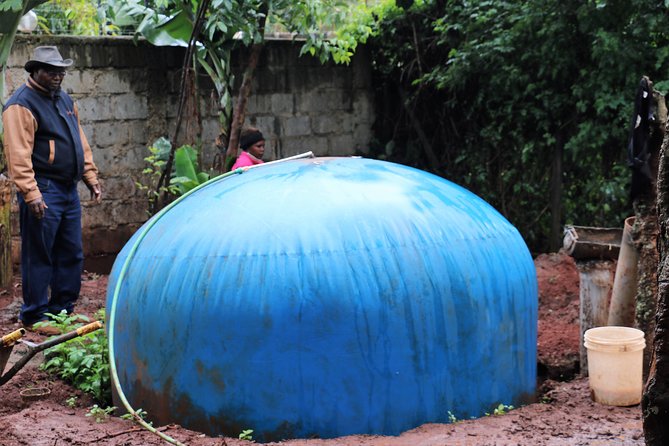
One of the strongest parts of the tour is seeing pig farming as an economic strategy, not just an animal encounter. The grandmothers are supported through a pig-farming small business program associated with One Horizon, and the visit helps you understand how pig-husbandry can feed families and bring a sustainable income stream.
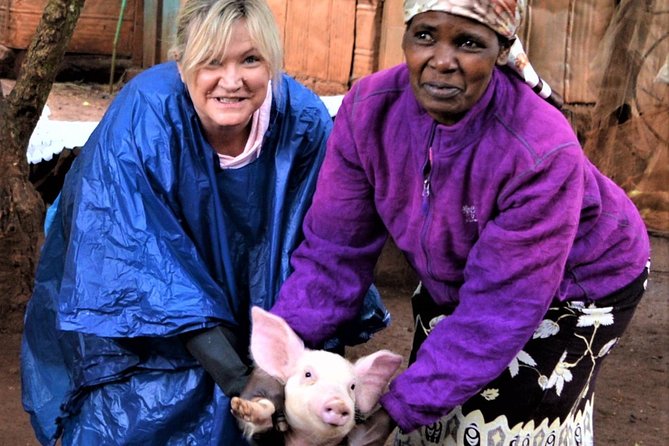
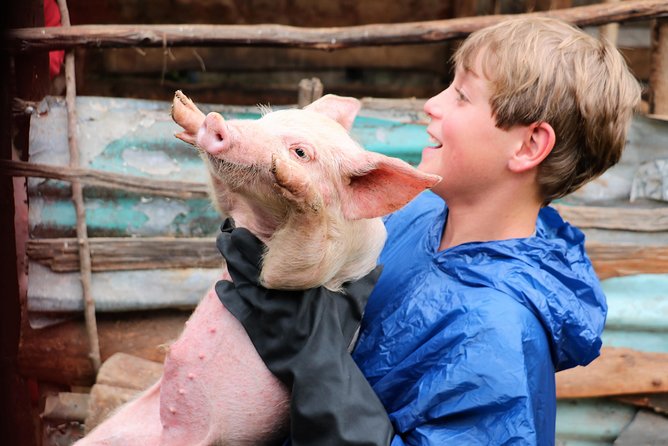
During the visit, you’ll be shown around a pig farm. If you feel comfortable, you can pitch in with chores. That matters for two reasons.
First, it turns the experience from observing to participating. Watching can feel distant, but doing something small helps you grasp the work involved and the daily routine behind it.
Second, it gives you a more grounded view of what the program is trying to accomplish. You learn in context. You’re not just hearing that women need support. You’re seeing how an income-related activity fits into household needs, and why the grandmas are investing energy into it.
A balanced expectation check: this is a functioning farm environment. The tour information doesn’t promise a clean, polished set. It’s everyday work. If that sort of setting makes you uneasy, it may reduce your enjoyment. If you can handle rural, working conditions with respect and calm, you’ll get a richer experience.
Lunch and Tea: Where the Conversation Actually Happens
Lunch and tea are included, and this part is more important than it sounds. In many cultural tours, food is an afterthought. Here, it’s built into the schedule as a social bridge, the moment when the day shifts from viewing to talking.
You’ll get time to learn about the community’s history and culture while you share lunch, and you’ll also have time to connect with the grandmothers. That extra pause in the schedule is a gift. It means you can ask questions that don’t fit neatly into a short guided moment.
I also like that the tour description emphasizes talking. That tells you the goal is relationship, not spectacle. You’re meeting matriarchs, so you should expect conversation that covers family roles, caregiving challenges, and how community leadership gets practiced day to day.
Practical tip: bring your questions but also leave room for answers to take the long way. Some of the most meaningful moments in tours like this are the ones you did not plan. If a grandma starts explaining something, follow the thread. Let the conversation set the pace.
A few more Nairobi days worth pricing up
- Nairobi National Park Half-Day Tour; Free Wi-Fi connection
★ 5.0 · 878 reviews - Nairobi: National Park & Optional Elephants & Giraffe Center
★ 4.8 · 874 reviews - NAI NAMI: Nairobi Storytelling Tour with Street Children
★ 5.0 · 792 reviews - Nairobi National Park Half-Day Game Drive
★ 4.5 · 738 reviews
How the 6.5-Hour Schedule Feels in Real Life
The day starts at 9:30 am, and the tour runs about 6 hours 30 minutes total. The timing matters because it sets your energy level. You’re not going late afternoon when people might be tired. You’re meeting families during a part of the day that often works better for conversation and farm activity.
Hotel pickup and drop-off are offered, which is a big value point in Nairobi. Traffic can be unpredictable, and it helps to have a transport plan built in. You’re also traveling in a small group, with a maximum of 9 travelers, so you’re not stuck with a huge number of voices competing for attention.
The tour uses a mobile ticket, which simplifies your own checklist. You don’t have to hunt for paper tickets on a phone. It’s a small thing, but on day trips it reduces friction.
One more point: the tour information notes admission ticket is free for the main visit. That means you’re paying for the experience, guide support, and time with the community, not extra entry fees stacked on at the end.
If you’re the type who hates rushing, this schedule is a good fit. If you like “maximum sites per hour,” you might feel like it’s slower than expected. But the slower pace is exactly what makes this one land.
Value for $265: What You’re Paying For
At $265 per person, this tour isn’t a budget bargain. It’s closer to a mid-range day trip. So the real question is: what do you get that justifies the price?
Here’s how I judge the value based on what’s included.
- Pickup and drop-off from your hotel saves time and reduces the hassle of planning transport.
- Lunch and tea are included, so you’re not guessing meal logistics during the day.
- The group is limited to a maximum of 9, which keeps the conversation meaningful.
- You’re visiting a community program associated with One Horizon, and you get to see a working pig-farming setup tied to income and household needs.
- There’s flexibility for participation. If you want to help with chores and join singing, the structure supports it.
In short, you’re paying for guided access to people and a controlled, respectful format that aims to put you in direct contact with the grandmothers. You are not just paying for transportation. You’re paying for an experience that takes time, stays small, and includes a meal.
If you already spend your Kenya days chasing wildlife drives, you may feel like you’re trading one kind of adventure for another. I see that as a feature, not a bug. This is the kind of tour that adds depth, and you’ll likely remember the conversations long after the photos.
Being Respectful on a Community and Farm Visit
Because you’re entering a family and farm setting, your behavior affects how the day goes. The tour information doesn’t spell out rules, so I’ll stick to practical common-sense guidance.
Wear clothing that fits a rural community setting. Aim for modest coverage, and keep things simple. Closed-toe shoes are a smart idea if you’ll be near farm work areas.
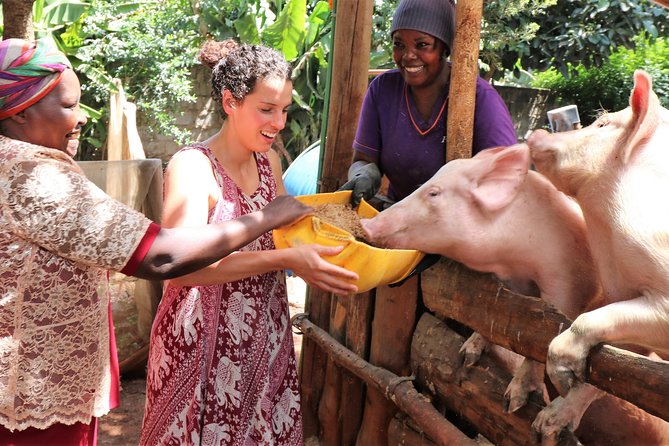
If you’re offered the chance to pitch in with chores, treat it like collaboration, not entertainment. Ask before you do anything hands-on. If you join the singing, follow the group lead and keep the tone warm.
Most importantly, don’t treat the grandmothers like a lesson or a charity poster. This is a meet-and-greet. Your job is to listen, and to show appreciation for their willingness to share their lives and work.
If you have questions you want answered, ask them. But also remember that not every moment is built for explanations. Sometimes the best learning is watching how life runs.
Who This Tour Is Best For
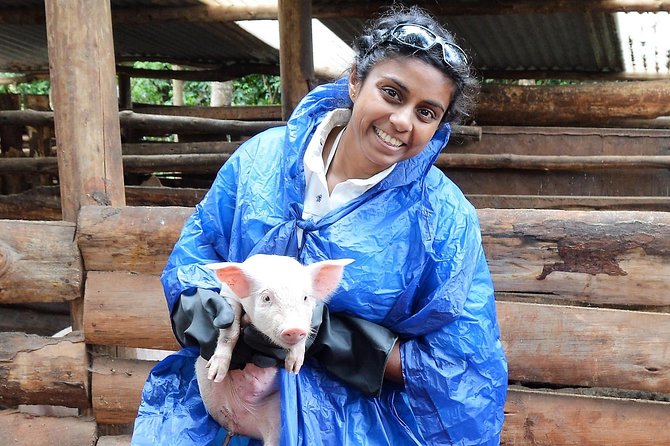
This tour suits you if you want a cultural day that goes beyond surface-level facts. You’ll enjoy it most if you care about community leadership, family roles, and real-world economics like how a small business program can support caregiving and food needs.
It’s also a good choice if you like intimate group sizes. With a max of 9 people, you get more speaking time and fewer awkward gaps in conversation.
Consider skipping if you strongly prefer wildlife-focused days or you dislike the emotional weight that can come with stories about family challenges. You should also think twice if you feel uncomfortable with working farm environments and the idea of helping with chores.
FAQ
What time does Go Granny Go start?
The tour starts at 9:30 am.
How long is the tour?
It lasts about 6 hours 30 minutes.
How many people are in the group?
The group size is capped at a maximum of 9 travelers.
Is hotel pickup and drop-off included?
Yes, pickup and drop-off are offered, with the tour using round-trip transfer from your hotel.
Is lunch and tea included?
Yes. Lunch and tea are included as part of the experience.
Are service animals allowed?
Yes. Service animals are allowed.
What is the cancellation policy for a full refund?
You can cancel for a full refund if you cancel at least 24 hours before the experience start time.
Should You Book Go Granny Go?
I’d book it if you want a meaningful cultural interaction with Kikuyu grandmothers, in a small group, with time for lunch and conversation. The pig-farming connection makes the day feel practical, not just symbolic, and the fact that you can participate in chores and singing can turn the visit from informative into memorable.
I would hesitate if you prefer a purely observational experience, you don’t handle emotional topics well, or you are looking for classic safari wildlife sightings as your main goal. Choose this one when you want to learn how community leadership and family caregiving work in real life near Nairobi.
Newest write-ups from Nairobi
- Visit kibera Slum the chocolate city★ 4.8 · 3 reviews
- 3 days maasai mara migration safari★ 4.5 · 7 reviews
- 4 Days Tour Landcruiser in Masai Mara and Lake Nakuru★ 5.0 · 10 reviews
- 4 Days Safari to Lake Nakuru N/P and Maasai Mara N/R★ 5.0 · 18 reviews
- Day Tour to Nairobi national park, Elephants, and Giraffe Center★ 3.5 · 8 reviews
- Wildebeest Migration in Masai Mara and Sightseeing 4 Days Tour★ 4.5 · 6 reviews
- Maasai Mara Day Trip★ 5.0 · 15 reviews
- Kibera Slum Tour with a Local★ 5.0 · 15 reviews
Historical Tours, compared.
Nairobi Walking tour:Explore History Culture and Traditions
Read our review →
Nairobi Cultural and Historical City Tour with a Local
Read our review →
Nairobi souvenir Shopping and Historical Half day Tour
Read our review →
Half-Day Cultural Tour to Bomas of Kenya in Nairobi
Read our review →Browse the lists this tour appears in