
REVIEW · WORKSHOPS
Agro-Tourism Tea Workshop in Nandi Hills
Tea mornings in Kenya feel special. This is one of the few ways to see how highland tea goes from plucking to your cup, plus a stop at Nandi Hills for scenery and a slower pace. You get a full workflow day, not just a quick photo stop.
What I like most is the hands-on sense of rhythm, from the way the harvest is explained to the weighing that has been modernized. I also like the real-food break in the middle of the day, with lunch back at the cottage before you head to a tea factory and finish with tasting.
The one drawback to plan around: this experience depends on good weather, so cloud cover and rain can affect whether you go on schedule. If you are the type who hates early starts, the morning timing might also take some getting used to.
In This Review
- Key things to notice before you go
- Morning From Iten, the Tea Day Starts Bright
- The Harvest Routine in Nandi Hills, Why It Feels Practical
- Tea Pluckers Up Close, What the Work Teaches You
- Lunch at the Cottage, Reset Before the Factory
- Tea Factory in Nandi County, From Leaves to Finished Tea
- Tea Tasting at the End, Turn Learning Into Flavor
- Price and Value, Is $137.46 Fair?
- Logistics That Matter: Timing, Private Group, and Weather
- Who This Tea Workshop Is Best For
- Should You Book the Agro-Tourism Tea Workshop in Nandi Hills?
- FAQ
- Where does the Agro-Tourism Tea Workshop in Nandi Hills start and end?
- How long is the experience?
- What time does the tour operate?
- What is included in the price?
- Is the tour private?
- What happens if the weather is poor?
- What is the cancellation policy?
Key things to notice before you go
- From plucking to tasting: You follow the steps of production for a full day.
- Modernized weighing: You’ll see how freshly handled tea gets measured before processing.
- Meeting tea pluckers: Watch practiced hands doing repetitive work that still matters.
- Factory visit in Nandi County: Production goes from tea leaves to finished tea.
- Tea tasting at the end: The day lands with a chance to compare what you learned.
- Private transportation: You travel with your group and avoid the hassle of public shuttles.
Morning From Iten, the Tea Day Starts Bright
This starts at the Swiss Side ItenFriends Bar in Iten, and it ends back at the same meeting point. The experience runs for about 10 hours, so think of it as a real day trip, not a short activity you can squeeze between errands.
The start time sits inside a morning window. The listed opening hours show Monday through Sunday from 5:00 AM to 9:00 AM, so you should expect an early departure when you book. If you’re staying around Iten, that’s actually a plus, because the drive to tea country and Nandi Hills tends to feel smoother when the day is still cool.
You travel with private transportation, which matters more than it sounds. You won’t waste time coordinating with other groups, and the driver can usually keep the schedule moving even if the group needs a bathroom stop before you head into the fields.
A few more Rift Valley Lakes days worth pricing up
- Lake Naivasha: Crescent Island Game Sanctuary
★ 4.3 · 44 reviews - Nairobi: Lake Naivasha & Hell’s Gate National Park Day Trip
★ 4.5 · 37 reviews - Bike Tour at Hell’s Gate National Park, Boat Ride at L. Naivasha
★ 5.0 · 27 reviews
The Harvest Routine in Nandi Hills, Why It Feels Practical
The morning begins with an explanation of how the tea harvest is done. That first step is not just classroom talk. It sets the logic for everything that follows, because you learn what happens to leaves after they are picked and why timing matters.
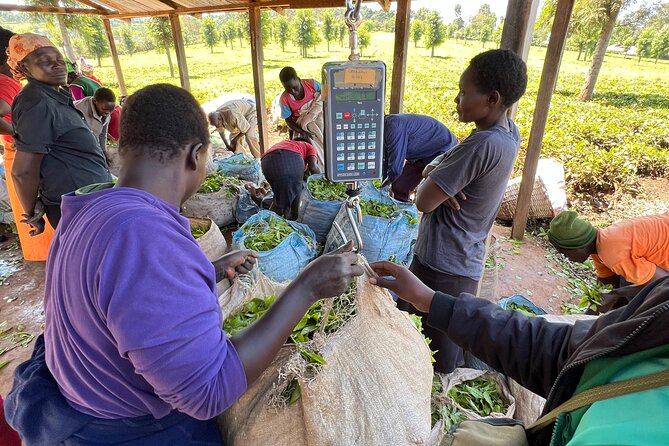
Then you see the weighing of the tea. The workshop notes that this has been modernized, so you aren’t only getting old-school methods. Watching the tea get weighed helps you understand that tea production is not a casual hobby. It’s measurement, consistency, and control, all aimed at making the final cup predictable.
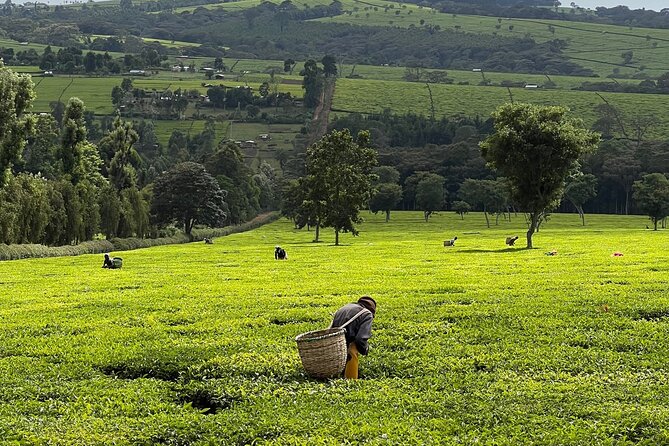
Next comes a meeting with the tea pluckers. This is one of the most human parts of the day, because you can see the proficiency and resilience needed for a repetitive but critical task. You get a close view of how work style affects the leaf you start with, and that changes what you’ll taste later.
A tip for your photos: focus on hands and routines rather than only scenery. The most interesting visuals tend to be the small movements during plucking and the orderly way tea is handled.
Tea Pluckers Up Close, What the Work Teaches You
Watching tea pluckers do their job can change the way you think about your morning cup. It’s easy to picture tea processing as a single factory step, but the workshop shows you the front end of quality control.
The pluckers’ proficiency is the point. In practical terms, this means you’re seeing that the harvest is not random. Even without technical details, you can see discipline in how the plucking happens and how the picked leaves are managed.
This part also adds realism to the day. You spend time in the shade of tea trees in a region that feels calm, and the calm matters. It’s not a rushed market vibe. It’s work happening at field pace, which gives you context for why the factory later follows strict process.
If you like cultural tourism that is respectful and grounded, this is a good match. You’re not just watching a performance. You’re seeing the system behind the drink.
Lunch at the Cottage, Reset Before the Factory
After the morning field sequence, you head back for lunch at the cottage. For many people, this is where the day becomes more enjoyable, because you stop, eat, and breathe before the more industrial part of tea making.
This lunch break is also a useful planning feature. Since the experience lasts about 10 hours, spacing the day out prevents the factory visit from feeling like information overload. You’ll have time to refuel and ask questions without standing around in transit.
Look at lunch as part of the learning flow. The morning teaches harvesting and handling, and lunch gives you time to mentally sort what you saw. Then the factory visit lands with more meaning, because you can connect leaf handling to processing steps you’ll see after lunch.
Same trip, a different part of the country:
- Hell’s Gate Guided Tour with Option Boat Ride at Lake Naivasha
★ 4.5 · 20 reviews - Nairobi:Group Hell’s Gate National Park & Lake Naivasha Tour
★ 4.8 · 18 reviews - A day tour; Lake Nakuru national park& L. Naivasha Boat ride
★ 4.2 · 18 reviews - Lakes Nakuru& Naivasha National Park Wildlife Highlights
★ 4.5 · 10 reviews
Tea Factory in Nandi County, From Leaves to Finished Tea
Next you visit one of the 19 tea factories in Nandi County. That number matters because it signals how established tea processing is in this region. This isn’t a one-off hobby operation. It’s an industry with multiple sites.
At the factory, you discover the process of turning tea leaves into a finished product. The workshop experience focuses on the main arc you need to understand: transformation after harvesting, how processed tea becomes consistent, and how the raw leaves become something you can brew.
You should expect the factory visit to feel more structured than the farm portion. The field is about routine in the open air. The factory is about order, stages, and control. If you’re the type who enjoys how things work, this is where the day becomes very satisfying.
What might surprise you: the step-by-step nature. Even if you’ve had Kenyan tea before, watching how leaves get handled and transformed helps you see why flavor profiles differ. And it explains why small differences on the farm side can show up later.
Tea Tasting at the End, Turn Learning Into Flavor
The day ends with a tea tasting. This is where the workshop earns its value. You don’t just collect photos and facts. You connect what you learned in the morning and saw at the factory to what you taste.
A tasting is also an honest reality check. If the processing makes sense, the flavors should feel easier to describe. If you’re a chai fan, this is especially rewarding, because you can compare expectations with what you actually experience from Kenyan tea.
From a “practical memory” angle, tasting is how you make the day stick. You’ll remember the sequence, but you’ll also remember flavor cues. That’s useful later when you buy tea back home and want to pick something that matches the cups you enjoyed during the workshop.
If you can, take a moment during tasting to note what feels stronger, lighter, or more aromatic. Even basic comparisons can help you build an instinct for tea quality.
Price and Value, Is $137.46 Fair?
At $137.46 per person for about 10 hours, this isn’t a budget half-day. But it’s also not just a factory tour with a quick shop stop.
You’re paying for several value drivers that usually cost more when booked separately:
- Private transportation
- All fees and taxes
- Farm visit and tea factory visit
- Lunch included
- A full-day workflow experience that ends with tasting
Also, this activity is described as the only workshop for tea production in the Highlands. That claim matters because it suggests you’re not getting a generic tea walk. You’re getting a day that follows the process closely, from harvesting and weighing to processing and tasting.
In other words, you’re buying structure and context. If you want tea as a story with hands-on steps, this price can feel reasonable. If you only want a scenic stop, you could do cheaper options. But those won’t teach the full chain of production the way this one does.
Logistics That Matter: Timing, Private Group, and Weather
This is a private tour, meaning only your group will participate. That’s a big advantage for Q and A. It also makes the day feel less crowded, especially during farm handling and factory viewing where space can be tight.
You’ll likely appreciate the mobile ticket too. It’s small, but it reduces the stress of keeping paper confirmations in order.
The schedule is morning-first, within 5:00 AM to 9:00 AM listed hours. Plan for an early start, and also plan to be active for most of the day. Even if you’re not hiking, you’ll be moving between farm points, lunch, and the factory.
Weather is part of the deal. The experience requires good weather, and if it’s canceled due to poor weather you’ll be offered a different date or a full refund. That policy matters because the farm portion is outdoors, so you don’t want to guess on conditions the morning of.
Who This Tea Workshop Is Best For
This fits best if you like learning through a process, not just a landmark. If you’re into food culture, tea lovers, and anyone curious about how everyday products are made, you’ll likely enjoy the step-by-step flow.
It also works well if you want a quieter cultural day alongside other Kenya plans. People often pair tea and Nandi Hills with safaris or nature trips, because it balances animals and landscapes with a human craft. The workshop offers a different kind of connection to the Highlands, one that feels calm and practical.
If you travel with friends who debate everything from flavor to ingredients, tasting turns the day into a shared conversation. And if you simply enjoy serene mornings and local hospitality, the day’s pace will feel like a relief.
Should You Book the Agro-Tourism Tea Workshop in Nandi Hills?
Book it if you want a real tea production workshop with a farm start, factory visit, lunch, and a tasting finish. The best part is that you see the workflow, then you taste the result, so the experience stays grounded instead of becoming just sightseeing.
Skip it if you hate early starts or you only want a quick look at tea without getting into the process. At the same time, don’t assume the day is too heavy. It’s paced as a full day, and lunch plus the structured factory visit makes it manageable.
If you’re staying near Iten, this is also a clean add-on because you start and end at the same place, the ride is private, and the day is built around one theme. For many people, that focus is what makes it memorable.
FAQ
Where does the Agro-Tourism Tea Workshop in Nandi Hills start and end?
The workshop starts at the Swiss Side ItenFriends Bar in Iten, Kenya. It ends back at the same meeting point.
How long is the experience?
The duration is listed as approximately 10 hours.
What time does the tour operate?
The listed opening hours are Monday through Sunday from 5:00 AM to 9:00 AM.
What is included in the price?
The price includes private transportation, all fees and taxes, a farm visit, lunch, and a visit to a tea factory.
Is the tour private?
Yes. It is a private tour or activity, and only your group will participate.
What happens if the weather is poor?
The experience requires good weather. If it is canceled due to poor weather, you will be offered a different date or a full refund.
What is the cancellation policy?
Cancellation is free. You can cancel up to 24 hours in advance for a full refund. If you cancel less than 24 hours before the start time, the amount paid is not refunded. Changes made less than 24 hours before the start time are not accepted.
Newest write-ups from Rift Valley Lakes
- Lake Nakuru Day Trip Safari – & Optional Lake Naivasha Boat★ 5.0 · 5 reviews
- Lake Nakuru NP Half-Day Safari★ 4.0 · 4 reviews
- Kilimanjaro Wanderlust Day Hike★ 5.0 · 8 reviews
- Bike Rental at Home of Champions – Iten Kenya★ 5.0 · 7 reviews
- Hells Gate with Hiking Biking Climbing and Camping in Kenya★ 5.0 · 6 reviews
- Lakes Nakuru& Naivasha National Park Wildlife Highlights★ 4.5 · 10 reviews
- Group joining day tour to Hell’s Gate and Lake Naivasha★ 5.0 · 7 reviews
- Kenya: 7-Day Big 5 Safari Tour from Nairobi★ 4.2 · 3 reviews
Workshops, compared.
Traditional Kenyan Cooking Class & Local Market Tour
Read our review →
Authentic Kenyan Cooking Class & Market Tour in Nairobi
Read our review →
Private Traditional Kenyan Cooking Class with Lunch in Nairobi
Read our review →
Market Tour and Traditional Kenyan Cooking Class in Nairobi
Read our review →
Local Market Tour and Traditional Meal Cooking Class
Read our review →

Beginner Swahili Woodcarving Classes with Woman Woodcarver
Read our review →
Private Kenyan Cooking Class in Nairobi with a Local
Read our review →Browse the lists this tour appears in