
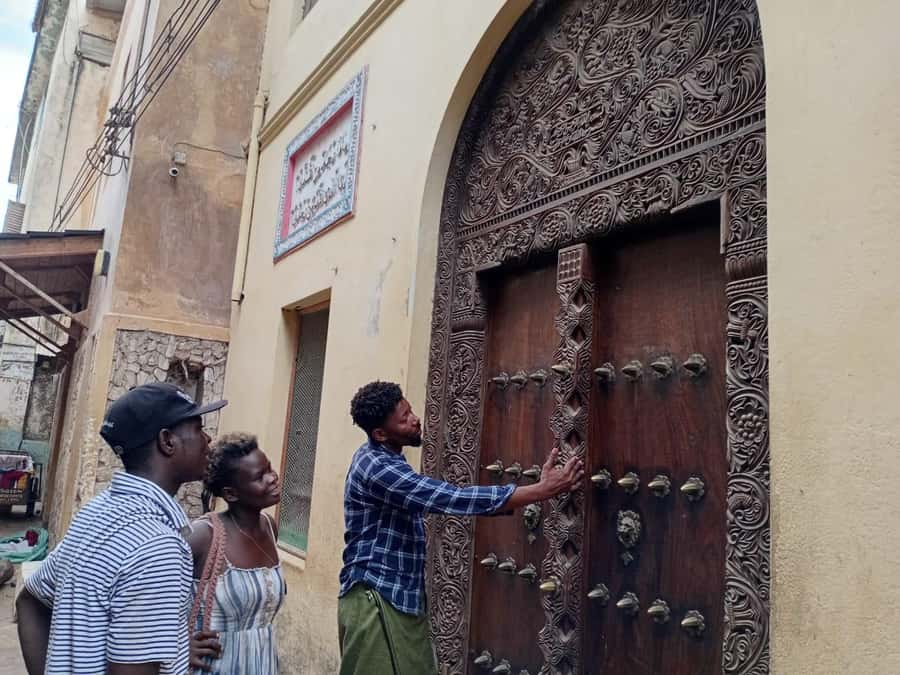
REVIEW · NAIROBI
Swahili Carved Doors Tour by Woman Woodcarver: Lamu Island
Lamu doors tell stories in wood. On this 3-hour walking tour with Almasi, Lamu’s only woman woodcarver, you’ll connect Swahili carved doors to the people and traditions that made them, one alley at a time. I love the way she turns door details into clear, human stories, but you should know this is a walking experience, so wear comfy shoes and expect the pace to follow the weather.
My second favorite part is the on-foot format. You move slowly enough to notice craftsmanship in door panels and frames, not just snap photos and rush on.
In This Review
- Key highlights you will care about
- Meeting Almasi, Lamu’s only woman woodcarver
- Lamu Old Town on foot, how the 3-hour walk really works
- What you will learn as you look at doors closely
- Door spotting tips for your camera and your feet
- Weather and timing, when Lamu changes the plan
- The Shela option, more carved doors 3 km away
- Is this tour good value at about $40?
- Who should book this Swahili carved door walk
- Should you book this tour or skip it?
- FAQ
- How long is the Swahili Carved Doors tour?
- What time does the tour start?
- Where do we start the walking tour?
- What language is the guide?
- Is this tour wheelchair accessible?
- What should I bring?
- Is food or drinks included?
- Is the tour affected by rain?
Key highlights you will care about
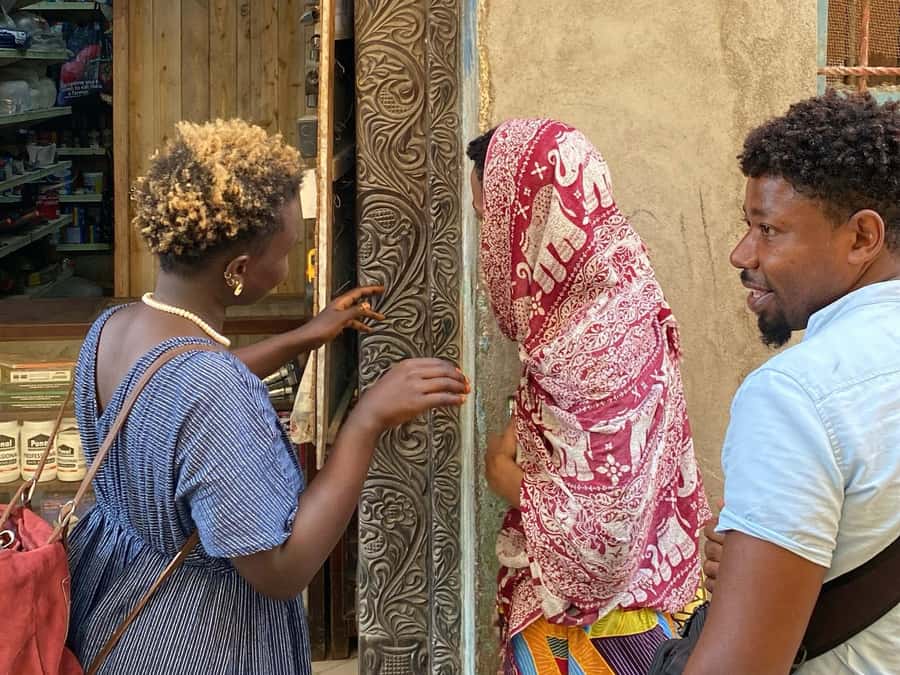
- Meet Almasi, Lamu’s only woman woodcarver, and learn from a working artisan
- Spot real Swahili door styles as you walk main streets and back lanes
- Slow, photo-friendly Old Town walking time through a UNESCO World Heritage Site
- Understand why designs differ, not only what the doors look like
- Add Shela doors (3 km away) if you want more carved examples
Meeting Almasi, Lamu’s only woman woodcarver
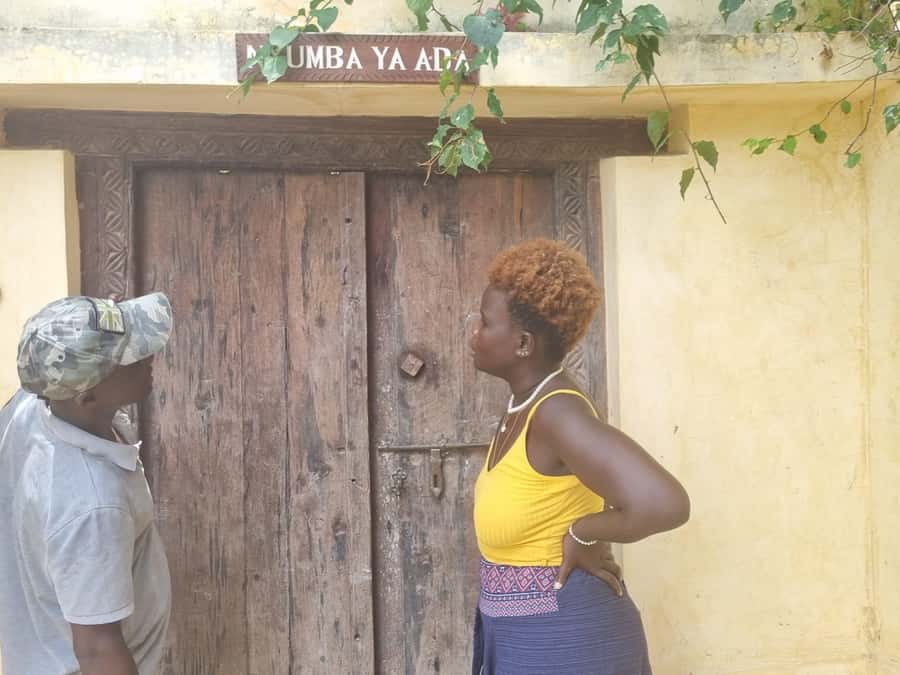
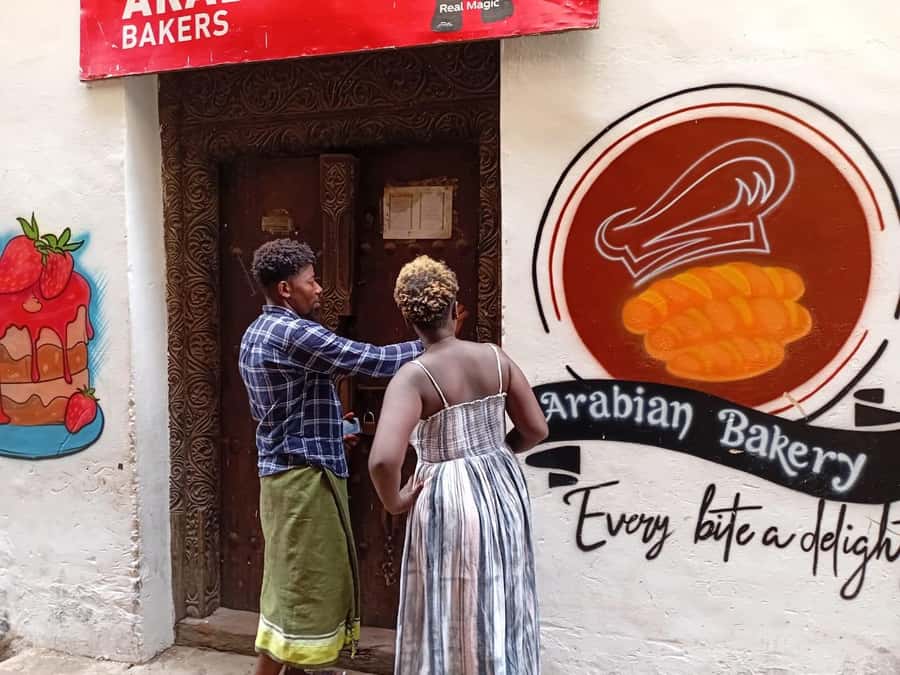
This tour is built around one person: Almasi. She guides you through Lamu’s carved door tradition using what she knows as a woodcarver, not just what she has read. That matters, because you’ll start noticing how and why the carvings were made, and not just that they exist.
From the start, you’ll feel the focus on craft. Almasi helps you look at doors as design systems, where shape, panel layout, and carving choices come together as style. In practical terms, you’ll leave with a better eye for what makes a door look distinctly Swahili, and what shifts between carving approaches.
One bonus from experience on hot days: Almasi may treat you to sugarcane juice during the walk. It is not listed as part of the tour, so think of it as a kind extra, not a guarantee, but it fits the tone of the experience.
Other Kenya trips people compare against this one:
- Nairobi National Park Half-Day Tour; Free Wi-Fi connection
★ 5.0 · 878 reviews - Nairobi: National Park & Optional Elephants & Giraffe Center
★ 4.8 · 874 reviews - NAI NAMI: Nairobi Storytelling Tour with Street Children
★ 5.0 · 792 reviews
Lamu Old Town on foot, how the 3-hour walk really works
The tour runs in the afternoon, typically starting at 3 p.m. You meet in Lamu Old Town and begin the walk either from the town square or from a pickup point you choose while booking. There is no hotel pickup or drop-off included, so plan to reach your meeting spot yourself.
Once you’re moving, the structure is simple: you’ll stroll through the narrow streets where Lamu’s carved doors are part of the everyday streetscape. The route includes main roads and quieter back streets, which is where you often get the best views of door details without crowds.
Expect a leisurely pace. The whole walk is designed for people who like old places and slow looking. If you enjoy taking time, asking questions, and photographing patterns and textures, this format will feel natural. If you are the type who wants to “check it off fast,” you might find the pace a bit unhurried, because the tour is all about paying attention.
What you will learn as you look at doors closely
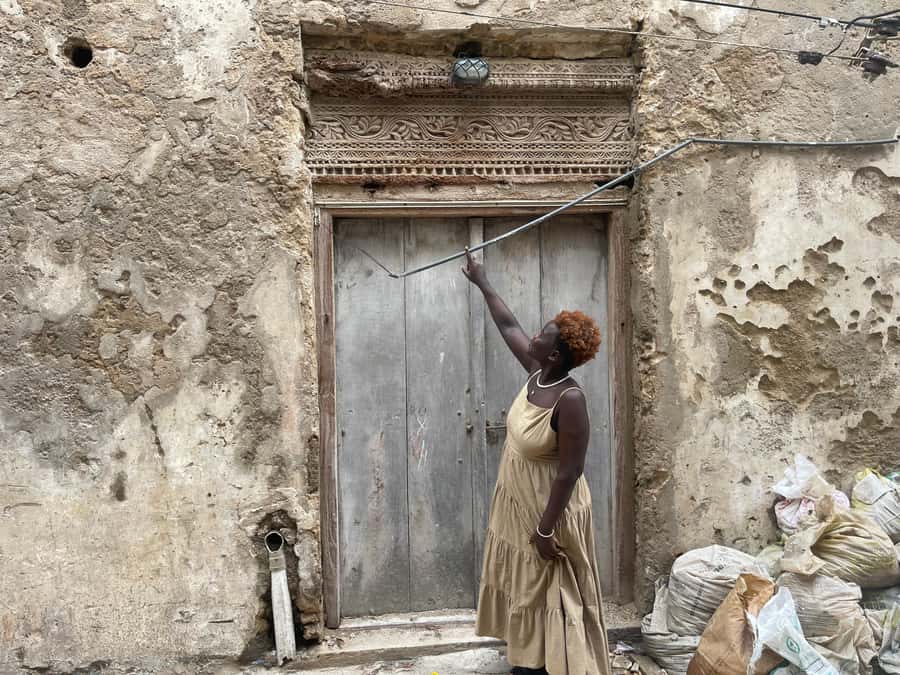
The heart of the experience is learning how to recognize carving styles and design origins. Almasi guides you through the differences in door designs you’ll see across Lamu, and she helps you connect those differences to cultural influences over time.
Here is what you can expect to pick up during the walk:
- How to tell apart key door carving styles by how the motifs and surfaces are shaped
- How Lamu door designs reflect Swahili culture and changes across generations
- Why the workmanship matters, not just the final look
You do not need to be an art expert. The tour is set up for curious walkers, and you’ll get the benefit of explanations in English and Swahili. If you understand some Swahili, you can listen for terms and then ask follow-up questions in whichever language feels easiest.
Also, you’ll likely start to notice that “door” is not just a doorway. In Swahili architecture, it’s a statement piece. The carvings often act like visual storytelling, so when you learn the style language, the doors start talking back.
Door spotting tips for your camera and your feet
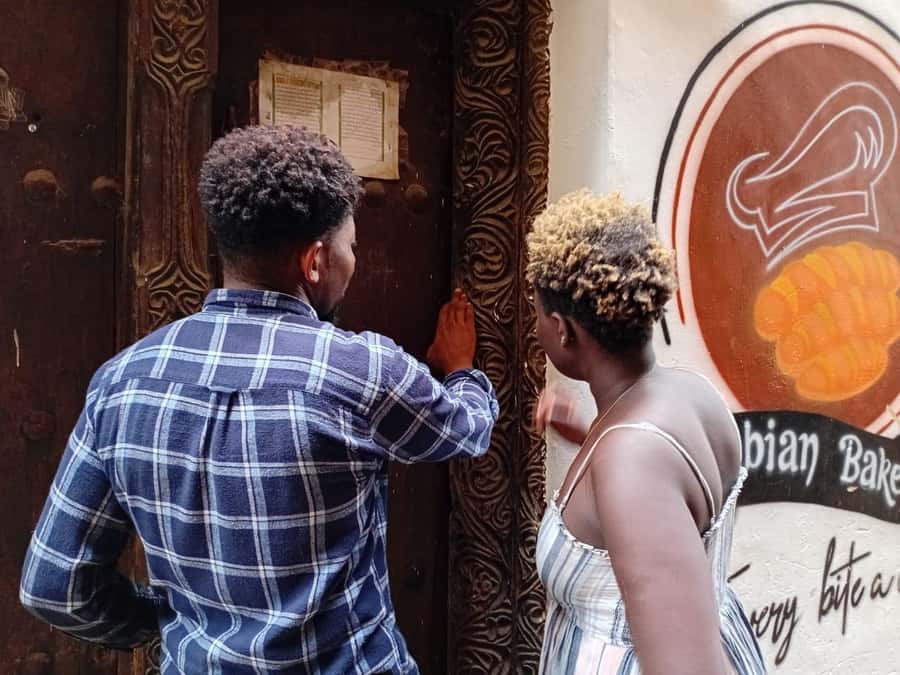
Bring your camera and a good eye for close details. Lamu doors can be photo-friendly, but the streets are narrow, so you’ll want to plan for angled shots and steady framing. A hat helps a lot in afternoon light, and water is smart even if the route has stops and shops nearby.
A practical note: routes are wheelchair accessible. That is helpful if you need mobility support, and it also means the walking plan is more considerate than many Old Town routes elsewhere. Still, you should wear comfortable shoes because you’ll be on your feet for the full walking time.
You’ll probably pass small shops as you walk. If you want snacks or drinks, you can buy small items along the way. I recommend carrying some basics anyway, since I prefer not to run low in the middle of a sun-soaked stroll.
Same trip, a different part of the country:
- Nairobi National Park Half-Day Game Drive
★ 4.5 · 738 reviews - Nairobi: Historic and Modern Highlights Walking Tour
★ 4.8 · 703 reviews - Safari Tour; Nairobi National Park
★ 4.5 · 594 reviews - 3 Days Masai Mara Group Joining
★ 5.0 · 486 reviews
Weather and timing, when Lamu changes the plan
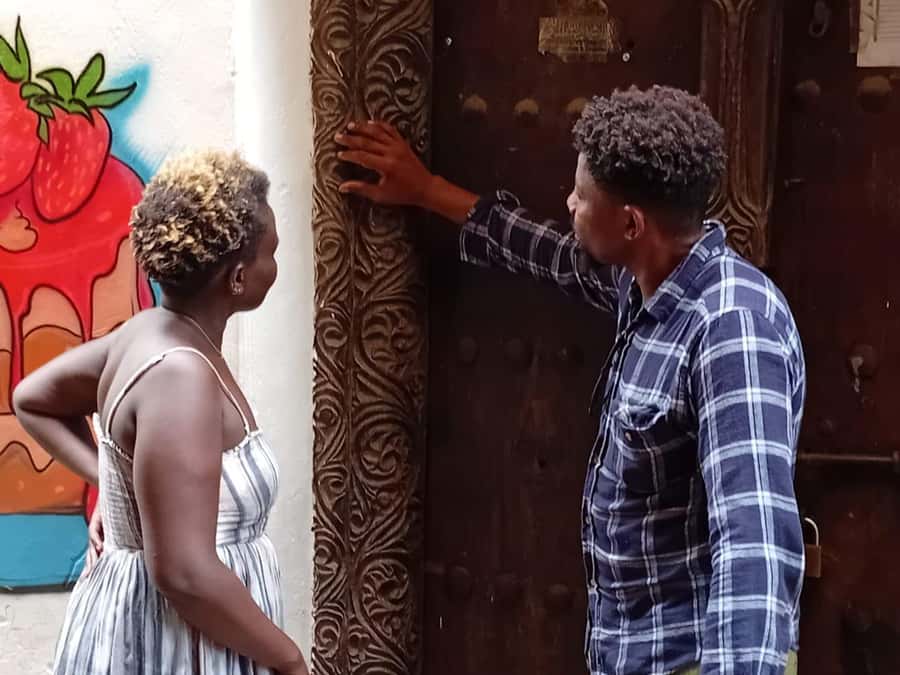
This is a walking tour, and Lamu weather can change your comfort. The tour is dependent on weather conditions, and during the rainy season months (May, June, July), it runs at times when there is no rain. That means the tour may feel flexible, but the goal stays the same: keep it walking-based without turning it into a storm sprint.
Since the tour usually starts at 3 p.m., you’ll experience the late-day light that often makes carved details easier to see. If you are booking during warmer months, the sun can still be intense, so follow the simple kit advice: hat, water, and shoes that don’t punish you at the end.
If you need a different time than 3 p.m., you can request it in advance. That is useful if you want to pair the tour with other plans in Lamu the same day.
The Shela option, more carved doors 3 km away
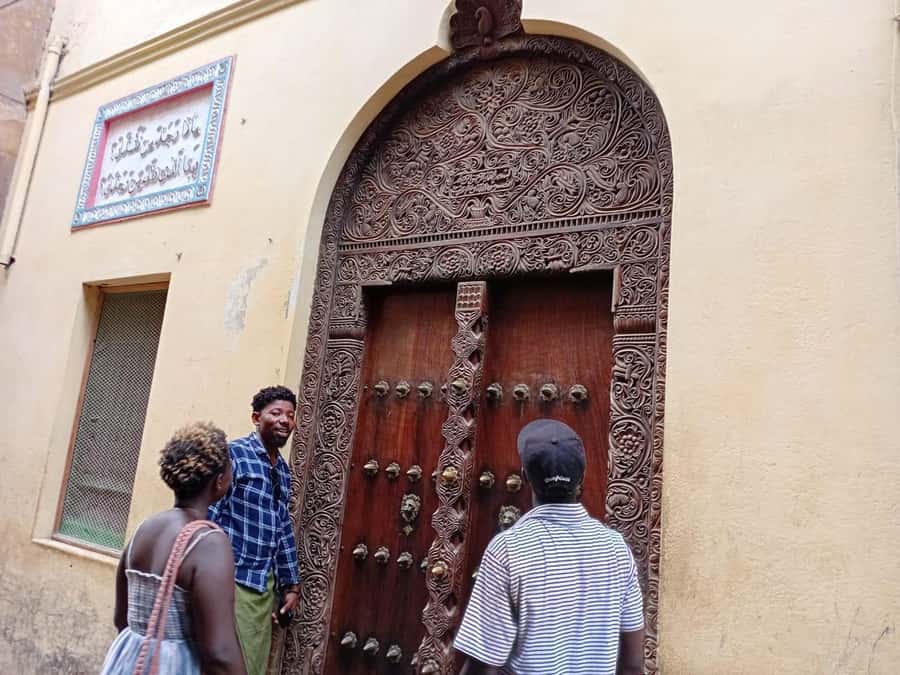
There is an optional add-on that many people enjoy: a walking extension to Shela, about 3 km from Lamu Old Town. Shela also has Swahili carved doors, so it expands the “door spotting” idea beyond one compact area.
Because the extension is listed as an additional walking tour, you should think of it as extra time for comparisons. If you like pattern recognition, you’ll enjoy seeing how door styles show up in a nearby neighborhood context. If you want to keep things lighter, you can focus on the Old Town portion only, and still come away with a strong sense of Lamu’s carved-door identity.
Is this tour good value at about $40?
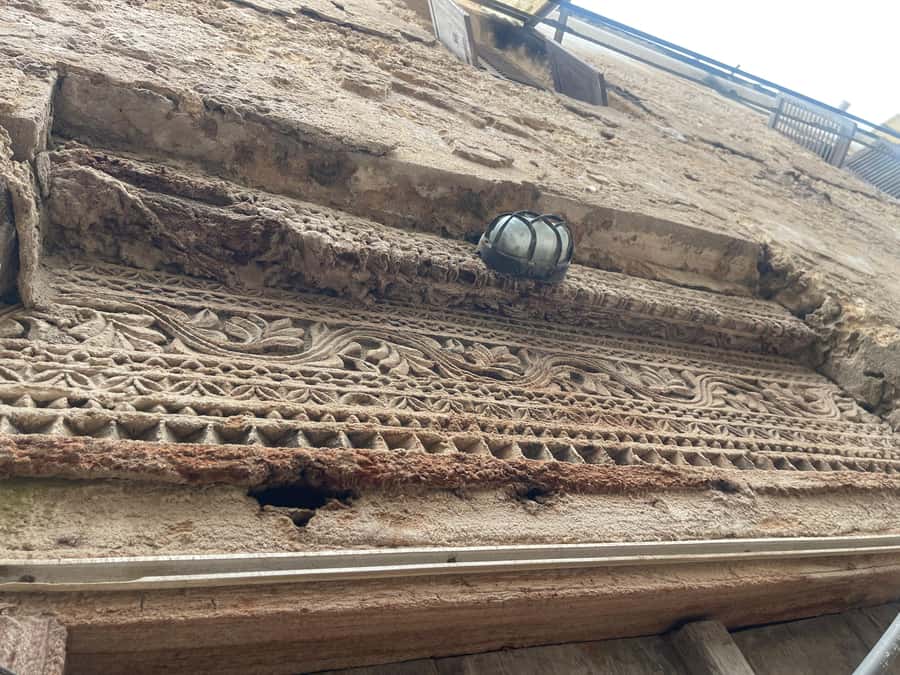
At $40 per person for about a 3-hour walking experience with a live guide and a focused theme, the value comes from two things.
First, you are paying for expert access to craftsmanship through Almasi. This is not a drive-by photo stop. You’re walking and learning the visual language of door carving as you go.
Second, Lamu Old Town is a UNESCO World Heritage Site, but your time there is spent with intention. You’re not simply wandering. You have a guide who helps you notice, interpret, and remember.
Private group format also tends to make a difference. Even without big group logistics, you generally get a more relaxed pace for questions and photos. If you like thoughtful sightseeing and want fewer “random stops,” this style of tour makes sense.
Who should book this Swahili carved door walk
This is a great fit if you:
- Enjoy walking and slow looking in historic neighborhoods
- Like craft, patterns, and how form carries meaning
- Want to understand Swahili culture through architecture
- Travel as a pair, small group, or anyone who prefers a quieter, private feel
It’s less ideal if you have very limited mobility or if you prefer high-volume sightseeing with many major landmarks in a short time. The tour is manageable and accessibility is supported, but it is still a walking-focused plan.
If you love photography, bring a camera and expect you’ll use it. If you love conversation, expect Almasi to be warm and engaging. The overall tone comes through in a lot of small touches, including the kind gesture of sugarcane juice on a hot day when it fits the moment.
Should you book this tour or skip it?
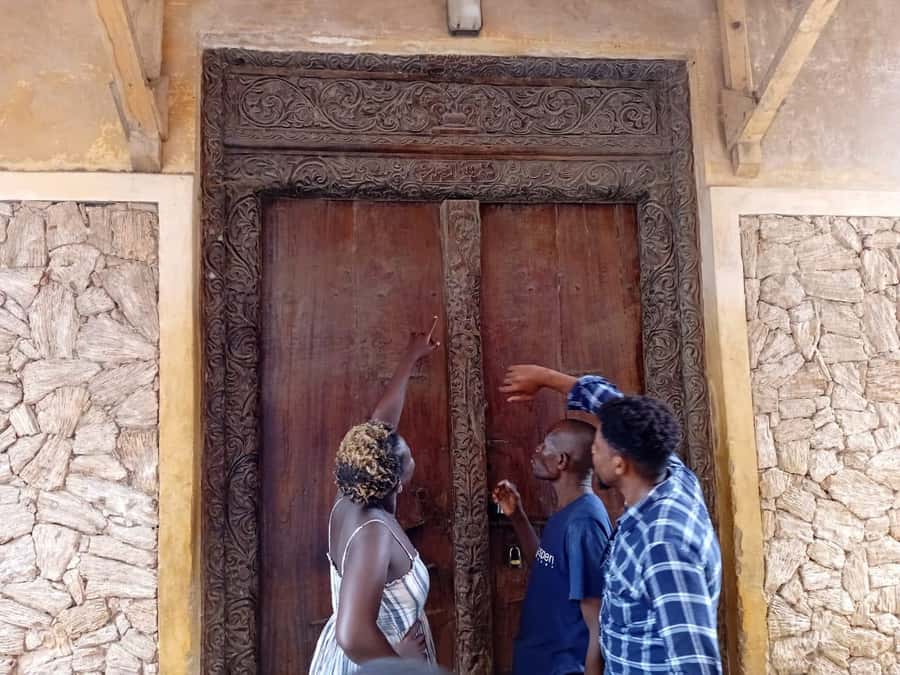
Book it if you want a guided walk that teaches you how to see. This is one of those experiences where the details matter: door carvings, style differences, and the cultural stories tied to what you’re looking at. The combination of a working woodcarver guide, Lamu Old Town walking, and a calm pace makes it a smart use of an afternoon.
Skip it only if you dislike walking, are not interested in architecture or craft, or you are trying to do Lamu with zero “learning time.” If that’s you, you’ll probably prefer a more general Old Town stroll instead.
If you do book, plan for comfort: wear sturdy shoes, bring water and a hat, and take your time at the doors. The whole tour is built to reward the slow observer.
FAQ
How long is the Swahili Carved Doors tour?
The walking tour lasts about 3 hours.
What time does the tour start?
Tours are conducted in the afternoon, typically at 3 p.m. You can contact in advance to arrange a different time slot.
Where do we start the walking tour?
You’ll start from the town square or from wherever you prefer to be picked up, as long as you indicate your pickup preference when booking. Hotel pickup and drop-off are not included.
What language is the guide?
The live tour guide speaks English and Swahili.
Is this tour wheelchair accessible?
Yes. The routes are listed as wheelchair accessible.
What should I bring?
Bring comfortable walking shoes, a hat, a camera, and water.
Is food or drinks included?
No. Food and drinks are not included, though you can carry your own refreshments and snacks.
Is the tour affected by rain?
Yes, it is dependent on weather conditions. During the rainy season, it is conducted at times where there is no rain.
Newest write-ups from Kenya
- Watamu: Sunset Mangrove Canoe Tour with Coconut Drink★ 3.6 · 8 reviews
- Watamu: Learn Kenyan Cusine with Jonathan★ 4.1 · 8 reviews
- WATAMU: MALINDI: SARDEGNA ISLAND & MALINDI MARINE PARK★ 4.5 · 9 reviews
- Lake Nakuru Day Trip Safari – & Optional Lake Naivasha Boat★ 5.0 · 5 reviews
- Tsavo East National Park: 2-Day Tour from Mombasa★ 3.9 · 5 reviews
- Visit kibera Slum the chocolate city★ 4.8 · 3 reviews
- Lake Nakuru NP Half-Day Safari★ 4.0 · 4 reviews
- Tsavo East and Tsavo West Sanctuary Safari★ 5.0 · 3 reviews