
REVIEW · NAIROBI
Dhow Adventure to Wasini Island & Kisite Marine Park
Dolphins and coral in one day. This Diani-to-Wasini trip mixes Kisite-Mpunguti Marine Park snorkeling with dolphin sightings, all aboard a traditional wooden dhow. I like the way the day keeps moving, but never feels rushed, with plenty of time in the water and breaks built in.
My favorite part is the balance: big wildlife moments plus a real cultural stop on Wasini. You also get a Swahili-style seafood lunch and an island walk after, so it is not only a snorkel outing. One possible drawback: you’re dealing with open water, and if you’re prone to seasickness or hate jumping in from the boat, this may feel like a lot.
In This Review
- Key points you’ll actually care about
- From Diani pickup to the dhow: what the start feels like
- Dolphin spotting on the sail to Kisite-Mpunguti
- Kisite-Mpunguti snorkeling: gear, entry style, and safety
- Sandbank time: when tides change the view
- Wasini Island lunch and the village walk that adds context
- The slave caves in Shimoni: why this stop hits harder
- Comfort details that make a long day easier
- Price and value: is $128 a fair deal?
- Who should book, and who should skip this day
- What to bring for a 9-hour dhow day in Kenya
- Should you book Dhow Adventure to Wasini and Kisite?
- FAQ
- How long is the trip?
- What’s included in the price?
- Where do you pick up from?
- Is the sandbank stop guaranteed?
- Do I need to know how to swim?
- What is the cancellation policy?
Key points you’ll actually care about
- Limited guest numbers on a comfortable dhow: feels more personal, and you are not packed in.
- Wildlife first, not animal chasing: dolphins and turtles are approached respectfully, not forced.
- Snorkeling support is real: life vests are provided, and the team helps you feel steady in the water.
- Two free snorkel sessions are common: more chances to see fish, turtles, and good reef areas.
- Wasini Island is more than lunch: you get a guided village walk plus coral garden and sometimes slave caves.
- Free photos and videos from the day: underwater shots are part of the value.
From Diani pickup to the dhow: what the start feels like
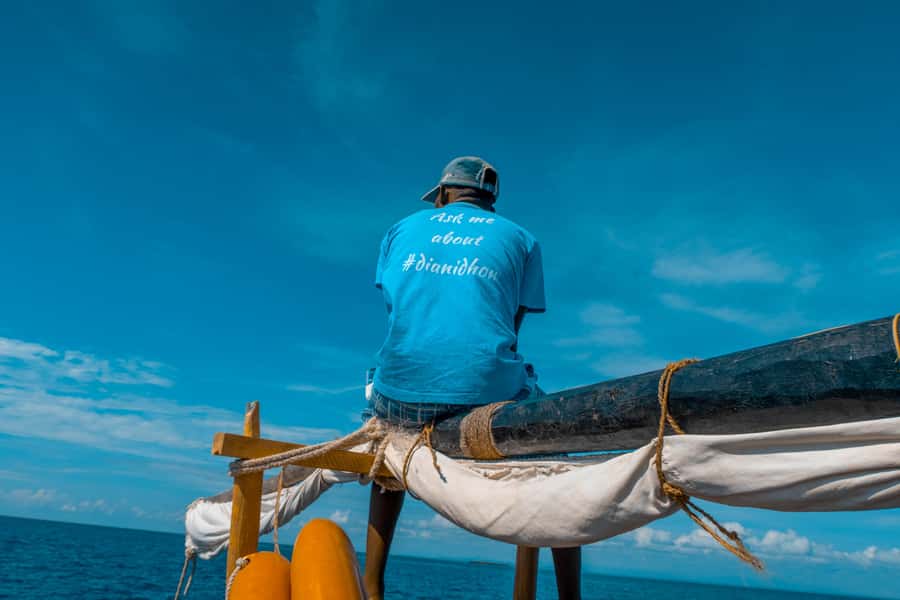
Expect an early hotel pickup from Diani, usually around 6:30 or 6:40 a.m. The drive along the South Coast brings you from beach hotels to the harbor area where the day begins in earnest. Then it is onto a traditional wooden dhow, with music onboard and basic comforts like toilets.
Before you even hit the marine reserve, you are not starting hungry or dry. You’ll get a Swahili breakfast on the boat (tea or coffee and fruit), plus light snacks as the boat heads out. This matters because your day is long, about 9 hours of activity time, and it can run closer to 9 to 10 hours with transport.
The boat ride itself is part of the experience. Some days the sea is smooth enough to relax. Other days it is choppier, and you’ll feel it. If you’re the type who needs motion medicine, plan for that, because the ocean does not always cooperate.
Other Kenya trips people compare against this one:
- Nairobi National Park Half-Day Tour; Free Wi-Fi connection
★ 5.0 · 878 reviews - Nairobi: National Park & Optional Elephants & Giraffe Center
★ 4.8 · 874 reviews - NAI NAMI: Nairobi Storytelling Tour with Street Children
★ 5.0 · 792 reviews
Dolphin spotting on the sail to Kisite-Mpunguti
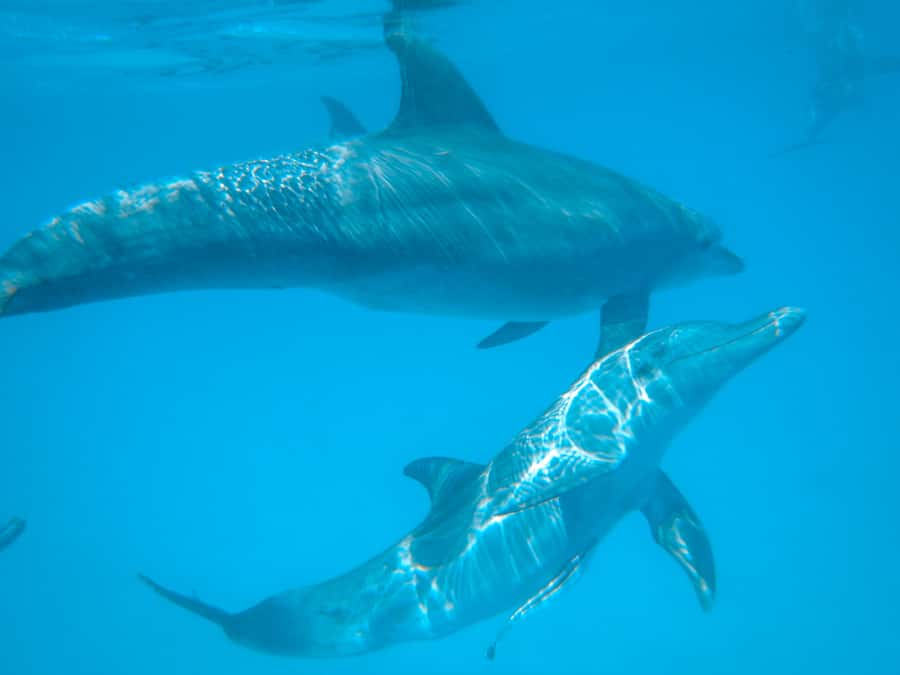
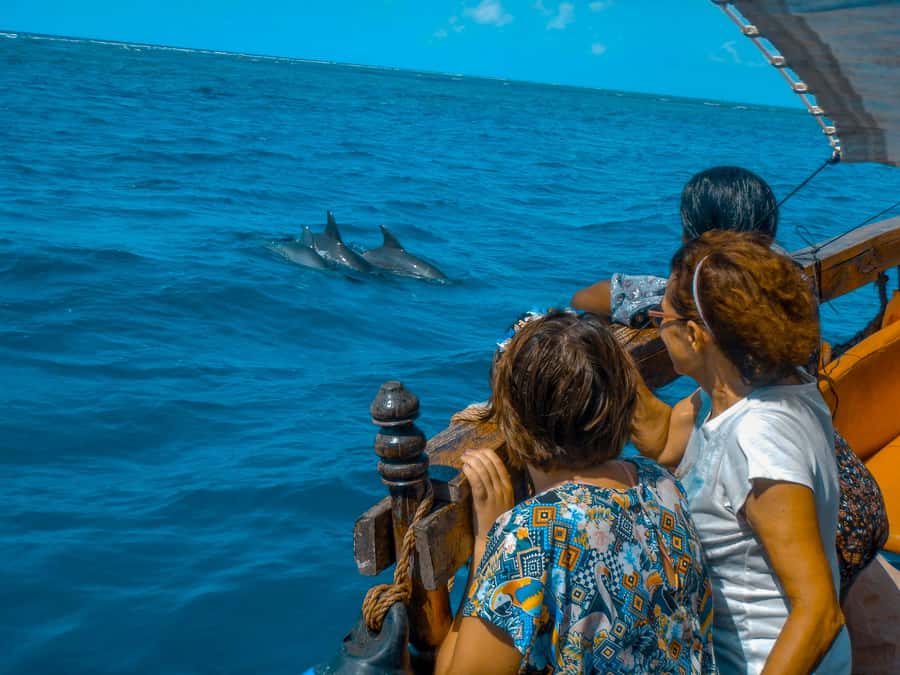
You’ll watch for dolphins during the sail, and they are often spotted around the area near the marine park. Sometimes dolphins stay at a distance while you cruise, and sometimes they come close enough to make you grin like you just won something.
A big theme in how this trip runs is patience. The team looks for animals, and when dolphins show up, the boat does not act like a video game boss fight where you chase them nonstop. I like this approach. It keeps the experience ethical, and it also tends to protect the odds of seeing dolphins for real.
You should also know something practical: seeing dolphins is not guaranteed. You are going for chances, not promises. Still, many days deliver close encounters, including sightings while snorkeling.
Kisite-Mpunguti snorkeling: gear, entry style, and safety
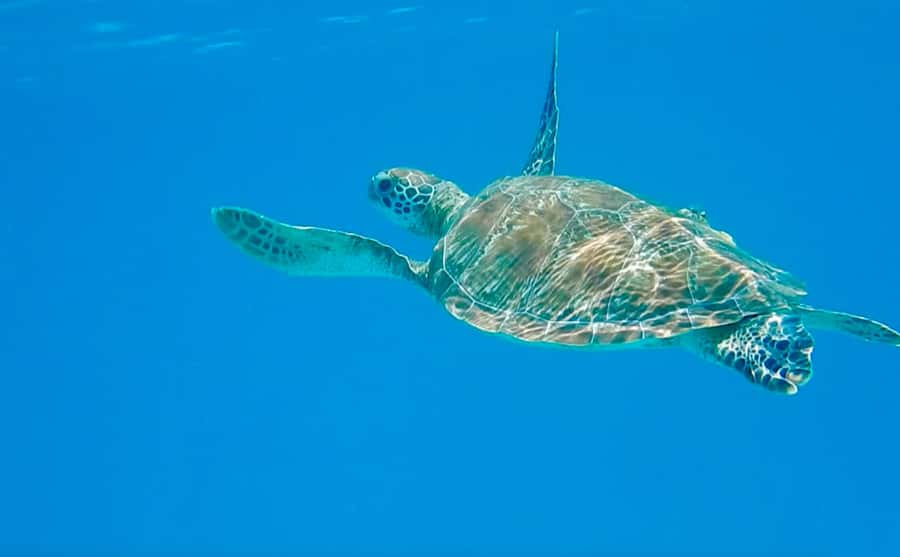
Kisite-Mpunguti Marine Park is where the day earns its reputation. Once you reach the protected area, you get snorkeling time in clear water with reef life. People report lots of fish, plus the possibility of rays and turtles. If you are lucky, you might even see bigger standout animals like turtles in the water.
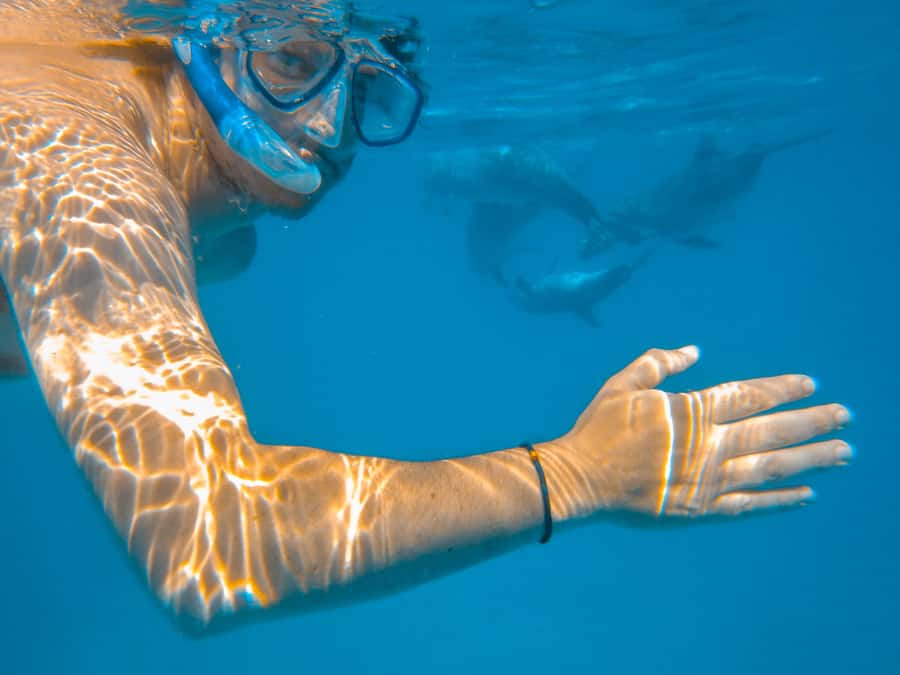
Here’s the key detail that can surprise first-timers: snorkeling is often done with a jump from the boat into open water. You snorkel with guides offshore rather than stepping in from a beach. It is still described as safe, and you are supported, but it is not the easiest entry if you hate open water or you have trouble staying calm.
Good news: you’re not left on your own. Life vests are provided, and the team watches closely. Many first-time snorkelers say they felt safe with the support they got in the water. If you wear prescription masks, you can request reading-strength masks, and flippers are provided onboard.
Also, you typically get more than one snorkeling session. People commonly describe two snorkel stops, which means you’re not burning all your luck on the first 20 minutes. It helps you see different reef sections and improves the odds of turtles or dolphins showing up during your water time.
Sandbank time: when tides change the view
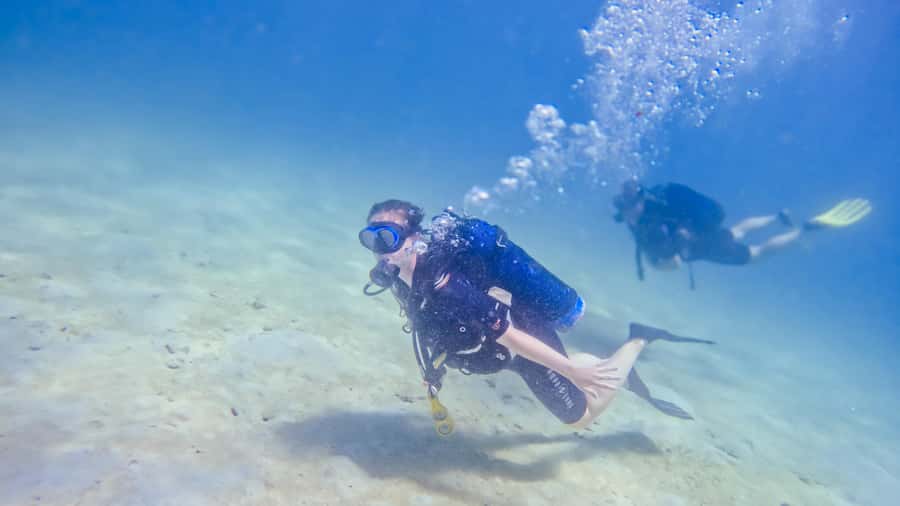
There may be a stop at a sandbank where you can swim, relax, and enjoy the scenery. But tides matter, and the sandbank is not always visible, especially at higher tide. So if you are booking expecting a guaranteed beach moment, you might feel a little disappointed if conditions do not line up.
This is one of those realities on the Kenyan coast where planning is good, but the ocean makes decisions too. The upside is that even without a sandbank, the snorkeling and island portion still fill the day with plenty to do.
Same trip, a different part of the country:
- Nairobi National Park Half-Day Game Drive
★ 4.5 · 738 reviews - Nairobi: Historic and Modern Highlights Walking Tour
★ 4.8 · 703 reviews - Safari Tour; Nairobi National Park
★ 4.5 · 594 reviews - 3 Days Masai Mara Group Joining
★ 5.0 · 486 reviews
Wasini Island lunch and the village walk that adds context
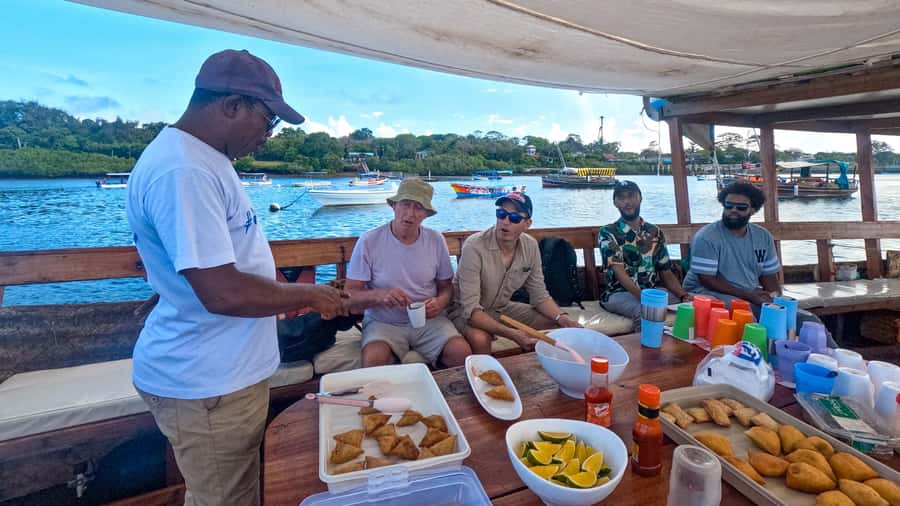
Wasini Island is your land break, and it’s not just a restaurant stop. Lunch is served after you reach the island, and it’s typically Swahili-style with catch-of-the-day seafood. You’ll also see local sides and chapati on the plate. A vegetarian option is available, so you’re not boxed into only one meal type.
Lunch is included, and this is part of the value. You’re not paying for boat food or scrambling for a meal after snorkeling. More than one person also notes that the lunch feels tied to the location, not like generic catering.
After lunch, you’ll do a short guided walk through the island village. This is where the day becomes more than sea life. Depending on timing and itinerary, you may visit the ancient coral garden, and some versions include a stop tied to the island’s darker history at the slave caves on the mainland.
A note on what the village experience can feel like: it’s real life. Some visitors love meeting local children, while others find that attention from children can feel intense. If you want to be ready for that vibe, keep small gifts in mind, like pencils or simple items, but only if you’re comfortable participating in that way.
The slave caves in Shimoni: why this stop hits harder
This trip includes free entrance to the Coral Garden and free entrance to the Slave Cave or Museum portion, which is often associated with Shimoni. People describe this stop as moving and meaningful, especially because it connects the coast’s slavery history to what happened before ships carried people onward to Zanzibar.
I appreciate including this because it prevents the day from turning into a pure nature-only outing. You get reef life and dolphins, then you get a sobering reminder of how the coast has shaped human stories for centuries.
Some participants also mention other nearby sites like snake caves as part of their overall day, but that kind of add-on can vary by route and timing. What you can count on is the slave cave or museum entrance being part of the included package.
Comfort details that make a long day easier
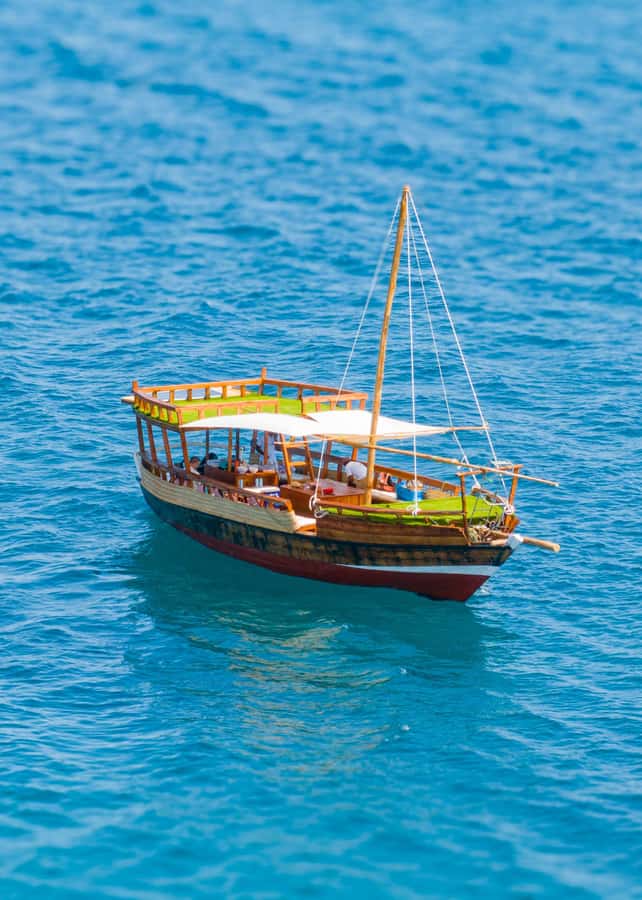
This is a full-day outing, and comfort matters. The dhow is described as big and comfortable, and multiple people mention it was not overcrowded. Limited guest numbers are part of the pitch, and the feedback supports that it feels easier to manage onboard.
Small practical upgrades show up through the day:
- Toilets onboard so you are not scrambling mid-sail
- Music onboard, which helps the early start feel less painful
- Flippers and snorkeling gear included, with prescription masks available on request
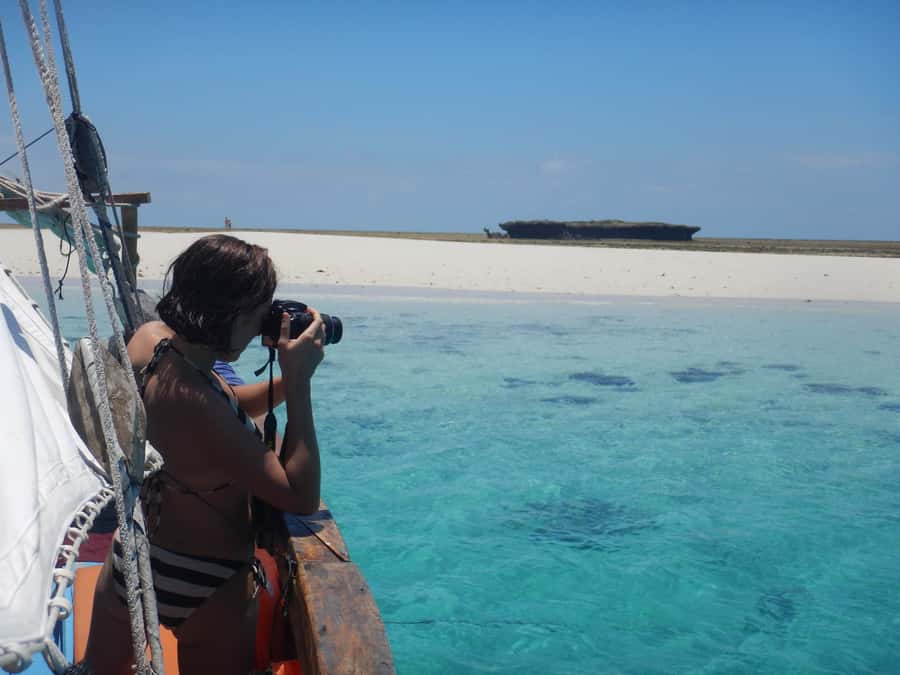
- Waterproof camera and free photos and videos
The photo and video part is a genuine value add. Underwater shots are hard to get alone, and having the team handle it means you can focus on snorkeling instead of playing photographer with a soggy phone.
Price and value: is $128 a fair deal?
At $128 per person, the headline question is simple: do you get enough included to justify the cost. In this case, you do.
You’re paying for a bundle that usually adds up fast if you price it separately:
- Pickup and drop-off in Diani (and Galu)
- Boat ride on a traditional dhow
- Snorkeling gear onboard (including flippers and masks, plus life vests)
- Breakfast, lunch, and soft drinks plus water
- Alcohol allowance of 2 beers or 2 glasses of wine
- Entry to the coral garden and the slave cave or museum
- Free photos and videos plus underwater footage
- An experienced English-speaking guide and live narration in several languages (English, German, Faeroese, French)
If you’re the type who likes dolphins but also wants reef time and a cultural stop, this price sits in a reasonable zone because you’re not paying extra at every turn. If you’re only there for a quick snorkel and you’d rather build your own itinerary, then you might find other options cheaper. But for a one-day, one-booking solution that covers boat, food, gear, and key entrances, it’s strong value.
Who should book, and who should skip this day
This tour is a good match if you:
- Want dolphin and reef snorkeling chances in one organized day
- Like having staff guide you in the water, not just handing you gear and disappearing
- Enjoy a cultural add-on after the sea time, including the coral garden and slave cave or museum stop
It may not be the best match if you:
- Are prone to seasickness (the open water portion can be rough on some days)
- Have mobility issues or severe back pain, since boat and water entry can be physical
- Fear open water, because snorkeling is often done with open-water jumping from the boat
Kids are welcome, as long as they know how to swim for snorkeling. For under 4, you should ask first. If your child cannot swim, you may end up spending the day managing stress instead of enjoying reef time.
What to bring for a 9-hour dhow day in Kenya
Pack like you’ll be in the sun, in the water, and on a boat for most of the day.
Bring:
- Swimwear
- Towel
- T-shirt
- Sunscreen and a hat
- Flip-flops or water shoes
- A camera if you have one
In terms of clothing, more sun protection is usually better. Some people suggest long sleeves for time in the water, since SPF alone might not be enough once you’re out there for hours.
One more small eco tip: the marine park reminder is clear about single-use plastic bottles. If you can, bring a reusable bottle.
Should you book Dhow Adventure to Wasini and Kisite?
Book this if you want a full Kenyan coast day that hits three things together: open-water snorkeling at Kisite-Mpunguti, wildlife chances with dolphins and turtles, and an island stop that gives Wasini Island its own meaning. The included food, gear, entrances, and free underwater photos make it feel like a real package, not a collection of add-ons.
Skip it or think twice if you’re easily seasick, you cannot handle open-water entry, or your health limits you around boats and water. Also be realistic about dolphins. You’re going for the wild experience, and sometimes the ocean plays along, sometimes it doesn’t.
If you’re in the Diani area and you want one dependable, well-run day instead of three separate bookings, this is a solid choice.
FAQ
How long is the trip?
The full-day outing runs about 9 hours, with transport and the full program typically making it around 9 to 10 hours total.
What’s included in the price?
Pickup and drop-off from South Coast accommodations in Diani (and Galu), the boat ride, snorkeling equipment onboard (including flippers and prescription diving masks), a guide, onboard music and toilets, a Swahili breakfast, lunch with seafood, chicken, or vegetable options, soft drinks and water, 2 beers or 2 glasses of wine, free entrance to the Coral Garden, and free entrance to the Slave Cave or Museum. You also get free photos and videos from the day.
Where do you pick up from?
Pickup is included from Diani Beach accommodations and from Galu. If you’re staying in Tiwi or Mombasa, transport can be arranged for an extra cost.
Is the sandbank stop guaranteed?
No. The sandbank depends on tides and weather, so it may not always be visible.
Do I need to know how to swim?
Snorkeling support is provided, including life vests, and the team helps you in the water. Kids are welcome, but they should know how to swim for snorkeling. If you have fear of open water, this is not ideal.
What is the cancellation policy?
You can cancel up to 24 hours in advance for a full refund.
Newest write-ups from Kenya
- Watamu: Sunset Mangrove Canoe Tour with Coconut Drink★ 3.6 · 8 reviews
- Watamu: Learn Kenyan Cusine with Jonathan★ 4.1 · 8 reviews
- WATAMU: MALINDI: SARDEGNA ISLAND & MALINDI MARINE PARK★ 4.5 · 9 reviews
- Lake Nakuru Day Trip Safari – & Optional Lake Naivasha Boat★ 5.0 · 5 reviews
- Tsavo East National Park: 2-Day Tour from Mombasa★ 3.9 · 5 reviews
- Visit kibera Slum the chocolate city★ 4.8 · 3 reviews
- Lake Nakuru NP Half-Day Safari★ 4.0 · 4 reviews
- Tsavo East and Tsavo West Sanctuary Safari★ 5.0 · 3 reviews