
REVIEW · TEA & COFFEE FARM TOURS
Day Tour to Fairview Coffee Farm
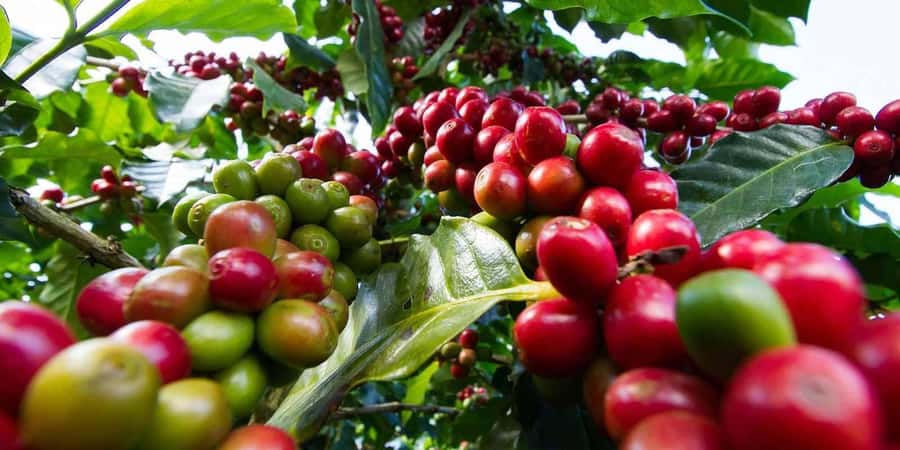
Coffee farm tours are usually just pretty photos. This one is different because you walk through the full story, from coffee plants to roasting and tasting at Fairview Coffee Estate. I like how the day is structured in clear stages, and I especially like the coffee tasting and the chance to compare what you learned with what you drink.
The main thing to watch is the cost beyond the tour price. The coffee farm entrance fee is $30 per person, and lunch is not included, so plan a realistic total before you go.
You’re also getting a smooth setup from Nairobi: pick up in town, a short drive out to Kiambu, then back again in a tidy half-day window.
In This Review
- Key highlights to plan around
- Why Fairview Coffee Estate Is Such a Good Nairobi Coffee Detour
- Getting to Kiambu: the van ride that sets expectations
- Stage 1 on the farm: history first, so the rest makes sense
- Stage 2 inside the coffee factory: seeing processing you can actually follow
- Stage 3 in the coffee lab: roasting, tasting, and how flavors are built
- The garden break: cookies, milk, and your last cup
- Transport, guide, and what’s actually included
- Price and value: what the $50 really covers
- Who should book, and who might want a different plan
- Tips to get the most from your 4 hours
- Should you book the Day Tour to Fairview Coffee Farm?
- FAQ
- How long is the Fairview Coffee Farm day tour?
- What is the price, and what extra fees should I expect?
- Is pickup and drop off provided in Nairobi?
- Is this tour private?
- What language is the guide, and is there a live guide?
- Is the tour wheelchair accessible?
- What is the cancellation policy?
Key highlights to plan around
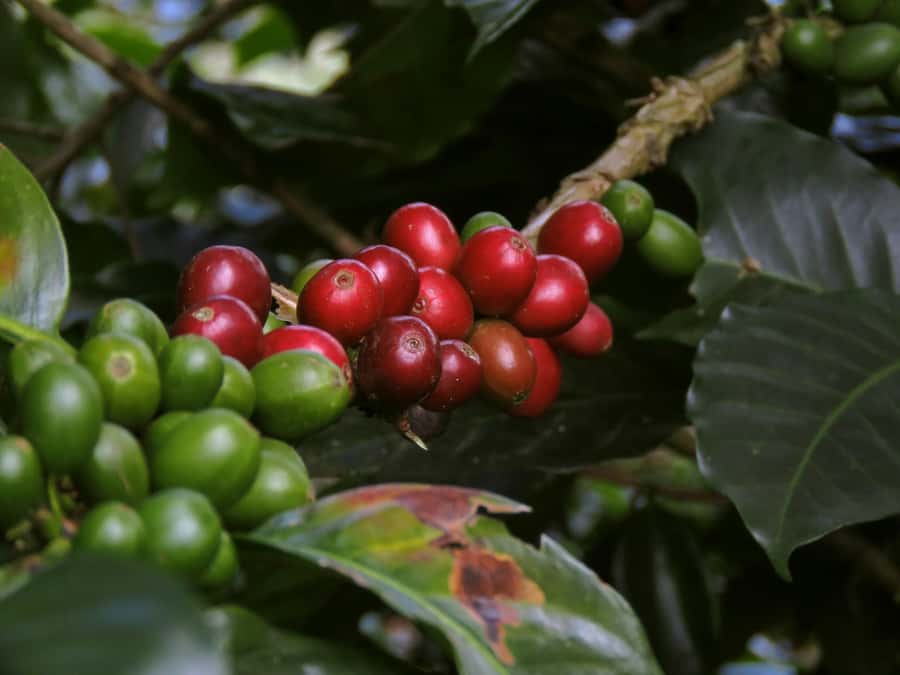
- Private group experience: only your group participates, with a live English speaking guide
- 3 focused stages on the farm: history, factory processing, then roasting and tasting in the lab
- Scenic countryside drive: you get views and fresh air on the way in and out of the estate area
- Garden coffee break: coffee served with cookies, plus milk you can add
- Buy coffee to take home: you may have a chance to purchase coffee after tasting
Why Fairview Coffee Estate Is Such a Good Nairobi Coffee Detour
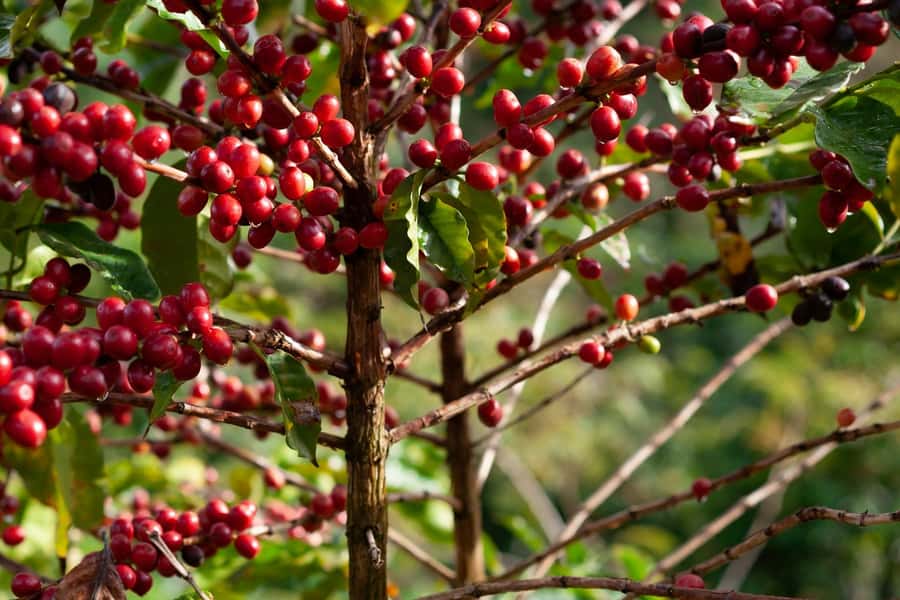
If you only have half a day in Nairobi, this is a smart way to see a real slice of Kenya’s everyday economy. Coffee here is not a souvenir theme, it’s an actual working process with multiple steps, and the tour keeps those steps practical and understandable.
What makes this estate stand out is the flow. You start with context, then you see how coffee is processed, then you end with roasting and tasting where it all comes together. That sequencing matters, because coffee can sound abstract until you watch the transformation from cherry to processed bean to roasted cup.
It also helps that the experience is built for both domestic and international visitors. You’re not expected to know coffee terms ahead of time. The guide gives you the history of the farm and then builds from there, so you’re not just looking at machinery and hoping it clicks.
One more real-world plus: it’s close. The estate sits about 20 minutes from Nairobi’s city center, and your whole day tour runs about 4 hours, including transport.
More Tea & Coffee Farm Tours in Nairobi:
- Nairobi Coffee Farm and Factory Tour
★ 5.0 · 87 reviews - Nairobi to Kiambethu Tea Farm Tour
★ 5.0 · 51 reviews - Coffee Farm Village & Factory Half Day Tour with Pick-Up
★ 5.0 · 33 reviews
Getting to Kiambu: the van ride that sets expectations
Your day starts in Nairobi with hotel pickup. You’ll ride in a well maintained car, and the transfer time is listed at about 30 minutes each way. On the way, you get scenic views and the kind of fresh air you notice right away when you move away from the city.
Why that matters: this is not a “rush in, rush out” drive. The travel time is short enough that you still have energy for the factory and roasting stages, which usually take more attention than people expect. Also, you avoid the stress of arranging your own transport for a specific farm visit schedule.
If you’re working with a tight itinerary after this tour, keep some buffer. One past experience included about an hour delay, and the drivers were described as friendly and helpful with planning afterward. That’s not a guarantee, but it’s a good reason to avoid stacking this right next to another timed commitment.
Stage 1 on the farm: history first, so the rest makes sense
Once you arrive at Fairview Coffee Estate in Kiambu, the tour kicks off with an explanation of the farm’s background. You’ll get the history of the estate from the professional staff. This is useful even if you think you already know coffee basics, because it frames how and why the farm operates the way it does.
Then you move from the story into the plant and the process logic behind it. You’ll be guided through what coffee has to go through before it becomes the drink you expect. This is the part where you start seeing coffee as a chain of decisions, not a single event.
What to look for during this stage:
- Pay attention to how coffee is grown and why farmers focus on quality.
- Listen for how the farm’s steps connect to the end flavor. If you catch that early, the tasting later hits harder.
You should also notice how the environment feels. Even without getting overly poetic, it’s a genuine change in air and pace, and that helps you stay present for the more technical factory and roasting stops.
Stage 2 inside the coffee factory: seeing processing you can actually follow
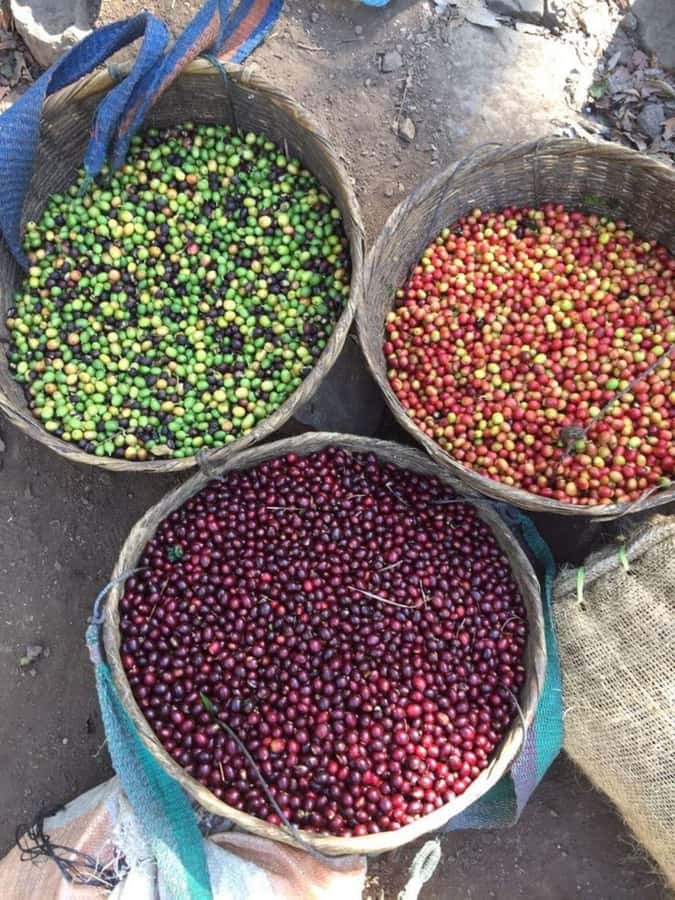
The second major stop is the coffee factory, where you learn about coffee processing and the stages involved. This is where the tour becomes hands-on in a visual way. You’re not just hearing that coffee changes form, you’re seeing the stages that get the crop ready for roasting.
Why factory time is valuable:
- Processing affects flavor, not just roasting.
- It helps you understand why two cups of coffee from different sources can taste totally different.
The tour is designed for clarity. You’ll move through the factory learning each step, and you’ll be able to connect it back to the history you heard earlier. If you’re the type who likes explanations, this is the part that will keep you engaged.
Practical consideration: this stage can be more “stand and watch” than “walk around freely,” depending on how the factory operates on the day. Wear comfortable shoes. You’ll likely be standing for stretches while the guide points things out and explains what you’re seeing.
More Farm Visits in Nairobi:
- Nairobi: Coffee Factory and Farm Tour with Transfer
★ 4.5 · 60 reviews - Private Day Trip to Kiambethu Tea Farm in Limuru from Nairobi
★ 5.0 · 31 reviews - Nairobi: Guided Coffee Farm Tour with Tastings
★ 5.0 · 24 reviews - Day Tour To Kiambethu Tea Farm in Limuru
★ 5.0 · 22 reviews
Stage 3 in the coffee lab: roasting, tasting, and how flavors are built
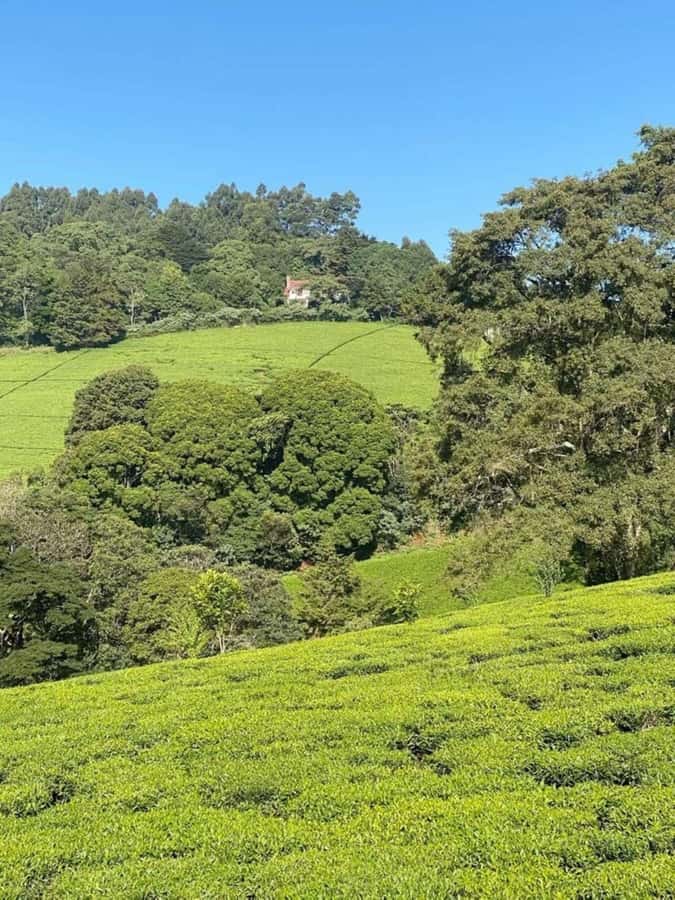
After the factory, you head to the coffee lab for roasting. This is one of the most memorable parts because you shift from processing to transformation by heat.
In the lab, you’ll learn about roasting and the process stages tied to that final step. Then you get to test the coffee, which is usually where the knowledge clicks.
Even if you don’t call yourself a coffee person, this is the section that makes the tour worth more than a quick farm walk. Tasting is where you stop being a spectator and start being a judge. You can connect what the guide explained to the actual cup in front of you.
A helpful approach:
- Take your first sips slowly.
- Think back to what you learned about processing and roasting.
- Try to describe what you notice, even in simple terms. It keeps you focused and makes the tour feel more personal.
There’s also often a chance to buy coffee afterward, so you can bring something home that matches what you tasted. That’s a nice final step because it turns the tour into a lasting memory instead of a one-time drink.
The garden break: cookies, milk, and your last cup
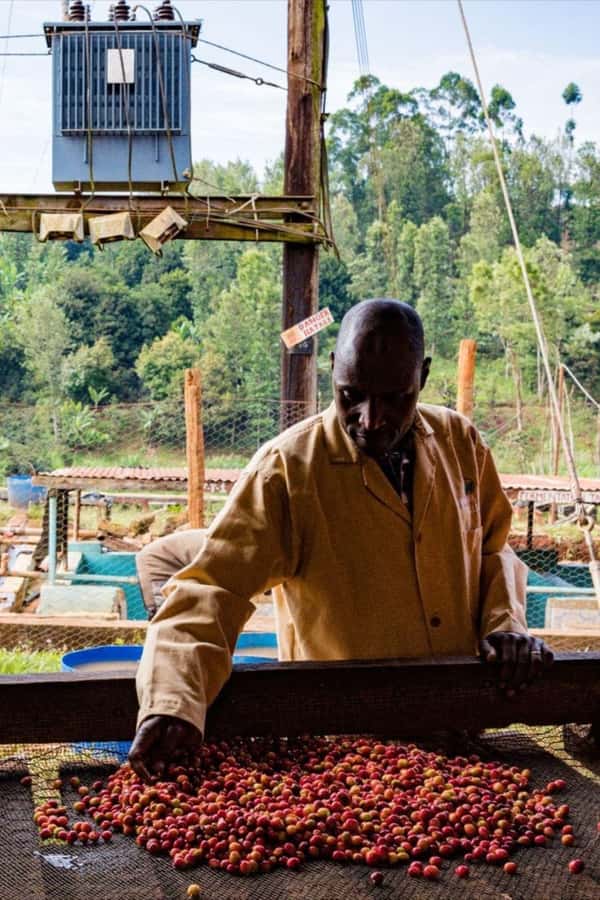
After the technical stops, the tour relaxes in a garden setting. You’ll be served coffee, cookies, and there’s milk available for you to add if you want it.
This is a smart design choice. Roasting and tasting can get intense, especially if you pay attention to every detail. The garden time gives your brain a breather, and it also lets you enjoy the coffee in a more casual way.
I like this part because it adds flexibility. Not everyone wants the same style of coffee. If you prefer it milky, you can do that here. If you want to taste it plain, you can too.
Also, it’s a good moment to ask your guide any leftover questions. You’ll often have a better time learning when you’ve already seen the machinery and sampled the result.
Transport, guide, and what’s actually included
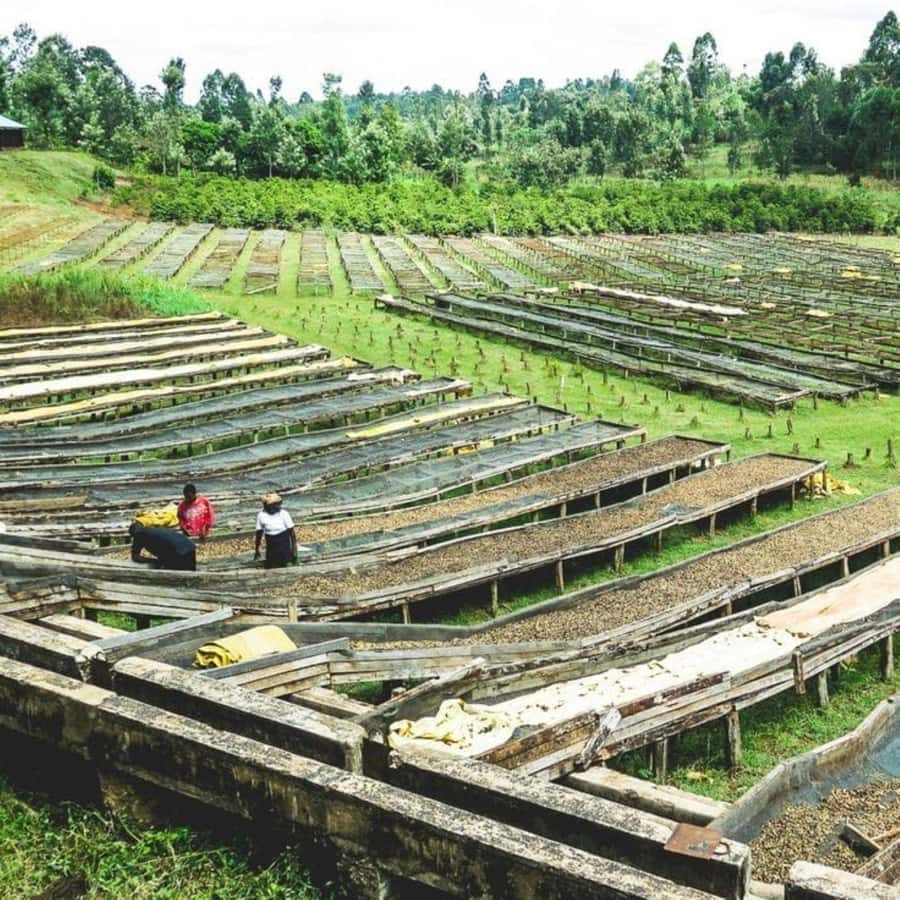
This tour includes several things that make the experience easier for you:
- Pickup and drop off to your hotel in Nairobi
- Transport in a well maintained car
- Bottled drinking water
- A professional English speaking guide
All of that matters because you’re not managing logistics while you’re trying to focus on what’s happening on the farm. A guided visit also helps you avoid “photo only” mode, since someone is there to explain the why behind each step.
The tour also offers wheelchair accessibility, and it runs as a private group, meaning only your group participates. That combination is great if you want a calmer, more personalized pace.
Price and value: what the $50 really covers
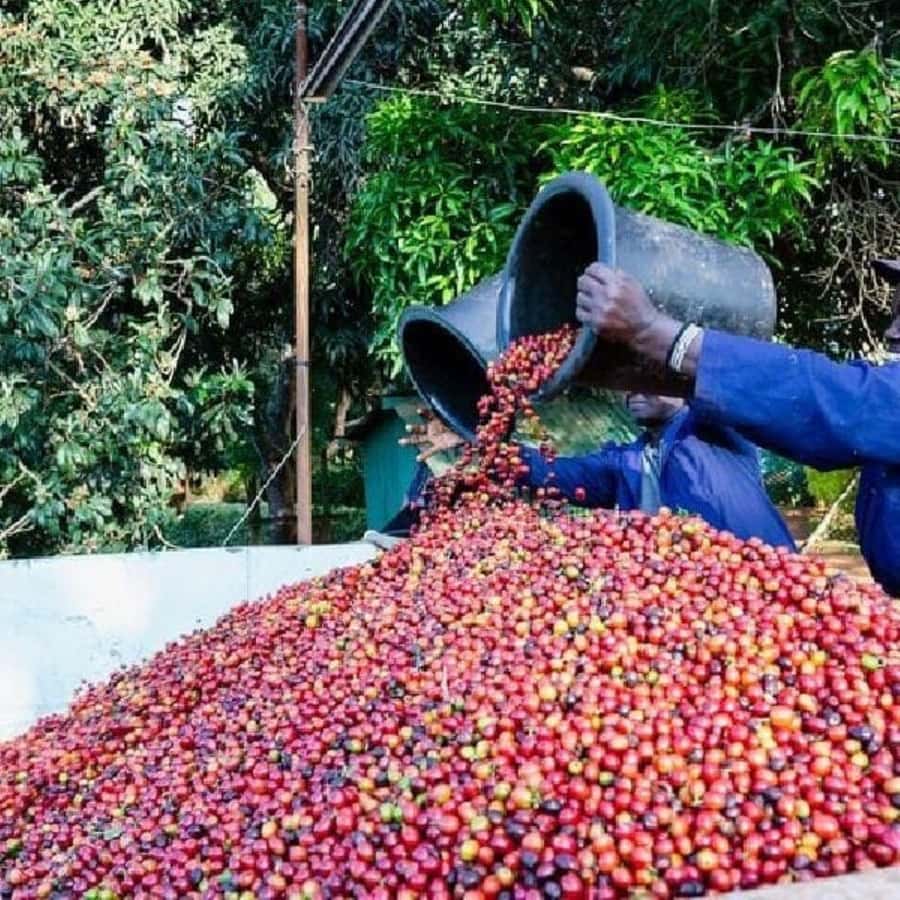
The listed price is $50 per person for a 4-hour experience. On its own, that sounds straightforward, but the value really depends on the extra line item.
The coffee farm entrance fee is not included and is listed at $30 per person. Lunch is also not included.
So your basic total is likely:
- Tour price: $50 per person
- Entrance fee: $30 per person
- Lunch: optional cost, since it’s not included
What you’re getting for the money is more than a quick farm walk. You’re getting:
- Hotel pickup and round-trip transport
- A live English guide
- Time in three distinct sections, including a factory and a roasting lab
- Coffee tasting and a served coffee break with cookies
If you compare this to doing coffee tastings in Nairobi without the farm processing and roasting elements, this is usually a better deal. You’re paying for access and explanation across multiple stages, not just one sample cup.
If you’re traveling as a group, the private format can improve value too, because you’re not sharing the guide’s attention with a bigger crowd than you need.
Who should book, and who might want a different plan
This tour is best for you if:
- You want a practical introduction to Kenyan coffee production, not just scenic downtime
- You like structured tours with a clear sequence of stops
- You want a half-day trip that’s realistic from Nairobi
- You’d enjoy tasting coffee and learning how processing and roasting connect
You might consider a different option if:
- You need a strict schedule with no possibility of delay. Transport time is short, but one past experience included about an hour delay.
- You don’t want to pay an additional $30 entrance fee on arrival
- You’re looking for a full day of activity instead of about 4 hours total
Overall, this feels like a “coffee education with a view” kind of outing, and it tends to satisfy both the curious and the casual coffee drinkers.
Tips to get the most from your 4 hours
You only have about 4 hours total, with about 3 hours on the estate. That means timing and comfort matter.
A few practical moves:
- Wear comfortable shoes for factory and lab walking time.
- Bring a light layer if it’s cooler in the lab area.
- Come ready to taste. Coffee tasting works better when you focus on the cup, not your phone.
- If you plan to buy coffee, ask when purchases happen so you’re not rushed at the end.
- If you have plans right after, build in a buffer. Even small delays can squeeze you.
Also, don’t skip asking questions during the factory and lab stops. That’s where a good guide turns facts into understanding.
Should you book the Day Tour to Fairview Coffee Farm?
I think you should book if you want an efficient, guided introduction to Kenyan coffee that goes beyond the basics. The combination of farm history, factory processing, roasting in the lab, and end-of-tour tasting is exactly what makes this feel like value, not just a short outing.
Skip it only if the extra entrance fee and non-included lunch don’t work for your budget, or if you cannot handle a possible timing slip. For most people, this is a strong way to spend a half-day outside Nairobi while still learning something real and tasting the result.
FAQ
How long is the Fairview Coffee Farm day tour?
The tour lasts about 4 hours total, including pickup and drop off in Nairobi and approximately 3 hours at Fairview Coffee Estate.
What is the price, and what extra fees should I expect?
The tour price is $50 per person. Entrance fee to the coffee farm is $30 per person and is not included. Lunch is also not included.
Is pickup and drop off provided in Nairobi?
Yes. Pickup and drop off to your hotel in Nairobi are included.
Is this tour private?
Yes. It is listed as a private tour/activity, and only your group participates.
What language is the guide, and is there a live guide?
The guide is live and speaks English.
Is the tour wheelchair accessible?
Yes, the tour is listed as wheelchair accessible.
What is the cancellation policy?
Free cancellation is available up to 24 hours in advance for a full refund.
Newest write-ups from Nairobi
- Visit kibera Slum the chocolate city★ 4.8 · 3 reviews
- 3 days maasai mara migration safari★ 4.5 · 7 reviews
- 4 Days Safari to Lake Nakuru N/P and Maasai Mara N/R★ 5.0 · 18 reviews
- 4 Days Tour Landcruiser in Masai Mara and Lake Nakuru★ 5.0 · 10 reviews
- Day Tour to Nairobi national park, Elephants, and Giraffe Center★ 3.5 · 8 reviews
- Wildebeest Migration in Masai Mara and Sightseeing 4 Days Tour★ 4.5 · 6 reviews
- Maasai Mara Day Trip★ 5.0 · 15 reviews
- Kibera Slum Tour with a Local★ 5.0 · 15 reviews
Tea & Coffee Farm Tours, compared.
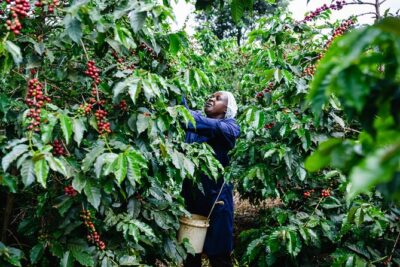
Coffee Farm Village & Factory Half Day Tour with Pick-Up
Read our review →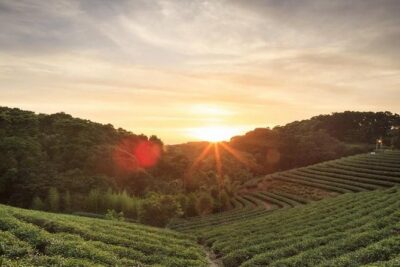
Private Day Trip to Kiambethu Tea Farm in Limuru from Nairobi
Read our review →
Browse the lists this tour appears in