
REVIEW · TEA & COFFEE FARM TOURS
Nairobi to Kiambethu Tea Farm Tour
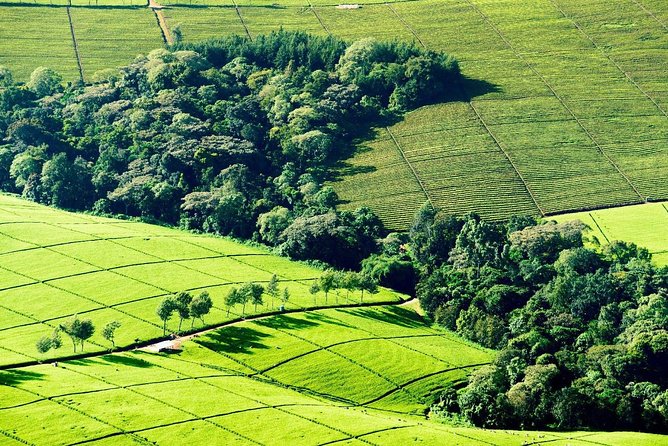
Nairobi gets loud fast, but tea country slows everything down. A tour to Kiambethu Tea Farm is a smart way to see Kenyan tea up close, with guided explanations that cover both the farm and the making of tea. I especially liked the tea history and processing talk, and I also really valued the three course farm lunch with a cup of tea, all while you watch the Ngong Hills tea fields go on for miles.
One thing to keep in mind is time. This is a 5 to 6 hour outing, starting at 9:30 am, so it is not the best choice if you want a short morning activity. Also, the farm tour runs on a set schedule, and it is closed on Mondays and the last day of every month (plus Christmas Day and New Year’s Day), so you need to match your dates.
In This Review
- Key things you will notice on this Kiambethu Tea Farm tour
- Kiambethu Tea Farm near Nairobi, and why the Ngong Hills views are part of the point
- Start time, timing, and how the day flows from pickup to tea talk
- What the small group size changes for your experience
- Tea farm guides who actually explain, not just point
- Tea history and the process of making tea, explained in a way you can use
- The indigenous forest walk, plant spotting, and medicinal uses
- Colobus monkey spotting, what to do with that moment
- Pre-lunch drinks on the verandah, then the three course buffet lunch
- Tea packets and souvenirs, and what is actually included
- Price and value: is $108 per person a fair deal?
- Who should book this tour from Nairobi
- Dress code and practical prep for the farm and forest parts
- Dates to watch, because the farm does not run every day
- Should you book the Nairobi to Kiambethu Tea Farm Tour?
- FAQ
- What time does the Kiambethu Tea Farm tour start, and how long does it last?
- Does the tour include hotel pickup and drop-off?
- What is included in the price?
- Is the tea for sale included in the tour?
- Are there any restrictions on who can join?
- When is the tour closed?
Key things you will notice on this Kiambethu Tea Farm tour
- Small group size (up to 15) helps the guide keep the pace friendly and questions welcome
- Round trip hotel transfers take the stress out of getting out to the Ngong Hills
- Forest walk with a resident Kenyan guide includes plant spotting and traditional uses
- Colobus monkeys are on the lookout list, so bring patience and a phone for photos
- Farm fresh three course buffet lunch comes with coffee and/or tea and great views
- Learn tea before you eat it, with a practical walkthrough of how tea is processed
Kiambethu Tea Farm near Nairobi, and why the Ngong Hills views are part of the point
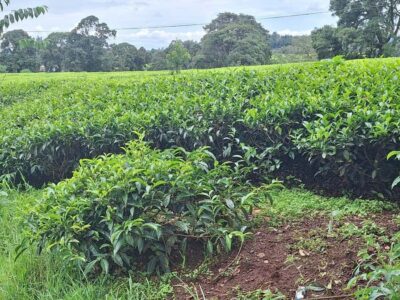
Kiambethu sits just outside Nairobi, but it feels like a different world the moment you start moving through the tea slopes. The views toward the Ngong Hills are not a bonus afterthought. They are part of the experience, because the farm is built around these rolling tea fields, and you get to see them from more than one angle during the day.
This tour also gives you a way to understand tea that goes beyond tasting. You get the story of the farm and the basics of how tea is grown and processed, then you walk through gardens and an indigenous forest where you see the plant life that surrounds the tea work. If you are the type who likes to know where food comes from, this format fits you.
And if you are coming to Kenya for the first time, it is a good use of time. Instead of only doing city sights, you get a calm farm experience without having to plan a long day trip from scratch.
More Tea & Coffee Farm Tours in Nairobi:
- Nairobi Coffee Farm and Factory Tour
★ 5.0 · 87 reviews - Coffee Farm Village & Factory Half Day Tour with Pick-Up
★ 5.0 · 33 reviews - Private Day Trip to Kiambethu Tea Farm in Limuru from Nairobi
★ 5.0 · 31 reviews
Start time, timing, and how the day flows from pickup to tea talk
The tour starts at 9:30 am, with hotel pickup and drop-off included. From there, you head out to the farm area and arrive in time for an informal tea chat. Expect the day to run about 5 to 6 hours total, which is long enough for a full experience, but not so long that it crushes the rest of your Nairobi plans.
The pacing matters here. You do not just arrive, take a quick look, and leave. The day is structured so you have a mental map before you walk. You will get the farm history and how tea is made, then you step into the gardens and forest. That order helps things click, especially if you have never seen tea processing before.
Also, this is smart for people who dislike rushed tours. The experience is described as relaxed, with time to sit down for a pre-lunch drink on the verandah and enjoy the scenery.
What the small group size changes for your experience
Tours capped at 15 travelers are a big deal in a place like this. It means you are not stuck behind a long line, and your guide can actually respond to questions. It also helps with the rhythm of the forest walk and the garden time, where everyone is trying to look at plants and spot wildlife.
Another practical advantage is that this is labeled as a private tour/activity, meaning you stay with your group rather than getting mixed into a random crowd. For solo travelers or couples, this can feel more comfortable, since the guide can keep the conversation going in the direction you care about.
If you are traveling as a group and want everyone to hear the same explanations, the small size and private-group feel are exactly what you want.
Tea farm guides who actually explain, not just point
The strongest part of the experience is the human side: the guides. In the way the tour is described, you are not just getting facts. You are getting storytelling and guidance that makes the farm easier to understand.
Names you may hear include Fiona, who is highlighted as part of the tea farm tour team, and hosts such as Sarah, who come across as warm and welcoming. There is also strong mention of guides who teach with energy, including Dennis and Obed in different accounts. Even if you do not have the same guide as someone else, the style seems consistent: personable, talk-forward, and happy to explain how tea works from the field perspective to the cup you drink.
On a tea farm, that matters because tea processing can sound confusing if you only see it from the outside. When someone walks you through it in plain language, it turns into something you can remember.
More Farm Visits in Nairobi:
- Nairobi: Coffee Factory and Farm Tour with Transfer
★ 4.5 · 60 reviews - Nairobi: Guided Coffee Farm Tour with Tastings
★ 5.0 · 24 reviews - Day Tour To Kiambethu Tea Farm in Limuru
★ 5.0 · 22 reviews - Nairobi: Tea Farm Day Trip with Lunch at kiambethu
★ 4.0 · 21 reviews
Tea history and the process of making tea, explained in a way you can use
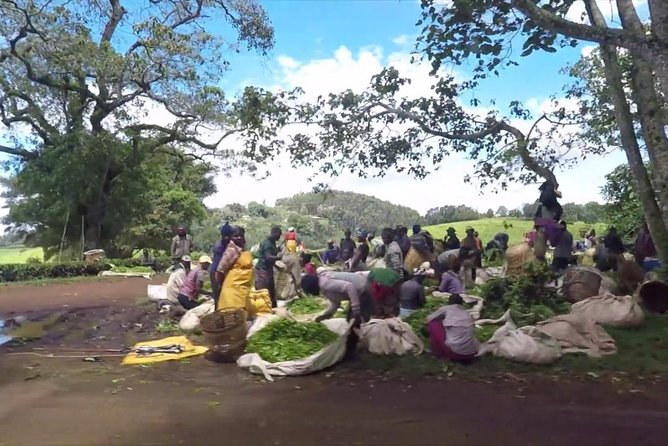
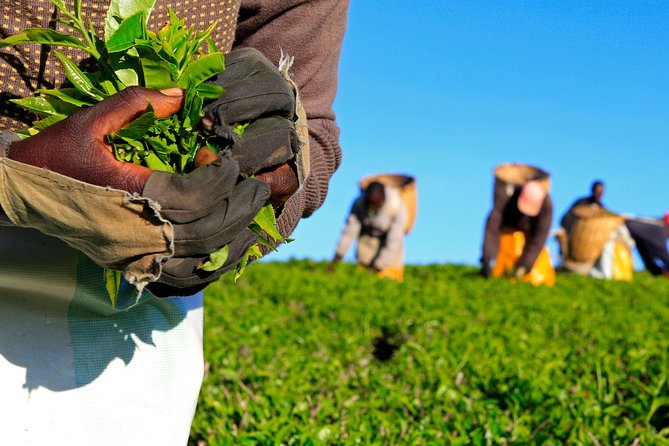
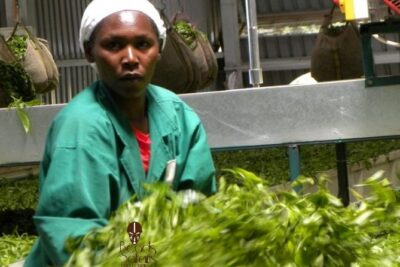
Before you move around the farm, you start with a history of Kiambethu and an overview of how tea is made. This is the part that turns tea tasting from a nice flavor moment into a real understanding of what you are looking at later.
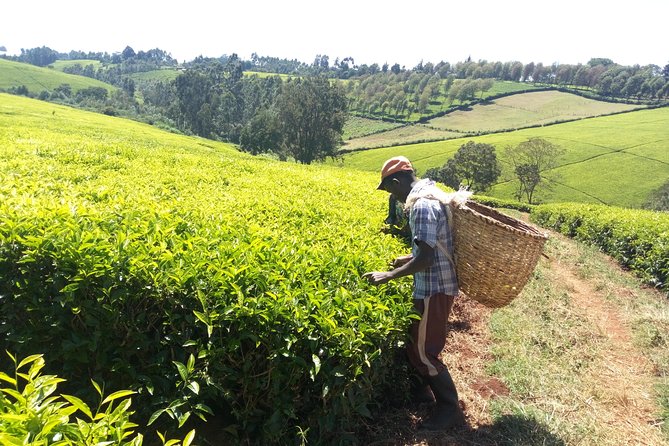
The tour includes time to see tea in the field. That might sound simple, but it is exactly how tea education should work. You learn concepts, then you get to confirm them by looking at the plants and how the farm functions.
You also get coffee and/or tea as part of the experience, which is a nice way to connect the talk to something you can sip right away. The point is not just caffeine. It helps you slow down and pay attention to aroma and taste, which makes the explanations stick.
The indigenous forest walk, plant spotting, and medicinal uses
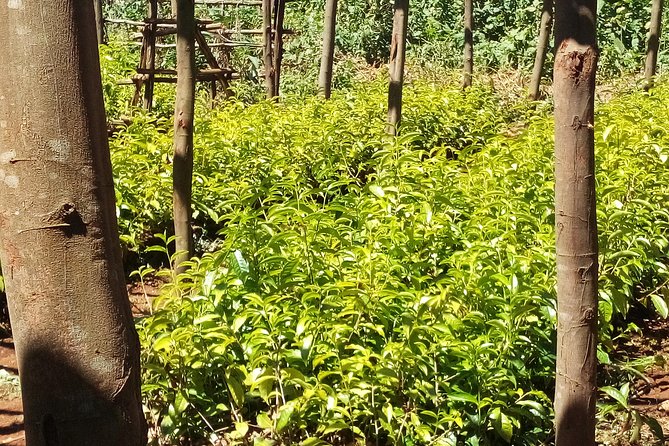
One of the best sections of the day is the walk through the indigenous forest with a resident Kenyan guide. This is where the tour expands from tea into the broader ecosystem.
You can expect your guide to identify plants and explain how they are traditionally used. That is more interesting than it sounds, because it adds context for why these plants are valued beyond their appearance. If you like nature walks, this part is a highlight.
It is also the section where you should keep your eyes up. The tour route includes time in gardens with birds and flowers, and it includes a forest walk where your guide is guiding attention, not just leading you through trees.
Colobus monkey spotting, what to do with that moment
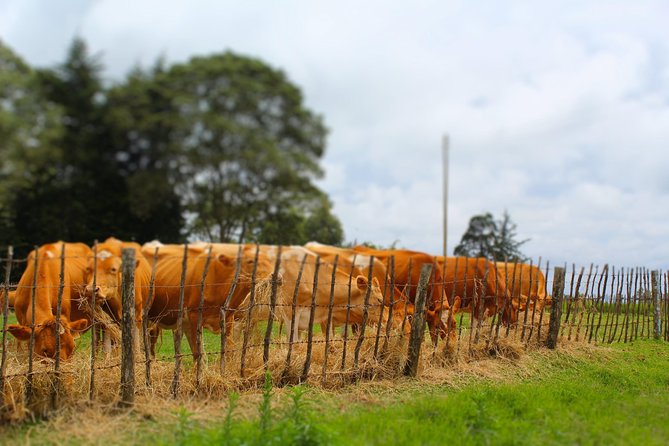
Wildlife spotting can never be guaranteed, but the tour specifically encourages you to look out for Colobus monkeys close up. That means your timing and location are chosen with monkey chances in mind, and your guide will likely help you look in the right areas.
If monkeys show up, stay calm and keep your movements slow. That gives you a better chance for a good sighting, and it also feels more respectful to the animals. If you do not see them, you still get the forest and plant education, so the day does not collapse into a wildlife disappointment.
Pre-lunch drinks on the verandah, then the three course buffet lunch
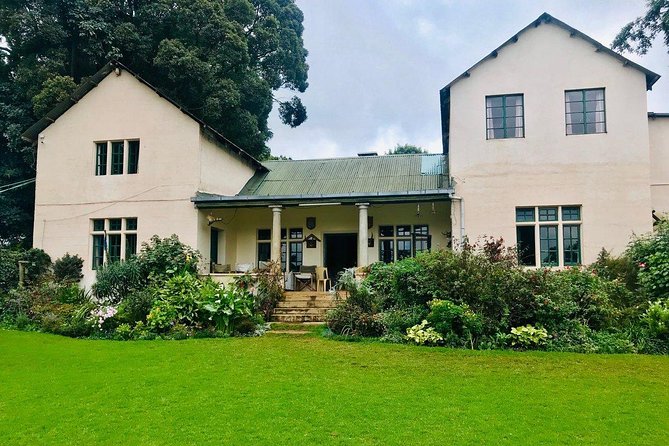
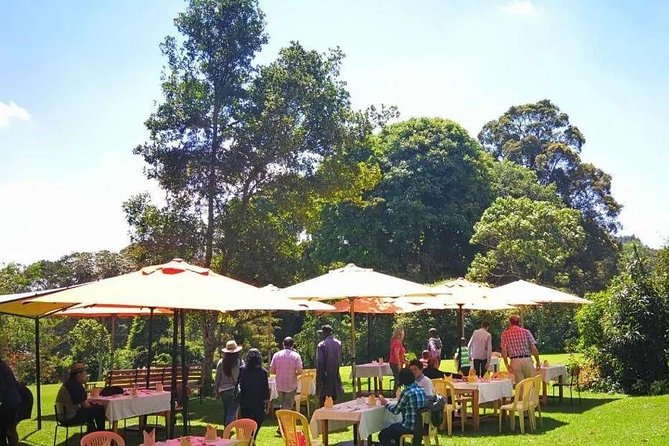
After walking, you come back to the house for a pre-lunch drink on the verandah with wide views across the tea fields toward the Ngong Hills. This break is not just comfort. It is a chance to reset after moving around and to enjoy the scenery before the meal.
Then comes the highlight for many people: the farm-fresh three course lunch. It is served as a buffet, and it is described as the best meal people had during their visit. Even if you do not chase that kind of claim, the main value is that you eat on the farm, with tea included, right after learning about how tea work fits into the farm day.
A practical tip: this lunch is the center of gravity for the schedule. If you have dietary needs, you should ask ahead because the provided details only say the lunch is included and do not list menu accommodations. If you are sensitive to spice or specific ingredients, message your operator before you go.
Tea packets and souvenirs, and what is actually included
The tour includes lunch plus coffee and/or tea, and it includes the guide and driver time, along with hotel pickup and drop-off. Fees and taxes are also listed as included.
What is not included is tea for sale, meaning you may have the option to buy tea packs as souvenirs or gifts. If shopping matters to you, treat it as a separate decision rather than a required part of the day. Plan to have a little cash or card readiness for purchases if you think you might want to take something home.
Price and value: is $108 per person a fair deal?
At $108 per person, this tour is not a bargain-basement activity, but it also is not overpriced for what you get. You are paying for more than entry. You are paying for a guided farm education, time in multiple areas (fields, gardens, indigenous forest), and a full lunch experience on site.
Hotel transfers are included, which is often where day trips quietly get expensive when you have to arrange transport on your own. Also, the group stays small at up to 15 travelers, which helps explain why the per-person price is higher than a large bus tour.
Where the value really lands is for people who want a mix:
- learning about Kenyan tea without technical confusion
- eating a substantial farm lunch
- seeing a calm outdoor side of Nairobi region
If you just want quick photo stops or you already know a lot about tea processing, you might find it a bit long. But if you enjoy guided farm time, it feels like a well-priced half-day adventure disguised as a relaxed full experience.
Who should book this tour from Nairobi
This is a great match if you want a day outside Nairobi that still feels safe, structured, and easy. It is also a strong choice if you are:
- a tea fan who wants to understand the process, not only taste it
- a first-time visitor who wants something authentic without heavy logistics
- a couple, small group, or solo traveler who likes guided, not crowd-based
It is also noted that most travelers can participate and that children must be accompanied by an adult. If you are traveling with kids, it could work well if your child enjoys walking and staying engaged through a guided explanation. Just make sure you plan for a few hours outdoors.
Dress code and practical prep for the farm and forest parts
The dress code is smart casual. That sounds a bit formal, but in practice you can keep it simple: light layers, comfortable clothing, and something suitable for walking.
Because the itinerary includes a walk through gardens and an indigenous forest, you will be on your feet. So wear shoes that can handle uneven ground. Keep sun protection in mind, since tea farm days can get bright, especially around open areas and viewpoints.
Finally, bring your patience for wildlife. Colobus monkeys are on the lookout list, but the forest is about slow looking. If you chase them like it is a sprint, you will miss the plants and the guide’s explanations.
Dates to watch, because the farm does not run every day
This tour is closed on all Mondays and the last day of every month. It is also closed on Christmas Day and Happy New Year’s Day. If you are booking around those dates, double-check your calendar so you do not lose a day.
If you are flexible, the best approach is to choose a day that gives you a little buffer afterward for Nairobi errands. Once the day ends, you will be in your pickup window again, so you do not want to schedule a hard-to-reach plan immediately after.
Should you book the Nairobi to Kiambethu Tea Farm Tour?
Yes, I think you should book it if you want a calm, guided slice of Kenya tea culture with real scenery and a satisfying meal included. The combo of small group size, hotel transfers, tea education, and a three course lunch is what makes it worth your time.
I would skip it only if you are looking for a very short activity, if your dates fall on a closed day, or if you already know tea processing well and are mostly after quick photos. Also, if you have strict dietary needs, ask ahead because the details provided do not spell out options.
If you do book, aim for curiosity. This tour works best when you treat it like a learning day you can also enjoy, not a checklist.
FAQ
What time does the Kiambethu Tea Farm tour start, and how long does it last?
The start time is 9:30 am. The duration is about 5 to 6 hours.
Does the tour include hotel pickup and drop-off?
Yes. Hotel pickup and drop-off are included.
What is included in the price?
The tour includes lunch, the driver/guide, a professional guide, coffee and/or tea, and all fees and taxes.
Is the tea for sale included in the tour?
No. Tea packs for sale are not included.
Are there any restrictions on who can join?
Children must be accompanied by an adult. It is also noted that most travelers can participate.
When is the tour closed?
It is closed on all Mondays and the last day of every month, and it is also closed on Christmas Day and Happy New Year’s Day.
Newest write-ups from Nairobi
- Visit kibera Slum the chocolate city★ 4.8 · 3 reviews
- 3 days maasai mara migration safari★ 4.5 · 7 reviews
- 4 Days Tour Landcruiser in Masai Mara and Lake Nakuru★ 5.0 · 10 reviews
- 4 Days Safari to Lake Nakuru N/P and Maasai Mara N/R★ 5.0 · 18 reviews
- Day Tour to Nairobi national park, Elephants, and Giraffe Center★ 3.5 · 8 reviews
- Wildebeest Migration in Masai Mara and Sightseeing 4 Days Tour★ 4.5 · 6 reviews
- Maasai Mara Day Trip★ 5.0 · 15 reviews
- Kibera Slum Tour with a Local★ 5.0 · 15 reviews
Tea & Coffee Farm Tours, compared.
Coffee Farm Village & Factory Half Day Tour with Pick-Up
Read our review →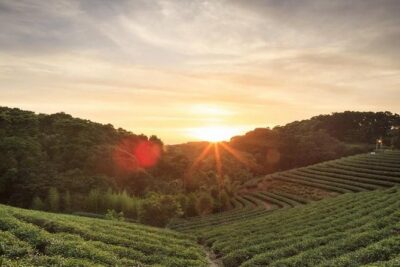
Private Day Trip to Kiambethu Tea Farm in Limuru from Nairobi
Read our review →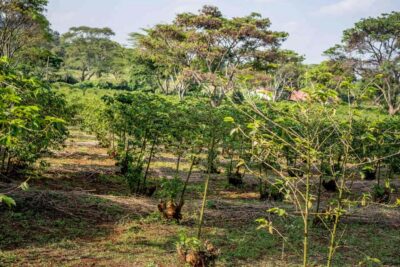

Coffee farm tour, coffee roasting and tasting experience
Read our review →Browse the lists this tour appears in