
REVIEW · AMBOSELI SAFARIS
Day Tour To Amboseli National Park From Nairobi
Elephants and Kilimanjaro, in one long day. I love the chance to start with an early African sunrise drive, then get a pop-up roof safari viewpoint that helps you scan the savanna without fighting your seat angle. I also really like Observation Hill, where you step out, climb a small hill, and look down over the marsh areas while Mt. Kilimanjaro sits in the background.
The main trade-off is simple: it is a full 12-hour day that begins at 5:00 am, and you will want to plan for the Amboseli park entry fee since it is not included.
In This Review
- Key highlights you will care about
- Why Amboseli makes the long Nairobi drive worth it
- Pickup at 5:00 am and the Nairobi-Mombasa highway run
- The pop-up roof safari vehicle, and how it changes your viewing
- The core safari game drive: elephants, big herds, and Kilimanjaro views
- Stop inside the park: general habitat time that keeps your odds strong
- Observation Hill: the walk, the view, and why it feels special
- Optional Maasai Village: what you learn, and what it costs
- Lunch at Ol tukai Lodge and the budget reality of park days
- Price and logistics: what USD 160 buys you, and where value comes from
- Guides, sightings, and how to make the most of a single day
- Who this tour fits best
- Should you book this Nairobi to Amboseli day tour?
- FAQ
- What time does this tour start?
- How long is the day tour to Amboseli from Nairobi?
- Is pickup included?
- What is included in the tour price?
- Is lunch included?
- Is Maasai village visit included?
Key highlights you will care about
- Pop-up roof safari vehicle for easier, 360-degree spotting on game drives
- Observation Hill walk (entry included) with wide views over the marsh areas
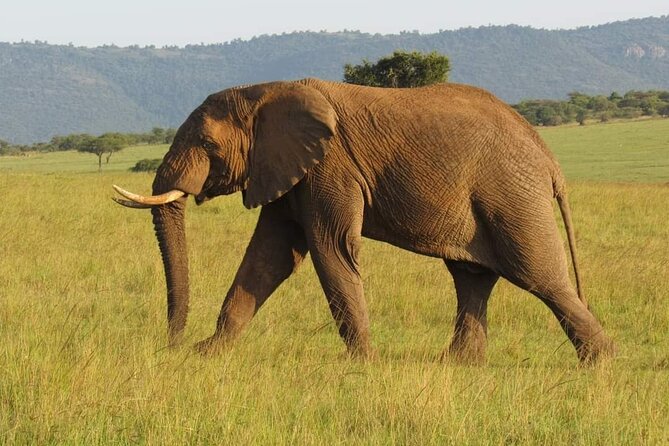
- Amboseli elephant country known for big herds, and especially impressive bull elephants
- Mt. Kilimanjaro scenery dominating the skyline while you search for wildlife
- Optional Maasai village visit to learn about manyattas and a stick-fire demonstration
- Private group feel with pickup and return, plus a guide who keeps the hunt focused
Why Amboseli makes the long Nairobi drive worth it
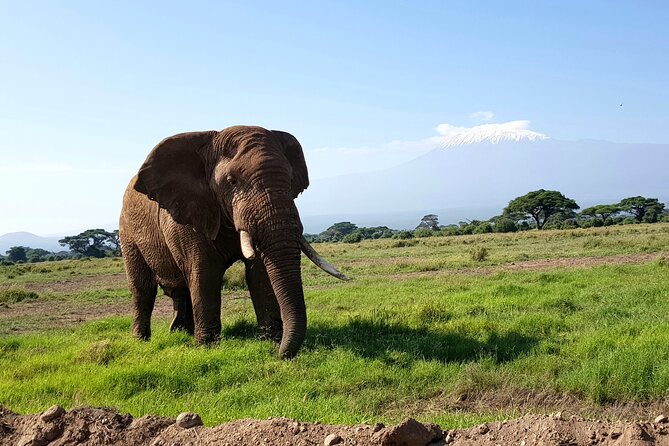
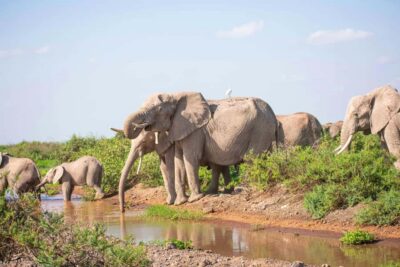
Amboseli is one of those parks that sounds famous, then actually lives up to it. The big reason is elephants. This place is known for large herds, with groups reported as large as 100-plus individuals. And if you are hoping for dramatic “trophy elephant” energy, Amboseli is also a spot where the older bull elephants can have some of the longest-looking tusks in the animal world.
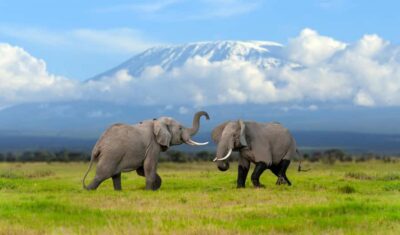
The second reason is the setting. Mt. Kilimanjaro dominates the skyline, and it is not background scenery you barely notice. It is right there while you watch zebras and giraffes move through the same areas as buffaloes, wildebeest, impala, and warthogs. Even when you are not staring at the snow-dusted peak, the mountain’s presence makes everything feel more intense and real.
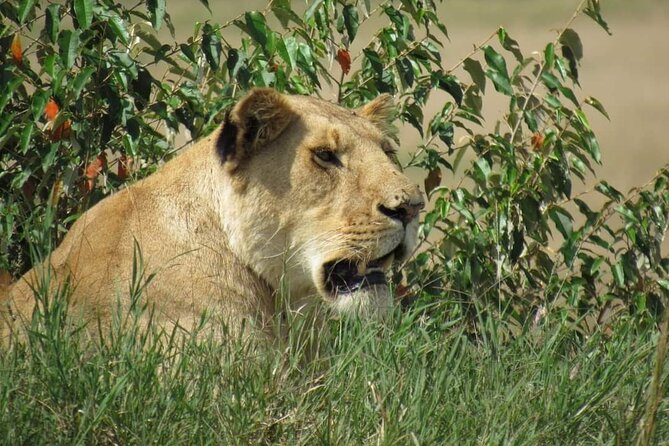
You also get a decent mix of wildlife beyond the headline animals. Lions, leopards, cheetah, jackals, and serval cats are all part of Amboseli’s cast. That matters because one of the easiest ways to feel disappointed on safari is to only chase one type of animal. Here, your odds stay better because multiple species call the area home, and the scenery keeps pulling your eyes back out to the open ground.
More Amboseli safaris:
- Nairobi: Day Tour to Amboseli National Park & Maasai Village
★ 4.5 · 310 reviews - Day Tour to Amboseli National Park
★ 5.0 · 222 reviews - Amboseli Day Tour from Nairobi
★ 5.0 · 84 reviews
Pickup at 5:00 am and the Nairobi-Mombasa highway run
Your day starts early, with pickup from your hotel, residence in Nairobi, or the airport. The departure time is 5:00 am, and you head out toward Amboseli via the Nairobi-Mombasa highway. Plan on being organized the night before. When an excursion begins at dawn, you do not want to be hunting for chargers, passports, or sunglasses at 4:40 am.
The early start is not just for convenience. It changes the day. As you roll out, you are catching the African sunrise, and you pass savanna country dotted with local homesteads. You also see Maasai herdsmen grazing cattle in the distance, which adds a sense of place before you even reach the park gates.
Here is the practical consideration: this is a long day. Even with a smooth drive, you spend hours in the vehicle. One of the strongest “good but” notes you should expect is that you will feel the travel time. The upside is that you are leaving Nairobi when it is cooler, and you are arriving at a time when animals often seem more active and visible.
The pop-up roof safari vehicle, and how it changes your viewing
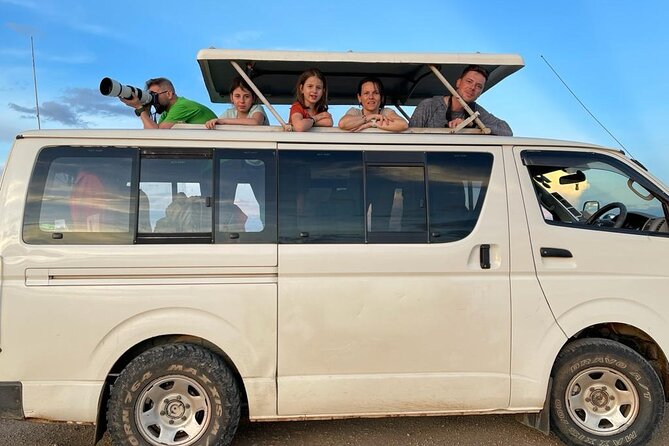
You get a safari vehicle designed for viewing, with a pop-up roof. That detail sounds small until you are actually trying to spot wildlife through an ordinary car window. With the roof raised, you can scan wider without awkward neck craning, and your view does not feel boxed in.
The vehicle also makes a difference because Amboseli can reward patience. Elephants are often spread out, and herds can move slowly between open grass patches and areas where cover and water draw animals in. When you can elevate your sightline, it is easier to catch movement early, not after it has already disappeared behind a hill crest.
Also, bottled water is included. On a day that starts at 5:00 am and keeps going, that is not glamorous, but it keeps you from turning a great safari day into a minor dehydration problem. Bring your own snacks only if you know it helps your energy, because the day is paced around safari time plus stops inside the park.
The core safari game drive: elephants, big herds, and Kilimanjaro views
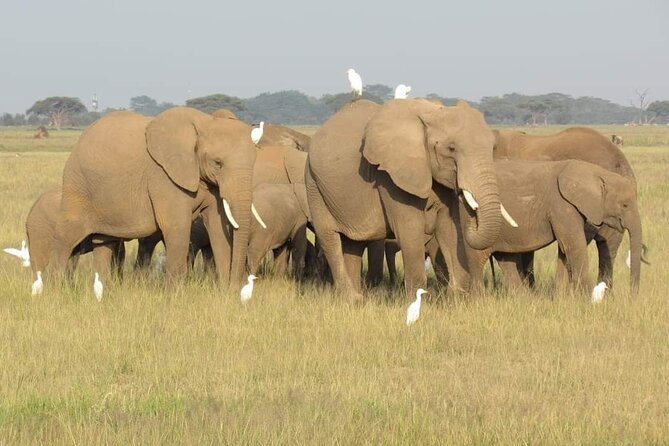
Once you enter Amboseli, you get time for a game drive with a strong “wildlife search” focus. Your viewing list includes elephants, giraffes, zebras, lions, cheetah, warthogs, ostrich, buffaloes, and much more. Mt. Kilimanjaro tends to dominate the skyline, and that creates a memorable viewing backdrop, especially when animals are moving across open ground.
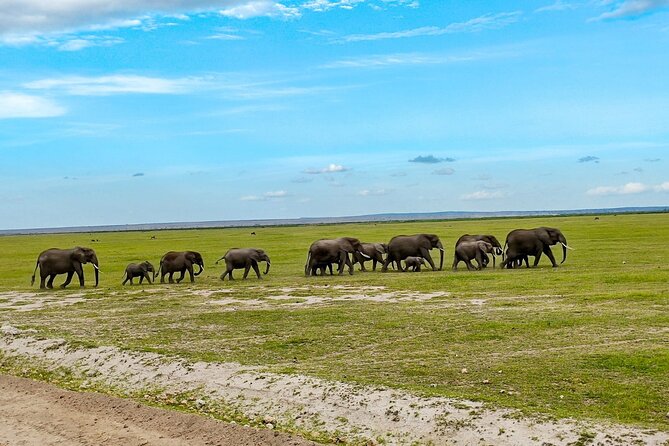
Elephants are the star, and you will understand why quickly. Amboseli is known for herds, not just lone individuals. When you see multiple elephants together, it is easier to understand their behavior: who stays close, who moves first, and how the group adjusts as other animals come into view. And bull elephants are a big deal here, with the famous look of large tusks that can stand out even from a distance.
Predators are on your radar too, and that is where the day feels like a real safari instead of a zoo-style checklist. Lions, leopards, cheetah, jackals, and serval cats are frequently seen in Amboseli. You might not see every one of them in a single 12-hour day, but your odds improve because you are not limited to only one habitat type. The park has areas that support different species, so your chances stay active throughout the morning.
If you care about birds, Amboseli can surprise you. One of the best “bonus” angles of this trip is bird spotting alongside the mammals. The morning mix of open areas plus marsh-adjacent views later in the day helps birders stay busy, not just elephant-chasing.
More National Park Tours in Kenya:
- Nairobi National Park Half-Day Tour; Free Wi-Fi connection
★ 5.0 · 878 reviews - Nairobi: National Park & Optional Elephants & Giraffe Center
★ 4.8 · 874 reviews - Nairobi National Park Half-Day Game Drive
★ 4.5 · 738 reviews - Safari Tour; Nairobi National Park
★ 4.5 · 594 reviews
Stop inside the park: general habitat time that keeps your odds strong
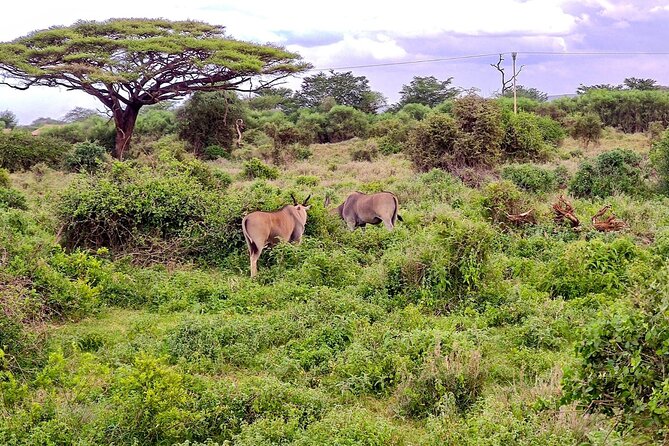
Between the main game drive and your hill stop, you spend time in the park’s general habitat area. This part of the day is less about a single photo point and more about staying in the right places for wildlife encounters.
This matters because wildlife spotting is not like following a map of landmarks. You often see animals because you are driving the areas where they are active and where they are likely to cross. A longer, flexible stretch of game viewing can be the difference between a quick sighting and a chance to watch behavior for longer.
There is also a practical benefit here. If you get an animal you want early, you can still adjust your expectations later. If you do not get it early, this is where you have time to keep searching without feeling like the day is already over.
Observation Hill: the walk, the view, and why it feels special
Observation Hill is one of the best breaks in a day that otherwise stays in the vehicle. You get to come out of the car and walk up a small hill. At the top, the view opens up over the marsh areas below, and that gives your safari brain a reset.
This stop is included with entry fee covered, so you are not doing extra planning to figure out costs. What you are doing instead is changing your perspective. From inside the car, your eyes are trained on animals at ground level or moving between trees and bushes. From the hill, you can spot how water and marsh areas structure animal movement.
And yes, you will likely see Kilimanjaro from here too, depending on the day’s visibility and angles. Even when the mountain is partially obscured, the hill view still adds a “big picture” layer that makes the wildlife sightings feel connected, not random.
If you have a tight schedule or you hate getting out of the car, this is still worth doing. It is short, it is not described as a long hike, and it is one of the few points where you stop actively searching and let the scenery and marsh layout do the explaining.
Optional Maasai Village: what you learn, and what it costs
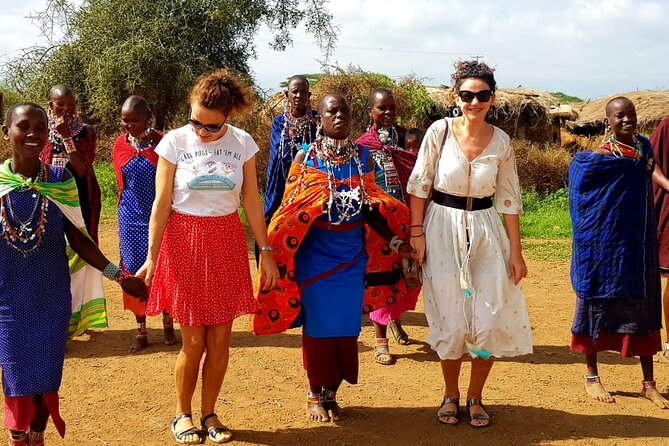
The day also includes a stop at a Maasai village. This is where you shift from wildlife to people and culture, and it adds a different kind of value to the safari day.
You get the chance to learn about Maasai behaviors and traditions as pastoralists, and you can interact with Maasai people during the visit. You also see their small houses, called manyattas. One of the most specific demonstrations described is how they light fire using sticks without matchbox. That kind of practical knowledge, shown up close, tends to stick with you longer than generic cultural shows.
Now the money side: the village visit is marked as optional, and it is listed at USD 25 per person. Also, this tour overview mentions the chance to learn and interact, but the optional price means you should decide in advance if this is something you want to add.
If you do choose to go, keep it respectful. Ask questions, listen more than you talk, and remember that this stop is about learning, not collecting photos. That mindset makes the interaction better for you and for the people you meet.
Lunch at Ol tukai Lodge and the budget reality of park days
Lunch is not included as part of the standard tour price. Instead, you get an option for lunch at Ol tukai Lodge, described as a 5 course buffet at a discounted rate of USD 30 per person.
If you are trying to pack value into a day trip, this is one place where you should plan ahead. If you skip the lodge lunch, you still have to eat somehow, and buying food separately can reduce the overall value you get from the tour. If you do want a controlled, planned lunch with a set price, the discounted buffet option can make the day feel smoother.
Also, park entry fee is not included. That is a big cost category to remember. You are paying USD 160 per person for the tour experience, but the Amboseli National Park entry fee is still something you will have to cover.
So the practical budgeting picture looks like this:
- You pay the tour price to secure the safari vehicle, guide, and the scheduled stops.
- You likely pay separate Amboseli park entry fee.
- You optionally add Maasai village for USD 25 per person.
- You optionally add the USD 30 per person 5 course buffet lunch at Ol tukai Lodge.
If you like knowing the total before you go, do a quick sum based on what you actually want.
Price and logistics: what USD 160 buys you, and where value comes from
At USD 160 per person, this is not a budget safari. But it is also not priced like a luxury lodge retreat. For the money, you are paying for a full-day safari structure, pickup included, a skilled guide, and a pop-up roof viewing vehicle plus bottled water.
The value shows up in three places. First, the vehicle is set up for viewing, not just transport. Second, you get a hill walk stop with entry fee included, which adds a quality break from driving. Third, the tour is private for your group, so you are not squeezed into a huge shared schedule. That private feel can matter when you care about where the guide spends time and how quickly you can react to animal sightings.
There is also a pricing nuance: group discounts are mentioned. If you are traveling with friends or family, grouping your booking can help reduce per-person costs. It is worth asking how discounts are calculated when you book.
The only caution on value is timing and scope. This is 12 hours. That is enough time to see a lot, but not enough to guarantee every predator in your mind. Also, with park entry and optional village and lunch, your all-in cost will be higher than USD 160.
Still, for a one-day hit from Nairobi, the combination of early departure, viewing-focused vehicle, and Observation Hill makes it feel like a smart use of time, not just a rushed day trip.
Guides, sightings, and how to make the most of a single day
This kind of safari lives or dies on the guide’s ability to read the day. The trip is led by a skilled guide, and the difference shows up when the drive turns into real wildlife searching. One name that comes up in strong experiences is Douglas. The point is not the name, it is the approach. When the guide keeps the hunt focused, you feel like the day is moving with purpose.
To get the most out of your game drive time, come in with a flexible mindset. Yes, you have a wildlife checklist in your head. But treat it as “targets,” not guarantees. Amboseli can deliver big herds, and it can also deliver those moments where a predator appears unexpectedly. Your job is to keep eyes moving, scan for movement, and let the guide guide.
Also, since Kilimanjaro is a constant presence, try to notice the way animals use open areas versus marsh-adjacent zones. When you reach Observation Hill, you will likely start connecting what you saw in the car to why animals congregate where they do.
Finally, remember you are doing this in a single stretch from Nairobi. The best experience is the one where you stay present, not the one where you mentally time-stamp every delay. If the drive takes longer than you hoped, you do not lose the day. You just refocus on what you have left, and in Amboseli, it is usually enough.
Who this tour fits best
I think this tour fits best if you want a structured, guided safari day without planning park logistics yourself. If you are visiting Nairobi and you only have one day to give to wildlife, this is a clear choice.
It also suits:
- Families or couples who want a private group experience and a vehicle with excellent viewing setup
- Travelers who care about elephant herds and want the Kilimanjaro backdrop
- Bird enthusiasts who like seeing more than just the big animals
- People who enjoy short cultural stops, especially if they want hands-on learning like the stick-fire demonstration
If you hate early mornings and long drives, this may not be your favorite style of day. The 5:00 am start and roughly 12-hour duration can feel like a marathon, even when the safari itself is exciting.
Should you book this Nairobi to Amboseli day tour?
Book this tour if you want a high-impact day trip where the viewing setup is taken seriously. The pop-up roof vehicle, the Observation Hill walk with included entry, and a full wildlife-focused morning make it feel like your time is being used well. If your priority is elephants plus the dramatic Kilimanjaro skyline, this is exactly the right kind of day to choose.
Skip it, or look at alternatives, if you want a slow, relaxed pace. The early start and the long drive are real. Also, if you do not want any extra budgeting, remember that Amboseli park entry is not included, and lunch plus Maasai village are optional add-ons.
FAQ
What time does this tour start?
The tour starts at 5:00 am.
How long is the day tour to Amboseli from Nairobi?
The duration is approximately 12 hours.
Is pickup included?
Yes, pickup is offered from your hotel, residence within Nairobi, or the airport.
What is included in the tour price?
Included items are private transportation, bottled water, a skilled guide, entry fee for Observation Hill, and a safari vehicle with a pop-up roof for viewing.
Is lunch included?
Lunch at Ol tukai Lodge is not included, but you can book it at a discounted rate of USD 30 per person as a 5 course buffet.
Is Maasai village visit included?
The Maasai village visit is optional, and it is listed at USD 25 per person.
Newest write-ups from Kenya
- Watamu: Sunset Mangrove Canoe Tour with Coconut Drink★ 3.6 · 8 reviews
- Watamu: Learn Kenyan Cusine with Jonathan★ 4.1 · 8 reviews
- WATAMU: MALINDI: SARDEGNA ISLAND & MALINDI MARINE PARK★ 4.5 · 9 reviews
- Lake Nakuru Day Trip Safari – & Optional Lake Naivasha Boat★ 5.0 · 5 reviews
- Tsavo East National Park: 2-Day Tour from Mombasa★ 3.9 · 5 reviews
- Visit kibera Slum the chocolate city★ 4.8 · 3 reviews
- Lake Nakuru NP Half-Day Safari★ 4.0 · 4 reviews
- Tsavo East and Tsavo West Sanctuary Safari★ 5.0 · 3 reviews
Amboseli Safaris, compared.
Day Tour to Amboseli National Park & Maasai Village
Read our review →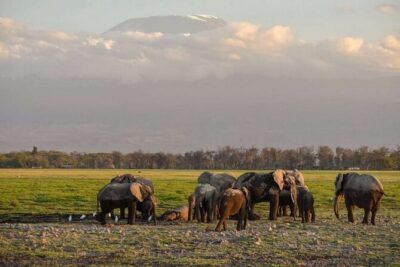
Day Trip: Amboseli National Park & Maasai Village – Nairobi
Read our review →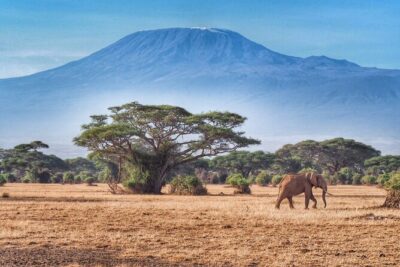
6-Days Masai Mara, Nakuru & Amboseli Group Safari on Landcruiser
Read our review →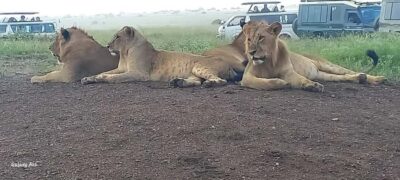
DAY TRIP AMBOSELI NATIONAL PARK FROM NAIROBI BUDGET SAFARI.
Read our review →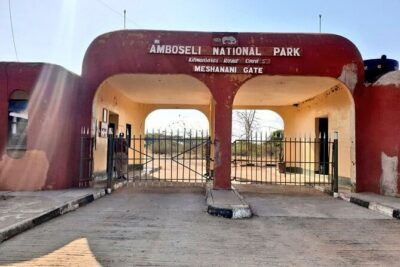
Private Day Tour Amboseli National Park, View Mt. Kilimanjaro 4*4
Read our review →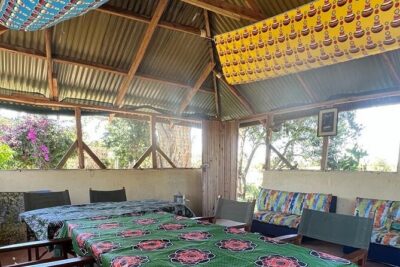
7 Days Masai Mara / Lake Nakuru / Lake Naivasha / Amboseli
Read our review →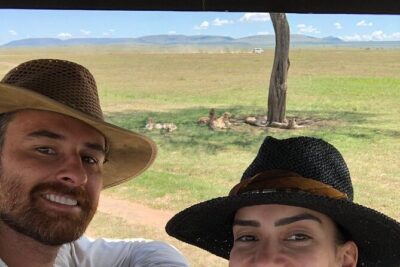
6-Day Maasai Mara, Lake Nakuru and Amboseli Safari
Read our review →Browse the lists this tour appears in