
REVIEW · NAIROBI
6 Days Kenya Budget Safari
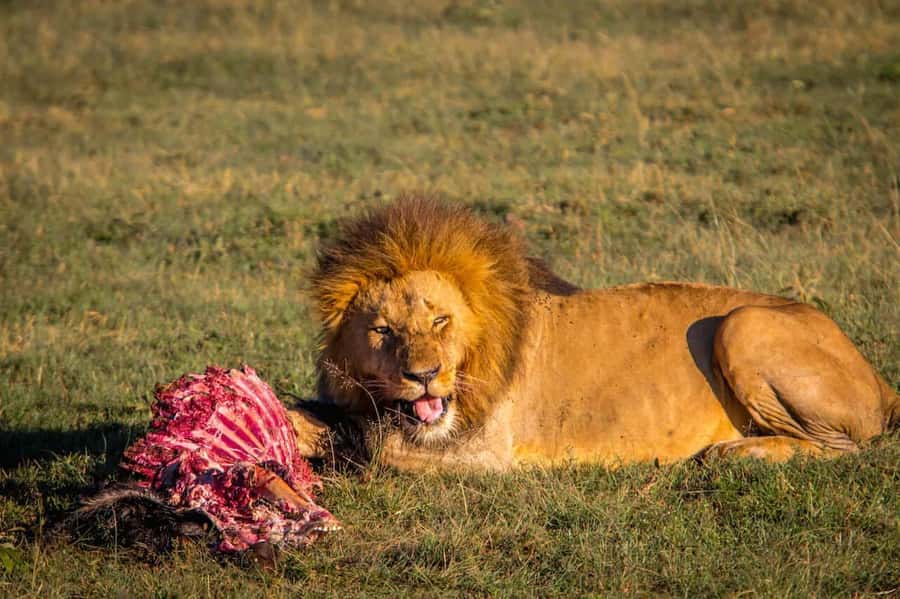
Five days, three parks, one Big Five mission. This Kenya budget safari is built around maximum wildlife time, with a pop-up roof jeep that makes it easier to spot animals and take photos. You also swing through Lake Nakuru for flamingoes and end in Amboseli with classic Mt Kilimanjaro views.
I especially like the guaranteed daily departures and the fact that the safari company runs the operation with its own vehicles. I also like that lodging is comfortable for the price, and in Masai Mara you get private tents rather than shared ones.
One consideration: park entry fees are not included, and a small number of past travelers felt meals could be repetitive or water availability inconsistent at times, so plan to be flexible and keep an eye on basics like bottled water.
In This Review
- Key highlights worth planning around
- Price and logistics: is $205 really a good deal?
- The pop-up roof jeep: why it changes your sightings
- Day 1: Nairobi to Maasai Mara, with a Rift Valley viewpoint
- Day 2: Full day Masai Mara, Big Cats, and migration odds
- Day 3: Maasai Mara to Nakuru, plus an optional Masai Village
- Day 4: Lake Nakuru, white rhinos, flamingoes, and Rothschild giraffes
- Day 5: Amboseli full day, Kilimanjaro views, and predator hunting
- Day 6: A short Amboseli morning and then back to Nairobi
- Accommodations and meals for a budget safari (what to watch)
- Guides and daily departures: how they affect your odds
- Who this Kenya budget safari suits best
- Should you book this 6 Days Kenya Budget Safari?
- FAQ
- What parks are included in the 6 Days Kenya Budget Safari?
- How much does the safari cost per person?
- What transport is used during the safari?
- Are meals included in the price?
- What is not included in the tour price?
- Is park entry fee payment handled locally?
- Can I add an optional visit to a Masai Village?
- What type of accommodation is provided in Masai Mara?
- What is the cancellation policy?
Key highlights worth planning around
- Pop-up roof 4×4 jeep for better sightlines and easier photography
- Big Five route through Maasai Mara, Lake Nakuru, and Amboseli
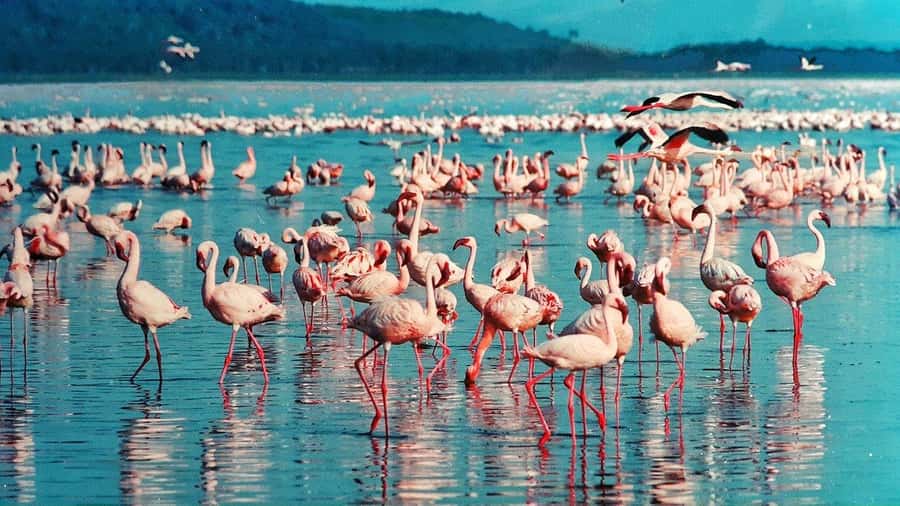
- Flamingoes at Lake Nakuru plus a chance at rare Rothschild giraffes
- Mt Kilimanjaro views while you’re in Amboseli
- Professional English-speaking safari guides (with guides named Simon, Kimata, Jimmy, Jeff, and Antony in feedback)
- Private tents in Masai Mara with washrooms, mosquito nets, electricity, and hot water (per the tour details)
Price and logistics: is $205 really a good deal?
At about $205 per person for a 6-day Kenya safari, the value comes from what you get included, not just the ticket number. You have transport in a 4×4 jeep with a pop-up roof, five nights of accommodation, a professional English-speaking guide, meals on full board, and bottled water. You also get hotel or airport pickup and drop-off in Nairobi.
The trade-off is that park entry fees are paid locally, and that’s common on budget safaris. So when you compare prices, treat $205 as the “core safari package” and park fees as the separate add-on you’ll settle locally. Do the same with optional activities too, like the Masai Village visit, which costs USD 20 per person and is paid in cash on-site.
Another practical note: this tour runs with guaranteed daily departures, because the operator says they own the safari vehicles and do not resell you to another company. That matters if you hate waiting around for a departure that might not happen, or if you want your wildlife schedule locked in.
More Safaris in Kenya:
- Safari Tour; Nairobi National Park
★ 4.5 · 594 reviews - From Nairobi: 3 Days, 2 Nights Maasai Mara Group Safari
★ 4.5 · 394 reviews - Half-Day Nairobi National Park Safari from Nairobi with Free Pickup
★ 4.5 · 264 reviews
The pop-up roof jeep: why it changes your sightings
This safari uses a customized safari van or jeep with a pop-up roof for game viewing and photography. In plain terms, it helps you see over heads in a group and get your camera line-of-sight without doing the awkward lean and crouch that kills your time.
You’ll also feel the difference when animals are far out on open plains, or when you’re watching from a road edge and the vehicle needs to reposition quickly. Reviews also point to guides using driving skill and good instincts to slow down or move when something worth seeing appears.
Heat and seating comfort can matter on longer drives. One past booking mentioned a squeeze issue where nine people were put into a jeep meant for eight, and the operator handled it by booking a private taxi. That tells you two things: (1) the company can fix problems when they happen, and (2) you should ask about vehicle seating if you’re traveling with anyone who is sensitive to cramped rides, especially in hot weather.
Day 1: Nairobi to Maasai Mara, with a Rift Valley viewpoint
You start with pickup from your Nairobi hotel by 7:30am. Then it’s off to Maasai Mara, with a brief stop at the Rift Valley viewpoint so you can take photos of the escarpment. That stop is short, but it gives you an immediate sense of scale, and it helps you mentally shift from city Kenya into safari country.
After lunch, you do your first game drive on arrival. Maasai Mara is famous for wide savannah rolling hills and riverine forest, and this camp-and-drive rhythm is the classic way to settle in. You sleep at Mara Ntulele camp or a similar option.
What to expect realistically on Day 1: you’re not going to get an entire park’s worth of animals in one afternoon. But you will get your first “wow” moment, and that matters, because it sets your energy for the full day that follows.
Day 2: Full day Masai Mara, Big Cats, and migration odds
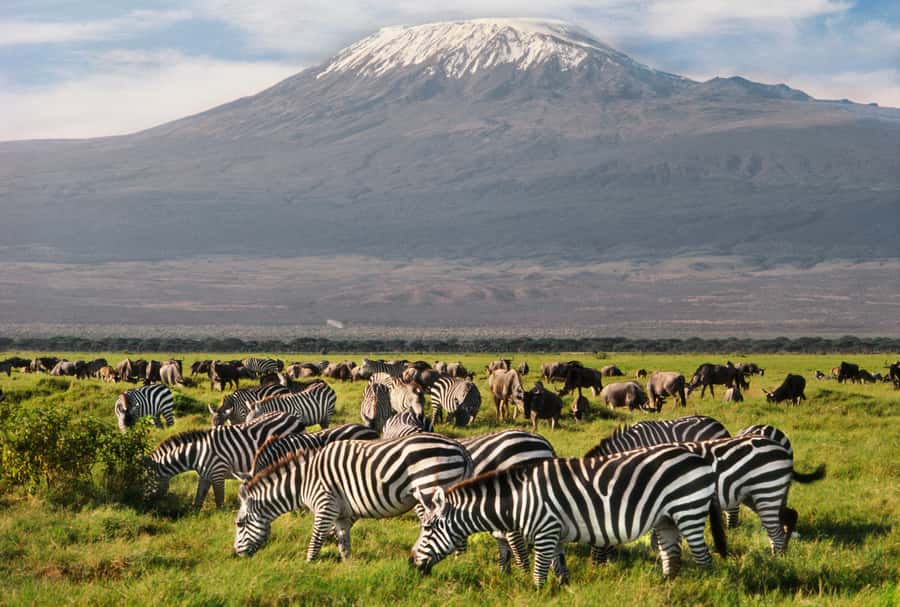
This is the day the safari really earns its reputation. You have early breakfast, then a full day game drive inside the reserve. The schedule is built around timing, because the Mara tends to feel most alive when the light is good and animals are moving and feeding.
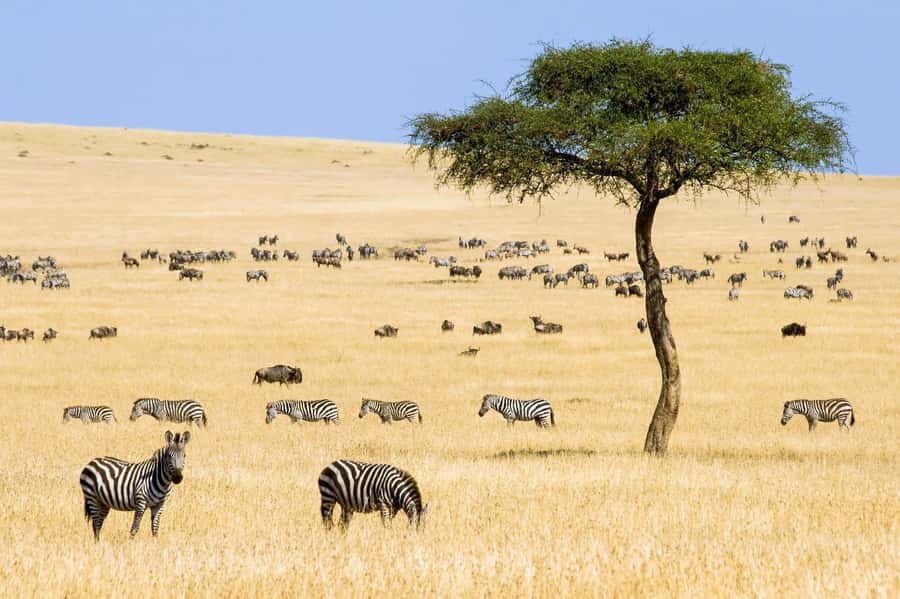
The tour description highlights the Great Migration, with 1.5 million wildebeest moving north from Serengeti into Maasai Mara each year. It also points out that rains bring the grasslands to life, which can trigger feeding and movement patterns that predators then exploit.
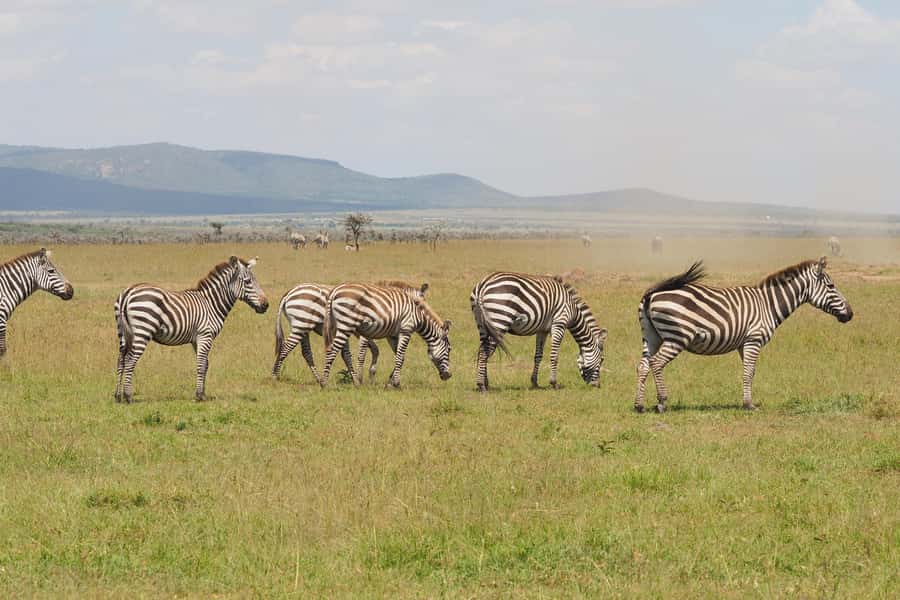
In terms of what you’ll hunt for during the day, you’re looking at high animal concentration, plus a strong chance of seeing black-maned lions, cheetah, antelope, and zebra. Leopards and rhinos are framed as luck-based sightings, which is honest and useful. This is safari country, not a zoo with set times.
One detail I like from the feedback: guides get named, and that personalization shows up in how people describe their drives. Simon is mentioned for helping people see all the Big Five in a single day, and Kimata is praised for effort and animal knowledge. You should still know your sightings depend on the season and where animals are that day, but the guide can absolutely raise your odds by reading the terrain and making smart calls.
Where this day can feel long: it’s a true full day out in the bush. Bring patience, plan for dust and sun, and keep your eyes on the horizon as much as you do on the road near the vehicle.
Same trip, a different part of the country:
- Nairobi National Park Half-Day Tour; Free Wi-Fi connection
★ 5.0 · 878 reviews - Nairobi: National Park & Optional Elephants & Giraffe Center
★ 4.8 · 874 reviews - NAI NAMI: Nairobi Storytelling Tour with Street Children
★ 5.0 · 792 reviews - Nairobi National Park Half-Day Game Drive
★ 4.5 · 738 reviews
Day 3: Maasai Mara to Nakuru, plus an optional Masai Village
After breakfast, you drive from Maasai Mara to Nakuru, with lunch en route. There’s an optional visit to a Masai Village in the morning before you leave, and it costs USD 20 per person, paid in cash at the village.
If you do the village, keep your expectations flexible. This is cultural time, not a wildlife game drive, and it also affects the rest of the day’s pace. The tour notes there will be no game drive on this day because of late arrival, so by design, Day 3 shifts from animals to travel and arrival.
Late evening in Nakuru means you mostly unpack, eat dinner, and reset for Lake Nakuru the next morning. You stay at Buraha Zenoni resort or similar.
A small but important value tip: if you prefer wildlife only, skip the village. If you like meeting people and learning how communities live, it’s a chance to add meaning to the trip. Either way, you’re still heading to a top bird-and-rhino stop on Day 4.
Day 4: Lake Nakuru, white rhinos, flamingoes, and Rothschild giraffes
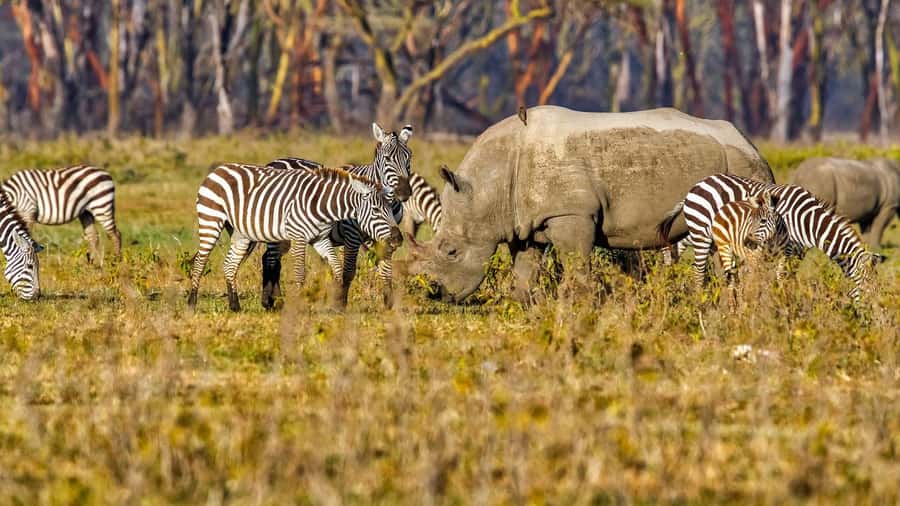
Day 4 is built around Lake Nakuru National Park, and the pacing is specific. You depart by 7am and go straight into a game drive that lasts for a minimum of 4 hours. That matters because Lake Nakuru can deliver sightings fast, but it also rewards time. Four hours gives the guide room to follow animal movement and not just do a quick lap.
The tour focuses on the rare white rhino population, and it also calls out the possibility of seeing pink flamingoes. Flamingoes are a “chance” item, not a guarantee, but the park is exactly the kind of place where conditions and timing can make them show up.
You’ll also have the chance to spot the rare endangered Rothschild giraffe. That’s a nice bonus because giraffes are often easy to photograph, and having a rarer variety adds real variety to the day.
After Nakuru, you drive to Amboseli, with lunch on the way and evening arrival. You will not go on a game drive because of late arrival, so consider it as your transfer and rest night. Dinner and overnight are at Wildebeest Amboseli camp or similar.
Day 5: Amboseli full day, Kilimanjaro views, and predator hunting
Amboseli is the “longer look” park. The tour points to seeing Mt Kilimanjaro while you’re there, which is one of Africa’s most iconic visual bonuses. Even when the mountain is partially obscured, the park still delivers wide views, open skies, and strong animal activity.
You do an early morning game drive, return for breakfast, then head back out for a full day game drive with a packed lunch. This is the day where you hunt predators and their opponents, because Amboseli’s structure and animal routines often make predator sightings feel more frequent when you spend enough time out.
The camps are set up to make that rhythm easy: you sleep, eat, then go out again. That matters on a budget safari, because you want fewer hassles and more time where it counts, in the vehicle.
From the feedback, guides tend to work hard to keep the drive productive. Jeff is mentioned as kind and patient, with excellent driving skills and instincts for when something is worth slowing down for. That’s the kind of guide behavior you should look for, because it turns waiting into watching.
Day 6: A short Amboseli morning and then back to Nairobi
Your last day starts with early breakfast. After check-out with all your luggage, you do a short morning game drive en route off Amboseli. Then it’s straight to Nairobi, with drop-off to your hotel or the airport, depending on what you need.
This is a “finish strong” day. You’re not going to get a new full park session, but you do get a final chance at animals before you head back to the city pace.
I like how this keeps stress low. There’s no late-night scramble, and your final transfer is timed to end your safari with an orderly handoff.
Accommodations and meals for a budget safari (what to watch)
This tour offers multiple package options with different accommodation types, so your exact lodging level may vary. Still, the tour includes some clear quality points, especially in Masai Mara.
In Masai Mara, the tents are private, not shared. They include a bed, linen, washroom, and mosquito nets, and the tour says you do not need to bring these items. It also specifies hot water and electricity, which is huge for comfort after long days in the vehicle.
Outside Masai Mara, you’re using a mix of resort and camp style stays, including Buraha Zenoni resort in Nakuru and Wildebeest Amboseli camp or similar in Amboseli.
Meals are on full board. That means breakfast, lunch, and dinner are covered, and bottled water is included. One review feedback point is that food can feel bland and repetitive, and another mentions minor issues like water not running properly in a bathroom that staff handled. Put those together and you get a balanced expectation: service is usually solid, but don’t expect restaurant level variety every day.
My practical takeaway: if you love strong flavors or you get snack cravings, pack a few simple extras you can reach for during long drives. That way, if a day’s buffet feels repetitive, you still feel in control.
Guides and daily departures: how they affect your odds
This safari is designed around professional English-speaking guides and guaranteed daily departures. The operator also says they run the tour themselves and do not resell clients, and they emphasize owning the safari vehicles.
That affects your experience because it reduces the chaos that can happen when a chain hands you off. It also supports a steadier rhythm: pickup times, park-to-park travel, and a plan you can rely on.
Still, balance matters. One set of feedback mentioned occasional disorganization, like not always knowing whether they’d be traveling for 10 minutes or 4 hours, and having water not offered when expected. Another mentioned a logistical cut to one game drive. Those are not deal breakers for everyone, but they are signals to travel with a calm, flexible mindset.
The best counter to that is simple: ask your guide each morning what the plan is, and confirm where water will come from. Past guides including Kimata, Jimmy, Antony, and Simon were praised for care and effort, so you’re not doing this alone. You can often fix your day by asking one good question early.
Who this Kenya budget safari suits best
This tour is a strong match if you want a classic route with a realistic budget and you care about hitting three major ecosystems in a short time. You’re getting Maasai Mara for big cat and migration energy, Lake Nakuru for birds and rhinos, and Amboseli for Kilimanjaro views.
It’s also a good fit if you like structured days. The itinerary is built around early starts, full or minimum game drive blocks, and predictable meal coverage.
You might want to think twice if:
- You need lots of food variety and hate repeating buffets.
- You’re extremely sensitive to long drive days with limited flexibility.
- You expect park entry fees to be included in the $205 price.
Should you book this 6 Days Kenya Budget Safari?
I’d book it if your top priority is ticking off the big parks and targeting the Big Five route without paying a luxury price tag. The pop-up roof jeep, the full day Masai Mara block, and the Lake Nakuru minimum 4-hour drive are the kind of time investments that tend to pay off in sightings.
I would not treat it as a guarantee factory. Lions, leopards, rhinos, and flamingoes are never 100 percent, and the tour itself frames some sightings as luck. But with strong guide effort and daily departures, you’re putting your time in the right places.
If you can handle a budget style of meals and you’re okay with park fees paid locally, this looks like good value. It’s the kind of safari that works when you stay flexible, ask questions early, and focus on what you can control: being ready at pickup, staying patient in the vehicle, and taking the day as it comes.
FAQ
What parks are included in the 6 Days Kenya Budget Safari?
You’ll visit Maasai Mara, Lake Nakuru National Park, and Amboseli National Park.
How much does the safari cost per person?
The price is listed as $205 per person.
What transport is used during the safari?
You travel in a 4×4 safari jeep with a pop up roof designed for easier game viewing and photography.
Are meals included in the price?
Yes. The tour includes meals on full board, plus bottled water.
What is not included in the tour price?
Park entry fees, alcoholic beverages, personal expenses, and optional activities are not included.
Is park entry fee payment handled locally?
Yes. Park entrance fees are paid locally by card, cash, or an online link provided by the company.
Can I add an optional visit to a Masai Village?
Yes. There is an optional Masai Village visit in the morning on Day 3, and it costs USD 20 per person, paid in cash at the village.
What type of accommodation is provided in Masai Mara?
The tour details say the tents in Masai Mara are private and not shared, with a bed, linen, washroom, mosquito nets, hot water, and electricity.
What is the cancellation policy?
The tour offers free cancellation up to 24 hours in advance for a full refund.
Newest write-ups from Kenya
- Watamu: Sunset Mangrove Canoe Tour with Coconut Drink★ 3.6 · 8 reviews
- Watamu: Learn Kenyan Cusine with Jonathan★ 4.1 · 8 reviews
- WATAMU: MALINDI: SARDEGNA ISLAND & MALINDI MARINE PARK★ 4.5 · 9 reviews
- Lake Nakuru Day Trip Safari – & Optional Lake Naivasha Boat★ 5.0 · 5 reviews
- Tsavo East National Park: 2-Day Tour from Mombasa★ 3.9 · 5 reviews
- Visit kibera Slum the chocolate city★ 4.8 · 3 reviews
- Lake Nakuru NP Half-Day Safari★ 4.0 · 4 reviews
- Tsavo East and Tsavo West Sanctuary Safari★ 5.0 · 3 reviews