
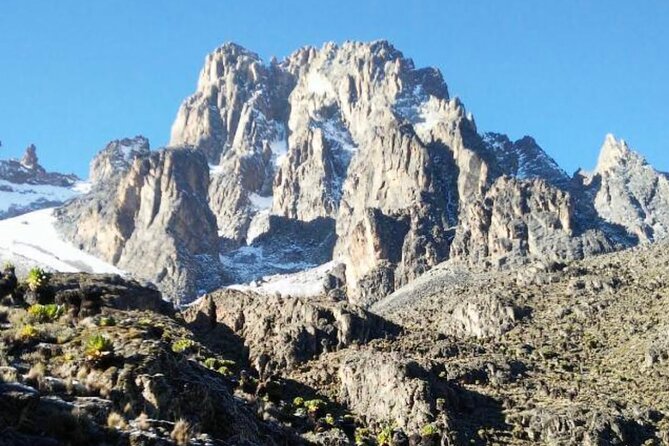
REVIEW · NAIROBI
4 Days Mt Kenya Climb, Chogoria Route up and out Sirimon route
Hiking Mount Kenya changes how you see the world. This 4-day route via Chogoria is known for stunning gorge-side scenery on the way up, with camping each night and a guided plan that keeps logistics simple. I like that it includes private transport and all mountain meals, so you are not budgeting for food and shuffling arrivals. I also really like the focus on the Gorges Valley highlights, with views toward Lake Michaelson and the peaks across the valley. One thing to consider is that it is not the driest ascent route, so you need to be ready for wet trails and cold nights.
Because this is a private trek, the rhythm is set for your group, not for a crowd. You’ll start at Mt Kenya National Park (Chogoria area), then spend the middle days hiking higher on camping nights with food included. The main drawback is that one review flagged serious stomach issues after the trip and questioned hygiene, so you should be extra strict with your own water and hand habits, even when meals are provided.
In This Review
- Key Things I’d Put on Your Checklist First
- Chogoria to the Summit Area: The Scenic Upside You Actually Feel
- Price and Logistics: What You’re Really Paying For at $840
- Entering Mt Kenya National Park from Chogoria Gate
- Gorges Valley: Lake Michaelson and the Views From the Path
- Camping Every Night: What It Means for Comfort and Success
- Day-by-Day Flow: How the Trek Usually Feels Across 4 Days
- Day 1: Start on the Chogoria Side and Settle Into the Mountain Rhythm
- Day 2: Full Meals and the Work of Acclimatizing
- Day 3: Steady Hiking, Big Air Changes, and Camping Recovery
- Day 4: Breakfast, Descend, and Finish Back Near Your Meeting Point
- Why Private Guide Support Is a Big Deal Here
- Hygiene and Stomach Safety: A Real Consideration You Should Not Ignore
- Who This Trek Fits Best (And Who Might Struggle)
- Should You Book This Mt Kenya 4-Day Trek via Chogoria and Out Sirimon?
- FAQ
- Is pickup from Nairobi included?
- How long is the Mt Kenya climb on this route?
- Do I need a sleeping bag?
- What type of accommodation will I have during the trek?
- Are meals included?
- Is this a private tour or shared group?
- Does the trek depend on weather?
Key Things I’d Put on Your Checklist First
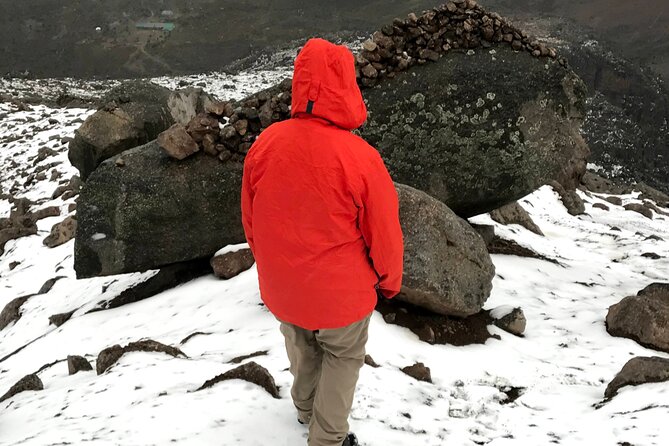
- Gorges Valley views with Lake Michaelson, The Temple, and peaks across the valley (Delamere and Macmillan)
- Hall Tarns on the path, right above Lake Michaelson, with a drop of about 200 metres
- Camping on every night on the mountain, so your comfort gear matters as much as your hiking boots
- All food while on the mountain plus guided, private support for the trek
- Private transportation from Nairobi to Chogoria Gate and back, which keeps the stressful parts off your plate
- Sleeping bags required (listed under what you must bring), even though the tour says camping accommodation
Chogoria to the Summit Area: The Scenic Upside You Actually Feel
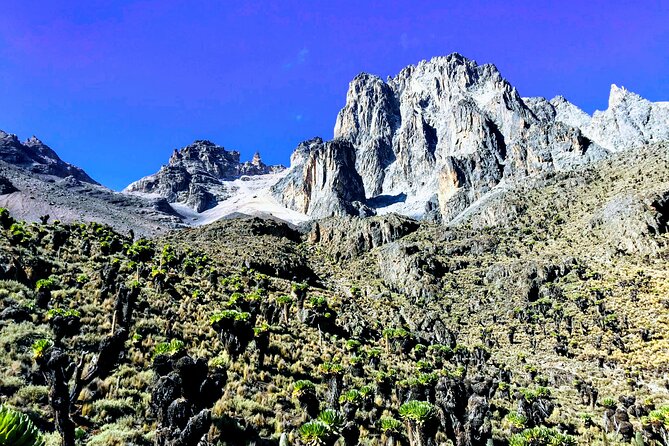
The Chogoria side of Mt Kenya is special because it gives you long, dramatic sightlines as you climb. Instead of hiking through the same type of scenery the whole way, you get repeated moments where the valley opens up and the mountain feels bigger. The standout views are around the Gorges Valley, where you can look across toward Lake Michaelson and landmarks in the distance like The Temple, plus peaks such as Delamere and Macmillan.
It’s also a route where the walk feels varied. You’re moving along paths where the scenery changes enough that you’re not just counting switchbacks. On a mountain trek, that matters. It keeps your mind busy, and it helps you stay steady even when the air gets thinner.
One practical note: this is not the driest route up the mountain. That’s not a dealbreaker, but it does change what “prepared” means. You’ll want waterproof layers, decent traction boots, and a plan for keeping your clothes as dry as possible during the day, then warm and protected at camp.
Other Kenya trips people compare against this one:
- Nairobi National Park Half-Day Tour; Free Wi-Fi connection
★ 5.0 · 878 reviews - Nairobi: National Park & Optional Elephants & Giraffe Center
★ 4.8 · 874 reviews - NAI NAMI: Nairobi Storytelling Tour with Street Children
★ 5.0 · 792 reviews
Price and Logistics: What You’re Really Paying For at $840
At $840 per person for a 4-day trek, the first thing to understand is what’s bundled. You’re not just buying a guide and a route. You’re getting private transportation between Nairobi and Chogoria Gate, entry into the mountain area via the gate, plus all park fees, government taxes, and levies. You also get a guide throughout and all food while on the mountain.
That value becomes clearer when you imagine the alternative. If you tried to piece it together yourself, you’d still need permits, transfers, a guiding system, and food. Here, those pieces are handled, and that reduces both cost surprises and time-wasting.
Also helpful: the tour notes that camping equipment is provided, and dinner on day one plus full meals during the trek are included (day-by-day meals are listed as lunch and dinner on day one, full breakfast plus lunch and dinner from days two and three, then breakfast on day four). That means your main packing job becomes clothing, sleeping setup, and personal care, not calorie shopping.
The only part that can add cost or effort is what you must bring. The tour explicitly requires sleeping bags and mountain clothing. So check your current kit honestly. If you are missing those items, the trek can get more expensive once you factor in gear rental or purchase.
Entering Mt Kenya National Park from Chogoria Gate
Your first big step is reaching Mt Kenya National Park and starting from the Chogoria side. The tour’s included setup covers the entry and the private transport to Chogoria Gate, so you are not spending your first morning figuring out where to meet permits and officials.
This matters for a simple reason: on a mountain trek, the first day sets the tone for your whole schedule. If logistics are smooth, you can concentrate on pacing and staying comfortable in changing temperatures.
The Chogoria route’s reputation for gorge views begins early enough that you feel it as you move. You’re not waiting days for the scenery payoff.
Gorges Valley: Lake Michaelson and the Views From the Path
The most clearly described highlight in the route is the Gorges Valley. This is where the trek becomes visually rewarding, not just physically challenging.
Here’s what you can expect to look for, because the names are worth using as waypoints for your attention:
- Lake Michaelson, viewed across the valley
- The Temple, a distinct landmark visible in the same broader direction
- Delamere and Macmillan Peaks across the valley
- Hall Tarns, located on the path and above a drop of about 200 metres directly above Lake Michaelson
That last detail is why your camera battery matters. Hall Tarns sit on or right by the path, so it’s not like you need a detour to see them. You’re already walking through the view corridor. The terrain and altitude mean you might see the same area from different angles over short distances, and it can feel like the mountain is turning pages.
One more thing: valley scenery can also mean changing wind and dampness. If the forecast is unsettled, plan for wet ground and cooler air. It’s easier to stay upbeat when your gear is ready before the first drizzle hits.
Same trip, a different part of the country:
- Nairobi National Park Half-Day Game Drive
★ 4.5 · 738 reviews - Nairobi: Historic and Modern Highlights Walking Tour
★ 4.8 · 703 reviews - Safari Tour; Nairobi National Park
★ 4.5 · 594 reviews - 3 Days Masai Mara Group Joining
★ 5.0 · 486 reviews
Camping Every Night: What It Means for Comfort and Success
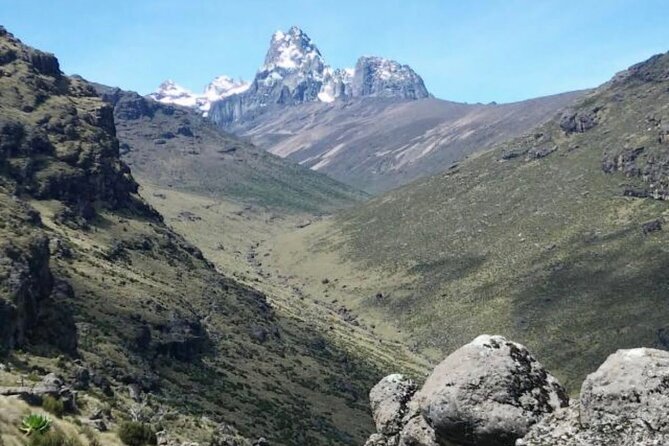
This trek is camping on all nights on the mountain. That’s not just a line in the itinerary. It changes what “success” feels like.
When you camp, you have more control over your recovery. You can prioritize warmth after the hike, keep your essentials organized, and manage your sleeping setup to handle cold. But you also have more responsibility for staying comfortable and dry.
The tour says camping equipment is provided, which helps a lot. Still, you should assume the sleeping system is the part that can make or break the night. The tour also specifically says huts require bringing sleeping bags. Even if your nights are primarily camping, the message is consistent: bring a sleeping bag you trust for mountain conditions.
Practical packing logic:
- Bring layers you can adjust quickly during the hike, then add warmth fast at camp.
- Keep a dry set of socks if you can. It’s a small thing that feels huge after a wet day.
- Treat hygiene like it’s part of the hiking gear, not an optional extra.
Camping also affects your timing. You’ll be hiking during daylight and relying on routine for breakfast and meals. That’s normal, but it’s why you should be the kind of person who can handle a few days of simpler living without needing a modern shower stop.
Day-by-Day Flow: How the Trek Usually Feels Across 4 Days
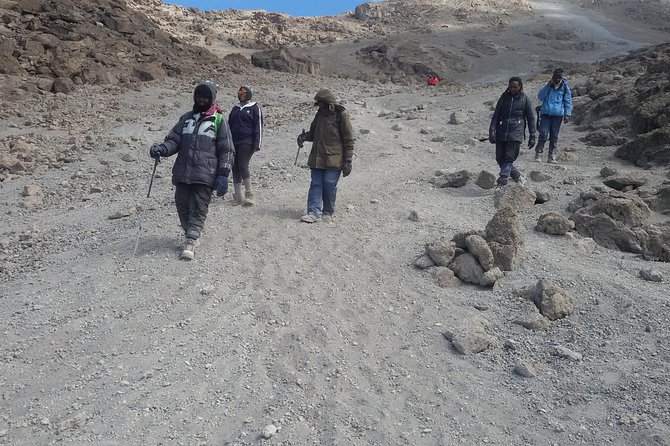
Because the description focuses most clearly on the start and the gorge highlights, I’ll describe the likely rhythm you’ll experience while staying faithful to the facts given: meals are included, camping is on all nights, and you’re guided.
Day 1: Start on the Chogoria Side and Settle Into the Mountain Rhythm
Day one is tied to Mt Kenya National Park with a start from the Chogoria gate area. The included setup covers lunch and dinner on this first day, so you don’t have to worry about food beyond your normal personal snacks.
This is also the day you should focus on pacing. The goal is to keep effort steady so you arrive at camp feeling tired in a good way, not drained. On a gorge-side route, the scenery can distract you. Let it. Just don’t let distraction turn into overexertion.
Day 2: Full Meals and the Work of Acclimatizing
Day two includes breakfast, lunch, and dinner. That matters because acclimatization is easier when you are not constantly hungry or under-fueled. It also means you can settle into a routine for hydration and recovery.
Expect the hiking to feel more demanding as altitude and fatigue accumulate. This is where you’ll appreciate that you’re in a private group with a guide. The guide’s job is not just navigation, it’s also keeping the plan realistic.
Day 3: Steady Hiking, Big Air Changes, and Camping Recovery
Day three again includes breakfast, lunch, and dinner. If you’re prone to stomach issues on treks, this is the day to be extra careful with what you eat and drink. Follow the guide’s advice for water use, and keep your own hand-cleaning routine.
This is also where the mountain tends to remind you it is not a stroll. Even when the route is well-managed, the combination of effort, wind, and cold at camp can wear you down. Your best weapon is consistency: warm layers, careful pacing, and enough rest.
Day 4: Breakfast, Descend, and Finish Back Near Your Meeting Point
Day four includes breakfast, then the trek ends back at the meeting point. You’ll also have transport back to Nairobi included.
Finishing with food and getting a clean transfer back is one of those underrated parts of value. It keeps you from thinking about the hard part twice, once on the mountain and once after you step off it.
Why Private Guide Support Is a Big Deal Here
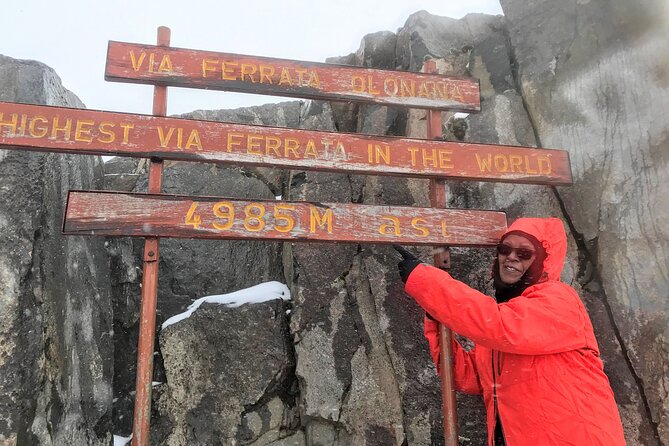
This is a private tour/activity, meaning only your group participates. That matters more on multi-day treks than on single-day city tours.
A private guide setup usually gives you:
- More flexibility in managing pace for your group
- A clear plan for where to be and when
- One person accountable for the navigation and logistics chain
On Mt Kenya, those things help with morale. When visibility drops or weather shifts, having a guide who knows the route and timing reduces uncertainty. It also helps you focus on your own hiking instead of on group dynamics.
Hygiene and Stomach Safety: A Real Consideration You Should Not Ignore
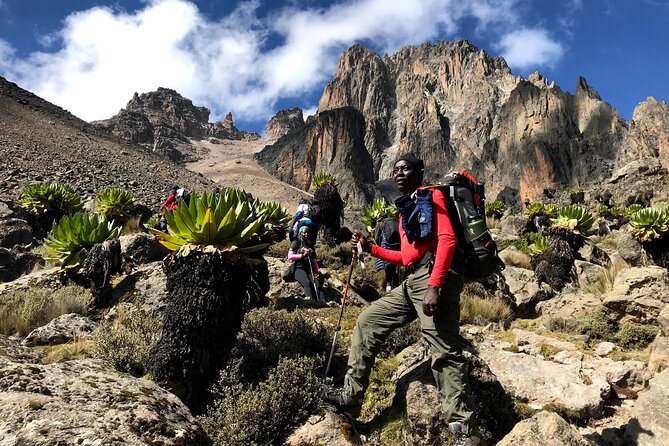
One review mentioned serious GI issues occurring about 10 hours after finishing the trip, and raised concerns about hygiene. I can’t verify how widespread that issue is. But the fact that it was severe enough to be called out is enough to justify a practical safety approach on your end.
My advice:
- Be strict about hand hygiene before meals.
- Pay attention to what water sources and washing practices the guide uses.
- Don’t assume every surface or shared setup is clean enough just because it is mountain food service.
Also, if you have a sensitive stomach, pack your own basics. Things like water purification tools, electrolyte packets, and simple anti-nausea options can help you deal with minor issues before they become major ones. On treks, you don’t want your trip to end because your gut got the better idea.
Who This Trek Fits Best (And Who Might Struggle)
This trek is for people with moderate physical fitness. That’s a broad category, but on a mountain climb it usually means you can handle sustained walking for hours, with some elevation changes, and you can keep going even when you are tired.
You’ll be a strong match if:
- You like mountains and want a view-focused route, not just a summit checklist
- You can sleep in cooler conditions and accept camping every night
- You want logistics handled, including private transfers and meals
You might want to think twice if:
- You expect totally dry trails throughout (the route is described as not the driest)
- You hate camping and roughing your sleeping comfort
- You get easily sick from shared food or hygiene uncertainty, unless you are very proactive with your own safety habits
Should You Book This Mt Kenya 4-Day Trek via Chogoria and Out Sirimon?
Based on the included structure and what the route is known for, I’d say this is a strong choice for travelers who want real mountain time with big gorge scenery and low stress on planning. The value is solid because so much is bundled: park fees, meals, guide, camping support, and private transport.
Book it if you:
- Want the Gorges Valley experience and the named viewpoints like Lake Michaelson and Hall Tarns
- Appreciate a guided private trek with camping recovery nights
- Plan to bring a proper sleeping bag and mountain clothing
Hold back if you:
- Know you are very sensitive to stomach upset and hygiene risk, and you do not want to manage that risk yourself
- Are not prepared for wet trail conditions and cold nights
Finally, check your own gear honestly. On a trek like this, the wrong sleeping setup or underpacked rain protection can turn a great trip into a miserable one, even with the best guide and planning.
FAQ
Is pickup from Nairobi included?
Yes. The experience includes transport from Nairobi to Chogoria Gate and transport back to Nairobi. Pickup is also listed as offered.
How long is the Mt Kenya climb on this route?
It runs for about 4 days.
Do I need a sleeping bag?
Yes. The tour lists that huts require you to bring sleeping bags.
What type of accommodation will I have during the trek?
Accommodation is camping on all nights on the mountain.
Are meals included?
Yes. Food while on the mountain is included, with lunch and dinner on day one, breakfast plus lunch plus dinner on days two and three, and breakfast on day four.
Is this a private tour or shared group?
This is private. Only your group will participate.
Does the trek depend on weather?
Yes. The experience requires good weather, and if it’s canceled due to poor weather you’ll be offered a different date or a full refund.
Newest write-ups from Kenya
- Watamu: Sunset Mangrove Canoe Tour with Coconut Drink★ 3.6 · 8 reviews
- WATAMU: MALINDI: SARDEGNA ISLAND & MALINDI MARINE PARK★ 4.5 · 9 reviews
- Watamu: Learn Kenyan Cusine with Jonathan★ 4.1 · 8 reviews
- Lake Nakuru Day Trip Safari – & Optional Lake Naivasha Boat★ 5.0 · 5 reviews
- Tsavo East National Park: 2-Day Tour from Mombasa★ 3.9 · 5 reviews
- Visit kibera Slum the chocolate city★ 4.8 · 3 reviews
- Lake Nakuru NP Half-Day Safari★ 4.0 · 4 reviews
- Tsavo East and Tsavo West Sanctuary Safari★ 5.0 · 3 reviews