
REVIEW · ELEPHANT ORPHANAGE TOURS
Nairobi: Private Elephant Orphanage Tour
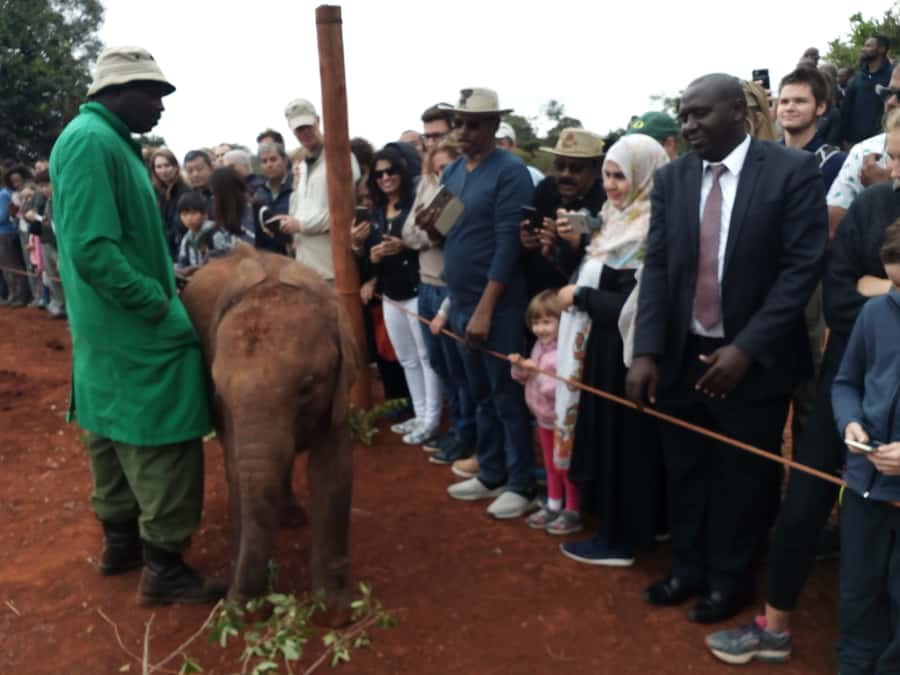
Elephants are waiting before you even park. This private day around Nairobi centers on David Sheldrick Wildlife Trust, where you get a guided setup before heading out to see rescued baby elephants and watch them feed with trained professionals nearby. I like that it also includes time exploring the outskirts, plus quick cultural stops like local wood crafts and kazuri beads.
Two things I really like. First, the hands-on closeness with friendly baby elephants under professional supervision, including time for the formula-milk feeding experience. Second, the way the visit explains the elephant adoption process and why the Trust’s orphan and rehabilitation work matters in East Africa.
One consideration before you book: the “included” price can be confusing. The elephant-orphanage entry fee is included, but Nairobi National Park entrance is not, and you should expect to pay that at the gate if required. Also, confirm language needs and what you mean by private guiding, since on-site experience can vary.
In This Review
- Key highlights to know before you go
- David Sheldrick Wildlife Trust: what makes this visit special
- Your schedule: the one-hour intro and the elephant time
- Elephant adoption education: what you’re actually supporting
- Getting close to baby elephants, safely and responsibly
- Nairobi outskirts driving: why this tour feels more than a single stop
- Wood crafts store and kazuri beads factory: souvenirs with a story
- Optional lunch and the return to your lodging
- Price and cost reality: where value can change fast
- What’s included, and what to expect from the team
- Language support: English, German, French needs
- What to bring for a smooth elephant day
- Family-friendly, and suited to different travel styles
- Should you book this private elephant orphanage tour?
- FAQ
- What time does the tour start?
- Where does the tour take place?
- Is hotel pickup and drop-off included?
- Is entry to the elephant orphanage included?
- Is the Nairobi National Park entrance fee included?
- What about lunch and drinks?
- What stops are included besides the elephant orphanage?
- What should I bring?
- What languages are available for the tour?
- Can I reserve and pay later?
Key highlights to know before you go
- 10:45 AM arrival at David Sheldrick Park for an introductory presentation that sets the tone
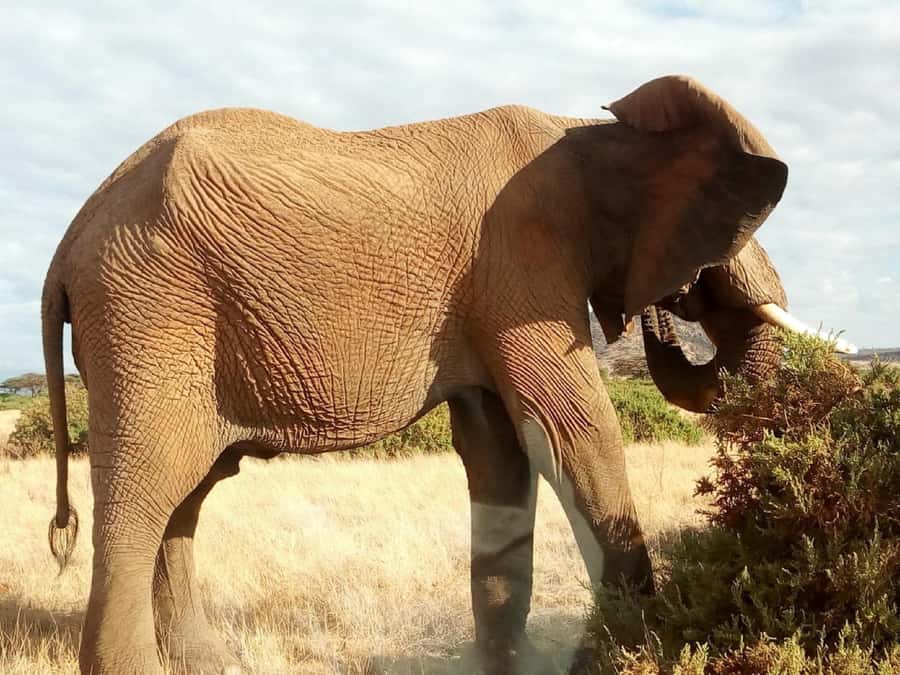
- Up close elephant feeding with trained staff overseeing the interactions
- Elephant adoption education so you understand what your visit supports
- Outskirts of Nairobi driving that makes the day feel more than just a quick stop
- Wood crafts store and kazuri beads factory for practical souvenirs you can actually use
- Private vehicle pickup and drop-off handled for you, so you spend less time negotiating
David Sheldrick Wildlife Trust: what makes this visit special
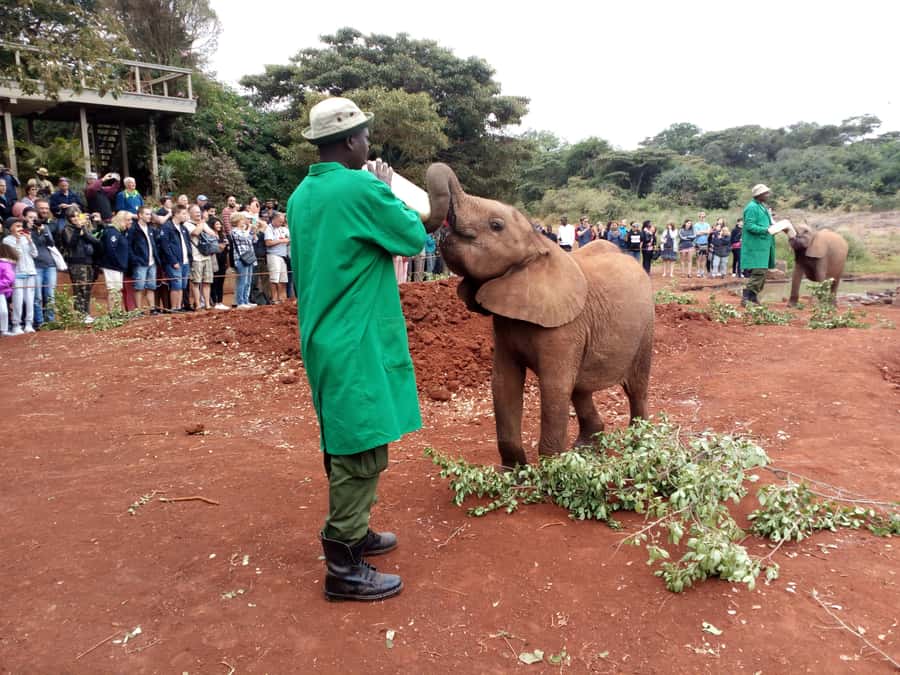
David Sheldrick Wildlife Trust is one of Nairobi’s top conservation stops for a reason. You’re not just watching wildlife from far away. You’re learning how rescued baby elephants are cared for, and you’re getting close enough to see their personalities and behaviors in real time.
What really makes the day work is the sequence. You start with a presentation, so when you move into the elephant area you already understand what you’re seeing. That matters with baby elephants, because their needs and routines are different from adult wildlife experiences.
I also like that this visit frames the day as part education, part conservation. The Trust is known for its Orphans’ Project, and the whole setup helps you connect the emotional moment of seeing baby elephants with the practical work of rehabilitation and habitat protection in East Africa.
More elephant orphanage visits:
- Elephant Orphanage and Giraffe Center Tour with Options
★ 4.5 · 457 reviews - Nairobi National Park, Elephant Orphanage and Giraffe Centre
★ 4.6 · 365 reviews - From Nairobi: Elephant Orphanage and Giraffe Center Day Trip
★ 4.5 · 235 reviews
Your schedule: the one-hour intro and the elephant time
You’ll arrive at David Sheldrick Park at 10:45 AM, which is an important detail for planning your day. The experience begins with a one-hour introductory presentation where you can ask questions. That timing helps you avoid the feeling of wandering in cold, because you start with context before you go looking.
After the presentation, you spend time with the orphaned baby elephants under the watch of trained professionals. This is the “main course,” and it’s designed so you can get a close, friendly feel for the animals without going off-script. You can expect supervised interaction rather than a free-for-all.
The practical win here is that you’re guided through the flow. Even if you’ve never done anything like this, you’re not left guessing. A host and escort help keep you on track, and your driver handles getting you there and back.
Elephant adoption education: what you’re actually supporting
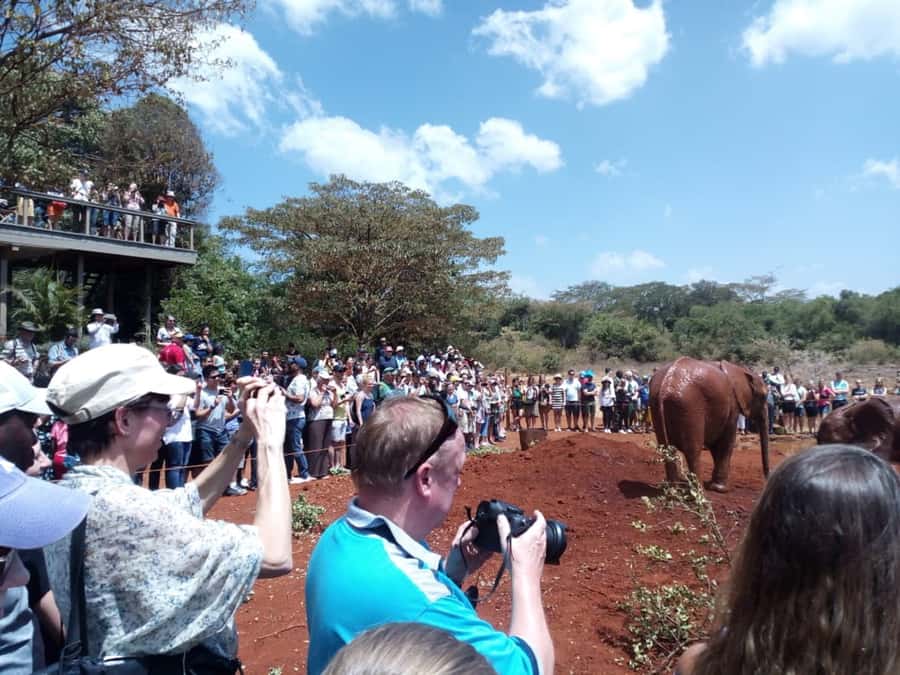
One of the best parts of this tour is the emphasis on the elephant adoption process. You learn how adoption works conceptually, what rescue and rehabilitation mean, and why orphan care is such a specialized effort.
This is not a vague, feel-good stop. It’s a structured explanation of the Trust’s broader mission, including wildlife preservation and protection of habitats across East Africa. When you understand that, the feeding time hits harder in a good way. You can see what’s happening now and also connect it to the long-term goal of getting elephants back to sustainable life paths.
I also appreciate that you’re encouraged to ask questions during the intro presentation. If you have concerns, like how orphan care works or what your visit supports, this is the moment to get clear answers while a trained team is in front of you.
Getting close to baby elephants, safely and responsibly
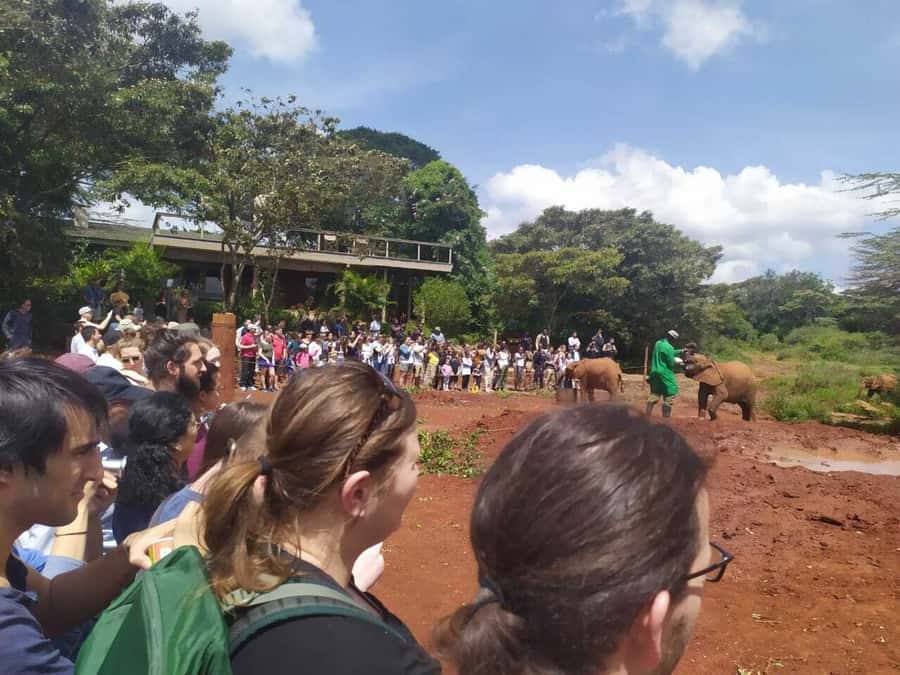
The highlight, obviously, is the close look at rescued baby elephants. You get to see and even touch the animals, and you can watch them enjoy formula milk up close while professionals supervise.
That supervision is key. The day is built around safe, respectful proximity, which helps you get the emotional payoff without turning the visit into something chaotic. If you’re traveling with kids, this is especially helpful because you get an experience that feels personal while still being managed.
Bring a realistic mindset: baby elephants are curious and energetic. They may move quickly, and the experience is likely to feel busy in short bursts. The “close” aspect can be amazing, but it also means you should be ready for hands-on contact rather than a calm viewing like you might do in a traditional zoo.
A few more Nairobi days worth pricing up
- Nairobi National Park Half-Day Tour; Free Wi-Fi connection
★ 5.0 · 878 reviews - Nairobi: National Park & Optional Elephants & Giraffe Center
★ 4.8 · 874 reviews - NAI NAMI: Nairobi Storytelling Tour with Street Children
★ 5.0 · 792 reviews - Nairobi National Park Half-Day Game Drive
★ 4.5 · 738 reviews
Nairobi outskirts driving: why this tour feels more than a single stop
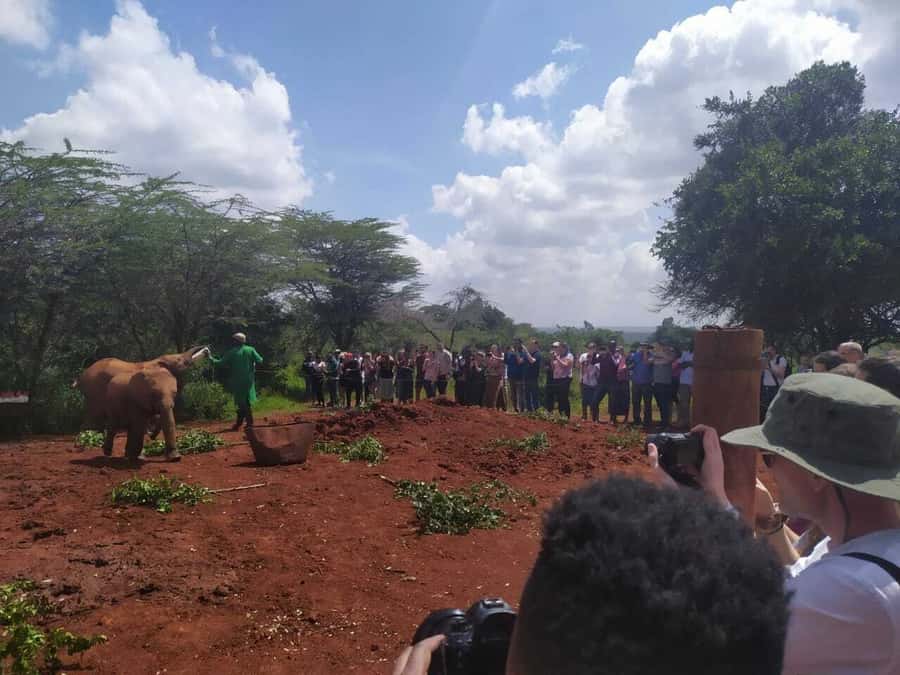
This isn’t just a drive to one place and back. The tour also explores the outskirts of Nairobi. That matters if you want your day to feel like you got out of the city, even if you’re not doing a full safari drive.
A private vehicle gives you control and comfort. You’re picked up and dropped off at your lodging, and you don’t have to worry about public transport schedules, finding the right entrance, or coordinating a last-minute return.
It’s also a smart choice if you’re short on time. You get a focused experience anchored around David Sheldrick, plus a couple of culture and craft stops that help you round out the day with tangible souvenirs.
Wood crafts store and kazuri beads factory: souvenirs with a story

After the elephant time, the day includes a visit to a local wood crafts store for a quick shopping stop. This is a good low-pressure option if you want to take home something that reflects Kenya’s craft traditions without adding another whole attraction to your schedule.
Next comes kazuri beads factory. If you’ve never seen how beads and accessories are made, this stop is worth it. You’ll get the satisfaction of buying something you understand more than a generic souvenir, and it also fits the conservation travel mindset. When craft work supports local people, it’s a more balanced travel story than pure, extractive tourism.
Shopping tip: since the tour includes only a quick stop, don’t wait until the last minute to decide what you like. If you see something you love, ask questions and check sizes and price on the spot so you’re not rushing.
Optional lunch and the return to your lodging
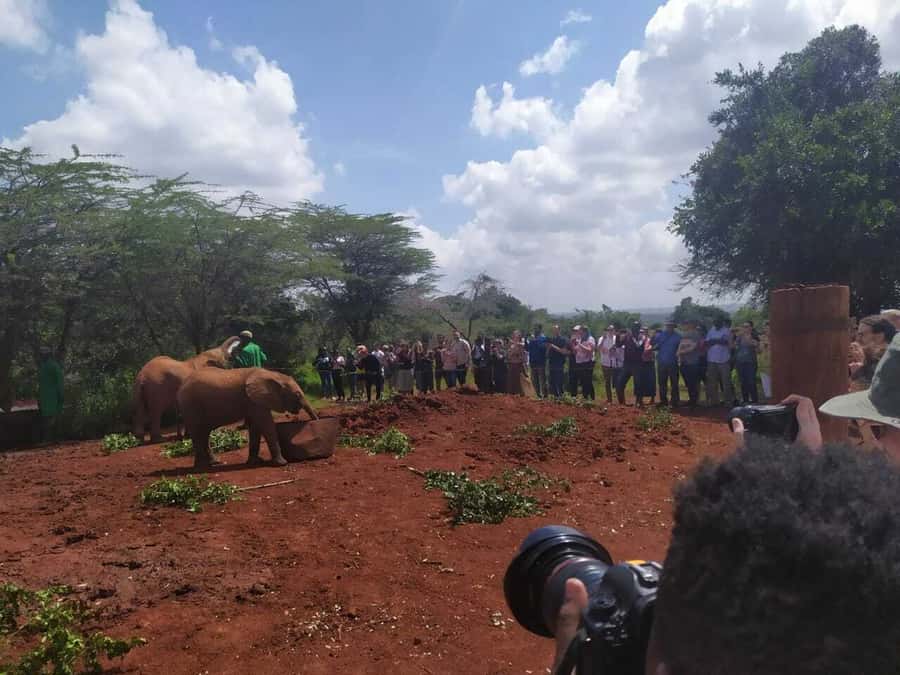
You’ll have an optional lunch, and the driver will advise where to eat. This is practical because the best choice depends on what’s nearby and what your timing looks like on the day.
An optional lunch also means you should plan for your own budget. Drinks are not included, and you’ll likely spend more than you expect if you’re hungry after the elephant viewing.
Your driver returns you to your lodging after the stops. That convenience is one of the biggest value points of the tour, especially if your schedule does not include buffer time for taxis or rideshares.
Price and cost reality: where value can change fast
The listed price is $100 per person, and entry fee to the elephant orphanage is included. That sounds straightforward, and for many people it will be.
The key detail is what’s not included: Nairobi National Park entrance fee, listed as $45 per person. In practice, this is where the total math can surprise you. The park fee may be required to access the area, even when the elephant-orphanage entry is already covered.
Here’s how I’d think about value:
- If the park fee is required for your itinerary, your total is closer to $145 per person before any optional lunch or drinks.
- If you compare it to doing it independently, you’re paying for pickup, drop-off, private transport, and guided coordination.
- If you just want the elephant visit and you’re comfortable arranging transport, this could feel expensive. If you want a guided, managed day with minimal stress, it can feel worth it.
Based on what people report about the experience, the main complaint isn’t the elephant time, it’s confusion around fees and what you truly get for the money. So do one simple thing before you go: confirm in writing which gates you’re entering, and which fee you are responsible for at the end of the process.
What’s included, and what to expect from the team
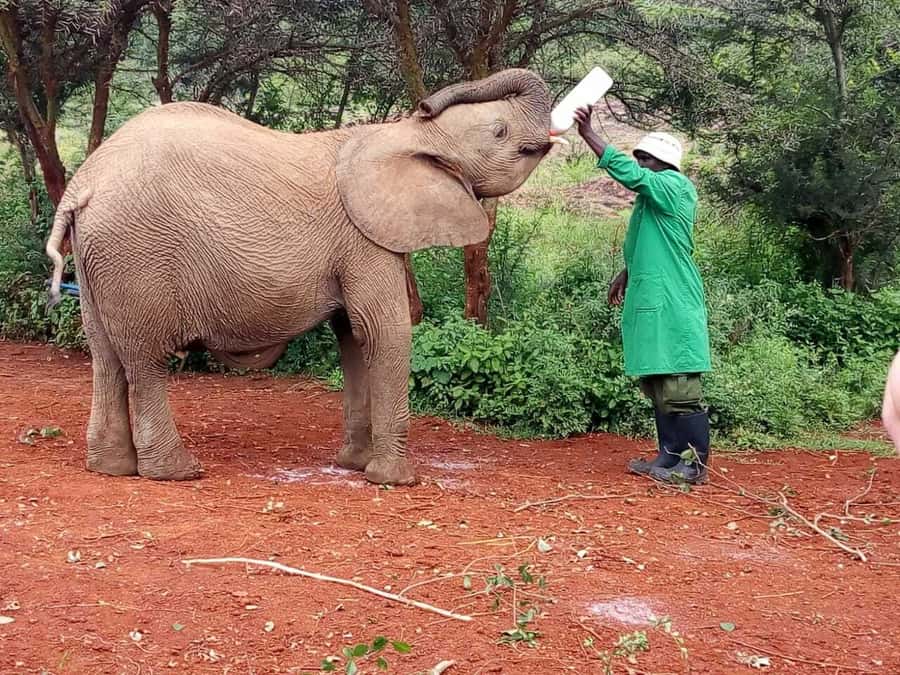
Included items are fairly clear:
- Hotel pickup and drop-off
- Transport by private vehicle
- Tour escort and host
- Driver and guide
- Entry fee to the elephant orphanage
That combo is built for convenience. Pickup and drop-off remove local logistics headaches. The presence of a guide and escort can help you navigate the presentation, questions, and timing so you don’t end up waiting around.
The one area you should be cautious about is the idea of a truly private guiding setup. The inclusions mention a driver and guide, plus escort and host, but the tour description can feel like a guaranteed on-site “private guide experience.” If your plan depends on a specific language or a one-on-one style, confirm what that looks like at the Trust itself.
Language support: English, German, French needs
Languages listed are English, German, and French. That’s a great sign if you’re not comfortable in English.
But I’d still treat it like a confirmation item, not an assumption. On-site interpretation can vary, especially when languages are limited. If German or French is important to you, message ahead so you know what you’ll get during the presentation and while you’re with the elephant team.
What to bring for a smooth elephant day
This is a practical tour with a clear short list. Bring:
- Passport or ID card
- Sunglasses
- Sun hat
Even if you’re only outside for part of the day, sun and glare can be intense. Your hat helps a lot once you’re waiting around or spending time outside during the elephant segment.
Also, keep your documents handy. You’ll want your ID or passport ready, especially for gate checks.
Family-friendly, and suited to different travel styles
The tour is suitable for all ages. That matters because an elephant day can be an intense sensory experience for very young kids, or a life-changing one for older kids and teens.
This is also a good match if you prefer structured experiences over open-ended wandering. You have a clear start time, an intro session, supervised elephant time, and a couple of defined stops.
On the other hand, if you’re expecting a full-day safari drive with many wildlife sightings, this is not that kind of tour. It’s a focused visit built around the Trust and what you learn and see there, plus a little Nairobi outskirts and crafts.
Should you book this private elephant orphanage tour?
I think it’s a solid booking if your top priority is a guided, close elephant experience at David Sheldrick Wildlife Trust, and you want pickup and transport handled. The elephant feeding time with trained professionals, plus the adoption education during the 10:45 AM presentation, is the core value.
I would not book blindly if you hate fee surprises. Make sure you budget for the Nairobi National Park entrance fee of $45 per person, and confirm exactly when and how it’s charged.
Also, if language matters, confirm English versus German or French ahead of time. And if you’re expecting a fully private, one-to-one guiding style, ask what “private” means in practice for the on-site elephant time. If you do those checks, you’ll be set up for a meaningful day, not a stressful one.
FAQ
What time does the tour start?
You arrive at David Sheldrick Park at 10:45 AM for a one-hour introductory presentation.
Where does the tour take place?
The tour is centered around David Sheldrick Wildlife Trust in Nairobi, with exploring of the outskirts of Nairobi included.
Is hotel pickup and drop-off included?
Yes. Hotel pickup and drop-off are included.
Is entry to the elephant orphanage included?
Yes. Entry fee to the elephant orphanage is included.
Is the Nairobi National Park entrance fee included?
No. The Nairobi National Park entrance fee is not included and is listed as $45 per person.
What about lunch and drinks?
Lunch is optional and not included. Drinks are not included either.
What stops are included besides the elephant orphanage?
After the elephant orphanage visit, there is a visit to a local wood crafts store and then a kazuri beads factory. Lunch is optional afterward.
What should I bring?
Bring a passport or ID card, sunglasses, and a sun hat.
What languages are available for the tour?
The tour is listed as available in English, German, and French.
Can I reserve and pay later?
Yes. The option to Reserve & Pay Later is offered, so you can book your spot and pay nothing today.
Newest write-ups from Nairobi
- Visit kibera Slum the chocolate city★ 4.8 · 3 reviews
- 3 days maasai mara migration safari★ 4.5 · 7 reviews
- 4 Days Tour Landcruiser in Masai Mara and Lake Nakuru★ 5.0 · 10 reviews
- 4 Days Safari to Lake Nakuru N/P and Maasai Mara N/R★ 5.0 · 18 reviews
- Day Tour to Nairobi national park, Elephants, and Giraffe Center★ 3.5 · 8 reviews
- Wildebeest Migration in Masai Mara and Sightseeing 4 Days Tour★ 4.5 · 6 reviews
- Maasai Mara Day Trip★ 5.0 · 15 reviews
- Kibera Slum Tour with a Local★ 5.0 · 15 reviews
Elephant Orphanage Tours, compared.
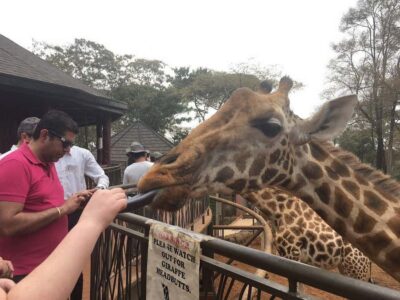
Elephant Orphanage and Giraffe Center Tour with Options
Read our review →
Nairobi National Park, Elephant Orphanage and Giraffe Centre
Read our review →

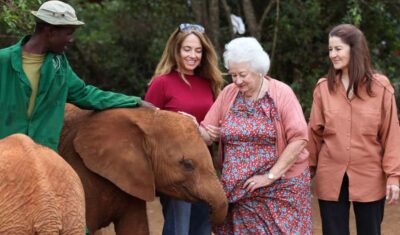
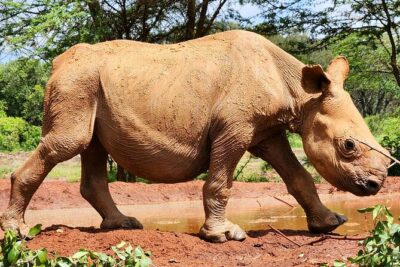
Half day tour to Elephant orphanage & Giraffe Centre Nairobi
Read our review →
National Park, Elephant Orphanage & Giraffe Center
Read our review →
Giraffe Centre, Elephant Orphanage, and Bomas of Kenya Day Tour from Nairobi
Read our review →Browse the lists this tour appears in