
REVIEW · HIKING TOURS IN NAIROBI
Mt. Kenya hike: 5 Days Hike to Lenana Peak Via Sirimon route
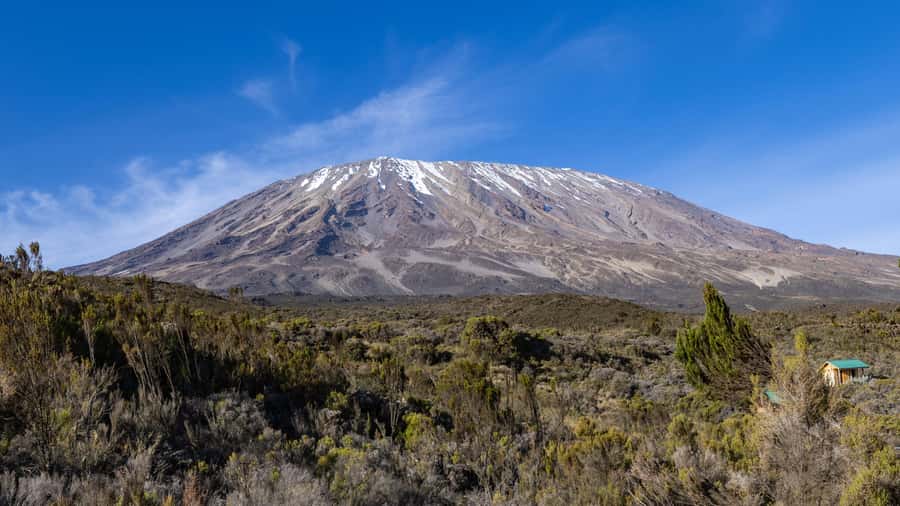
This hike gives you big altitude goals in a very real mountain setting, not just a walk. You go all the way to Point Lenana for an early sunrise, and you build your breathing in stages on the Sirimon route. I also like the mix of forest, alpine zones, and camp days that actually help you acclimatize.
Two things I’m especially fond of here are the professional English-speaking guide team (mine, Ken, kept the mood light and helped us stay on track), and the food. The meals come in large portions, day after day, which matters on an exhausting 5-day plan. One consideration: the trek is genuinely tough, and nights get extremely cold, so warm layers are not optional.
In This Review
- Key highlights you’ll feel on this Mt Kenya trek
- Mt Kenya to Lenana: why this 5-day plan is worth your time
- The Sirimon route to Old Moses Camp: forest, heathland, and an early start
- Day 2’s Mackinder’s Valley section: wildlife, alpine plants, and longer hours
- Acclimatization at Shipton’s Camp: the day that makes the summit feel possible
- Summit night from Shipton’s to Point Lenana: sunrise is the payoff
- Mintos Camp to Chogoria Gate on Day 5: waterfalls, moorlands, and a real exit
- Mau Mau caves: the human thread in a mountain journey
- Guides, porters, and the team vibe: why the experience rating lands high
- Food, water, and cold nights: practical comfort on a serious route
- Price and value: what you’re paying for at $1,000 per person
- What’s included, what’s not, and what you must bring
- Group comfort, route choice, and the less-crowded feeling
- Who this Mt Kenya hike suits best
- Should you book this Lenana trek with a Sirimon to Chogoria plan?
- FAQ
- How long is the Mt. Kenya hike to Lenana Peak?
- What route does this hike use?
- Where do you sleep during the trek?
- Are meals and water included?
- What time do you start the summit day?
- What gear is not included, and what should I bring?
Key highlights you’ll feel on this Mt Kenya trek
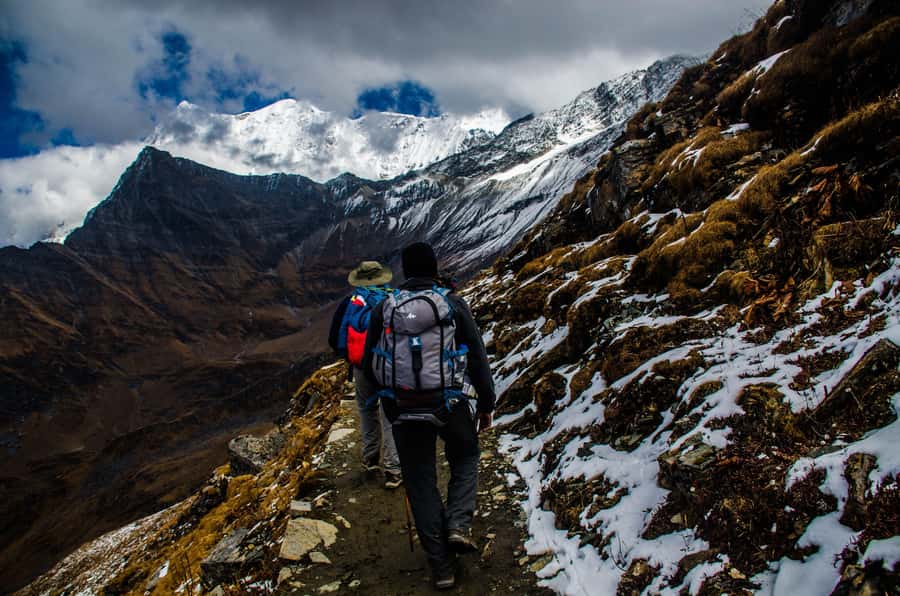
- Sunrise summit at Point Lenana (4,985m) with wide views, and even Kilimanjaro on clear mornings
- Sirimon to Chogoria route pacing that aims for a quieter feel than busier alternatives
- Real acclimatization day at Shipton’s Camp, with short optional walks to aid altitude adaptation
- Tented camping with a sleeping mat included, plus three meals daily from lunch to lunch
- Cultural stop for Mau Mau caves, adding human history to the mountain scenery
- Big nature variety, from forest and heathland to valleys, waterfalls, and moorlands
Mt Kenya to Lenana: why this 5-day plan is worth your time
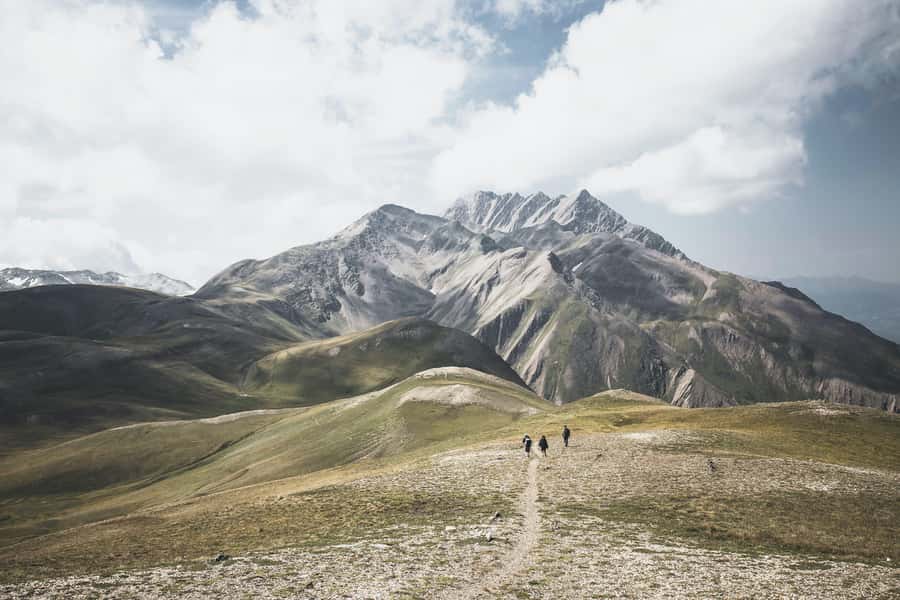
If you want a mountain experience that feels like Mount Kenya, this route checks the boxes. You’ll climb through different ecosystems as you gain height, camp at high elevation with starry night skies, and then summit at night so you can watch the sky turn sunrise color.
The Lenana summit is especially motivating because it is high enough to feel like an accomplishment, but it is still a guided trek option for people who prepare. You spend time at altitude before the summit push, and that helps you get the most out of the climb rather than fighting altitude blindly.
More Hiking Tours in Nairobi
- Private Hiking Day Trip to Mt. Longonot from Nairobi
★ 5.0 · 58 reviews - Private Half Day Hike to Ngong Hills from Nairobi
★ 5.0 · 20 reviews - Mt Longonot National park Day Hike
★ 4.9 · 18 reviews
The Sirimon route to Old Moses Camp: forest, heathland, and an early start
Day 1 begins with an early pick-up from your hotel, followed by transfers that get you out of Nairobi and into the climbing rhythm. You head toward Nanyuki Town, then complete entry formalities at Sirimon Park Gate.
From there, the hike starts gently for the first segment, with about 4 to 5 hours of walking through forest and heathland. This is one of the best parts for orientation because the route doesn’t feel like instant punishment. It gives your legs time to wake up, and you start noticing the shift in air and vegetation as elevation rises.
You finish Day 1 at Old Moses Camp (3,330m), where lunch is served along the trail and dinner comes at camp in tents. This is a solid setup day, but don’t treat it lightly. By the time you reach the camp altitude, you can already feel the thinner air, especially if you’re coming from sea-level.
What to watch for: the first day is “gradual,” but your body still needs pace. I suggest you walk slower than you think you should. Save your energy for the higher camps and the night summit.
Day 2’s Mackinder’s Valley section: wildlife, alpine plants, and longer hours
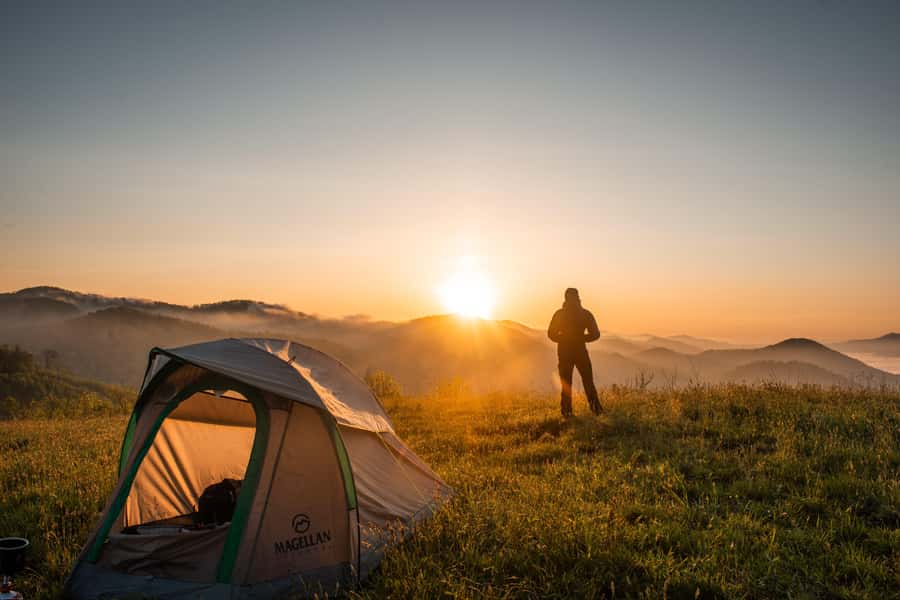
On Day 2, you trek from Old Moses Camp to Shipton’s Camp (4,200m). Expect 6 to 7 hours of hiking, and you’ll move through Mackinder’s Valley.
This is where the scenery starts getting more alpine. You’ll notice plants that look built for cooler conditions, and you may spot wildlife along the way. It’s not just a photo walk. The higher you go, the more your breathing matters, and the more steady steps beat fast ones.
Lunch is again served en route, and you reach Shipton’s Camp in the afternoon. Dinner and overnight accommodation are in tents. This second camp night is important because it places you at a meaningful altitude before your acclimatization day.
Why Shipton’s Camp matters: the point of this trek is not just reaching a summit mark. It is also how you get there. Camps like Shipton’s are designed for that, and that becomes clear on Day 3.
Acclimatization at Shipton’s Camp: the day that makes the summit feel possible
Day 3 is your buffer day. You stay at Shipton’s Camp for altitude adaptation, with all meals and overnight in tents. The hike isn’t “free time,” but it is smarter than a full extra summit-style climb.
You can do optional short hikes to help your body adapt, including routes toward Hausberg Col or Kami Tarn. These short excursions are the best kind of work: they help you test your pace and breathing without exhausting you for the summit push.
From a practical point of view, acclimatization is where people succeed or struggle. If you skip it, the summit night often turns into a fight. If you use it well, you keep your energy for the final climb and you can enjoy the sunrise more.
My advice: keep these optional walks short and controlled. The goal is adaptation, not conquest.
Same trip, a different part of the country:
- Nairobi National Park Half-Day Tour; Free Wi-Fi connection
★ 5.0 · 878 reviews - Nairobi: National Park & Optional Elephants & Giraffe Center
★ 4.8 · 874 reviews - NAI NAMI: Nairobi Storytelling Tour with Street Children
★ 5.0 · 792 reviews - Nairobi National Park Half-Day Game Drive
★ 4.5 · 738 reviews
Summit night from Shipton’s to Point Lenana: sunrise is the payoff
Day 4 starts very early, around midnight. You’ll set out for the ascent to Point Lenana (4,985m), and the entire experience centers on reaching the top at sunrise.
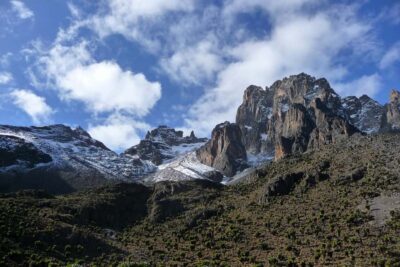
This is the moment most people sign up for, and it’s not hard to see why. At the summit, you get wide views over Mount Kenya. On clear mornings, you can even see Mount Kilimanjaro, which turns the night effort into a memory you’ll keep for a long time.
After the sunrise celebration, you descend via the Chogoria Route to Mintos Camp (4,250m). You’ll take breakfast after descending from the summit, then have lunch later. Dinner and your final overnight in tents come at Mintos Camp.
Night summits are exciting, but they can be rough. You will likely feel cold, and you’ll want layers you can add and remove quickly. Also remember that fatigue builds over consecutive days. The guides and porters help make it manageable, but your pacing still matters.
Small but important consideration: you’re climbing at altitude while the air is cold and thin. I’d rather you arrive at the summit breathing steady than try to sprint and suffer.
Mintos Camp to Chogoria Gate on Day 5: waterfalls, moorlands, and a real exit
Day 5 is your “finish strong” day. After breakfast at Mintos Camp, you descend through the Gorges Valley, passing waterfalls and moorlands on the way to Chogoria Gate.
This leg is dramatic. Descending can be tough on knees, but the reward is the change in terrain. You go from high, quiet air into a more textured valley world, where sound and water are part of the landscape.
Once you reach Chogoria Town, you connect to a public shuttle back to Nairobi, arriving late afternoon. You can also arrange an optional jeep transfer from Mintos Camp to the park gate at an additional cost shared among participants.
Why I like this exit: it feels like more than just leaving. The final descent gives you a last nature hit, and it ends with a straightforward return to the city.
Mau Mau caves: the human thread in a mountain journey
Mount Kenya isn’t only about peaks and weather. Your guided experience includes a stop for Mau Mau caves, which adds a human layer to the trip.
Even if you’re focused on the physical challenge, this kind of stop changes how you look at the mountain. You see how people have used these spaces, faced danger, and held onto hope in difficult times. It adds context to the effort you’re putting in today.
Because the timing of that stop isn’t detailed here, you should treat it as a scheduled feature that your guide builds into the day’s plan. The key is to stay attentive and ask questions, since it’s the sort of moment that turns into a richer story.
Guides, porters, and the team vibe: why the experience rating lands high
The best trekking companies get three things right: pacing, safety, and morale. This trek leans into all three.
You travel with a professional English-speaking driver guide and porters. The guide helps set rhythm for altitude and makes sure the group keeps moving safely. Porters carry much of the load, which matters a lot on a 5-day plan where fatigue starts stacking quickly.
From the people who did it, the team dynamic stands out. A guide named Ken comes up for being funny and helpful, and that type of guide style can change how the hard hours feel. When you’re tired, a good guide doesn’t just point the way. They help you keep your head.
Food, water, and cold nights: practical comfort on a serious route
One of the most convincing parts of this package is that it feeds you well. You get three meals per day, starting with lunch and ending with lunch. Reviews describe the food as very good, in extremely large portions, which is a big deal because climbing burns calories fast.
You also get 3 liters of water per person per day. That helps keep logistics simple and means you can focus on your steps instead of constantly chasing supplies.
But there is a trade-off. You are sleeping at altitude in tents, and you should plan for cold. One clear tip from past trekkers: bring warm clothing, especially for evenings and nights. The cold can feel intense once you stop moving.
Pack smarter for this trek:
- Warm layers you can wear at camp
- A system to handle night chill after a long summit morning
- Your own sleeping bag, since only a sleeping mat is included
Price and value: what you’re paying for at $1,000 per person
At $1,000 per person, this is not a budget hike. But it also is not just a “guide for a day.” You’re paying for a full package: tents, meals, park entry fees, trained support with porters, rescue insurance, and multiple transfers tied to the route.
Here’s how the value adds up in plain terms:
- Guided multi-day logistics: airport transfers and route transfers reduce hassle
- Safety layer: rescue insurance is included, which matters when you’re operating at altitude
- Food and water included: three meals daily and 3 liters water per day are real savings and fewer worries
- Camping support: accommodation in tents plus a sleeping mat means fewer gear purchases
The main value question for you is this: do you want the work of planning off your shoulders? If yes, this package style can feel worth it. If you’re the kind of traveler who wants total independence and you already have gear and systems, you might find a different model a better match. But for a guided, structured trek to Lenana, this price makes sense on paper.
What’s included, what’s not, and what you must bring
Included:
- Tented accommodation plus a sleeping mat
- Park entry fees
- A professional English-speaking driver guide and porters
- 3 liters of water per person per day
- Three meals per day, starting with lunch and ending with lunch
- All airport transfers
- Rescue insurance
Not included:
- Sleeping bag
- Climbing gear
- Drinks like beers and wine
- Personal effects
If you’re deciding what to pack, the biggest practical gaps are the sleeping bag and winter warmth. Since you start climbing around midnight on Day 4, you also should plan on cold temperatures and bring gear that can handle that night start.
Group comfort, route choice, and the less-crowded feeling
One reason some hikers prefer the Sirimon down Chogoria route is that it can be quieter, with fewer climbers compared to some other options. If your idea of a good summit is quiet enough to actually notice the sunrise, fewer crowds can matter.
Even if you’re traveling solo, this trek is designed so you can join the group safely and comfortably. The pacing across camps helps you avoid the common mistake of going too fast too soon.
Who this Mt Kenya hike suits best
This trek fits best if you:
- Want a guided ascent to Point Lenana with a sunrise summit
- Prefer a structured acclimatization day rather than rushing
- Like real mountain variety, not just one kind of scenery
- Appreciate strong camp support, including porters and big meals
It might not be ideal if:
- You know you struggle with cold nights and long, steep effort
- You want fully independent hiking with your own food and water systems
- You’re looking for an easy, low-altitude stroll
Should you book this Lenana trek with a Sirimon to Chogoria plan?
I think you should book this if you want a classic Mt Kenya summit day that’s supported, staged, and focused on the experience, not chaos. The sunrise at Lenana, the acclimatization at Shipton’s Camp, and the fact that meals are solid with ample portions all point to a trek that respects your energy.
If you do book, don’t cheap out on warmth. Bring real cold-weather layers, and plan to move steadily on summit night rather than trying to race. When you combine good packing with patience, the payoff is huge.
If you want, tell me your hiking background (how many high hikes you’ve done and your typical pace), and I’ll suggest how to prepare for the cold and the summit timing.
FAQ
How long is the Mt. Kenya hike to Lenana Peak?
It’s a 5-day guided trek.
What route does this hike use?
You climb to Point Lenana via the Sirimon route and descend via the Chogoria route.
Where do you sleep during the trek?
You sleep in tents on the camping nights, and a sleeping mat is included.
Are meals and water included?
Yes. Meals are included three times per day, starting with lunch and ending with lunch, and you receive 3 liters of water per person per day.
What time do you start the summit day?
You depart very early, around midnight, for the summit ascent so you can reach Point Lenana for sunrise.
What gear is not included, and what should I bring?
A sleeping bag and climbing gear are not included. You should also bring personal items and warm clothing for very cold evenings and nights.
Newest write-ups from Nairobi
- Visit kibera Slum the chocolate city★ 4.8 · 3 reviews
- 3 days maasai mara migration safari★ 4.5 · 7 reviews
- 4 Days Tour Landcruiser in Masai Mara and Lake Nakuru★ 5.0 · 10 reviews
- 4 Days Safari to Lake Nakuru N/P and Maasai Mara N/R★ 5.0 · 18 reviews
- Wildebeest Migration in Masai Mara and Sightseeing 4 Days Tour★ 4.5 · 6 reviews
- Maasai Mara Day Trip★ 5.0 · 15 reviews
- Day Tour to Nairobi national park, Elephants, and Giraffe Center★ 3.5 · 8 reviews
- Kibera Slum Tour with a Local★ 5.0 · 15 reviews
Hiking Tours in Nairobi, compared.
Private Hiking Day Trip to Mt. Longonot from Nairobi
Read our review →
Private Half Day Hike to Ngong Hills from Nairobi
Read our review →
Hiking Trip to Mount Longonot National Park & Lake Naivasha
Read our review →
Full-Day Hiking Guided Adventure at Mount Longonot
Read our review →
Browse the lists this tour appears in