
REVIEW · MAASAI VILLAGE VISITS
Masai Village Cultural Day Tour from Nairobi
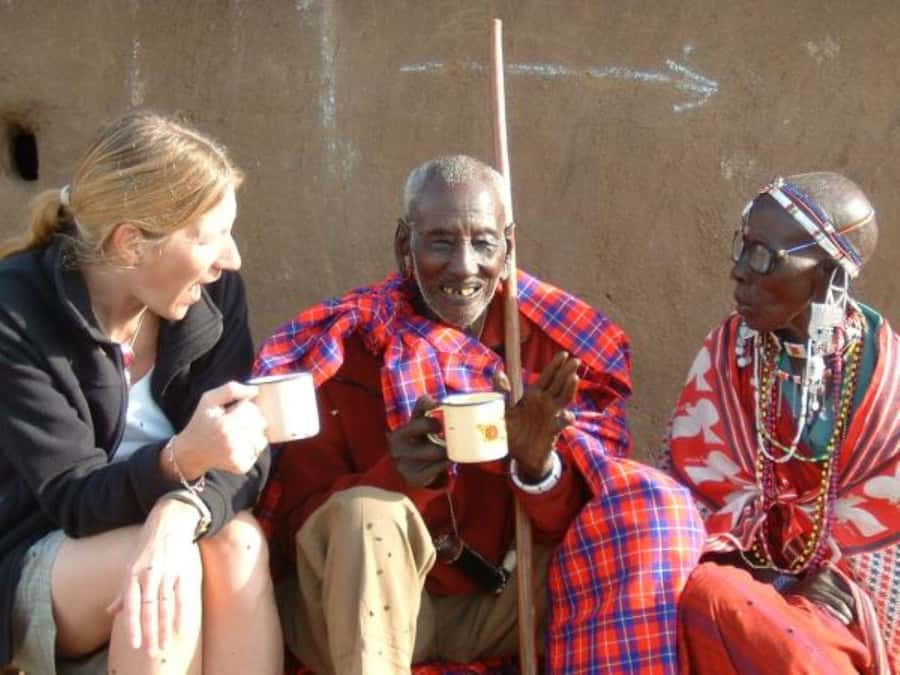
Culture, not just wildlife, runs this day. A Masai Village Cultural Day Tour from Nairobi is all about everyday life, with a traditional Maasai welcome ceremony and a guided Manyatta homestead visit where you can hear stories directly from Maasai families and elders. I like that it also includes a formal traditional dance performance plus time to walk, look, and ask questions, not just sit and watch.
One thing to consider: the number and mix of people you meet can vary by time of day and village routine, so the experience you picture may feel smaller than expected on some departures. For example, one group reported meeting only a handful of men and mostly older women, with younger herders away and children at school. Add the extra village entry fee (cash only), and it helps to plan your budget before you go.
In This Review
- Key highlights you’ll care about
- Why this Nairobi day tour feels different than a typical excursion
- Getting from Nairobi to Kajiado County, and what that ride really is
- Manyatta homestead tour: what you’ll actually see and why it matters
- The welcome ceremony and dance performance, including what to watch for
- Women’s and men’s work: the demonstrations that make culture feel real
- Craft market browsing, and how to spend without overshooting
- Lunch and the Kajiado County break: plan for the gap
- Price, the village entry fee, and whether this is good value
- What to bring, what to ask, and how to keep the day on track
- Who this Masai Village tour suits best
- Should you book the Masai Village Cultural Day Tour from Nairobi?
- FAQ
- How long is the Masai Village Cultural Day Tour from Nairobi?
- What’s included in the tour besides the village visit?
- Is the village entry fee included in the price?
- Do I get lunch on the tour?
- Where does pick-up and drop-off happen?
- Is the tour wheelchair accessible?
Key highlights you’ll care about
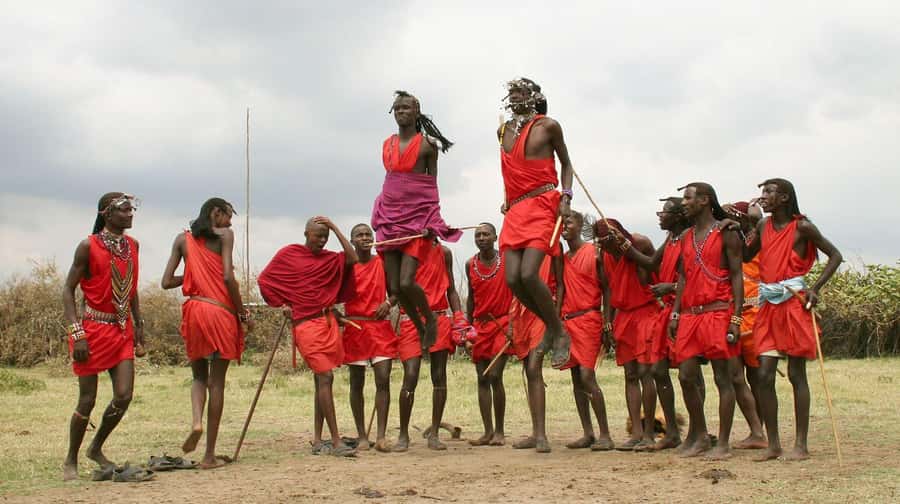
- Welcome ceremony and traditional dance as a real part of the program, not a quick add-on
- Manyatta homestead tour with interaction time with elders and families
- Seeing daily work by role, including how men and women contribute to village life
- Cultural demonstrations like fire-making, plus photos and guided explanations
- Handicraft market time where you can browse Maasai-made necklaces and wrist bands
Why this Nairobi day tour feels different than a typical excursion
Kenya is easy to think of as wildlife and views. This tour flips that focus. You’re spending the day in Kajiado County with a Maasai community, learning how people live, work, cook, and pass on traditions through daily routines.
What makes it compelling is that the day is structured around human contact. You don’t just stand at the edge of a village. You get a guided walk through a traditional manyatta homestead, time for questions, and a chance to watch a traditional dance performance. Even better, the program includes a safety briefing, plus a full day rhythm with breaks, so you’re not rushed between “culture moments.”
The other nice touch is that you’ll be going with a professional English-speaking guide/driver from Nairobi in an air-conditioned vehicle. When someone else is managing the route, traffic, and the many stops, you can focus on what matters: the conversations and demonstrations.
More Maasai Village Visits in Nairobi:
- Nairobi: Day Tour to Amboseli National Park & Maasai Village
★ 4.5 · 310 reviews - Masai village Day Tour Experience
★ 5.0 · 284 reviews - Maasai Village Experience Day Tour
★ 5.0 · 72 reviews
Getting from Nairobi to Kajiado County, and what that ride really is
The day starts with pick-up from your Nairobi hotel or residence, then you drive out to the Masai village area in Kajiado County. Most people underestimate what that part of the day is like. It’s not a straight highway cruise. Expect normal traffic, plus the kind of road interruptions you only see locally, including animals and uneven road moments.
In the good versions of this trip, the guide handles the journey calmly. One driver named Patrick was specifically praised for navigating heavy traffic and road surprises, and the vehicle stay felt comfortable throughout. Another guide, Juli, was praised for adding context on the way, which helps you arrive already understanding what you’re about to see.
Still, build in patience. A complaint from one departure highlighted delays at pick-up and timing pressure near the end of the day. That’s a reminder to choose your schedule carefully in Nairobi. If you have a tight connection the same afternoon, this might be a risky pick.
Manyatta homestead tour: what you’ll actually see and why it matters
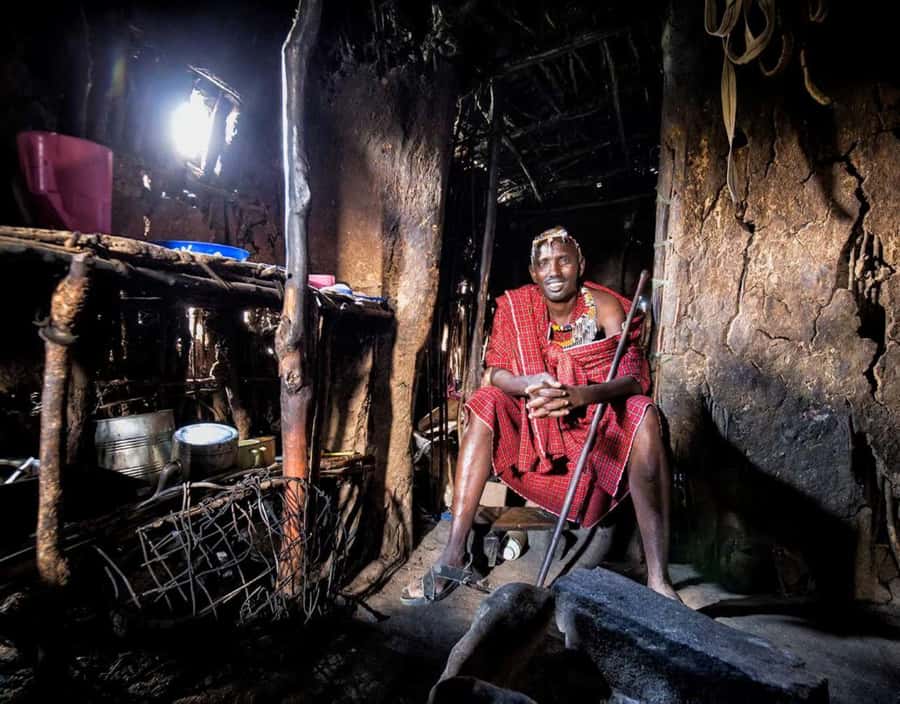
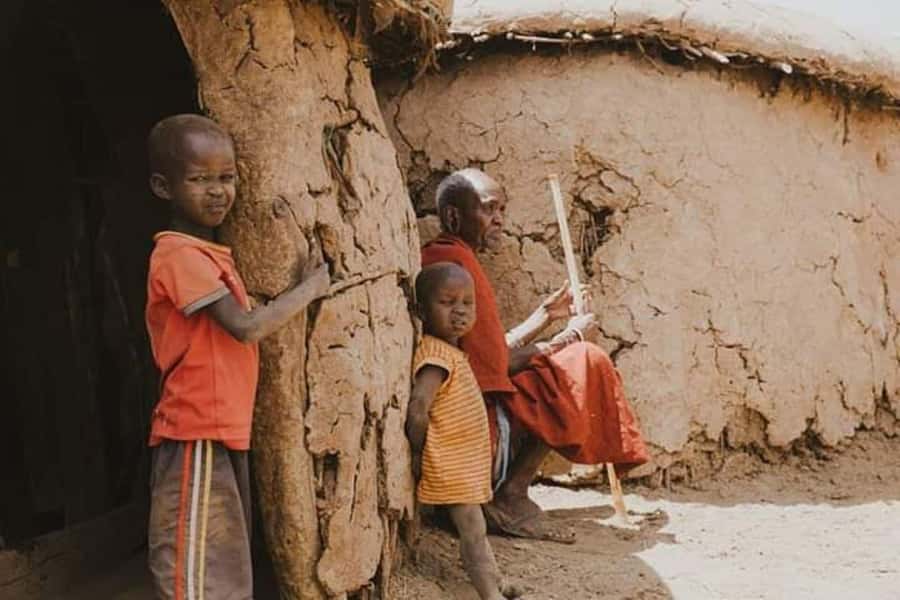
The heart of the experience is the Manyatta (homestead) visit. This is where you see daily life in a form that’s easier to understand than a lecture. You’ll get a guided tour of the homestead and cultural demonstrations, including things like fire-making.
During this part of the day, you can expect more than scenery. The program is designed to show roles and routines. You’ll likely see how livestock fit into life, including a chance to tour and see animals connected to the work of different household members.
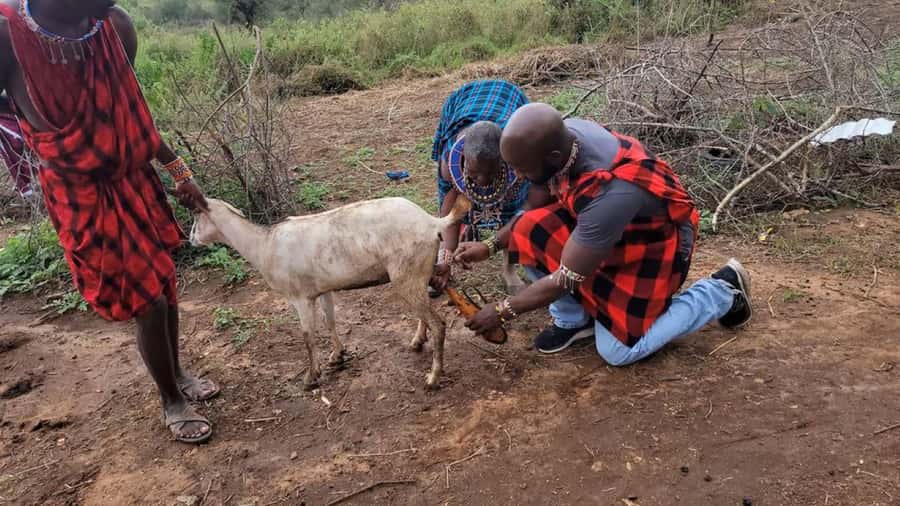
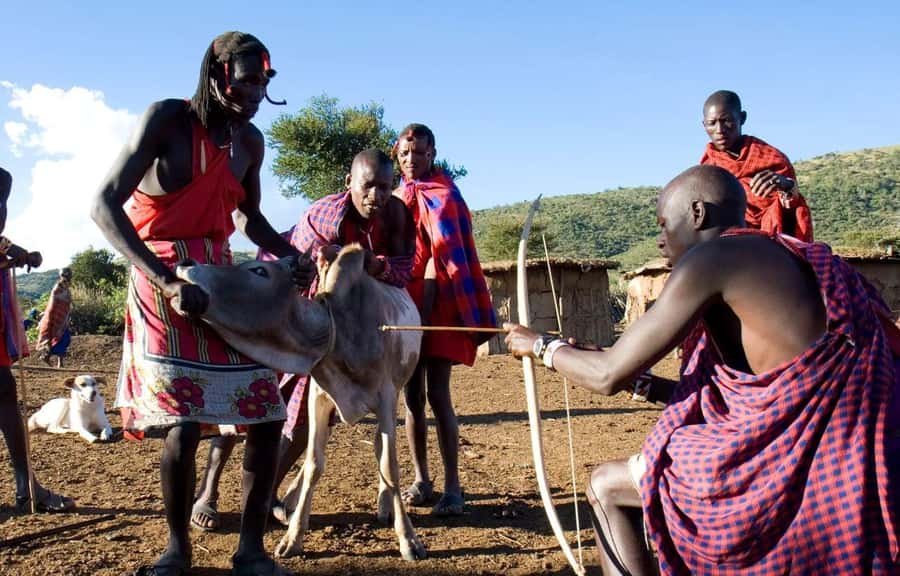
One of the most interesting elements is the gendered division of labor you’ll be shown. You get examples of how women prepare food and cook, and how they weave items like necklaces and wrist bands. You also get a look at how men and women contribute in their own roles, including work connected to goats, such as milking.
The value here is not just the “what.” It’s the “why.” When elders or family members explain practices in plain language, it becomes clearer how Maasai culture is maintained through everyday work, not only special events.
The welcome ceremony and dance performance, including what to watch for
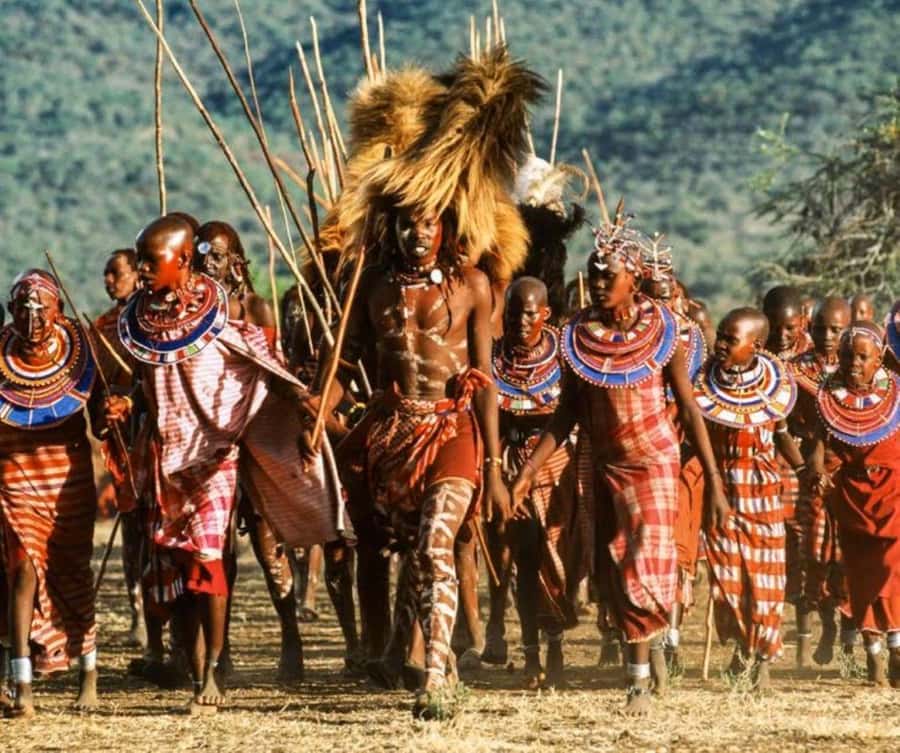
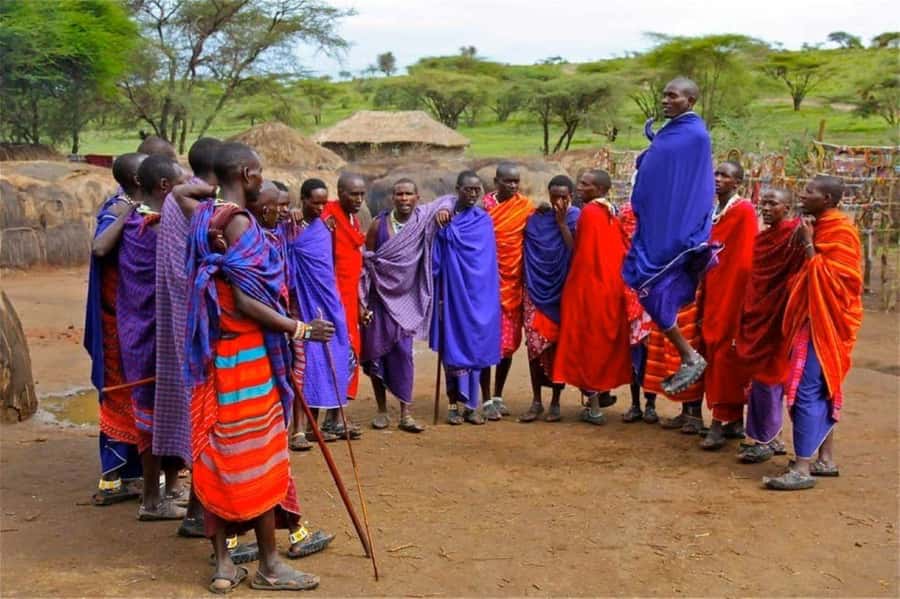
You’ll be welcomed with a traditional Maasai ceremony by warriors, and the day includes a traditional dance show. The dance segment is listed as about three hours within the Masai village time, so plan for that to be the emotional peak of the day.
A dance performance is also a practical learning moment. It’s not only about movement. It’s a way of sharing identity, community energy, and storytelling rhythms. If your guide is doing a good job, you’ll get context while you’re watching, not after.
There’s also time built in for walking and a guided tour plus free time. That free time matters because it lets you step back and observe. It’s where you can focus on questions you didn’t think to ask earlier, and where you can look at what’s being made.
If you’re camera-first, keep your expectations flexible. Some of the most meaningful parts come from interaction and conversation, which naturally take time away from photographing everything.
A few more Nairobi days worth pricing up
- Nairobi National Park Half-Day Tour; Free Wi-Fi connection
★ 5.0 · 878 reviews - Nairobi: National Park & Optional Elephants & Giraffe Center
★ 4.8 · 874 reviews - NAI NAMI: Nairobi Storytelling Tour with Street Children
★ 5.0 · 792 reviews - Nairobi National Park Half-Day Game Drive
★ 4.5 · 738 reviews
Women’s and men’s work: the demonstrations that make culture feel real
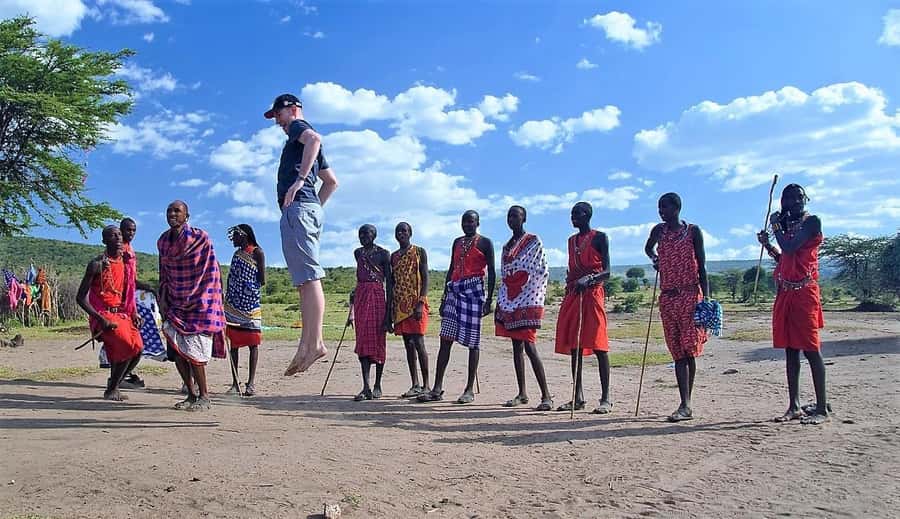
A lot of cultural tours list “see local life.” This one tries to show it through demonstrations and interaction. The tour highlights include lessons about cooking, weaving, and livestock care, with specific examples of work done by women versus men.
Here’s what that can look like on the ground:
- Women preparing food and cooking, plus weaving necklaces and wrist bands
- Learning how goats are milked
- Seeing livestock and how animal work fits into daily life
- Watching cultural demonstrations like fire-making
When a guide like Erik is involved, hands-on moments can show up in addition to observation. One departure praised a moment where participants were able to throw a traditional spear. That detail isn’t guaranteed in the core description, but it’s a good example of the kind of interactive energy a strong guide can bring.
The takeaway for you: this is one of the few Nairobi-based day trips where you’ll likely leave with a sense of process, not just impressions. Even if you don’t remember every step, you’ll remember the idea that culture is built through repeated work and shared explanation.
Craft market browsing, and how to spend without overshooting
After the homestead time, you’ll have a community handicraft market visit with free time and shopping. This is where you can browse Maasai-made crafts, including items like woven bracelets and necklaces.
One smart way to handle this: treat shopping as part of the cultural conversation. Ask what materials are used, what the items represent, and how they’re made. Even if you just listen, you’ll understand the crafts more than if you only look for a price.
A practical note from the budget side: one complaint mentioned overpriced souvenirs. That doesn’t mean every stall will be expensive, but it does mean you should decide your spending range before you arrive. If you only want one or two items, stick to that plan. If you want more, compare across stalls and keep a calm head.
Also, remember that the village entry fee is separate. So don’t wait to calculate what you can afford until you reach the market. Decide your total day budget in Nairobi terms, then let souvenirs fit inside it.
Lunch and the Kajiado County break: plan for the gap
There’s a lunch stop plus a break time in Kajiado County. The program lists a lunch window and includes time for photos, free time, shopping, and walking, then you’ll continue to your return.
The key detail is that meals are not listed as included in the tour package. So you should expect to pay for your lunch and drinks unless your specific operator confirms otherwise.
This matters because it changes the real cost of the day. If you only plan for the headline tour price, lunch can quietly add up. It’s an easy fix if you plan ahead: bring cash and expect to buy something simple to keep your energy up.
Price, the village entry fee, and whether this is good value
The tour price is listed as $42 per person for a 7 to 8 hour experience from Nairobi. That sounds like a bargain for a full day with transport, a guide, a traditional dance performance, and bottled water included.
But the true cost needs one more line item: a village entry fee. It’s listed as $30 for adults and $20 for children and youth, payable by cash in Kenya shillings or US dollars. That means your total day cost is really closer to $72 for an adult, before souvenirs and meals.
So is it still good value? For many people, yes, because you’re buying:
- Round-trip Nairobi transport in an air-conditioned vehicle
- A professional English-speaking guide/driver
- Guided interaction with families and elders
- Manyatta homestead tour and cultural demonstrations (including fire-making)
- A traditional dance performance
- Bottled water throughout the day
The value shifts if you expected a very large cross-section of the community in one visit. As noted earlier, the number and mix of people you meet can vary. If you’re going specifically to understand Maasai culture broadly, ask your guide how the community portion of the day will be handled. A helpful guide will set expectations clearly.
What to bring, what to ask, and how to keep the day on track
This tour runs as a full day, and timing can be affected by road conditions and group logistics. One departure complaint described late start issues and a rushed end. You can’t control traffic, but you can control your readiness.
A few practical moves:
- Bring cash in Kenya shillings or US dollars for the village entry fee
- Plan for lunch you’ll pay for, since meals are not listed as included
- Wear comfortable walking shoes, because you’ll be walking during the village visit
- If you have mobility needs, note that the tour is listed as wheelchair accessible, but still confirm with your operator how that will work on the ground
Before you go, it’s also worth asking your guide two simple questions:
1) Who will you meet today, elders, families, and others, and how will the program flow?
2) What cultural demonstrations will be included at this visit, beyond the welcome ceremony and dance?
A guide can make a big difference. Patrick, Juli, and Erik were all praised in different ways for running the day with calm handling, added context, and strong hosting, which is exactly what you want on a cultural day trip.
Who this Masai Village tour suits best
This is a strong fit if you:
- Want a culture-focused day outside Nairobi rather than another wildlife drive
- Enjoy guided interpretation and Q and A with community members
- Prefer a structured experience with a professional guide managing transport
It might be less ideal if you’re looking for a “big village walkthrough” where you’ll see every category of community member at once. Some days, you may meet fewer younger men or fewer children due to school and herding schedules, and that can change the feel of the visit.
If you’re going with teens or friends who want tangible moments, lean into the hands-on style. The tour description includes learning about cooking, weaving, and livestock work, and some guides may include extra interactive touches like spear-related moments.
Should you book the Masai Village Cultural Day Tour from Nairobi?
Book this tour if you want a meaningful day that explains Maasai life through guided interaction, a Manyatta homestead visit, and a traditional dance welcome. The combination of transport from Nairobi, English guidance, family and elder contact, and cultural demonstrations makes it feel like a “real learning day,” not just a photo stop with a quick performance.
Hold off or pick another option if:
- You need a tightly timed schedule with zero buffer time in Nairobi
- You’re very sensitive to expectation gaps around how many people you’ll meet
- You don’t want to add the extra village entry fee and pay for lunch on top of the base tour price
If you do book, go in with the right mindset: this is cultural learning through daily work and conversation. When you show up curious and patient, you’re set up to get far more than a souvenir-heavy stop.
FAQ
How long is the Masai Village Cultural Day Tour from Nairobi?
The duration is listed as 7 to 8 hours.
What’s included in the tour besides the village visit?
It includes pick-up and drop-off from your Nairobi hotel or residence, transport in a comfortable air-conditioned vehicle, a professional English-speaking guide/driver, a guided village tour and cultural experience, a traditional Maasai dance performance, interaction with Maasai families and elders, a traditional Manyatta homestead visit, photos and cultural demonstrations (for example fire-making), and bottled drinking water.
Is the village entry fee included in the price?
No. There is a village entry fee of $30 for adults and $20 for children and youth, payable by cash in Kenya shillings or US dollars.
Do I get lunch on the tour?
There is a lunch stop in Kajiado County during the break time, but meals and drinks are not listed as included in the tour.
Where does pick-up and drop-off happen?
Pick-up and drop-off are from your location in Nairobi County, Nairobi.
Is the tour wheelchair accessible?
Yes, the tour is listed as wheelchair accessible.
Newest write-ups from Nairobi
- Visit kibera Slum the chocolate city★ 4.8 · 3 reviews
- 3 days maasai mara migration safari★ 4.5 · 7 reviews
- 4 Days Tour Landcruiser in Masai Mara and Lake Nakuru★ 5.0 · 10 reviews
- 4 Days Safari to Lake Nakuru N/P and Maasai Mara N/R★ 5.0 · 18 reviews
- Day Tour to Nairobi national park, Elephants, and Giraffe Center★ 3.5 · 8 reviews
- Wildebeest Migration in Masai Mara and Sightseeing 4 Days Tour★ 4.5 · 6 reviews
- Maasai Mara Day Trip★ 5.0 · 15 reviews
- Kibera Slum Tour with a Local★ 5.0 · 15 reviews
Maasai Village Visits, compared.

Day Tour to Amboseli National Park & Maasai Village
Read our review →


Day Trip: Amboseli National Park & Maasai Village – Nairobi
Read our review →
Day Trip to Maasai Mara Reserve & Maasai village
Read our review →
3days/2nights group joining Masai Mara with Masai Village Visit
Read our review →
Maasai Village Visit with Traditional Dance Show
Read our review →Browse the lists this tour appears in