REVIEW · NAIROBI TOURS
Masai Cultural Village Day Tour From From Nairobi
Six hours can change how you see Nairobi. This Maasai village day tour focuses on hands-on cultural time, including a traditional welcome ceremony and guided conversation about semi-nomadic life. You also get a scenic drive through the Maasai region, so the day feels like more than just a quick stop.
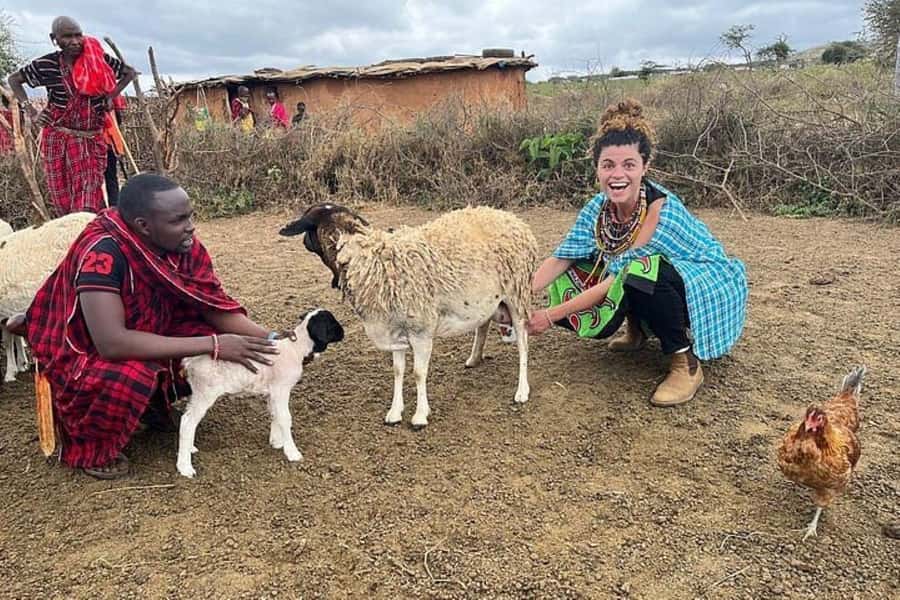
I especially like the chance to experience a Maasai welcome ceremony and see village life up close, not from a distance. You’ll get time for a guided tour and dance show, plus enough strolling to take in how people organize everyday spaces.
One thing to consider is that the experience may vary by which village you reach. On some days, the presentation can be led more by village women with songs, and you might not see the warrior component that the tour description promises, so it’s smart to ask ahead about what’s actually scheduled.
In This Review
- Key things that make this tour work
- How a 6-hour Maasai day trip fits into Nairobi time
- Pickup points and the A/C van comfort you will actually feel
- The drive through the Maasai region, and how to use it
- Entering the village: welcome ceremony, walking tour, and what to look for
- A practical note about the warrior ceremony component
- Food and crafts markets: where the learning becomes real-world
- The workshop time: how to make 4 hours of village interaction pay off
- Photography rules of thumb (so you leave with memories and good vibes)
- Price and value: what you pay, what you must budget, and the real total
- What can go right, and what can go sideways
- Who this Maasai village day tour is best for
- Quick planning tips before you go
- Should you book this tour from Nairobi?
- FAQ
- How long is the Masai Cultural Village Day Tour from Nairobi?
- What is included in the price?
- What is not included?
- How much is the village entry fee?
- Can I pay the village entry fee in Kenyan shillings or US dollars?
- What language will the tour guide speak?
- Is the tour wheelchair accessible?
- Is free cancellation available?
Key things that make this tour work
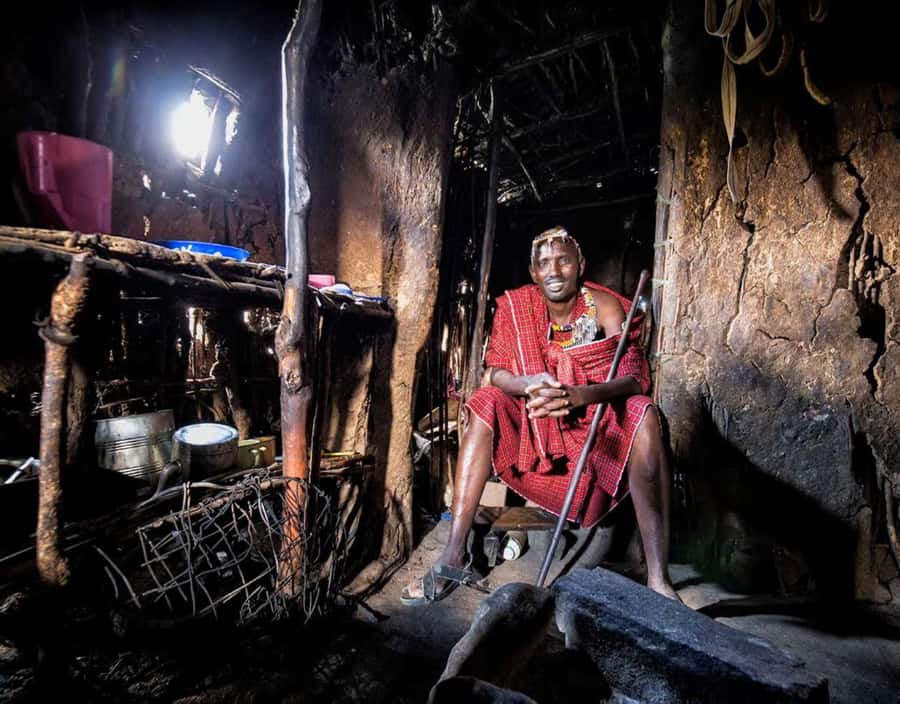
- Traditional welcome moments that put you in the middle of village ceremony, not parked outside the fence
- A guided village walk plus time to ask questions and trade small cultural observations
- Markets included, with stops at both food and arts and crafts
- Dance and music performance time, which helps you understand daily customs as living practice
- An A/C van and bottled water that make the long drives from Nairobi easier
How a 6-hour Maasai day trip fits into Nairobi time
This is a half-day style tour, built around a full block of village time and two longer van legs. With a total duration of about 6 hours, it’s the kind of plan that works well if you want culture without committing to an overnight safari.
The value here is timing plus structure. You get pickup, a steady travel rhythm, a concentrated visit at the village, then return. That matters in Nairobi, where traffic can turn a “quick outing” into a late one.
A few more Nairobi days worth pricing up
- Nairobi National Park Half-Day Tour; Free Wi-Fi connection
★ 5.0 · 878 reviews - Nairobi: National Park & Optional Elephants & Giraffe Center
★ 4.8 · 874 reviews - NAI NAMI: Nairobi Storytelling Tour with Street Children
★ 5.0 · 792 reviews
Pickup points and the A/C van comfort you will actually feel
Pickup is available from several convenient Nairobi options, including Nairobi West and Jomo Kenyatta International Airport. You also have the broader Nairobi County and general Nairobi options, so you’re more likely to start close to home.
The ride itself is in an air conditioned vehicle, with bottled water included. On a longer drive, that is not a small detail. It helps you arrive more ready to walk, listen, and take photos without feeling cooked before you even reach the village.
The drive through the Maasai region, and how to use it
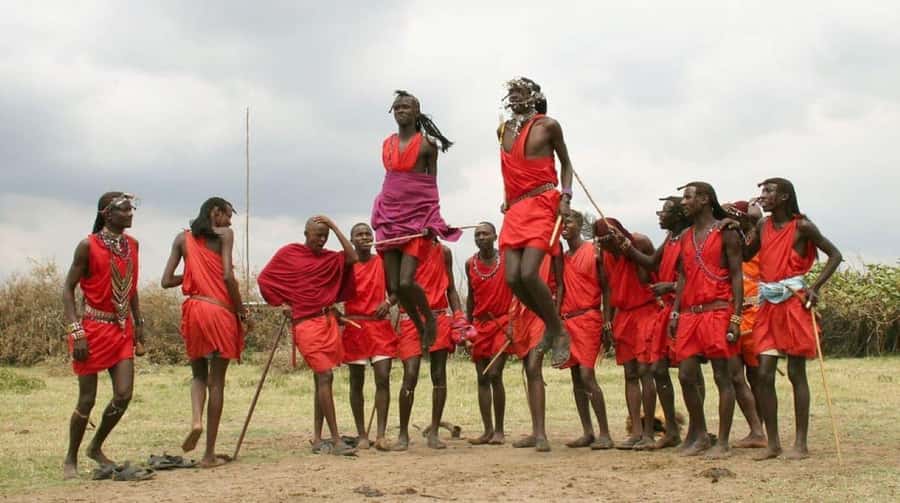
You spend about 2 hours in the van before the village stop and about another 2 hours for the return. That’s long enough that you should treat the drive as part of the experience, not just transit.
Use the time to plan two things. First, charge your phone or camera early, because the strongest photo moments will be around the welcome and dance. Second, decide what questions you want to ask during the guided portion, like how semi-nomadic routines affect agriculture, food preservation, and daily planning.
Entering the village: welcome ceremony, walking tour, and what to look for
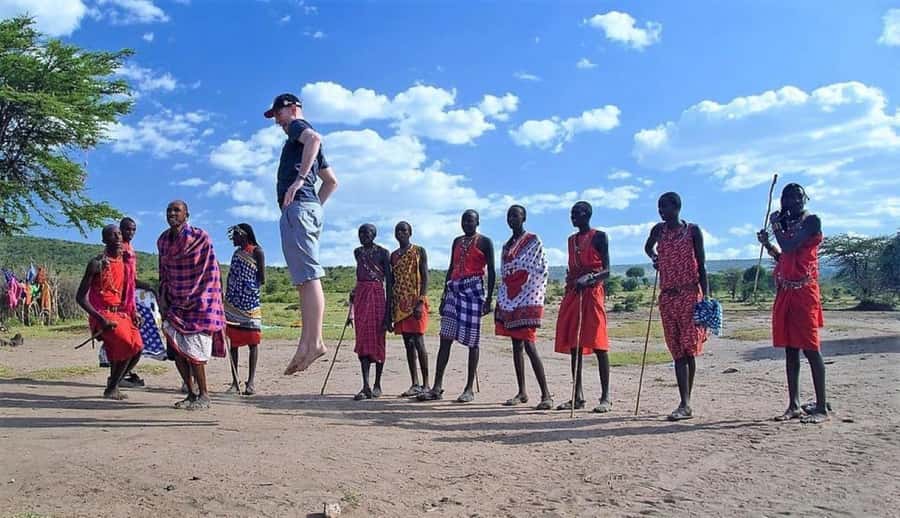
Once you reach the village, you shift from travel mode to “slow down and watch.” The day’s core includes a guided tour, a walk through the village, and a cultural welcome that may include warrior ceremony depending on the day.
What I like about this format is that it’s not only performance. You’re given time to look, move through spaces at a walking pace, and connect what you see to what the guide explains. That is where the cultural exchange becomes more meaningful.
During the village portion, you can expect a sequence that typically includes:
- A photo stop to capture the welcome atmosphere
- Guided viewing and sightseeing within the village
- A dance show performance at the village
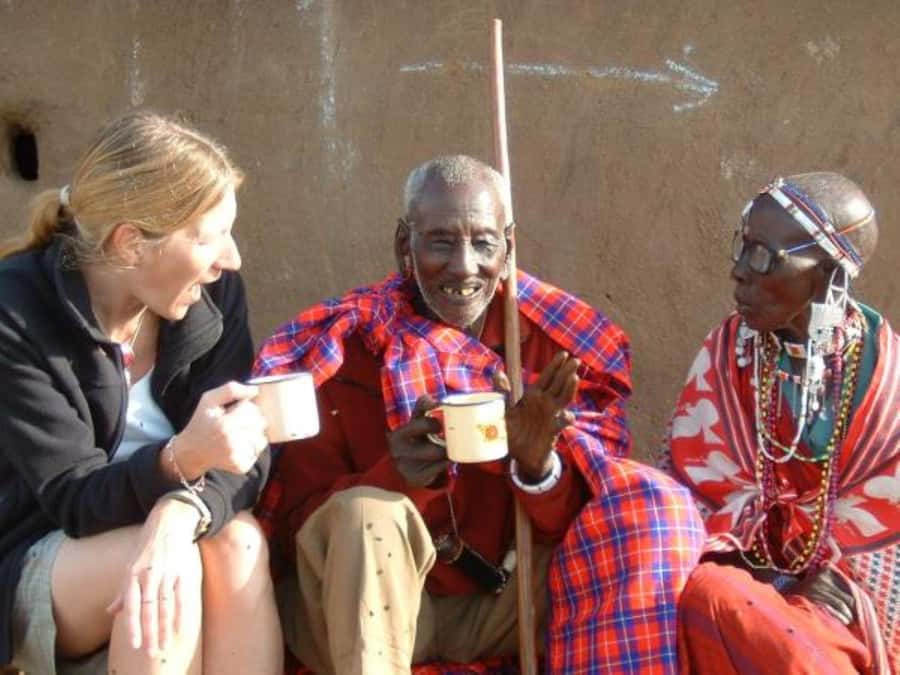
- Time for interaction, with opportunities for conversation and cultural learning
Same trip, a different part of the country:
- Nairobi National Park Half-Day Game Drive
★ 4.5 · 738 reviews - Nairobi: Historic and Modern Highlights Walking Tour
★ 4.8 · 703 reviews - Safari Tour; Nairobi National Park
★ 4.5 · 594 reviews - 3 Days Masai Mara Group Joining
★ 5.0 · 486 reviews
A practical note about the warrior ceremony component
The tour highlights a welcome ceremony involving Maasai warriors, and that can be a memorable, kinetic moment. Still, one booking reported that the day felt different, with a village in the Kajiado area and more of a women-led experience, ending with traditional singing rather than a warrior-centered setup.
So here is my advice: before you go, ask which village you will visit and whether the warrior welcome is scheduled for your specific day. If that component is important to you, confirming early can prevent disappointment.
Food and crafts markets: where the learning becomes real-world
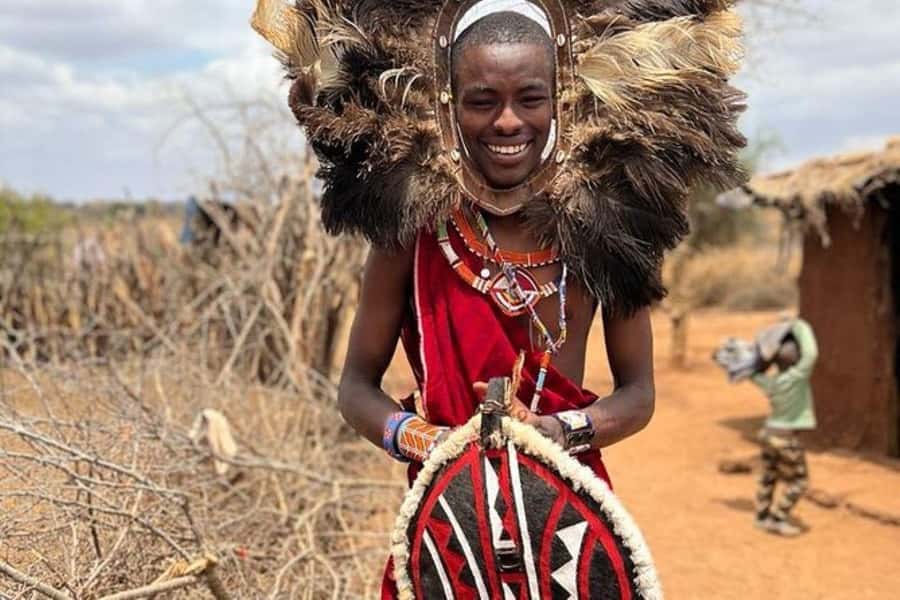
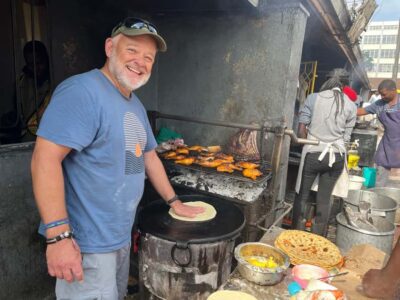
A major part of the village visit is not just ceremony. You also get stops tied to daily life, including time at a food market visit and an arts and crafts market visit.
Why this matters: markets are where you see practical skills turned into everyday exchange. In the guide explanations, you should hear about agriculture approaches and also about food preservation methods. That connection between what people grow or gather and how they store it helps the cultural story feel coherent.
You may also get a look at local entrepreneurial endeavors. Even if you do not buy anything, you’ll likely come away with a clearer sense of how people support their community through trade and craft.
The workshop time: how to make 4 hours of village interaction pay off
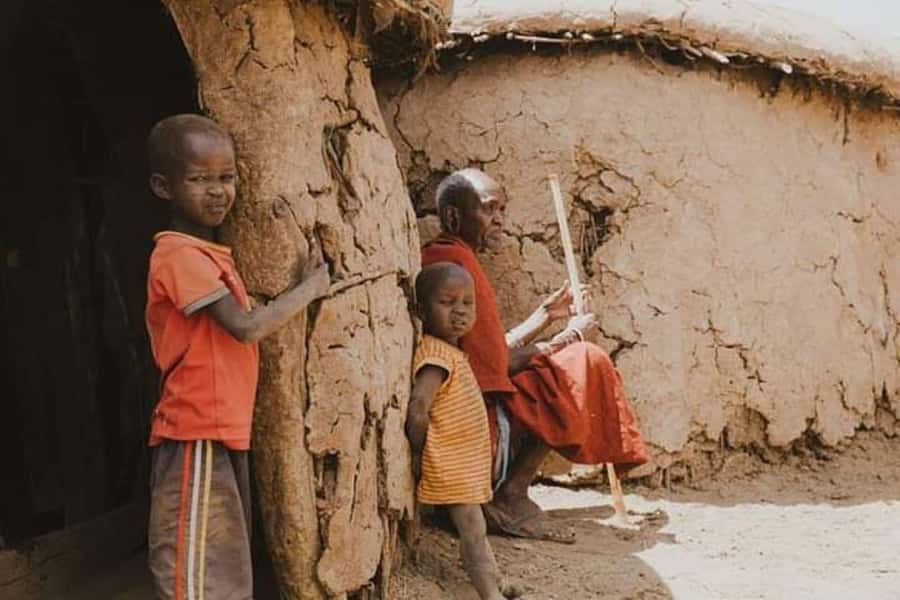
In the schedule, the village time is long, roughly 4 hours at the workshop and cultural visit portion. That’s not a short “point and shoot” stop, and it gives you breathing room to ask questions and stay engaged.
Here’s how to make the most of it:
- Listen first, then ask follow-ups. It shows respect and helps you understand the answers.
- Use your camera strategically. Get key ceremony moments, then put it away for conversations.
- If the guide is teaching about semi-nomadic routines, ask how agriculture and food preservation connect to movement and planning. You are more likely to get a clear explanation that way.
Also, come with patience. Village experiences move on their own pace. You’re not at a theme park, and that is the point.
Photography rules of thumb (so you leave with memories and good vibes)
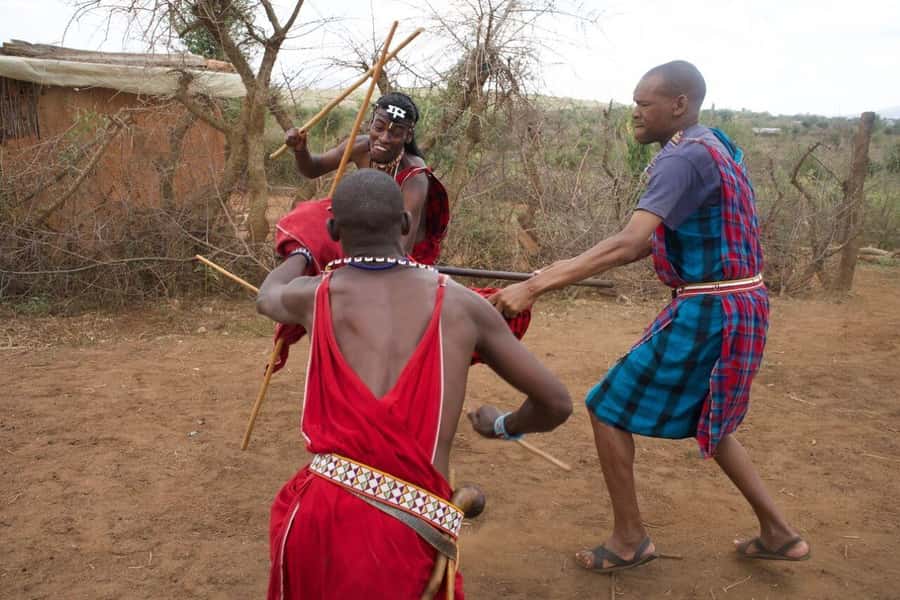
You will have multiple chances for photography, including a photo stop at the welcome and general sightseeing time. Keep two things in mind: ask before you aim your lens at close-up moments, and be mindful during performances.
A quick, practical approach:
- Photograph ceremonies early, then switch to candid interaction only when invited or clearly welcomed.
- Keep your posture calm during the dance and music segments.
- If you want photos with people, treat it like an exchange, not a transaction.
Good photos come from cooperation. The best images usually happen when you stop rushing and let the guide connect you to what matters.
Price and value: what you pay, what you must budget, and the real total
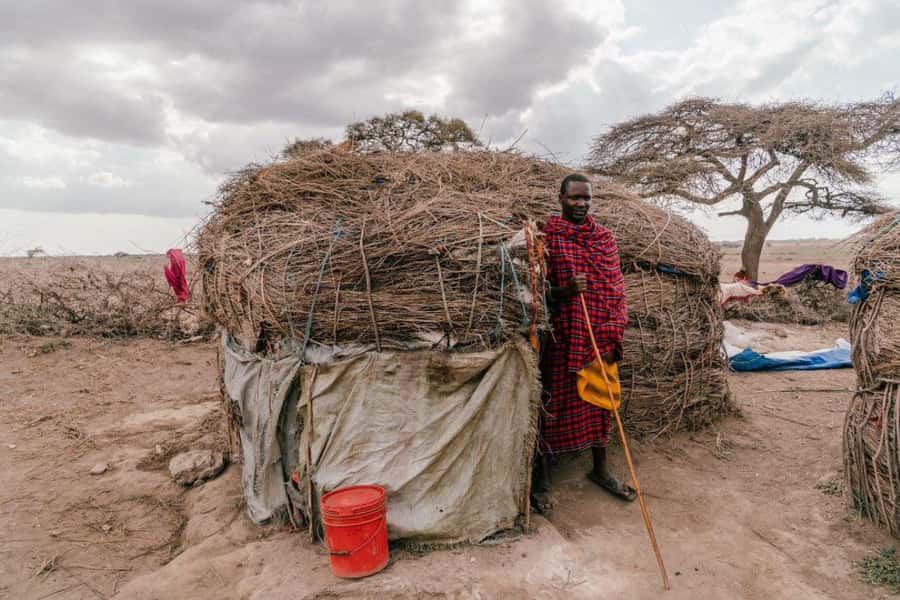
The tour price is $60 per person for a 6-hour outing. That base cost includes hotel pickup and drop-off in Nairobi, a professional driver and guide, bottled water, and an air conditioned vehicle.
What is not included is where your budget can change quickly: breakfast, lunch, drinks and alcohol are not provided. Also, there is a village entry fee that you pay separately in cash, either in Kenyan shillings or US dollars.
The fee is:
- $30 for adults
- $20 for children and youth
So if you are an adult, your practical total is often closer to $90 per person once the village entry fee is added. That does not make the tour bad value, but it does mean you should plan for it up front so you are not scrambling on arrival.
What can go right, and what can go sideways
Most of what people remember here is the “feels real” factor. One recent booking described the experience as beautiful and genuinely authentic, with a sense that it exceeded expectations.
At the same time, you should respect that day trips rely on logistics. One booking reported major problems with their ride, including fuel running out and the vehicle being unprepared, which meant they were not taken to the tour.
I do not think that is something you can fully predict from a website. Still, you can protect yourself by doing two simple things: confirm pickup details the day before, and make sure you have a reliable contact method for the driver or guide on the morning of the tour.
Who this Maasai village day tour is best for
This works best for you if:
- You want a short, structured way to learn about semi-nomadic life, including agriculture approaches, food preservation methods, and community practices
- You enjoy cultural interaction more than wildlife viewing
- You like the idea of markets and crafts as part of the learning, not an optional add-on
It may be less ideal if:
- You want a guaranteed, warrior-centered performance every single day
- You dislike uncertainty in the exact style or location of the village visit
- You are strict about only seeing one specific kind of cultural setup
If you are bringing kids, the separate village entry fee for youth is also worth factoring into your total budget.
Quick planning tips before you go
A few small steps will make the day smoother:
- Bring cash for the village entry fee, and keep it accessible.
- Plan food. Breakfast and lunch are not included.
- Charge devices early, then use your camera during ceremony and dance moments.
- Ask which village you will visit if the warrior welcome is a must-have for your experience.
Should you book this tour from Nairobi?
I think you should book this if you want an active village day with guided conversation, ceremony moments, and market visits, and you’re comfortable paying an additional entry fee on site. The included pickup, A/C vehicle, and concentrated 4-hour village workshop time help the day feel worth it.
I would book with extra care if you strongly care about the warrior ceremony component or if you need a very specific village setup. In that case, ask before you go what your schedule will look like that day and which village you will visit.
If you want a genuine cultural encounter with structure, this is a solid half-day choice. Just treat it like a real community visit, plan for the extra cash fee, and keep your questions ready.
FAQ
How long is the Masai Cultural Village Day Tour from Nairobi?
The tour duration is 6 hours total.
What is included in the price?
Hotel pickup and drop-off in Nairobi, a professional driver and guide, bottled water, and an air conditioned vehicle are included.
What is not included?
Breakfast, lunch, drinks and alcohol are not included. You also need to pay a village entry fee separately.
How much is the village entry fee?
The village entry fee is $30 for adults and $20 for children and youth.
Can I pay the village entry fee in Kenyan shillings or US dollars?
Yes. The entry fee can be paid by cash in Kenya shillings or US dollars.
What language will the tour guide speak?
The live tour guide is listed as English.
Is the tour wheelchair accessible?
Yes, the tour is listed as wheelchair accessible.
Is free cancellation available?
Free cancellation is available up to 24 hours in advance for a full refund.
Newest write-ups from Nairobi
- Visit kibera Slum the chocolate city★ 4.8 · 3 reviews
- 3 days maasai mara migration safari★ 4.5 · 7 reviews
- 4 Days Tour Landcruiser in Masai Mara and Lake Nakuru★ 5.0 · 10 reviews
- 4 Days Safari to Lake Nakuru N/P and Maasai Mara N/R★ 5.0 · 18 reviews
- Wildebeest Migration in Masai Mara and Sightseeing 4 Days Tour★ 4.5 · 6 reviews
- Maasai Mara Day Trip★ 5.0 · 15 reviews
- Day Tour to Nairobi national park, Elephants, and Giraffe Center★ 3.5 · 8 reviews
- Kibera Slum Tour with a Local★ 5.0 · 15 reviews
Nairobi Tours, compared.
Nairobi National Park Half-Day Tour; Free Wi-Fi connection
Read our review →
National Park & Optional Elephants & Giraffe Center
Read our review →
NAI NAMI: Nairobi Storytelling Tour with Street Children
Read our review →