
REVIEW · MAASAI VILLAGE VISITS
Maasai Village: Cultural Experience of The Maasai Tradition
A Maasai welcome beats any souvenir stop. On this Nairobi day trip, I love the chance to try fire-making without matches and see how a manyatta life actually works. It feels like a hands-on cultural lesson, not a quick look-and-leave photo moment.
My other favorite part is the bead-making session, where you learn the basics and can purchase jewelry that supports the village. One thing to consider: this is social, photo-focused, and the experience can feel more commercial than you hope, so plan to budget the extra entry fee and go in with open eyes.
In This Review
- Key things to know before you go
- From Nairobi to the Savannas: How the 6 Hours Really Works
- Manyatta Homes and Daily Life: What You Learn Beyond the Photos
- Fire-Making Without Matches: The Activity That Changes Your Perspective
- Ugali Cooking with Local Women: Food, Technique, and Conversation
- Jumping Dance and Stories: When Culture Becomes a Shared Moment
- Bead-Making and Jewelry: Art You Can Actually Do
- The Livestock Market Option: A Different Side of Maasai Life
- Price, Entry Fees, and Whether the Value Works for You
- Guides, Group Energy, and How to Get More Out of the Day
- Practical Tips So You Stay Comfortable and Respectful
- Should You Book This Maasai Village Day Trip?
- FAQ
- How long is the Maasai village cultural experience?
- What is included in the tour price?
- Is the admission fee included?
- Are meals provided?
- What is the group size?
- Do I need to bring anything?
- What shoes are not allowed?
- Is this tour wheelchair accessible?
- What language is used by the driver?
- Is free cancellation available?
Key things to know before you go
- Manyatta walkthrough: See how mud, sticks, and cow dung create homes, and how daily routines fit inside.
- Fire-making practice: Watch, then try starting a fire using traditional techniques without matches.
- Ugali cooking: Help make a staple Kenyan dish with local women and eat what you learn.
- Beadwork and jewelry sales: Make beads, then buy pieces if you want your money to go back locally.
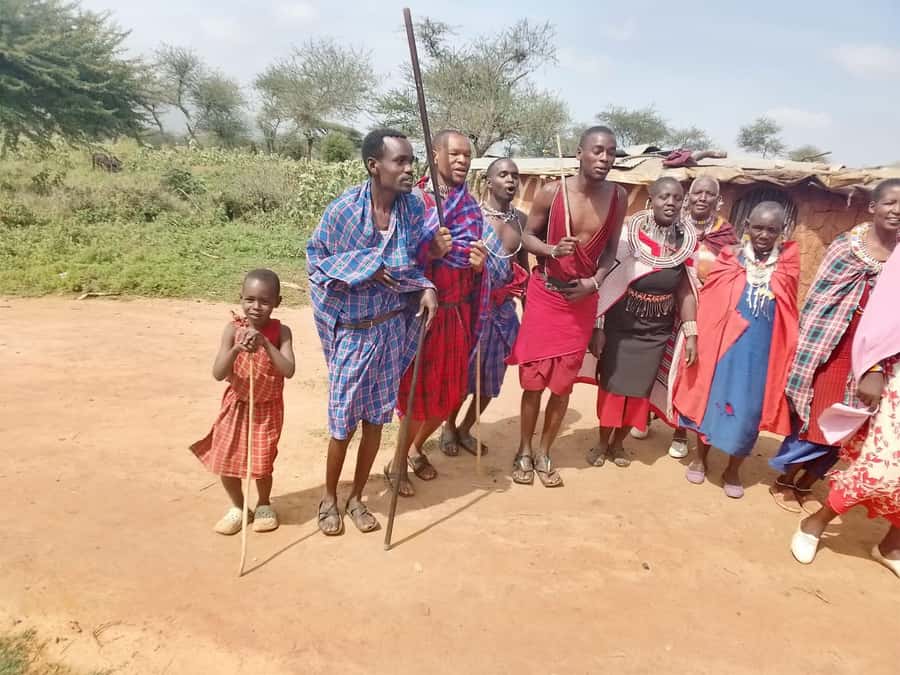
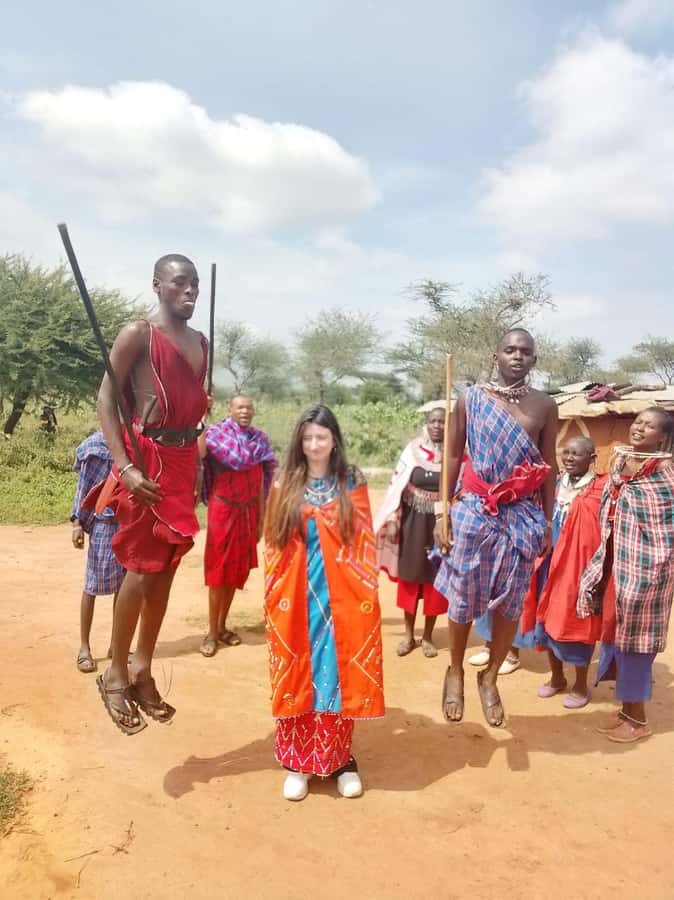
- Jumping dance and songs: A lively welcome by warriors and women, with stories tied to customs.
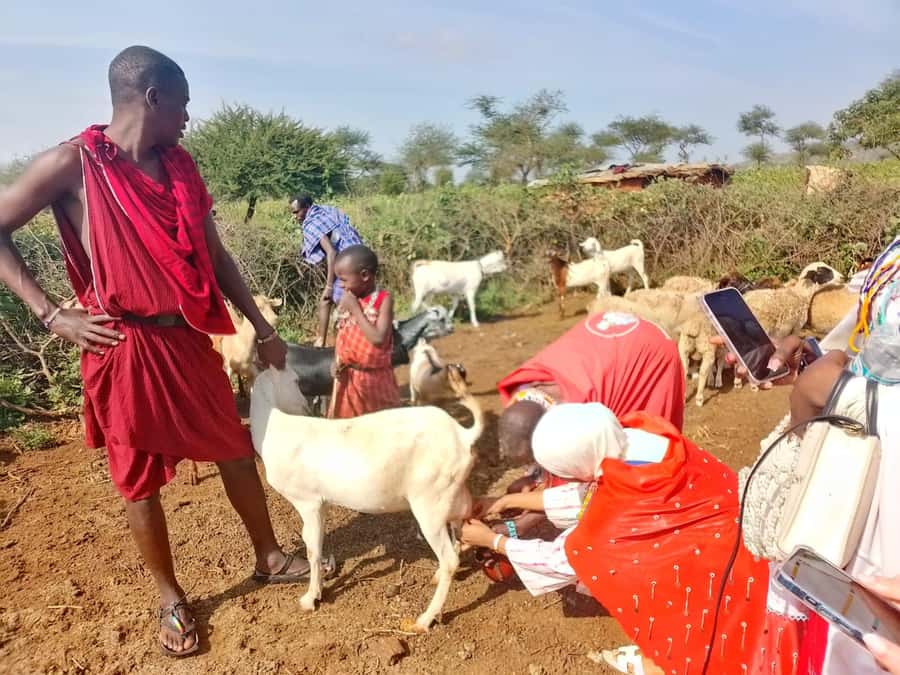
- Optional livestock market stop: On select days, you may visit one of Kenya’s larger livestock markets.
From Nairobi to the Savannas: How the 6 Hours Really Works
This is a focused half-day outing, built around the drive out of Nairobi and back again. Expect a smooth pickup within Nairobi, then time to get moving through changing scenery, from city life to wide open savannas. Your English-speaking driver helps set the context, with commentary on Kenya’s cultures and ecosystems along the way.
The small group size matters here. Limited to about 10 participants, you are less likely to feel like you are part of a conveyor belt, and more likely to ask questions without yelling. If you are someone who likes to talk, this format helps.
Timing-wise, the visit is not a “hang around and wander” style day. You will move through several activities with people guiding you and prompting you to participate. Come with a camera ready, but also come with patience for the way group schedules move.
More Maasai Village Visits in Nairobi:
- Nairobi: Day Tour to Amboseli National Park & Maasai Village
★ 4.5 · 310 reviews - Masai village Day Tour Experience
★ 5.0 · 284 reviews - Maasai Village Experience Day Tour
★ 5.0 · 72 reviews
Manyatta Homes and Daily Life: What You Learn Beyond the Photos
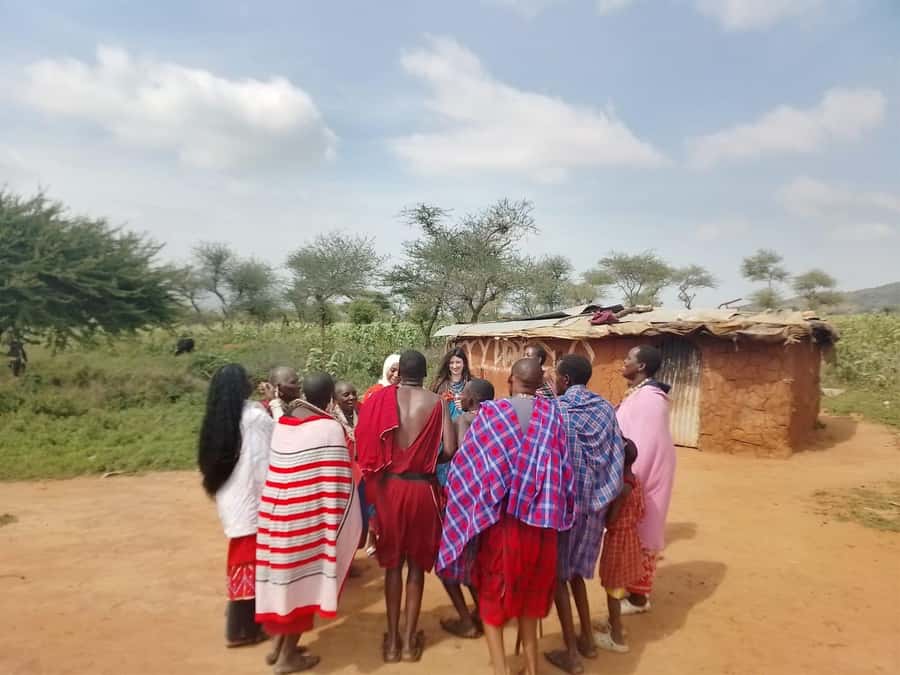
The heart of the day is the manyatta visit, where you see how a Maasai home is built and used. The walls and structure are made from mud, sticks, and cow dung, and you get a real sense of how families organize daily tasks around that setup. It is the kind of place where you learn fast because people explain while you watch.
This is also where the experience can land differently for different people. If you expect a huge village with lots of unrelated huts and constant foot traffic, you might feel underwhelmed. If you go expecting a small, functioning community space and conversation, you usually come away with clearer understanding.
A practical tip: keep your questions simple and respectful. Ask what daily life looks like, how households work, and how cattle fit into routines. You will get more useful answers that way than by trying to “interview” every detail on the spot.
Fire-Making Without Matches: The Activity That Changes Your Perspective
Most culture days stay at the storytelling level. This one pushes into skills, and the fire-making part is where that shift really happens. You learn how the Maasai start a fire without matches using traditional techniques, then you get hands-on time to try.
Even if you do not make it work on your first attempt, the value is in the process. You see how tool and technique matter, and you learn that survival skills are not abstract. It also gives you a shared activity with the group, which makes conversations easier after the first awkward photos.
Be ready for heat and sun. You are not in a cool indoor classroom, so bring sunscreen and wear comfortable shoes. High-heeled shoes are not allowed, and you also should not plan on going barefoot.
Ugali Cooking with Local Women: Food, Technique, and Conversation
Next comes cooking, with ugali as the focus. You work with local women who guide you through making the dish, so you understand what goes in and how the texture and technique matter. It is not just watching, it is learning with your hands and getting feedback.
Ugali itself is a staple food in Kenya, and this is a good way to learn about everyday eating rather than treating food as a one-time show. You also get a chance for conversation that feels more natural than a staged performance.
What to watch for: this is a social activity, so be ready to interact. If you are shy, you can still participate, but smile and take turns. The more relaxed you are, the more the cooking feels like a lesson instead of a task.
A few more Nairobi days worth pricing up
- Nairobi National Park Half-Day Tour; Free Wi-Fi connection
★ 5.0 · 878 reviews - Nairobi: National Park & Optional Elephants & Giraffe Center
★ 4.8 · 874 reviews - NAI NAMI: Nairobi Storytelling Tour with Street Children
★ 5.0 · 792 reviews - Nairobi National Park Half-Day Game Drive
★ 4.5 · 738 reviews
Jumping Dance and Stories: When Culture Becomes a Shared Moment
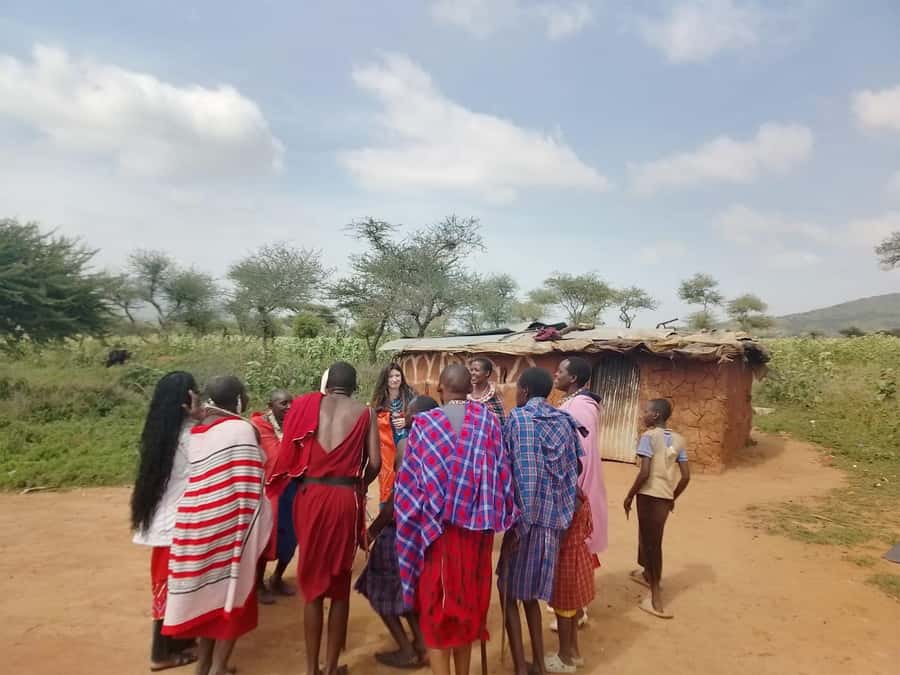
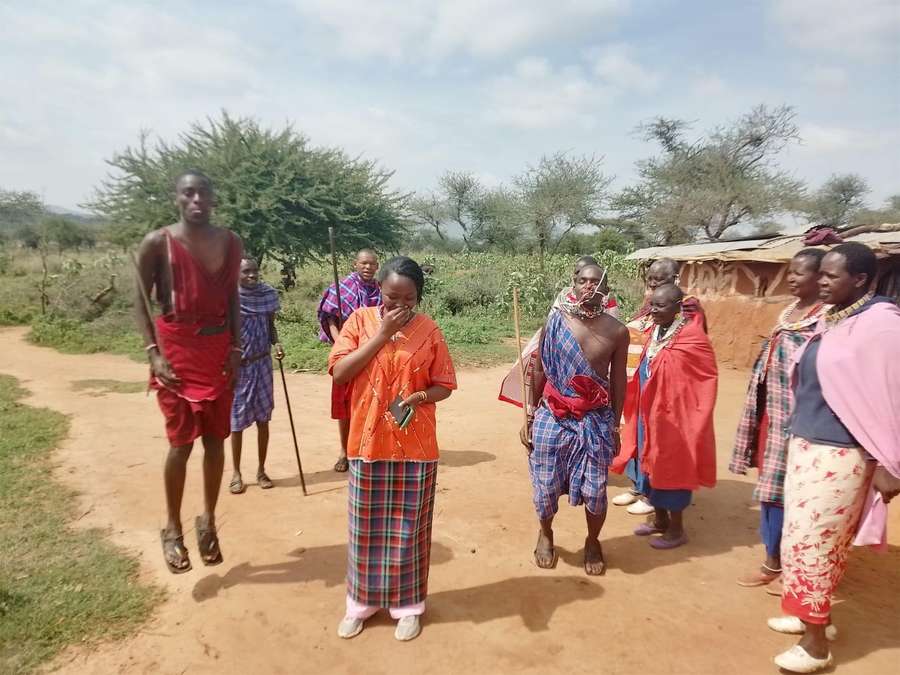
The welcome is energetic, with a jumping dance and traditional songs performed by warriors and women of the village. It is the part of the day that grabs attention immediately, especially if you are coming from Nairobi and want something clearly Kenyan in spirit.
After the performance, you hear stories passed down through generations that explain customs and beliefs. The point is not to memorize everything. The point is to hear how people connect daily life to meaning, and then ask questions that help you understand what you are seeing.
From a visitor perspective, the biggest payoff is emotional clarity. You leave with a sense of pride, community roles, and tradition that feels tied to real life, not a costume you wear for an hour.
Bead-Making and Jewelry: Art You Can Actually Do
If you want a souvenir that is more than plastic, the beadwork session is where you should pay attention. You create intricate Maasai beadwork, and you learn how bead patterns and designs connect to identity. Then you have the option to purchase handmade jewelry.
Here is the value question: buying jewelry is not required, but it can turn your visit into something more balanced. If you decide to buy, you are supporting the village directly, which is the stated goal. If you skip it, the lesson still stands, because making beads teaches you more than looking.
Keep expectations realistic. You are not walking out as a bead artist. The goal is learning the basics and appreciating the time and care that go into the work.
The Livestock Market Option: A Different Side of Maasai Life
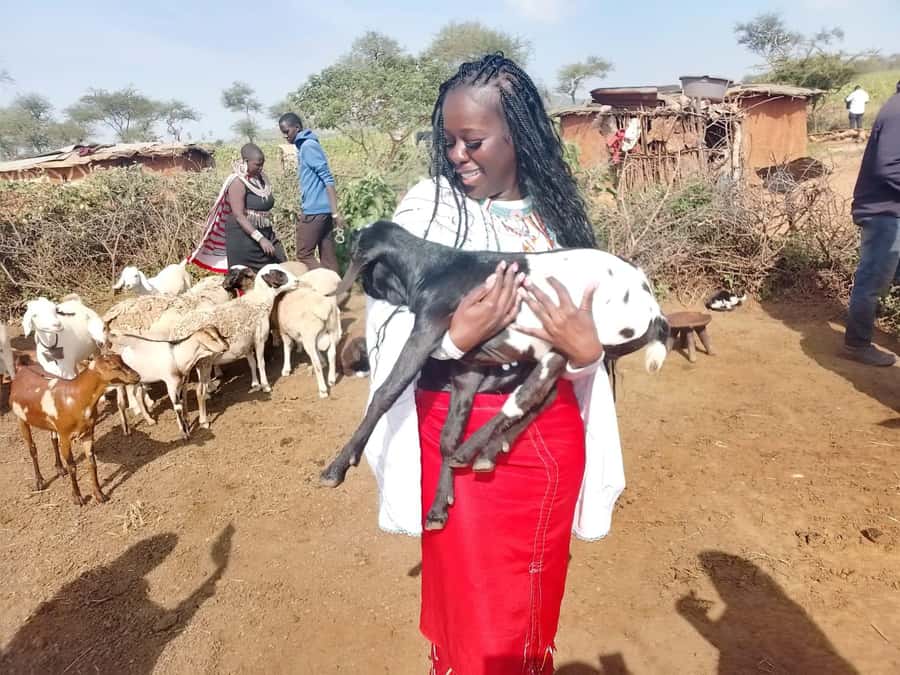
On select days, the schedule may include a stop at a livestock market, described as one of Kenya’s largest. If it is on your day, it adds a business and social layer to the culture visit, because you see how Maasai herders trade cattle, goats, and sheep.
This can be eye-opening because it shifts the focus from tradition-as-performance to tradition-as-economics. You start thinking about how community life and survival connect, not just how dances look.
One practical note: markets can mean more activity, more people, and more photo opportunities, but also less quiet time for questions. If you care about conversations, still try to ask even when the market gets busy.
Price, Entry Fees, and Whether the Value Works for You
The advertised price is $55 per person, and there is also an admission fee of $30 per person that is not included. That means you should budget for the all-in total rather than assuming $55 is the final number. A prior visitor experience also described the day as feeling pricey if you feel the drive is doing most of the work, so your expectations matter.
So is it good value? It depends on what you want from the trip.
If your goal is hands-on learning, you get multiple activities within 6 hours: fire-making, ugali cooking, bead-making, plus a performance and a manyatta walkthrough. For that, paying for guided participation and a small group can feel reasonable, especially with hotel pickup and bottled water included.
If your goal is a long roaming experience in a large community with minimal selling, you may feel disappointed. This is also a socially interactive day with photo moments, and that can feel like sales pressure to some people.
My advice is simple: decide what matters most to you. If practical skills and direct interaction are your priority, you are more likely to feel it was worth the money.
Guides, Group Energy, and How to Get More Out of the Day
The tour is run by Great Moments Safaris Kenya. In the accounts shared by visitors, guide names like Ben and Jen come up as friendly and attentive, with the sense that you get guided support rather than just instructions. Having a guide who helps you connect between activities makes a difference.
Also, because group size is limited, you can build rapport. The day is scheduled, but you still get time to ask questions, talk with people, and participate in activities.
One good way to get the most out of it: be curious and specific. Instead of asking what the Maasai believe, ask how a household manages a task, or how cattle care fits into routine. Those answers tend to be clearer and more memorable.
Practical Tips So You Stay Comfortable and Respectful
Bring what you need for sun and footwork. Comfortable shoes are required, and you should not go barefoot. A sun hat, sunscreen, a camera, and water are the smart pack.
Also plan for social interaction and photo moments. If you prefer solitude, this may not be your kind of day. If you are comfortable talking and learning, you will enjoy it more because the experience is built on people engaging with you.
If you plan to purchase jewelry, bring small cash if you can. The tour includes opportunities to buy authentic handmade pieces, and that is often easiest when you are ready to pay on the spot.
Finally, be respectful about boundaries. Optional donations or gifts can support the village without exploitation, but you should still treat the day like a cultural exchange, not a transaction.
Should You Book This Maasai Village Day Trip?
Book it if you want an active, hands-on introduction to Maasai life, with fire-making practice, ugali cooking, beadwork, and a proper jumping dance welcome. It is also a good choice if you like small groups, guided Q&A, and structured experiences that still leave room for questions.
Skip it or think twice if you want a large, sprawling village visit with minimal selling, or if you dislike days where you are constantly interacting for photos. Budget carefully because the tour price does not include the $30 admission fee per person.
If you do book, go in with the right mindset. Look for the skills, the explanations, and the people behind the routines, not just the photo angle.
FAQ
How long is the Maasai village cultural experience?
The experience lasts 6 hours.
What is included in the tour price?
It includes hotel pickup and drop-off within Nairobi, bottled water, a guided tour, and hands-on cultural activities like cooking, bead-making, and fire-making.
Is the admission fee included?
No. There is an admission fee of $30 per person that is not included.
Are meals provided?
Meals and extra drinks are not included.
What is the group size?
The group is small, limited to 10 participants.
Do I need to bring anything?
Yes. Bring comfortable shoes, a sun hat, a camera, sunscreen, and water.
What shoes are not allowed?
High-heeled shoes and bare feet are not allowed.
Is this tour wheelchair accessible?
The information lists wheelchair accessible, but it also says it is not suitable for people with mobility impairments and wheelchair users. You should check with the operator before booking.
What language is used by the driver?
The driver is English-speaking.
Is free cancellation available?
Yes. You can cancel up to 24 hours in advance for a full refund.
Newest write-ups from Nairobi
- Visit kibera Slum the chocolate city★ 4.8 · 3 reviews
- 3 days maasai mara migration safari★ 4.5 · 7 reviews
- 4 Days Tour Landcruiser in Masai Mara and Lake Nakuru★ 5.0 · 10 reviews
- 4 Days Safari to Lake Nakuru N/P and Maasai Mara N/R★ 5.0 · 18 reviews
- Day Tour to Nairobi national park, Elephants, and Giraffe Center★ 3.5 · 8 reviews
- Wildebeest Migration in Masai Mara and Sightseeing 4 Days Tour★ 4.5 · 6 reviews
- Maasai Mara Day Trip★ 5.0 · 15 reviews
- Kibera Slum Tour with a Local★ 5.0 · 15 reviews
Maasai Village Visits, compared.

Day Tour to Amboseli National Park & Maasai Village
Read our review →


Day Trip: Amboseli National Park & Maasai Village – Nairobi
Read our review →
Day Trip to Maasai Mara Reserve & Maasai village
Read our review →
3days/2nights group joining Masai Mara with Masai Village Visit
Read our review →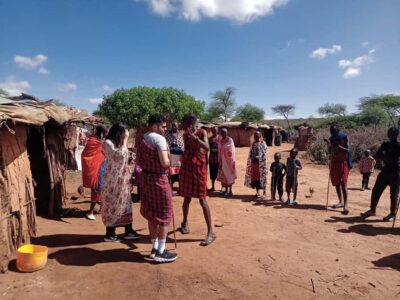
Maasai Village Visit with Traditional Dance Show
Read our review →Browse the lists this tour appears in