

REVIEW · MAASAI VILLAGE VISITS
HALF DAY TOUR MASAI VILLAGE FROM NAIROBI WITH PICKUP&DROPOFF
A trip to a manyatta turns Central Kenya into people, routines, and questions you can actually ask. I like that this tour focuses on cattle life and daily skills, not just quick photos, and I also like the human touch you get from guides such as Alfred and a driver such as William. The main drawback to keep in mind is cost: the advertised price is $445 per person, and there is also a $30 entry fee, so your total lands higher than you might expect.
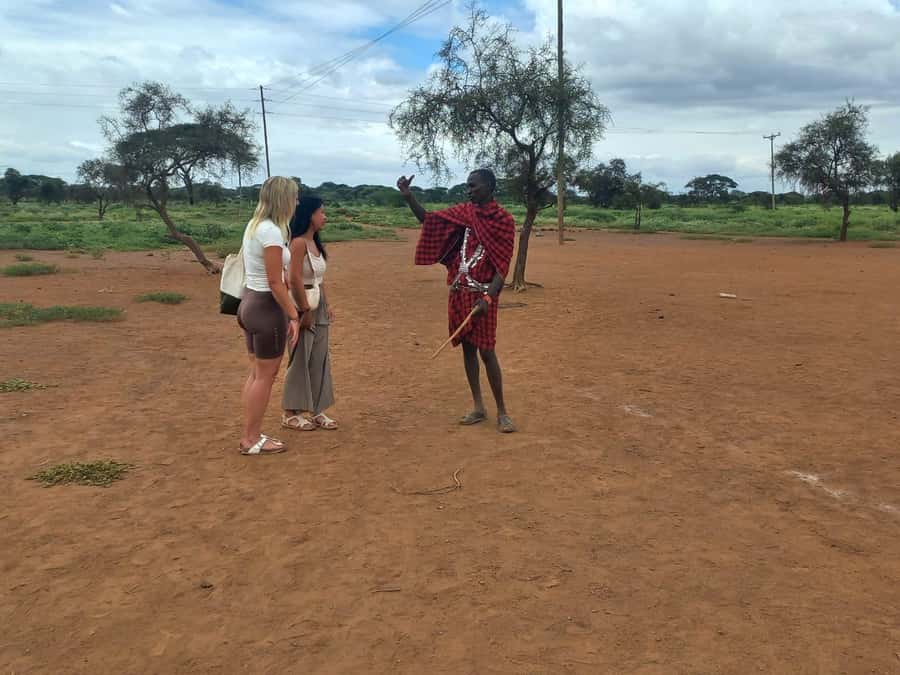
You’ll spend about 6 hours on the road and in the village area, with pickup and drop-off options around Nairobi and a clear guide-led flow. Expect traditional huts, a thorny fence setup, and time for shopping plus dance performances, all explained in English.
If you prefer to move at your own pace with no guided structure, you may find the schedule tight. Still, it’s a good match for travelers who want cultural access with fewer guesswork moments.
In This Review
- Key highlights worth knowing before you go
- What a manyatta visit is actually about
- Nairobi pickup, the 6-hour timeline, and how to plan your day
- Reaching Bisil and getting oriented
- Guided village tour: huts, fencing, and the meaning of materials
- Free time and shopping: how to browse beadwork without pressure
- Traditional dance shows: what you’re really watching
- Driver and guide quality: why it matters on a short day
- Price and value: $445 plus the $30 entry fee
- What you should bring and how to get comfortable
- Who this Maasai village tour suits best
- Should you book this Maasai village tour from Nairobi?
Key highlights worth knowing before you go
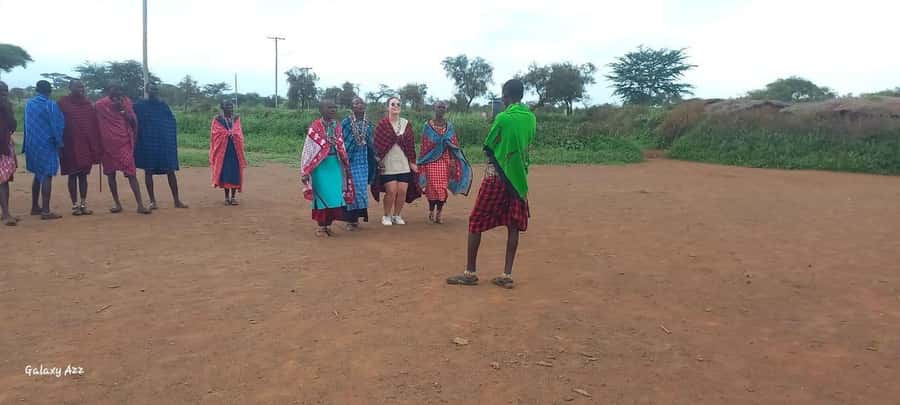
- Village life explained in plain English, with a guide who can answer practical questions (including Alfred, a village member)
- Cattle-centric day-to-day routines, since herding shapes the community’s calendar
- Real craft time, including beadwork shopping where sales feel optional, not pushy
- Dance shows with a long segment, including traditional performances that take up a noticeable chunk of your half-day
- Convenient Nairobi pickup and return, with multiple neighborhoods covered
What a manyatta visit is actually about

A Maasai village, often called a manyatta, is not a museum set. It’s a working settlement where daily life is organized around cattle herding, milking, and community roles. The huts are typically small and rounded, built from mud, sticks, grass, and cow dung. That mix matters because it helps with insulation, depending on the weather.
Around the village, you may see a tall thorny fence. It’s there for a reason: to protect livestock, especially cattle, from wild predators such as lions. When you understand that, you start noticing more than the huts. You notice the logic of the layout, the work spaces, and how safety and survival shape daily routines.
The cultural side is woven in too. Traditional ceremonies, music, and dance are not random entertainment. They connect community, spirituality, and social life. If you go in ready to watch and ask, you’ll get far more out of the visit than if you treat it like a checklist.
More Maasai Village Visits in Nairobi:
- Nairobi: Day Tour to Amboseli National Park & Maasai Village
★ 4.5 · 310 reviews - Masai village Day Tour Experience
★ 5.0 · 284 reviews - Maasai Village Experience Day Tour
★ 5.0 · 72 reviews
Nairobi pickup, the 6-hour timeline, and how to plan your day
This is billed as a half-day tour, and it runs for about 6 hours. That’s long enough to get you out of Nairobi traffic, through the transfer time, and into the village experience without feeling rushed in the middle. You’ll have pickup from several Nairobi areas such as Kilimani, Lavington, Kileleshwa, Westlands, Embakasi, Karen, Parklands, and Syokimau, then you’ll return to drop-off stops in similar neighborhoods.
One practical tip: plan for a full morning or afternoon block, not a quick snack-and-go outing. You will likely have a short break and a photo stop along the way, and once you reach the village area, you’ll move through guided time, free time, and performances.
Also, you should know the tour includes a bus tour element. That can be helpful if the village area is spread out, but it also means you’ll spend some time seated and waiting your turn. If you get travel-sore, consider bringing water and taking a moment to stretch during any break moments you’re given.
Reaching Bisil and getting oriented

Your key village stop is at Bisil. Before the main experiences start, you’ll get time for a break and a photo stop. Then you’ll transition into the core parts: a guided visit, a period of free time, and time for shopping and dance.
You should expect a safety briefing as part of the program. That’s a good sign. It means you’re less likely to wander where you shouldn’t or miss important rules for interacting with people and structures.
There may also be a sunrise element depending on timing. If you’re sensitive to early starts, double-check your departure time when you book. Even if sunrise is brief, it can affect clothing choices and how tired you feel later in the day.
Guided village tour: huts, fencing, and the meaning of materials
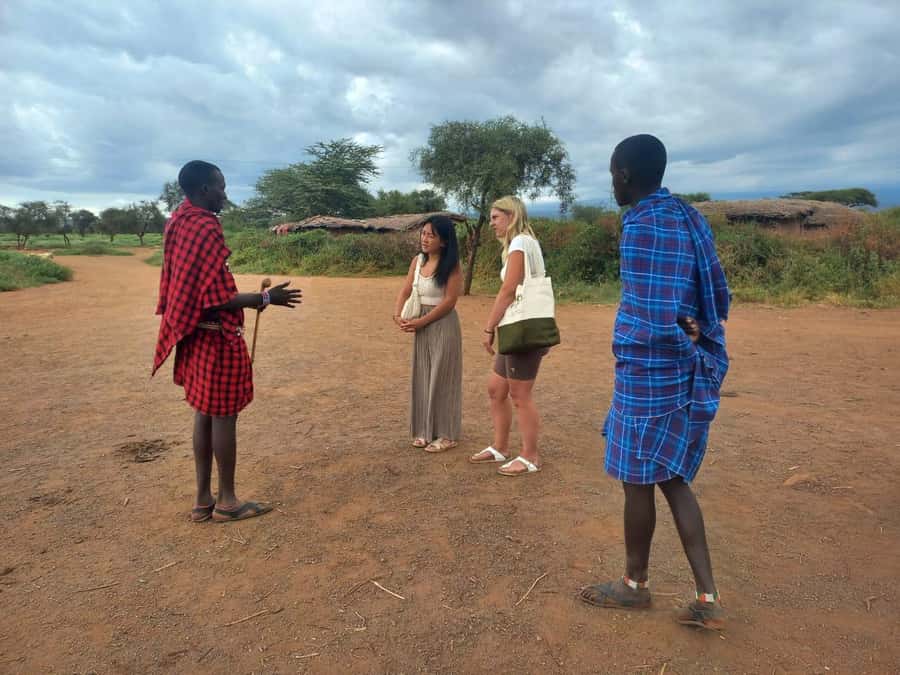
When you step into a manyatta area, you’re not just looking at buildings. You’re seeing how materials and purpose overlap.
You may notice huts made from mud and sticks with grass and cow dung used as part of the construction. Those choices aren’t for aesthetics. They help with insulation and practical comfort. The rounded shape is also common across Maasai manyattas, and it affects how the settlement works as a whole.
Here’s what I’d pay attention to during the guided portion:
- Where daily tasks happen, and how people move between those spaces
- How the thorny fence functions as a boundary, rather than just a photo backdrop
- How the community organizes around cattle, because that’s the heartbeat of life here
The Maasai community is known for distinctive red shukas and intricate beadwork. Even if you only get a short look, keep an eye out for the beads and garments as visual clues to identity and status.
A few more Nairobi days worth pricing up
- Nairobi National Park Half-Day Tour; Free Wi-Fi connection
★ 5.0 · 878 reviews - Nairobi: National Park & Optional Elephants & Giraffe Center
★ 4.8 · 874 reviews - NAI NAMI: Nairobi Storytelling Tour with Street Children
★ 5.0 · 792 reviews - Nairobi National Park Half-Day Game Drive
★ 4.5 · 738 reviews
Free time and shopping: how to browse beadwork without pressure
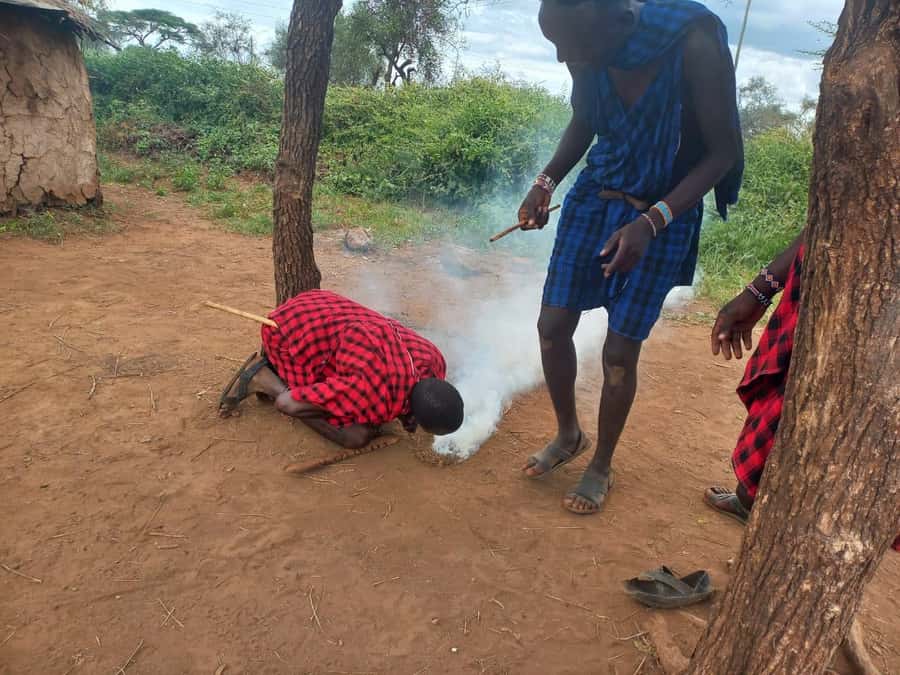
You’ll have free time built into the visit, and that usually pairs with shopping. The good news, based on the experience people describe, is that you can browse beadwork without being forced into a purchase. You may see crafts being sold and you might have the chance to visit an arts and crafts market area.
This is the part where I recommend you slow down. Ask what the beadwork represents, how pieces are made, and who wears what. Even if you don’t buy, those small questions often turn shopping into learning.
If you do plan to buy, bring a simple strategy:
- Set a budget before you arrive
- Decide what you want, not just what looks pretty
- Pay attention to the condition and size, since some items are easier to pack than others
Also remember that price varies by craft and complexity. If you’re bargaining culturally, keep it friendly and respectful. If you’re not sure how to handle it, choose a clear starting point and then decide quickly.
Traditional dance shows: what you’re really watching

This tour includes dance performances, including traditional dance shows. The program also lists a longer traditional dance segment, which is a clue that you’re not just stopping for a quick performance and moving on. Plan to watch for a while and treat it as part of the community’s rhythm.
Music and dance in Maasai culture connect to ceremonies and shared life. That means the movements and timing can feel purposeful, not random. If you go with the mindset of observing and letting it unfold, you’ll enjoy it more than if you try to film everything.
A useful way to get value from the dance segment is to lean on your guide for context. When someone is from inside the village, like Alfred, you’ll usually get clearer answers about what people are doing and why.
Driver and guide quality: why it matters on a short day

On a 6-hour trip, logistics matter. You do not have much buffer time. That’s why guide quality makes such a difference.
People describe William as polite, attentive, and punctual, with communication that’s easy. That kind of driver support can change the whole tone of the day because you stop worrying about timing and focus on the experience.
The guide element also matters. Alfred is described as a village member who is eager to answer questions and help you understand Maasai customs and traditions. For you, that likely means fewer awkward pauses and more direct explanations in English.
One more detail I appreciate: the tour includes a live English guide, so you won’t be stuck translating on your own. That’s a real value boost when you’re trying to understand customs, roles, and meaning.
Price and value: $445 plus the $30 entry fee
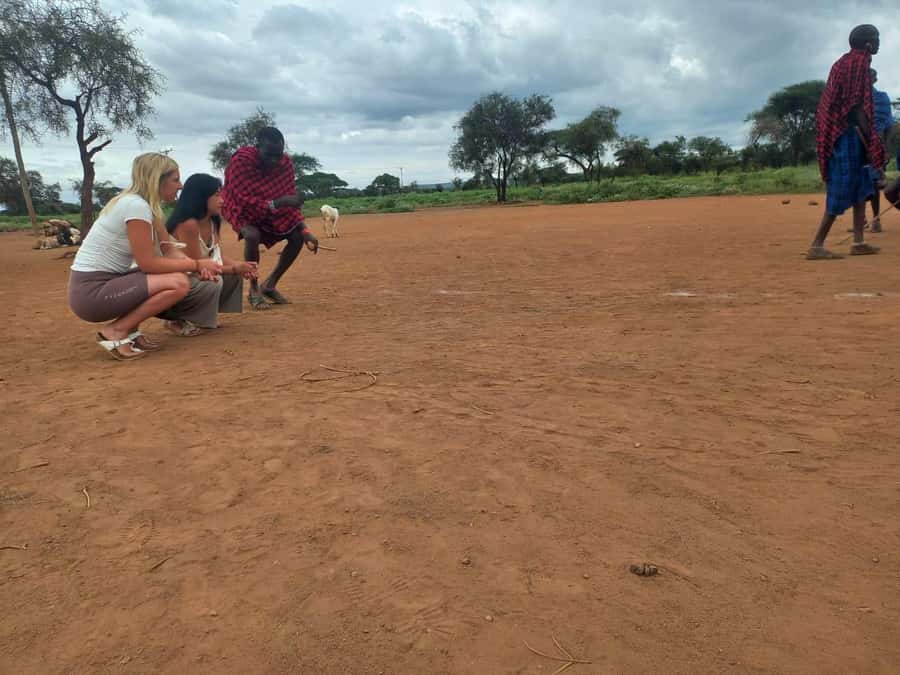
Let’s talk money, because this tour’s pricing has one big twist. The listed price is $445 per person, and the entry fee is $30 per person, which is not included.
So you should budget about $475 total before any extras. That sounds steep until you unpack what’s included:
- Transport by car with pickup and drop-off across Nairobi neighborhoods
- A live English guide
- A bottle of water
- Program structure that includes guided village time, free time, shopping time, dance shows, and a bus tour element
- The ability to skip the ticket line for entry
You’re paying for access plus organization. If you tried to do this yourself, you’d spend time lining up transport, clarifying entry processes, and finding someone to explain customs in English. Here, that work is handled for you.
Is it worth it? If you want a short, guided cultural visit with minimal planning and clear explanations, yes, it can feel like good value for a half-day in and out of Nairobi. If you’re primarily looking for a low-cost “see a village” stop, you might decide to look at cheaper options.
What you should bring and how to get comfortable
Even though the tour provides a bottle of water, you’ll enjoy the day more with a few basics:
- Sun protection and a hat, since outdoor time is part of the experience
- Comfortable shoes, since you may walk around during guided and free-time segments
- Modest clothing, to feel at ease in a community setting
- A small amount of cash, just in case you decide to buy a craft
Also, wear a light layer if mornings feel cool. The program may include sunrise depending on timing.
If you’re sensitive to crowds or noise, dance shows can be loud and active. That’s normal for cultural performances, but it’s good to know so you can plan your expectations.
Who this Maasai village tour suits best
This tour fits you if you like structured guidance and want real context. It’s ideal for:
- First-time visitors to Kenya who want an organized cultural stop without extra research
- Travelers who enjoy questions and prefer learning from people rather than guessing
- Short-on-time schedules, since the whole trip runs about 6 hours
It’s less ideal if you want long, independent wandering, or if you strongly dislike any element of performances or organized shopping time. You’ll still have free time, but it’s not built for hours of unplanned exploring.
One more match point: if you care about respectful interaction, the presence of safety briefing and an English guide helps you follow the right boundaries. That’s important when you’re visiting a living community, not a staged attraction.
Should you book this Maasai village tour from Nairobi?
I’d book it if you want a focused half-day that connects you to everyday Maasai life: huts, cattle-centered routines, craft shopping time, and traditional dance shows, all explained by an English guide. The biggest reason to feel confident is guide quality, with Alfred described as an eager explainer and William described as attentive and punctual.
I’d hesitate only if the combined cost of $445 plus the $30 entry fee feels too high for your budget, or if you prefer fully independent travel without guided structure. In that case, you might spend less and accept less context.
If your goal is a short, guided cultural experience you can understand, this tour is a solid choice. Go with curiosity, ask questions, and let the day unfold.
Newest write-ups from Nairobi
- Visit kibera Slum the chocolate city★ 4.8 · 3 reviews
- 3 days maasai mara migration safari★ 4.5 · 7 reviews
- 4 Days Tour Landcruiser in Masai Mara and Lake Nakuru★ 5.0 · 10 reviews
- 4 Days Safari to Lake Nakuru N/P and Maasai Mara N/R★ 5.0 · 18 reviews
- Day Tour to Nairobi national park, Elephants, and Giraffe Center★ 3.5 · 8 reviews
- Wildebeest Migration in Masai Mara and Sightseeing 4 Days Tour★ 4.5 · 6 reviews
- Maasai Mara Day Trip★ 5.0 · 15 reviews
- Kibera Slum Tour with a Local★ 5.0 · 15 reviews
Maasai Village Visits, compared.

Day Tour to Amboseli National Park & Maasai Village
Read our review →


Day Trip: Amboseli National Park & Maasai Village – Nairobi
Read our review →
Day Trip to Maasai Mara Reserve & Maasai village
Read our review →
3days/2nights group joining Masai Mara with Masai Village Visit
Read our review →
Maasai Village Visit with Traditional Dance Show
Read our review →Browse the lists this tour appears in