REVIEW · NAIROBI TOURS
From Nairobi: Masai Tribe Village Visit
A Maasai visit is more than a photo stop. You’ll get hands-on looks at daily work, from cooking and beadwork to animal herding, plus a chance to take part in singing and jumping.
I particularly liked the real conversations you can have in the village, where people explain how they’ve kept traditions alive. I also enjoyed watching Maasai bead and wristband making, because it turns the usual cultural-show format into something practical and personal.
One thing to watch: the day can feel a bit uneven in timing, and the entry fee collection can be confusing if you do not confirm the USD amount and how it is paid. Bring extra cash, ask direct questions, and keep your expectations tied to interaction, not a long staged performance.
In This Review
- Key things to know before you go
- Maasai Village Visit From Nairobi: What You’re Really Buying
- Pickup, the Coffee Stop, and How the Day Usually Flows
- Inside the Village: Cooking Lessons and Family Life
- Beadwork, Wristbands, and Why This Craft Matters
- Herding Lessons: Milking Goats and Pastoral Reality
- Singing and Jumping: How to Watch Without Turning It Into a Show
- Price and Value: USD 52 Plus the USD 30 Entry Fee Reality
- Lunch, Coffee, and What to Budget For on the Road
- Souvenirs and Photos: How to Avoid the Most Common Confusion
- Who This Maasai Village Visit Is Best For
- What to Ask During the Conversation (So You Actually Learn)
- Should You Book This Maasai Village Visit?
- FAQ
- Is hotel pickup and drop-off included?
- What does the USD 52 per person price include?
- Is the entry fee included in the price?
- Do I need to pay for lunch and drinks?
- What should I bring?
- Are there language options on the tour?
Key things to know before you go
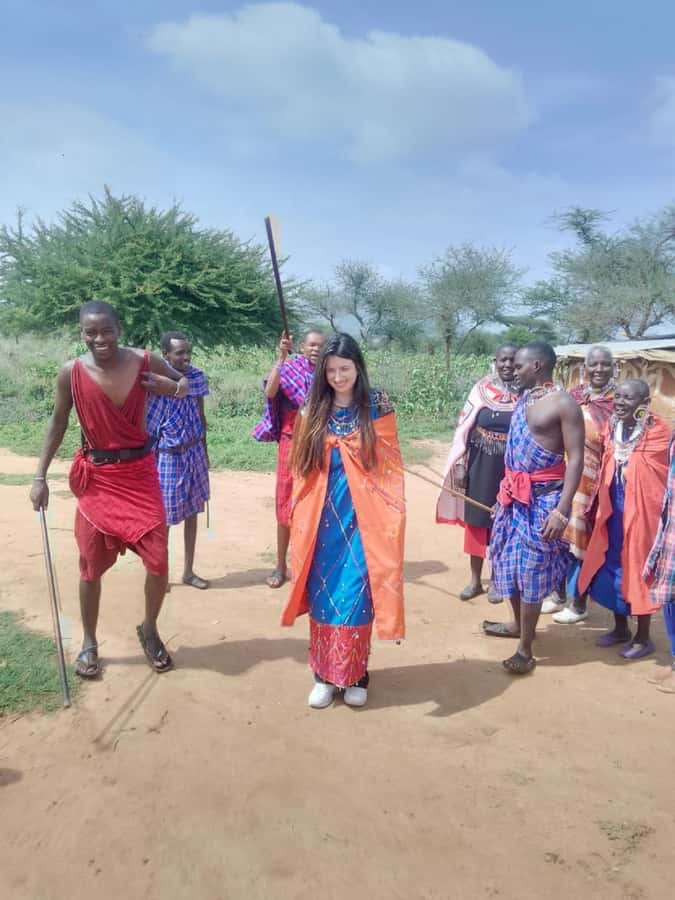
- Hands-on Maasai daily life, including meal prep and small skills you can actually see close up
- Bead and wristband weaving, often the most memorable, because it’s slow craft work, not a quick demo
- Animal husbandry lessons, including how to milk goats
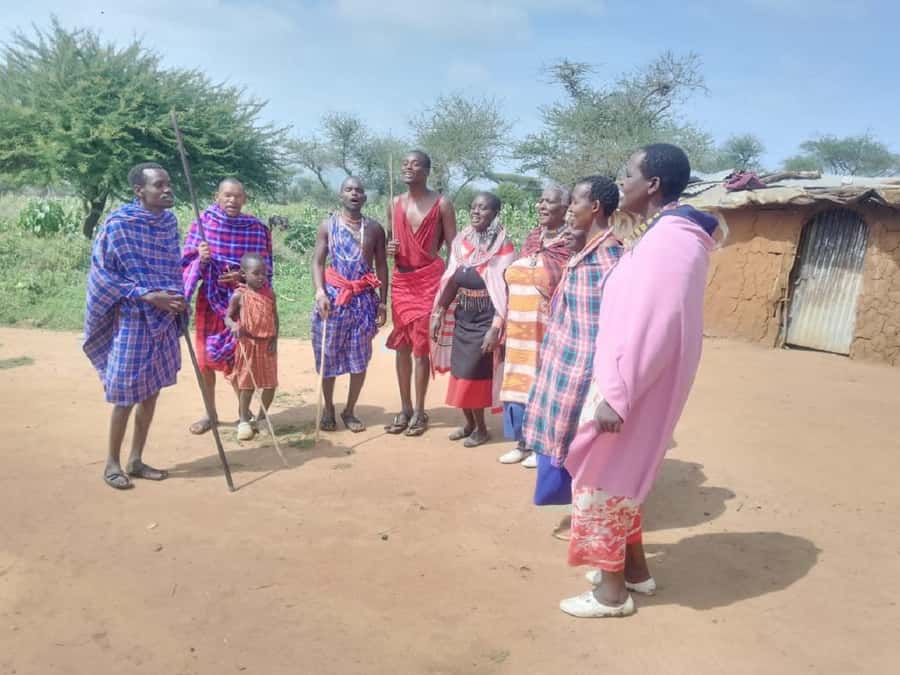
- Singing and jumping, where you’ll be invited to witness young men and women perform
- Hotel pickup and air-conditioned transport, which helps when you’re coming from Nairobi
- Extra costs add up, since lunch and an entry fee are not included
Maasai Village Visit From Nairobi: What You’re Really Buying
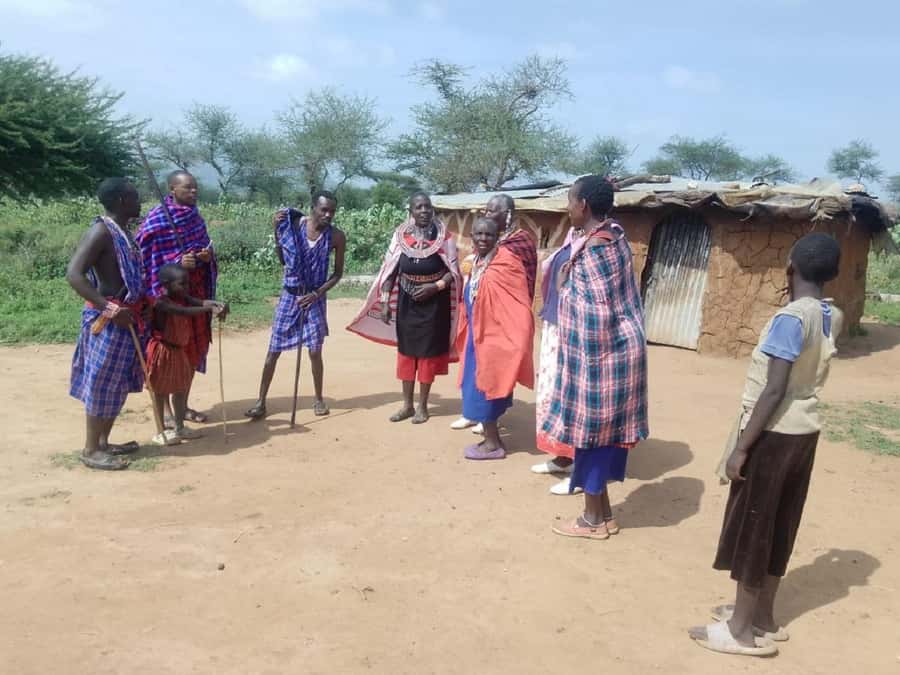
This is a cultural day trip that focuses on everyday life inside a Maasai community, not a game reserve and not a museum. You’ll travel from Nairobi to a village setting where you can interact at local homes, ask questions, and hear stories about the culture that has been preserved for decades.
The value here is in the access. You’re not just watching from a distance. You’ll see how food gets prepared, how people make bead items like necklaces and wristbands, and how herding skills work in practice. If you like experiences that feel like a lived-in place, this type of visit tends to land well.
You should also understand the broader Maasai context before you arrive. The Maasai, who today live largely in southern Kenya and northern Tanzania, have long been known for pastoral life, especially cattle herding. Historically, they also built a reputation as warriors in the Rift Valley grasslands, which helped shape interactions with neighboring communities between about 1500 and 1800 CE. Visiting a village today is a chance to see how that heritage connects to daily life, not only legends.
A few more Nairobi days worth pricing up
- Nairobi National Park Half-Day Tour; Free Wi-Fi connection
★ 5.0 · 878 reviews - Nairobi: National Park & Optional Elephants & Giraffe Center
★ 4.8 · 874 reviews - NAI NAMI: Nairobi Storytelling Tour with Street Children
★ 5.0 · 792 reviews
Pickup, the Coffee Stop, and How the Day Usually Flows
Your tour includes hotel pickup and drop-off plus transport in an air-conditioned vehicle. That matters because travel from Nairobi can be long enough that comfort helps, especially if you’re doing this as a one-day experience.
A practical note: there is a planned stop for coffee and lunch. Lunch itself is not included, so you’ll want to budget for your own meal when the group stops. The coffee stop can be a good reset moment, but also expect the day to run like a practical van tour, not a fully timed theater production.
Communication can vary by driver. Some days feel smooth and easy, with clear introductions and explanations of where you are going. On other days, you might get less guidance than you expect. My advice: when you’re picked up, ask basic questions right away, such as the exact name of the community you’re visiting and how much time you’ll spend in each part of the program. You’ll feel more in control, and you’ll waste less time guessing.
Inside the Village: Cooking Lessons and Family Life
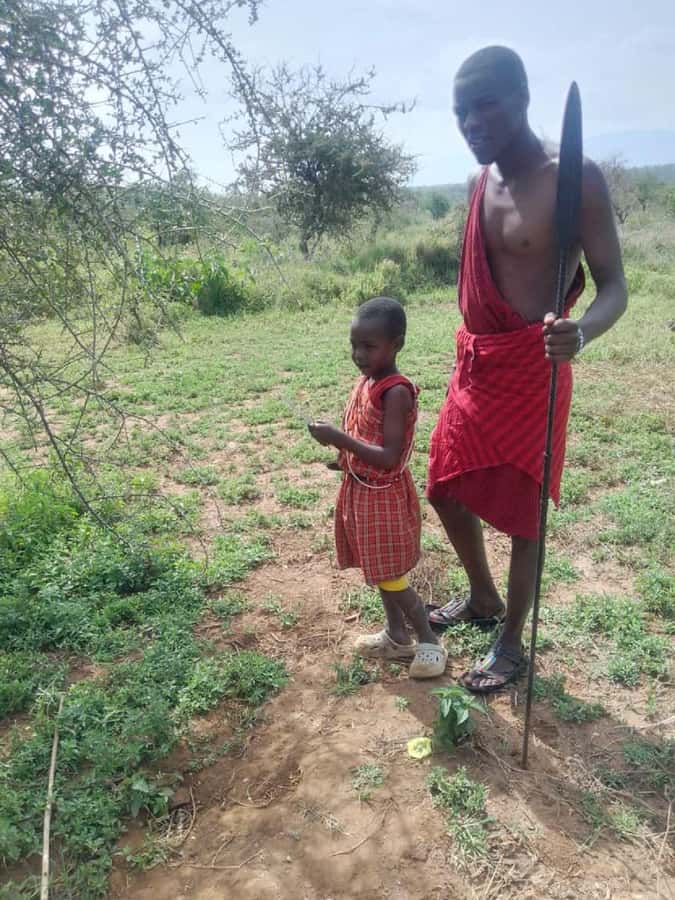
This trip is built around interaction, and one of the strongest parts is watching how Maasai women prepare their meals. Food is a powerful cultural lens. It’s not just about taste. It’s about routine, tools, and what the family prioritizes when they’re feeding everyone.
In a village setting, those meal-prep moments also become conversation starters. You’ll likely hear explanations as people show you what they do, which is where the experience can feel human and grounded. Instead of generic cultural facts, you get the story that accompanies the work.
What to keep in mind: meal prep is not a high-speed show. If you’re hoping for constant action every minute, you may find the pace more like a visit with a family than a staged program. For me, that slower rhythm is often the point, because it helps the experience feel real.
Beadwork, Wristbands, and Why This Craft Matters
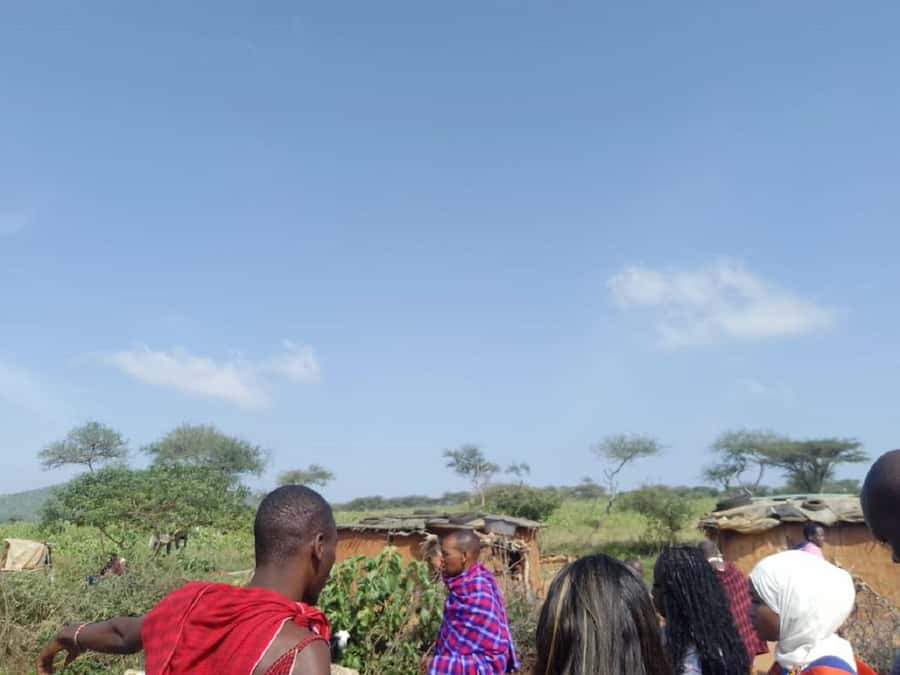
Another highlight is weaving necklaces and wristbands. This is the craft part of the day, and it’s usually where you can get the most meaningful connection to people’s creativity. The designs, the colors, and the patience involved are easy to appreciate even if you do not speak the local language perfectly.
You should also plan for purchasing. The Maasai bead tradition is widely known, and you’ll likely have time to buy items. A tip from experience: if you want to shop thoughtfully, come prepared with cash in Kenyan shillings, not just a card, and ask what the purchase supports. Having questions ready can turn buying souvenirs into a conversation instead of a transaction.
Same trip, a different part of the country:
- Nairobi National Park Half-Day Game Drive
★ 4.5 · 738 reviews - Nairobi: Historic and Modern Highlights Walking Tour
★ 4.8 · 703 reviews - Safari Tour; Nairobi National Park
★ 4.5 · 594 reviews - 3 Days Masai Mara Group Joining
★ 5.0 · 486 reviews
Herding Lessons: Milking Goats and Pastoral Reality
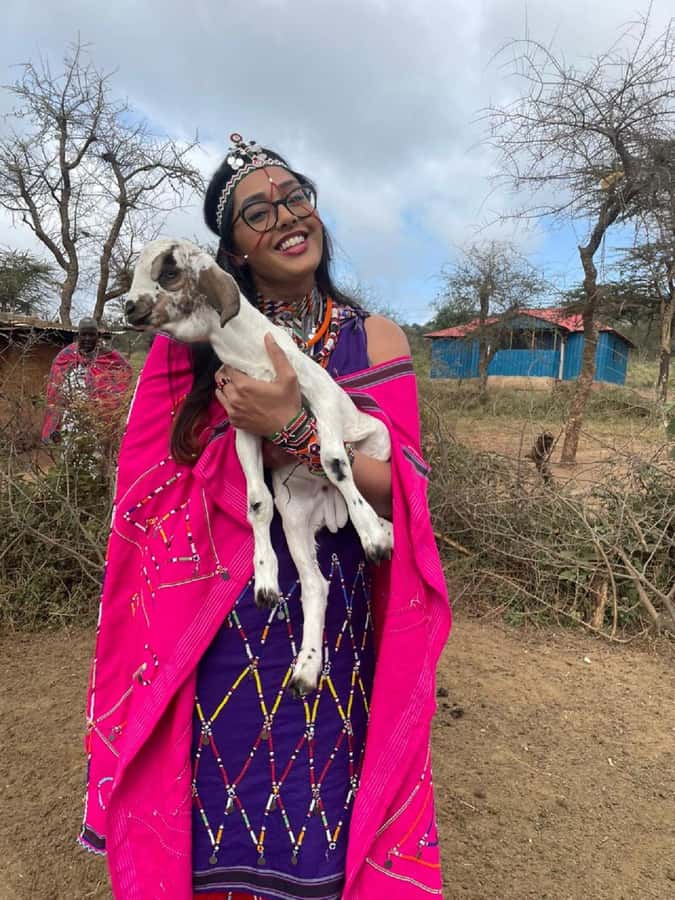
One of the specific things the trip offers is learning about animal husbandry, including how to milk goats. That might sound niche if your idea of a village visit is mostly dancing and singing, but it’s one of the most informative parts.
Herding is tied to how Maasai families plan their days and manage resources. Even if you only get a small window into it, it helps you understand how the Maasai became famous pastoralists. In earlier centuries, the need for grazing territory drove movements and conflicts, and that pressure shaped social history. Seeing milking practices today helps bring that past into focus in a practical way.
This is also a good moment to ask questions. Instead of asking only how things look, ask how it works day to day, what’s easy, what’s hard, and who does which tasks. You’ll learn faster, and your questions will land better with the community.
Singing and Jumping: How to Watch Without Turning It Into a Show

A major attraction is the chance to see Maasai young men and women jump as they sing. This is the “performance” part of the experience, and it’s often what people come hoping for.
The best way to enjoy it is to watch with respect and attention. Treat it like a shared cultural moment, not a dance routine you control. When you’re invited into the moment, follow the guidance from the people leading it. If you’re there with a group, keep your voice calm and your phone use sensible, so the energy stays with the community.
One more expectation check: depending on the timing that day, the singing and jumping may not be a long block. The interaction style can vary, and the village portion can sometimes feel shorter than people imagine. I’d rather you plan for a few meaningful highlights than expect a nonstop show for hours.
Price and Value: USD 52 Plus the USD 30 Entry Fee Reality
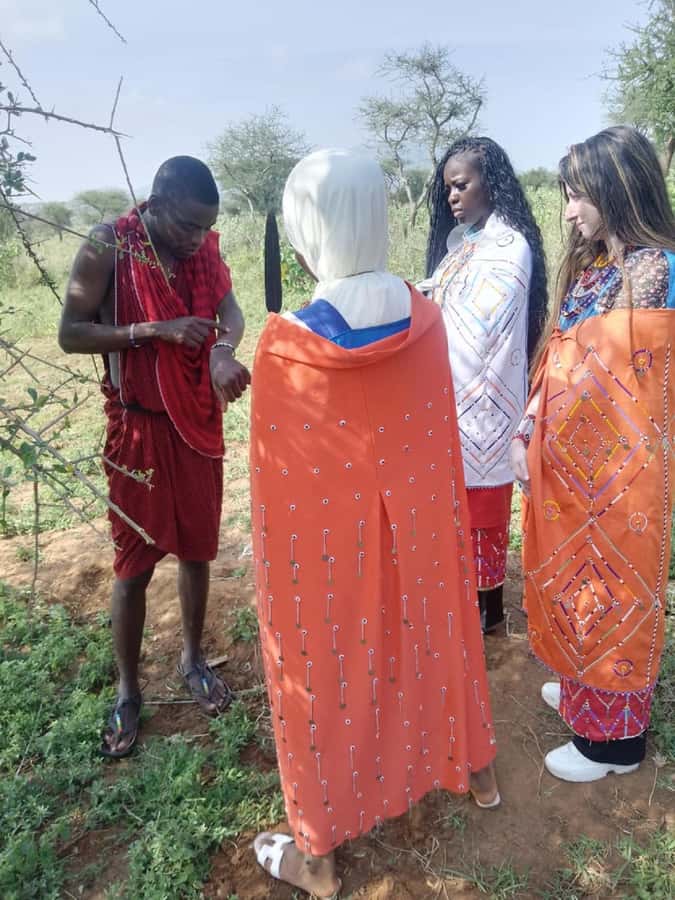
The tour price is USD 52 per person, and transport and hotel pickup are included. But there is an additional entry fee of USD 30 per person that is not included in the base price.
So the real budget is usually the tour price plus that entry fee, and then lunch and drinks on your own. That doesn’t automatically make it bad value. In many village visits, the entry fee helps cover local access and the community time involved. Still, it needs to be clear.
Here’s my practical advice: before you leave Nairobi, make sure you know exactly how the USD 30 will be paid, and confirm you understand who collects it. There can be confusion when the wording on different platforms does not match what happens in the field. Don’t be shy about asking, then keeping your receipt or payment confirmation if offered. It’s the simplest way to avoid an awkward end to a day that you want to go smoothly.
Lunch, Coffee, and What to Budget For on the Road
You get time for lunch, but lunch is not included. That means you should plan on buying food at the stop along the way. Drinks are also not included.
A coffee stop is part of the day, so even if you like your morning caffeine, I would still plan to purchase what you want on the road. The key here is mental budgeting. If you walk in assuming lunch is included, the day can feel more expensive at the end.
Souvenirs and Photos: How to Avoid the Most Common Confusion
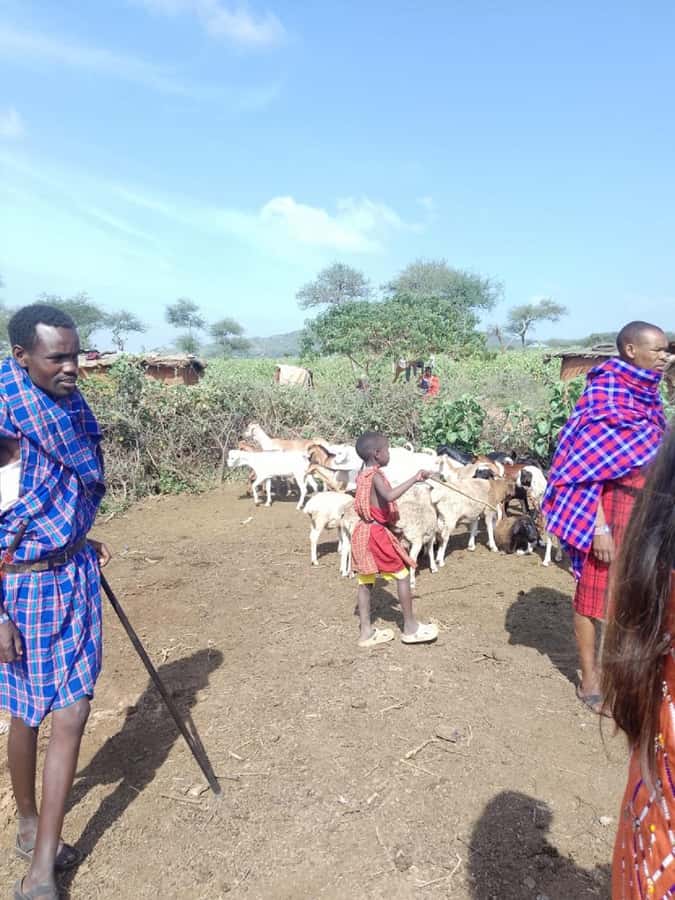
This experience includes time for souvenir photos available to purchase. It also offers the chance to buy crafted items like necklaces and wristbands made by women.
In real life, these souvenir options can be easier to misunderstand than you expect. Some people come thinking a professional photo session will happen, then discover the purchasing is more tied to items shown or pictures taken during the interaction. To stay in control, ask one clear question when it comes up: what exactly are you buying, and what will you receive after you pay?
If your priority is beadwork, skip the photo guessing and focus on quality. Ask about what the item is made of, how it is worn, and what it means. It turns the day’s shopping into cultural exchange, not just browsing.
Who This Maasai Village Visit Is Best For
This tour is a strong fit if you want interaction over spectacle. If you like asking questions, learning daily routines, and seeing craft work up close, you’ll likely enjoy it.
It also works well for travelers who are not trying to do a full wildlife route that day. Instead, you’re getting a cultural stop tied to how families live. From Nairobi, it’s also a convenient option if you want a one-day experience.
On the other hand, if your dream is a long, structured program with a big performance segment and lots of time for photos, you may feel disappointed. The day can be brief in the village, and the focus is learning tasks like cooking, weaving, and milking, not only a stage show.
What to Ask During the Conversation (So You Actually Learn)
The experience becomes memorable when you ask good questions. You do not need a perfect script. Just keep it practical and respectful.
Some question starters:
- What does a typical day look like for your family?
- Who makes the bead pieces and how long does it take?
- What does animal care change across seasons?
- What part of Maasai tradition do you want visitors to understand correctly?
If English is not the only language you hear on the day, that’s normal. The tour operates with languages including English, Swahili, and French, so communication can be easier than it sounds. Still, go into the day with patience and a curious mindset.
Should You Book This Maasai Village Visit?
I’d book this tour if you want a human-scale cultural visit from Nairobi, with time to see real work like meal prep, bead weaving, and goat milking. The most praised moments tend to be the kindness you feel during the interaction and the hands-on way the day teaches you how the community lives.
Skip it, or adjust your expectations, if you want a long, fully timed performance, or if you hate uncertainty around extra fees and timing. The price becomes much clearer once you remember the USD 30 entry fee and plan for lunch on your own.
If you do book, go prepared: carry the money for the entry fee, bring cash for bead purchases, and ask direct questions early so you know what the day includes. That turns a potentially confusing day into a genuinely worthwhile cultural stop.
FAQ
Is hotel pickup and drop-off included?
Yes. The experience includes hotel pickup and drop-off, along with transport in an air-conditioned vehicle.
What does the USD 52 per person price include?
It includes the driver/guide, transportation, the Maasai village experience, and time for lunch (lunch itself is an own expense).
Is the entry fee included in the price?
No. There is a separate entry fee of USD 30 per person that is not included.
Do I need to pay for lunch and drinks?
Yes. The tour includes time for lunch, but food and drinks are not included.
What should I bring?
Bring your passport or ID card.
Are there language options on the tour?
Yes. The experience can be provided in English, Swahili, and French.
Newest write-ups from Nairobi
- Visit kibera Slum the chocolate city★ 4.8 · 3 reviews
- 3 days maasai mara migration safari★ 4.5 · 7 reviews
- 4 Days Tour Landcruiser in Masai Mara and Lake Nakuru★ 5.0 · 10 reviews
- 4 Days Safari to Lake Nakuru N/P and Maasai Mara N/R★ 5.0 · 18 reviews
- Day Tour to Nairobi national park, Elephants, and Giraffe Center★ 3.5 · 8 reviews
- Wildebeest Migration in Masai Mara and Sightseeing 4 Days Tour★ 4.5 · 6 reviews
- Maasai Mara Day Trip★ 5.0 · 15 reviews
- Kibera Slum Tour with a Local★ 5.0 · 15 reviews
Nairobi Tours, compared.
Nairobi National Park Half-Day Tour; Free Wi-Fi connection
Read our review →
National Park & Optional Elephants & Giraffe Center
Read our review →
NAI NAMI: Nairobi Storytelling Tour with Street Children
Read our review →