
REVIEW · MAASAI VILLAGE VISITS
From Nairobi: Maasai village and cultural experience
Maasai culture, in real time, not a staged show. This half-day trip takes you beyond Nairobi into Kajiado and Bisil for a real-life manyatta visit, plus the famous adumu jumping dance.
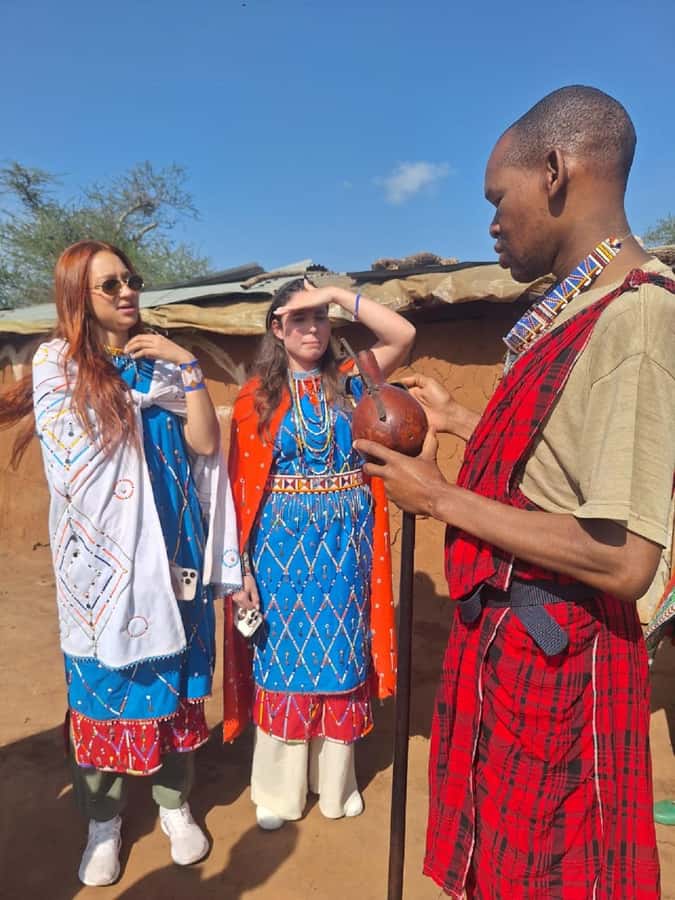
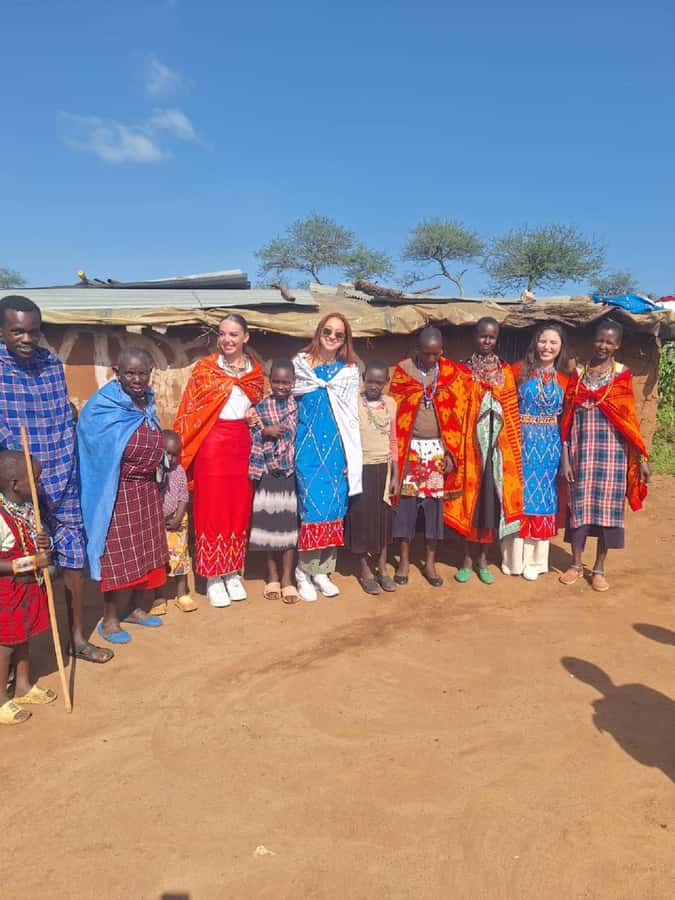
I loved two parts most. First, the welcome: traditional songs and dances that set the mood fast, and a village chief who explained things clearly in English. Second, meeting Maasai women and getting up close with beadwork and jewelry, where the colors connect to identity and not just decoration.
One heads-up: the $50 price does not include the listed entry fees and Maasai guide fee of $30 per person, and you’ll want cash on hand.
In This Review
- Key things to look forward to in Bisil
- From Nairobi to Kajiado and Bisil: the drive that sets expectations
- Maasai welcome: songs, dances, and the adumu jump
- Visiting a real manyatta: mud-thatched houses and how life is arranged
- Fire-making demonstration: learning by watching traditional methods
- Maasai women’s beadwork and jewelry: colors that signal identity
- Off-road adventure and scenic views: what the day looks like in motion
- Price and what you should budget for a 5 to 6 hour trip
- Who this tour fits best, and who might want a different plan
- Practical tips that make the experience smoother
- Should you book this Maasai village experience?
Key things to look forward to in Bisil
- Authentic welcome with songs, dances, and adumu (jumping dance)
- Real manyatta visit to see how mud-thatched houses are built
- Traditional fire-making demonstration using age-old methods
- Hands-on interaction with Maasai women and their beadwork and jewelry
- Scenic drive and off-road adventure on the way from Nairobi toward the village
From Nairobi to Kajiado and Bisil: the drive that sets expectations
This tour is built for you if you want more than photos and a quick stop. You leave Nairobi, ride out toward central Kenya, and trade city pace for rural rhythms. The route includes a mix of scenic views and off-road driving, so think “journey” as much as “activity.”
You’ll go in an air-conditioned vehicle with a driver and guide. You also get bottled water, which is a small detail that matters when you’re out for 5 to 6 hours. The whole schedule is short enough that it feels like a day-trip mission, but long enough to actually see village life and do more than watch from a distance.
Starting point depends on the option you choose. The tour includes airport pickup, and the overview also describes hotel pickup, which usually means you get a convenient transfer either way. If you’re tight on time in Nairobi, this is one of the easier ways to get out to Maasai territory without juggling local transport.
More Maasai Village Visits in Nairobi:
- Nairobi: Day Tour to Amboseli National Park & Maasai Village
★ 4.5 · 310 reviews - Masai village Day Tour Experience
★ 5.0 · 284 reviews - Maasai Village Experience Day Tour
★ 5.0 · 72 reviews
Maasai welcome: songs, dances, and the adumu jump
The first big moment is the Maasai welcome in Bisil. Expect traditional songs and dances, with special attention on adumu, the well-known jumping dance. Even if you’ve seen clips online, live energy is different. The pace is direct, the movements are sharp, and you can feel the focus in the way the community gathers.
What I like about starting with the welcome is that it helps you understand the rest of what you’ll see. You’re not just walking into homes and demos as a sightseeing checklist. You’re entering a living culture that uses performance as communication and celebration.
Also, pay attention to the explanations during this stage. In at least one account I read, the village chief spoke perfect English and walked through what was happening and why. That kind of clarity changes everything. If you can ask questions, do it politely and keep it simple. What you’re trying to learn is meaning, not just moves.
Visiting a real manyatta: mud-thatched houses and how life is arranged
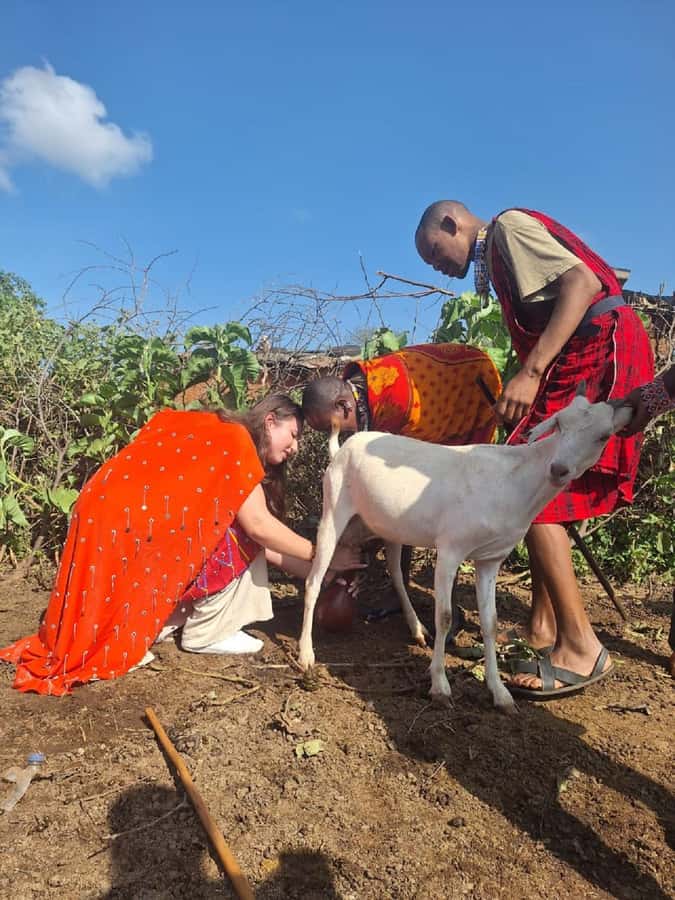
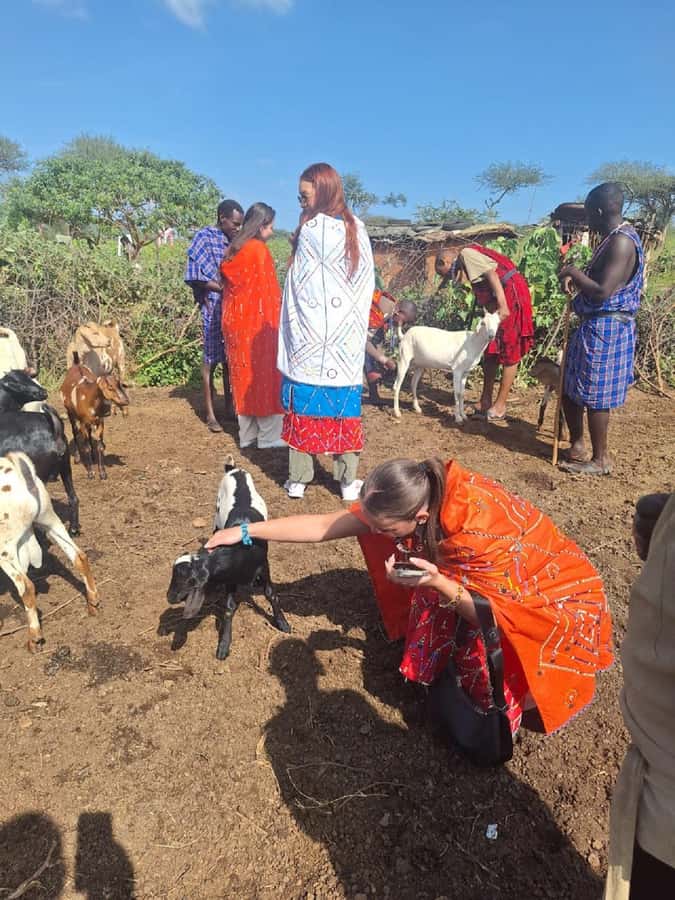
After the welcome, you’ll walk through the homesteads and see a real manyatta. This is where the tour earns its keep, because you’re not only looking at culture, you’re seeing how it’s built into everyday space. You’ll learn how the Maasai build their houses, including the mud and thatch style mentioned in the tour details.
When you walk through a manyatta, look beyond the structures themselves. Notice how the layout supports work and community life. The tour format guides you through what to watch for, but you can also use your senses. Listen to how people interact, watch how activities are organized, and observe how guests are welcomed as part of the conversation.
One practical benefit: the walk is guided, so you’re not left trying to decode everything on your own. If you enjoy cultural context, this section is your chance to ask about daily routines, community ties, and why certain customs continue generation after generation.
A consideration here: because this is a village setting and you’re doing a guided walk, it’s not a “sit and admire” experience. Wear comfortable footwear and plan for uneven ground and some sun depending on the day.
Fire-making demonstration: learning by watching traditional methods
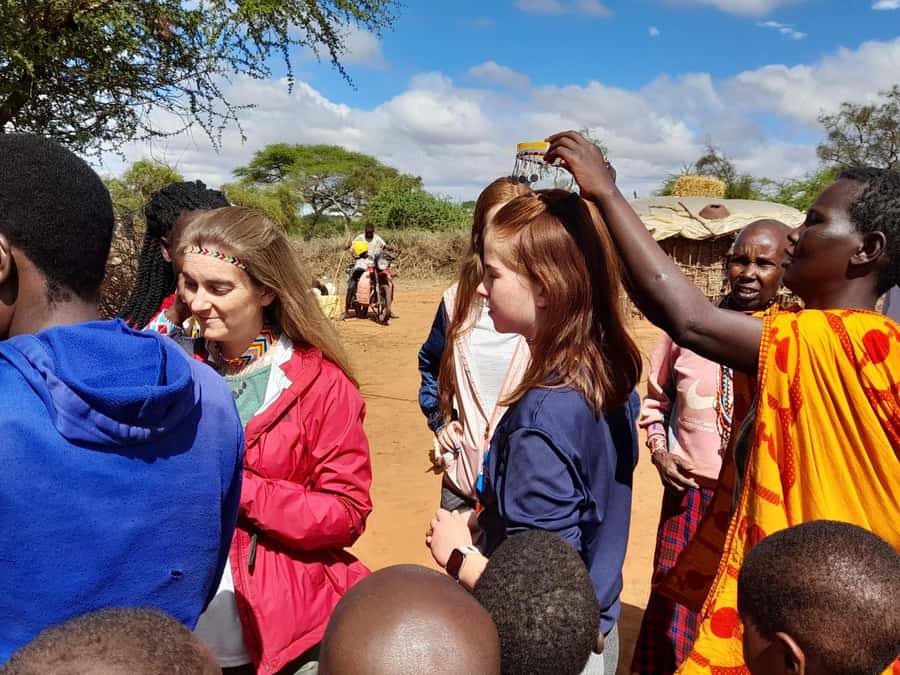
Next comes a traditional fire-making demonstration. This isn’t just a spectacle. It’s a chance to understand how people create heat and cooking power without modern tools, using methods shared across time.
What makes this part worth your attention is the framing. You’ll be guided through the techniques, and you’ll hear about the deeper connection to cattle, nature, and community. That connection matters because it explains why skills like fire-making are more than a party trick. They reflect adaptation to local materials and the rhythms of life around livestock and land.
Try to watch the demo with patience. Traditional techniques can look simple from the outside, but the details are where the story lives. If you can ask a quick question, ask about how long it takes to master or what materials are used. Keep it respectful, because you’re learning from people who have their own privacy and boundaries.
A few more Nairobi days worth pricing up
- Nairobi National Park Half-Day Tour; Free Wi-Fi connection
★ 5.0 · 878 reviews - Nairobi: National Park & Optional Elephants & Giraffe Center
★ 4.8 · 874 reviews - NAI NAMI: Nairobi Storytelling Tour with Street Children
★ 5.0 · 792 reviews - Nairobi National Park Half-Day Game Drive
★ 4.5 · 738 reviews
Maasai women’s beadwork and jewelry: colors that signal identity
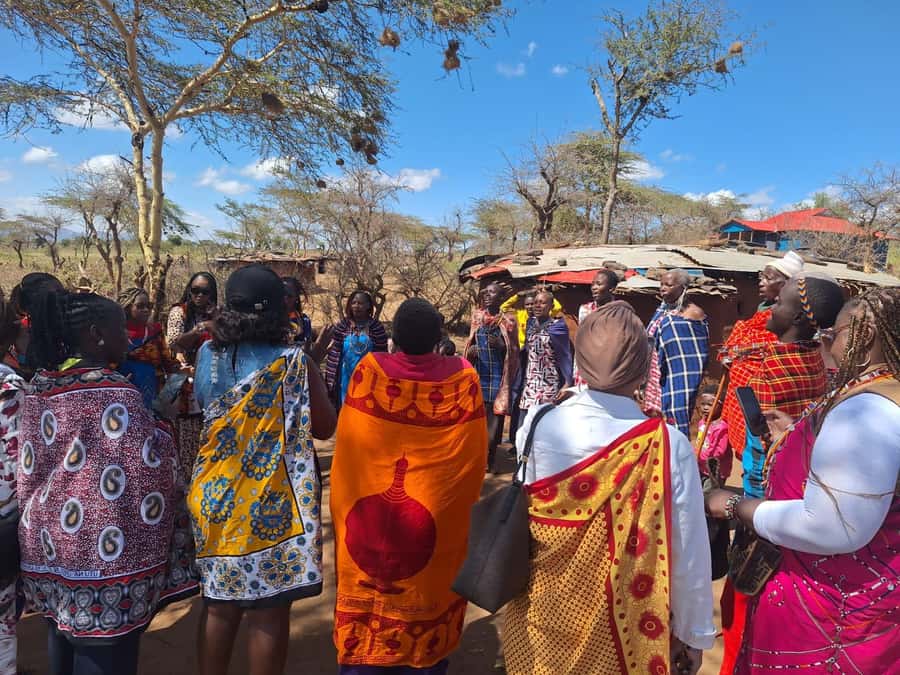
A standout in this experience is the chance to interact with Maasai women and explore handcrafted beadwork and jewelry. The tour highlights that each color carries meaning tied to identity, so you’re not just shopping for souvenirs.
This is one of those travel moments that can easily turn into a sales push if the guide doesn’t manage it well. The good news: the way this tour is described makes room for real interaction and explanation. You’ll browse jewelry while learning how colors function as symbols. That turns a bracelet or necklace into a story you can actually tell later, instead of another item you toss into a drawer.
When you engage, take your time. Ask what a specific color combination represents, and how beadwork is taught or made. If you’re buying, use cash and do it after you understand what the piece stands for. That way, you’re supporting the craft while also getting the meaning behind it.
A practical tip: the tour asks you to bring cash. This is where cash is especially useful, since food, drinks, and the Maasai guide fee are not fully covered, and purchases often happen on-site.
Off-road adventure and scenic views: what the day looks like in motion

You’ll spend time traveling between Nairobi and the village area. The experience includes a scenic drive and off-road adventure on the way, plus scenic views throughout. This matters because the cultural experience starts the moment you leave the city.
Off-road driving can be bumpy, so if you’re sensitive to motion, bring a seatbelt habit and keep expectations realistic. The vehicle is air-conditioned, which helps during the ride, and bottled water keeps you comfortable while you’re waiting for the next segment.
I also think this travel time is a feature, not a waste. It gives you a transition. You move from Nairobi’s urban environment into a landscape where cattle and community shape daily life. That shift makes the welcome and village walk feel more grounded, less like you arrived in a “cultural theme park.”
Price and what you should budget for a 5 to 6 hour trip
The headline price is $50 per person, with a duration of 5 to 6 hours. For that time window, you get an air-conditioned vehicle, bottled water, a driver and guide, and pickup. That’s solid value if you’re doing it from Nairobi without hiring separate transport.
But here’s the budgeting part that trips people up. The tour lists that entry fees and the Maasai guide fee are not included, and it gives a specific figure: $30 per person. Food and drinks are also not included, and alcoholic drinks are available to purchase separately.
So you should plan around $80 per person before meals or any additional purchases. Then add what you want to spend on beadwork or jewelry, since that’s a big part of the interaction. If you’re traveling as a group, the cost is still reasonable, and the guided elements justify paying for a single organized transfer rather than trying to coordinate all the moving parts yourself.
Also note: the tour includes bottled water, which helps, but it does not say lunch is provided. If you get hungry, you’ll want to plan accordingly.
Who this tour fits best, and who might want a different plan
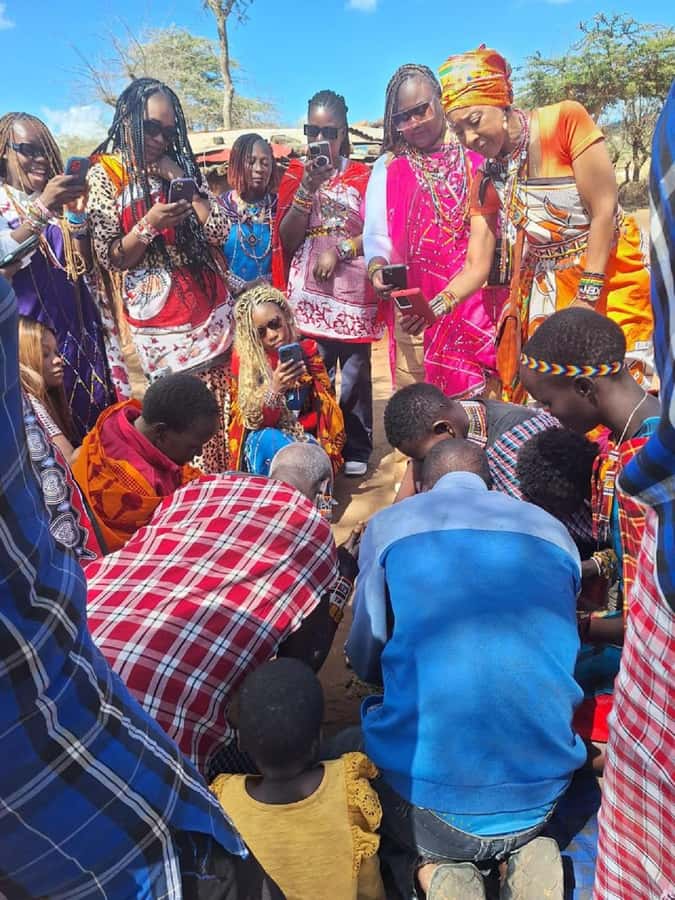
This experience works best for you if:
- You want a cultural visit that includes more than one activity, not just a single photo stop
- You enjoy guided explanation, especially when language is clear
- You like hands-on cultural context, like fire-making and beadwork with meaning
It’s less ideal if you want a fully comfortable, low-movement outing. You’ll be walking through homesteads and you’ll spend time traveling on a vehicle that includes off-road driving. If you’re dealing with mobility limits, the tour states it is wheelchair accessible, but you should still be prepared that you might encounter practical terrain issues depending on where you walk and stand.
It also may not be your top pick if you hate the idea of spending extra cash on-site. Since cash is required and the Maasai guide and entry fees are not included in the $50, you’ll need to budget.
Practical tips that make the experience smoother
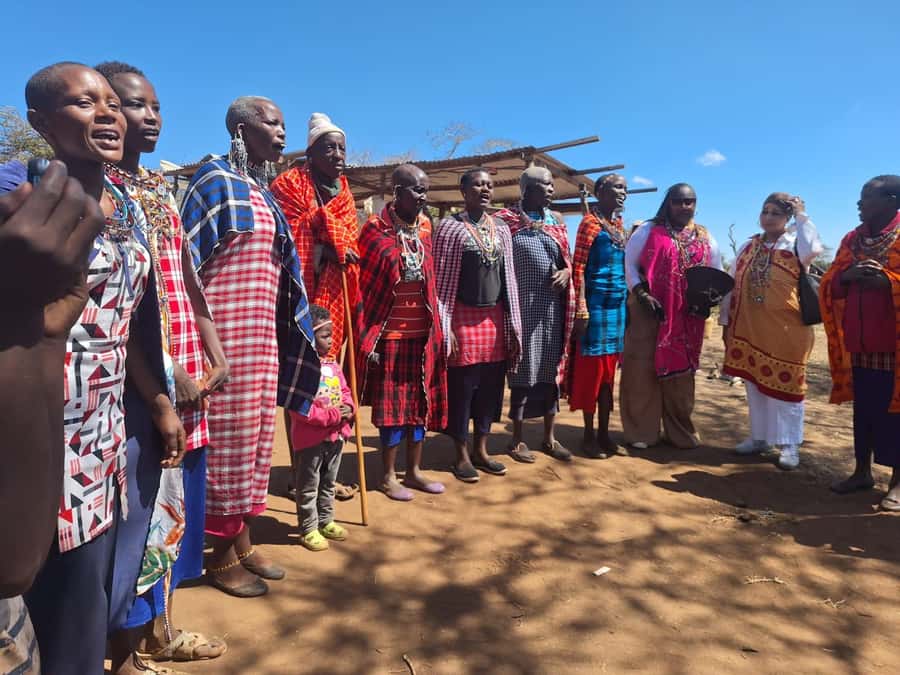
A few simple things help you get the most from the day:
- Bring cash. The tour explicitly says to bring cash, and that’s useful for the $30 per person Maasai guide fee and any on-site purchases.
- Keep your expectations flexible. A village visit is not a museum timeline. You’ll move through segments, but the village welcome, walk, and demonstrations depend on the flow of the day.
- Ask one or two questions instead of many. The best conversations usually happen when you focus. Try questions about what certain customs mean, why bead colors matter, or how fire-making works in practice.
- Wear comfortable shoes. There’s a guided walk through homesteads, plus the reality of outdoor travel.
If you come with that mindset, you’ll leave with more than souvenirs. You’ll have actual context: how homes are built, how traditions are explained, and how artistry communicates identity.
Should you book this Maasai village experience?
If you’re choosing between a quick cultural stop and something with real village interaction, this is the better bet. The combination is what makes it: a Maasai welcome with songs, dances, and adumu, a visit to a real manyatta to learn about mud-thatched houses, a fire-making demonstration, and time with Maasai women for beadwork that goes beyond decoration.
Book it if your priority is meaning and personal interaction, and if you’re comfortable with a guided walk and off-road travel. Skip it or consider a different option if you want food included, dislike extra on-site fees, or want a slow, very comfortable “tour bus only” day.
My call: this is a fair-value, half-day culture visit from Nairobi, as long as you plan for the additional $30 per person Maasai guide and entry fees and bring cash for what you’ll want to buy or pay during the visit.
Newest write-ups from Nairobi
- Visit kibera Slum the chocolate city★ 4.8 · 3 reviews
- 3 days maasai mara migration safari★ 4.5 · 7 reviews
- 4 Days Tour Landcruiser in Masai Mara and Lake Nakuru★ 5.0 · 10 reviews
- 4 Days Safari to Lake Nakuru N/P and Maasai Mara N/R★ 5.0 · 18 reviews
- Day Tour to Nairobi national park, Elephants, and Giraffe Center★ 3.5 · 8 reviews
- Wildebeest Migration in Masai Mara and Sightseeing 4 Days Tour★ 4.5 · 6 reviews
- Maasai Mara Day Trip★ 5.0 · 15 reviews
- Kibera Slum Tour with a Local★ 5.0 · 15 reviews
Maasai Village Visits, compared.

Day Tour to Amboseli National Park & Maasai Village
Read our review →


Day Trip: Amboseli National Park & Maasai Village – Nairobi
Read our review →
Day Trip to Maasai Mara Reserve & Maasai village
Read our review →
3days/2nights group joining Masai Mara with Masai Village Visit
Read our review →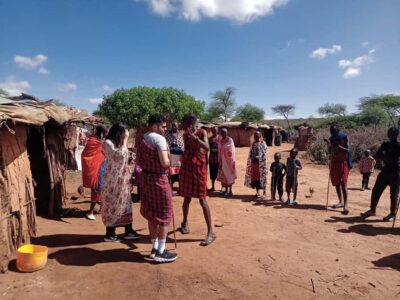
Maasai Village Visit with Traditional Dance Show
Read our review →Browse the lists this tour appears in