
REVIEW · GIRAFFE CENTRE TOURS
Day Tour to Giraffe Center and Karen Blixen Museum
Giraffes and Out of Africa, on one half-day. I love the close-up giraffe feeding at the Giraffe Centre, and I also love how the Karen Blixen Museum turns the Ngong Hills into a real sense of place, not just a story you read. There is one practical catch: with a 4-hour total duration, this is a hop, not a wander, so plan to enjoy quick, focused time at each stop.
If you want to sit with a cup of coffee for an hour at every viewpoint, you might feel a bit rushed. Also, food and drinks are not included, so have a snack plan for the drive between sites.
In This Review
- Key Points You’ll Notice Fast
- First Stop: Giraffe Centre, Where Conservation Gets Personal
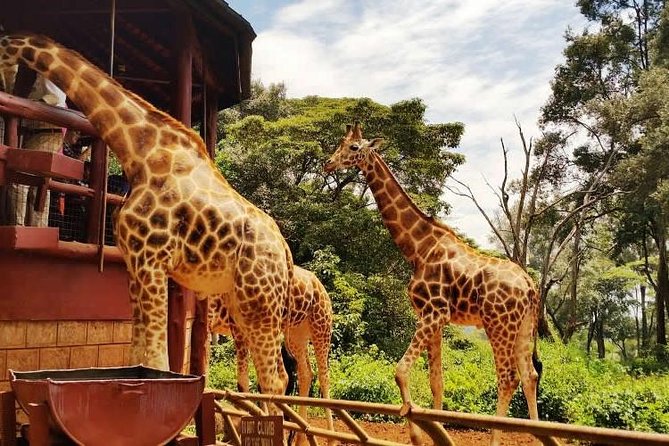
- Feeding Giraffes: The Moment That Makes the Whole Tour Worth It
- A quick reality check before you go
- Getting From the Centre to Karen Blixen’s House
- Karen Blixen Museum: Danish Storytelling With Real Place and Views
- What to look for in the gardens and viewpoints
- The Beads Craft Center Stop: Shopping Handmade Pieces With a Purpose
- How to shop well in a short stop
- How the Tour Flows in 4 Hours (and Why That Pacing Works)
- Transportation and Tour Style: Pop-Up Safari Van, Real Driver-Guide Skills
- Price and Value: What $63 Includes (and What It Doesn’t)
- What to Bring So the Half-Day Feels Easy
- Who This Tour Suits Best
- Should You Book This Tour to Giraffe Centre and Karen Blixen Museum?
- FAQ
- How long is the tour?
- What is included in the price?
- Are food and drinks included?
- What language is the tour guide?
- Do I need an ID or passport?
- Is there free cancellation?
- How much does it cost?
Key Points You’ll Notice Fast
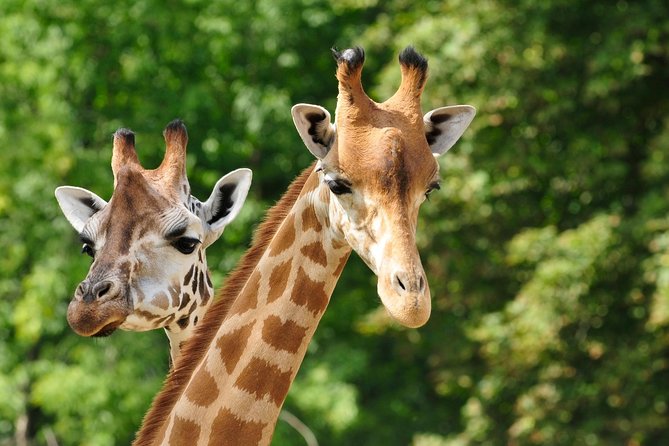
- Feeding the Rothschild giraffes in a controlled, conservation-minded setting
- Karen Blixen’s lived-in house (1917 to 1931) and the famous Ngong Hills outlook from the gardens
- Guided context that connects the wildlife work to the place, not just a checklist of sites
- Beads and crafts stop near the museum, with time to shop original handmade pieces
- English-speaking driver-guide who keeps the day moving smoothly, even when Nairobi traffic gets unpredictable
- Skip-the-ticket-line entry, so you spend more time on giraffes and stories, less time waiting
First Stop: Giraffe Centre, Where Conservation Gets Personal
The day starts with a visit to the Giraffe Centre, a place that is famous for one specific giraffe calf, Daisy Rothschild. What makes the story matter is that Daisy is tied to the Rothschild giraffe, an endangered type of giraffe that needs real protection, not just good intentions.
Here, the focus is practical conservation. The Giraffe Centre is the creation of the African Fund for Endangered Wildlife (A.F.E.W. Kenya), a Kenyan non-profit. Their main mission is two-fold. They educate Kenyan school children and youth about wildlife and the environment, and they give both local and international visitors a meaningful chance to connect with giraffes in a safe way.
I like this approach because it is not just “see an animal.” You’re learning why the animals are under pressure, and you are seeing how people are responding. For you, that means the feeding experience feels less like a ride and more like participation.
More Giraffe Centre visits:
- Nairobi: National Park & Optional Elephants & Giraffe Center
★ 4.8 · 874 reviews - Elephant Orphanage and Giraffe Center Tour with Options
★ 4.5 · 457 reviews - Nairobi National Park, Elephant Orphanage and Giraffe Centre
★ 4.6 · 365 reviews
Feeding Giraffes: The Moment That Makes the Whole Tour Worth It
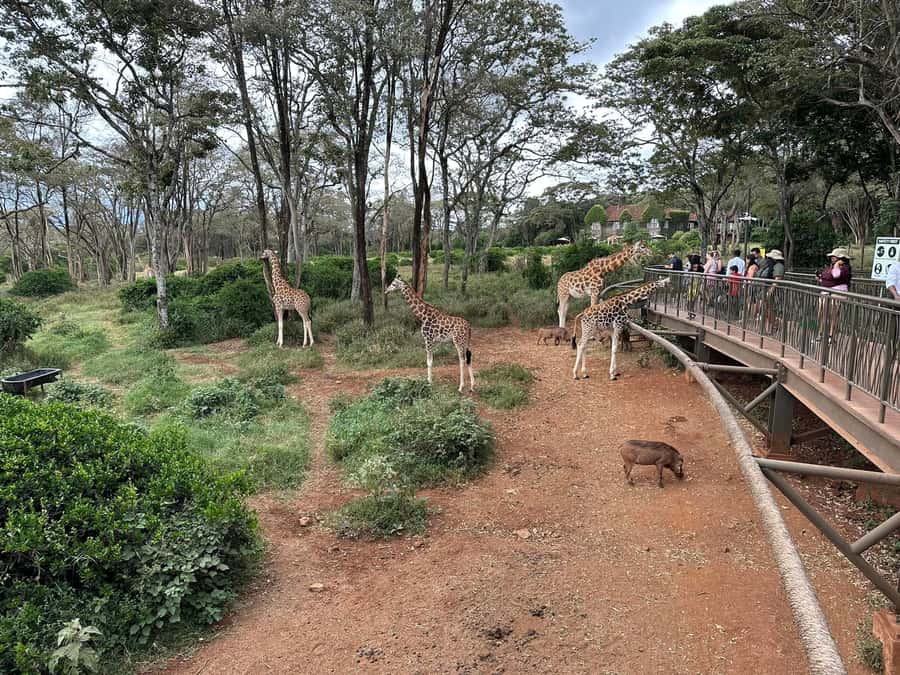
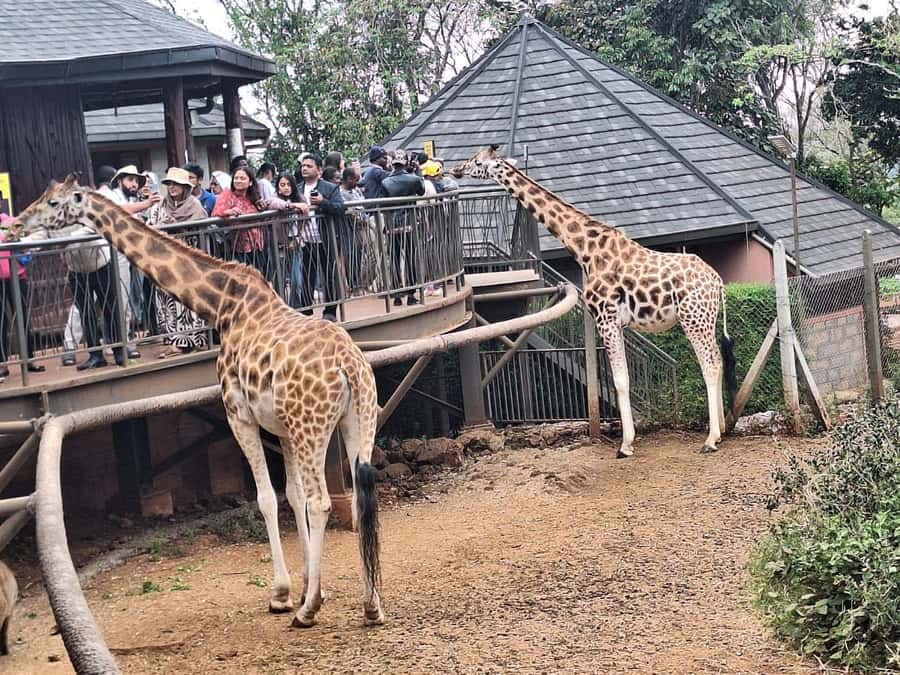
The highlight is right at the start: you get the chance to feed the giraffes. Even if you have seen giraffes in a zoo before, this one is different because the setting is built around conservation education and hands-on visitor interaction.
You’ll likely spend enough time to watch the giraffes calmly approach, then you’ll learn the conservation angle that sits behind the experience. The Rothschild giraffe is not a generic “giraffe.” The tour frames it as a specific endangered species, and that changes how you perceive what you’re looking at. You’re not thinking only about height and spots. You’re thinking about survival, breeding, and habitat pressures.
A quick reality check before you go
Feeding experiences are often the fastest part of the day, because everyone wants that first moment. So if you want a slow, photo-heavy session, keep your camera ready but expect a steady flow through the activity. The upside is that it keeps the day efficient and helps you reach the next stop while energy and daylight are still on your side.
Getting From the Centre to Karen Blixen’s House
After the giraffe stop, you’ll drive to Karen Blixen’s home, made famous through the book and the film Out of Africa. This part of the day is all about shifting gears. Wildlife is one kind of connection. The Blixen house is another, more cultural and emotional, and it is tied to Danish history and storytelling.
In terms of timing, your route is also shaped by real Nairobi-day life. In at least one recent tour experience, the guide planned the order of the three stops to fit the weather. Another guide, Faith, was specifically praised for handling Nairobi traffic with steady confidence. That matters because traffic can turn a short tour into a stress test if the driver does not keep the plan intact.
So if you are nervous about time, know this: a good driver-guide role here is not just driving. It is keeping you on schedule between two very different locations.
More Karen Blixen Museum visits:
- Day tour to Giraffe Center and Karen Blixen Museum
★ 4.5 · 168 reviews - Nairobi National Park,Giraffe Centre, Karen Blixen Museum.
★ 5.0 · 127 reviews - 1 Day Tour Nairobi National Park,Giraffe Center&Karen Blixen
★ 5.0 · 48 reviews - Giraffe Center and Karen Blixen Museum Tour from Nairobi
★ 4.6 · 43 reviews
Karen Blixen Museum: Danish Storytelling With Real Place and Views
Karen Blixen lived in the house from 1917 to 1931. Then she left Kenya after the farm was sold. Today, the home is a museum, and the property plus the surrounding Ngong Hills are part of what made the book and film so memorable.
Why this stop is worth your time is simple. You’re walking through a physical setting that anchors the romance and the history in something you can actually see. The museum experience gives you a way to connect the cultural story to the place where it happened.
What to look for in the gardens and viewpoints
One of the best perks is the garden outlook over the Ngong Hills. This is the kind of view that makes you understand why so many stories set here feel both intimate and big at the same time. The hills create scale, and the gardens soften it. Even if you do not care about romance-as-a-genre, the viewpoint still works as a reminder that Kenya is more than wildlife photos. It is environment, light, and space.
You’ll also want to give yourself a few minutes for small moments, like looking back across the area after the guide explains the historical framing. That is when things start to click.
The Beads Craft Center Stop: Shopping Handmade Pieces With a Purpose
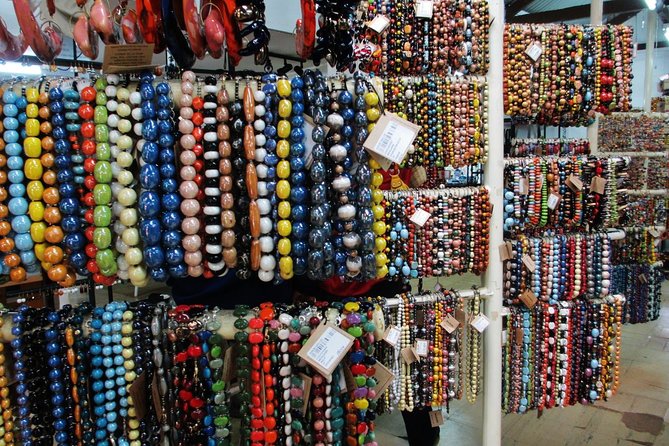
Between the museum focus and the wildlife emotions, there is a more hands-on stop: a beads craft center near the museum. This is where the tour makes time for craft work, and it is also where you can do something simple and useful with your money.
The included plan specifically calls out a visit to Kobe beads factory. You may also encounter the Kazuri Ltd. area nearby, where African women sell items like paintings and necklaces. The key point for you is that these are not generic souvenirs. You are looking for handmade work from local artisans, and you get a chance to browse in person.
How to shop well in a short stop
When you only have limited time, shop smart:
- Start by scanning price ranges before you commit.
- Decide what you want first, then ask questions about materials or the process if your guide or shop staff can explain.
- If you want gifts, look for items that are easy to pack.
Also, expect that handmade can mean different styles. Don’t buy only because it is pretty. Buy because it is something you actually want to live with at home.
How the Tour Flows in 4 Hours (and Why That Pacing Works)
This is a 4-hour half-day tour, and the pacing is part of the value. You get two major experiences that could easily eat up most of a day on your own, plus a craft stop, all in one guided run.
Here is the realistic flow:
- Giraffe Centre first, so you handle the main wildlife moment while the day is fresh.
- Drive to Karen Blixen’s home, where the museum time and the views do the heavy lifting.
- Stop at the beads craft center near the museum to browse and shop while you are already in that area.
The shorter format also means you avoid the “I did everything but remember nothing” problem that comes from trying to do too much on your own. A guide keeps the sequence logical.
One small consideration: because it is short, you should show up ready to move. If you are someone who hates group timing, bring patience. This tour is built for efficient enjoyment.
Transportation and Tour Style: Pop-Up Safari Van, Real Driver-Guide Skills
The tour uses a pop-up safari van. That matters more than it sounds. It is built for comfort on day trips and typically gives better viewing than a regular car. For a wildlife start and a hill-and-garden museum later, that comfort helps.
You also get an English-speaking driver-guide. In a recent experience, the guide Faith was praised for being engaging, answering questions happily, and staying calm while driving through Nairobi traffic. That last part matters because Nairobi traffic can be chaotic. A steady driver means you spend your mental energy on giraffes and history, not stress.
And yes, you get guidance at the key stops. The tour includes guided time at both the Giraffe Centre and the Karen Blixen Museum, which is how you get context without having to read every sign.
Price and Value: What $63 Includes (and What It Doesn’t)
At $63 per person for a 4-hour tour, this one is easiest to judge by what’s bundled in.
Included highlights:
- Pickup and drop-off
- Transportation on the pop-up safari van
- English-speaking driver-guide
- Guided tours at the Giraffe Centre and Karen Blixen Museum
- Entry fees to both sites
- Visit to the beads craft center (Kobe beads factory)
- All government taxes and levies
- Skip-the-ticket-line entry
What is not included:
- Food and drinks
- Personal items
So the value calculation is pretty clear. You are paying for transport, guidance, and entry fees in a short window. If you tried to do this on your own, you would likely spend time and hassle coordinating transport plus paying multiple entry fees plus spending time figuring out what is worth your attention. Here, the guide does that “what matters” work for you.
My advice: think of the cost as paying for convenience plus interpretation. Bring your own snack or plan to buy something nearby if you need it.
What to Bring So the Half-Day Feels Easy
This tour is straightforward, but small preparedness makes it smoother.
- Bring your passport or ID card, since that is specifically required
- Bring your usual day-trip essentials (water bottle, sunscreen, and a hat are often wise, even on shorter tours)
- If you plan to shop, have a payment plan ready so you can buy without scrambling
Wear comfortable shoes. The museum and garden areas can be more pleasant when you are not worrying about footing.
Who This Tour Suits Best
This is a great fit if you want:
- A quick taste of Kenya that mixes wildlife and culture
- Real guided context, not just drop-off and roam
- A chance to feed giraffes with conservation framing
- Time to shop handmade beads and crafts without turning it into a long shopping day
It might be less ideal if:
- You want a slow, unstructured day with long stops
- You dislike moving between multiple locations in a short window
- You want food included, since drinks and meals are not part of the package
Should You Book This Tour to Giraffe Centre and Karen Blixen Museum?
I’d book it if you are the kind of traveler who likes variety but still wants your time respected. This tour covers two heavy hitters in Kenya in just 4 hours: giraffe conservation at the Giraffe Centre and Karen Blixen’s history at her museum home, plus a beads stop where you can browse real handmade crafts.
If you’re short on time but want a day that feels meaningful rather than rushed, this is one of the better ways to do it. Just come ready for a fast pace, and plan ahead for snacks since food is not included.
FAQ
How long is the tour?
The tour duration is 4 hours.
What is included in the price?
The price includes pickup and drop-off, transportation on a pop-up safari van, services of an English speaking driver-guide, guided tour of the Giraffe Centre and the Karen Blixen Museum, government taxes and levies, visit to Kobe beads factory, entry fees to the Giraffe Centre, and entry fees to the Karen Blixen Museum.
Are food and drinks included?
No. Food and drinks are not included.
What language is the tour guide?
The tour is guided in English.
Do I need an ID or passport?
Yes. You should bring your passport or ID card.
Is there free cancellation?
Yes. You can cancel up to 24 hours in advance for a full refund.
How much does it cost?
It costs $63 per person.
More Museums in Nairobi
- Nairobi National Park, Giraffe Center & Karen Blixen Museum
★ 4.5 · 42 reviews - Nairobi 3 Museums and Bomas of Kenya day tour.
★ 5.0 · 10 reviews - Karen Blixen Museum & Giraffe Centre Half day tour
★ 5.0 · 10 reviews - Karen Blixen Museum, Beads craft and Giraffe Day tour
★ 5.0 · 9 reviews
Newest write-ups from Nairobi
- Visit kibera Slum the chocolate city★ 4.8 · 3 reviews
- 3 days maasai mara migration safari★ 4.5 · 7 reviews
- 4 Days Tour Landcruiser in Masai Mara and Lake Nakuru★ 5.0 · 10 reviews
- 4 Days Safari to Lake Nakuru N/P and Maasai Mara N/R★ 5.0 · 18 reviews
- Wildebeest Migration in Masai Mara and Sightseeing 4 Days Tour★ 4.5 · 6 reviews
- Maasai Mara Day Trip★ 5.0 · 15 reviews
- Day Tour to Nairobi national park, Elephants, and Giraffe Center★ 3.5 · 8 reviews
- Kibera Slum Tour with a Local★ 5.0 · 15 reviews
Giraffe Centre Tours, compared.
National Park & Optional Elephants & Giraffe Center
Read our review →Elephant Orphanage and Giraffe Center Tour with Options
Read our review →
Nairobi National Park, Elephant Orphanage and Giraffe Centre
Read our review →
Tour: Giraffe Center and Nairobi National Park
Read our review →


Day tour to Giraffe Center and Karen Blixen Museum
Read our review →Browse the lists this tour appears in