

REVIEW · ELEPHANT ORPHANAGE TOURS
David Sheldrick Elephant Orphanage Half-Day Tour in Nairobi
If you love animals, this is a morning mission for your heart. You come straight to the David Sheldrick Wildlife Trust for the daily routine, where keepers bring out very young rescued elephants to bottle-feed, play, and get gentle attention. I like that the tour is focused, so you are not bouncing around Nairobi all day, and you get real time to watch the elephants instead.
Two things I also really like: hotel pickup and drop-off make the day simple, and a professional guide helps connect what you see to the bigger conservation picture. One consideration: the Nairobi National Park entry fee is extra at $45 per person, and it is mandatory to access the site, so your total cost is higher than the headline price.
In This Review
- The feel of the half-day: structured, strict, and worth it
- Key Highlights You Should Know Before You Go
- Your Half-Day at Sheldrick Wildlife Trust, what it feels like
- Hotel pickup at 9:30 AM, and why the drive time matters
- Inside the fenced viewing area: bottle-feeding and playtime
- How long is it really, and what a 4-hour half-day includes
- Price and logistics: $75 plus a mandatory park entry fee
- Guides, group size, and why it affects your view
- Etiquette and viewing tips for the rope-fenced feeding area
- What you learn here: threats, rescue stories, and conservation care
- Support options: why people leave wanting to help
- Optional add-ons you might encounter, like a bead factory stop
- Is this the right Nairobi activity for you?
- Should You Book the David Sheldrick Elephant Orphanage Half-Day Tour?
- FAQ
- How long is the David Sheldrick Elephant Orphanage half-day tour?
- What time is hotel pickup?
- Is the admission ticket included?
- Do I have to pay extra for Nairobi National Park?
- Does the tour include hotel pickup and drop-off?
- Are drinks or food included?
- What is the maximum group size?
- Can children join the tour?
- What is the cancellation policy?
The feel of the half-day: structured, strict, and worth it
This is a 4 hour half-day built around a narrow visiting window. You will be brought into the Trust area during the walk-through period, with a rope fence keeping visitors at a safe viewing distance while the keepers handle the babies close up. It can be busy during feeding time, so your best odds for great viewing are arriving early for your assigned spot and listening to your guide.
Key Highlights You Should Know Before You Go
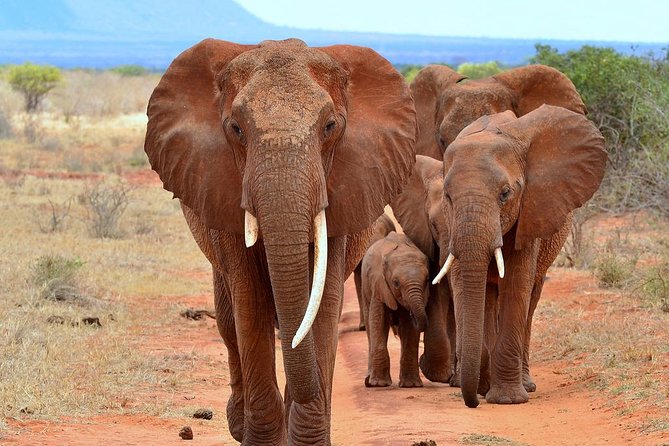
- Bottle-feeding at the daily routine, with keepers on hand to guide each young elephant
- Nairobi National Park access is required, and the $45 per person park fee is payable separately
- Small group size (up to 7), which helps you actually see what is happening
- Focused itinerary, no long chain of stops, so your time stays with the elephants
- Support options on site, including stories that visitors describe as adoption-based support
- A guide who matters, with people mentioning guides like Patrick and Stephen getting groups into strong viewing positions
More elephant orphanage visits:
- Elephant Orphanage and Giraffe Center Tour with Options
★ 4.5 · 457 reviews - Nairobi National Park, Elephant Orphanage and Giraffe Centre
★ 4.6 · 365 reviews - From Nairobi: Elephant Orphanage and Giraffe Center Day Trip
★ 4.5 · 235 reviews
Your Half-Day at Sheldrick Wildlife Trust, what it feels like
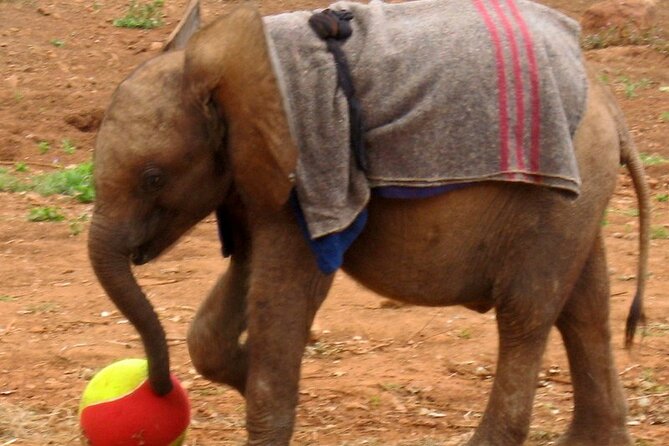
The David Sheldrick Elephant Orphanage experience is one of those Nairobi activities that hits fast. You are not wandering a massive park with wildlife sightings that could happen or not. Instead, the day is built around a known event: the arrival of very young elephants for keepers, feeding, and play.
That structure changes your whole mindset as a visitor. You can relax into watching, not scrambling for luck. The tradeoff is that everything is tied to timing. If you show up late, you miss part of the action. So think of this tour less like sightseeing and more like getting a front-row seat to a daily care routine.
You also get a human story with the wildlife. The keepers share details about each elephant, including how old they were when they arrived and where they were rescued from. You do not have to be an elephant expert to understand what you are seeing. The routine explains it for you.
Hotel pickup at 9:30 AM, and why the drive time matters
Your day starts with pickup from your hotel or home in Nairobi at 9:30 AM. From there, you are driven to the Trust inside Nairobi National Park. The schedule matters because the walking viewing time you get inside the center runs roughly 11:00 AM to 12:00 PM.
Even if the half-day sounds short, you should plan for traffic and the gates. People mention the importance of getting there early, especially for position near the viewing area. One featured experience credited a guide named Patrick for being timely and getting the group into a good location. That advice is simple: treat the morning like a timed appointment, not a casual stroll.
On top of that, Nairobi National Park access requires that extra entry fee. While the tour includes the Trust admission ticket, you will still need to budget for the park component. If you are the type who hates surprises, keep your payments ready and keep your documents handy.
Inside the fenced viewing area: bottle-feeding and playtime
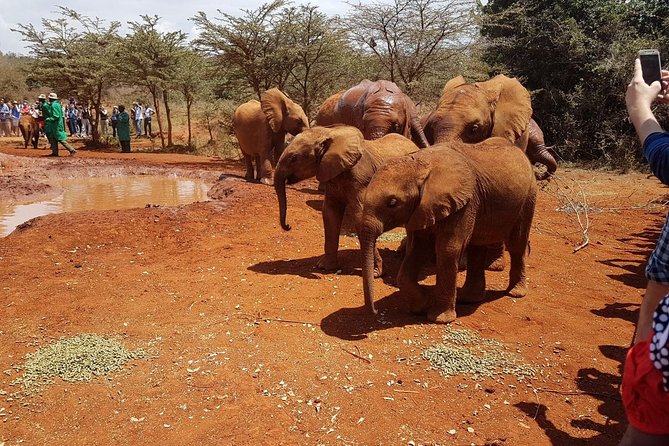
Once you arrive, you walk through the little center in an open viewing space with a rope fence around the area. The physical setup is part of the point. It keeps a safe distance between visitors and elephants while still letting you see very close details, like how the babies approach, how keepers hold bottles, and how the elephants respond to touch.
Here is what the core window looks like.
First, the youngest elephants trot out of the bush to meet their keepers. Then keepers stand ready with giant bottles of milk. You typically watch the babies feed for about 10 to 15 minutes. This is the heart of the visit. The sound and movement are what people remember, the way each youngster slurps, swallows, and then resets for the next moment.
After feeding, the routine shifts to water play. Visitors get to watch the elephants move, splash, and interact, while keepers nudge them gently and encourage play and cuddles. It is a surprisingly emotional transition, from the seriousness of feeding to the easy joy of playtime.
And yes, you will want photos, but do not turn into a camera robot. Watch for the rhythm. When the elephants move, the best photo angles change fast, and your view will be better if you alternate between filming and really looking.
Your guide also helps translate the experience. You are likely to hear how old the orphans were when they arrived at the orphanage and what rescue circumstances brought them in. You also learn about threats to Kenya’s elephant population, so the visit is not just cute baby elephants. It has a conservation spine.
A few more Nairobi days worth pricing up
- Nairobi National Park Half-Day Tour; Free Wi-Fi connection
★ 5.0 · 878 reviews - Nairobi: National Park & Optional Elephants & Giraffe Center
★ 4.8 · 874 reviews - NAI NAMI: Nairobi Storytelling Tour with Street Children
★ 5.0 · 792 reviews - Nairobi National Park Half-Day Game Drive
★ 4.5 · 738 reviews
How long is it really, and what a 4-hour half-day includes
The tour is listed as about 4 hours. In practice, that usually means you are combining driving time with the viewing walk-through window, plus pickup and drop-off.
Inside the Trust, the meaningful part centers on that roughly one hour slot from 11:00 AM to 12:00 PM. The elephant activity itself happens in that timeframe, and the tour is organized so you arrive in time for the daily feeding and the next wave of activity afterward.
Outside of that, the tour is intentionally simple. There is no long list of detours. Your day stays focused on the elephants at Sheldrick.
What that means for you is a clean schedule. If you want to add this onto another Nairobi plan, you can often do it without losing an entire day. You just need to respect the morning start time, because everything depends on being there when the routine begins.
Price and logistics: $75 plus a mandatory park entry fee
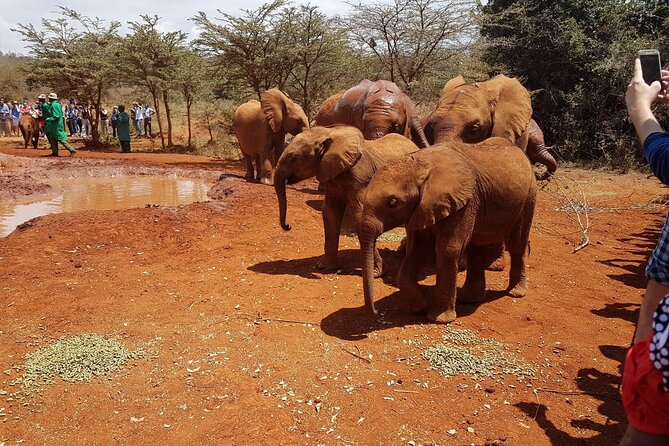
Let’s talk value in plain terms. The tour price is $75 per person, but Nairobi National Park entry is extra $45 per person and is mandatory to access the orphanage site. That means your true total is closer to $120 per person before any optional purchases like souvenir photos.
Is it overpriced? It depends on what you want.
If you want a guaranteed, structured elephant encounter with close viewing during feeding time and a guide who explains what you are seeing, the price can feel justified. You are not paying for a maybe. You are paying for a scheduled window and a care-focused visit.
If you are cost-sensitive, the park fee is the part you must understand up front. People have also noted that on-site payments can feel confusing if you are not prepared, so I recommend being clear about what is already included. The Trust admission ticket is included, but the park entry is not.
Also pack the basics. Drinks and food are not included. Bring water, and if you are doing this first thing in the day, plan to eat after.
Guides, group size, and why it affects your view
This tour runs with a maximum of 7 travelers. That small group size is not a luxury detail. It changes how crowded the viewing space feels and how easily your guide can position people for the best sight lines.
Your guide is included, and this is where the experience can swing from good to great. Several visitors call out guide quality directly. People mention guides like Patrick and Stephen helping secure a good position early. Others emphasize that the care routine itself is powerful, but your viewing experience improves when someone knows how the space works.
One more note from real-world accounts: quality can depend on timing, ticketing clarity, and driver coordination. There are reports of confusion around park entry and ticket handling, plus at least one complaint about how a driver handled return logistics for a solo traveler. None of that changes the value of the elephants, but it does mean you should stay alert and keep your plans straightforward. If you are traveling on a tight schedule later the same day, do not book a fragile connection right after pickup time.
Etiquette and viewing tips for the rope-fenced feeding area
The most important etiquette is also the easiest: follow the guide’s instructions and stay within the viewing rules. The elephants are close enough to be thrilling, but the rope fence exists for a reason. Keep movement calm. Avoid leaning over railings. And do not block other people’s sight lines with big gestures.
A few practical habits will help you enjoy the time more:
- Arrive early for your assigned spot, since feeding time is the peak window.
- Plan your phone settings before feeding starts, because the elephants move fast.
- Watch first, then shoot. If you spend the whole window filming, you might miss the moments that make it special.
Also, recognize that the Trust is strict about visiting hours. People have mentioned that visiting windows are enforced, and that strictness can actually protect the experience. It keeps the caretaking routine smooth and helps prevent visitors from drifting into areas they should not enter.
What you learn here: threats, rescue stories, and conservation care
The best part of this tour is not just seeing baby elephants. It is seeing why they are there and what care can do.
During the walk-through, you hear about threats facing Kenya’s elephant population. That adds context to the word orphanage. These are elephants rescued and rehabilitated, and the center’s work is tied to a larger effort to protect elephants and the habitats they depend on.
You also learn the basics of how keepers care for very young elephants in a human-managed setting. Bottle-feeding is the headline, but the routine includes attention, nudges, and gentle interaction that supports calm behavior and health. You can see the structure behind the cuteness.
Visitors who describe the experience as educational often point to the storytelling, including the names and backgrounds of the orphans. While you should not assume every detail will be the same each day, the guide-led explanations are a core part of why the visit feels meaningful.
Support options: why people leave wanting to help
A lot of people go to Sheldrick hoping to do more than watch. In accounts of the visit, some visitors mention adopting an elephant as a way to support the work. Even if you are not planning to adopt, the emotional pull is real once you connect each elephant to a rescue story and then watch the care routine unfold.
This is where the value can go beyond your ticket. Your money supports conservation work through the Trust’s care and broader programs. And because this is a daily routine built around feeding and care, your contribution feels tied to real actions happening every day.
Just remember: food and drinks are not included. If you want a longer meal afterward, build time for it.
Optional add-ons you might encounter, like a bead factory stop
While the experience you book is focused on the orphanage itself, some day plans can include extra stops. At least a few people mention a stop at a bead factory on their route. The comments describe it as better than a typical souvenir stand, but it was not necessarily highlighted in the basic description.
If you want extra craft shopping, that optional stop can be a nice bonus. If you prefer a pure elephant-only route, ask your guide or double-check your day schedule when you confirm the tour. Keep your expectations aligned with the main event.
Is this the right Nairobi activity for you?
This is a great fit if you want one of these two things:
1) A guaranteed, structured elephant experience at a set time
2) A conservation-focused visit where the care routine is explained, not just shown
It is also a good fit if you are short on time. The half-day format lets you add Sheldrick without giving up an entire day.
You should think twice if you hate crowds during timed animal feeding events. The rope-fenced viewing area can get busy because the visit is concentrated around a daily schedule. You also need to be comfortable with extra mandatory costs at the park gate. If you prefer tours with fully transparent all-in pricing, budget the park entry fee from the start.
This tour can work for most visitors, and children must be accompanied by an adult. If you have mobility challenges, the provided details do not specify accessibility. I would ask the operator directly before booking if that matters for you.
Should You Book the David Sheldrick Elephant Orphanage Half-Day Tour?
I think you should book this if you want a focused, morning-timed encounter with very young elephants, plus a guide-led explanation of conservation and threats to elephants. The small group size and the way the day is organized around feeding time make it feel practical, not random.
Only book it with your eyes open to two things: the mandatory Nairobi National Park entry fee of $45 per person, and the fact that visiting hours are strict, so plan to be on time for the best viewing.
If you want an unforgettable Nairobi morning that is directly tied to elephant rescue and care, this is one of the strongest half-day choices in the city.
FAQ
How long is the David Sheldrick Elephant Orphanage half-day tour?
The tour lasts about 4 hours (approx.).
What time is hotel pickup?
Pickup starts at 9:30 AM.
Is the admission ticket included?
Yes, the admission ticket for the Trust is included.
Do I have to pay extra for Nairobi National Park?
Yes. You must pay an additional $45 per person for Nairobi National Park access, and it is mandatory to access the elephant orphanage.
Does the tour include hotel pickup and drop-off?
Yes, hotel pickup and drop-off are included.
Are drinks or food included?
No. Drinks and food are not included.
What is the maximum group size?
The group size is capped at a maximum of 7 travelers.
Can children join the tour?
Children must be accompanied by an adult.
What is the cancellation policy?
Free cancellation is available if you cancel up to 24 hours in advance for a full refund. If you cancel less than 24 hours before the start time, the amount paid will not be refunded.
Newest write-ups from Nairobi
- Visit kibera Slum the chocolate city★ 4.8 · 3 reviews
- 3 days maasai mara migration safari★ 4.5 · 7 reviews
- 4 Days Tour Landcruiser in Masai Mara and Lake Nakuru★ 5.0 · 10 reviews
- 4 Days Safari to Lake Nakuru N/P and Maasai Mara N/R★ 5.0 · 18 reviews
- Wildebeest Migration in Masai Mara and Sightseeing 4 Days Tour★ 4.5 · 6 reviews
- Maasai Mara Day Trip★ 5.0 · 15 reviews
- Day Tour to Nairobi national park, Elephants, and Giraffe Center★ 3.5 · 8 reviews
- Kibera Slum Tour with a Local★ 5.0 · 15 reviews
Elephant Orphanage Tours, compared.
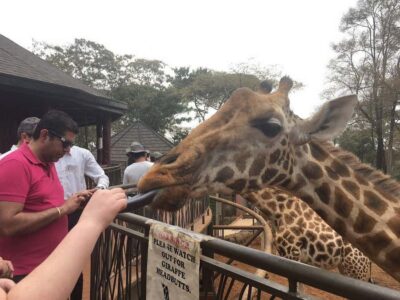
Elephant Orphanage and Giraffe Center Tour with Options
Read our review →
Nairobi National Park, Elephant Orphanage and Giraffe Centre
Read our review →

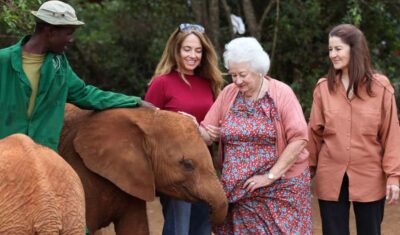

Half day tour to Elephant orphanage & Giraffe Centre Nairobi
Read our review →
National Park, Elephant Orphanage & Giraffe Center
Read our review →
Giraffe Centre, Elephant Orphanage, and Bomas of Kenya Day Tour from Nairobi
Read our review →Browse the lists this tour appears in