REVIEW · NAIROBI TOURS
Cook and enjoy African meals with Moreen
Food and stories start at the market. That is exactly how this Nairobi day with Moreen Imari works, with you choosing ingredients and then cooking Kenyan favorites in a warm home setting. I love the hands-on market shopping part, and I also love the family-style welcome that makes the cooking feel relaxed, not staged.
You meet in Nairobi, ride to a local market (Kayole is mentioned), pick what you want for your meal, then head to Moreen’s home to cook and eat together. One thing to consider: this is not set up for wheelchairs or limited mobility, and you should be ready for some walking and time in a home kitchen.
In This Review
- Key highlights that make this experience worth your time
- Meeting Moreen in Nairobi, then heading straight to the market
- Shopping for Kenyan ingredients, Kayole-style
- The car ride matters more than you think
- Cooking at Moreen’s home: a classroom that feels like family
- What you’ll cook: Ugali, Pilau, Sukuma wiki, and chapati
- Ugali
- Pilau
- Sukuma wiki
- Chapati
- Eating together at the table, soda and water included
- What I love most: three details that make it feel authentic
- Price and value: is $59 per person fair?
- The rules that keep things smooth and respectful
- Language and communication: English and Swahili support
- Who this is best for, and who should skip it
- Tips to get the most out of your day
- Should you book Cook and enjoy African meals with Moreen?
- FAQ
- Where does this experience take place?
- What is the price?
- What does the day include besides cooking?
- Is transportation included?
- What dishes can I expect to cook?
- Can the host accommodate special requests?
- What languages are used?
- Is it suitable for wheelchair users or mobility impairments?
- Are there age limits?
- Are there any rules I should know about?
Key highlights that make this experience worth your time
Market shopping with your host, so you pick ingredients, not pre-set items.
Homely cooking at Moreen Imari’s home, with food eaten at the table together.
Learn why dishes work, with simple history and ingredient origin explained during prep.
A menu that can include Ugali, Pilau, Sukuma wiki, and chapati.
Clear comfort rules, including no smoking indoors and no sharp objects or weapons.
English and Swahili support from a lively host and family.
Meeting Moreen in Nairobi, then heading straight to the market

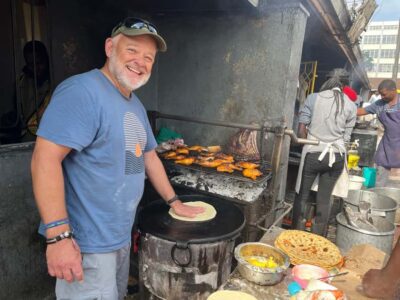
This day starts with you meeting Moreen in Nairobi at a central location, near where the local action begins. From there, you go by car to the local market, where the whole rhythm of Kenyan cooking becomes real fast. You are not just looking at food, you are selecting it.
What I like about this setup is how it turns your meal into something personal. Instead of arriving hungry and being handed a plate, you get to understand what ingredients matter and why, because you choose them. That choice also helps you ask questions on the spot, which makes the cooking part much easier later.
One practical detail to plan for: you are likely to spend time walking through market aisles and handling ingredients. If you are carrying a camera, keep it secure. Markets are not formal spaces, and you will be moving with people and bags.
A few more Nairobi days worth pricing up
- Nairobi National Park Half-Day Tour; Free Wi-Fi connection
★ 5.0 · 878 reviews - Nairobi: National Park & Optional Elephants & Giraffe Center
★ 4.8 · 874 reviews - NAI NAMI: Nairobi Storytelling Tour with Street Children
★ 5.0 · 792 reviews
Shopping for Kenyan ingredients, Kayole-style
At the market, you shop for the ingredients needed for the meal. One review specifically calls out the Kayole district market in Nairobi, which gives you a sense of the real neighborhood environment you will be stepping into. Expect fresh produce and the kind of ingredient variety that makes Kenyan dishes feel flexible and satisfying.
Here is the value you get from shopping first. Kenyan cooking often depends on building flavor step by step, not relying on one fancy ingredient. When you pick greens for sukuma wiki or choose staples for ugali, you start seeing how the meal comes together. It also helps you understand how each ingredient behaves in cooking, like what greens do when they soften and what starch does when it thickens.
If you have any dietary needs, ask early. The host is described as happy to accommodate special requests for the meal, but you should still communicate your needs clearly when you meet her.
The car ride matters more than you think

After the market, you head to Moreen’s home. That short transition is useful because it gives you a mental reset from the market chaos to a calmer cooking pace.
Transportation is not included in the price, so be sure you are ready to meet at the agreed point. If you are staying in Nairobi, double-check your directions the day before. In real life, Nairobi traffic can change timing fast, and you do not want to be late when the market time is part of the experience.
Cooking at Moreen’s home: a classroom that feels like family
Once you arrive at the house, the mood shifts from market shopping mode to cooking mode. This is where you see what people mean by homely environment. The kitchen setting is warm and lived-in, and the meal is planned to be shared, not eaten alone in a hurry.
Moreen is described as lively, and her family is part of the welcome. That matters. When the people teaching you are relaxed, you relax too, and you end up learning more. Even if you have cooked before, a Kenyan home kitchen is a different world from a restaurant kitchen.
During cooking, Moreen also shares history about the food. You get the “why” behind what you are doing, not just the steps. That is the difference between copying a recipe and actually understanding it.
Same trip, a different part of the country:
- Nairobi National Park Half-Day Game Drive
★ 4.5 · 738 reviews - Nairobi: Historic and Modern Highlights Walking Tour
★ 4.8 · 703 reviews - Safari Tour; Nairobi National Park
★ 4.5 · 594 reviews - 3 Days Masai Mara Group Joining
★ 5.0 · 486 reviews
What you’ll cook: Ugali, Pilau, Sukuma wiki, and chapati
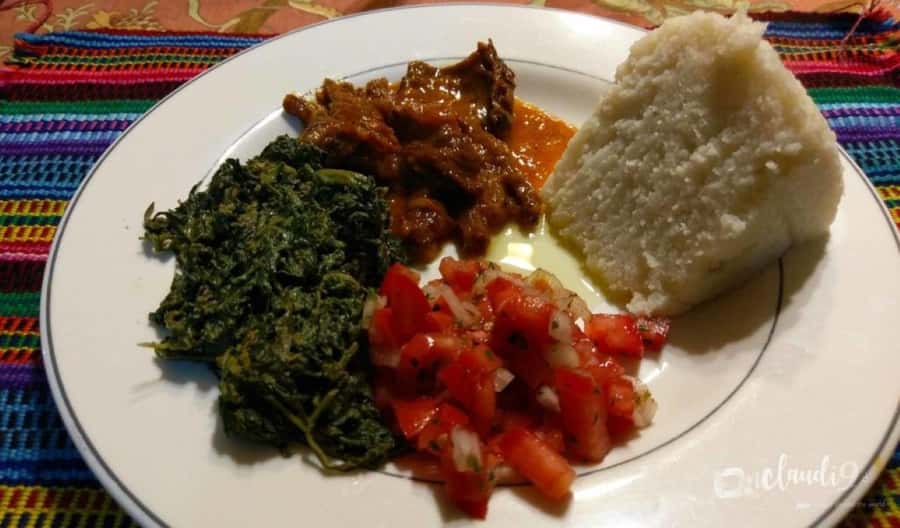
The menu can vary based on what you pick and the meal plan, but examples include Ugali, Pilau, Sukuma wiki, and chapati. That mix is great for a first Kenyan meal because it covers different roles on the plate: a staple base, a spiced rice dish, a vegetable side, and a bread component.
Ugali
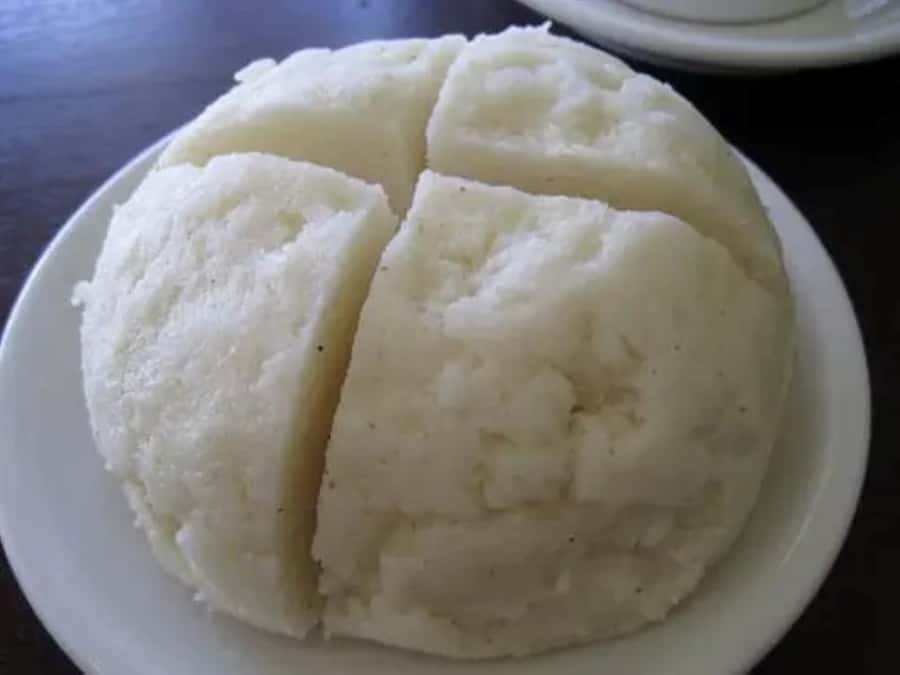
Ugali is a key staple in many Kenyan meals. The learning moment here is watching how it thickens and sets, and how it behaves as a base you eat with other dishes. If you have never worked with a stiff starch before, ask questions during prep. It is one of those foods where timing and technique matter.
Pilau
Pilau brings the spice story. You will get to see how rice becomes fragrant and flavorful. Even if you do not remember every ingredient, you will remember the feeling of the aroma changing as cooking progresses.
Sukuma wiki
Sukuma wiki is the greens moment. This is where you learn how vegetables soften and absorb seasonings. If you are a greens skeptic, this is a good place to get converted, because cooking style affects taste and texture a lot.
Chapati
Chapati is where you get hands-on with bread making. The best part is that it turns the meal into a full experience. You are not just watching, you are participating in the parts that make Kenyan food feel complete.
One more bonus: the host is said to accommodate special requests for the meal. So if there is a dish you want included, it is worth asking.
Eating together at the table, soda and water included
After cooking comes the part everyone cares about: eating. You sit down and enjoy the meal together at the dining table at Moreen’s home. That shared table feel is one of the biggest reasons this experience lands well with people. It is not a “tourist bite and run” setup.
Included with the class are soda, fruits, and water. That means you can focus on enjoying the day without constantly budgeting for drinks. It also helps you stay comfortable during the cooking session.
Practical note: you will likely eat a substantial meal. If you are planning dinner later the same day, consider going light afterward.
What I love most: three details that make it feel authentic
This is the kind of experience where the small choices add up. Here are the aspects that most strongly shape the day’s value.
First, you start by shopping for ingredients with Moreen. That step connects your meal to the real food system, and you learn faster because you have seen and handled what you are cooking.
Second, the home setting is described as homely, and the family interaction is a big part of the welcome. You do not feel like you are performing for a class. You feel like you are joining in.
Third, the food itself is described as delicious across multiple examples, with dishes like ugali, pilau, sukuma wiki, and chapati showing up in the menu plan. That matters because learning is better when the result tastes great.
Price and value: is $59 per person fair?
$59 per person is the full price. Since transportation is not included, your value calculation depends on how you will get to the meeting point and whether you need additional travel time. Still, the price looks fair when you break down what is included: local host services, the cooking lessons, soda, fruits, water, plus the shopping and meal prep experience.
You are paying for more than food. You are paying for a guided day that combines market selection, cooking instruction, and a real meal shared in a home setting. In Nairobi, that combination costs less than many “food tour” experiences that only provide tastings and short stops.
If you like learning through doing, $59 is a solid deal. If you only want a quick restaurant meal with no shopping and no cooking, then this may feel like extra effort.
The rules that keep things smooth and respectful
The experience includes a few clear boundaries: no weapons or sharp objects, no smoking indoors, and no explosive substances. These rules are there to keep the home environment safe and respectful.
For you, the practical takeaway is simple: plan to travel with a normal, low-risk day bag. Leave anything sharp or not-needed at your hotel. If you are a smoker, assume you cannot smoke inside and follow any host guidance for where smoking is allowed, if at all.
Language and communication: English and Swahili support
Moreen’s team supports English and Swahili. That helps you get answers without guesswork. When you cook, you will want to ask questions about ingredients, timing, and technique. Having language support makes those questions easier, and you will get more out of the lesson.
If you are comfortable with basic Swahili, a few words can go a long way. Even without it, you can still ask direct questions in English and follow instructions during prep.
Who this is best for, and who should skip it
This is ideal if you:
- Want a true Nairobi food experience, not just a meal
- Like learning by shopping and cooking
- Enjoy chatting with a host and sharing a table
- Are excited by Kenyan staples like ugali and vegetable sides like sukuma wiki
It is not suitable for people with mobility impairments or wheelchair users. It is also not suitable for people over 95 years, and it is not suitable for people over 70 years. If any of those apply to you or your group, you should look for a different type of food tour with accessible pacing.
If you are traveling with kids, consider your child’s ability to handle market walking and kitchen heat. The data does not specify age guidance for children, so this is one area where you should double-check with the provider before booking.
Tips to get the most out of your day
Here are practical steps that make the day smoother, based on how the experience is set up.
1) Show up ready to shop
Wear comfortable shoes and clothes you can cook in. You will likely handle ingredients and move between market and home.
2) Ask what you are buying and why
Since Moreen explains history and ingredient origins during prep, ask about one ingredient you are unsure about. You will remember it later when you try the dish at home.
3) Don’t overpack your plans
You have a full-day cooking and eating session. Build your schedule so you can relax afterward.
4) Bring your appetite
You will cook multiple dishes and then eat together. If you plan a tasting crawl later, you may not be at your best.
Should you book Cook and enjoy African meals with Moreen?
If you want a Kenyan cooking day that feels personal, this is a strong pick. The best reasons are practical: you shop for ingredients with Moreen Imari, cook a real Kenyan meal at her home, and eat together as part of the family-style experience. The dishes mentioned, including ugali, pilau, sukuma wiki, and chapati, are a great first taste of the cuisine.
I would only skip it if you need wheelchair access or have mobility limits, because it is not suitable for that. Also, if you dislike markets and prefer purely restaurant-style food with no hands-on cooking, you may find the ingredient shopping portion more work than reward.
FAQ
Where does this experience take place?
It takes place in Central Kenya, with the day starting in Nairobi.
What is the price?
The price is $59 per person.
What does the day include besides cooking?
You meet in Nairobi, shop for ingredients at a local market, then cook and enjoy the meal at the host’s home. Soda, fruits, and water are included, along with cooking lessons and local host services.
Is transportation included?
Transportation is not included.
What dishes can I expect to cook?
You may cook Kenyan dishes such as Ugali, Pilau, Sukuma wiki, and chapati.
Can the host accommodate special requests?
The hostess is described as happy to accommodate special requests for the meal.
What languages are used?
The experience is offered in English and Swahili.
Is it suitable for wheelchair users or mobility impairments?
No. It is not suitable for people with mobility impairments or for wheelchair users.
Are there age limits?
It is not suitable for people over 95 years, and it is also not suitable for people over 70 years.
Are there any rules I should know about?
Yes. Weapons or sharp objects are not allowed, smoking indoors is not allowed, and explosive substances are not allowed.
Newest write-ups from Nairobi
- Visit kibera Slum the chocolate city★ 4.8 · 3 reviews
- 3 days maasai mara migration safari★ 4.5 · 7 reviews
- 4 Days Tour Landcruiser in Masai Mara and Lake Nakuru★ 5.0 · 10 reviews
- 4 Days Safari to Lake Nakuru N/P and Maasai Mara N/R★ 5.0 · 18 reviews
- Day Tour to Nairobi national park, Elephants, and Giraffe Center★ 3.5 · 8 reviews
- Wildebeest Migration in Masai Mara and Sightseeing 4 Days Tour★ 4.5 · 6 reviews
- Maasai Mara Day Trip★ 5.0 · 15 reviews
- Kibera Slum Tour with a Local★ 5.0 · 15 reviews
Nairobi Tours, compared.

Nairobi National Park Half-Day Tour; Free Wi-Fi connection
Read our review →
National Park & Optional Elephants & Giraffe Center
Read our review →
NAI NAMI: Nairobi Storytelling Tour with Street Children
Read our review →