
REVIEW · MAASAI MARA TOURS
3 Day 2 Nights Maasai Mara Safari
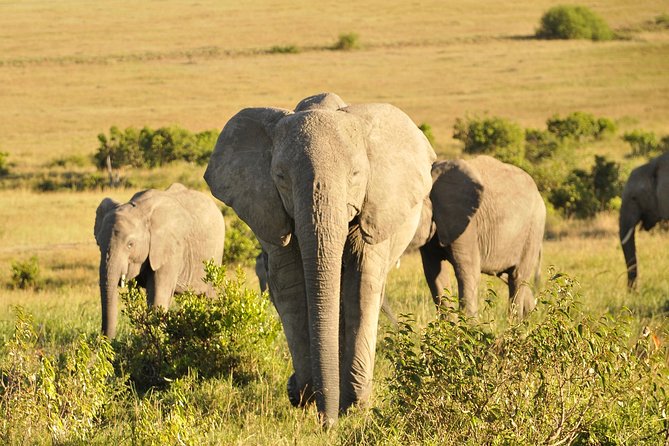
Wildlife mornings in Kenya hit different. This 3 day, 2 night Maasai Mara safari from Nairobi is all about big game sightings and long hours in the wild, with time for a Maasai village visit before you head back.
I like how the rhythm is built for spotting animals, with unlimited game drives and a tour guide who helps you read what you’re seeing. I also appreciate the comfort of an air-conditioned vehicle for the drive days, especially once you start bouncing out of Nairobi traffic.
One thing to plan for: Maasai Mara entry fees are not included, so your final total will depend on the park charges you pay on the ground.
In This Review
- Key highlights you will actually feel
- Why Maasai Mara is the place you picture when you think Kenya wildlife
- From Nairobi pickup to Rift Valley roads: what to expect before the safari starts
- Day 1 at Masai Mara: afternoon game drive, Big Five odds, and the best kind of sunset
- Day 2 full day: early morning predators, Mara River, and packed-lunch practicality
- Day 3 Maasai village time and the drive back to Nairobi
- The guide makes or breaks a safari, and here that is the strong point
- Value and price: is $390 per person a good deal here?
- Small-group safari days: why max 7 travelers is more than a number
- Weather and timing: when this works best
- Should you book this 3 day 2 night Maasai Mara safari?
- FAQ
- How long is the Maasai Mara safari?
- Where does the safari start and end?
- What time does the tour start?
- Is pickup included?
- Are meals included?
- Are game drives included?
- Are Maasai Mara entry fees included?
- Is the Maasai village included?
- Is the vehicle air-conditioned?
- What is the cancellation policy?
Key highlights you will actually feel
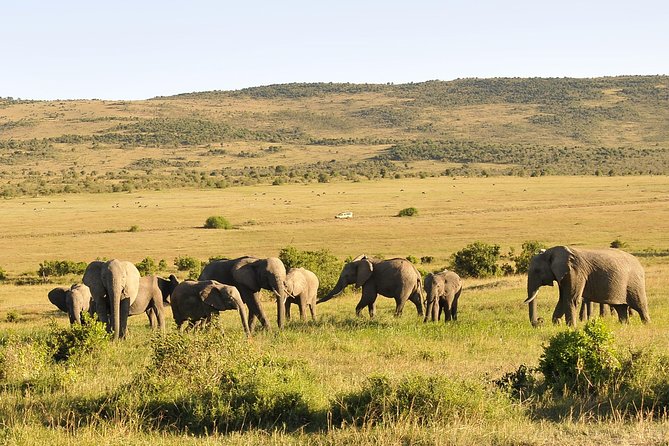
- Unlimited game drives across the reserve, so you are not stuck with just a couple short searches
- Early morning drive on Day 2, when predators are often more active and animals are easier to spot
- Mara River visit to add hippos and crocodile country to your sightings
- Small group size (max 7), which usually means a calmer, more flexible safari day
- Guides with real passion, called out by name before, including Ole (Gitau) and Joseph
Why Maasai Mara is the place you picture when you think Kenya wildlife
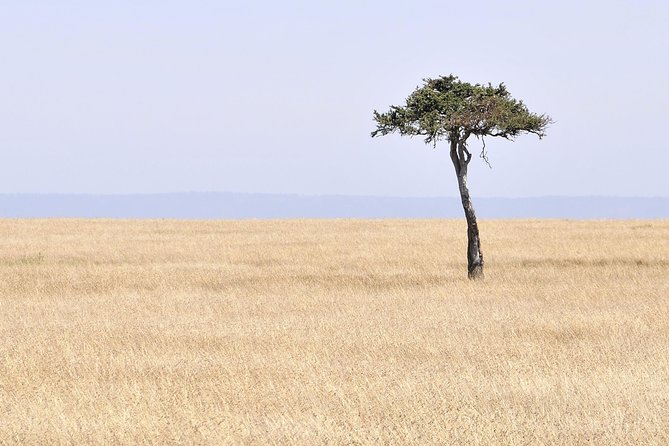
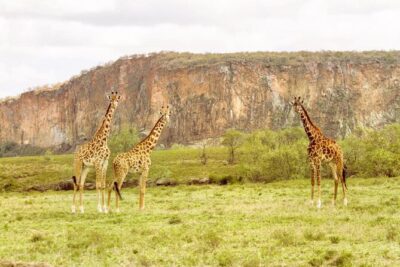
Masai Mara National Reserve sits in Kenya’s Great Rift Valley, mostly open grassland with wildlife concentrating along the western escarpment. That matters, because in a place this big, your odds improve when your route aims where animals tend to gather and move.
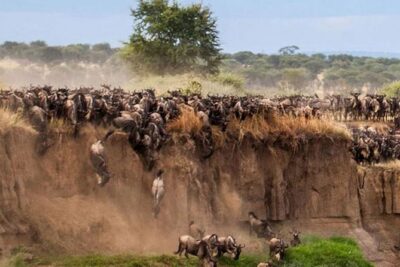
This is also the region people talk about for the wildebeest migration. During July through November, more than 1.5 million wildebeest arrive, then depart later in the season. Even if you travel outside peak migration months, the reserve still holds an impressive mix of animals because the habitat supports constant movement and grazing.
The reserve has recorded around 95 species of mammals, amphibians, and reptiles, plus over 400 bird species. And yes, you can think big, too: Masai Mara is one of Kenya’s best-known areas for seeing the Big Five (buffalo, elephant, leopard, lion, and rhino). Seeing all five is never guaranteed in any safari, but Masai Mara gives you the best chance of stacking sightings in a short window.
More Safaris in Nairobi
- Safari Tour; Nairobi National Park
★ 4.5 · 594 reviews - Half-Day Nairobi National Park Safari from Nairobi with Free Pickup
★ 4.5 · 264 reviews - 5 Days Masai Mara, Lake Nakuru & Naivasha Budget Joining Safari
★ 5.0 · 229 reviews
From Nairobi pickup to Rift Valley roads: what to expect before the safari starts
Your day begins in Nairobi, with pickup from a central place and a start time of 7:00 am. You will drive through the Great Rift Valley, passing Narok on the way toward Masai Mara, then check in at your lodge or camp.
The vehicle is air-conditioned, which is a real quality-of-life win on a drive that can feel long even when everything goes smoothly. Nairobi traffic can be slow and unpredictable, and the road ahead is often bumpy once you get out toward the reserve. The upside is that the trip to Masai Mara is part of the experience, because you gradually transition from city noise to open country and wildlife habitat.
Group size is capped at a maximum of 7 travelers, and that usually keeps things easier. Fewer people in the vehicle can mean quicker conversations about where you’re headed and fewer delays when everyone is getting photos or changing seating for better views.
Day 1 at Masai Mara: afternoon game drive, Big Five odds, and the best kind of sunset
Day 1 is built for a classic safari formula: arrive, settle in, then go straight into an afternoon game drive. After checking in at your lodge or camp and grabbing lunch, you head into the reserve in search of lions, cheetah, elephants, buffalo, and the rest of the Big Five lineup.
Afternoon drives can be hit-or-miss for some animals, but they are great for atmosphere and variety. You are looking at a mix of grassland, wildlife paths, and the kind of shifting light that makes animals look more dramatic and makes dust and movement visible from farther away. This is also the day that the schedule points toward for a wonderful wilderness sunset, which is exactly what it sounds like, time outdoors with a sky that changes fast and a reserve that feels huge even from a vehicle.
Once you return, you get dinner and an overnight stay at your lodge or camp. That matters because it sets you up for the real action on Day 2, when the schedule turns toward early morning searching for predators.
Day 2 full day: early morning predators, Mara River, and packed-lunch practicality
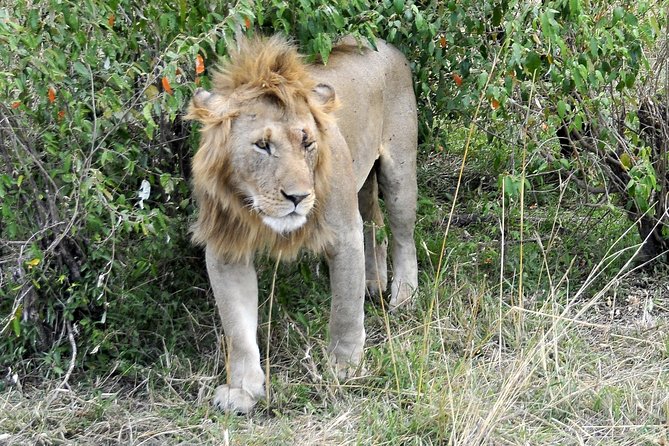
Day 2 starts with an early morning game drive, and I strongly recommend embracing it. In many safari ecosystems, early hours are when you see more active hunting behavior and more animal movement before the day heats up. That is also when your guide can often use fresh sightings to adjust your route quickly.
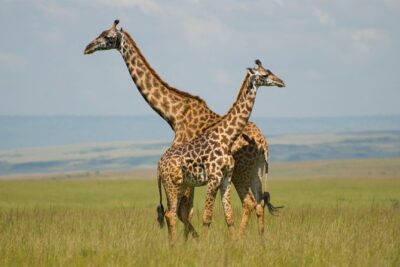
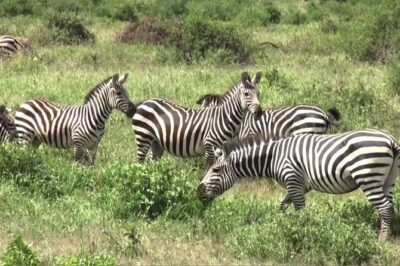
Then the full day is spent inside the park with a packed lunch. This is where the safari becomes a long, satisfying stretch rather than a quick drive-by. You are scanning for predators and also for animals that often share space with them, like zebra, wildebeest, giraffe, and hippo.
The schedule also includes a visit to Mara River, which is a smart add-on. River edges are where you frequently find hippos and crocodiles, since these animals rely on water and predictable access points. Even if you do not see the “big action” every time, you get that river habitat context that helps you understand why animals cluster here.
Because the itinerary is “full day spent in the park,” you do not have to squeeze everything into a short window. You can follow sightings, sit and watch when animals appear, and let the afternoon unfold at the pace of the reserve rather than the pace of a timed checklist.
More Maasai Mara safaris:
- 3 Days Masai Mara Group Joining
★ 5.0 · 486 reviews - 3 Days Gamedrive Safari In Masai Mara From Nairobi
★ 5.0 · 207 reviews - From Nairobi: 3 – Days Maasai Mara Group Safari by 4WD
★ 4.6 · 205 reviews - 3 Days Maasai Mara Guided Safari from Nairobi
★ 4.5 · 195 reviews
Day 3 Maasai village time and the drive back to Nairobi
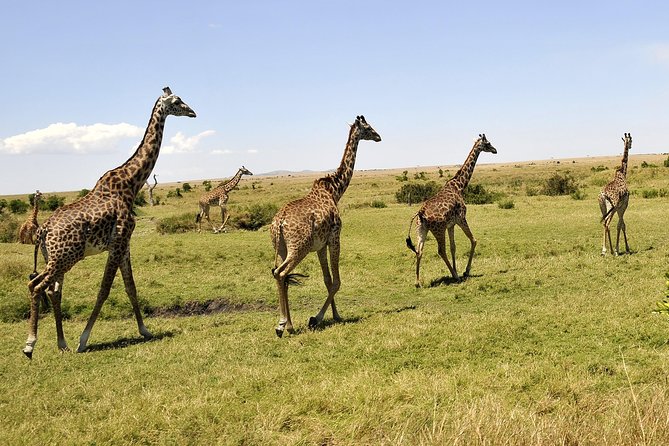
On Day 3, you get a shorter morning before heading back to Nairobi. You start with breakfast, then go for a short tour in a Maasai village. After that, you return toward Nairobi for lunch en route.
This day is not about long hours in the reserve. It is more about context, plus giving you a structured cultural stop that fits naturally at the end of a wildlife-focused trip. The village component can add meaningful texture to your safari story, because you see how local communities relate to the land that supports wildlife.
One planning note: the Maasai village cost is listed as not included, so budget separately if you want to make sure you are not surprised at the stop.
The guide makes or breaks a safari, and here that is the strong point
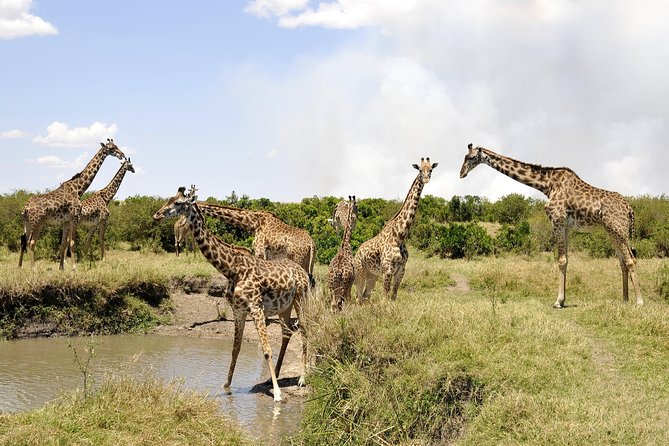
The most consistent praise from past groups is not just about the animals. It is about the way the team runs the day and makes the experience feel cared for. Names that come up include Ole (Gitau) and Joseph, and in other groups Sam is mentioned along with his team.
What you should take from that, as a practical matter, is simple: your guide is your translator. They help you understand what you are seeing, where to look when the vehicle stops, and what animal behavior signals might mean. When you are dealing with grassland distances, small motion, and animals that like to stay partly hidden, that skill becomes more valuable than you might think.
Also, the team approach seems to include real enthusiasm and patience. That shows up in how people describe the service as outstanding and the guides as kind and fun to be around. In plain terms, it means fewer tense moments and more “let’s get it figured out together” energy, which helps when a sighting takes time to form.
Value and price: is $390 per person a good deal here?
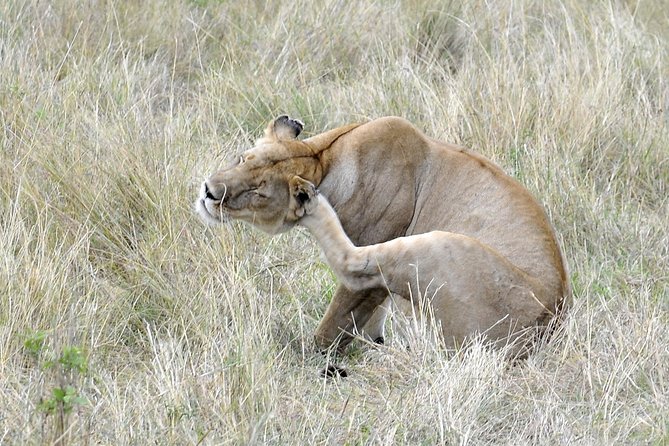
At $390 per person, this safari looks like a solid package because several big costs are bundled in. You get unlimited game drives, a tour guide, and transportation in an air-conditioned vehicle. Meals are also included: breakfast (2), lunch (3), and dinner (2).
That meal coverage matters more than people expect on a safari. Between game drives and driving time, you cannot always just hop out and find food somewhere convenient. Having lunch included, including a packed lunch on Day 2, keeps your day flowing.
What is not included is where you need to be ready to plan: Maasai Mara entry fees, Maasai village, and alcoholic drinks. So your true total is “$390 plus park and cultural fees.” If you budget for those upfront, the price feels much easier to evaluate.
The best way to think about value is whether the package matches how you like to travel. If you want a guided safari that prioritizes time on the ground in the reserve (not just a quick overview), this format tends to fit. If you prefer extreme flexibility with lodging and self-drive options, you might find a different style tour better aligned.
Small-group safari days: why max 7 travelers is more than a number
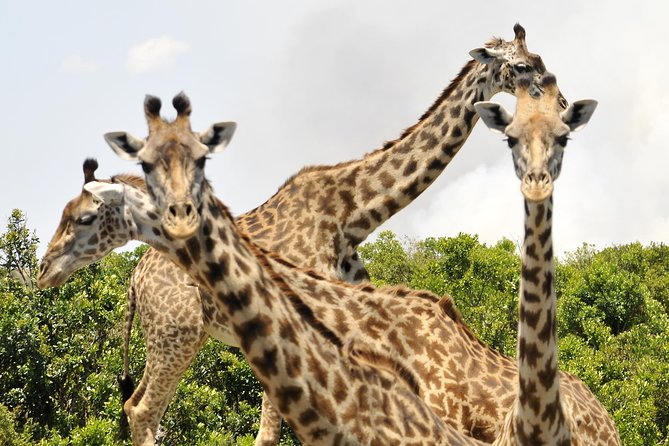
A maximum of 7 travelers sounds like a marketing detail until you spend time in the bush. In a small group, it is easier to maintain sightline viewing and move the vehicle around sightings without the whole day turning into a traffic jam.
Small groups can also improve how you work with the guide. You get clearer communication when someone spots movement, and you can usually hear what the guide is explaining. That matters because much of safari success is pattern recognition: tracks, direction of movement, calls, and the “why is everyone looking over there” moments.
Weather and timing: when this works best
The experience notes that it requires good weather. That is common for safaris in open reserves, because visibility and road conditions affect driving and game viewing. The upside is that good weather in Masai Mara tends to create excellent wildlife viewing conditions, and you get more usable daylight for long drives.
Timing-wise, the schedule leans into two of the best windows: an afternoon drive on Day 1 for sunset vibes and variety, then an early start on Day 2 for predators and active sightings. If you like the idea of structuring your wildlife time around the animal rhythm instead of around sleep-in schedules, this plan feels well matched.
Should you book this 3 day 2 night Maasai Mara safari?
I’d tell you to book if you want a focused Masai Mara experience with a guide, multiple long game drive blocks, and meals handled for you. The combination of unlimited game drives, a full Day 2, and a river stop gives you strong “time on wildlife” value, not just a short sample.
You should also book if you appreciate teams that show up with enthusiasm and care. Past groups highlight the guide team’s passion and willingness to go above and beyond, with named guides like Ole (Gitau) and Joseph mentioned, plus Sam in other departures.
Skip it or look closely at alternatives if you do not want to pay extra on top of the $390 for park entry fees and the Maasai village cost. Also, if you hate early mornings, the early drive on Day 2 is going to be the hardest part of the schedule.
FAQ
How long is the Maasai Mara safari?
It runs for 3 days (approximately) with 2 nights included.
Where does the safari start and end?
It starts in Nairobi, Kenya, and ends back at the meeting point in Nairobi.
What time does the tour start?
The start time is listed as 7:00 am.
Is pickup included?
Yes, pickup is offered from a central place in Nairobi.
Are meals included?
Yes. Breakfast is included 2 times, lunch is included 3 times, and dinner is included 2 times.
Are game drives included?
Yes. The package includes unlimited game drives.
Are Maasai Mara entry fees included?
No. Maasai Mara entry fees are not included.
Is the Maasai village included?
No. The Maasai village visit is not included in the listed inclusions.
Is the vehicle air-conditioned?
Yes. The tour uses an air-conditioned vehicle.
What is the cancellation policy?
Free cancellation is available. You can cancel up to 24 hours in advance for a full refund.
Newest write-ups from Nairobi
- Visit kibera Slum the chocolate city★ 4.8 · 3 reviews
- 3 days maasai mara migration safari★ 4.5 · 7 reviews
- 4 Days Tour Landcruiser in Masai Mara and Lake Nakuru★ 5.0 · 10 reviews
- 4 Days Safari to Lake Nakuru N/P and Maasai Mara N/R★ 5.0 · 18 reviews
- Day Tour to Nairobi national park, Elephants, and Giraffe Center★ 3.5 · 8 reviews
- Wildebeest Migration in Masai Mara and Sightseeing 4 Days Tour★ 4.5 · 6 reviews
- Maasai Mara Day Trip★ 5.0 · 15 reviews
- Kibera Slum Tour with a Local★ 5.0 · 15 reviews
Maasai Mara Tours, compared.
5 Days Masai Mara, Lake Nakuru & Naivasha Budget Joining Safari
Read our review →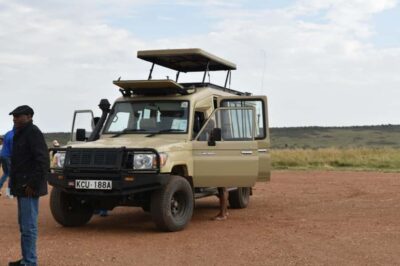
3 days group joining safari to Maasai Mara with a Land Cruiser Jeep
Read our review →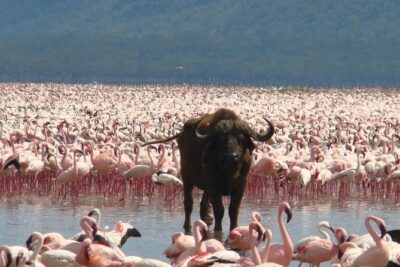
4 Days Safari Lake Nakuru NP Naivasha and Masai Mara
Read our review →
Browse the lists this tour appears in