
REVIEW · KENYA & TANZANIA SAFARIS
14-Days Kenya and Tanzania Camping Safari from Nairobi
Game drives and planning that stays out of your way. This 14-day Kenya and Tanzania camping safari is built for people who want the Big Five style experience without spending days plotting routes, borders, and timing. You base yourself in some of the most famous parks, with a 4×4 set up to reach deep game areas, plus full meals and park fees taken care of.
Two things I really like about this setup: first, the entrance fees are included, so the budget stays more predictable once you’re on the road. Second, the trip is structured around long, proper game-drive days, not rushed in-and-out stops, with picnic lunches placed right where you can keep the safari momentum.
One drawback to consider: with any operator, you should confirm a clear, responsive contact before departure. One prior experience in the same orbit highlighted communication problems when issues came up, so I’d ask how you reach your local contact quickly if something goes sideways.
In This Review
- Quick hits: what makes this safari practical
- Nairobi to the parks, with less guesswork than DIY
- The 4×4 game-drive style, and how the timing shapes what you see
- Maasai Mara: where full days actually pay off
- Lake Nakuru after Mara: a sharp change of scenery and drive strategy
- Nairobi back in the mix, then a clean route to Arusha
- Tarangire’s role in the safari arc, with included park access
- Serengeti camping days: the long view (and why that’s worth it)
- Ngorongoro Crater rim to the hippo pool picnic moment
- Lake Manyara: mixing crater memories with shoreline action
- Camping, lodges, and meals: full board is more than food
- Price and value: what $4,875 buys you, and what it doesn’t
- The human side: Gracepatt Ecotours Kenya, and what to ask for
- Who should book this safari, and who should think twice
- Should you book this 14-day Kenya and Tanzania camping safari?
- FAQ
- Where does the safari start and end?
- How long is the Kenya and Tanzania camping safari?
- What kind of vehicle is used for game drives?
- Are park entrance fees included?
- What meals are included?
- Are drinks included?
- Do you get airport pickup and drop-off?
- How many people are in the group?
- Is this safari suitable for children?
- What is the cancellation window for a full refund?
Quick hits: what makes this safari practical
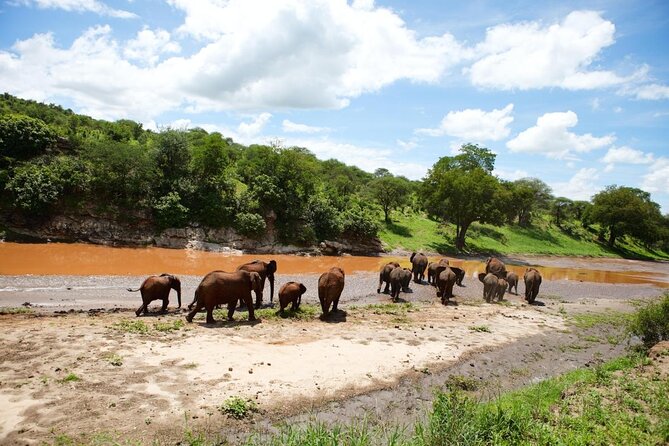
- 4×4 access inside the parks, with game drives planned as full days, not quick look-and-leave moments
- All entrance fees included, which matters when you’re stacking multiple parks back-to-back
- Full board (breakfast, lunch, dinner) so you are less dependent on finding food stops mid-route
- Airport pickup and drop-off, plus an Arusha-to-Nairobi transfer that avoids extra hassle at the end
- Small group size, capped at 15 travelers, which usually keeps the experience smoother and the vehicle calmer
- Kenya to Tanzania flow, including Mara, Nakuru, Tarangire, Serengeti, Ngorongoro, and Manyara
Nairobi to the parks, with less guesswork than DIY
Starting in Nairobi is a smart move because it concentrates the logistics. You arrive at Jomo Kenyatta International Airport, then you’re transferred into Nairobi to get your bearings before the safari engine kicks on. That first handoff may sound small, but it reduces the stress of day one when you’re adjusting to time, luggage, and a new pace.
The tour then builds a direct chain of parks instead of you hopping around with separate bookings. You’re not just covering distances, you’re moving through ecosystems that reward being there early and staying long enough to see changing animal behavior through the day. This matters because safari days work best when you don’t feel rushed, and when drivers can position well before the light shifts.
One more practical point I appreciate is the built-in rhythm of early starts for game drives. When you wake up for a morning drive, you’re not forcing yourself to negotiate timing each day, and you’re more likely to catch the moments when animals are most active. The schedule includes early breakfasts and pre-breakfast drives, which is the right pattern for game viewing.
More Safaris in Nairobi
- Safari Tour; Nairobi National Park
★ 4.5 · 594 reviews - Half-Day Nairobi National Park Safari from Nairobi with Free Pickup
★ 4.5 · 264 reviews - 5 Days Masai Mara, Lake Nakuru & Naivasha Budget Joining Safari
★ 5.0 · 229 reviews
The 4×4 game-drive style, and how the timing shapes what you see
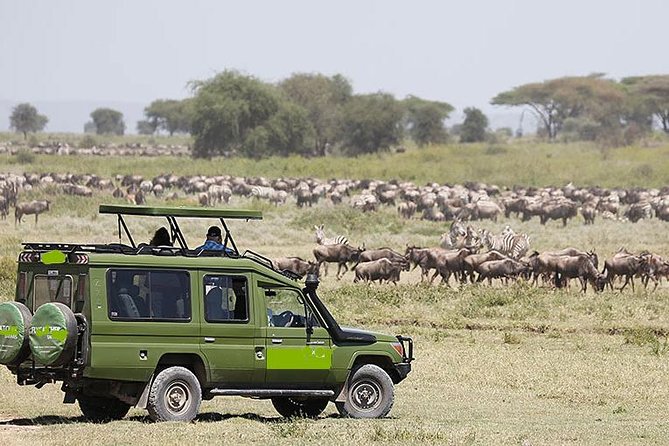
This tour centers on 4×4 vehicle safari driving. That’s not just a comfort feature. A 4×4 setup helps with the reality of park roads, changing ground conditions, and the need to get into areas where sightings are more likely. If you’ve done safaris elsewhere, you know the difference between a vehicle that can handle the track and one that has to stay on the safest line.
You’ll also feel the pacing. Several days are planned as long park days, roughly 10 hours for the game-drive blocks. That sounds intense, but on safari it’s usually better than splitting the day into too many short fragments. Long days let your guide reposition based on where the action is, and it gives you enough time for both morning and afternoon behavior patterns.
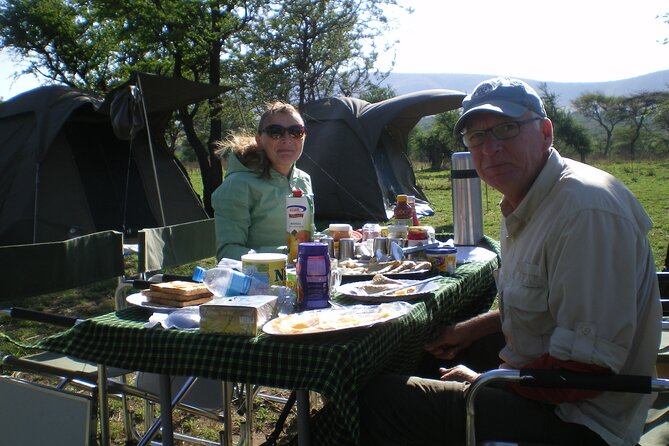
The food timing is built around this too. Picnic lunches show up multiple times, so you can stay in the park instead of returning to camp early just to eat. That keeps the day focused, which is the whole point of paying for a structured safari.
If you like control, this itinerary gives you less to manage yourself. If you hate sitting in a vehicle for hours, the long driving days may feel heavy. Just be honest with yourself about how much car time you want on a vacation.
Maasai Mara: where full days actually pay off
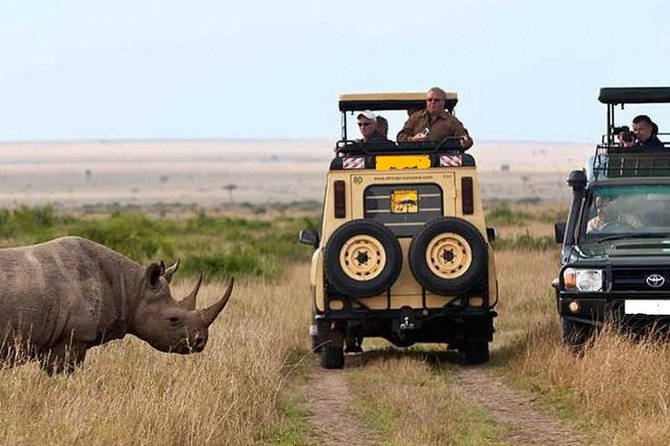
Maasai Mara is your Kenya anchor. You’re picked up from Nairobi around 8:30 am to drive to the reserve, then you settle in for the first major wildlife block. The next day is where the safari really gets the chance to work: an early breakfast, then a full day exploring Mara with a picnic lunch served in the park at the Mara River border of Kenya and Tanzania.
That border detail is more than trivia. It’s a reminder that Mara’s drama is partly about scale and movement, and that you’re on a landscape where animals cross paths and territories. A full day in Mara often means you get multiple opportunities to see different groups rather than just one quick window.
Practical note: your day-to-day experience depends a lot on your guide’s style and how the group behaves. This is a small-group safari with a cap of 15 people, which usually makes it easier to keep the vehicle calm, keep radios organized, and avoid long delays at stopping points.
Lake Nakuru after Mara: a sharp change of scenery and drive strategy
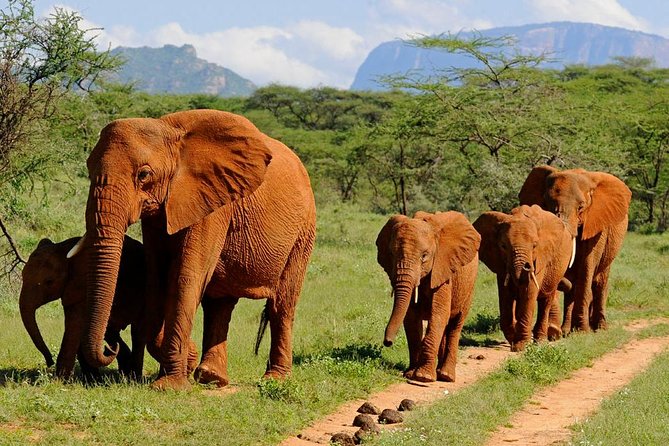
After Mara, you head to Lake Nakuru National Park. The schedule sets up a pre-breakfast game drive, then a return to camp for a late breakfast before you move on later in the day. This gives you a gentle transition instead of another all-day hard start with no recovery.
You then spend the next day doing another game drive, with departure from Nakuru after lunch back toward Nairobi. Lake Nakuru’s pacing tends to feel different from Mara because the focus can shift more toward shoreline activity and concentration areas, rather than the huge roaming feel you get in Mara.
Why that matters for your expectations: if you’re chasing specific Big Five moments, you want days that allow repeat chances. This itinerary keeps you in the park long enough to do that, and it also gives you a recovery block through the late breakfast setup.
More Camping Safaris in Nairobi:
- Nairobi: 4-Day Maasai Mara & Lake Nakuru Camping Safari
★ 4.5 · 77 reviews - Nairobi: 4 Day Masai Mara and Lake Nakuru Camping Safari
★ 4.6 · 46 reviews - 3 Days Masai Mara Camping Safari
★ 5.0 · 27 reviews - 4 Day Masai Mara & Lake Nakuru Group Joining Camping Safari – Daily Departures
★ 5.0 · 23 reviews
Nairobi back in the mix, then a clean route to Arusha
One of the sneaky values of a two-country safari is how well you handle the handoff. After Kenya’s game-drive days, you move into Tanzania via a shuttle from Nairobi or the city center at 7:00 am, arriving in Arusha around 1:00 pm.
Arusha works as a reset point. It’s not just a transfer city, it’s a launchpad into Tanzania parks where the “Africa time” pace is different and where you will likely want to do a bit of orientation. You then start Arusha National Park the next day with a pickup around 9:00 am from your hotel, plus a picnic lunch and game drive.
This is also one of those days that can set your tone for the rest of the trip. If you approach it like a quick stop, you’ll miss the value. If you treat it as a warm-up game-drive day, it helps you read how the rest of your safari vehicle days will feel.
Tarangire’s role in the safari arc, with included park access
From Arusha you head to Tarangire National Park. The day is structured as a drive after breakfast, with a picnic lunch and game drive. Tarangire is often the kind of park where sightings can feel concentrated, meaning you can get good moments without needing to move endlessly across huge distances.
This tour includes entrance fee coverage and places the game-drive block where you can actually use it. That’s one of the big practical reasons the trip is worth considering if you’re not traveling with a logistics brain. Tarangire fits into the “building momentum” phase between Arusha and the longer Serengeti stay.
Also, since the safari uses a 4×4 and plans your lunch inside the park areas, you avoid the typical DIY problem: spending time hunting for where to eat and losing prime viewing light. On a long itinerary, small time losses add up.
Serengeti camping days: the long view (and why that’s worth it)
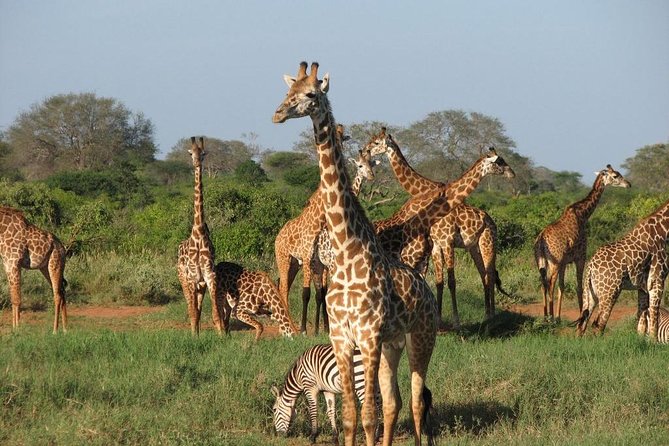
Once you reach Serengeti, the schedule shifts into a classic long-stay safari rhythm. You depart after breakfast for Serengeti, and your accommodation is served after arrival. The next day is full day game viewing in Serengeti, with your stay at a campsite.
That two-day Serengeti block is where a safari like this earns its keep. If you’ve ever been on a day-trip safari, you know the frustration: you might see great animals, but you’re racing the clock. Here, you’re given time to adjust to the park and to how animals move through the day.
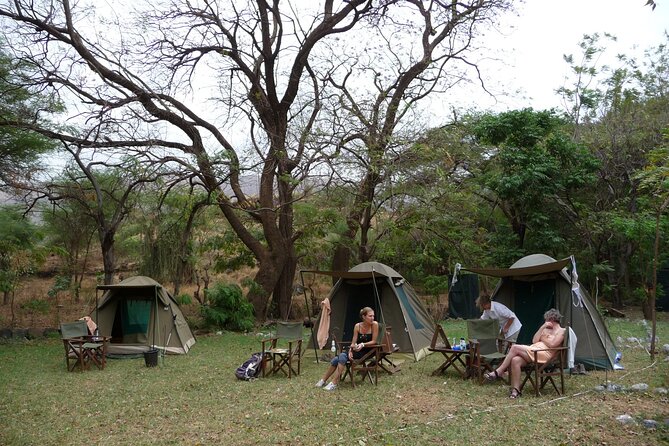
Camping changes the feel. You’re not losing comfort because meals and planned accommodations are included, but the experience becomes more grounded and “in place.” If you love the idea of waking up near the wild and spending more hours watching instead of commuting, this is the phase you’ll remember most.
Keep expectations realistic: camping means less of the hotel routine and more time for patience, basic comfort, and appreciating the raw setting. If that’s your style, Serengeti on a campsite night is exactly the kind of upgrade you pay for.
Ngorongoro Crater rim to the hippo pool picnic moment
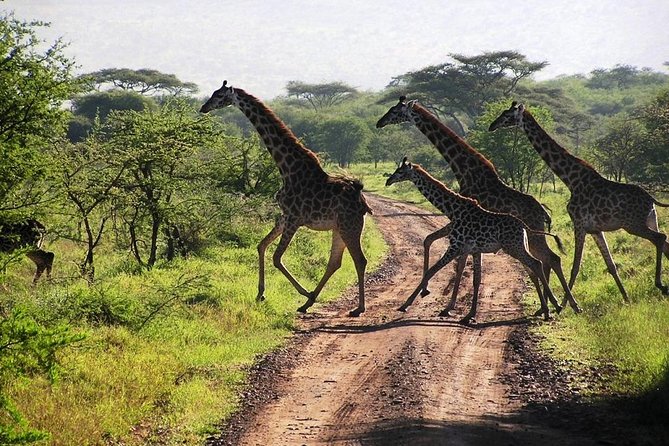
Ngorongoro Crater appears as a dramatic pivot point. The plan starts with an early morning game drive in Serengeti before lunch, then you depart for Ngorongoro’s crater rim. That timing matters because it lets you squeeze in one more serious game-drive window before switching geography.
Then comes the crater day itself. You descend early to the crater floor for a game drive, with lunch at the hippo pool picnic site. That’s the kind of detail that tells you the day is planned around wildlife activity, not just a scenic stop.
The crater experience is also about “positioning.” Animals can appear in pockets and predictable areas, but they still change through the day. Having time for a morning drive and a structured lunch location helps you get more chances without feeling like you’re stuck waiting for something to happen.
You then ascend back to the rim and head toward Lake Manyara later.
Lake Manyara: mixing crater memories with shoreline action
Lake Manyara gets two days in your itinerary. The first includes descending and driving on the crater day, then later you move to Manyara. The next day is a dedicated game drive in Lake Manyara, plus a picnic lunch and a mid-afternoon departure for Arusha.
Two nights near the end of a safari is a good pattern because it spreads out your final viewing instead of concentrating it all into the last day. It also helps you avoid the stress of trying to do everything on the departure day.
From a value perspective, it’s also smart route building. Manyara is a place where sightings can be “hit-or-miss” depending on conditions. Having an extra day improves your odds without adding a bunch more driving blocks.
Camping, lodges, and meals: full board is more than food
Your accommodations are a mix: lodge, bed and breakfast, and campsite. That blend is part of why a camping safari can still feel manageable. You’re not stuck in one style for two straight weeks, and you get variation in comfort and routine.
Meals are fully included as full board. You get breakfast 13 times, lunch 13 times, and dinner 10 times across the trip. That means you can focus on driving days and animal time rather than figuring out where to stop to eat, especially on the long 10-hour blocks.
Also, drinks are not included. That’s a normal line item on safari, but it’s worth planning around. If you like beer, soda, or bottled water beyond what’s included, budget for that upfront so it doesn’t catch you mid-trip when you’re already paying for guides and park fees.
The practical upside is that the schedule assumes meals inside the safari rhythm. Picnic lunches keep you moving. Camp and lodge meals keep you from scrambling at the exact time you should be resting for an early start.
Price and value: what $4,875 buys you, and what it doesn’t
At $4,875 per person for 14 days, the value depends on what you’d otherwise pay if you booked everything separately. This package rolls together big-ticket items: airport pickup and drop-off, park access in multiple destinations, and daily game-drive transport in a 4×4.
It also includes accommodations across lodges and campsites, plus full board meals. For many people, the biggest hidden cost of a DIY safari is not the lodging, it’s the time. When you pay for a routed itinerary, you pay to avoid the mental load of planning, booking, and coordinating across borders and park systems.
What’s not included is drinks, including alcoholic drinks available to purchase. So while you do get meals and park fees in the base price, you still have control over spending once you’re on the ground.
This is also a small-group safari with a max of 15 people. In practice, that can mean fewer disruptions during drives and a better chance of keeping the vehicle with your group instead of constantly reshuffling.
The human side: Gracepatt Ecotours Kenya, and what to ask for
The experience is run by Gracepatt Ecotours Kenya, and your points of contact matter almost as much as the vehicle. In the feedback I’ve seen connected to this kind of trip, the coordination role is key, and it’s often handled by Grace. There’s also mention of Titus as a safari guide involved in day-to-day driving.
I’d take that as a cue for how to prepare. Before you go, ask for your confirmed pickup times and who will be your local contact in each country. If you care about smooth communication, ask how issues are handled on the ground when you have a question in the middle of a safari day.
If you’re the type who prefers to be hands-on, you might find the structure a little limiting. If you want a straightforward safari where planning stays behind the scenes, this style usually feels like a win.
Who should book this safari, and who should think twice
This tour fits best if you want a Big Five pursuit safari route with major parks and a clear schedule. It’s also a good fit if you’re okay with camping nights and long drive days, because the itinerary is built around 10-hour park blocks and early starts.
It’s less ideal if you hate vehicle time or if you need a highly flexible, last-minute itinerary. Even though conditions can change, this is a planned route, not a choose-your-own-adventure. Also, the minimum age is 16, which matters for families.
One more fit check: if you are sensitive to communication issues, you should verify your contact plan early. A single point of confusion can be annoying when you’re jumping between countries, so do your due diligence.
Should you book this 14-day Kenya and Tanzania camping safari?
I’d book it if you want the major park highlights arranged into a workable two-week route, with entrance fees and full board already built in, and with 4×4 transport that matches the parks. The structure gives you repeat chances at game viewing, and the Kenya-to-Tanzania flow reduces the “where do we go next” stress that hits DIY safaris.
I’d hesitate if you know you get anxious about responsiveness when plans change. This is exactly the kind of trip where having a clear, quick contact matters. If you handle that up front by confirming pickup details and emergency contact routes, the rest of the package looks like strong value for the time and logistics it covers.
If you’re aiming for a classic, high-impact safari across Kenya and Tanzania, this is a solid option to put on your shortlist, as long as you go in with the right expectations about car time and camping-style nights.
FAQ
Where does the safari start and end?
It starts in Nairobi. You’re met at Jomo Kenyatta International Airport on the first day, and you return to Nairobi on day 14, with an option to continue to Kilimanjaro International Airport.
How long is the Kenya and Tanzania camping safari?
The trip runs for 14 days, with day-by-day schedules covering Kenya and Tanzania.
What kind of vehicle is used for game drives?
The tour uses a 4×4 vehicle for driving in and around the parks.
Are park entrance fees included?
Yes. The tour states that entrance fees are included.
What meals are included?
Full board is included. Breakfast is included 13 times, lunch 13 times, and dinner 10 times.
Are drinks included?
No. Drinks are not included, including alcoholic drinks, which are available to purchase.
Do you get airport pickup and drop-off?
Yes. Airport pickup and drop-off are included, and there is also a transfer from Arusha to Nairobi at the end.
How many people are in the group?
The maximum group size is 15 travelers.
Is this safari suitable for children?
The minimum age is 16 years.
What is the cancellation window for a full refund?
You can cancel up to 6 days in advance of the start time for a full refund.
More Kenya and Tanzania safaris
- Ultimate 12 Days Private Safari Tour in Kenya and Tanzania
★ 5.0 · 60 reviews - 12 Days Best Of Kenya and Tanzania Safari – Luxury
★ 5.0 · 36 reviews - 12 Days Kenya and Tanzania Budget Private Safari from Nairobi
★ 5.0 · 28 reviews - 12 Days Kenya Tanzania Safari
★ 5.0 · 17 reviews
Newest write-ups from Nairobi
- Visit kibera Slum the chocolate city★ 4.8 · 3 reviews
- 3 days maasai mara migration safari★ 4.5 · 7 reviews
- 4 Days Tour Landcruiser in Masai Mara and Lake Nakuru★ 5.0 · 10 reviews
- 4 Days Safari to Lake Nakuru N/P and Maasai Mara N/R★ 5.0 · 18 reviews
- Day Tour to Nairobi national park, Elephants, and Giraffe Center★ 3.5 · 8 reviews
- Wildebeest Migration in Masai Mara and Sightseeing 4 Days Tour★ 4.5 · 6 reviews
- Maasai Mara Day Trip★ 5.0 · 15 reviews
- Kibera Slum Tour with a Local★ 5.0 · 15 reviews
Kenya & Tanzania Safaris, compared.
Ultimate 12 Days Private Safari Tour in Kenya and Tanzania
Read our review →
12 Days Best Of Kenya and Tanzania Safari – Luxury
Read our review →
12 Days Kenya and Tanzania Budget Private Safari from Nairobi
Read our review →
12 days Kenya and Tanzania safari private lodge from Nairobi
Read our review →
15 Days Classic Kenya & Tanzania + Zanzibar Beach Holiday
Read our review →
8 Days Best of Kenya and Tanzania Safari from Nairobi
Read our review →
12 Days Kenya & Tanzania Safari Private Lodge Safari from Nairobi
Read our review →Browse the lists this tour appears in