
REVIEW · KENYA & TANZANIA SAFARIS
13 Days Best of Kenya and Tanzania BudgetSafari
Big cats and volcano views in one trip. This 13-day budget safari strings together Masai Mara, Lake Nakuru, Amboseli, Serengeti, and Ngorongoro, with private transport and guided drives that keep you moving toward the animals.
I love the amount of time you actually spend on the tracks, not just in transfer vans. I also like the practical camping setup in the Mara, including mosquito nets and proper toilet facilities at camp.
My main caution is the pace. You’ll have long road days between parks, and the schedule is tight, so it’s best if you’re happy with early mornings and an always-on safari mindset.
In This Review
- Key highlights before you go
- From Nairobi at 7:30 to the Rift Valley start that sets the tone
- Masai Mara’s Masai Market, then tent camp nights
- Full day in Maasai Mara: best park roads, hippo pool picnic, and close viewing
- Lake Nakuru: flamingoes, white rhino sanctuary, and the Mt. Longonot view cue
- Amboseli: elephant and hippo bathing in swamps, plus Kilimanjaro only if the weather allows
- Namanga border to Arusha: the crossing reset you should understand
- Lake Manyara afternoon drive: shorter day, still worth the detour
- Serengeti and Olduvai Gorge: big cat country with a history stop
- Ngorongoro Crater: the 2000-foot descent and why the timing matters
- Tarangire elephants and baobabs, then Arusha Village Experience with tree-climbing lions
- Packing for tented camps and long safari days (what matters most)
- Price and value: $3,895 with meals, guides, and private transport, minus the usual extras
- Operational reality checks: what you should ask before you pay
- Should you book this 13-day Kenya and Tanzania budget safari?
- FAQ
- What time does the safari start in Nairobi?
- Is pickup included?
- What meals are included?
- Are park admissions included?
- What is not included in the price?
- Can I get a full refund if I cancel?
Key highlights before you go
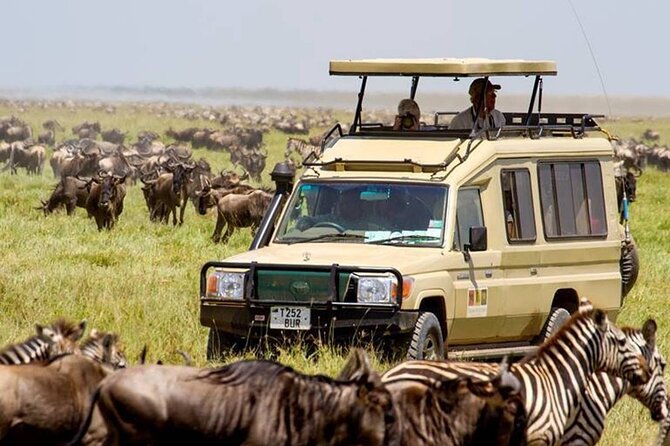
- Small group size (max 7) means easier logistics and less chaos in game-drive lineups
- Big 5-focused parks across Kenya and Tanzania, with rhino odds especially strong at Lake Nakuru
- Multiple full day game drives in Masai Mara and Serengeti, plus extra “catch up” time on day 9
- Camping that feels real in Masai Mara, with showers and flush toilets mentioned for the tented camp stay
- Cross-border day is built in via Namanga, with visas handled there (not included in price)
- Good value for the inclusions: private transportation, guided drives, and most meals are included, but tips and visas are not
From Nairobi at 7:30 to the Rift Valley start that sets the tone
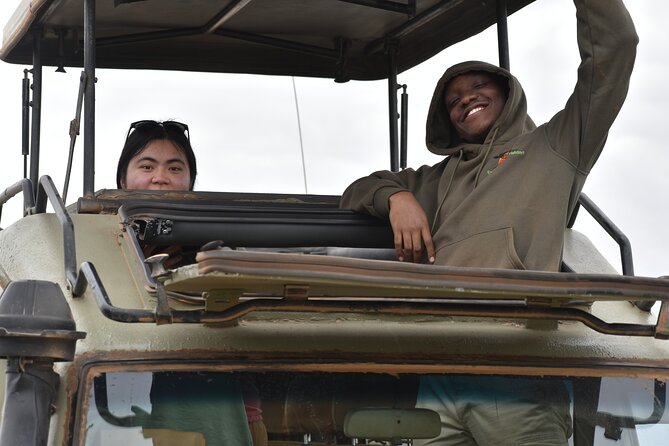
Your safari day begins early, with a 7:30 am start in Nairobi and pickup from your hotel. You’re not waiting around at a bus terminal. You’re in motion, which matters on safari, because wildlife is active when the light is good.
The first transfer route includes a viewpoint area for the Great Rift Valley and a stop around Narok for lunch. That’s not just “getting from A to B.” It gives you a fast mental map of the region and reminds you why these parks are so productive. Then it’s straight on to Masai Mara.
Practical note: this tour runs all weather conditions, so plan for sun, wind, and sudden rain. Bring a light rain jacket and layers you can shed fast.
More Kenya and Tanzania safaris:
- Ultimate 12 Days Private Safari Tour in Kenya and Tanzania
★ 5.0 · 60 reviews - 12 Days Best Of Kenya and Tanzania Safari – Luxury
★ 5.0 · 36 reviews - 12 Days Kenya and Tanzania Budget Private Safari from Nairobi
★ 5.0 · 28 reviews
Masai Mara’s Masai Market, then tent camp nights
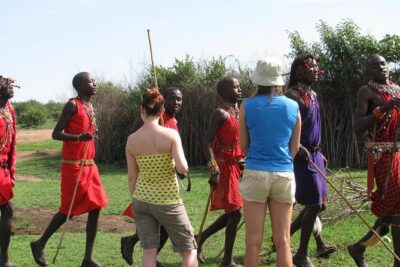
Day 1 adds a human touch before the animals. You start at the Masai Mara Savannah Masai Market, then drive into the reserve for your first game drive. It’s a nice opener because it tells you how local life sits right alongside the wildlife economy.
When night arrives, you shift into tented camp style. In the Mara segment, the stay is described as camp tents with showers and a flush toilet, plus mosquito nets. That’s a big deal if you’ve ever done “camping” that is really just roughing it.
What I like about this setup for you: it keeps the trip doable. You don’t need to choose between wildlife time and basic comfort. Also, after a full day, a proper shower and toilet saves your energy for the next morning’s drives.
One more thing I’d watch: mosquito nets are provided for the tent nights, but you still want insect repellent and breathable long sleeves for evenings near water.
Full day in Maasai Mara: best park roads, hippo pool picnic, and close viewing
Day 2 is the kind of day safari lovers live for. After breakfast, you go into Maasai Mara National Reserve for a full day of game viewing. This park is described as having an extensive road and track network, which is the difference between seeing wildlife from far away and actually getting into the right positions for photos and observation.
The day includes a picnic lunch at the hippo pool, with time looking for hippos and crocodile. That’s a simple plan with big payoff, because these are the moments that feel “alive.” Water attracts activity, and if you’re patient you get to watch feeding rhythms and movements instead of just driving past.
This is also where the guide matters. In operational feedback from named guides like Zack, the theme is clear: knowing where to wait and when to move makes a real difference. If your driver can read animal behavior quickly, you’ll spend more time watching and less time searching.
Drawback to consider: full days can mean long stretches in the vehicle. If your back gets cranky, bring a small cushion or wear supportive shoes.
Lake Nakuru: flamingoes, white rhino sanctuary, and the Mt. Longonot view cue
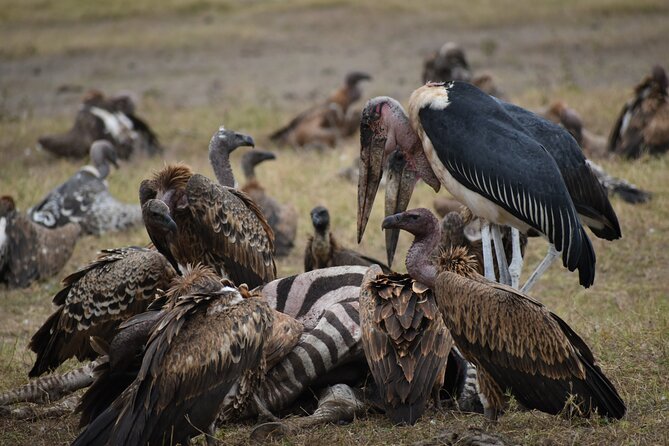
Day 3 starts with an early pre-breakfast game drive. Then you move from Mara toward Lake Nakuru, with lunch on the way. Along the highway, the trip includes distant views of Mt. Longonot and Lake Naivasha.
Why that matters: you get a “big geography” moment without turning the drive into wasted time. It’s one of those gentle reminders that you’re moving across ecosystems, not just between hotels.
Day 4 centers on Lake Nakuru National Park. Here, the selling points are very specific:
- prolific birdlife, including flamingoes
- a sanctuary for conservation of white rhino
- possible sightings of Cape buffalo and waterbuck near the shoreline
This is also one of the best days for anyone chasing “Big Five style” goals, because rhino conservation is explicitly part of the park experience.
Then the day doesn’t end with Nakuru. You drive onward toward Amboseli, with dinner and overnight at camp.
Consideration for you: bird-focused parks can be weather sensitive for sightings. If it’s windy or raining hard, flamingo spotting may shift, but the birdlife is still a major draw.
A few more Nairobi days worth pricing up
- Nairobi National Park Half-Day Tour; Free Wi-Fi connection
★ 5.0 · 878 reviews - Nairobi: National Park & Optional Elephants & Giraffe Center
★ 4.8 · 874 reviews - NAI NAMI: Nairobi Storytelling Tour with Street Children
★ 5.0 · 792 reviews - Nairobi National Park Half-Day Game Drive
★ 4.5 · 738 reviews
Amboseli: elephant and hippo bathing in swamps, plus Kilimanjaro only if the weather allows
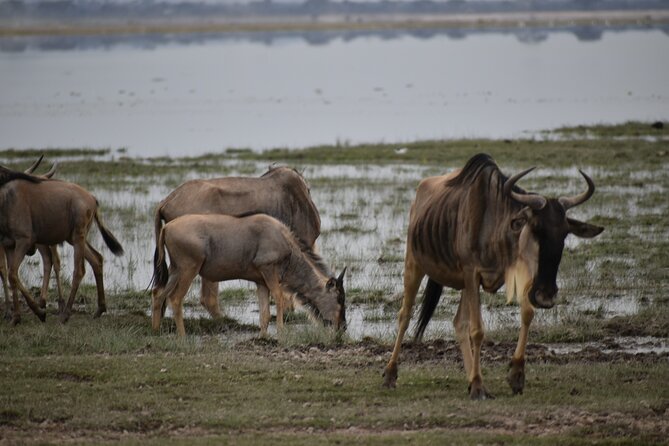
Amboseli is where the trip leans hard into elephants. Day 5 is a full day of game drives here, and the description calls out swamp grounds where elephants and hippos bathe in abundance. That combination is the kind of “only in Amboseli” scene safari photographers chase.
It also mentions plains game, antelopes, and birds. And there’s the ever-popular Mt. Kilimanjaro view, but with a clear expectation: the peak may appear if weather conditions permit. That’s not a promise, and it’s better that way. It means you won’t feel cheated if clouds cover the mountain.
I’d mentally plan for two versions of this day:
- If Kilimanjaro is visible, you get a wow factor.
- If it’s not, you still get action. Amboseli’s elephant country does not depend on a single skyline shot.
A quick comfort tip: bring a wide-brim hat and sunscreen. Open plains and bright mornings mean you can burn fast, even when you feel cool.
Namanga border to Arusha: the crossing reset you should understand
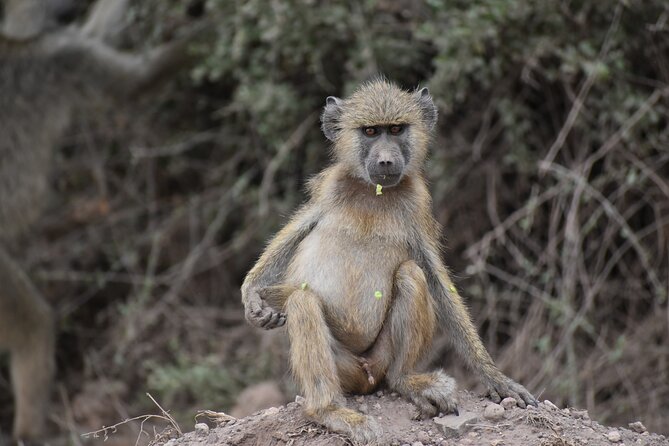
Day 6 changes countries. After breakfast, you do a final game viewing through the area before heading to the Namanga border point. This is the day where you get your visas, then board a shuttle bus to Arusha.
This part is important for your expectations. Visas are not included, but the process is built into the schedule. If you’ve ever worried about where the paperwork happens, this itinerary at least tells you it happens on the Namanga day.
You then drop off at an Arusha tourist inn booked on bed and breakfast.
One “real life” caution: an earlier operational hiccup can happen anywhere, and safari travel is not immune. There’s a record of delays when a safari truck needed repairs, including waiting around for hours. I’d ask your operator ahead of time what your plan is if the vehicle develops issues mid-route, and whether you’ll get updates in a timely way. That one question can save you stress later.
Lake Manyara afternoon drive: shorter day, still worth the detour
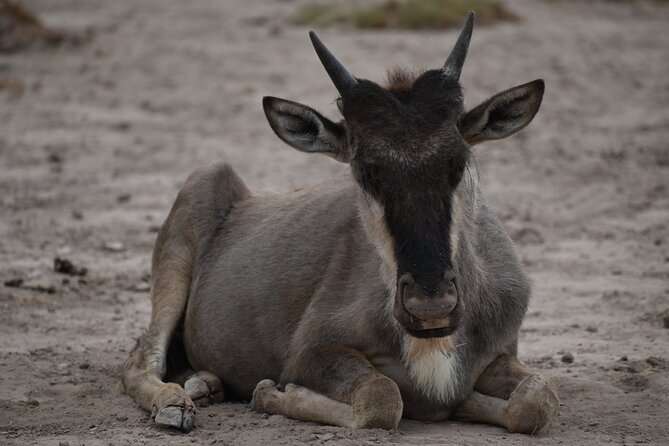
Day 7 heads to Lake Manyara National Park for an afternoon game drive. It’s described as a classic safari stop, but here’s what matters for you: it breaks up the heavier travel blocks and gives you another set of chances without consuming a full day.
Lake Manyara is also a nice “different feel” park compared with the Mara and Serengeti open plains. Even without extra detail in the plan, the structure is smart. You get a focused drive window, then back to dinner and overnight at a campsite.
If you hate rushing, this is one day that still gives you time to breathe.
Serengeti and Olduvai Gorge: big cat country with a history stop
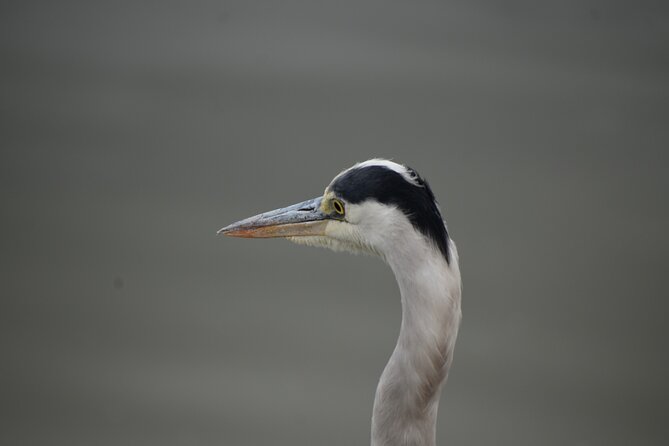
Day 8 is a travel-and-safari hybrid. You depart for Serengeti National Park, passing through Olduvai Gorge, described as the Leakey family discovery site for fossils dating back nearly two million years. It’s a reminder that this is not just an animal place. It’s also a human story place.
Then you continue on to Serengeti for meals and overnight at a campsite. The plan labels the Serengeti admission as free for day 8 and day 9, which helps explain why the package is priced as it is.
Day 9 is your full day in the Serengeti plains, with morning and afternoon game drives. This “two-drive day” format is a practical way to spot animals that move with the day’s temperature and light. It also gives you second chances if something slips past you earlier.
This is also where the trip leans into the Big Cat thrill factor. Named-guide-style success stories like lions lazing on kopjes and cheetahs sprinting across the plains are the type of moments that make Serengeti feel electric. Not every day is that dramatic, but the structure is built for it.
Ngorongoro Crater: the 2000-foot descent and why the timing matters
Day 10 is one of the most memorable segments on the whole itinerary. After breakfast, a 4-wheel drive vehicle takes you down about 2000 feet into Ngorongoro Crater. Then you enjoy a picnic lunch inside the crater before ascending again to your campsite.
This is not just a drive. It’s a change in altitude and temperature, and that can affect animal movement. The crater setting is also naturally good for sightlines, which makes picnic time useful rather than “filler.”
Practical advice: crater days can feel long because you’re not only driving. You’re also waiting for the right sightings and staying alert for animal movement. Bring snacks if you’re sensitive to hunger between meals, even though lunch is included.
Tarangire elephants and baobabs, then Arusha Village Experience with tree-climbing lions
Day 11 takes you to Tarangire National Park after breakfast. Dinner and overnight are at a campsite. Tarangire is known for elephants and the kind of habitat that supports lots of animal activity, and the itinerary keeps it simple, then moves you on.
Day 12 is the Arusha Village Experience area, and it’s packed with specific wildlife and bird details:
- huge numbers of elephants
- baobab trees
- tree-climbing lions
- over 550 species mentioned for the area
- birding focus, with breeding birds tied to the swamps
- yellow-collared lovebirds as a common sighting along the Tarangire River
This is the part that appeals to people who like variety. You get elephants and birds, plus the chance for something unusual like tree-climbing lions. If you’re the type who likes to think like a naturalist, this day is a good fit.
Then you drive back to Arusha for overnight at a hotel.
Packing for tented camps and long safari days (what matters most)
This tour mixes accommodation styles: tented camp nights with showers and flush toilets in the Mara, a budget hotel stop in Nakuru, and campsites in multiple Tanzania days. That means packing needs to cover both “outdoor” and “camp base” life.
Here’s what I’d prioritize based on the plan:
- Light rain jacket or packable poncho (all-weather operation)
- Insect repellent even with mosquito nets
- Long sleeves for evenings
- Comfortable shoes with grip for uneven ground around camps
- A small power bank for phones and cameras, because long days eat battery fast
Also, if you’re a vegetarian eater, there’s a note that a vegetarian option is available. Tell your operator at booking so the team can plan meals.
Price and value: $3,895 with meals, guides, and private transport, minus the usual extras
At $3,895 per person for about 13 days, this works out to roughly $300 a day before you calculate the exact day count. What makes it feel like “budget” is not that you skip the basics. It’s that the inclusions are concentrated:
- lunch and dinners included
- breakfast included for 11 mornings
- private transportation
- guided game drives
- parking fees
- admission ticket notes for most park days, with Serengeti labeled free
What you should plan financially for outside the package:
- alcoholic drinks (buy on your own)
- Masai Village visit at $10 per person (not included)
- visas
- tips and gratuities to the safari crew
This is the key value check. If you add up visas, tips, and drinks, the true total creeps upward. Still, the package includes a lot of what drives safari costs up: private transport and multiple guided drives in major parks.
Where you should stay realistic: this is budget style, not ultra-luxury. You can expect functional comfort, especially with the Mara tent details like shower and flush toilet. But don’t expect every night to feel like a boutique hotel.
Operational reality checks: what you should ask before you pay
Safari runs on people, vehicles, and timing. Even a well-run itinerary can hit issues. One piece of feedback included waiting around for a truck repair, including about a three-hour delay. Another concern involved a traveler feeling unsafe after handoffs during the Kenya to Tanzania transition and ending the trip early.
You can reduce your odds of stress with three quick questions to the operator:
- Who will be your guide and driver for the Kenya segment and for the Tanzania segment, and do you keep the same team or get a handoff?
- What happens if the safari vehicle needs repairs, do you swap vehicles or wait on-site?
- On the Namanga border day, who assists with the process and timing so you are not stuck wondering what comes next?
If the answers are clear and direct, you’re in good shape.
Should you book this 13-day Kenya and Tanzania budget safari?
I think this tour is a strong choice if you want a big-country safari sweep without paying for a private car for every single segment or adding on “extra” days you then regret. The combination of Masai Mara, Lake Nakuru (with rhino sanctuary), Amboseli elephants, Serengeti drives, and the Ngorongoro descent gives you a lot of different wildlife settings in a single run.
Book it if:
- you like structured days with multiple game drives
- you’re okay with camping and campsites some nights
- you want value from included meals and guided drives
Skip it or ask more questions first if:
- you hate tight schedules and long travel days
- you’re uneasy about Kenya to Tanzania transitions, especially any team handoffs
- you want maximum downtime or a slower pace
If you go in with the right expectations, you’ll likely come away with the kind of animal memories that last, and you’ll see why Masai Mara and Serengeti are repeat-destination names for good reason.
FAQ
What time does the safari start in Nairobi?
The tour starts with pickup from Nairobi at 7:30 am.
Is pickup included?
Yes. Pickup from your Nairobi hotel is offered.
What meals are included?
Lunches and dinners are included, and breakfast is included for 11 mornings.
Are park admissions included?
Admission tickets are listed as included for multiple park days, and Serengeti admission is listed as free for days 8 and 9.
What is not included in the price?
Alcoholic drinks, visas, tips and gratuities to the safari crew, and the Masai Village visit (USD 10 per person) are not included.
Can I get a full refund if I cancel?
You can cancel up to 24 hours in advance for a full refund. If you cancel less than 24 hours before the experience start time, the amount paid is not refunded.
Newest write-ups from Nairobi
- Visit kibera Slum the chocolate city★ 4.8 · 3 reviews
- 3 days maasai mara migration safari★ 4.5 · 7 reviews
- 4 Days Tour Landcruiser in Masai Mara and Lake Nakuru★ 5.0 · 10 reviews
- 4 Days Safari to Lake Nakuru N/P and Maasai Mara N/R★ 5.0 · 18 reviews
- Day Tour to Nairobi national park, Elephants, and Giraffe Center★ 3.5 · 8 reviews
- Wildebeest Migration in Masai Mara and Sightseeing 4 Days Tour★ 4.5 · 6 reviews
- Maasai Mara Day Trip★ 5.0 · 15 reviews
- Kibera Slum Tour with a Local★ 5.0 · 15 reviews
Kenya & Tanzania Safaris, compared.
Ultimate 12 Days Private Safari Tour in Kenya and Tanzania
Read our review →
12 Days Best Of Kenya and Tanzania Safari – Luxury
Read our review →
12 Days Kenya and Tanzania Budget Private Safari from Nairobi
Read our review →
12 days Kenya and Tanzania safari private lodge from Nairobi
Read our review →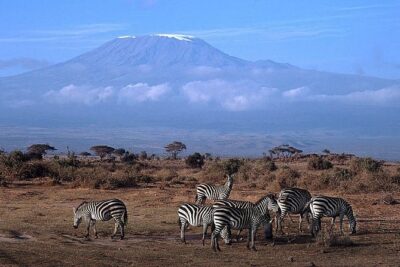
15 Days Classic Kenya & Tanzania + Zanzibar Beach Holiday
Read our review →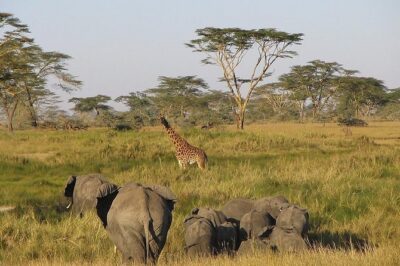
8 Days Best of Kenya and Tanzania Safari from Nairobi
Read our review →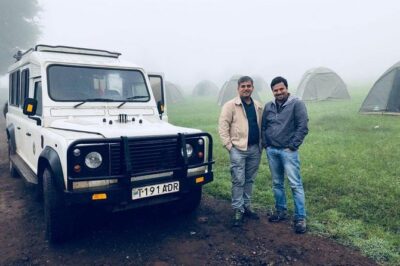
12 Days Kenya & Tanzania Safari Private Lodge Safari from Nairobi
Read our review →Browse the lists this tour appears in