
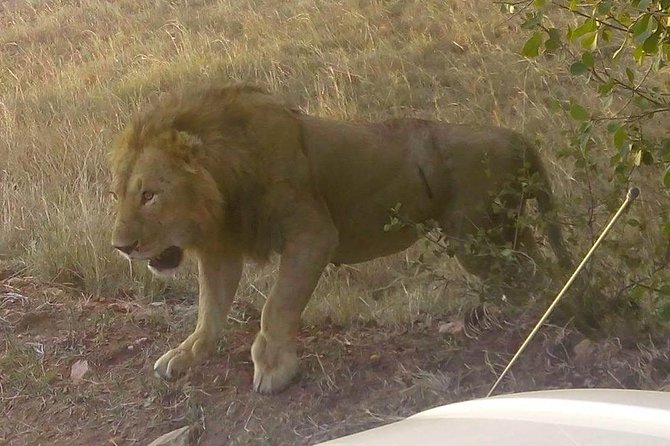
REVIEW · KENYA & TANZANIA SAFARIS
11 Days Guided Group Safari in Kenya And Tanzania
Big wildlife, real-world logistics.
I like the dense mix of iconic parks and the on-the-ground guide help during drives, so you spend less time guessing and more time spotting. The possible drawback is that I also saw a safety-and-hotels complaint tied to driver behavior and booking coordination, so you should keep your eyes open and ask the right questions early.
This is a guided group safari, with a small cap of up to 8 travelers, which usually means better group energy than cattle-car tours. Expect long driving days, early starts, and days that feel full, not rushed. Also note the drinks setup, drinking water is included but other drinks aren’t, so plan your budget accordingly.
You’ll start in Kenya and end in Nairobi after Tanzania, with organized transitions through Arusha and a big crater day in Ngorongoro. If you want a classic circuit of the best game-viewing areas, plus the chance to see Kilimanjaro when weather cooperates, this itinerary fits the bill.
In This Review
- Key things that make this safari a smart pick
- Maasai Mara Game Drives and Rift Valley Viewpoints
- Lake Nakuru for Flamingos, Rhino Conservation, and Bird-Rich Drives
- Amboseli: Elephants, Hippo Swamps, and Kilimanjaro If the Weather Plays Nice
- Arusha Transition and What Changes When You Cross into Tanzania
- Lake Manyara: Tree-Climbing Lions and Flamingo Flocks
- Ngorongoro Crater Descent: The Big Day With the Picnic Break
- Serengeti and Olduvai Gorge Museum Stop for the Evolution Story
- Arusha and Nairobi Wrap-Up Without Extra Travel Panic
- Group Size, Vehicles, and Why the Transport Details Matter
- Price and Value: What $2,400 Buys You, and What It Does Not
- Safety, Hotels, and the Questions I’d Ask Before You Go
- Who This Kenya and Tanzania Safari Fits Best
- Should You Book This 11-Day Guided Safari?
- FAQ
- How many travelers are in the group?
- Is hotel pickup offered?
- Are park entrance fees included?
- What meals and drinks are included?
- Is accommodation in Nairobi included?
- What vehicles are used in Kenya and Tanzania?
- Is the Olduvai Gorge visit included?
Key things that make this safari a smart pick
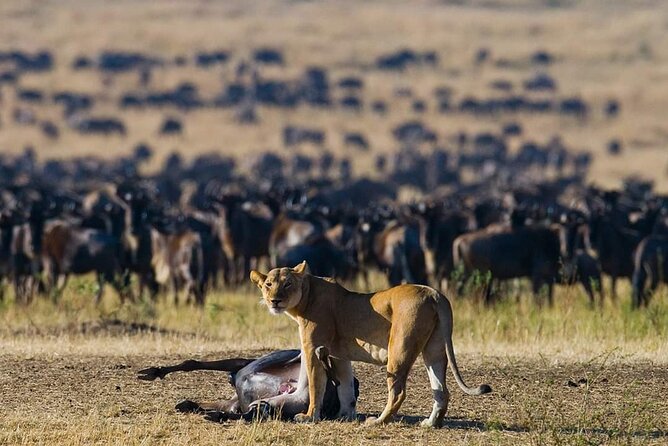
- Game drives built around multiple top parks, including Maasai Mara, Lake Nakuru, Amboseli, Lake Manyara, Serengeti, and Ngorongoro
- Small-group feel (max 8), which helps when roads, sightings, and photo stops get unpredictable
- Vehicles match the terrain: hatch-roof safari van in Kenya, 4×4 Land Cruiser in Tanzania
- Strong wildlife focus with guide support, including help identifying animals and birds on the spot
- Ngorongoro crater day that’s all about the descent and the views once you’re down on the crater floor
Maasai Mara Game Drives and Rift Valley Viewpoints
Your safari starts in the Maasai Mara National Reserve, picked up from your Nairobi hotel around 07:00 to 08:00. That pickup window matters because Mara game drives are timed around animal activity, light, and road conditions. Then you head out via a viewpoint over the Great Rift Valley and through Narok town before lunch.
What I like about the Mara start is the flow. You’re not dropped in and told to fend for yourself. There’s an orientation, then you’re straight into a game drive where your guide helps you identify wildlife and explain day-to-day behavior. In a place this big, that guide layer can make the difference between seeing shapes and actually understanding what you’re looking at.
You’ll spend at least two days in the reserve. Day 2 is framed as a full day of viewing across savannah grassland on rolling hills, with breaks that still keep you in prime scenery. There’s also a picnic lunch break at the hippo pool, which is one of those Mara moments that can change fast depending on what’s moving. If you want a flexible wildlife day where you’re not stuck rushing, Mara is a great choice.
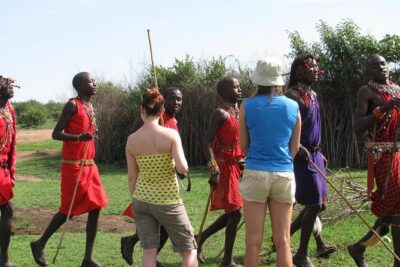
One optional add-on floats here too: a Masai village visit at extra cost. I usually treat village add-ons as worth it only if you care about culture context and you’re comfortable paying extra. If your main goal is wildlife and photography, you can skip it and keep the day focused.
More Safaris in Nairobi
- Safari Tour; Nairobi National Park
★ 4.5 · 594 reviews - Half-Day Nairobi National Park Safari from Nairobi with Free Pickup
★ 4.5 · 264 reviews - 5 Days Masai Mara, Lake Nakuru & Naivasha Budget Joining Safari
★ 5.0 · 229 reviews
Lake Nakuru for Flamingos, Rhino Conservation, and Bird-Rich Drives
After Mara, you head toward Lake Nakuru National Park. The road trip leg includes lunch en route with views of Mount Longonot and Lake Naivasha from afar, weather permitting. This is a good moment to settle in, because your next day is all about wildlife concentration rather than marathon driving.
Lake Nakuru is known for bird-life, especially flamingos. On your park day, you go out for a game drive that focuses on those shoreline scenes. If you’re the type who loves variety, Nakuru delivers, because you can bounce between flamingos, shoreline grazers, and the broader bird ecosystem quickly.
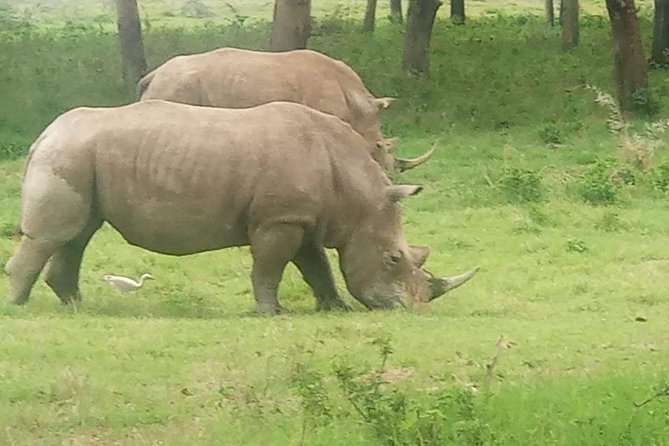
This is also the park stop where the itinerary calls out a white rhino conservation sanctuary. Even if you don’t get a rhino sighting on the day you’re there, knowing the park has a defined conservation focus helps you understand why sightings happen differently here than in open savannah areas. It’s the difference between hoping for one big moment versus seeing a park system built around protection and recovery.
Day 3 runs with a classic rhythm: breakfast, drive time, then return for dinner and overnight at a budget hotel with self-contained rooms. That’s a practical detail. Self-contained rooms can mean easier downtime after a long day, even if the place is simple.
Amboseli: Elephants, Hippo Swamps, and Kilimanjaro If the Weather Plays Nice
Amboseli is your next big Kenya highlight. The itinerary places you there after Nakuru, with dinner and overnight at a camp. Then you get a full day of game drives, which is the right way to do Amboseli. When you’re chasing elephants, birds, and the chance of Kilimanjaro in the background, you want time to wait for light and movement.
The park is described as having swamp grounds where elephants and hippos bathe. That combination can make for some very intense, close-to-nature viewing. You can also expect plains game, antelopes, and birds, plus a view of Kilimanjaro’s peak if weather permits. The key word there is if. In East Africa, you build in a bit of luck for mountain visibility.
There are two ways this day can go in your favor:
1) You get clear skies and Kilimanjaro pops into view.
2) Even without mountain views, the animal density and water features still make Amboseli worthwhile.
Either way, this is the day where I’d encourage you to slow down. Don’t sprint from sight to sight. Let your guide show you what matters, then spend time watching. Elephants and hippos do not care about your schedule.
Arusha Transition and What Changes When You Cross into Tanzania
After Amboseli, you go to Arusha. If weather permits, you might get views of Kilimanjaro again, then you do border and immigration formalities through the Namanga border and board a shuttle bus into Arusha.
A Drones Africa Safaris manager picks you up from the bus stop and drops you at your hotel on a bed and breakfast basis. Dinner is on your own. That matters for planning. You have a controlled logistics day, then a free evening where you can eat at your own pace.
This is also the moment where your transportation setup changes. The itinerary calls for a safari van in Kenya and a 4×4 Land Cruiser in Tanzania. That shift matters because Tanzania routes and park road conditions can feel different. A Land Cruiser in Tanzania makes sense for crater terrain and game-drive logistics.
If you’re traveling on a tight timeline, Arusha is the buffer day that helps. You don’t fight the whole journey in one blast. You reset, charge devices, top up water, and get ready for crater and Serengeti.
More Kenya and Tanzania safaris:
- Ultimate 12 Days Private Safari Tour in Kenya and Tanzania
★ 5.0 · 60 reviews - 12 Days Best Of Kenya and Tanzania Safari – Luxury
★ 5.0 · 36 reviews - 12 Days Kenya and Tanzania Budget Private Safari from Nairobi
★ 5.0 · 28 reviews - 12 Days Kenya Tanzania Safari
★ 5.0 · 17 reviews
Lake Manyara: Tree-Climbing Lions and Flamingo Flocks
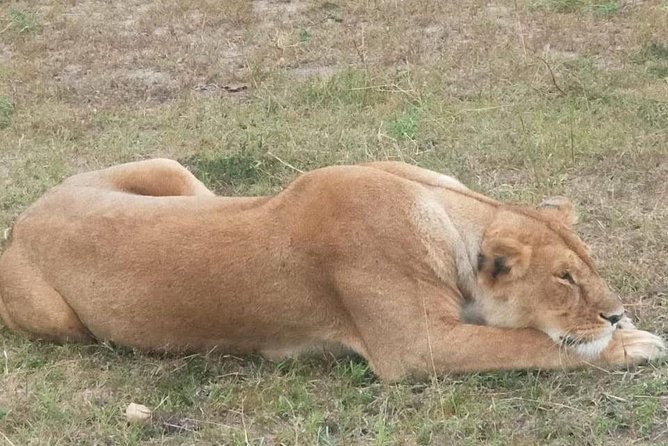
Lake Manyara National Park is another classic stop, and it’s framed around two big draws. First is tree-climbing lions. Second is large flocks of flamingos.
The day starts with hotel pickup in Arusha and a drive to the park, with lunch en route. Then you get a game drive in the park before dinner and overnight at fixed tents. Fixed tents usually mean a more safari-style base than a standard hotel room. After a drive-heavy day, that can feel like part of the experience, not just sleeping.
Tree-climbing lions are one of those stories people bring up a lot, so here’s how I’d think about it practically. Even when lions are present, they don’t always climb on demand. Your real win is the setting and the chance to see behavior in a park that feels different from the Mara’s open savannah patterns.
Flamingos are often easier to spot when conditions align, especially in areas where the shoreline and water levels create the right feeding scenes. This is the kind of day where your guide’s animal and bird spotting skill is useful because the park’s best moments can happen quickly.
Ngorongoro Crater Descent: The Big Day With the Picnic Break
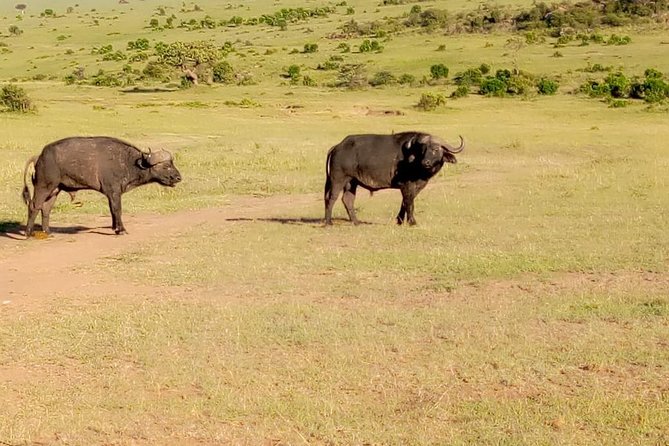
Ngorongoro Conservation Area is structured for one purpose: getting you down onto the crater floor. After breakfast, you descend about 2,000 feet, or 670 meters. That’s a real physical change, and it tends to make the day feel like you’re entering a different world once you’re inside.
Lunch is a picnic served during the crater time, and there’s also a break at Ngoitoktok springs picnic site. This is one of those itinerary details that’s more than just a lunch stop. Springs and water points can attract animals, and they can also create a slower rhythm for viewing.
The crater itself is described as 165 kilometers, and it can hold varied species such as black-maned lions, rhinos, buffalos, elephants, and grazing animals. The phrase black-manned lions is especially relevant because it helps set expectations about the kind of lions you’re hoping for.
Day 8 is a full day in the park, then dinner and overnight at a campsite. A campsite night after a long crater day is not the time to expect luxury. But it does keep you close to the action, which is exactly what you want after spending hours driving and then hours watching.
If you’re trying to decide what part of the trip is most likely to deliver that unforgettable moment, Ngorongoro is the strongest bet on the schedule. You’re not just visiting a park, you’re working inside a natural theater.
Serengeti and Olduvai Gorge Museum Stop for the Evolution Story
After Ngorongoro, you head to Serengeti. You also route through Olduvai Gorge and include a stop at the Gorge Museum for lunch, plus site visits tied to where prehistoric remains were discovered by Dr. L.S.B Leakey.
That Leakey reference is a helpful anchor. It tells you the stop isn’t random. It’s built around the science story connected to human origins. If you like context, you’ll probably enjoy the museum stop. If you’re here only for animals, you might treat it as a necessary break between crater and Serengeti.
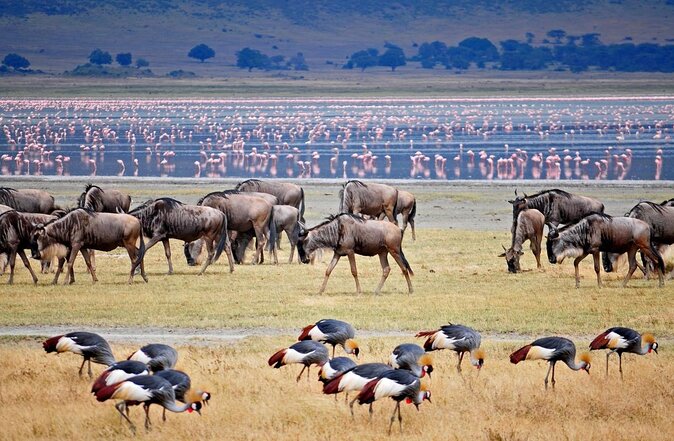
Your afternoon game drive in Serengeti is your payoff stretch. The itinerary then includes another day in Serengeti with a final game drive before you leave the park. Serengeti’s animal mix is described broadly as lions, zebras, elephants, and other species, which is exactly what you want from a multi-drive park day.
In Serengeti, what tends to matter most is time on the ground and where your guide chooses to focus based on sightings. Since your schedule includes multiple game drives across different times of day, you have better odds of catching different behavior patterns. This is why I value a planned itinerary even when I’m picky about timing.
Arusha and Nairobi Wrap-Up Without Extra Travel Panic
On your way back, you leave Serengeti and drive to Arusha. Lunch is en route, and you arrive early evening for an overnight at a budget hotel. Dinner is on your own again. Then on the final day, you fly or drive to Nairobi by shuttle bus and get dropped in Nairobi after breakfast.
Nairobi is where you reset your packing and prep for flight day. Since Nairobi accommodation is listed as not included, you’ll want to plan your own hotel there if your schedule requires a full extra night.
This Kenya-Tanzania combo works best when you treat Nairobi as a start and end hub, not as part of your wildlife time. The wildlife time is the parks. Nairobi is logistics and convenience.
Group Size, Vehicles, and Why the Transport Details Matter
This safari caps at 8 travelers, which is the sweet spot for group driving. You’re not stuck with a huge noise level, and it’s easier for a guide to handle route changes when sightings pop up.
In Kenya, the tour uses a safari van with a hatch roof. In Tanzania, it uses a 4×4 Land Cruiser. That matters because visibility affects what you can photograph and how often you can safely reposition for animal sightings. A hatch roof can help you spot from a higher angle, which is useful when animals are partially obscured by grass.
Driving days are long, especially with park hopping. One of the things that separates a good safari from a great one is the day pacing. Here, your schedule builds in time in each park instead of treating them all like quick photo stops. That’s a real quality signal.
Price and Value: What $2,400 Buys You, and What It Does Not
At $2,400 per person for roughly 11 days, you’re paying for guided access across major parks plus transport between ecosystems. The biggest value points are that park entrance fees are included, along with the safari vehicles and parking fees. That kind of bundle reduces the “surprise math” that can hit at the end of your trip.
Meals are largely covered. The itinerary includes breakfast on 10 days, lunch on 9 days, and dinner on 8 days. Drinking water is included throughout. Other drinks are not included, including alcoholic and soft drinks, so if you like soda or beer, budget separately.
Some items are not included:
- Personal insurance
- Items of personal use
- Alcoholic and soft drinks
- Accommodation in Nairobi
- Olduvai Gorge visit
That last point deserves a practical note. Your route includes a stop around Olduvai Gorge and the Gorge Museum for lunch and site visits. But the package explicitly lists the Olduvai Gorge visit as not included, so any museum or site admission fees there may be extra. Bring a payment option and expect that piece to be separate.
If you’re comparing safari packages, focus on the parts that affect your day-to-day comfort: park access, guide quality, and transport type. This itinerary nails the park coverage and includes the core viewing meals, so your biggest cost after this is usually drinks, personal extras, and any add-ons like the Masai village option.
Safety, Hotels, and the Questions I’d Ask Before You Go
Let me be blunt about safety. One past experience report I reviewed described a driver exceeding speed limits, tailgating a petroleum truck, and texting while driving, and another issue involved poor hotel reservation handling. That is not a minor complaint. It’s the kind that can affect how you feel in the vehicle and how smooth the trip is when you arrive.
I can’t verify details about every driver on every departure, but I can tell you what I’d do to protect yourself:
- In your pre-trip contact, ask how they manage driver safety rules, including no phone use while driving.
- Ask what your plan is if a hotel booking is delayed or wrong, and get the name of the booked hotel for each night in advance.
- Keep a calm backup mindset. If something feels off, you can request changes quickly while still on the ground, not after the fact.
Hotels can also be a mixed bag on safaris because parks are far from city options. The itinerary alternates between camp stays like Miti Mingi Eco Camp, fixed tents, and budget hotels. That means comfort level varies by night. The key is to be ready for practical simplicity, not expecting the same feel every day.
If you’re the type who needs spotless consistency, this safari may require extra attention. If you can handle simple camp lodging while focusing on wildlife, you’ll likely enjoy the rhythm.
Who This Kenya and Tanzania Safari Fits Best
This trip suits you if:
- You want a classic circuit across Maasai Mara, Serengeti, and Ngorongoro without planning everything yourself.
- You like guided game drives with help identifying animals and birds.
- You prefer small-group pacing, with a cap of 8 people.
It’s less ideal if:
- You want a perfectly smooth, identical comfort level night after night.
- You are highly sensitive to any safety or driver behavior concerns and need strict assurances in writing.
It also fits photographers and bird lovers. Lake Nakuru’s flamingos and the bird-life focus make it a strong add-on to the usual big-animals safari.
Should You Book This 11-Day Guided Safari?
I’d book it if your priority is the park lineup and you want guided viewing across Kenya and Tanzania with included park fees and most meals handled. The route makes sense: Mara for savannah action, Nakuru for birds and rhino conservation focus, Amboseli for elephants and Kilimanjaro hopes, Lake Manyara for flamingos and the chance at tree-climbing lions, Ngorongoro for the crater theater, then Serengeti for the big animal time.
I’d hesitate or at least proceed with extra caution if safety and hotel reliability are your top deal-breakers, because I saw a serious driver complaint and hotel reservation problems tied to an earlier experience report. You can still book, just do your homework on driver and lodge confirmations.
If you’re ready for long days, early starts, and a safari rhythm that’s more about animal time than comfort perfection, this Kenya and Tanzania combo can deliver exactly the kind of memories you came for.
FAQ
How many travelers are in the group?
The tour has a maximum group size of 8 travelers.
Is hotel pickup offered?
Yes. On Day 1, you’re picked up from your hotel around 07:00 to 08:00, depending on your location. You also get hotel pickup for later park days.
Are park entrance fees included?
Yes. Park entrance fees are included in the tour price.
What meals and drinks are included?
Breakfast is included for 10 days, lunch for 9 days, and dinner for 8 days. Drinking water is included on the days listed, and alcoholic and soft drinks are not included.
Is accommodation in Nairobi included?
No. Accommodation in Nairobi is not included.
What vehicles are used in Kenya and Tanzania?
In Kenya, you use a safari van with a hatch roof. In Tanzania, you use a 4×4 Land Cruiser.
Is the Olduvai Gorge visit included?
The Olduvai Gorge visit is listed as not included.
Newest write-ups from Nairobi
- Visit kibera Slum the chocolate city★ 4.8 · 3 reviews
- 3 days maasai mara migration safari★ 4.5 · 7 reviews
- 4 Days Tour Landcruiser in Masai Mara and Lake Nakuru★ 5.0 · 10 reviews
- 4 Days Safari to Lake Nakuru N/P and Maasai Mara N/R★ 5.0 · 18 reviews
- Day Tour to Nairobi national park, Elephants, and Giraffe Center★ 3.5 · 8 reviews
- Wildebeest Migration in Masai Mara and Sightseeing 4 Days Tour★ 4.5 · 6 reviews
- Maasai Mara Day Trip★ 5.0 · 15 reviews
- Kibera Slum Tour with a Local★ 5.0 · 15 reviews
Kenya & Tanzania Safaris, compared.
Ultimate 12 Days Private Safari Tour in Kenya and Tanzania
Read our review →
12 Days Best Of Kenya and Tanzania Safari – Luxury
Read our review →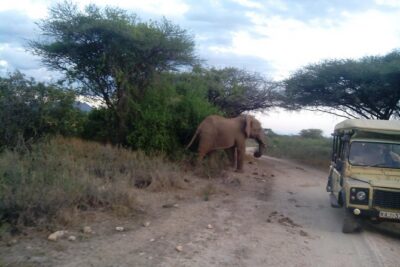
12 Days Kenya and Tanzania Budget Private Safari from Nairobi
Read our review →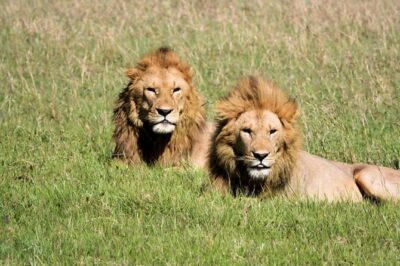
12 days Kenya and Tanzania safari private lodge from Nairobi
Read our review →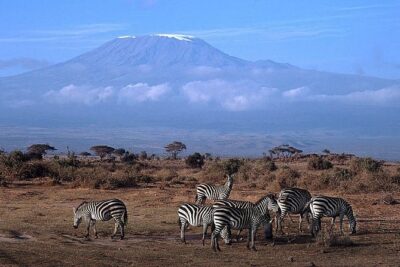
15 Days Classic Kenya & Tanzania + Zanzibar Beach Holiday
Read our review →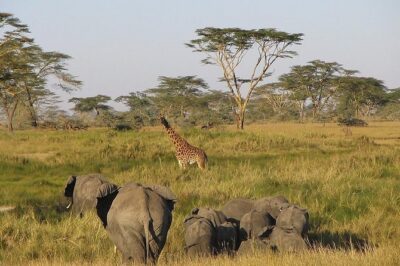
8 Days Best of Kenya and Tanzania Safari from Nairobi
Read our review →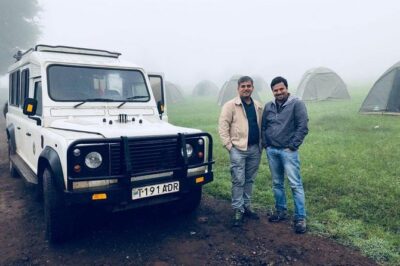
12 Days Kenya & Tanzania Safari Private Lodge Safari from Nairobi
Read our review →Browse the lists this tour appears in