
REVIEW · MOMBASA TOURS
MOMBASA:FortJesus,OldCity,GiraffeOstrich,Oryx,Eland,WildTour
Mombasa’s lanes hook you fast. This full-day guided tour pairs Fort Jesus with the Old City maze, then tops it off with a wildlife walk at Nguuni and a stop at the Elephant Tusks on Moi Avenue. I especially like the chance to stand at Fort Jesus, a UNESCO World Heritage Site, and I love winding through old town lanes where ancient mosques, the spice market, and daily life sit side by side.
Next, the day has a local-feeling rhythm. Your guide, often John David Mwangi Irungu (and he gets extra points for helping with photos and video), keeps the pace easy and explains what you’re actually looking at, from Portuguese building choices to the meaning behind the streets and landmarks.
One thing to plan for: entry fees are not included for Fort Jesus and the Nguuni Nature Sanctuary. If you’re on a tight budget, you’ll want to budget those add-on costs upfront, plus remember the tour does not include transport back to your hotel.
In This Review
- Key highlights at a glance
- A full-day Mombasa mix that feels practical, not rushed
- Entering Mombasa via Moi Avenue and the Elephant Tusks
- Fort Jesus: a UNESCO site you can actually understand
- Old Town walking: spice market, mosques, and the everyday city
- Nguuni Nature Sanctuary: close wildlife viewing with conservation context
- The conservation story at Nguuni you can actually picture
- Elephant Tusks and the pace balance: how the day feels in motion
- Price and value: where the $40 really lands
- What to bring, and the rules that keep things smooth
- Who should book this Mombasa day trip
- Should you book Mombasa: Fort Jesus, Old City, and Nguuni?
- FAQ
- How much does the tour cost?
- Is entry to Fort Jesus included?
- Is entry to Nguuni Nature Sanctuary included?
- Do you get pickup from your hotel?
- Is transportation back to the hotel included?
- Does the tour include Swahili coffee or Swahili chai?
- What wildlife will you see at Nguuni?
- Is flash photography allowed?
- What should I bring for the day?
- Is the tour suitable for older visitors?
Key highlights at a glance
- Fort Jesus UNESCO focus, built by the Portuguese to protect the harbor entrance
- Old Town walking route, including narrow lanes, ancient mosques, and the spice market
- Elephant Tusks on Moi Avenue, a quick but memorable landmark drive-by
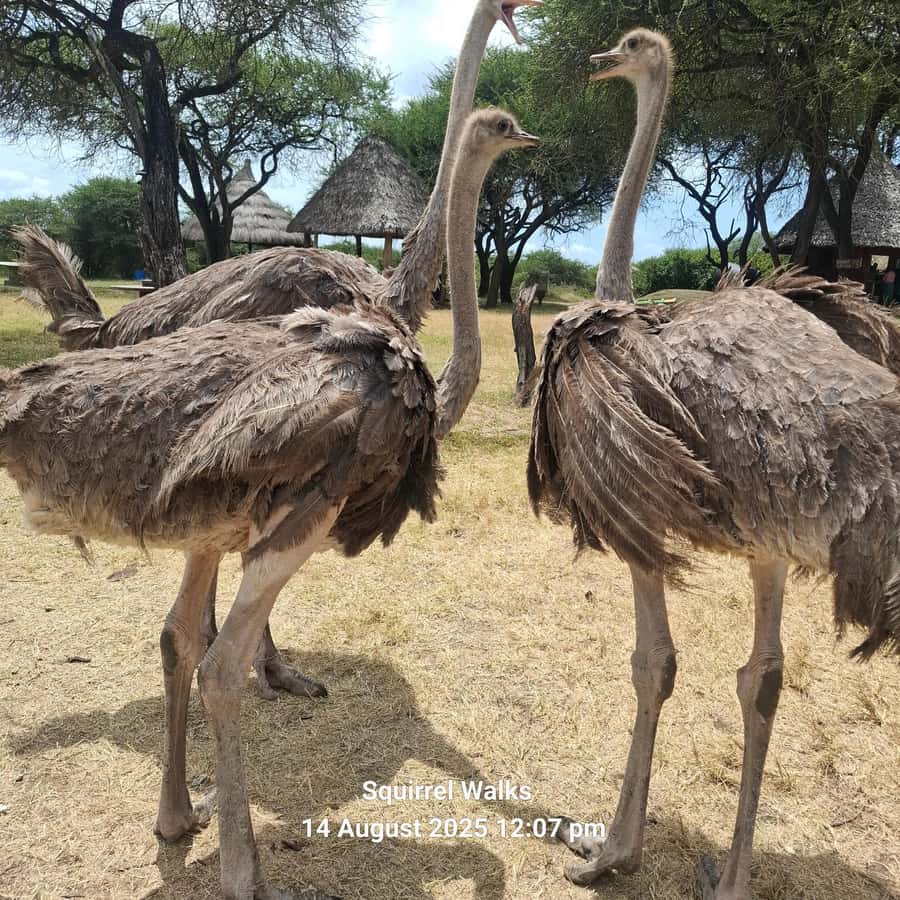
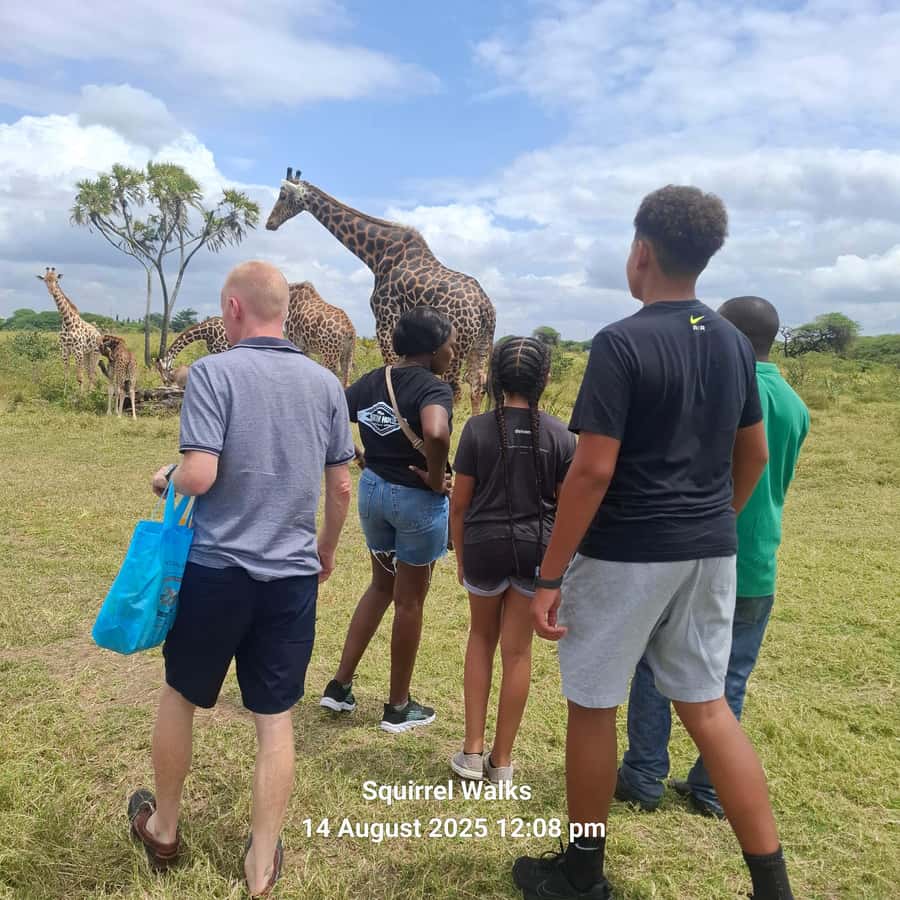
- Nguuni Nature Sanctuary walk, where you can see giraffes, ostriches, and more close up
- Meaningful conservation story, from quarry restoration to indigenous planting efforts
- Helpful guiding with photo support, so you spend less time wrestling your camera
A full-day Mombasa mix that feels practical, not rushed
This tour works well if you want one day to cover the essentials, without playing “guess the route” in Mombasa. You start with hotel pickup and then move through the city by car and on foot, which matters because Old Town streets can be uneven, tight, and not built for long sightseeing marathons.
The best part is the pairing. You’re not just doing monuments. You also get a nature stop at Nguuni where the wildlife viewing is part of a conservation setting, not just a photo stop.
A few more Mombasa days worth pricing up
- Walking Tour Through Old Town Mombasa and Fort Jesus
★ 5.0 · 393 reviews - Mombasa: Kisite Park Private Cruise with Breakfast and Lunch
★ 4.7 · 181 reviews - Mombasa City Tour
★ 5.0 · 170 reviews
Entering Mombasa via Moi Avenue and the Elephant Tusks
Before you settle into Old Town, you pass by the Elephant Tusks monument on Moi Avenue. It’s the kind of landmark that helps you orient yourself quickly, especially if it’s your first time in Mombasa.
Even though this is brief, it sets the tone. The city isn’t only historic buildings and heritage walls. It also has public art and modern city life in the same frame.
Fort Jesus: a UNESCO site you can actually understand
Fort Jesus is the anchor of the day, and the tour gives you enough context to make it more than just “a fortress to visit.” Built by the Portuguese in the 16th century on a coral ridge at the harbor entrance, it was designed to protect Portuguese safety along the East African coast.
What I like here is how the story changes as you look around. The fort was attacked by Omani Arabs from 1696 to 1698, then later used as barracks between 1837 and 1895, and eventually became a prison under the British protectorate proclaimed on July 1, 1895. You start seeing the place as a strategic point that kept mattering to different powers.
One practical heads-up: Fort Jesus entry tickets are not included. The tour still takes you there, but you’ll pay the site fee separately. If you want less stress at the gate, plan to have cash or be ready to follow the operator’s payment instructions on the day.
Old Town walking: spice market, mosques, and the everyday city
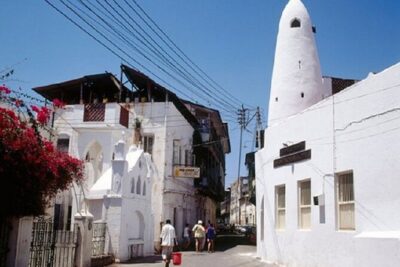
After Fort Jesus, you transition into Old Town, where the experience shifts from stone walls to living streets. Expect cobbled narrow lanes, overhanging balconies, and doorways that feel like they lead to another era. It’s the kind of walking route where going slower is rewarded.
The tour route includes several “you can’t fake this” stops: the spice market area, Shiva Temple, the city center, and the old town streets lined with ancient mosques and residential houses. Even if you’ve seen photos before, being there in person is different because the sights come with sound, movement, and the smell of spices.
A couple of real-world tips that matter:
- Wear comfortable walking shoes. The ground can be rough and uneven.
- Keep your hat and sunscreen handy. Old Town streets can mean more direct sun than you expect.
- If you want great photos, consider moving at the guide’s pace. Tight lanes mean you need space to turn and frame.
Same trip, a different part of the country:
- Mombasa: Tusks, Fort Jesus, Old Town, Beach and City Tour
★ 4.7 · 137 reviews - Half-Day Scenic Bike Tour
★ 5.0 · 75 reviews - 2 Days Tsavo East National Park Tour From Mombasa/Diani (1 Night)
★ 5.0 · 50 reviews - Mombasa: Guided Nature Walk Amongst Giraffes
★ 4.8 · 48 reviews
Nguuni Nature Sanctuary: close wildlife viewing with conservation context
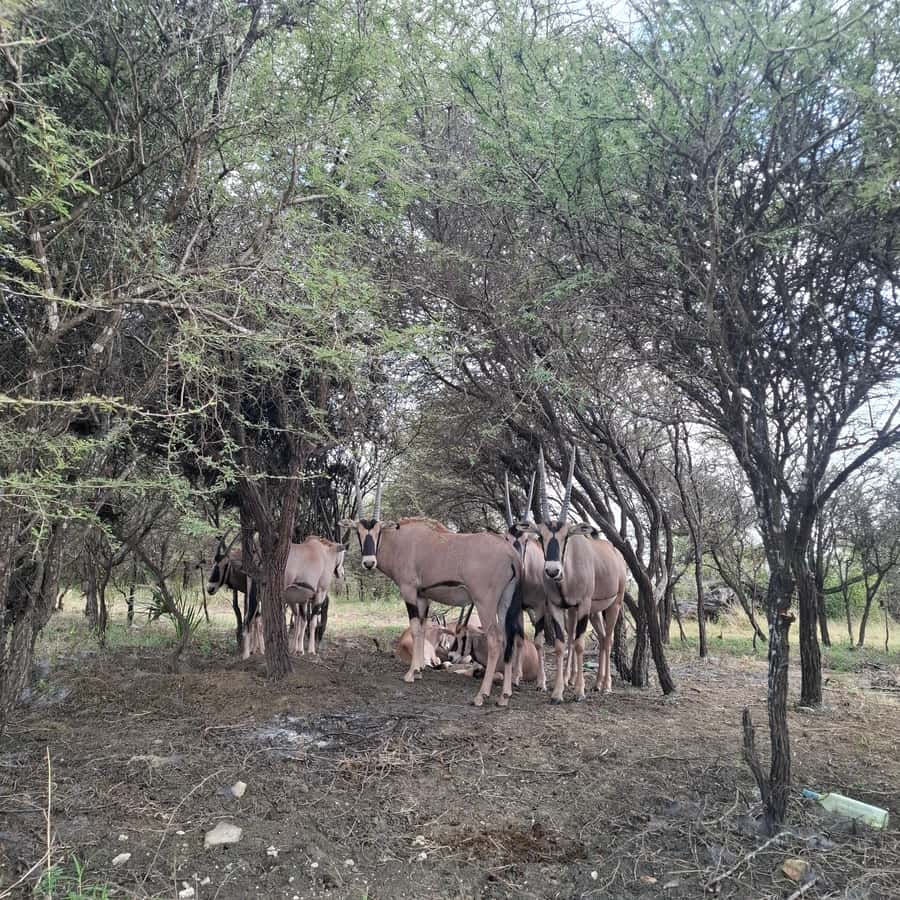
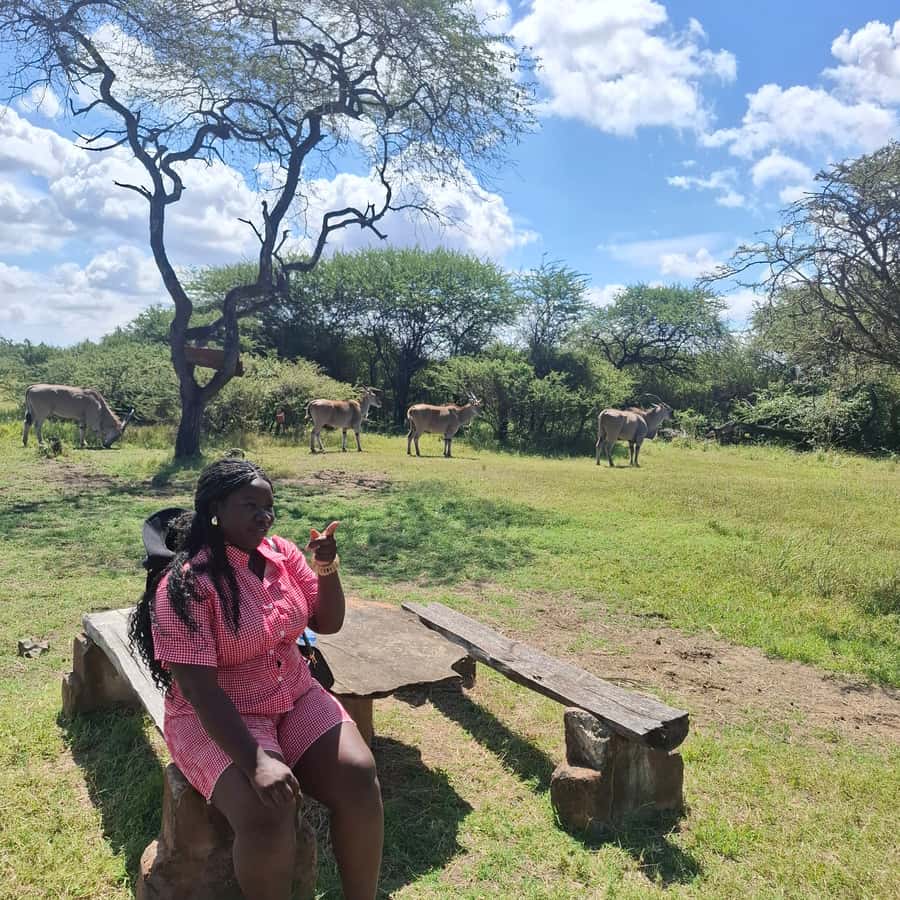
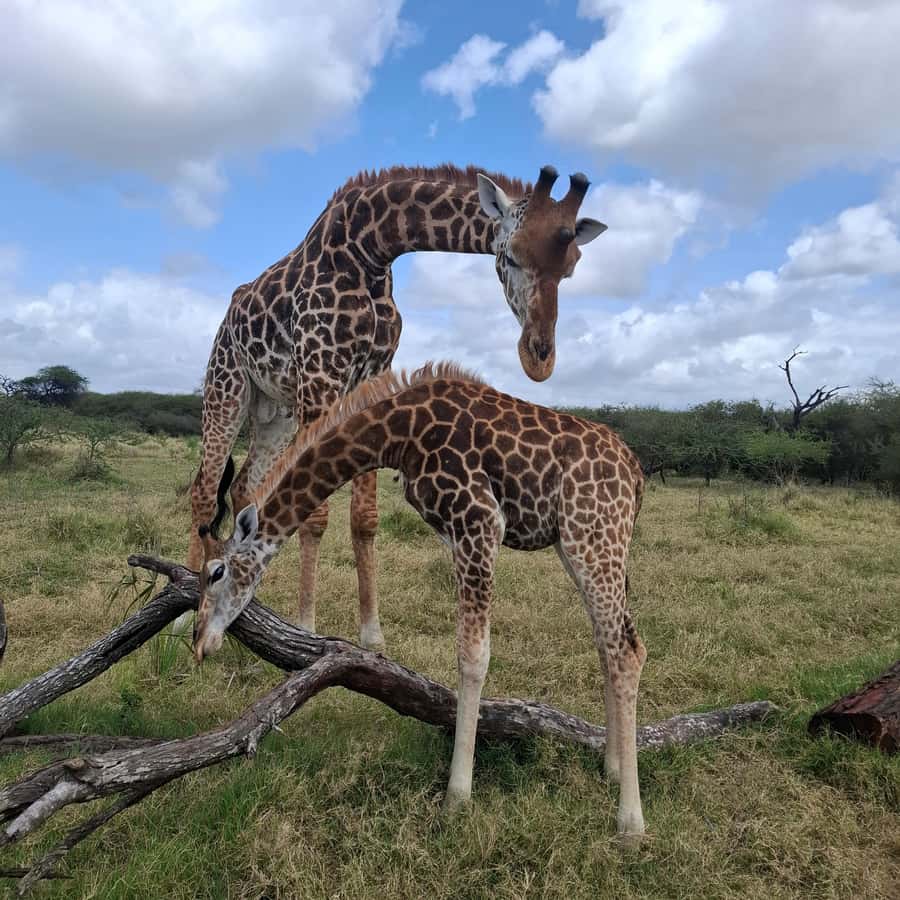
The nature stop is where the day turns from architecture to animals. At Nguuni Nature Sanctuary, you get a nature walk where the experience is described as seeing wildlife very close, either standing in place or from seating setups. The goal is observation, not riding or entertainment.
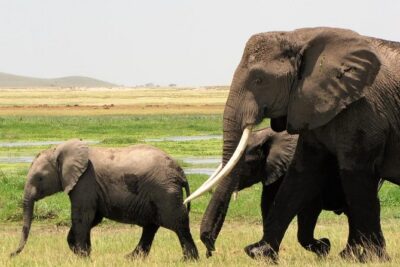
What you can expect to see includes giraffes, ostriches, antelopes, and the sanctuary also hosts buffalos and crocodiles, plus smaller mammals and birds. This is one reason the day works as a “full story” of Mombasa, because you go from coastal heritage to a restored habitat.
Nguuni is also a former quarry that has been reforested. That gives you more than a list of animals. You get a sense of how the site changed over time, including how they selected pioneer plants that could survive a limestone, hot, sun-heavy environment.
The conservation story at Nguuni you can actually picture
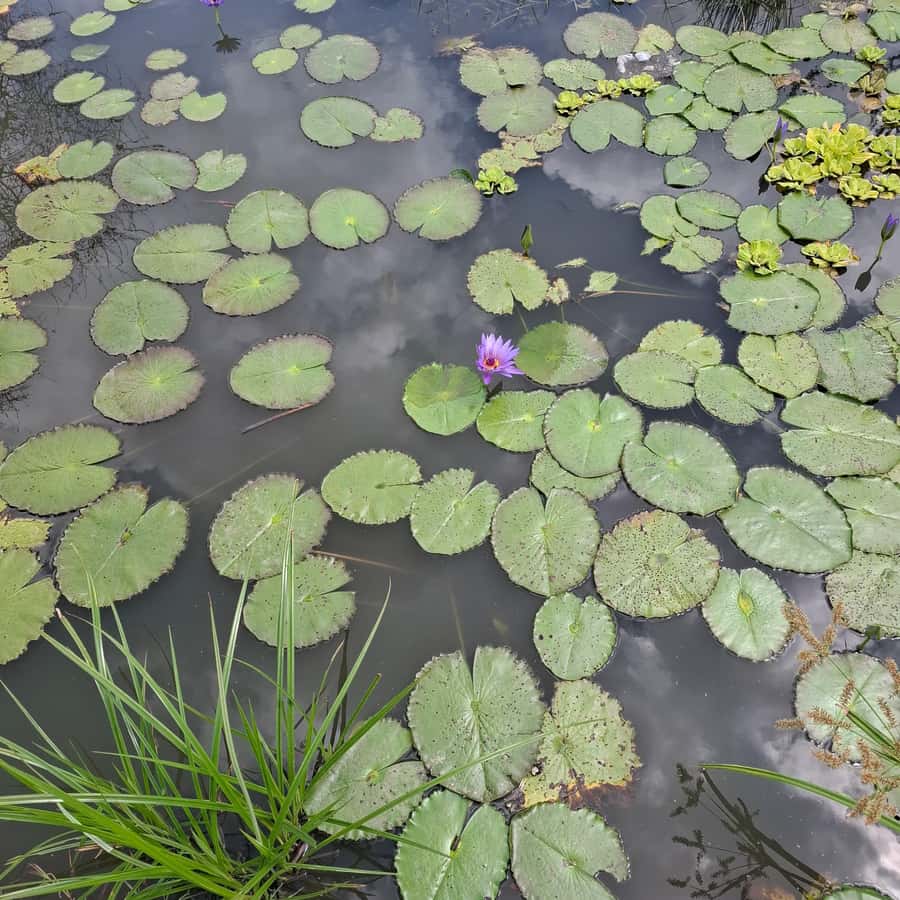
The tour explains how the sanctuary began with tough conditions. Pioneer plants had to survive the intense tropical sun and the harsh limestone desert. Only three plants survived after an early planting effort: damas, coconut palm, and casuarina. Then additional plants took hold through wind and animal help, and over the years the quarry slowly developed into a sanctuary for endangered plant types.
You also learn that the sanctuary has planted over 180 species of indigenous trees and bushes. Succession is part of the plan, meaning the ecosystem develops in stages rather than through instant “greening.”
One fascinating detail you may hear is how seed dispersal works for ficus trees. Vervet monkeys and other animals help move seeds, but dormancy-breaking depends on the seed passing through an animal’s digestive process. In some cases, seeds also need boiling to achieve the same effect before they can germinate. It’s a very hands-on way to understand why restoration works.
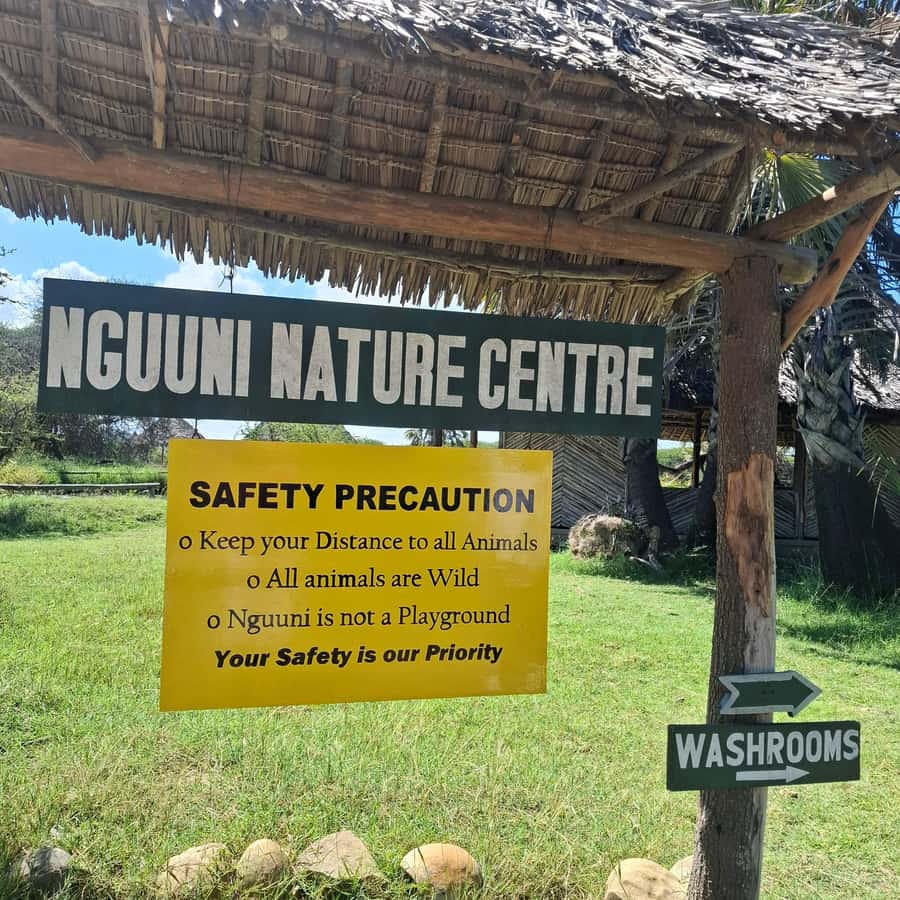
Just remember: Nguuni entry tickets are not included. The guide can take you in, but you’ll need to cover the sanctuary fee yourself.
Elephant Tusks and the pace balance: how the day feels in motion
The tour is built to keep you from bouncing between far-apart places in a way that burns the day. You’ll drive between key stops and then walk where it makes sense, especially in Old Town.
This pacing is one reason the guided format is worth it. You get the story behind landmarks, and you’re not spending time trying to interpret signage, manage routes, or figure out where the important corners are.
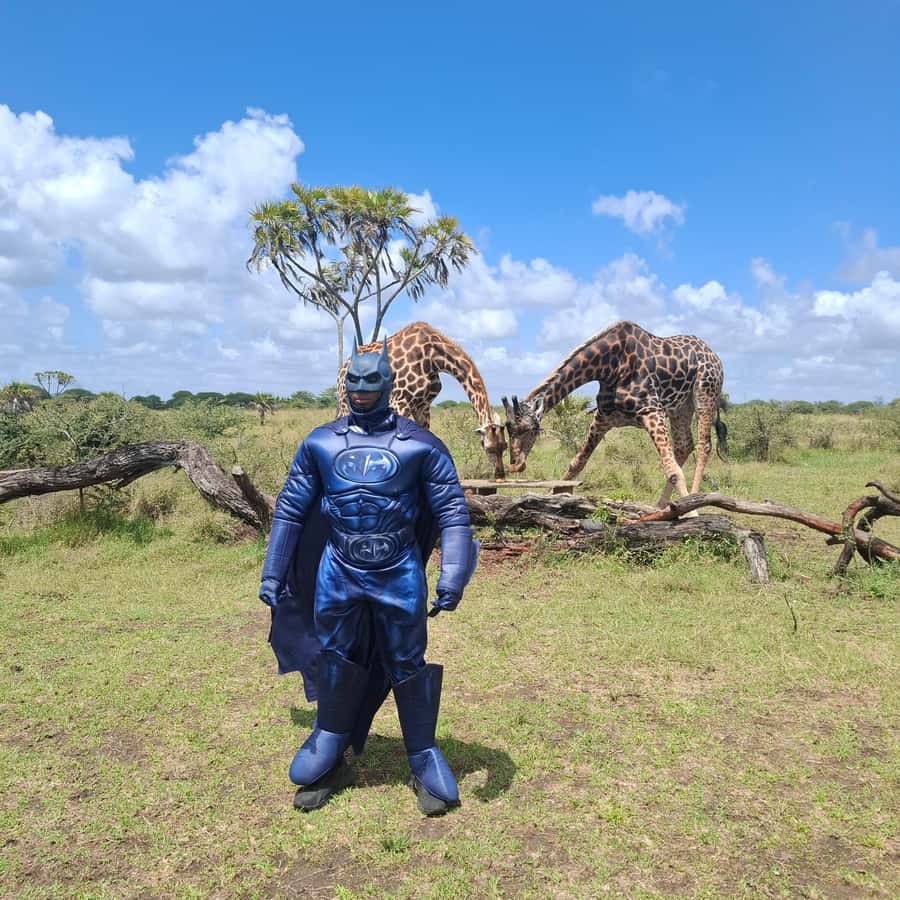
From what I look for, the best guides do two things: keep the day moving without rushing you, and answer questions clearly. John David Mwangi Irungu is repeatedly noted for being helpful and taking time with explanations and with photos and videos, which fits that ideal.
Price and value: where the $40 really lands
The price is listed at $40 per person, and for a full-day format that covers Old Town plus Fort Jesus plus Nguuni, that can be solid value. You’re paying for coordination, hotel pickup to tour sites, and guidance that ties everything together.
But the “value math” has two important add-ons:
- Fort Jesus entry is not included
- Nguuni Nature Sanctuary entry is not included
Also, transportation back to your hotel is not included. So you may need to arrange your return on your own.
If you’re comparing options, I’d treat this as a “guided connection” package. If you already plan to pay for both sites anyway, you’re likely getting your money back through reduced hassle and better context.
What to bring, and the rules that keep things smooth
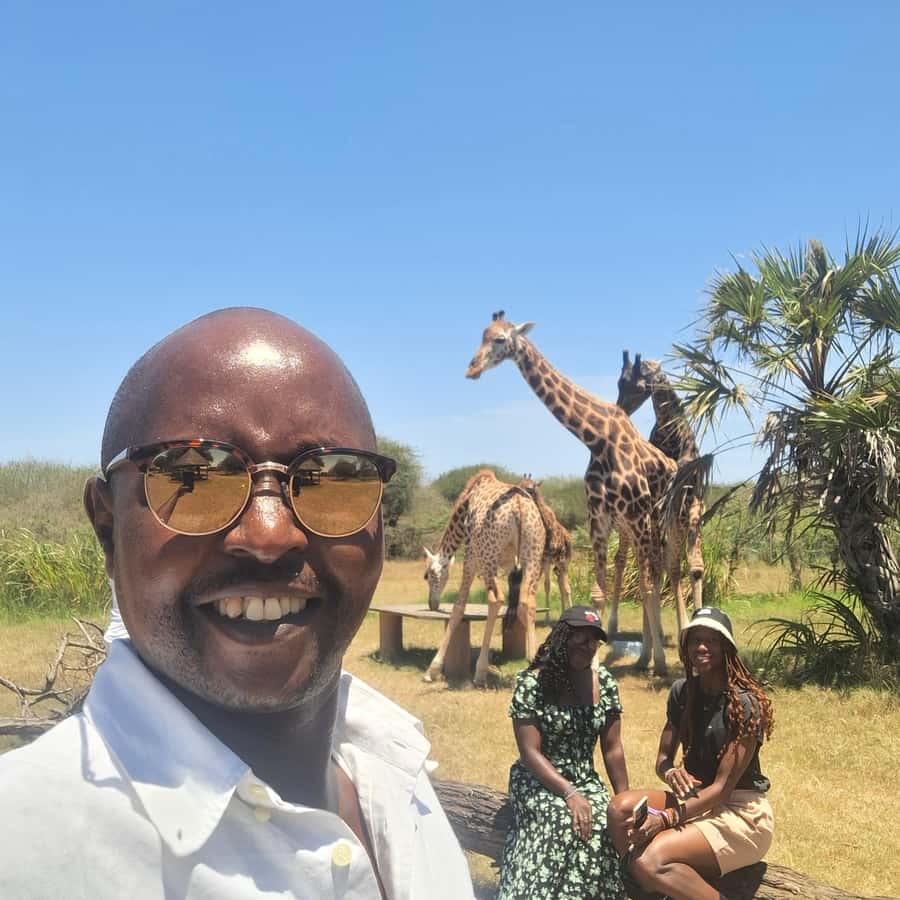
This is a walking day with sun exposure and active wildlife viewing, so pack like it’s an outdoor day on the coast.
Bring:
- Comfortable shoes
- Hat
- Camera
- Sunscreen
- Water
Camera and photos:
- Camera use is allowed.
- Flash photography may be restricted at certain sites, so keep it off unless the guide says otherwise.
Rules to follow:
- No smoking indoors.
- No intoxication, alcohol, or drugs.
- No littering, no making fire, and follow quiet rules inside indoor areas if any.
- Keep clothing appropriate, including avoiding ripped or loose clothing.
- No riding animals.
These restrictions aren’t just for control. They also help keep wildlife stress low and make the walk more respectful.
Who should book this Mombasa day trip
This tour is a strong match if you:
- Want a first-timer introduction to Mombasa with a guide
- Like Old Town streets and historic sites with context
- Want animal time that isn’t just a drive-by
- Prefer English-language guiding
It may not be the best fit if you:
- Need a fully seated, low-walking itinerary
- Have mobility limits, since comfortable walking shoes are part of the plan
- Are over 70 years, since it’s listed as not suitable for that age group
If you’re traveling as a couple or solo and you want a structured day without losing freedom, this format works well. The guide support with photos is especially useful when you’re not constantly handing your phone to strangers.
Should you book Mombasa: Fort Jesus, Old City, and Nguuni?
I’d book it if you want one full day that stitches together Mombasa’s Portuguese-era fortress, Swahili coast-era Old Town lanes, and a conservation-based wildlife walk. The best reason to choose this tour is the combination: heritage and nature in the same day, with a guide who can explain what you’re seeing.
I would think twice only if you strongly dislike paying separate entry fees or you hate walking on uneven surfaces. Also, because transport back to your hotel is not included, make sure your return plan is ready before the day starts.
FAQ
How much does the tour cost?
The price is $40 per person.
Is entry to Fort Jesus included?
No. Entry tickets for Fort Jesus are not included.
Is entry to Nguuni Nature Sanctuary included?
No. Entry fees for Nguuni Nature Wildlife Sanctuary are not included.
Do you get pickup from your hotel?
Yes, pickup transportation is available to the tour sites.
Is transportation back to the hotel included?
No, transportation back to your hotel is not included.
Does the tour include Swahili coffee or Swahili chai?
Swahili coffee or Swahili chai is included on afternoon tours only.
What wildlife will you see at Nguuni?
The sanctuary is described as hosting giraffes, ostriches, antelopes, and also buffalos, crocodiles, and other smaller mammals and birds.
Is flash photography allowed?
Camera is allowed, but flash photography may be restricted at certain sites.
What should I bring for the day?
Bring comfortable shoes, a hat, a camera, sunscreen, and water.
Is the tour suitable for older visitors?
It is listed as not suitable for people over 70 years.
Newest write-ups from Mombasa
- Tsavo East National Park: 2-Day Tour from Mombasa★ 3.9 · 5 reviews
- 1-Day Tsavo East Safari From Mombasa★ 5.0 · 3 reviews
- 4×4 Safari in Tsavo East National Park★ 5.0 · 4 reviews
- 4-Day Tsavo East West and Amboseli National Park from Mombasa★ 4.0 · 5 reviews
- 4 Days Mount Kenya Trekking★ 5.0 · 6 reviews
- Private Transfer from Mombasa★ 5.0 · 6 reviews
- Fort Jesus Sound and Light show Mombasa★ 4.0 · 17 reviews
- Private Tour of Tsavo East National Park from Mombasa★ 5.0 · 3 reviews
Mombasa Tours, compared.
Walking Tour Through Old Town Mombasa and Fort Jesus
Read our review →
Kisite Park Private Cruise with Breakfast and Lunch
Read our review →
Tusks, Fort Jesus, Old Town, Beach and City Tour
Read our review →
2 Days Tsavo East National Park Tour From Mombasa/Diani (1 Night)
Read our review →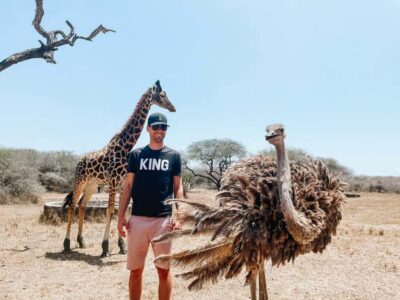
Browse the lists this tour appears in