
REVIEW · TSAVO SAFARIS
Mombasa: Tsavo East Ngutuni Sanctuary Overnight Safari
Elephants often show up before the second coffee. On this Tsavo East Ngutuni Sanctuary overnight safari from Mombasa, I love that you get 3 game drives in the sanctuary and sleep at Ngutuni Safari Lodge overlooking a waterhole. The one drawback: early pickup and long road time can be tiring, and this trip is not suitable if you have back problems.
The vehicle also matters. You ride in a roof pop-up safari van with an English-speaking driver-guide, and recent bookings mention guides by name like Walter, Amin, and Abdullah, which tells me you’ll get real explanations, not just driving around.
You’re not stuck eating on the road either. The lodge stay is full board, with lunch and dinner on day one and breakfast on day two, plus rooms with balconies facing the waterhole so you can keep watching wildlife even between drives.
In This Review
- Key takeaways before you go
- Arriving in Kenya’s wildlife zone: pickup timing that actually matters
- The drive to Ngutuni: what your driver-guide is doing while you’re watching
- First game drive: landing in the Ngutuni Sanctuary and getting your bearings
- Lunch break at Ngutuni: why the lodge matters more than you think
- Second game drive: afternoon sightings are different, and that’s a good thing
- Dinner and night at the waterhole: the quiet part of safari
- Early morning game drive on day two: the fastest way to build memories
- What wildlife viewing feels like here: think patterns, not checklists
- Price and value: what $450 covers, and what that means for your decision
- Who this safari fits best, and who should think twice
- What to pack for a smoother Ngutuni overnight safari
- Should you book this Tsavo East Ngutuni overnight safari?
- FAQ
- What time is pickup from Diani Beach?
- What time is pickup from Mombasa, Kilifi, Watamu, or Malindi?
- How many game drives are included?
- What meals are included during the 2 days?
- Where do you stay overnight?
- How big is the group and what vehicle is used?
- Is this safari suitable for pregnant women or people with back problems?
Key takeaways before you go
- Waterhole-view rooms at Ngutuni Safari Lodge mean wildlife watching can happen right from your balcony.
- Three guided game drives inside the Ngutuni Sanctuary give you repeated chances at the good sightings.
- Roof pop-up safari van helps you see over tall grass and scan farther for animals.
- Driver-guide coaching often includes on-the-ground animal explanations, with guides like Walter, Amin, and Abdullah mentioned in recent bookings.
- Full board meals (lunch and dinner day one, breakfast day two) reduce stress and keep your day flowing.
Arriving in Kenya’s wildlife zone: pickup timing that actually matters
This safari runs on a schedule that’s designed for wildlife, not comfort alone. If you’re coming from Diani Beach, pickup starts at 5:00 AM. If you’re picked up from Mombasa, Kilifi, Watamu, or Malindi, the start time is 6:00 AM. Either way, you’re leaving the coast early, and that’s the trade.
The upside is you reach the Ngutuni area with time for your first drive. Also, morning light tends to make animals easier to spot, and your guide can work the sanctuary loop while everyone’s still fresh. If you’re the type who hates early mornings, plan for that now. If you’re excited for animals in better light, you’ll appreciate the timing fast.
From there, you’re looking at a long stretch of driving on either side of the safari. The road transfer time listed is 4 hours, and it repeats because you return to the coast after the second day’s morning drive. Bring water, stay seated comfortably, and give your body permission to take the day as it comes.
More Safaris in Mombasa
- 3 days safari Tsavo East and Taita hills (Saltlick lodge)
★ 5.0 · 45 reviews - 2-Day Safari in Taita Hills from Mombasa
★ 5.0 · 45 reviews - 2 Days Safari Tsavo East
★ 4.5 · 32 reviews
The drive to Ngutuni: what your driver-guide is doing while you’re watching
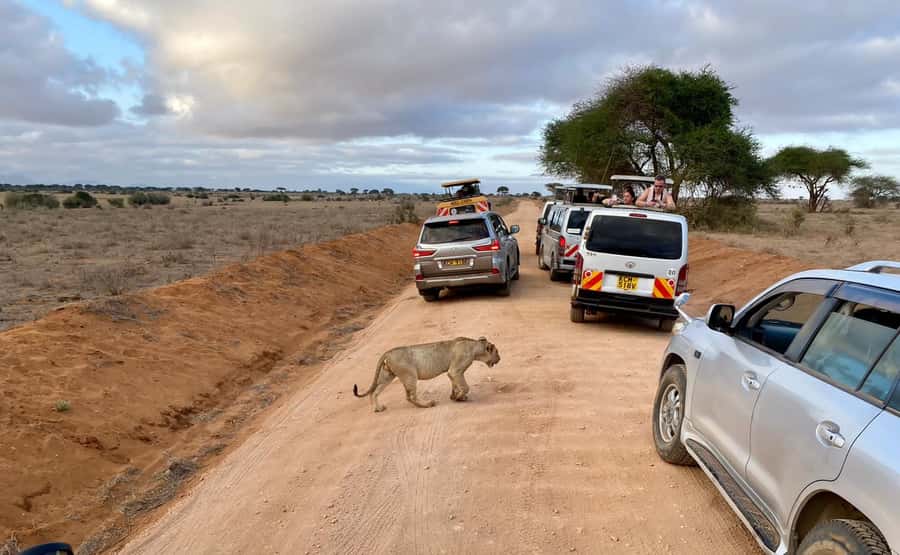
On a safari, the best sightings usually happen because someone knows where to look next. That’s where the English-speaking driver-guide comes in. You’ll be in a small group, limited to up to 6 participants, so there’s less crowd pressure and more flexibility to stop when something looks promising.
A roof pop-up van is one of those practical upgrades that pays off. When you’re scanning for elephants, buffalo, or giraffes in open sight lines, being higher helps. When animals are moving through bush or across a plain, a raised viewpoint buys you time to spot them before they’re gone.
From the names that show up in recent bookings, I expect guides to do more than point. People describe guide explanations in different languages, including German, and names like Walter, Amin, and Abdullah come up. Even when your language matches perfectly, you’ll still benefit from clear spotting cues like where animals are likely to drink, how they move, and what to watch for in behavior.
One more thing I like: you’re not just driving to a lodge and calling it a day. The sanctuary is the center of gravity here, and the transfer is simply the bridge to get you into the action.
First game drive: landing in the Ngutuni Sanctuary and getting your bearings
Your first game drive starts as soon as you arrive at Ngutuni Sanctuary. It’s scheduled as a 2-hour guided tour. That timing is long enough to see more than one “window” of wildlife activity, but short enough that you won’t feel trapped in the same moment if sightings are slow.
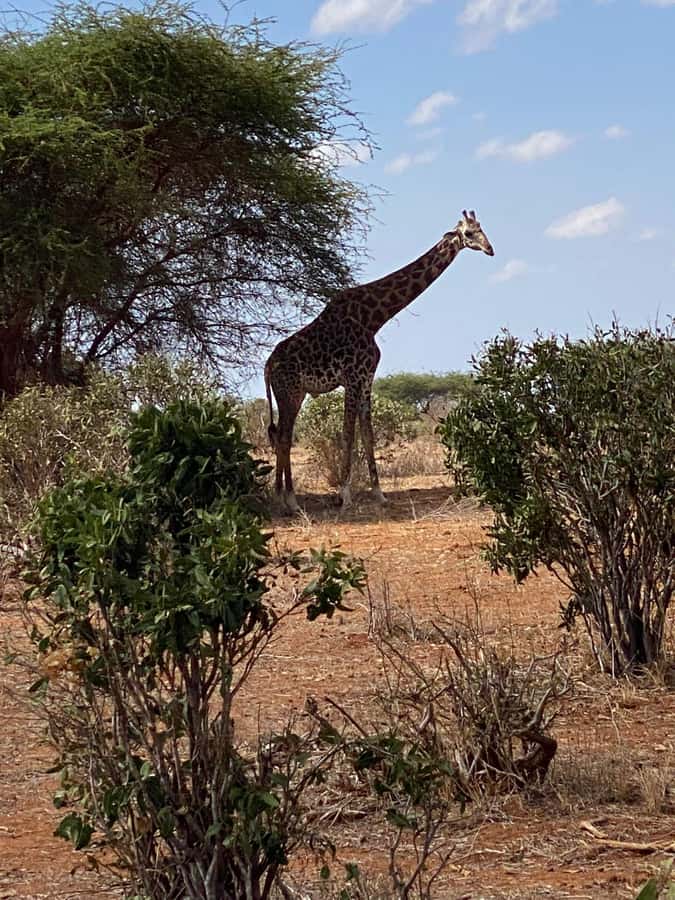
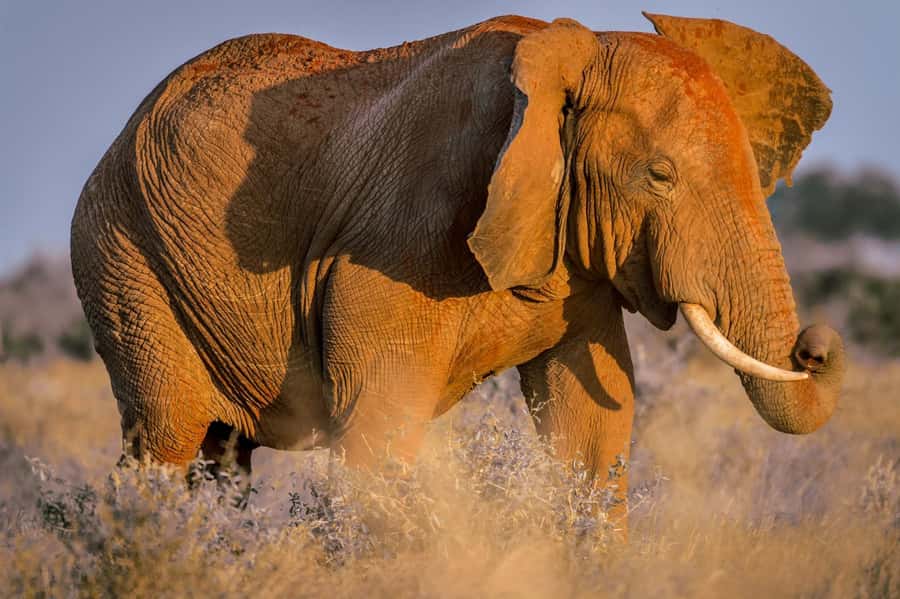
This matters because Tsavo’s wildlife rhythms can shift quickly. You might start with elephants moving through a corridor, then later pick up zebras and antelopes in grazing areas. The park is known for strong encounters, and the wildlife list for this safari includes Red Jumbo Elephants, buffaloes, giraffes, zebras, and antelopes.
So what does “guided” mean in real life? It usually means your driver-guide is actively positioning the van, watching from angles that protect sightlines, and using animal behavior to decide where to go next. If you’ve done safaris before, you know this is what separates a drive from a hunt.
Practical tip for your comfort: sit where you can see best from the pop-up area without blocking other people’s view. Bring a hat and sunscreen, and keep your camera accessible. You’re likely to go from calm viewing to a sudden flurry of movement, and you don’t want to be digging in a bag when the moment hits.
Lunch break at Ngutuni: why the lodge matters more than you think
After your first drive, you get lunch (1 hour) back at the lodge area. This is more than a meal stop. It’s your chance to reset, cool down, and let your eyes rest.
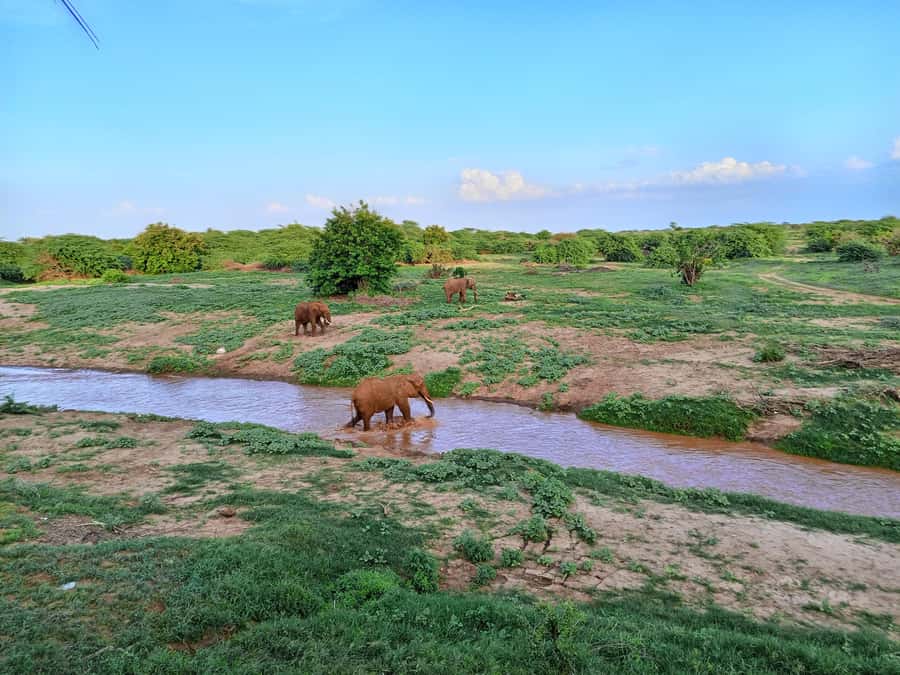
Ngutuni Safari Lodge has rooms that face a waterhole, and the room details include balconies overlooking it. That changes your safari from a strict “only in the car” experience into something more relaxed. Even when you’re not driving, you can still spot animals at the waterhole if you’re patient.
One review detail I paid attention to is the mention of pool time as a relief after the morning hunt for animals. If the lodge has a pool (and in recent feedback it’s clearly used), plan for that as downtime. Safaris are physical in their own way: you’re scanning, leaning forward, and sitting for long stretches. A cooling break helps you stay sharp for the next drive.
Dinner follows later, but this first lunch also builds pacing. Instead of rushing you straight into the second drive, the schedule gives you a real break before your afternoon wildlife session.
More Tsavo safaris:
- 2 Days Tsavo East National Park Tour From Mombasa/Diani (1 Night)
★ 5.0 · 50 reviews - Full Day Private Tour of Tsavo East National Park from Mombasa
★ 4.5 · 44 reviews - Mombasa: Tsavo East National Park Day Trip with Lunch
★ 4.3 · 41 reviews - 4 Days Tsavo West, Amboseli and Tsavo East National Park Safari
★ 5.0 · 30 reviews
Second game drive: afternoon sightings are different, and that’s a good thing
Your second guided drive is also a 2-hour session inside the sanctuary, after lunch. Afternoon game drives can feel different from mornings. Light angles change how animals appear, heat can affect movement patterns, and the best sightings might shift from active grazing to water-focused activity.
That’s exactly why this safari repeats the driving, instead of doing one long day and calling it done. With two drives on day one, you get multiple chances to see the animals that are your goal. And because your lodge is positioned by a waterhole, you also get a “third option” for sightings between drives.
If you’re chasing a specific animal, like elephants, don’t assume it’s only a morning thing. Animals may shift locations around water, and your guide can choose routes based on what’s happening that day. The sanctuary approach gives you that built-in responsiveness.
Also, because the group is capped at 6 participants, you’re less likely to feel like you’re squeezed into someone else’s schedule. That often makes for better viewing because the guide can manage where people sit in the van and when you move.
Dinner and night at the waterhole: the quiet part of safari
After your afternoon drive, you return to Ngutuni Safari Lodge for dinner (1 hour). Night wildlife can be quieter than daytime, but the lodge setup helps. When your room faces a waterhole, you’re not left waiting in the dark. You can watch from your balcony and see what animals choose to do when the day cools down.
This is where the “overnight” piece pays off. A day trip can feel like a quick hit. Overnight lets you settle in and keeps wildlife viewing going beyond the vehicle schedule.
You’ll also appreciate how the full board setup keeps things simple. Lunch and dinner on day one mean you’re not worrying about meals during the longest travel block. Breakfast is handled the next morning too, so you’re not trying to coordinate anything when you’re already up early.
Early morning game drive on day two: the fastest way to build memories
On day two, your schedule is built around an early drive before breakfast. That morning game drive is another 2-hour guided session in the sanctuary.
This part is often the most intense, because you’re fresh, light is good, and animals are usually active earlier. If you’re hoping to see the big animals listed for this safari, this is the time slot where your odds tend to improve.
Then you head back for breakfast (1 hour) at the lodge. You’re getting food right after the most demanding viewing time of the day, so you’re not stuck hungry while everyone talks about what they did or didn’t see.
After breakfast, you return to the coast. Your listed transfer time is 4 hours, which makes the morning drive and meal timing important. It keeps your second day from dragging, and it gets you back to your pickup-area hotels after the safari day closes.
What wildlife viewing feels like here: think patterns, not checklists
The wildlife list for this safari includes some heavy hitters: Red Jumbo Elephants, buffaloes, giraffes, zebras, and antelopes. That’s a strong core set, but I’d frame your expectations as patterns rather than a one-time checklist.
Here’s how to think about it while you’re on the drive:
- Elephants are often about water and movement corridors.
- Buffalo sightings can be more location-dependent and may come with a slower, watchful pace.
- Giraffes and zebras can show up when the terrain and grazing rhythms line up.
- Antelopes can appear in clusters, sometimes quickly, so having a guide who scans actively helps.
A roof pop-up van helps you do your part too. You’re not just staring forward in a flat seated view. You can scan more quickly, and you’ll have a better chance of spotting animals before the van reaches the ideal viewing angle.
Price and value: what $450 covers, and what that means for your decision
At $450 per person for 2 days, this safari is priced like a real guided trip, not a barebones transfer. What’s included is the key reason it can be good value if you want convenience and wildlife time:
Included items cover:
- Pick up and drop off at Diani Beach hotels and in Mombasa, Kilifi, Watamu, Malindi
- Safari game drives (three guided sessions)
- Sanctuary fees
- Accommodation on full board basis at Ngutuni Safari Lodge
- English-speaking driver-guide
- Lunch and dinner on day one, breakfast on day two
What’s not included is straightforward: drinks and personal items.
So the value question becomes: are you paying for time, guide skill, and the lodge package? Yes. And that’s worth it when you want less logistics planning and more time focused on seeing animals.
If you were doing this by yourself, you’d still need transport, entry fees, a guide or local driver, and a lodge reservation. The safari price packages those moving parts and keeps your days structured. The trade is you give up total freedom over timing and routes. For most people chasing wildlife from the coast, this structure is exactly the point.
Who this safari fits best, and who should think twice
This is a strong match if:
- you want three game drives instead of one or two
- you like the idea of a lodge stay that keeps wildlife viewing going between drives
- you prefer a small group capped at 6 participants
- you want a driver-guide who explains what you’re seeing
This is not for you if:
- you’re pregnant
- you have back problems (the ride, time seated, and road conditions can be a challenge)
Also, if you hate very early starts, it’s worth thinking hard before booking. The pickup times are early by design, and you’ll feel it across two travel days with long transfers.
What to pack for a smoother Ngutuni overnight safari
This is safari country, so pack like you’ll be outside most of the day. The essentials listed include:
- comfortable shoes
- hat
- camera
- sunscreen
- water
- binoculars
I’d add one common-sense tip: keep your camera and water where you can grab them quickly during stops. Game viewing moments can move fast, and when you’re in a pop-up setup, you don’t want to fumble.
Also, bring a light layer if you’re sensitive to early morning chill. The schedule has you up and moving before the day warms up, and morning air can feel cooler even in coastal regions.
Should you book this Tsavo East Ngutuni overnight safari?
If you want an efficient two-day wildlife experience from the coast, I’d say yes, with eyes open. The main reasons are practical: three guided game drives, sanctuary fees included, and an overnight at a waterhole-view lodge where you can keep watching after the vehicle stops.
I’d especially recommend it if you’re traveling with limited time and you don’t want to figure out transport, entry logistics, and a lodge separately. It’s built to reduce friction and keep wildlife time high.
The only real “hold” is physical comfort and early mornings. If that’s a problem for you, there’s no shame in choosing a different style safari. But if you can handle early pickup and long transfer days, this is a solid way to turn a short coast trip into real time in Tsavo East.
FAQ
What time is pickup from Diani Beach?
Pickup from Diani Beach is at 5:00 AM.
What time is pickup from Mombasa, Kilifi, Watamu, or Malindi?
Pickup from Mombasa, Kilifi, Watamu, or Malindi is at 6:00 AM.
How many game drives are included?
You get 3 game drives in Tsavo East Ngutuni Sanctuary, each guided and scheduled as 2 hours.
What meals are included during the 2 days?
Lunch and dinner are included on the first day, and breakfast is included on the second day. Drinks are not included.
Where do you stay overnight?
You stay at Ngutuni Safari Lodge, with rooms designed to look out over a waterhole.
How big is the group and what vehicle is used?
The group is limited to 6 participants. The safari uses a roof pop-up safari van.
Is this safari suitable for pregnant women or people with back problems?
No. It is not suitable for pregnant women or people with back problems.
Newest write-ups from Mombasa
- Tsavo East National Park: 2-Day Tour from Mombasa★ 3.9 · 5 reviews
- 4×4 Safari in Tsavo East National Park★ 5.0 · 4 reviews
- 4-Day Tsavo East West and Amboseli National Park from Mombasa★ 4.0 · 5 reviews
- 1-Day Tsavo East Safari From Mombasa★ 5.0 · 3 reviews
- Private Transfer from Mombasa★ 5.0 · 6 reviews
- Fort Jesus Sound and Light show Mombasa★ 4.0 · 17 reviews
- 4 Days Mount Kenya Trekking★ 5.0 · 6 reviews
- Private Tour of Tsavo East National Park from Mombasa★ 5.0 · 3 reviews
Tsavo Safaris, compared.
From Mombasa/Mtwapa/Diani/Tiwi: Tsavo East Full-Day Safari
Read our review →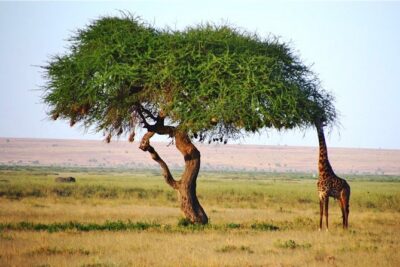
Day Trip – Tsavo East National Park ( Man Eater Lions of Tsavo & Other Big Five)
Read our review →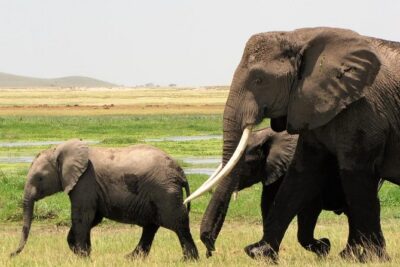
2 Days Tsavo East National Park Tour From Mombasa/Diani (1 Night)
Read our review →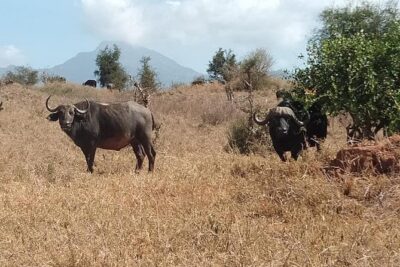
3 days safari Tsavo East and Taita hills (Saltlick lodge)
Read our review →
Full Day Private Tour of Tsavo East National Park from Mombasa
Read our review →
Overnight Tsavo East Safari From Mombasa/Diani (Private)
Read our review →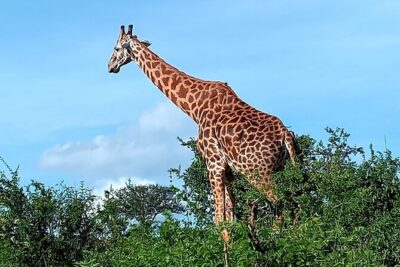
Browse the lists this tour appears in