
REVIEW · DIANI BEACH TOURS
Diani: Giriama Cultural Dance Show and Local Village Tour
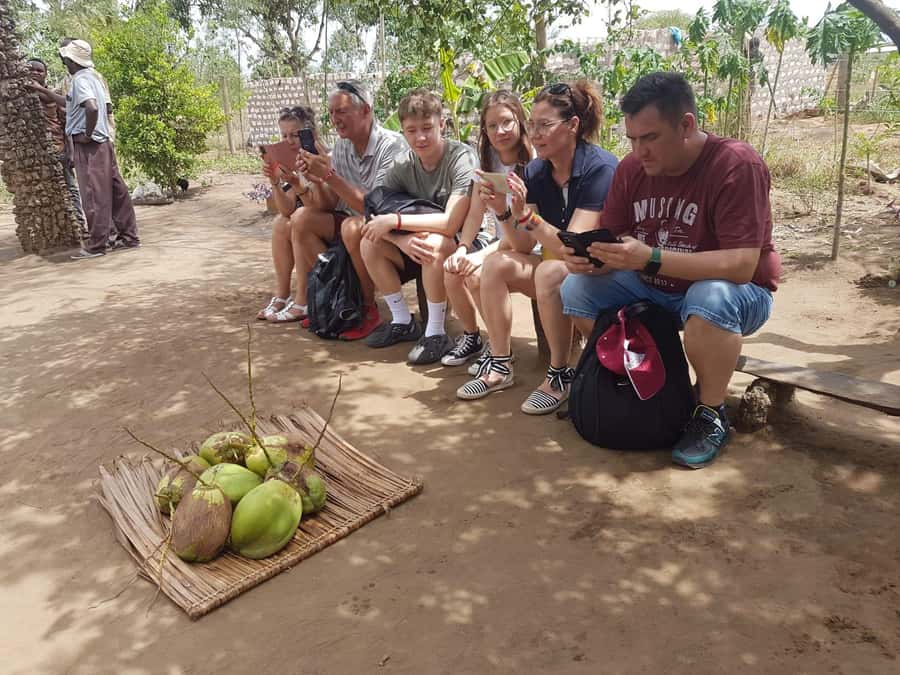
One glance at the Giriama dance arena, and you get it. This 3-hour Diani experience gives you a real look at village life, with traditional dances and a traditional healer stop that feels personal, not staged. You start in an open-air market, meet a community school under a giant baobab tree, then spend time with families, tasting local drinks and learning daily routines.
I especially like the pace. It is not rushed, and it does not feel like a script you are watching from the sidelines. I also like the hands-on moments, from palm wine tasting to joining in the dancing with a group of 12 dancers who keep the rhythm together.
One thing to consider: hotel transport is extra and depends on where you stay. You will also be walking village lanes, so wear comfortable shoes, and if you use a wheelchair, confirm the practical fit with the operator first.
In This Review
- 5 key things I’d put on your must-know list
- A real taste of Giriama culture in Diani’s coast world
- Stop 1: Ibiza Market, where community trade starts the story
- Stop 2: A school visit under the baobab tree, and what to bring
- Stop 3: Madafu coconut water, homestead demos, and ugali watching
- Stop 4: Meeting the mganga, the traditional healer and herbal knowledge
- Stop 5: The dance arena with 12 dancers, stories, and participation
- Photos, traditional attire, and the “not too staged” feel
- Price and logistics from Diani, what $35 buys you (and what it does not)
- Who should book this tour, and who might want a different option
- A guide name you may meet: Samson, plus the driver who keeps things smooth
- Should you book the Diani Giriama dance and village tour?
- FAQ
- How long is the Diani Giriama cultural dance show and village tour?
- What is included in the tour price?
- Is pickup from my hotel included?
- How much do the optional transport choices cost?
- Is food included?
- Is this tour suitable for wheelchair users?
5 key things I’d put on your must-know list
- Ibiza Market first, so you get the local trade vibe before you go “deeper”
- School visit under the baobab, with gift ideas for kids if you want to bring something
- Coconut water and harvesting demos, including palm tapping techniques if time allows
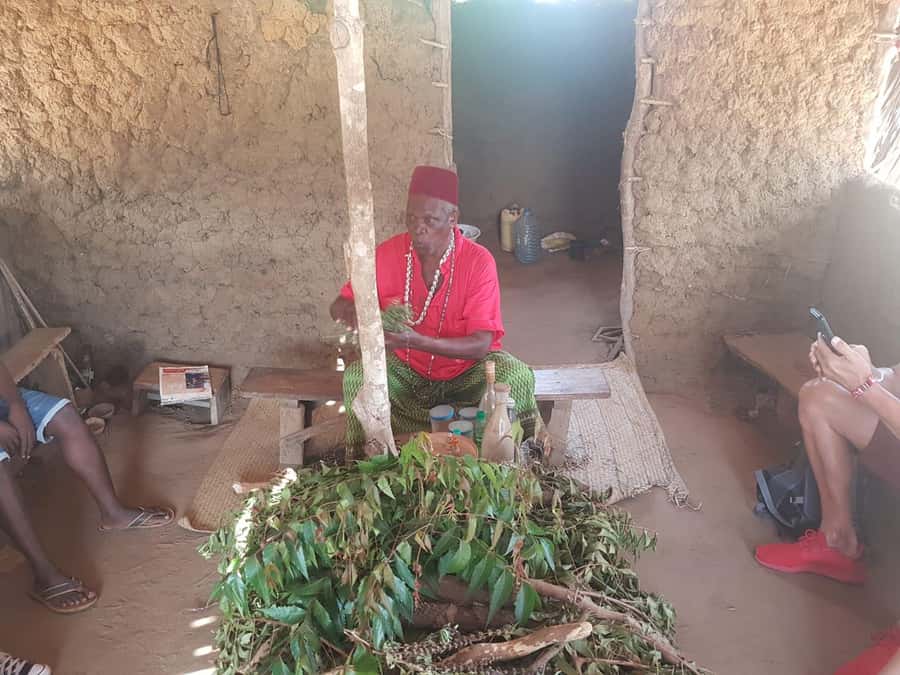
- Traditional healer visit (mganga), where you learn how indigenous herbs are prepared
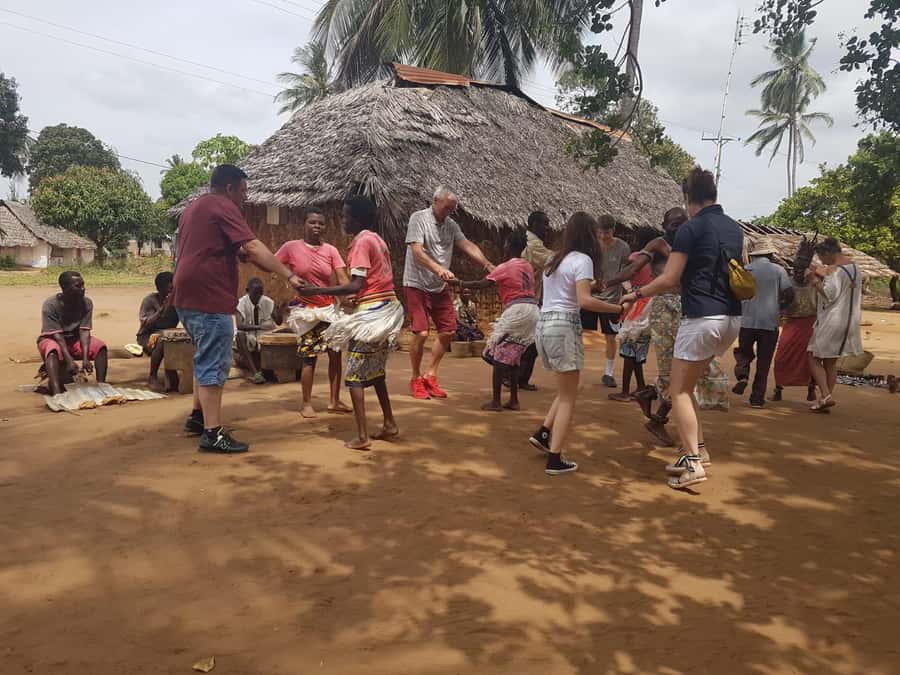
- Dance arena participation, including stories behind dances and a 12-dancer performance
A real taste of Giriama culture in Diani’s coast world
Diani is famous for beaches, but this tour is about something else: people. You get dropped into the Mijikenda world through the Giriama, one of the nine sub-tribes living along Kenya’s coast.
What makes this experience work is the way it is framed. You are not just shown items or pointed at a stage. You walk, talk, and share time with local hosts. You also get the chance to see how daily life is woven together, from market day energy to the practical rhythm of a homestead.
The other big win is the entertainment. The dance show is not just “watch and clap.” You are invited to join, and the dancers perform as a living part of community celebrations and milestones. If you like culture that feels like it is happening because it matters to the people doing it, this is the kind of tour that delivers.
A few more Diani days worth pricing up
- Diani: Sunset Canoe Tour along the River with Mangroves
★ 4.8 · 65 reviews - Overnight Tsavo East Safari From Mombasa/Diani (Private)
★ 4.9 · 39 reviews - Diani: Sunset Cruise along Kongo River on Wooden Canoe boat
★ 4.6 · 20 reviews
Stop 1: Ibiza Market, where community trade starts the story
Your day begins at Ibiza Market, an open-air place where everyday life is on display. This is where locals trade and sell common goods, including fresh fish and food items, plus clothing and other essentials.
For me, market-first tours make sense. You get oriented fast. You see what people actually buy and sell, not just what is presented later as “tour content.” It also sets a tone of normal life, which makes the later village parts feel less like a performance and more like a continuation of the same world.
Practical tip: bring a little cash if you want to browse or buy small souvenirs. Some village interactions include opportunities to support the school or community, and it is easier if you arrive ready.
Stop 2: A school visit under the baobab tree, and what to bring
Next comes the local school, shaded by a giant baobab tree. Depending on the time of day, you will interact with cheerful students.
The tour strongly encourages you to carry small items for children. If you can bring something, it tends to make a big difference in the mood of the visit. People often bring toys, balls, sweets, clothes, pencils, crayons, stickers, or notebooks. Even small supplies can turn into real smiles and quick conversation.
Two practical notes here:
- Keep gifts simple and kid-friendly. Small items are easier to distribute and manage.
- If the school or locals ask for support beyond gifts, it helps to have some extra money available. It is not the kind of experience where everyone expects you to do only one thing.
This is also where you start to see the “from their perspective” approach. You are learning what the day-to-day looks like, not just collecting photos.
Stop 3: Madafu coconut water, homestead demos, and ugali watching
At a local homestead, you will enjoy madafu (coconut water). Then you get a glimpse of coconut harvesting techniques, including a demo of palm wine tapping by a host who climbs the coconut tree.
If time allows, you may also join in simple food preparation, such as cashew nuts or ugali, the coastal staple dish. Even when you are not cooking, watching the process teaches you how much skill goes into everyday meals, from sourcing ingredients to timing.
A key value here is that it is not just a tasting. It is a behind-the-scenes view of how food and drink connect to skills and local knowledge.
About drinks: palm wine tasting is listed as included. If you do not drink alcohol, treat this as a heads-up. Ask how the tasting will be handled so you are comfortable with the amount and what is expected from you.
Same trip, a different part of the country:
- 2-Day Tsavo East National Park Safari (with options)
★ 4.9 · 14 reviews - From Mombasa/Diani: Tsavo East National Park Day Trip
★ 5.0 · 7 reviews - Overnight Safari to Saltlick through Tsavo East Park
★ 5.0 · 6 reviews - Diani: Market and Street Food Walking Tour
★ 4.2 · 6 reviews
Stop 4: Meeting the mganga, the traditional healer and herbal knowledge
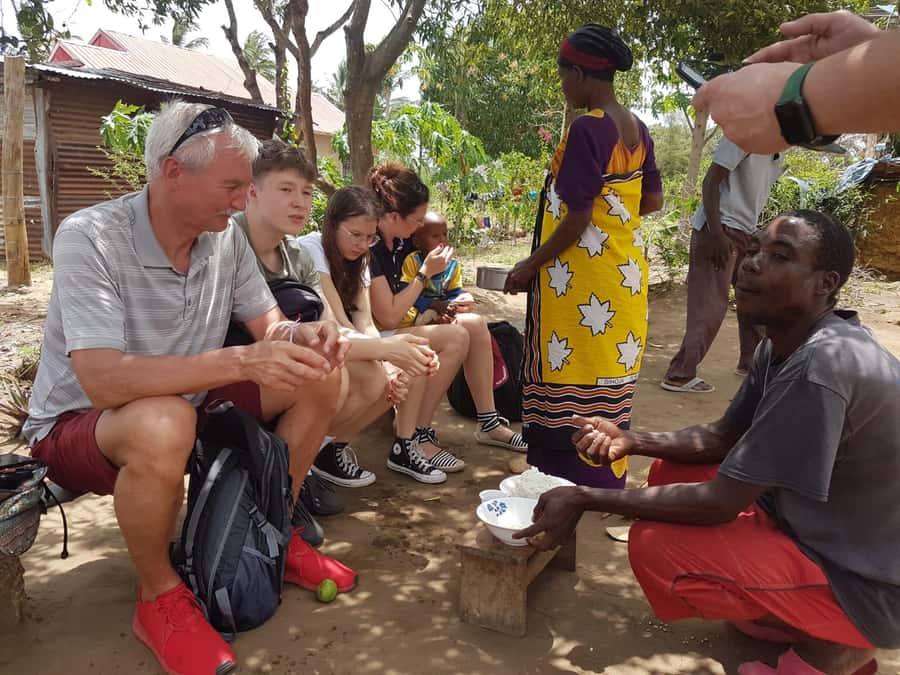
Now you shift from food and routines to health and tradition. You visit a traditional healer, known as the mganga, who uses indigenous herbs to treat different ailments.
The focus is on learning how remedies are prepared and the way this knowledge has been passed down through generations. It is not presented as a science lecture. It is presented as lived knowledge and community practice.
For me, this is one of the most meaningful stops because it expands your idea of what “culture” includes. It is not only dances and clothing. It is also how people understand wellness, how they prepare ingredients, and how elders protect skills through time.
Respect matters most here. Bring curiosity, keep your questions thoughtful, and remember that this is someone’s work and family knowledge, not a museum exhibit.
Stop 5: The dance arena with 12 dancers, stories, and participation
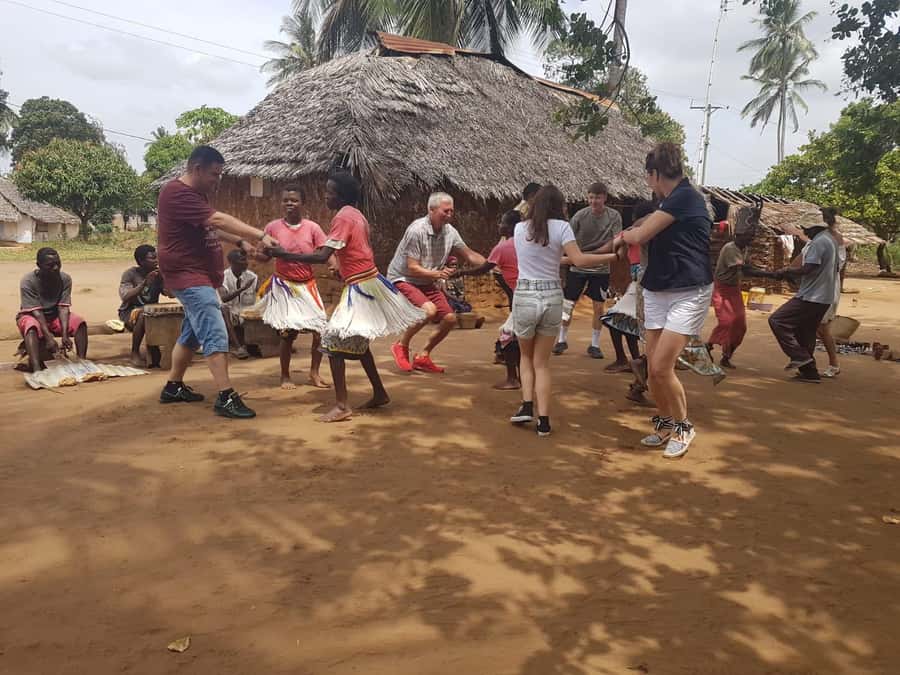
The final stretch brings you through narrow village lanes to the dance arena. This is where the Giriama cultural dance show takes center stage, with traditional dances that tell stories tied to weddings, celebrations, and farewells.
The highlight is the performance itself: 12 dancers performing in harmony. You are also invited to join in. That means you get more than viewing. You get laughter, rhythm, and the kind of participation that turns a show into a shared moment.
Many people also appreciate the sense that you are moving through the village with hosts, not being delivered to a separate entertainment area. Villagers may also welcome you into homes, and some parts can include a glimpse into the kitchen and daily living spaces.
This is where comfort with camera time helps. The tour includes professional photos taken using your equipment, so you can still walk away with good pictures without spending the whole day behind your lens.
Photos, traditional attire, and the “not too staged” feel
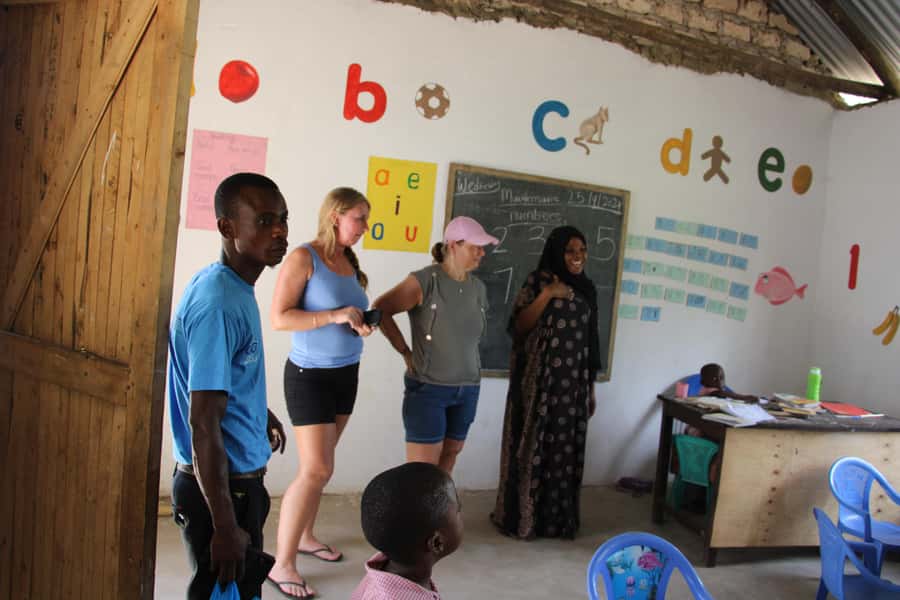
A lot of cultural tours claim authenticity, then rush you through. This one leans the other way. It is built around interaction, explanations, and time to experience the flow of the day.
Two practical inclusions boost the experience:
- Traditional attire. You may be dressed in local style during the activity, which helps you connect the visual part of culture with the real context behind it.
- Professional photos using your equipment. The photographer will take pictures with your camera or phone, so you keep control of what you brought and how you share them later.
The “not rushed” part matters for your enjoyment. When you are hurried, you tend to miss the small conversation moments. Here, the slower rhythm gives you space to ask questions, watch carefully, and actually notice how people do things.
Price and logistics from Diani, what $35 buys you (and what it does not)
The tour price is listed at $35 per person for a 3-hour experience.
That base price is strong value because it bundles more than one stop. You get a village tour plus a traditional healer visit, palm wine tasting, traditional dances, and a traditional attire component. You also get professional photos taken with your equipment.
What is not included is important: food and drinks are not included. In plain terms, plan on your meals being handled outside the tour, though you may taste local items during stops like coconut water and palm wine.
Then there is transport. The information you get makes it clear you need a vehicle to pick you up from your hotel, drive you through the village area, and return you. The transfer cost is not one fixed number, it varies depending on hotel location. You can organize a sedan for an extra $40 or a tuktuk for $25. When you book, confirm the exact option for your hotel.
Also note the timing detail you should watch for: pickup typically involves waiting in your hotel lobby about 10 minutes before the scheduled time.
Who should book this tour, and who might want a different option
This tour fits best if you:
- Want culture beyond a beach day and beyond a resort-style “performance”
- Like guided explanations, especially around daily life, food, and the healer stop
- Enjoy interactive activities, like joining the dance rather than just watching
- Are willing to bring a bit of extra care, like gift items for kids
It is probably less ideal if you:
- Want a purely sit-and-watch show with no walking or home visits
- Do not want alcohol tasting at all. Palm wine tasting is included, even if the amount may be small. Confirm your comfort level ahead of time.
Wheelchair note: the information is conflicting. One section lists wheelchair accessibility, and another says it is not suitable for wheelchair users. If mobility is a concern, ask the operator directly how the walking lanes and stops will work in practice for you.
A guide name you may meet: Samson, plus the driver who keeps things smooth
In the feedback you will see a repeat name: Samson as a guide. People describe him as friendly, helpful, and strong at explaining what you are seeing, which is exactly what you want on a culture-focused day.
You may also see Salim mentioned as a driver. A good driver matters here because village roads and timing can make or break the day. If the operator assigns staff you have heard good things about, that is a bonus.
The takeaway for you: the people running the day influence how respectful and easy it feels. Ask questions, be on time, and let your guide know what you want to focus on, especially during the healer and school portions.
Should you book the Diani Giriama dance and village tour?
If you want Kenya coast culture that feels lived-in, I think this tour is worth booking. For $35, you are getting multiple core stops, including the school and mganga healer visit, plus palm wine tasting and a real dance show with audience participation. That mix is hard to beat when you are comparing it to tours that only do one “highlight.”
Book it if you are the type of person who likes conversations, small moments, and learning how daily life works. It is also a great first “village experience” because you start with the market and build context as you go.
Skip or change plans if you dislike walking village lanes, if you need a fully low-movement day, or if you want zero alcohol involvement. In that case, confirm your comfort with the palm wine stop before you commit.
If you do book: bring comfortable shoes, and if you can, pack simple school supplies or small gifts for kids. Those items are not required, but they often turn your visit into something kinder and more memorable.
FAQ
How long is the Diani Giriama cultural dance show and village tour?
The tour lasts 3 hours.
What is included in the tour price?
Included items are a village tour with a traditional healer visit, palm wine tasting, traditional dances by villagers, traditional attire, and professional photos using your equipment. A free walking tour is also provided by the operator on Tuesdays and Thursdays if you communicate with them.
Is pickup from my hotel included?
Pickup is indicated as part of the experience with a request to wait in the hotel lobby 10 minutes before pickup. However, the transport price is also described as not included and varies by hotel location, so you should expect the transfer cost to be discussed after booking.
How much do the optional transport choices cost?
The option listed is a sedan for an extra $40 or a tuktuk for $25, and the operator can organize this after booking.
Is food included?
No. Food and drinks are not included. You may have tastings during the stops, but you should plan for meals outside the tour.
Is this tour suitable for wheelchair users?
The information provided is conflicting: one section lists wheelchair accessibility, while another says it is not suitable for wheelchair users. You should confirm with the operator before booking.
Newest write-ups from Diani
- Overnight Safari to Saltlick through Tsavo East Park★ 5.0 · 6 reviews
- Mombasa: Snorkeling, Dolphin watching, seafood lunch.★ 4.5 · 3 reviews
- mangrove tour★ 4.2 · 4 reviews
- From Mombasa/Diani: Tsavo East National Park Day Trip★ 5.0 · 7 reviews
- From Diani or Mombasa: Tsavo East National Park Day Trip★ 5.0 · 4 reviews
- Diani: Sunset Cruise along Kongo River on Wooden Canoe boat★ 4.6 · 20 reviews
- Diani: Wasini Island Dolphin Watching and Snorkeling Tour★ 4.2 · 3 reviews
- Diani: Market and Street Food Walking Tour★ 4.2 · 6 reviews
Diani Beach Tours, compared.
PILLI PIPA DHOW, the genuine product, snorkeling tour to Kisite Marine Park
Read our review →
Full-Day Special Wasini Island Tour with Snorkeling and Lunch
Read our review →Full Day Dolphin Watching with Snorkeling in Wasini
Read our review →
Sunset Canoe Tour along the River with Mangroves
Read our review →
Day Trip – Tsavo East National Park ( Man Eater Lions of Tsavo & Other Big Five)
Read our review →


Browse the lists this tour appears in